
Reviewed · MIKUMI NATIONAL PARK SAFARIS
10 days Safari to Nyerere NP, Ruaha NP, Udzungwa NP and Mikumi NP + Isimila Site
Southern Tanzania rewards patience. This 10-day safari links Nyerere, Ruaha, Udzungwa, Mikumi, and Isimila in one wide-ranging trip from Dar es Salaam. I like the mix of classic game drives, a Rufiji River boat safari, a guided bush walk, mountain hiking, archaeology, and a Maasai visit. I also like that the price includes park fees, accommodation, meals, bottled water, transport, and a driver-guide.
The main drawback is the amount of time spent on the road. Several days involve long drives of up to 14 or 15 hours, and some nights are outside the national parks. This is a rewarding route for people who want variety and do not mind early starts, rough roads, and tired legs.
In This Review
- The five best reasons to consider this safari
- What this route gets right
- Day 1: Rufiji River after the long road south
- Day 2: A full game drive in Nyerere
- Day 3: Walking in the bush and climbing toward Morogoro
- Day 4: Through Iringa to Ruaha
- Days 5 and 6: Two full days among Ruaha’s baobabs
- Day 7: Isimila’s stone tools and red canyon walls
- Day 8: Udzungwa’s forest trail and Sanje Waterfall
- Day 9: Mikumi and the Mkata Floodplain
- Day 10: A Maasai visit before returning to Dar es Salaam
- Accommodation, meals, and daily comfort
- Who should book this southern circuit?
- Practical booking advice before you pay
- Should you book this safari?
- FAQ
- Where does the safari start and finish?
- How much does the safari cost?
- What is included in the price?
- Are drinks included?
- Is the tour suitable for children?
- How physically demanding is the itinerary?
- Can I request special meals?
The five best reasons to consider this safari
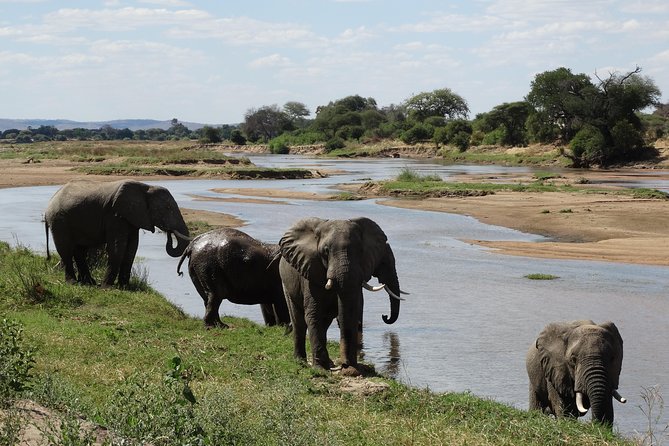
- The Rufiji River by boat: Hippos, crocodiles, elephants, waterbuck, and large numbers of birds can be viewed from the water.
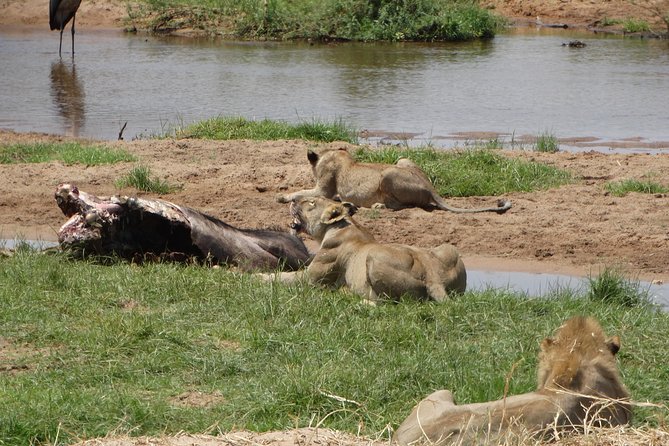
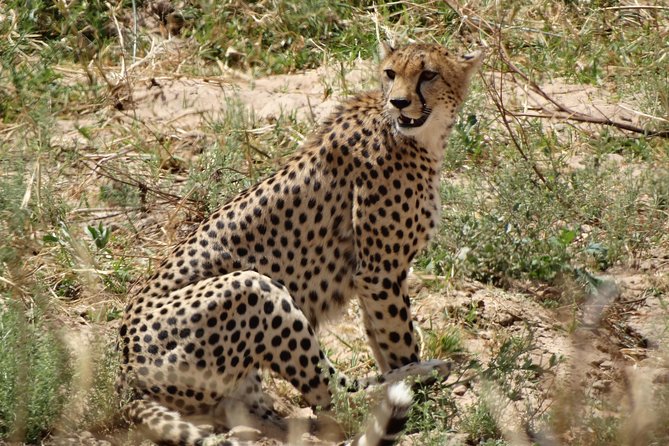
- Ruaha’s dry-country wildlife: Great Ruaha River, baobabs, rocky kopjes, lions, cheetahs, elephants, and other animals give this park a very different feel.
- A real walking safari: An armed ranger leads a two to two-and-a-half-hour walk, focusing on tracks, droppings, plants, and small creatures.
- Sanje Waterfall and endemic monkeys: Udzungwa brings forest trails, a 170-meter waterfall, plunge pools, and a chance to see Sanje crested mangabeys and Iringa red colobus monkeys.
- Isimila’s ancient tools and canyon: This stop adds archaeology and geology to a trip otherwise focused on wildlife.
- A guide who matters: Mansoor received especially warm praise for his animal knowledge, communication, and ability to arrange the practical details of the safari.
What this route gets right
Many Tanzania safaris follow a familiar northern circuit. This one takes you south, where the pace feels less centered on a single famous park. You move through river country, open plains, mountain forest, archaeological sites, plantations, villages, and escarpment roads.
That variety is the heart of the trip. You are not simply counting lions from one park to the next. One morning you may follow animal tracks on foot. The next day you may be looking for elephants beside the Great Ruaha River. Later, you are climbing toward a waterfall in forest and looking down across the Kilombero Valley.
The price is $2,898 per person. That is a serious amount, but it covers the main costly parts of a 10-day safari: accommodation, national park fees, bottled water, private or small-group transport, a driver-guide, hotel pickup and drop-off, 10 lunches, nine dinners, and nine breakfasts. Alcoholic drinks and other drinks are extra, along with anything not listed.
I would judge the value by the range of activities, not only by the number of parks. You receive boat safari time, game drives, walking, hiking, archaeology, and a cultural visit. If you want a short, polished safari with little time in the vehicle, this is not the right choice. If you want a broad southern Tanzania experience, the price is easier to justify.
More Mikumi safaris:
- MIKUMI NATIONAL PARK – 3 Days
★ 4.5 · 63 reviews - 2 nights 3 days safari to mikumi national park
★ 5.0 · 62 reviews - 2 Days 1 Night Mikumi National Park from Dar es salaam
★ 5.0 · 60 reviews
Day 1: Rufiji River after the long road south
The first day begins at 7 a.m. with pickup in Dar es Salaam. The drive toward Nyerere National Park, described in the program as Selous Game Reserve, takes about five to six hours, with a hot lunch stop in Kibiti.
That first drive sets the tone. You pass broad agricultural areas, including sisal, rice, and sugarcane plantations, before reaching a wilder setting. The route is part of the experience, but it is not a quick transfer. Bring water, sun protection, and something to occupy you during the quieter stretches.
The reward comes in the afternoon with a boat safari on the Great Rufiji River. This is one of the strongest ideas in the whole program. From a boat, you can approach riverbank wildlife from a different angle than you would in a vehicle.
Hippos may surface close to the boat, crocodiles can slide into the water, and elephants, waterbuck, and other animals may come to drink. Birdlife is another major attraction. The water gives you a more intimate view of the park, although wildlife sightings are never guaranteed and river conditions can affect what you see.
Accommodation is listed at Mloka Safari Lodge or Africa Safari Camp. Because two options are given, confirm the actual property before departure if the standard of the accommodation matters to you.
Day 2: A full game drive in Nyerere
The second day is dedicated to a full game drive in Nyerere National Park. The program refers to the area as Selous Game Reserve and describes it as covering about 50,000 square kilometers, making it one of Africa’s largest protected areas.
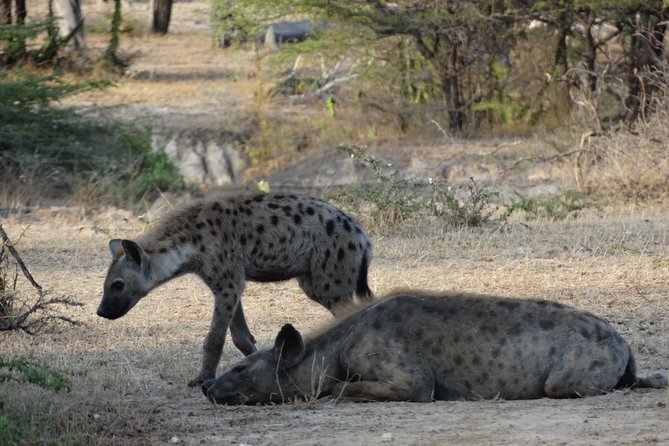
That huge scale is both its appeal and its challenge. You get a sense of open wilderness, but the animals are spread across a vast area. Your guide’s skill matters here. The listed wildlife includes elephants, lions, African wild dogs, buffalo, bushbuck, impala, eland, baboons, zebra, wildebeest, and greater kudu.
I would pay close attention to how the day is organized. A full day in a very large reserve can mean long periods between sightings. That is normal, not a failure. The best approach is to enjoy the changing country, watch for tracks and birds, and let the guide make decisions about where to spend time.
You return to Mloka Safari Lodge or Africa Safari Camp for a second night. Meals are included, but drinks other than bottled water are not.
Day 3: Walking in the bush and climbing toward Morogoro
Day 3 begins early with tea or coffee, followed by a two to two-and-a-half-hour walking safari. An armed ranger accompanies you, which is important. This is not a casual stroll near camp.
On foot, you focus on details that are easy to miss from a safari vehicle. You may examine animal footprints, droppings, plants, and smaller creatures. The experience gives you a better sense of how animals move through their surroundings, even when you do not see large mammals.
After breakfast, you drive toward Morogoro, with a game drive along the way. The route passes rivers, local villages, farms, and the Uluguru Mountains. The listed duration is about 14 hours, so this is one of the toughest days physically.
Accommodation is at Arc Hotel. If you prefer a slower pace, ask whether this transfer can be adjusted before you book. If not, treat this as a travel day with a worthwhile walking safari attached to it, rather than expecting a relaxed afternoon.
More Nyerere and Selous safaris:
- 3 Days Selous (Nyerere National Park)
★ 5.0 · 43 reviews - 3 Days Safari – Selous Game Reserve
★ 5.0 · 21 reviews - 3 Days Nyerere NP [Selous GR] Game, Walking and Boat
★ 5.0 · 19 reviews - 5 Days Safari to Selous & Mikumi
★ 5.0 · 15 reviews
Day 4: Through Iringa to Ruaha
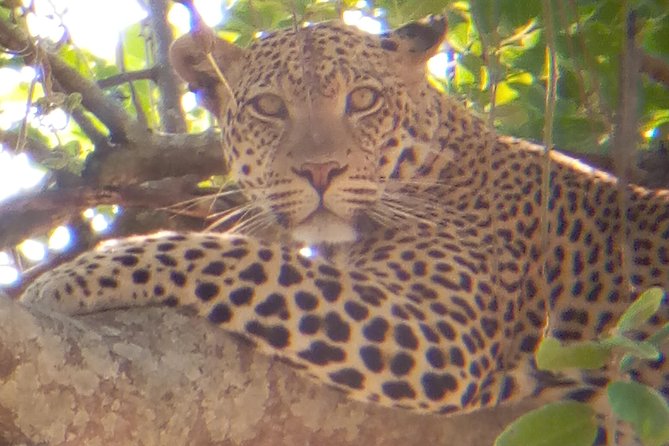
After breakfast, you continue toward Ruaha National Park, stopping in Iringa for lunch and a short town tour. The drive is again listed at about 14 hours, followed by dinner and an overnight stay at Ruaha Hilltop Lodge.
The lodge is outside the national park. That usually means you are not waking up inside the reserve, and your game-drive days include travel to and from the park gates. The tradeoff may be worthwhile for the route and lodging plan, but it makes early starts more important.
Iringa adds a useful pause to a long transfer. The town is also the gateway to Isimila later in the trip, so this portion helps connect the safari’s wildlife and cultural stops.
Days 5 and 6: Two full days among Ruaha’s baobabs
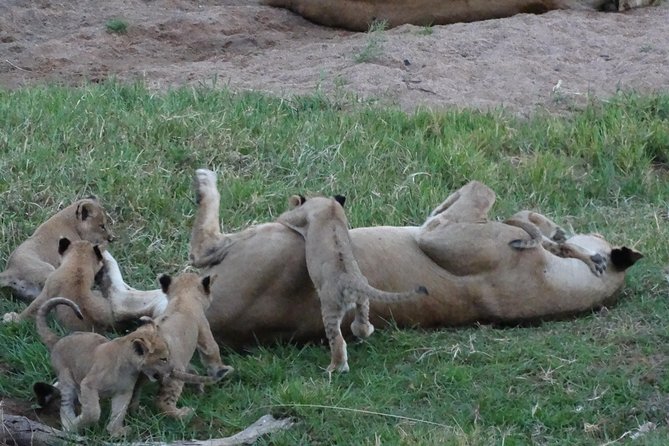
Ruaha receives two full game-drive days, which is a good choice. The park has a different character from Nyerere. Its roads follow the Great Ruaha River and seasonal streams, where impala, waterbuck, and other antelope gather for water during the dry season.
That concentration brings predators. The itinerary specifically highlights prides of more than 20 lions and cheetahs stalking open grassland. You may also see elephants, buffalo, giraffe, zebra, and other species, but the excitement comes from watching how animals use the river and open ground.
Day 6 focuses on rocky kopjes and ancient baobab trees. The schedule includes an early breakfast, a morning game drive, a return to the cottage for a hot lunch, and another game drive until sunset.
The split day has a practical advantage. A hot lunch and a short midday break can be more comfortable than remaining in a vehicle all day with a packed meal. The downside is the transfer between the lodge and park, since Ruaha Hilltop Lodge is outside the reserve.
Ruaha is one of the places where a good guide can make a real difference. Mansoor was praised for identifying animals, explaining the surrounding plants and country, and knowing where to search. If he is available for your departure, requesting him may be sensible, although the operator cannot be assumed to guarantee a particular guide.
Day 7: Isimila’s stone tools and red canyon walls
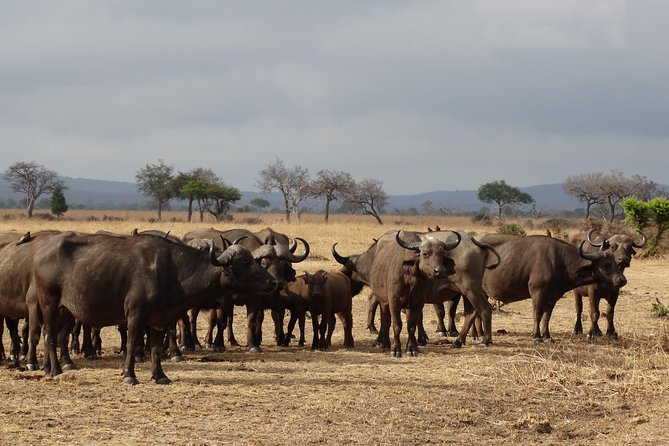
After breakfast, you drive through Iringa toward Isimila Stone Age Site. The visit lasts about three hours and begins in a small museum, where a guide explains the formation of the site, the displayed fossils, and the stone tools.
The walk then continues down a steep footpath into a canyon. You see the beds where tools were found and learn how the unusual rock towers formed. The warm red earth and birdlife make this more than a museum stop.
Wear shoes with good grip. The steep path may be manageable for most people, but it is not a flat, indoor visit. The site also gives the safari a welcome change of subject. After several days of animals and roads, you are thinking about early human activity and geology.
You then continue to Udzungwa Mountain National Park for dinner and an overnight stay. The day is listed at about 14 hours, so expect a long combination of driving and sightseeing.
Day 8: Udzungwa’s forest trail and Sanje Waterfall
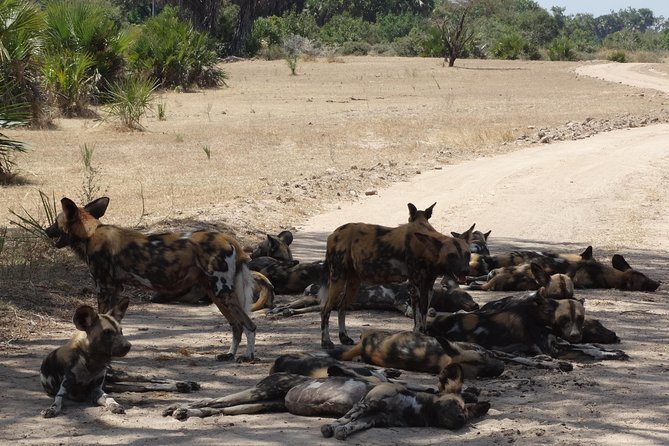
Udzungwa is the most active part of the trip. After breakfast and park formalities, you begin a mountain walk with a picnic lunch in the forest.
The route reaches Sanje Waterfall, which drops about 170 meters. You may have the chance to swim in one of the plunge pools, so pack a swimsuit and a small towel if that appeals to you. The trail climbs as high as 1,600 meters above sea level and offers views across the Kilombero Valley.
The park is also noted for six monkey species, including the endemic Sanje crested mangabey and Iringa red colobus monkey. Seeing them depends on conditions, luck, and your guide, but the possibility adds real interest to the hike.
This day requires more than ordinary sightseeing. You need to be comfortable walking for much of the day, handling uneven paths, and climbing in warm conditions. The tour says most people can participate, but you should still be honest about your fitness before booking.
There is a schedule point worth confirming. After the mountain trek, the plan says you drive to Mikumi Bastian Camp or Mikumi Safari Lodge for dinner and the night, then travel about two hours to Mikumi National Park on Day 9. Ask the operator exactly where you will sleep and how much driving follows the hike.
Day 9: Mikumi and the Mkata Floodplain
After breakfast, you check out and drive roughly two hours to Mikumi National Park for a game drive. The park is more compact in feel than Nyerere or Ruaha, and the Mkata Floodplain provides broad open views where animals can be easier to spot.
The listed species include lions, eland, hartebeest, buffalo, wildebeest, giraffe, zebra, and elephants. African wild dogs can also move through the park, although sightings are not assured. More than 300 bird species have been recorded, making this a good day for anyone who enjoys birdwatching as much as large mammals.
Mikumi can work well as the final wildlife stop because it puts you within reach of Dar es Salaam. Still, the order means you have a long safari behind you by this point. You may be tired, and the quality of the last game drive will depend partly on how much energy remains after the earlier transfers and hike.
Day 10: A Maasai visit before returning to Dar es Salaam
The final morning includes a visit to a Maasai boma. You learn about daily life and the history of the tribe before beginning the drive back to Dar es Salaam.
Cultural visits deserve a little care. Go with an open mind and listen rather than treating the stop as a performance. The description promises an opportunity to see how the community lives and learn about its history, but it does not specify the length, activities, or exact format of the visit.
The return drive includes a hot lunch stop in Morogoro and ends with drop-off at a place of your choice in Dar es Salaam. The drive from the Maasai visit is listed at about six hours, followed by a separate two-hour activity block, so this is another full day rather than a gentle finish.
Accommodation, meals, and daily comfort
Accommodation is included throughout, but the named properties range from lodges and camps to a hotel outside the parks. The plan lists Mloka Safari Lodge or Africa Safari Camp, Arc Hotel, Ruaha Hilltop Lodge, Mikumi Bastian Camp or Mikumi Safari Lodge.
The wording suggests that accommodation may vary. Confirm the final properties, room arrangements, and whether bathrooms are private if those details affect your decision. One direct account described the accommodation as standard, so I would not book this expecting luxury.
Breakfast is included on nine days, as are nine dinners and 10 lunches. Bottled water is included. Alcoholic drinks and other drinks cost extra. Tell the operator about vegetarian meals or other dietary needs when booking, since vegetarian food is available by request.
Pack light but sensibly: practical walking shoes, sun protection, comfortable smart-casual clothes, and clothing suitable for changing weather. The safari operates in all weather conditions, so a light rain layer is useful even if the forecast looks clear.
Who should book this southern circuit?
I would recommend this tour if you want:
- Four different national park settings rather than one main reserve
- A boat safari and a walking safari in the same trip
- Two full game-drive days in Ruaha
- Mountain hiking and a waterfall swim
- Archaeology at Isimila
- A private trip or small-group format
- Pickup and drop-off in Dar es Salaam
- A guide-led route with meals and park fees bundled into the price
I would hesitate if you want short transfer days, luxury accommodation, or a relaxed schedule. The journey includes several very long drives, an early walking safari, demanding mountain walking, and lodge stays outside at least some parks.
The guide is a major part of the value. Mansoor received repeated praise for his communication, animal knowledge, knowledge of plants and local surroundings, and ability to arrange accommodation and excursions. The company also kept communication open when a booking had to be postponed during COVID, which suggests useful flexibility in unusual circumstances, though current arrangements should still be confirmed.
Practical booking advice before you pay
The tour is private or small-group, and group discounts are offered. Ask how the price changes with the number of people in your vehicle. A smaller group can make long drives and wildlife viewing more comfortable.
Confirm the exact meeting time and pickup point. The stated start time is 7 a.m. Hotel pickup and drop-off are included, but you need to provide your accommodation details.
A passport is required on the day of travel, and the booking requires each participant’s passport name, number, expiry date, and country. Children must be accompanied by an adult, and the child rate applies only when sharing with two paying adults.
Free cancellation is available when you cancel at least 24 hours before the start time. Late cancellations and late changes are not accepted for a refund. The operator may offer another date or a full refund if poor weather forces cancellation.
Should you book this safari?
Book it if you want the southern circuit in one ambitious trip and value variety over comfort. The Rufiji boat safari, Ruaha’s two full days, Isimila’s canyon, Udzungwa’s waterfall, and the Maasai visit create a program with far more range than a standard game-drive itinerary.
Do not book it casually. Ten days of wildlife, mountains, rough roads, and long transfers demands stamina. Before paying, confirm the accommodation, the Day 8 to Day 9 route, the guide assignment, and the amount of time spent inside each park.
For an active visitor who wants to see several sides of Tanzania, this is a strong choice. For someone seeking a slow, polished holiday, choose a shorter route with fewer parks and more nights in each place.
FAQ
Where does the safari start and finish?
The safari starts in Dar es Salaam with pickup at 7 a.m. After the Maasai boma visit and a lunch stop in Morogoro, you return to Dar es Salaam for drop-off at a place of your choice.
How much does the safari cost?
The listed price is $2,898 per person. Group discounts are offered, so the final price may depend on the number of people traveling together.
What is included in the price?
Accommodation, national park fees, bottled water, a driver-guide, hotel pickup and drop-off, 10 lunches, nine dinners, and nine breakfasts are included. The tour can be private or small-group.
Are drinks included?
Bottled water is included. Alcoholic drinks and other drinks are not included but may be available to purchase.
Is the tour suitable for children?
Children must be accompanied by an adult. The child rate applies only when the child shares with two paying adults.
How physically demanding is the itinerary?
The trip includes a two to two-and-a-half-hour walking safari, a mountain hike in Udzungwa, a climb to as high as 1,600 meters, and a possible swim at Sanje Waterfall. Several driving days are listed at 14 or 15 hours.
Can I request special meals?
Yes. Vegetarian meals are available, and you should advise the operator of vegetarian needs or other dietary requirements when booking.
More Ruaha Safaris
- 8 Days Safari to Mikumi, Ruaha & Udzungwa Mountains
★ 5.0 · 14 reviews - 6 Days Safari to Udzungwa Mountain NP, Ruaha NP and Mikumi NP
★ 5.0 · 10 reviews - 5-Day Mikumi & Ruaha Tanzania Wildlife Lodge Safari
★ 5.0 · 10 reviews - 8 Days Safari to Mikumi NP, Ruaha NP and Nyerere NP + Isimila Stone Age Site
★ 5.0 · 7 reviews
Just added in Dar es Salaam
- Zanzibar: 3 Days to Mikumi and Chizua Waterfalls★ 3.5 · 5 reviews
- 3 Days and 2 Nights Mikumi Private Safari Adventure★ 5.0 · 2 reviews
- UDZUNGWA NATIONAL PARK AND WATERFALLS – 3 Days★ 4.5 · 2 reviews
- Explore Dar es Salaam: Full-Day Private City Tour★ 5.0 · 18 reviews
- Stone Town & Spice Tour★ 4.5 · 2 reviews
- Trip to the old City of Bagamoyo★ 5.0 · 1 review
- 2 Day Wildlife Experience and Masai Culture Mikumi Park★ 5.0 · 5 reviews
- Sunrise Beach Walk with Picnic Breakfast Activity★ 5.0 · 3 reviews
Mikumi National Park Safaris, compared.
Mikumi Safari Day Trip with Flights and Meal
Read our review →
Mikumi Safari Tour: Day Trip Return Flight From Zanzibar
Read our review →
2 Days 1 Night Mikumi National Park from Dar es salaam
Read our review →
2 Day Safari To Mikumi National Park + transfers from Dar Es Salam
Read our review →
Private Full-Day Trip to Mikumi National Park from Dar es Salaam
Read our review →Browse the lists this tour appears in