
Reviewed · COFFEE FARM TOURS
Arusha: Coffee Tour
Coffee tastes better when you make it yourself. This half-day experience near Lake Duluti takes you from an organic coffee plantation to a freshly brewed cup, with hands-on roasting, grinding, local food, and a village visit along the way. I especially like the bean-to-cup process and the warm connection with Richard, his family, and the local farming community.
I also like that hotel pickup, an English-speaking guide, and lunch are included in the $55 price. The main consideration is time: at 3.5 to 4 hours, this is a focused farm and culture outing rather than a full-day trip, and adding Mangalia Waterfalls may require extra planning.
In This Review
- Key Things to Know Before You Go
- Why This Coffee Tour Works Near Lake Duluti
- Starting at the Organic Coffee Plantation
- Meeting Richard and His Family
- Grinding Beans With Songs and a Giant Mortar
- Roasting the Beans Over an Open Flame
- Brewing the Cup You Helped Make
- Lunch and a Local Village Visit
- Adding Mangalia Waterfalls
- Guides, Transport, and the Pace of the Morning
- What the $55 Price Really Covers
- Who Should Book This Experience
- Practical Tips for a Better Visit
- Should You Book the Arusha Coffee Tour?
- FAQ
- Where does the coffee tour take place?
- How long does the tour last?
- What is included in the price?
- Is hotel pickup available?
- Is the tour offered in English?
- Do I get to make the coffee myself?
- Is lunch included?
- Can I buy coffee to take home?
- Can I add a visit to Mangalia Waterfalls?
Key Things to Know Before You Go
- You make the coffee yourself: Pick, roast, grind, and brew the beans instead of simply watching a demonstration.
- Richard’s family farm is central to the experience: You learn about organic growing and hand harvesting in a personal setting.
- Traditional songs accompany the grinding: The giant mortar and pestle turn a simple task into a shared cultural activity.
- Lunch is included: You get more than a coffee tasting, with time for local food and a village visit.
- Pickup and drop-off are included: The operator contacts you to arrange the meeting time and location.
- Mangalia Waterfalls can extend the outing: Add this nature stop if you want more than coffee and village life.
Why This Coffee Tour Works Near Lake Duluti
Arusha is best known as a starting point for northern Tanzania’s big wildlife parks, but the area around the city offers quieter experiences too. This outing takes you toward Lake Duluti, where farming, family life, and nature come together without requiring a full day away from Arusha.
I like the scale of the experience. You are not spending hours in a large visitor center or watching a polished stage show. Instead, you move through a local organic coffee plantation, a nearby farm, and a village setting. The activities are simple, but they give you a clearer idea of the work behind an everyday drink.
The $55 price is fair for a 3.5 to 4 hour outing because it includes transport, a guide, the coffee activity, fresh coffee, and lunch. You are paying for both the practical service and the time of the people who teach you. If you only want to buy a bag of beans, this is more than you need. If you want an activity with local contact, the price offers good value.
More Coffee Farm Tours in Tanzania:
- Materuni Waterfalls, coffee tour & Kikuletwa Hot Springs
★ 5.0 · 643 reviews - Materuni waterfalls coffee tour & Chemka hot springs Day trip
★ 5.0 · 131 reviews - Materuni Waterfall, Coffee Tour and Picnic Hot Lunch
★ 5.0 · 128 reviews
Starting at the Organic Coffee Plantation
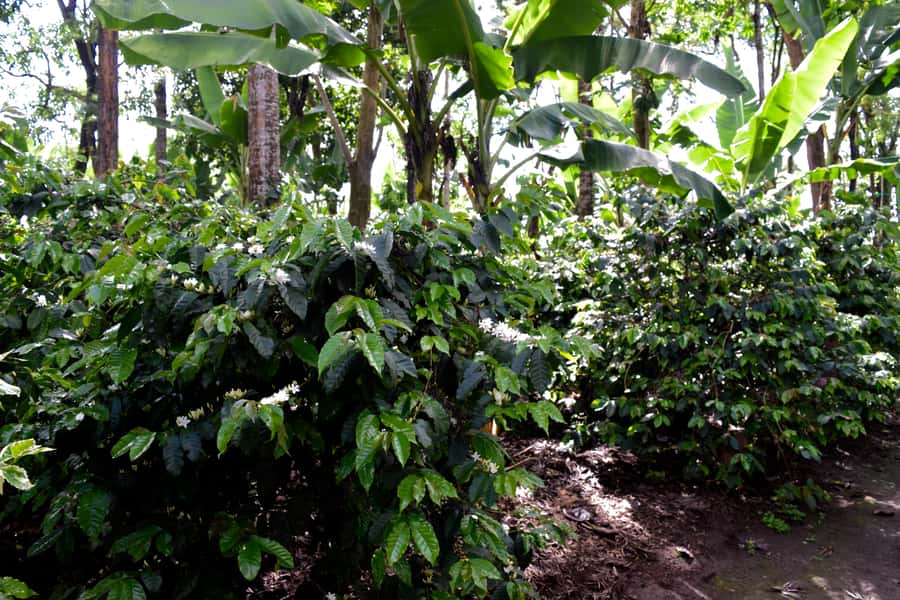
The first part takes place at a local organic coffee plantation. Your guide introduces you to the coffee plants and explains how they are grown and harvested by hand.
The organic focus gives this section more substance than a quick walk through a field. You can ask how the plants are protected without chemical treatments, a subject praised by one visitor who enjoyed learning about organic production. The experience connects your final cup to farming decisions made months or years before the beans reach the roasting fire.
The plantation visit is also a good time to ask questions. You might want to learn how coffee plants are cared for, when the beans are harvested, or how the family manages the farm. The supplied information does not specify the exact coffee variety or harvest season, so do not expect a technical tasting lesson about altitude, acidity, or processing styles.
Instead, the value is practical. You see where the coffee begins, hear about local agriculture, and get a chance to understand the work involved before the beans ever reach a grinder.
Meeting Richard and His Family
Richard, the farm owner, plays an important role in the experience. Several accounts describe his explanations as clear and his family as welcoming and friendly. That personal connection matters because the coffee activity takes place in a family setting rather than an anonymous commercial attraction.
You may be guided by Imran, who helps organize the outing and has received praise for communication, punctuality, and calm driving. Jambo is also named as a driver who made a strong impression. The exact person accompanying you may depend on the day, but the experience includes an English-speaking guide.
I would pay attention to how much time you spend asking questions here. The tour is not only about producing a drink. It is also a chance to hear directly about farming and family business in the Arusha area. If you want a polished lecture with printed facts, this may feel informal. If you prefer conversation and learning by doing, that informality is part of the appeal.
Grinding Beans With Songs and a Giant Mortar
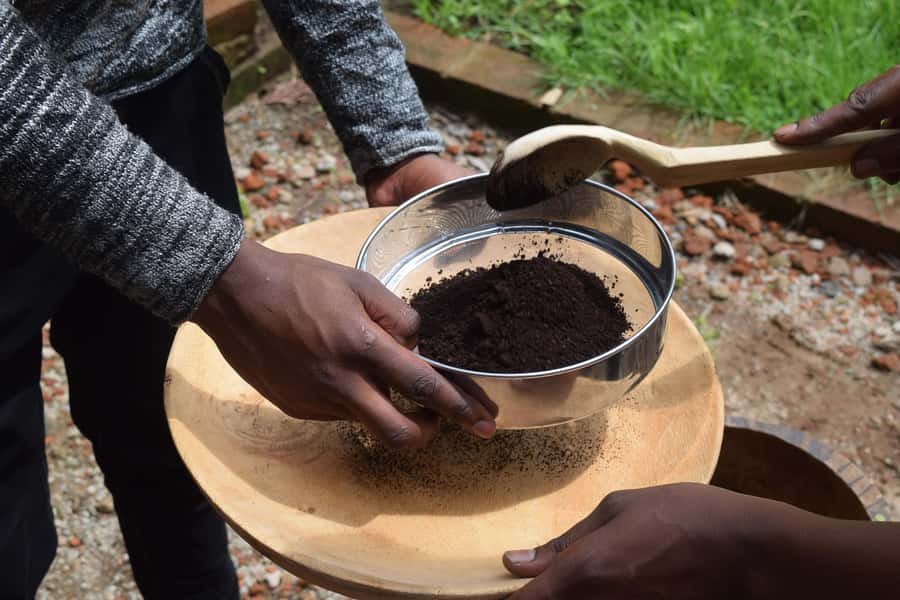
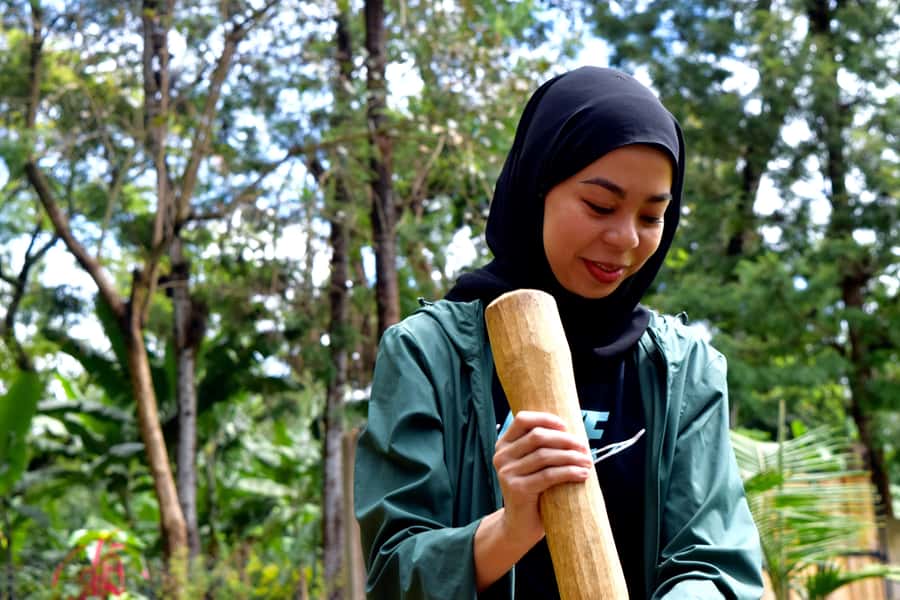
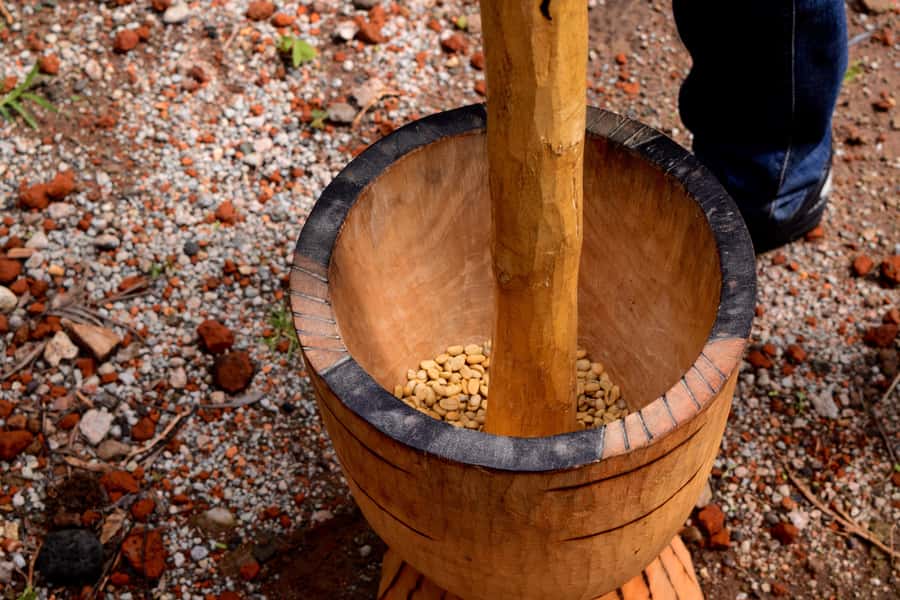
The most memorable activity comes after the beans have been sun-dried. At a nearby farm, you help grind them with a giant mortar and pestle while traditional songs set the rhythm.
This is where the tour becomes genuinely hands-on. You are not simply told that coffee is labor-intensive. You feel the effort involved in processing the beans. Singing along is encouraged, so you should be ready to join in rather than stand at the edge with a camera.
The activity also gives the group a shared task. You work with the people around you, laugh at the size of the equipment, and get a better sense of how food preparation can be tied to music and community. It is a modest experience, but it feels more personal than a standard tasting session.
There is one practical point to keep in mind. Grinding with a large mortar and pestle requires physical effort, and the activity may not suit everyone for long periods. The tour is listed as wheelchair accessible, but the supplied details do not explain the exact ground conditions or how every hands-on step is adapted. If you use a wheelchair, confirm the arrangements when the pickup details are set.
A few more options to weigh up in Tanzania
- Maasai village visit, Materuni waterfalls & coffee experience
★ 4.5 · 95 reviews - Materuni Waterfalls & Coffee Tour from Moshi
★ 5.0 · 92 reviews - Arusha or Moshi : Hot Spring, Waterfall & Coffee Farm Tour
★ 4.8 · 80 reviews - Arusha: Materuni Waterfalls, Coffee, and Hotsprings Tour
★ 4.8 · 78 reviews
Roasting the Beans Over an Open Flame

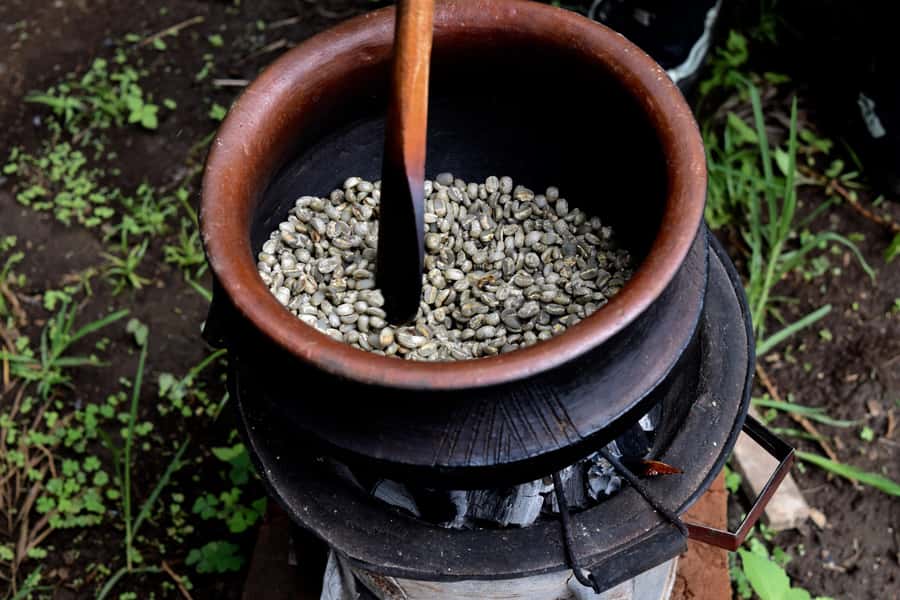
Next comes roasting. You take part in heating the beans over an open flame, watching them change before grinding them again.
This is a useful lesson in timing and attention. Roasting is not a button you press. You work with heat, smell, color, and judgment. The experience lets you see why freshly roasted coffee can taste different from a product that has spent a long time in a packet.
The open-fire setting also keeps the activity connected to the farm. You are not in a modern coffee laboratory. You are taking part in a traditional preparation method, guided by people who know the process. For a coffee drinker, this is the point where the tour shifts from agriculture to craft.
You should expect a rustic experience rather than a formal tasting course. No detailed information is provided about roast levels or brewing equipment, so the emphasis is on participation and freshness. I see that as a strength if you want a relaxed cultural activity, but it may disappoint you if you are looking for advanced barista training.
Brewing the Cup You Helped Make
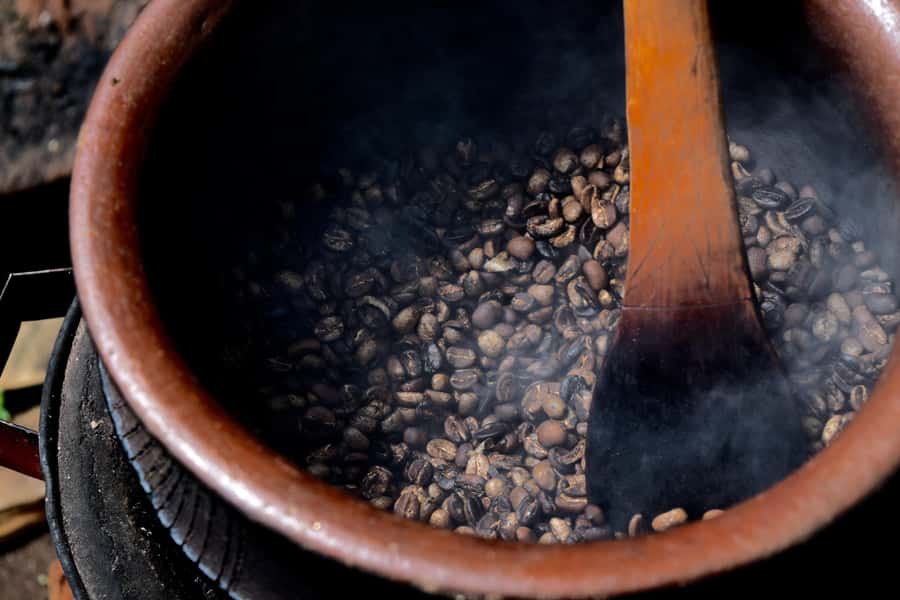
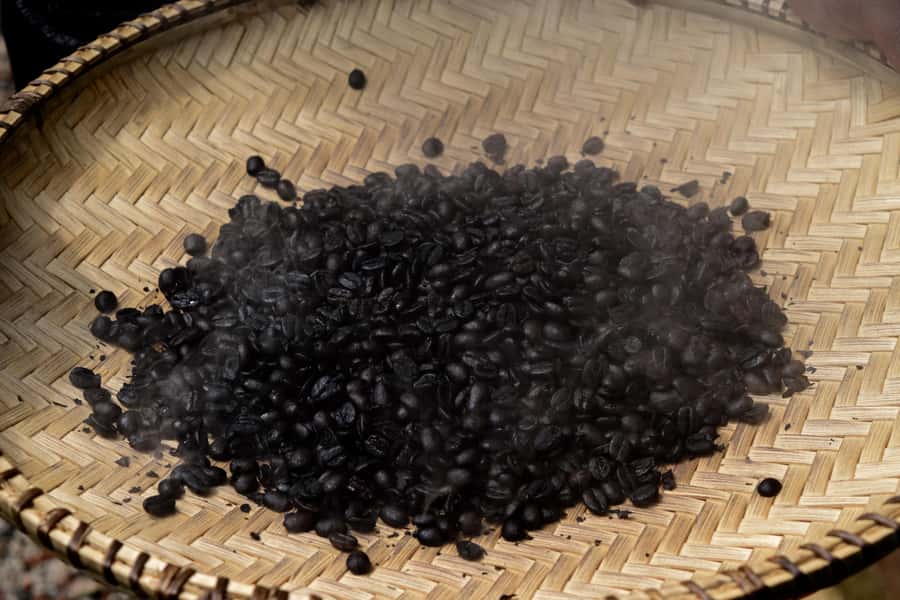
After the beans are roasted and ground again, you brew the coffee and drink it fresh. This is the payoff, but it works because you have handled every stage before it.
I like the simple logic of the experience: you can taste the result and understand where it came from. The coffee is not just served to you. You helped prepare it, which makes the final cup feel earned.
Freshness is the main attraction here. The information does not give a specific tasting profile, brewing style, or coffee variety, so you should not book this expecting a formal comparison of Tanzanian coffees. The reward is the process and the direct connection between the work and the drink.
If you enjoy coffee, this will likely be the highlight. If you do not drink coffee, the farming, music, food, and village visit still give the outing value, but the final tasting will naturally matter less to you.
Lunch and a Local Village Visit
Lunch is included, which makes the tour feel like a fuller cultural outing rather than a short plantation stop. The exact menu is not specified, so you should view it as a chance to enjoy local food rather than a promised list of dishes.
A village visit is also part of the experience. This adds an important human element. You are not only seeing crops; you are getting a glimpse of the community around the farm and the everyday setting in which the coffee business operates.
One account describes a local market visit and a meal at a restaurant with Imran. That suggests the day can include more contact with local life than the basic coffee sequence alone, although the exact route may vary. I would ask your guide what is planned when pickup is arranged, especially if the village or market portion is important to you.
The village visit is best approached with respect and curiosity. You are there to learn, not to treat local life as a photo backdrop. Follow your guide’s advice about where to walk, what to photograph, and how to interact.
Adding Mangalia Waterfalls
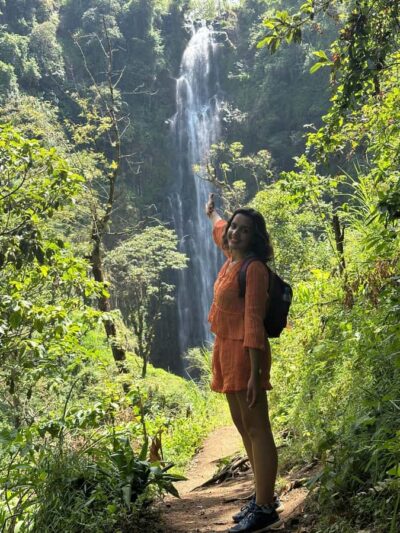
The tour information offers Mangalia Waterfalls as an optional addition. This can create a useful coffee-and-nature combination near Lake Duluti.
The standard experience lasts 3.5 to 4 hours, so you should confirm how the waterfall visit affects the schedule and price before committing. The details provided do not state the added duration, transport arrangement, or any entrance cost.
I would choose the waterfall add-on if you have a free morning or afternoon and want a little more scenery after the farm visit. I would skip it if you have a tight safari connection or want to keep the outing centered on coffee, lunch, and village life.
Guides, Transport, and the Pace of the Morning
Hotel pickup and drop-off are included. The operator contacts you to agree on the pickup time and location, which is helpful when you are staying at a hotel in or around Arusha.
The driving service has been praised for calm handling and punctual communication. That is important in a short outing because poor coordination can eat up a large share of the day. An English-speaking guide is included, and the tour is offered in English.
The pace should feel active but not rushed. You visit the plantation, learn about growing, move to the farm, process the beans, roast, grind, brew, eat, and visit a village. With all of that in 3.5 to 4 hours, the experience is likely to keep moving.
Group size is not provided. If you want a private tour, ask in advance rather than assuming. One account describes a private plantation tour, but that does not establish that every booking is private.
What the $55 Price Really Covers
At $55 per person, this is not the cheapest way to drink coffee in Arusha. It is also not merely a coffee purchase. The price includes hotel transport, guiding, the plantation and farm activities, coffee, and lunch.
I consider the value strongest for visitors who want an organized cultural outing without arranging separate transport. You get several connected activities in one morning, and the guide helps link them together. The farmer and family also receive direct support through the experience and any purchases you make.
Bagged coffee is not included, but you can buy beans or ground coffee to take home. This is a worthwhile option if you want a practical souvenir and want to support Richard’s business. Buy it because you like the coffee and want a useful reminder of the day, not because a bag is part of the ticket.
The price is less compelling if your only goal is a scenic drive or a short plantation walk. In that case, the hands-on work and lunch may feel like extras you did not need. For a first introduction to Tanzanian coffee and local farming, the package makes more sense.
Who Should Book This Experience
I would recommend this outing to coffee drinkers, families, couples, and anyone who wants a gentler alternative to another long vehicle excursion. You get activity without needing to commit an entire day, and the farm setting gives you a break from city streets.
It also suits people who enjoy cultural contact but prefer a structured visit. The guide, transport, and lunch remove much of the planning work, while the farm activities give you something to do with your hands.
This is a good choice before or after a safari if your schedule allows a half-day near Arusha. It can also work well for a group with mixed interests because the day includes agriculture, food, music, village life, and nature.
I would hesitate to recommend it to someone seeking a serious coffee education. The tour does not promise detailed tasting notes, professional brewing instruction, or information about specific growing regions. It is an accessible farm experience, not a specialist course.
Practical Tips for a Better Visit
Wear clothes and shoes that are comfortable for farm activity. You may be handling beans, working with a mortar and pestle, and taking part in roasting over an open flame, so this is not the moment for delicate clothing.
Keep your schedule flexible around pickup. The operator arranges the time and location with you, and the outing includes several parts. If you plan to add Mangalia Waterfalls, confirm the complete timing before making another appointment.
Ask about the day’s guide when you receive pickup details. Imran, Richard, and Jambo have each been associated with strong parts of the experience, but the specific team may vary.
Bring space in your luggage if you may buy coffee. Bagged coffee is available for purchase, but it is not included in the tour price. You can choose beans or ground coffee, based on the options offered at the farm.
Finally, participate. The songs, grinding, roasting, and brewing are the heart of the experience. You will get more from the morning if you join the activity instead of treating it as a series of demonstrations.
Should You Book the Arusha Coffee Tour?
Book it if you want to connect a cup of coffee with the people, work, and traditions behind it. The combination of Richard’s family farm, hands-on processing, local lunch, village contact, and included transport gives this outing more substance than a basic plantation visit.
I would especially choose it for a relaxed morning near Lake Duluti, a first introduction to Tanzanian coffee farming, or a cultural activity that fits around safari plans. Skip it if you want advanced coffee tasting, a guaranteed private group, or a full-day nature trip.
At $55, the experience earns its price through participation and personal contact. Add the waterfall only after confirming the extra timing and arrangements. For most visitors who like coffee and prefer real farm work to a polished show, this is a strong choice.
FAQ
Where does the coffee tour take place?
The experience takes place near Lake Duluti in the Arusha region of Tanzania. It includes a local organic coffee plantation, a nearby farm, and a local village.
How long does the tour last?
The tour lasts about 3.5 to 4 hours. Check the available starting times when booking.
What is included in the price?
The $55 price includes hotel pickup and drop-off, the coffee tour and activities, fresh coffee, an English-speaking guide, and lunch.
Is hotel pickup available?
Yes. Pickup and drop-off are included. The operator contacts you to arrange the pickup time and location.
Is the tour offered in English?
Yes. The live guide speaks English, and English is the listed tour language.
Do I get to make the coffee myself?
Yes. You can take part in several stages, including grinding sun-dried beans, roasting them over an open flame, grinding them again, and brewing the final cup.
Is lunch included?
Yes. Local lunch is included in the tour.
Can I buy coffee to take home?
Yes. Bagged coffee is available for purchase, but it is not included in the price. You may be able to buy beans or ground coffee.
Can I add a visit to Mangalia Waterfalls?
Yes. Mangalia Waterfalls is offered as an optional addition. Confirm the timing and any added arrangements when booking.
Just added in Tanzania
- Safari “Kifaru” – 5 days in the most famous Parks in the world★ 5.0 · 4 reviews
- Saadani Day Trip★ 5.0 · 13 reviews
- 3 Days Tanzania Short and Spicy★ 5.0 · 6 reviews
- 5 Day Tanzania Safari Camping Adventure Private Tour★ 5.0 · 2 reviews
- Day Trip to Ngorongoro Crater from Arusha★ 5.0 · 1 review
- SERENGETI NATIONAL PARK Tour★ 4.5 · 5 reviews
- 3 Days Serengeti Park & Ngorongoro Crater Adventure Safari★ 5.0 · 8 reviews
- 6 Days Tanzania Bush Experience Safari★ 5.0 · 6 reviews
Coffee Farm Tours, compared.
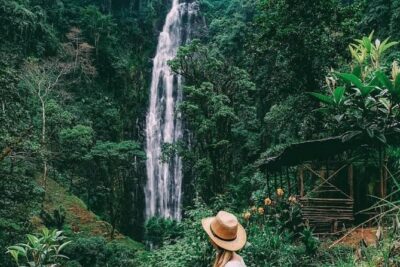
Materuni Waterfalls, coffee tour & Kikuletwa Hot Springs
Read our review →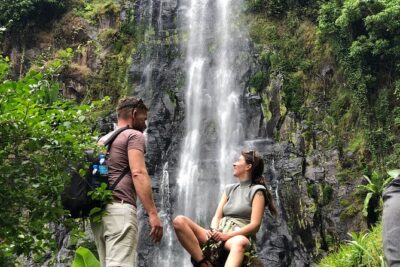
Materuni waterfalls coffee tour & Chemka hot springs Day trip
Read our review →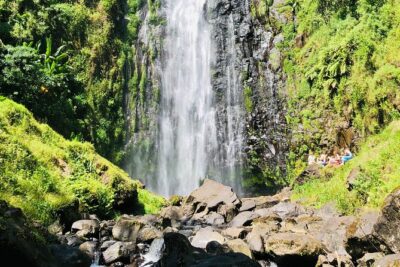
Materuni Waterfall, Coffee Tour and Picnic Hot Lunch
Read our review →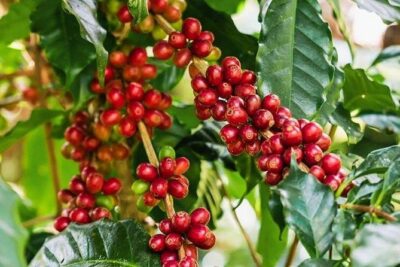
Arusha or Moshi : Hot Spring, Waterfall & Coffee Farm Tour
Read our review →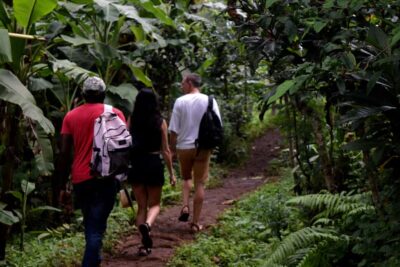
Materuni Waterfalls, Chemka Hot Springs, &/Or Coffee Tour
Read our review →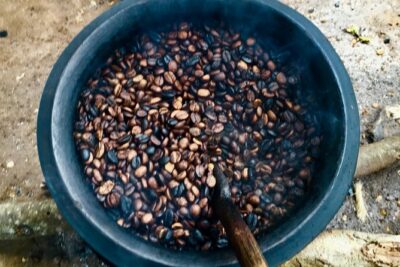
Coffee tour and Buffet Lunch with Kingstone Asilia (Arusha)
Read our review →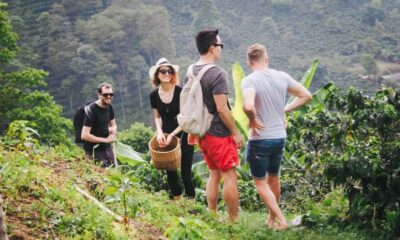
Kilimanjaro: Village Walk, Coffee Tour, Waterfall, and Lunch
Read our review →Browse the lists this tour appears in