
Reviewed · SERENGETI & NGORONGORO SAFARIS
3 Day Budget Shared Safari To Serengeti & Ngorongoro Crater
Safari days start before sunrise. This three-day trip links Serengeti National Park with Ngorongoro Crater, giving you two of Tanzania’s best wildlife areas for $829 per person. I like the all-inclusive park fees and camping setup, which keep the price clear, and I like the chance to share a 4×4 safari vehicle while meeting other people. The tradeoff is time: long road transfers and a short schedule mean you see a lot, but you will not get a leisurely Serengeti stay.
The trip begins and ends in Arusha, with pickup points in Mateves, Arusha Urban, Ngulelo, Kisongo, and Kimandolu. I also like the personal communication from organizer Gift and the patient wildlife searching of driver-guide Emanuel, who helped one group stay focused until rare sightings such as serval and caracal appeared.
In This Review
- Key points to know before booking
- Why this safari offers solid value at $829
- The early road from Arusha to Serengeti
- What public camping at Nyani and Simba means
- A full Serengeti day with about ten hours of viewing
- Entering Ngorongoro Crater on the final morning
- Food, guiding, and communication
- The real tradeoff: time, comfort, and shared decisions
- Who should choose this three-day route
- Should you book this safari?
- FAQ
- Where does the safari start and finish?
- How long is the safari?
- Which parks and wildlife areas are included?
- Where do you sleep?
- What is included in the price?
- Is the tour conducted in English?
Key points to know before booking
- Two major wildlife areas in three days: You visit the open plains of Serengeti and the wildlife-filled bowl of Ngorongoro Crater.
- Public campsite nights: You sleep in pitched tents at Nyani Public Campsite in Serengeti and Simba Public Campsite in the Ngorongoro Highlands.
- A long first day: The drive from Arusha to Serengeti takes about six hours before or around the first game viewing period.
- A serious wildlife schedule: The planned viewing time includes about six hours on arrival day, ten hours during the second day, and six hours in Ngorongoro Crater.
- Useful inclusions: Park fees, transport, meals, drinks, camping equipment, taxes, activities, and a professional driver-guide are included.
- Best for practical, flexible adventurers: You should be comfortable with shared transport, simple camping, early starts, and a fast-moving route.
Why this safari offers solid value at $829
At $829, this is not the cheapest possible way to see northern Tanzania, but the price covers several costly parts of a safari. Park entry fees, transport, accommodation, camping equipment, meals, drinks, taxes, and activities are included. That matters because park fees alone can make a short safari more expensive than it first appears.
You also get a 4×4 safari vehicle with a pop-up roof. That roof gives you a better view of animals and the surrounding country than a standard enclosed vehicle. A professional English-speaking driver-guide leads the trip, while a cook prepares the included meals.
The main value comes from fitting Serengeti and Ngorongoro into three days without paying for a private vehicle. A shared trip spreads vehicle, guide, cook, and transport costs among the group. You give up some control over the schedule, but you gain access to places that are usually far more expensive on a private safari.
The price does not include flights, accommodation before or after the safari, visa fees, travel insurance, souvenirs, or other personal purchases. Government increases to taxes or park fees can also be added. I would budget for those costs separately and arrange your Arusha hotel nights around the confirmed pickup time.
More Serengeti and Ngorongoro safaris:
- Serengeti Balloon Safari and authentic bush breakfast
★ 5.0 · 2,480 reviews - Balloon Safari & Bush Breakfast in Serengeti – Miracle Experience
★ 5.0 · 1,646 reviews - 3 Days Serengeti & Ngorongoro Group Camping Safari
★ 5.0 · 574 reviews
The early road from Arusha to Serengeti
Day one begins with an early pickup in Arusha. The available pickup areas are Mateves, Arusha Urban, Ngulelo, Kisongo, and Kimandolu, with matching drop-off areas at the end. From there, you cross the Great Rift Valley and the Ngorongoro Highlands on the way toward Serengeti.
The transfer to Serengeti is listed at about six hours. That is a substantial drive, so you should see this day as both a road journey and a safari day. The route offers broad views and possible wildlife sightings before you reach the park, but the main game drive comes later.
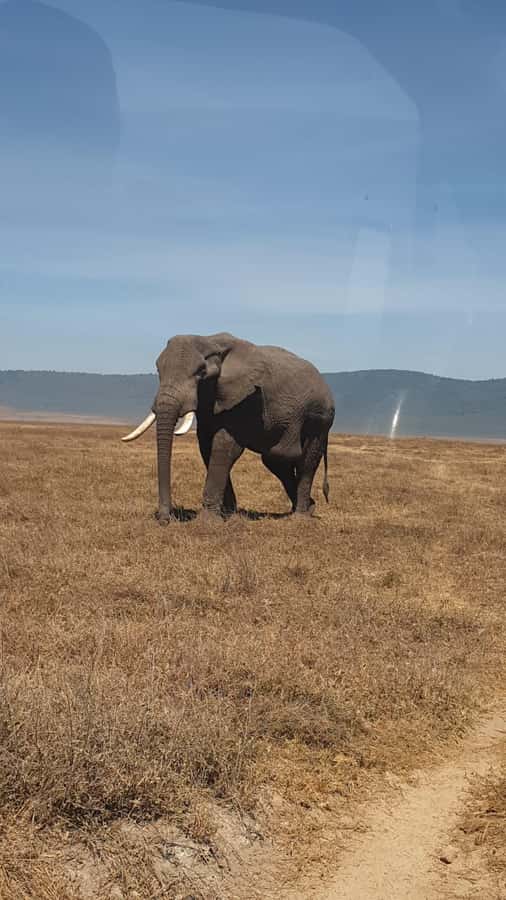
Once inside Serengeti, you have about six hours of guided viewing. This first afternoon can bring sightings of lions, elephants, giraffes, and other animals, though wildlife is never guaranteed on a set timetable. Your guide’s ability to search patiently is important here.
The experience with Emanuel is worth noting. He was described as patient when looking for animals, even when one person in the group became impatient. That patience paid off with sightings of serval and caracal, two less common cats. You should not book expecting those particular animals, but this is a useful reminder that a good safari often rewards waiting and careful searching.
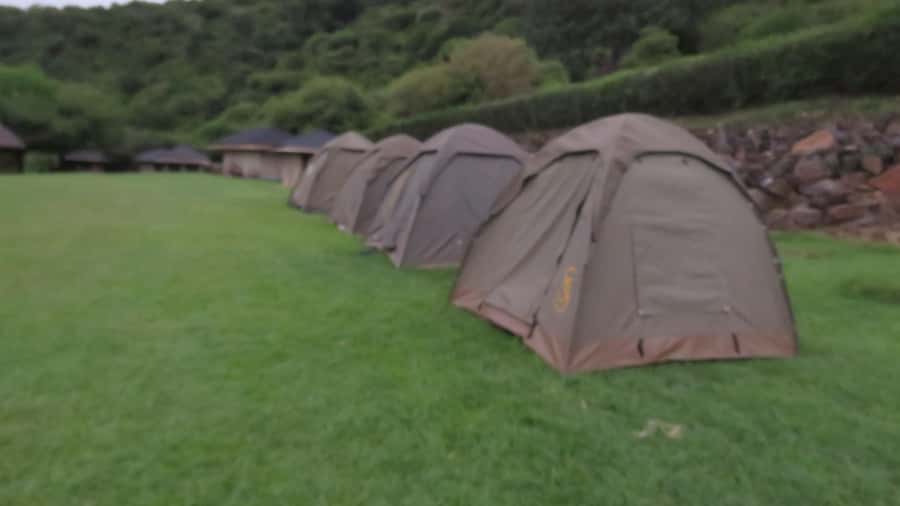
The night is at Nyani Public Campsite in Serengeti. You sleep in a simple pitched tent, with camping equipment supplied. The cook handles dinner, and you get the satisfying feeling of ending a long road day in the same wild region you came to see.
What public camping at Nyani and Simba means
Budget camping keeps this safari within reach, but it also sets the tone. You are not paying for a lodge room, private bathroom, or polished camp service. You are sleeping in a tent at a public campsite, using a straightforward setup designed for function rather than comfort.
That simplicity can be part of the appeal. You are closer to the basic rhythm of a safari: long drives, outdoor meals, tents, and early mornings. The available information does not specify bathroom arrangements, tent size, bedding details, or the exact campsite facilities, so I would confirm those points before departure if they matter to you.
The second night is at Simba Public Campsite in the Ngorongoro Highlands. Its position works well for the early crater visit on day three. The route does not waste a full day returning to Arusha before the crater drive, which is one reason this short program can cover both parks.
You should pack for changing conditions and simple nights, but the supplied details do not give a required packing list. At minimum, ask the operator what camping equipment is provided and what you need to bring yourself. Personal items remain your responsibility.
A full Serengeti day with about ten hours of viewing
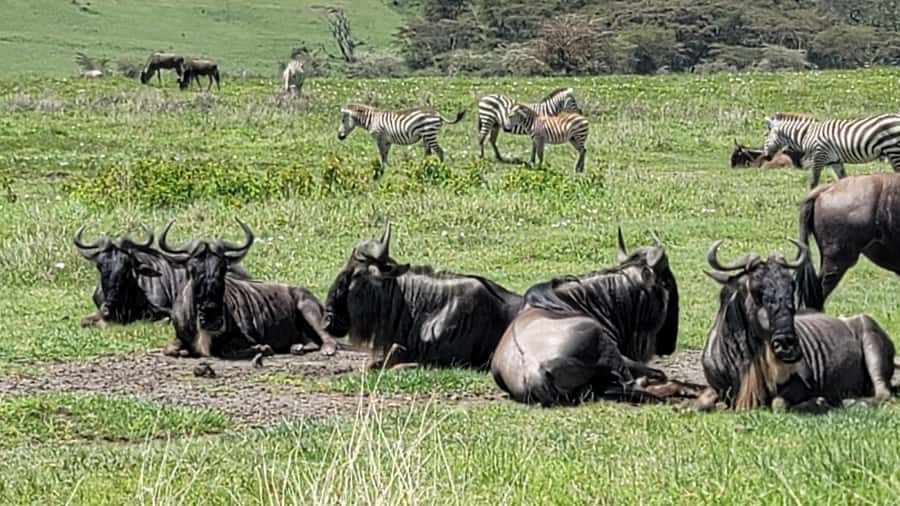
Day two begins with breakfast and an early game drive in Serengeti. The planned schedule gives you about ten hours of guided touring for this day, described as a half-day Serengeti drive followed by the move toward the Ngorongoro Highlands. The timing may feel long once road travel and stops are included, but it gives your guide a useful window to search for animals.
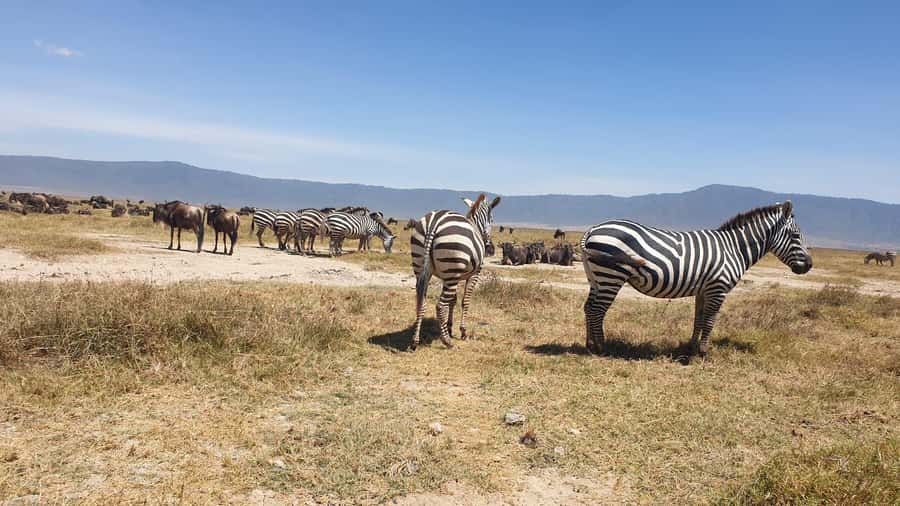
Serengeti is famous for its wide open plains and large concentrations of wildlife. Here, the reward is not only ticking off a lion or elephant. You also get a sense of distance, movement, and animal behavior across a huge area. Giraffes, predators, grazing animals, and smaller creatures may appear during the drive, depending on conditions and location.
The schedule is tight. After the morning viewing, you continue toward the Ngorongoro Highlands, with more possible sightings along the way. You should expect another travel period rather than a relaxed afternoon at camp. The benefit is that you are positioned for the crater early the next morning. The cost is less downtime and less flexibility if the group wants to linger in one area.
This is where a shared safari requires patience. One person may want to move on while another wants to wait for a better view. Since the vehicle and schedule are shared, you need to accept some group compromise. Emanuel’s patient approach is encouraging, but no guide can make every passenger happy at every stop.
A different kind of day out entirely:
- From Zanzibar: Mikumi Safari Day Trip with Flights and Meal
★ 4.7 · 1,470 reviews - Zanzibar: Quad Bike Adventure departing from Kendwa or Nungwi
★ 4.9 · 1,233 reviews - Zanzibar: Stone Town, Spice Tour, Prison Island with Lunch
★ 4.4 · 1,219 reviews - Tanzania Classic – 7 Days
★ 5.0 · 1,151 reviews
Entering Ngorongoro Crater on the final morning
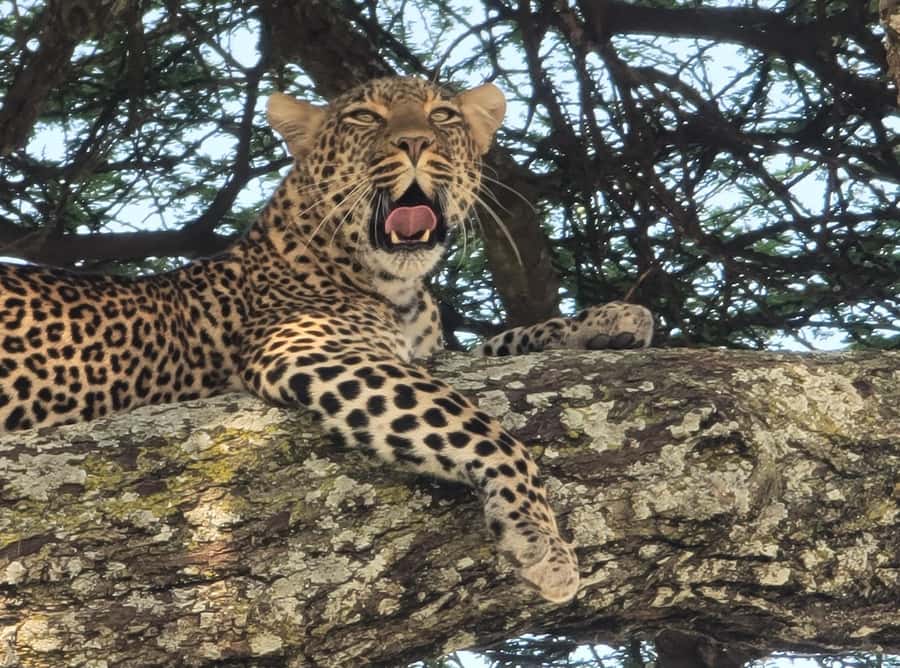
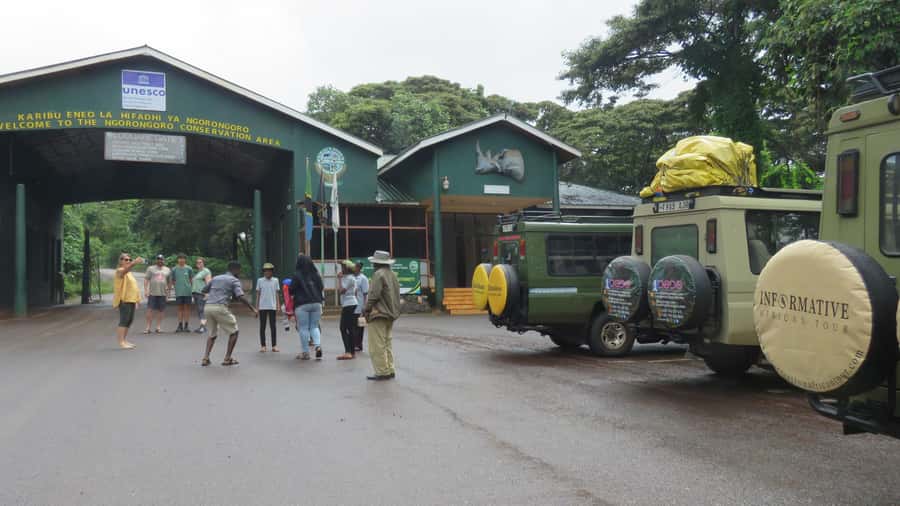
Day three starts with an early descent into Ngorongoro Crater for about six hours of guided wildlife viewing. The crater is a huge caldera with a high concentration of animals, making it a strong choice for the final game drive of a short safari.
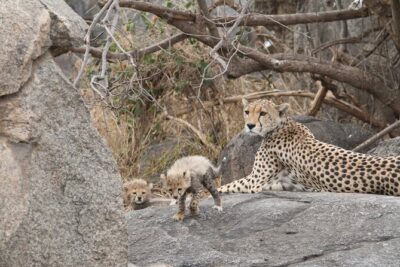
You might see lions, hippos, and black rhinos here. Black rhino sightings are never certain, but Ngorongoro is known for offering a better chance than many other places in northern Tanzania. The crater setting also changes the feel of the safari. Instead of open Serengeti plains stretching toward the horizon, you are surrounded by the walls of an ancient volcanic basin.
Six hours gives you time to search, stop, and watch animal behavior. It is still a limited visit, so you should not expect every corner of the crater or a long, unhurried picnic break. The early start is worthwhile because it gives you the best use of the morning before the drive back to Arusha.
After breakfast and lunch arrangements, the group returns to Arusha. The final transfer is listed at about 3.33 hours, or roughly three hours and twenty minutes. The tour ends in one of the same five Arusha areas: Ngulelo, Kimandolu, Arusha Urban, Mateves, or Kisongo.
Food, guiding, and communication
Meals are included throughout the trip. Day one covers lunch and dinner. Day two includes breakfast, lunch, and dinner. Day three includes breakfast and lunch. Drinks are also included, which helps reduce small daily expenses.
The food received strong praise from the available firsthand account, with good meals throughout the route. A safari cook has an important job because the schedule keeps you away from restaurants for much of the day. The supplied information does not specify menus, dietary options, or meal times, so tell the operator about dietary needs before you go.
Communication is another positive sign. Gift, the organizer, met the customer in person the night before departure to discuss expectations and kept in touch during the preparation. That kind of direct contact can help you understand pickup timing, camping arrangements, and what the shared format will feel like.
The listed guide language is English. Emanuel is identified as the driver-guide connected with the safari experience, and his patience while searching for animals earned particular praise. Keep in mind that the assigned guide can change, but you can ask the operator to confirm who will lead your departure.
The real tradeoff: time, comfort, and shared decisions
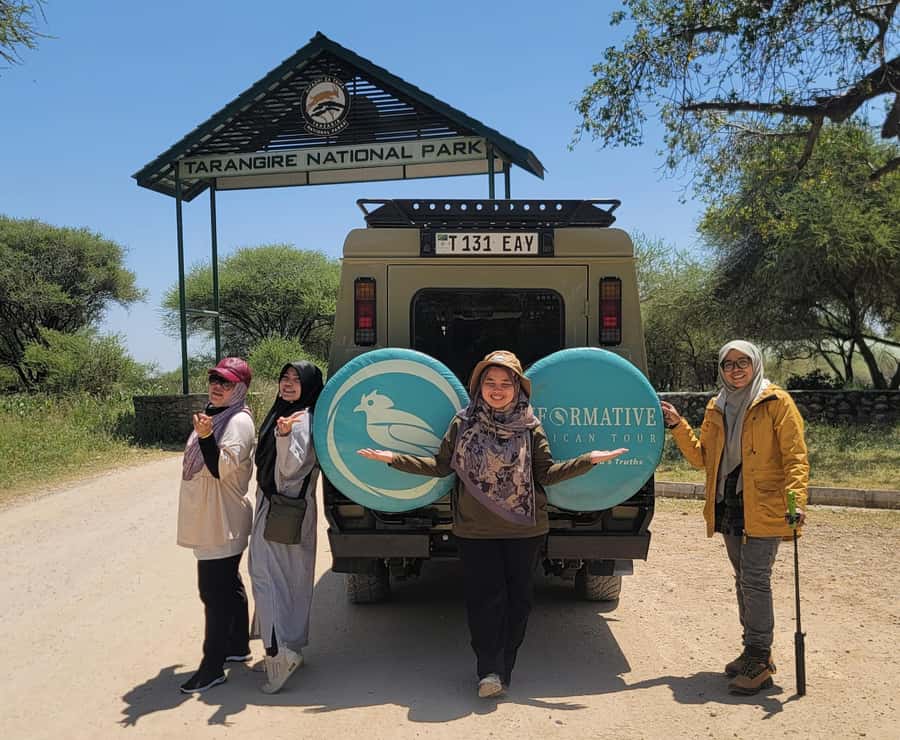
This safari gives you an ambitious route at a controlled price. It also asks you to accept long drives and basic accommodation. The six-hour transfer to Serengeti takes up much of the first day, while the drive toward the Ngorongoro Highlands on day two means you are constantly balancing wildlife viewing with travel.
The shared format can be a social plus. You may meet people from different countries and share the excitement when an animal finally appears. It can also test your patience when the group has different ideas about how long to stop. If you want your own vehicle, private timing, and complete control over every sighting, this is not the right format.
Camping is another personal choice. I would choose this trip if the thought of a tent, outdoor routine, and simple campsite feels like part of the adventure. If you need a lodge, private facilities, or a quiet room after a long game drive, the budget savings may not feel worth it.
The rules are straightforward and important. You may not touch animals, make noise, make fires, ride animals, or bring explosive substances. These restrictions protect both people and wildlife, and your guide will direct the group during game drives.
Who should choose this three-day route
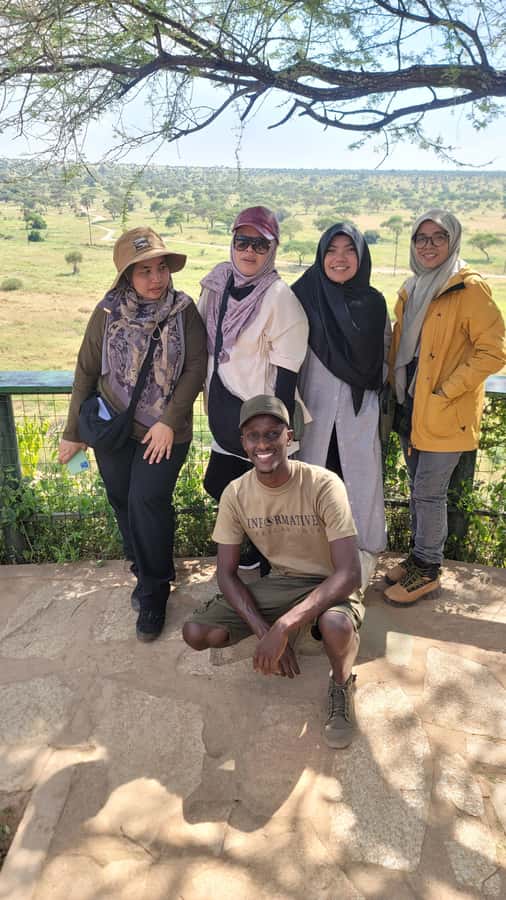
I would recommend this safari to you if you want the main northern Tanzania highlights without arranging a private expedition. It suits budget-conscious people who value park access, wildlife viewing, and a local guide more than comfort or a slow schedule.
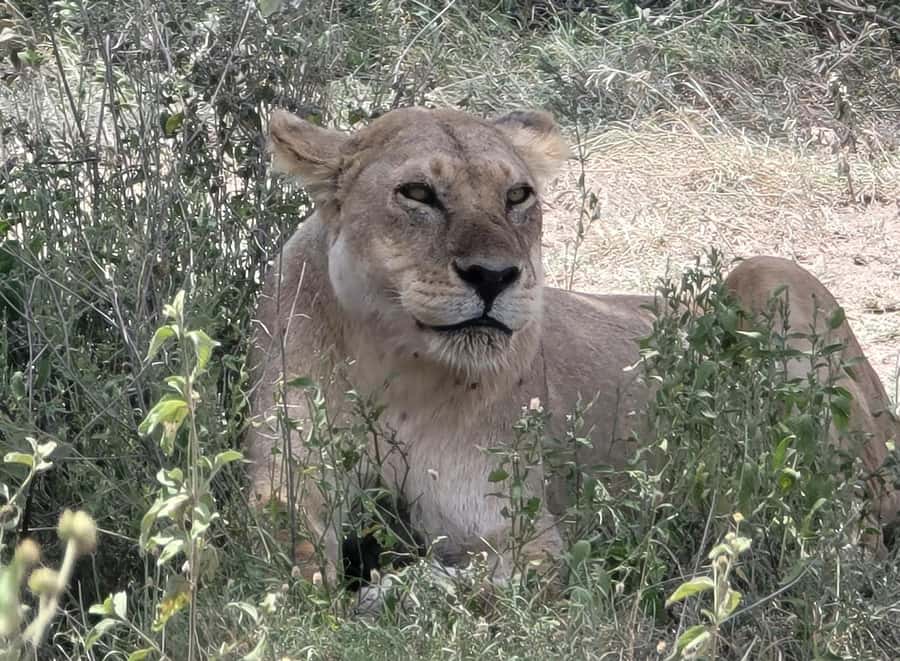
It is also a good fit if you are keen to see the Big Five but understand that sightings depend on nature. Serengeti may bring lions, elephants, giraffes, and rare cats such as serval or caracal. Ngorongoro may bring black rhino, hippos, and lions. No responsible operator can promise a complete list.
You should think twice if you dislike early starts, shared vehicles, long road transfers, or camping. Three days is enough for a strong introduction, but it is not enough to explore every part of Serengeti or spend several days waiting in one productive wildlife area.
Free cancellation up to 24 hours before departure and the option to reserve without paying immediately provide some planning flexibility. Still, you need to check starting times and availability, then arrange any extra Arusha accommodation separately.
Should you book this safari?
Book it if you want Serengeti and Ngorongoro Crater in one compact, budget-focused trip, and you are happy to trade lodge comfort and private control for included park fees, meals, camping equipment, and shared transport.
I would be especially comfortable recommending it to someone who values clear communication and a patient guide. Gift’s preparation and Emanuel’s persistence add confidence, while the reported sightings of serval and caracal show how patience can improve a safari day.
Before paying, confirm the pickup time, group arrangements, camping equipment, campsite facilities, and any dietary needs. If those basics suit you, $829 is a fair price for a fast, practical introduction to two of Tanzania’s finest wildlife areas.
FAQ
Where does the safari start and finish?
The safari starts and ends in Arusha. Pickup and drop-off options include Mateves, Arusha Urban, Ngulelo, Kisongo, and Kimandolu.
How long is the safari?
The tour lasts three days.
Which parks and wildlife areas are included?
The route includes Serengeti National Park and Ngorongoro Crater, with an overnight stay in the Ngorongoro Highlands.
Where do you sleep?
You sleep in pitched tents at Nyani Public Campsite in Serengeti on the first night and Simba Public Campsite in the Ngorongoro Highlands on the second night.
What is included in the price?
The price includes park fees, activities, accommodation during the tour, camping equipment, transportation, a professional driver-guide, meals, drinks, and all taxes and VAT.
Is the tour conducted in English?
Yes. The listed live tour guide language is English.
Just added in Tanzania
- Safari “Kifaru” – 5 days in the most famous Parks in the world★ 5.0 · 4 reviews
- 5 Day Tanzania Safari Camping Adventure Private Tour★ 5.0 · 2 reviews
- Saadani Day Trip★ 5.0 · 13 reviews
- 3 Days Tanzania Short and Spicy★ 5.0 · 6 reviews
- Day Trip to Ngorongoro Crater from Arusha★ 5.0 · 1 review
- SERENGETI NATIONAL PARK Tour★ 4.5 · 5 reviews
- 3 Days Serengeti Park & Ngorongoro Crater Adventure Safari★ 5.0 · 8 reviews
- 6 Days Tanzania Bush Experience Safari★ 5.0 · 6 reviews
Serengeti & Ngorongoro Safaris, compared.
Serengeti Balloon Safari and authentic bush breakfast
Read our review →
Balloon Safari & Bush Breakfast in Serengeti – Miracle Experience
Read our review →
3 Days Serengeti & Ngorongoro Group Camping Safari
Read our review →
5-Day Highlights mid-Range Crater, Serengeti, Tarangire
Read our review →
Private 6-Day Tarangire Manyara Crater and Serengeti with Mid-Range Lodges
Read our review →
5 Days Camping Tarangire, Serengeti & Ngorongoro crater & Visiting Maasai
Read our review →Browse the lists this tour appears in