
Reviewed · SERENGETI & NGORONGORO SAFARIS
3 Days Serengeti & Ngorongoro Group Camping Safari
Wildlife is the main event here. This three-day safari links Serengeti National Park with Ngorongoro Crater, giving you two very different settings in one compact trip. I like the classic camping nights and the small-group format, which keeps the vehicle group to a maximum of seven people. I also like that meals and round-trip Arusha transfers are included, so you have fewer details to arrange.
The main tradeoff is time. Three days lets you see both protected areas, but the schedule is full, with long drives and early starts. Camping is part of the appeal, yet it may not suit you if you want a soft bed and plenty of downtime between game drives.
The strongest praise goes to the guides, punctual service, and food. One guide, Elias, was singled out for careful listening and strong animal knowledge, while another safari experience included sightings of all the Big Five, including a leopard that had been missed on an earlier Kenya safari.
In This Review
- Key points to know before you book
- Why this safari works for a short Tanzania trip
- Day one: Arusha to the Serengeti plains
- Day two: a morning drive, then toward Ngorongoro
- Day three: down into Ngorongoro Crater
- The guide can make or break the experience
- Camping, meals, and the real comfort level
- Is $815 good value?
- Who should choose this three-day safari?
- Final verdict: book it for reach, not luxury
- FAQ
- Where does the safari start?
- Where does the safari end?
- How long does the safari last?
- Which protected areas does the safari visit?
- How many people can join the group?
- Are meals included?
- Where are the overnight stays?
- What is not included in the price?
Key points to know before you book
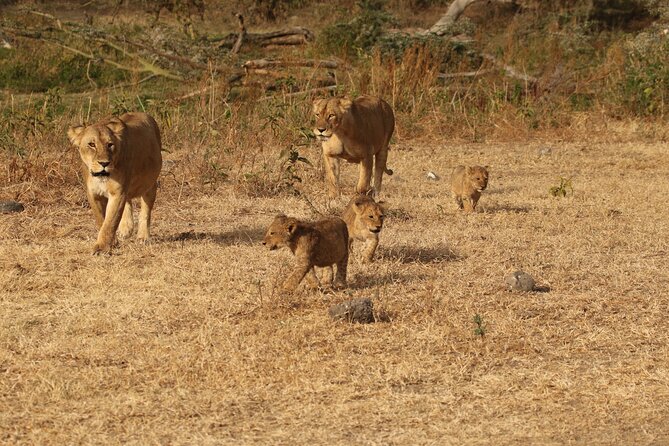
- Two major wildlife areas in three days: You visit the open Serengeti plains and the enclosed Ngorongoro Crater, each with a different feel and animal mix.
- Camping keeps the price down: At $815 per person, included campsites, meals, transport, and guiding make this a practical entry into northern Tanzania safari travel.
- A small vehicle group matters: The maximum is seven people, giving you a better chance to see and hear the guide than on a large coach-style safari.
- The schedule favors wildlife over sleep: Expect an early departure from Arusha, an evening game drive on day one, a morning drive on day two, and a crater tour after breakfast on day three.
- Meals are covered: Breakfast, lunch, and dinner are included according to the daily schedule, with two dinners and three breakfasts listed.
- You sleep at two useful locations: Seronera Campsite puts you in the Serengeti area, while Ngorongoro Simba Campsite is on the crater rim.
Why this safari works for a short Tanzania trip
This trip is built for you if you want the headline wildlife areas without committing to a week-long expedition. In just three days, you reach the Serengeti, spend time in the Ngorongoro area, and return to Arusha.
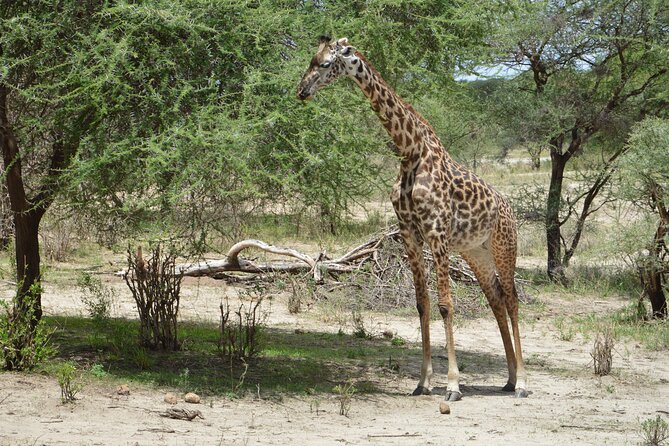
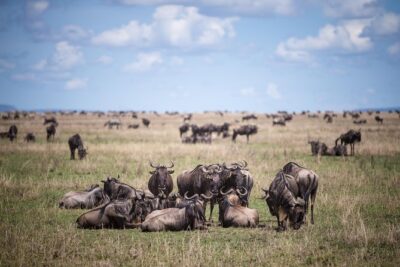
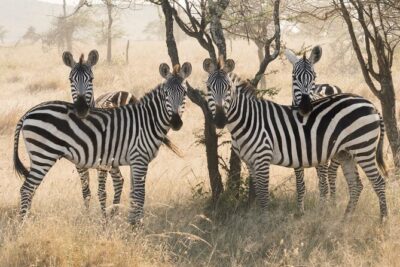
The appeal is variety. Serengeti means broad open plains and wide skies, with game drives focused on spotting animals across a huge area. Ngorongoro offers a more contained setting, where the crater floor brings wildlife into a smaller viewing zone. You do not get endless time in either place, but you do get a useful first look at both.
I also appreciate the practical design. Pickup is offered from the stated meeting point at Jevas Hotel EncoreTZ in Makao Mapya, Arusha. The tour ends back there, which is helpful if you are staying in the city before or after the safari.
The group size is another real advantage. The maximum is seven people, rather than a large busload. That can make it easier to ask questions, follow the guide’s explanations, and find a comfortable viewing angle when the vehicle stops.
Still, keep your expectations sensible. Wildlife is never guaranteed on a particular drive, and the three-day format leaves little room for delays. This is a focused safari, not a slow holiday with long afternoons at camp.
More Serengeti and Ngorongoro safaris:
- Balloon Safari & Bush Breakfast in Serengeti – Miracle Experience
★ 5.0 · 1,646 reviews - 5-Day Highlights mid-Range Crater, Serengeti, Tarangire
★ 5.0 · 296 reviews - 3-Day Classic Serengeti Safari
★ 5.0 · 263 reviews
Day one: Arusha to the Serengeti plains
The first morning begins after breakfast, with an early drive from Arusha toward Serengeti National Park. The stated driving time is about three hours, followed by an evening game drive. The day is listed at roughly six hours of activity.
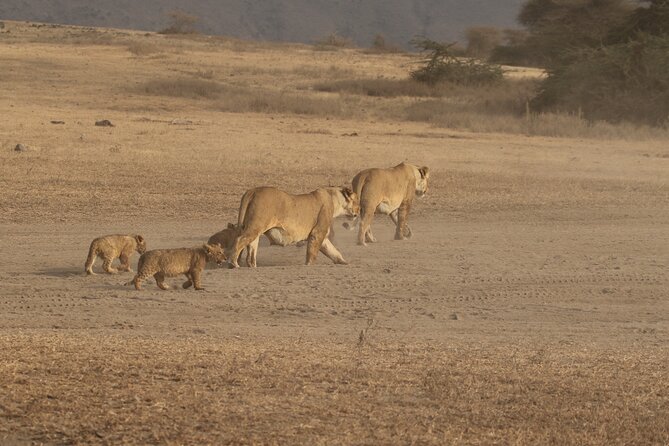
The first view of the Serengeti is part of the reward. The park is known here for its endless open plains and expansive skies, a setting that makes the search for animals feel wide and purposeful. You may scan the grassland for large herds, watch for giraffe and buffalo, or hope for big cats near areas with prey.
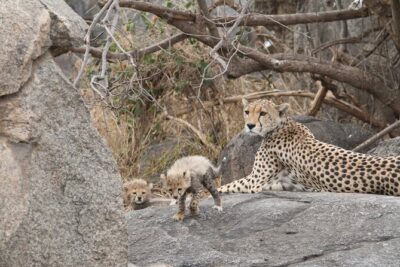
The evening drive is well placed. After the road journey, you get a chance to see the park during a cooler part of the day. The supplied schedule does not promise particular sightings, so I would treat lions, cheetahs, leopards, elephants, and other animals as possibilities rather than guarantees.
Dinner and overnight accommodation are at Seronera Campsite. This is a classic safari arrangement: sleep at a camp rather than return to a city hotel, then continue with wildlife viewing the next morning. You should choose this trip because you like that closer-to-nature style, not because you expect resort comforts.
The campsite also keeps the route sensible. You are not spending the night back in Arusha after reaching the park. That saves time and gives the second day a proper start inside the safari region.
Day two: a morning drive, then toward Ngorongoro
Day two begins with a morning game drive in the Serengeti. After an early lunch, you continue toward Ngorongoro, with the guide explaining the wildlife and natural features along the way.
This is the day when the tour feels most like a transfer and safari combined. You are moving between two protected areas, but the road itself is part of the experience. The guide’s explanations can help you understand what you are seeing instead of treating the journey as dead time.
The schedule again lists about six hours. That sounds manageable on paper, but you should expect a full day with an early start, vehicle time, and a change of accommodation. Pack water, sun protection, and anything that helps you stay comfortable in a vehicle for several hours.
The overnight stop is Ngorongoro Simba Campsite on the crater rim. Its position matters because the next morning’s main activity begins with a direct descent to the crater floor. Sleeping nearby is far more efficient than approaching from Arusha.
One point deserves attention: the accommodation description should be confirmed when you book. A Japanese-language assessment noted that the overnight place differed from the stated accommodation, although the replacement camp was comfortable enough. That does not automatically make the experience poor, but it tells you to stay flexible about campsite names and ask for clarification if a change matters to you.
The second night includes dinner, and the supplied inclusions list two dinners for the full trip. Breakfast and lunch are also included as part of the daily plan, so the main food logistics are handled. Food received warm praise, with one person calling it very good. That matters on a busy camping schedule, when you may not have time to find meals on your own.
Day three: down into Ngorongoro Crater
After an early breakfast, you head directly to the crater floor for a full crater tour. A picnic lunch is included, and you return to Arusha later in the day.
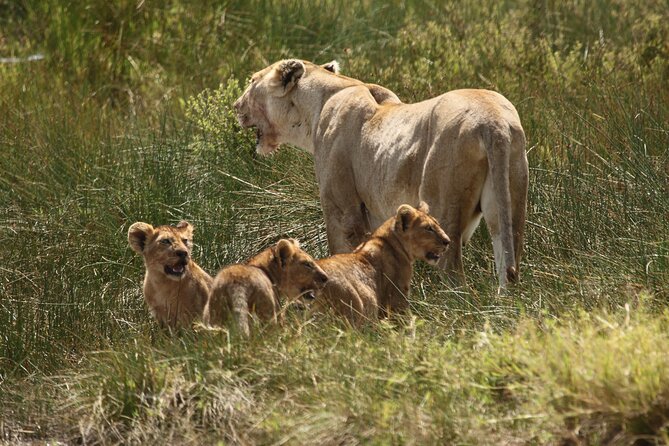
Ngorongoro Crater gives you a different kind of wildlife day from the Serengeti. Instead of searching across broad open plains, you explore a more enclosed natural setting. The crater is the centerpiece of the final day, and the long game drive gives you the best chance to see a range of animals before the return journey.
The schedule lists roughly six hours, but the day still requires discipline. You need to be ready early, spend much of the day in the vehicle, and then travel back to Arusha. The picnic lunch is useful because it keeps the crater visit moving rather than requiring a return to camp.
I like the order of this trip. Serengeti comes first, then Ngorongoro, with the crater tour saved for the final morning. You get two separate wildlife settings without repeatedly retracing the same route.
The drawback is that the final day is not leisurely. After the crater tour, you return to Arusha rather than spending another night near Ngorongoro. If you want more time for photography, quiet observation, or repeated drives in one area, a longer safari would give you more breathing room.
More Camping Safaris in Arusha:
- 4 Days Group Camping Safari
★ 5.0 · 1,101 reviews - 5 Days Group Camping Safari
★ 5.0 · 730 reviews - 2 Days Tarangire and Ngorongoro Group Camping Safari
★ 5.0 · 146 reviews - 6 Days Tanzania Budget Camping Safari
★ 5.0 · 145 reviews
The guide can make or break the experience
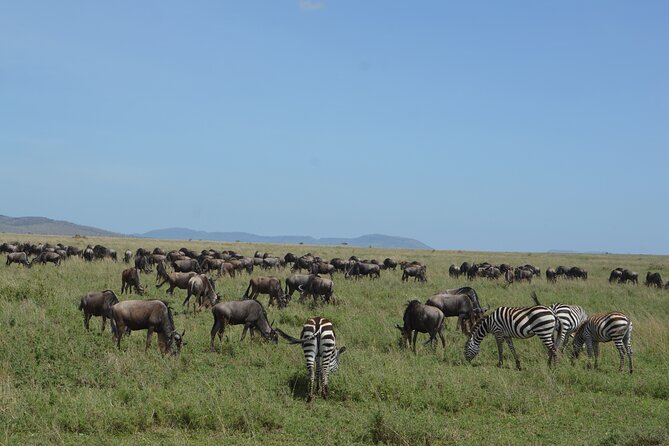
On a safari, the guide is not just a driver. You rely on that person to read the road, explain animal behavior, choose sensible routes, and keep the group organized.
The strongest praise here centers on guide service. Elias was described as an exceptional guide who listened carefully and helped people see the animals they hoped to find. Another assessment praised the driver for explaining the distinct features of the animals while choosing a good route.
That combination is valuable. You want explanations that add meaning without turning every moment into a lecture. You also want a guide who pays attention to what interests you, whether that is big cats, elephants, birds, or the wider ecology.
One safari included sightings of all the Big Five, including a leopard that had not been seen on an earlier safari in Kenya. That is a memorable result, but it should not be treated as a promise. The better lesson is to book with realistic expectations and let the guide work with the conditions of the day.
The service record is also encouraging. The guide and staff were praised for being helpful and on time. On a tightly timed three-day trip, punctuality is not a small thing. A late departure can reduce time in the park, create stress at camp, and make the final return to Arusha harder.
Camping, meals, and the real comfort level
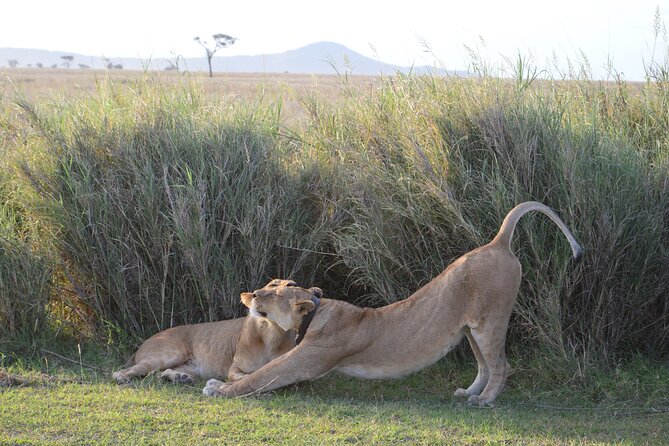
Camping is central to the character of this safari. You spend one night at Seronera Campsite and one night at Ngorongoro Simba Campsite, rather than choosing hotel accommodation in Arusha each evening.
That arrangement keeps you close to the wildlife areas and helps control the cost. It also gives you the classic safari rhythm: game drive, camp dinner, early breakfast, and back into the vehicle.
I would recommend packing with simplicity in mind. The schedule is active, and your bag needs to work for changing camps and long driving days. The supplied details do not specify tent facilities, room arrangements, or bathroom standards, so you should ask the operator if those points affect your decision.
Food is included throughout the main schedule. Three breakfasts and three lunches are listed, along with two dinners. Day three specifically includes a picnic lunch for the crater tour.
The food feedback is notably positive. One person praised the meals as very good, which is useful reassurance for a camping trip. Even so, food preferences and dietary needs are not described, so raise any requirements before departure rather than assuming every request can be handled at short notice.
Is $815 good value?
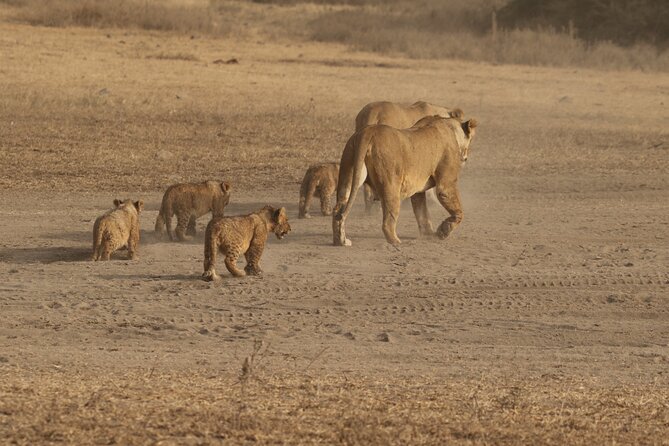
At $815 per person, this is not a bargain-basement outing, but the price can make sense for what is included. You are paying for access to two major protected areas, a small group, a professional guide and driver, camping overnights, meals, and round-trip transport from Arusha.
The value improves if you would otherwise need to arrange each part separately. Park visits, vehicle transport, campsites, meals, and the route between Serengeti and Ngorongoro require time and coordination. Here, those pieces are combined into one short program.
The price is less attractive if your priority is luxury accommodation or a relaxed pace. Camping and long drives are doing some of the work of keeping the cost under control. You are trading softness and spare time for wider access to Tanzania’s wildlife.
Tips for the guide and cook are not included. Travel insurance is also excluded, so add those costs when setting your real budget. Free cancellation is available if you cancel at least 24 hours before the start time. Changes or cancellations inside that period are not accepted for a refund.
The experience is commonly booked well ahead, with an average booking lead time of 61 days. That is a useful signal for planning, especially if your dates are fixed.
Who should choose this three-day safari?
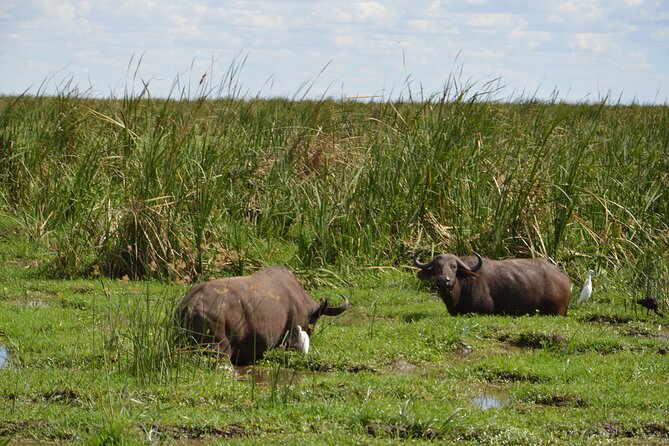
I would point this trip toward you if you want a first safari with a clear route and no need to build the arrangements yourself. It suits people who value wildlife access, included meals, and a small vehicle group more than hotel luxury.
It also works well for a short Tanzania visit. You can begin and end in Arusha, see Serengeti and Ngorongoro, and avoid spending several extra days on the road.
You should think twice if you dislike camping, early breakfasts, or long vehicle days. The trip is also not ideal if you want to linger in one park or build the schedule around a particular animal sighting.
The guide quality is a major reason to consider it. Positive comments focus on helpful service, punctual departures, clear animal explanations, and food. Elias in particular received strong praise for listening and guiding people to the animals they wanted to see.
Final verdict: book it for reach, not luxury
I would book this safari if your goal is to see both Serengeti and Ngorongoro in a short, organized trip at a controlled price. The small group, included meals, camping locations, and Arusha transfers give it a practical shape, while the guide praise adds confidence.
I would not book it expecting a slow or polished lodge holiday. The days are full, accommodation can change, and the return from the crater leaves little time for rest. For a first safari, though, this is a strong way to reach two of Tanzania’s most important wildlife areas without managing every detail yourself.
FAQ
Where does the safari start?
It starts at Jevas Hotel EncoreTZ in Makao Mapya, Arusha, Tanzania.
Where does the safari end?
The activity ends back at the meeting point in Arusha.
How long does the safari last?
The safari lasts approximately three days.
Which protected areas does the safari visit?
It visits Serengeti National Park and Ngorongoro Crater.
How many people can join the group?
The activity has a maximum of seven people.
Are meals included?
Yes. The package includes three breakfasts, three lunches, and two dinners.
Where are the overnight stays?
The planned overnights are at Seronera Campsite in the Serengeti and Ngorongoro Simba Campsite on the crater rim.
What is not included in the price?
Travel insurance and tips for the guide and cook are not included.
Just added in Arusha
- Safari “Kifaru” – 5 days in the most famous Parks in the world★ 5.0 · 4 reviews
- Saadani Day Trip★ 5.0 · 13 reviews
- 3 Days Tanzania Short and Spicy★ 5.0 · 6 reviews
- 5 Day Tanzania Safari Camping Adventure Private Tour★ 5.0 · 2 reviews
- Day Trip to Ngorongoro Crater from Arusha★ 5.0 · 1 review
- SERENGETI NATIONAL PARK Tour★ 4.5 · 5 reviews
- 3 Days Serengeti Park & Ngorongoro Crater Adventure Safari★ 5.0 · 8 reviews
- 6 Days Tanzania Bush Experience Safari★ 5.0 · 6 reviews
Serengeti & Ngorongoro Safaris, compared.
Serengeti Balloon Safari and authentic bush breakfast
Read our review →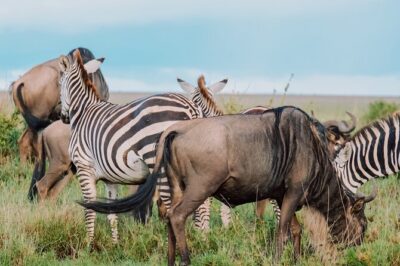
Balloon Safari & Bush Breakfast in Serengeti – Miracle Experience
Read our review →
5-Day Highlights mid-Range Crater, Serengeti, Tarangire
Read our review →
Private 6-Day Tarangire Manyara Crater and Serengeti with Mid-Range Lodges
Read our review →
5 Days Camping Tarangire, Serengeti & Ngorongoro crater & Visiting Maasai
Read our review →
4 Days Join Group tour Tarangire Serengeti and Ngorongoro crater
Read our review →Browse the lists this tour appears in