
Reviewed · SERENGETI & NGORONGORO SAFARIS
3 Days Serengeti Ngorongoro Group Joining Safari
Wildlife comes quickly on this three-day run. I like the chance to see Serengeti’s wildebeest migration and the Ngorongoro Crater in one compact trip, and I love that meals, park fees, water, a safari vehicle, and a guide are included. The main drawback is the fast pace, plus basic camping with no pillow supplied.
You leave early, spend long hours on rough park roads, and sleep at public campsites. That is part of the bargain. At $860 per person, this safari offers a useful way to reach two of Tanzania’s headline wildlife areas without arranging each piece yourself, but you should arrive ready for simple facilities and a tightly packed schedule.
In This Review
- Key points to know before booking
- Why this short safari works
- Day one: From hotel pickup to Seronera
- Day two: Sunrise wildlife and the road to the crater rim
- Day three: A full day inside Ngorongoro Crater
- Camping, food, and what the price covers
- The guide and group experience
- What to pack for three demanding days
- Who will get the most from this safari
- Should you book the $860 safari?
- FAQ
- How long is the safari?
- What parks or wildlife areas does it visit?
- What is the price?
- Is hotel pickup included?
- What language does the guide speak?
- Is the great wildebeest migration included?
- Can I see the Big Five?
- Where do I sleep?
- Are meals and drinking water included?
- Is tipping included?
- Can I cancel for a refund?
- Is the safari wheelchair accessible?
Key points to know before booking
- The Serengeti begins with a long first day: You leave around 6 am, drive for about four hours, then spend roughly six hours on a game drive.
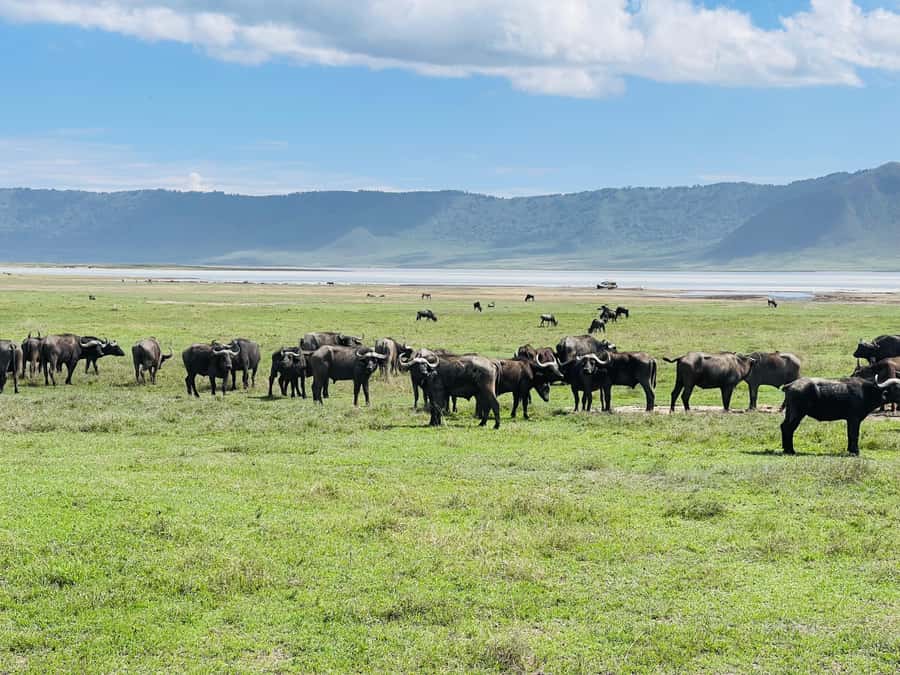
- Migration sightings depend on timing: The route passes the Ndutu area and the wildebeest and zebra calling grounds, but wildlife movements are never guaranteed on a fixed schedule.
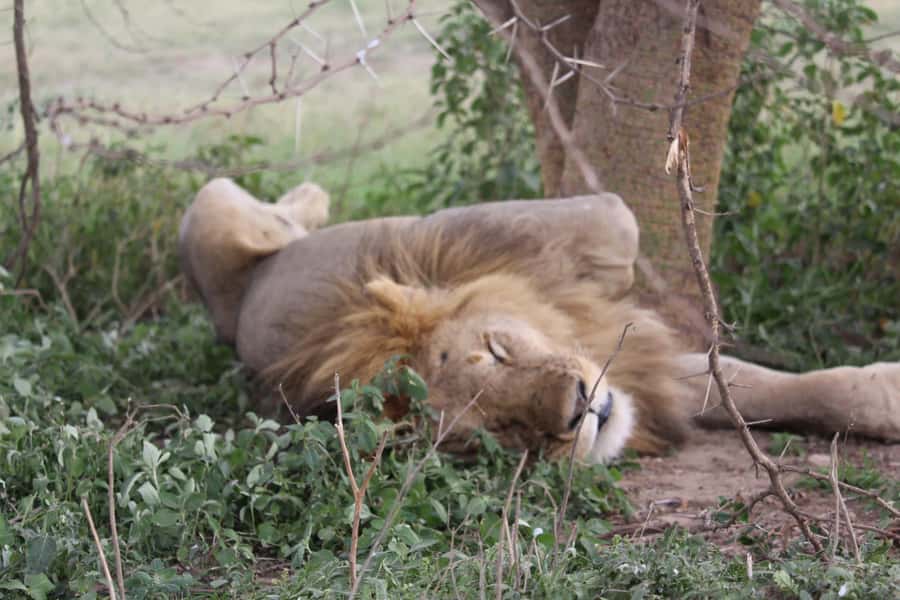
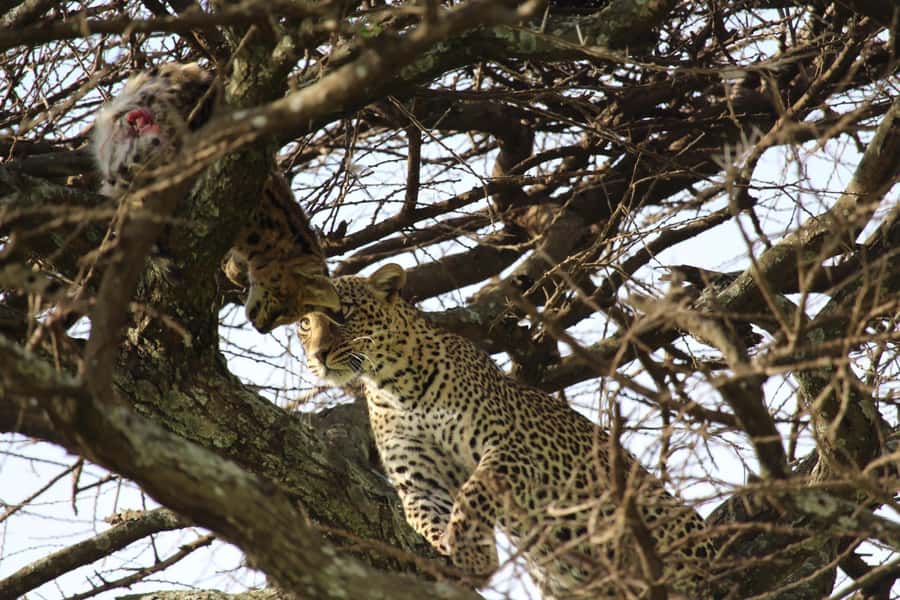
- The Ngorongoro Crater is the trip’s big finale: A full crater visit brings chances to see rhino, lion, leopard, buffalo, elephant, hippo, zebra, wildebeest, hyena, and many birds.
- You camp at two public sites: The first night is at Seronera in the Serengeti, and the second is at Simba Camp on the crater rim.
- The tour is guided in English: Hotel pickup, a safari jeep, meals, drinking water, park fees, and accommodation are included.
- Pack for basic camping: A pillow is not provided, so bring your own if you want proper head support at night.
Why this short safari works
This itinerary packs Tanzania’s two best-known wildlife areas into three days. That makes it appealing if you have limited time in Arusha or are adding a safari to a longer Tanzania trip.
The route has a clear rhythm. You spend the first two days looking for wildlife in the Serengeti, then finish with a crater visit where animals gather in a smaller, enclosed setting. The Serengeti gives you open space and the excitement of searching. Ngorongoro gives you a more concentrated wildlife experience.
I like this contrast. You are not seeing the same kind of place twice. The Serengeti is about distance, movement, and the possibility of migration activity. Ngorongoro is about the caldera, the crater floor, and the strong chance of seeing several major species in one day.
The tradeoff is road time. Day one begins with about four hours of driving before reaching the Serengeti gates, and day three ends with a drive back to Arusha after the crater visit. You will spend plenty of time in the safari jeep. That is normal for this route, but it is worth knowing before you book.
The group format can also make the price more approachable than a private safari. At $860 per person, you are paying for access to a major national park route, transport, a guide, camping, food, water, and park charges. The value is strongest if you want the main sights and do not need a private vehicle or a slower schedule.
More Serengeti and Ngorongoro safaris:
- Serengeti Balloon Safari and authentic bush breakfast
★ 5.0 · 2,480 reviews - Balloon Safari & Bush Breakfast in Serengeti – Miracle Experience
★ 5.0 · 1,646 reviews - 3 Days Serengeti & Ngorongoro Group Camping Safari
★ 5.0 · 574 reviews
Day one: From hotel pickup to Seronera
Pickup is scheduled for about 6 am at your hotel reception. The early start matters because this is both a travel day and a game-viewing day. You should be ready before the stated pickup time, with your bags packed and any breakfast arrangements settled at your hotel.
The drive to the Serengeti gates takes about four hours. You travel with a packed lunch and pass through the Ndutu area before reaching Nabi Gate, described as the first Serengeti gate on this route.
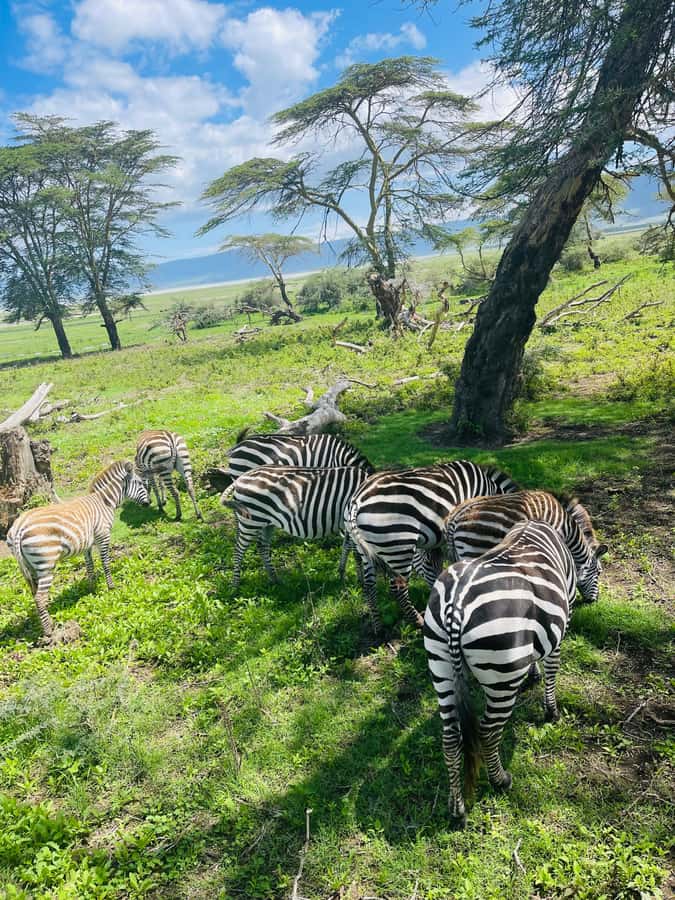
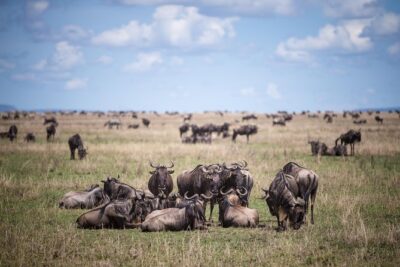
After the gate, the character of the trip changes. You are no longer simply heading toward the park. The drive becomes a game drive, and the route passes the calling grounds where thousands of wildebeest and zebras may occupy the area.
That is an exciting introduction to the Serengeti, but keep your expectations sensible. The great migration is a moving natural event, not a scheduled show. The tour gives you a route through an area associated with large herds, yet the exact number of animals and their location can change.
You have about six hours of game viewing on this first day. Lunch is taken during the safari, and the afternoon continues through sunset before you reach Seronera public campsite for dinner and the night.
Seronera is a practical overnight stop because it places you inside the Serengeti for the next morning. You do not have to leave the park and return from a distant town. That saves time, which is especially valuable on a three-day safari.
The campsite is basic. Do not expect hotel bedding or polished comforts. One useful packing tip is easy to miss: no pillow is supplied. Bring a compact travel pillow or use a rolled jacket if you need more support. The camp setup is better suited to someone who accepts simple outdoor accommodation than to someone who wants a soft, private room at the end of every day.
Day two: Sunrise wildlife and the road to the crater rim
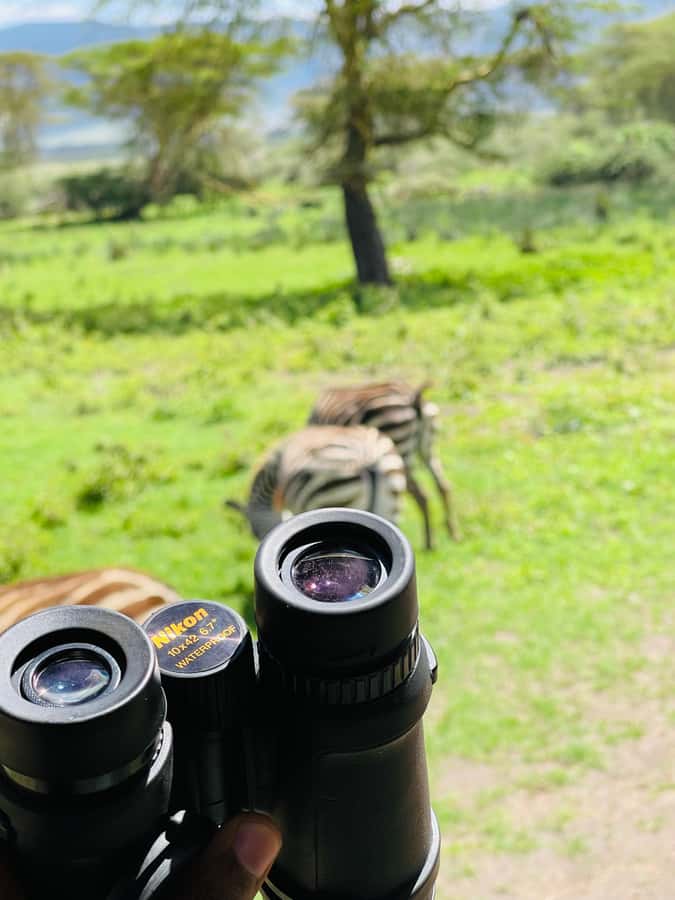
Day two begins around 5:30 am, before breakfast. You go out for an early game drive and remain in the park until sunrise.
This is one of the strongest parts of the itinerary. Early morning gives you the best chance of seeing active wildlife before the day becomes hotter. The timing also lets you watch the Serengeti change from darkness to daylight, with the open plains becoming easier to read as the sun rises.
After the morning drive, you return to camp for breakfast. Then you head out again for more game viewing. The driver guide aims to show you the migration, along with the other wildlife that makes the Serengeti famous.
Your guide is central to the quality of this day. A guide who communicates the plan clearly can make a group safari feel organized rather than rushed. Emanuel is identified as the safari driver and guide for this experience, and clear communication with him is particularly important if you join a group already on the road.
That point matters because group arrangements can be confusing at pickup. One guest had a chaotic start, with changing vehicles and uncertainty about which safari group to join, before finally meeting Emanuel. The practical lesson is to confirm the destination, driver name, vehicle, and group details at hotel pickup. If several safari cars are arriving, do not assume the first one is yours.
You stop for lunch while leaving the Serengeti. By sunset, you reach Simba public campsite on the rim of Ngorongoro Crater.
The rim setting is a useful transition between the two parks. You finish one day in the Serengeti and wake near the crater for the next morning’s descent. The campsite is still public and simple, so the view and location matter more than comfort.
Day two is long. You will have an early wake-up, a morning drive, breakfast, more wildlife viewing, lunch, an exit from the Serengeti, and a move to the crater rim. I would not choose this trip if you need lots of free time or a leisurely camp routine. I would choose it if seeing the major wildlife areas matters more than taking things slowly.
Day three: A full day inside Ngorongoro Crater
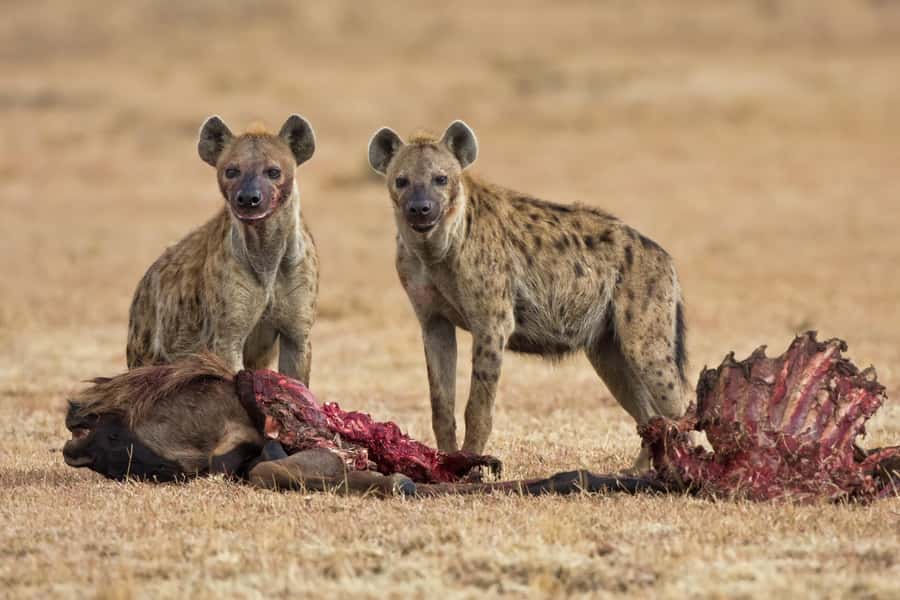
After breakfast, you pack a picnic lunch and descend from the rim into the Ngorongoro Crater.
The crater is a caldera, a large volcanic basin with a wildlife-filled floor. Its enclosed shape gives this day a different feel from the wide Serengeti. You spend the morning and afternoon looking across open ground, wet areas, and the soda lake zone, with the crater walls rising around you.
The main draw is the chance to see the Big Five: rhino, lion, leopard, buffalo, and elephant. The itinerary also names zebra, hippo, wildebeest, and hyena. No safari can promise every species, especially leopard and rhino, but Ngorongoro is a strong place to search because many animals live within the crater.
The picnic lunch is served at Ngoitokok swamp, described as a hippo pool. This gives the midday stop a real wildlife setting rather than making lunch just a roadside pause. You should still follow the guide’s instructions closely around water and animals.
Birdlife adds another layer to the crater visit. Flamingos may be seen at the soda lake, along with geese, storks, vultures, and other bird families. If you enjoy birds, bring attention to the smaller details instead of spending the whole day searching only for lions.
After lunch, you continue with afternoon game viewing. Later, you ascend the crater and drive back to Arusha, aiming to arrive before dark.
This makes day three both rewarding and demanding. You get the safari’s most concentrated wildlife day, but you also have a final overland journey afterward. Keep your expectations realistic about arrival time. The schedule says before dark, not at a precise hour.
A different kind of day out entirely:
- From Zanzibar: Mikumi Safari Day Trip with Flights and Meal
★ 4.7 · 1,470 reviews - Zanzibar: Quad Bike Adventure departing from Kendwa or Nungwi
★ 4.9 · 1,233 reviews - Zanzibar: Stone Town, Spice Tour, Prison Island with Lunch
★ 4.4 · 1,219 reviews - Tanzania Classic – 7 Days
★ 5.0 · 1,151 reviews
Camping, food, and what the price covers
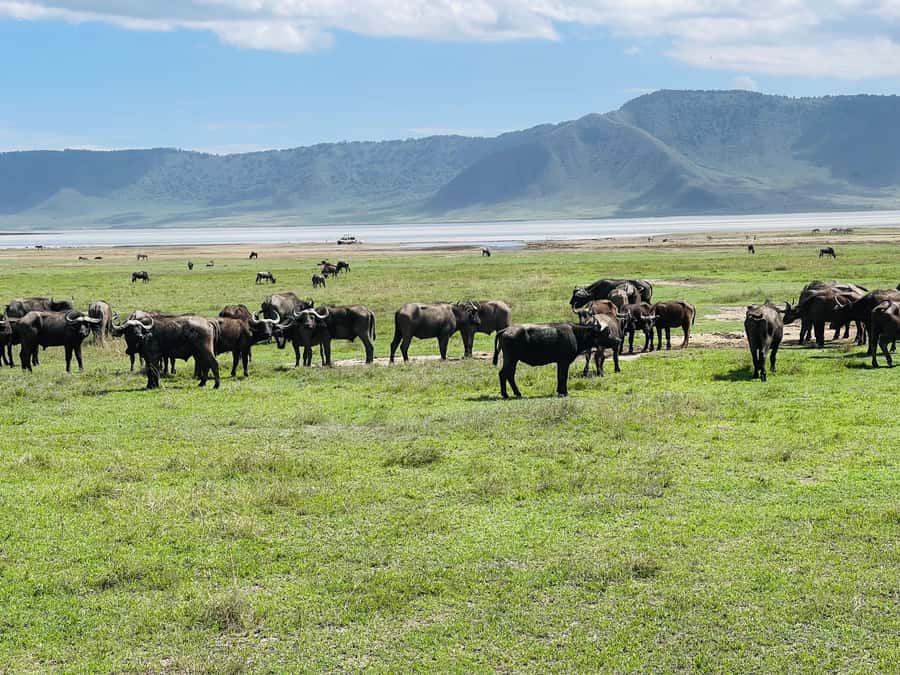
The $860 price includes all park fees and taxes, a safari jeep, accommodation, all meals, drinking water, and an English-speaking guide. That bundle is important because park charges and transport are major parts of a northern Tanzania safari. Paying one stated price can make budgeting easier.
The accommodation is at Seronera public campsite and Simba public campsite. These are not luxury camps. You should think of them as functional bases that keep you near the wildlife areas, not as destinations with extensive services.
Food is included throughout the trip. A packed lunch is carried on day one, lunch is taken during the second day’s route, and day three includes a packed lunch for the crater. One guest found the food and tent accommodation acceptable, which is a reasonable way to frame the standard: practical rather than elaborate.
Bring personal snacks only if you want them, since the information supplied does not specify snack service. Also pack your own pillow. The absence of one is a small detail, but small details become important after two early mornings and long drives.
Tipping is not included. The amount is left to you, so prepare to budget separately if you want to tip the driver guide or other staff.
The guide and group experience
This is a group-joining safari, so the social side depends on the people assigned to the vehicle. You may be joining a group that began its safari earlier, as happened with one booking. That can create an awkward first hour if the plan is not explained clearly.
I would ask these questions as soon as you meet the driver guide:
- Are you in the correct Serengeti and Ngorongoro vehicle?
- Which campsite will you use tonight?
- When is the next meal stop?
- How long will the current game drive last?
- Who should you speak to if the group plan changes?
These questions are not signs of distrust. They are simple ways to get your bearings when vehicles and groups are being coordinated.
The guide’s communication is especially important because the days are long and the schedule has several handoffs. A clear explanation can reassure you that the early drive, campsite change, and crater descent are all part of the plan.
The published language is English, and pickup is included from your hotel reception. Wheelchair accessibility is also stated, though the information does not explain how accessible the safari jeep, campsites, or crater roads are in practice. If you use a wheelchair, confirm the exact arrangements before paying.
What to pack for three demanding days
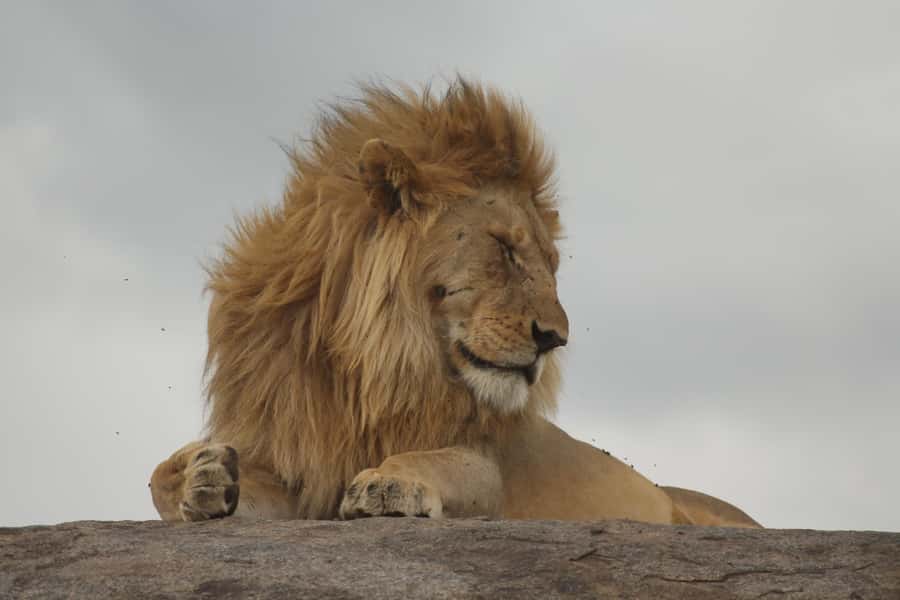
Pack light enough for easy vehicle changes, but do not leave out the basics. You will need clothing for early mornings, sun protection for open game drives, and comfortable items for long road hours.
Useful items include:
- A travel pillow, since one is not supplied
- A small day bag for water and personal items
- Sun protection
- Comfortable clothing for early starts and warm afternoons
- Any personal medication
- A camera or phone with enough storage
- A little extra cash for tips
The supplied information does not give a detailed equipment list, so avoid assuming that every camping comfort is provided. The safest approach is to pack for a basic public campsite and rely on the included meals and drinking water.
You should also be ready for limited control over the daily timetable. The driver guide sets the route, game-drive length, meal stops, and departure times. That is normal in a group safari, but it can feel restrictive if you prefer to stop whenever you wish.
Who will get the most from this safari
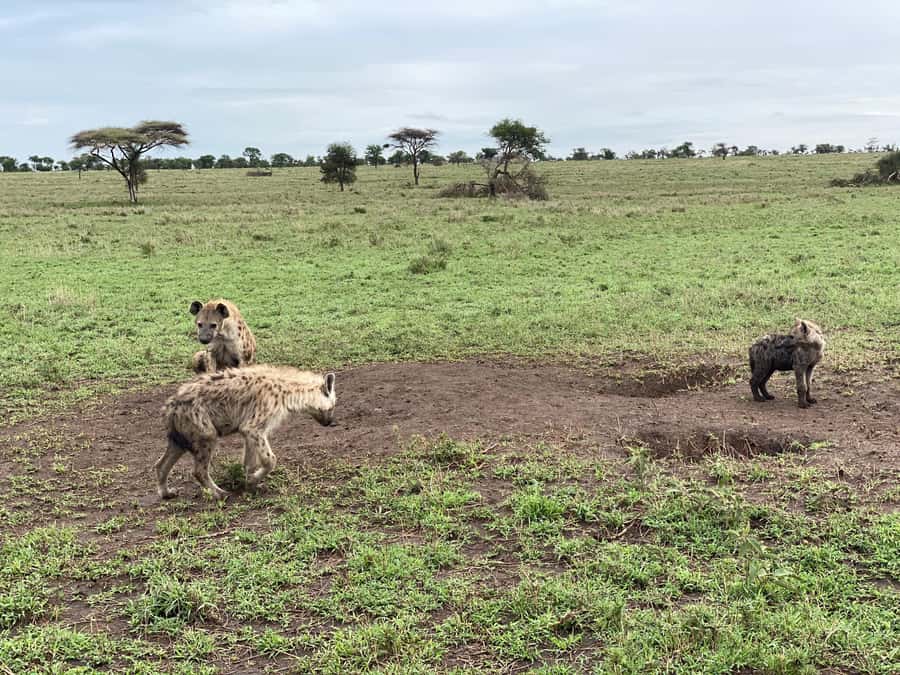
I would recommend this trip to a first-time safari visitor who wants the major northern Tanzania highlights in a short period. It suits someone who values seeing the Serengeti and Ngorongoro more than having a private, leisurely itinerary.
It also fits people who want a straightforward package. Park fees, transport, food, water, camping, and guiding are already included. You do not need to build the trip from separate bookings.
The safari is less suited to you if you want luxury accommodation, a private vehicle, or long rests between game drives. The schedule starts early, the drives are lengthy, and the public campsites are basic.
It may also be challenging if your main goal is a guaranteed migration crossing or a guaranteed Big Five checklist. The route gives you strong chances and visits the right headline areas, but wildlife remains wild and sightings cannot be promised.
Should you book the $860 safari?
Book it if you want a compact, guided route through the Serengeti and Ngorongoro, and you are comfortable with early mornings, long drives, group travel, and basic camping.
The strongest reasons to choose it are the two-park combination, the early Serengeti game drive, the chance to see migration herds, and the crater’s concentrated wildlife. The included park fees, meals, water, vehicle, guide, and accommodation also make the price easier to assess.
Before booking, confirm your pickup details and ask specifically about the vehicle, group arrangement, campsite bedding, and pillow. That small bit of preparation can prevent the confused start that one guest experienced.
You can cancel up to 24 hours in advance for a full refund, and the reserve-now, pay-later option keeps your plans flexible. For a short safari with big wildlife goals, this is a solid value, as long as you choose it for access and adventure rather than comfort.
FAQ
How long is the safari?
The safari lasts three days.
What parks or wildlife areas does it visit?
It visits Serengeti National Park and the Ngorongoro Crater.
What is the price?
The price is $860 per person.
Is hotel pickup included?
Yes. Pickup is included from your hotel reception.
What language does the guide speak?
The live tour guide speaks English.
Is the great wildebeest migration included?
The route includes migration viewing in the Serengeti, including the Ndutu area and wildebeest and zebra calling grounds. Exact sightings depend on wildlife movement.
Can I see the Big Five?
The Ngorongoro Crater is home to rhino, lion, leopard, buffalo, and elephant. Sightings are possible, but the tour does not guarantee that you will see every one.
Where do I sleep?
You stay at Seronera public campsite in the Serengeti on the first night and Simba public campsite on the crater rim on the second night.
Are meals and drinking water included?
Yes. All meals and drinking water are included.
Is tipping included?
No. Tipping is not included in the tour price.
Can I cancel for a refund?
Yes. You can cancel up to 24 hours in advance for a full refund.
Is the safari wheelchair accessible?
The activity is described as wheelchair accessible, but the available information does not give detailed arrangements for the vehicle or campsites.
Just added in Tanzania
- Safari “Kifaru” – 5 days in the most famous Parks in the world★ 5.0 · 4 reviews
- Saadani Day Trip★ 5.0 · 13 reviews
- 3 Days Tanzania Short and Spicy★ 5.0 · 6 reviews
- 5 Day Tanzania Safari Camping Adventure Private Tour★ 5.0 · 2 reviews
- Day Trip to Ngorongoro Crater from Arusha★ 5.0 · 1 review
- SERENGETI NATIONAL PARK Tour★ 4.5 · 5 reviews
- 6 Days Tanzania Bush Experience Safari★ 5.0 · 6 reviews
- 3 Days Serengeti Park & Ngorongoro Crater Adventure Safari★ 5.0 · 8 reviews
Serengeti & Ngorongoro Safaris, compared.
Serengeti Balloon Safari and authentic bush breakfast
Read our review →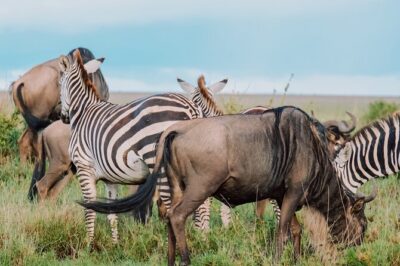
Balloon Safari & Bush Breakfast in Serengeti – Miracle Experience
Read our review →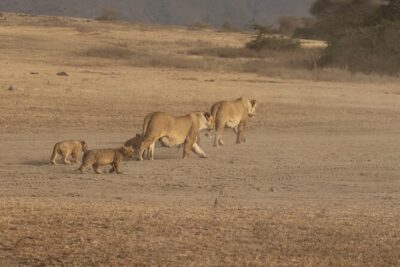
3 Days Serengeti & Ngorongoro Group Camping Safari
Read our review →
5-Day Highlights mid-Range Crater, Serengeti, Tarangire
Read our review →
Private 6-Day Tarangire Manyara Crater and Serengeti with Mid-Range Lodges
Read our review →
5 Days Camping Tarangire, Serengeti & Ngorongoro crater & Visiting Maasai
Read our review →Browse the lists this tour appears in