
Reviewed · MATERUNI WATERFALLS TOURS
5 Days in the wild & a day hike around Materuni Waterfall.
Tanzania packs a lot into six days. This private trip links Tarangire’s elephant country, two nights in the Serengeti, a Ngorongoro Crater descent, and a moderate walk to Materuni Waterfall near Kilimanjaro. I like the variety: you get classic safari country and a final day of village culture, coffee, swimming, and hot springs rather than ending with one more long drive.
I also like that guide Godfrey, sometimes called Gody, is praised for turning a first safari into a personal experience. The main drawback is the pace. Long drives, early starts, campsite nights, and several 10 to 12-hour days make this a demanding trip, especially if you prefer slow mornings and polished lodge accommodation.
In This Review
- Five details that shape the experience
- Why this route works for a first Tanzania safari
- Tarangire’s baobabs and elephant families
- The long road from Mto wa Mbu to Seronera
- Two nights in the Serengeti
- Leaving the Serengeti for Ngorongoro
- The 6:15 am descent into Ngorongoro Crater
- Walking to Materuni Waterfall
- Chagga culture, coffee, and Kikuletwa Hot Springs
- What $1,880 includes and what it means
- Who should book this six-day adventure?
- Should you book it?
- FAQ
- How long is the experience?
- Where does the tour start?
- Is this a private tour?
- What parks and protected areas are included?
- How long is the drive from Mto wa Mbu to the Serengeti?
- Is there time for two Serengeti game drives?
- How difficult is the Materuni Waterfall walk?
- Can you swim during the final day?
- What is included in the price?
Five details that shape the experience
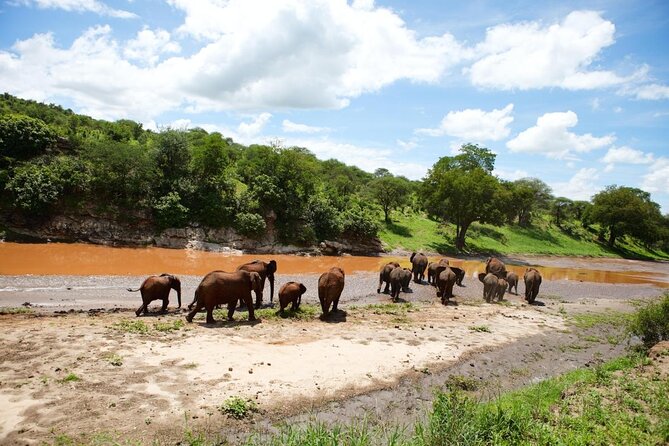
- Tarangire begins with elephants and baobabs: The park is known for large elephant family groups, ancient baobab trees, giraffes, zebras, wildebeest, and chances to search for lions, cheetahs, and leopards.
- Two nights in the Serengeti give you time: You are not simply passing through. There is an arrival game drive, a full second day, and another drive while leaving.
- The Ngorongoro Crater is an early start: The descent begins around 6:15 am, with black rhino as the main prize.
- Materuni adds a human side to the trip: Your walk includes Chagga culture, village life, local plants, and a possible view of Kilimanjaro.
- Swimming comes twice: You can swim at the pool below Materuni Waterfall and later at Kikuletwa Hot Springs.
- The price reflects private safari costs: At $1,880 per person, park fees, accommodation, meals, water, airport transfers, and a private vehicle or group arrangement matter greatly when judging value.
Why this route works for a first Tanzania safari
This route gives you a useful sample of northern Tanzania without trying to add every famous park. Tarangire, the Serengeti, and Ngorongoro each offer a different setting and a different way to look for animals.
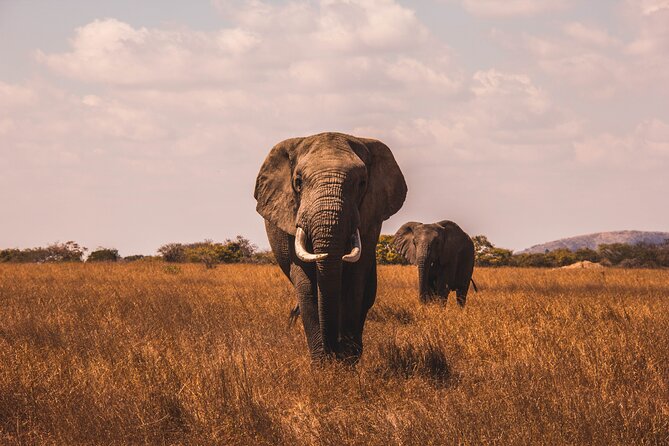
Tarangire is a strong opening act because the park is not only about ticking off species. The baobabs give the drive a distinct sense of place, while elephants are a major focus. Watching elephant families interact can be more memorable than simply counting animals from a vehicle. Giraffes, wildebeest, and zebras are easier to find, while predators require patience and luck.
The Serengeti then gives you more time and more open space. Two nights near Seronera mean you can search different parts of the central area instead of rushing through on a single afternoon. The trip also follows animal movements, with drives potentially heading south, east, or west depending on where sightings are being reported.
Ngorongoro changes the rhythm again. You move from broad plains to the enclosed floor of a volcanic crater, where many animals are easier to see because the area is compact. The challenge is that the schedule is tight, and the most sought-after sighting, black rhino, remains difficult.
The final day is a welcome change of gear. Materuni Waterfall and Kikuletwa Hot Springs bring walking, local culture, coffee, and water activities into a safari-heavy holiday. I would not call this a rest day, since it lasts about 10 hours, but it gives your trip a more varied finish.
More Materuni waterfall trips:
- Materuni Waterfalls, coffee tour & Kikuletwa Hot Springs
★ 5.0 · 643 reviews - Materuni Waterfalls & Chemka Hotsprings Day Trip
★ 5.0 · 214 reviews - Materuni waterfalls coffee tour & Chemka hot springs Day trip
★ 5.0 · 131 reviews
Tarangire’s baobabs and elephant families
Day one starts after breakfast and lasts about 10 hours. You drive into Tarangire National Park for a game drive, following reported animal sightings rather than sticking to a fixed route.
That approach makes sense on safari. Predators move, herds shift, and a good guide needs to respond to what is happening in the park. Lions, cheetahs, and leopards are harder to find than herbivores, so you should expect the search for cats to take time. There is no guarantee, but the effort is part of the experience.
Tarangire is especially appealing if elephants are high on your list. The park is known for having one of Tanzania’s largest elephant concentrations, and the focus here is not only on seeing one animal beside the road. You may get to watch family behavior, with adults and younger elephants moving together.
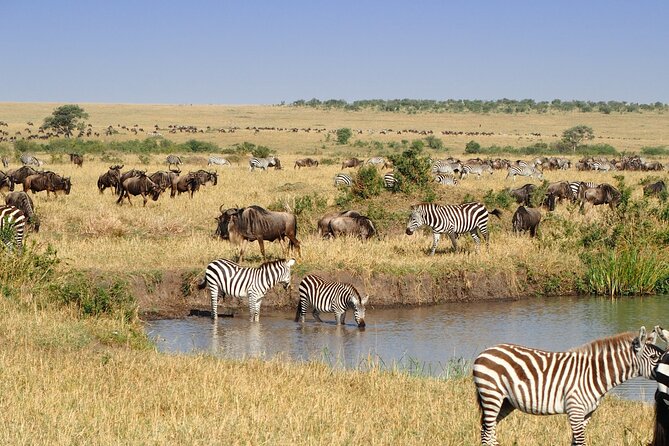
The ancient baobab trees give the day a memorable visual marker. Their unusual shapes make even a quiet stretch of road feel distinctly African. Giraffes, zebras, wildebeest, and other herbivores are described as plentiful, so the day should provide plenty to watch even if the big cats stay hidden.
A picnic stop at the Tarangire River adds a pause in the middle of the drive. You can eat while looking over the river and nearby animals. Since the first day is long, this break matters. You should still be ready for heat, dust, and extended time in the vehicle.
The long road from Mto wa Mbu to Seronera
Day two is one of the trip’s longest, at about 12 hours. After breakfast, the drive from Mto wa Mbu to the Serengeti takes around six hours, including stops. You pass through the Ngorongoro Conservation Area and pause briefly at a gate and viewpoint for about 20 minutes.
The crater viewpoint is a useful introduction to Ngorongoro, but do not confuse this stop with the proper crater visit later. On day two, you are mainly looking across the crater from above before continuing toward the Serengeti.
You arrive in the late afternoon and begin a game drive in Seronera, the central part of the park. The timing allows you to see the plains in changing light and possibly watch the sunset from the vehicle. The program also mentions the possibility of seeing a predator hunting or feeding, but these are naturally luck-dependent moments.
The campsite is in or near the Seronera area, and animals may be seen around camp, including hyenas. Active rangers provide protection, but you still need to follow camp instructions carefully. An unfenced safari camp is not the place to wander around after dark just because you want a better photograph.
The main weakness of this day is the road time. Six hours of transit followed by a late game drive can leave you tired. The advantage is that you reach the Serengeti with time left for wildlife rather than losing the whole afternoon to arrival.
Two nights in the Serengeti
Day three is the safari centerpiece. You leave after an early breakfast for a full-day game drive, explore wider parts of the Serengeti, stop for lunch, and continue until evening before returning to camp.
The route is flexible. Depending on wildlife movements, you may head south, east, or west. This is important because the Serengeti is not a small park with animals arranged at convenient viewing points. A flexible plan gives your guide room to respond to current sightings.
Seronera is a useful base for this kind of searching. You can spend the day looking for large herbivore groups, giraffes, and predators, with the possibility of seeing a hunt or a kill if luck and timing cooperate. I would keep your expectations sensible. A safari is wildlife watching, not a zoo visit, and the less predictable moments are often the ones that stay with you.
Returning to the same campsite after a second full day also reduces the need to repack every morning. That is a small practical benefit, especially on a trip where most days start early. The camp itself may also offer wildlife interest, with animals reported around the campsite.
This is a rustic trip rather than a luxury safari. The information provided confirms accommodation during the safari but does not specify whether each night is in a tent, lodge, or another type of camp. Ask Rehoboth Safaris for the exact accommodation details before paying, since this will strongly affect your comfort and the price you are getting.
More treks in Arusha:
- 8-Day Small-group Lemosho Kilimanjaro Summit Trekking
★ 5.0 · 186 reviews - Mountain Kilimanjaro Day Hike
★ 5.0 · 102 reviews - Private Full Day Hiking Experience to Marangu Route
★ 5.0 · 61 reviews - 4 Days Mount Meru Trekking
★ 5.0 · 55 reviews
Leaving the Serengeti for Ngorongoro
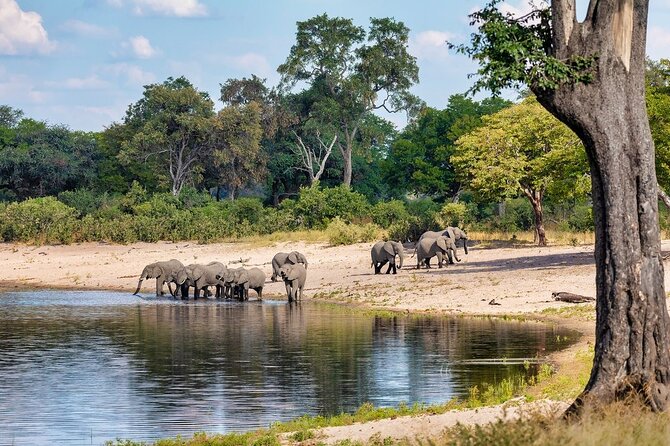
Day four starts with an early game drive. You continue watching animals until the afternoon, return to camp for lunch and packing, then make a game drive while leaving the Serengeti.
The transfer to Simba Campsite near the Ngorongoro Crater rim takes about two hours. This is another 12-hour day, so the schedule is not light. Still, combining the exit drive with wildlife viewing is much better than treating the transfer as a blank stretch of road.
Sleeping near the crater rim puts you in a good position for the next morning’s descent. The practical gain is an early start without needing to drive back from the Serengeti first. The trade-off is another campsite night and another evening spent organizing luggage after a long day.
If you value a private trip, this arrangement has an advantage. Only your own group participates, so the pace can be more personal than a large shared vehicle. The exact degree of flexibility will depend on the group and guide, but a private format generally makes it easier to discuss stops, fatigue, and wildlife interests.
The 6:15 am descent into Ngorongoro Crater
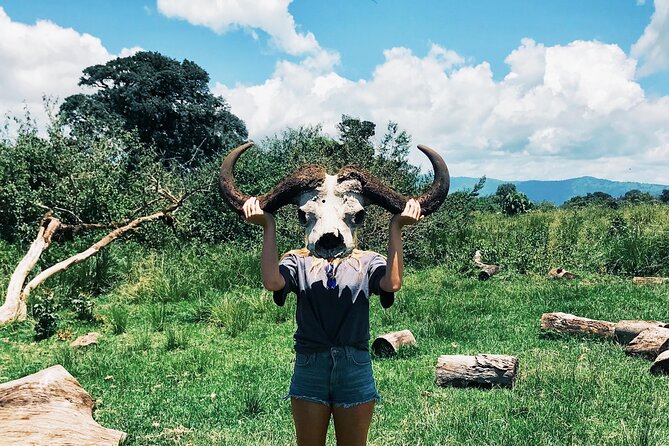
Day five begins early, around 6:15 am, with the descent into Ngorongoro Crater. The goal is to look for black rhino, one of the hardest animals to spot in the area.
The crater floor offers a different viewing experience from the Serengeti. Its enclosed shape concentrates many animals, and the description notes that wildlife is often easier to see here. You may find the contrast striking: instead of following animals across huge open plains, you are searching a more contained area with a dramatic rim around you.
Black rhino sightings are never something to treat as guaranteed. That is precisely why the search matters. Your guide will need to scan carefully and work with reports from other vehicles, but the animal may remain distant or hidden.
After lunch, you continue the game drive before ascending to camp and packing for the return to Arusha. At about six hours, this is shorter than the Serengeti days, but it still combines wildlife viewing, a crater climb, and onward travel preparation.
The schedule gives you a proper crater visit rather than only the viewpoint from day two. If Ngorongoro is a priority, this is one of the strongest parts of the route. If you dislike early starts, note that the first four days have already trained you for them.
Walking to Materuni Waterfall
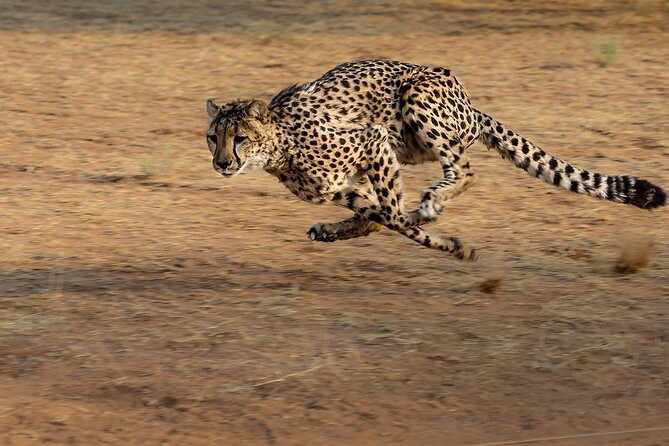
Day six shifts from safari vehicle to footpath. The walk to Materuni Waterfall takes around 40 minutes and is described as moderate. You should bring suitable walking shoes and swimwear, since the pool below the waterfall is available for a refreshing swim.
The walk is not only a transfer to a viewpoint. Your guide explains Chagga culture, village life, and the local plants and animals along the way. That cultural element gives the day more substance than a quick stop at a waterfall.
Materuni drops more than 80 meters, so the sight and sound of the water should be impressive. On clear days, you may also get a view toward Kilimanjaro’s summit. The wording is rightly cautious: the mountain view depends on conditions, so do not book this day solely for a guaranteed Kilimanjaro photograph.
The waterfall pool is an inviting feature, but conditions can vary. The provided details do not specify changing rooms, water temperature, or how long you can swim, so ask your operator what to expect. Still, after several days in a safari vehicle, a short hike and swim make a welcome physical change.
Chagga culture, coffee, and Kikuletwa Hot Springs
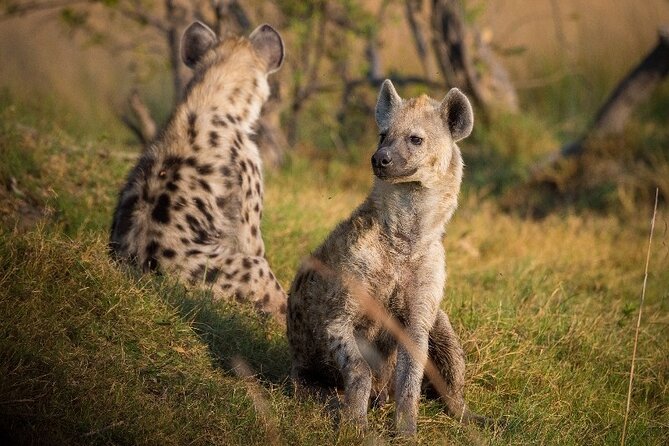
The Materuni portion also includes a coffee tour before the drive to Kikuletwa Hot Springs. The ride to the springs takes about one hour and 20 minutes, making this another full day of roughly 10 hours.
The coffee visit adds a local activity to the nature walk. You can learn about coffee in the area rather than treating Materuni as only a waterfall stop. It is a good fit for you if you want contact with village life and local traditions alongside wildlife.
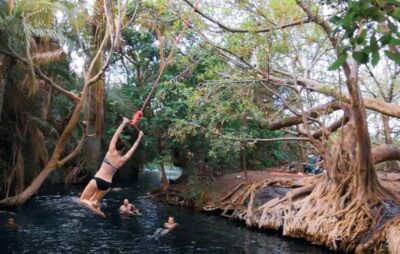
Kikuletwa Hot Springs provide the final chance to get in the water. The supplied details confirm the stop and the travel time, but they do not specify the facilities, how long you stay, or exactly what is included there. Ask about towels, changing areas, and entry arrangements before you go.
The route from waterfall to coffee activity to hot springs involves considerable driving. You should see it as a full excursion, not a lazy spa afternoon. Its appeal is variety: walking, cultural explanation, coffee, and swimming all in one day.
What $1,880 includes and what it means
The listed price is $1,880 per person. That is a serious amount, but it covers several expensive parts of a northern Tanzania safari:
- All park entrances and taxes
- Safari accommodation
- Breakfast, lunch, and dinner
- Bottled water, at least three liters per day
- Airport transfers to and from the airport
- A private trip for your group
The meal details list six breakfasts, six lunches, and five dinners. That suggests you should check which meal is not covered or how the final day is handled. Do not assume every snack, drink, or extra meal is included simply because the main meals are.
Water provision is a real practical benefit. Three liters or more per day helps during long game drives and the Materuni walk, though you should still ask how the water is supplied and whether you need your own refillable bottle.
Tips are not included. The provider gives a recommended guideline, but the exact amount is not provided here. Plan for gratuities as a separate cost, particularly if Godfrey is your guide and you feel he has added real value to the safari.
The value is strongest for a private group that wants a broad northern Tanzania route with the major transport and park costs bundled together. It is less attractive if you want high-end lodging, short transfers, or a relaxed pace. Confirm accommodation standards, vehicle details, group size, and airport transfer arrangements before booking.
Who should book this six-day adventure?
I would recommend it to you if you want a first safari with strong variety and do not mind early mornings. It suits couples, friends, and families who prefer a private group rather than sharing every game drive with strangers.
It also works well if you want more than animals. The Chagga cultural walk, coffee tour, waterfall swim, and hot springs add local and outdoor experiences that a standard safari does not provide.
I would be cautious if you need luxury accommodation, dislike camping, or find long drives difficult. Four days include schedules of 10 to 12 hours, and the route covers a lot of ground. You should also confirm whether the 40-minute Materuni walk and the crater descent fit your fitness level.
The two highly praised qualities connected with Godfrey are professionalism and personal guidance. One piece of praise describes the trip as a dream come true and says the guide became a friend in Tanzania. Another comes from three friends on their first safari, who found the experience far better than expected. That is useful context: the human side of this trip appears to be a major part of its appeal.
Cancellation is free if you cancel at least 24 hours before the start time. Changes made inside that window are not accepted, and poor weather may lead to another date or a full refund.
Should you book it?
Book this tour if you want elephants, baobabs, Serengeti game drives, Ngorongoro, and Kilimanjaro-area activities in one private six-day plan. The route is ambitious, but it gives you a genuine range of Tanzania experiences for the money.
Before booking, ask for the exact accommodation, vehicle type, final meal arrangements, and details for the hot springs. If those answers suit you, the combination of wildlife, local culture, swimming, and a guide such as Godfrey makes this a strong choice for an active first safari.
FAQ
How long is the experience?
The experience lasts approximately six days. The individual days range from about six to 12 hours.
Where does the tour start?
The tour starts in Arusha, Tanzania, with a stated start time of 6:00 am. Airport pickup and return transfers are included.
Is this a private tour?
Yes. Only your group participates in the activity.
What parks and protected areas are included?
The route includes Tarangire National Park, Serengeti National Park, the Ngorongoro Conservation Area, and the Ngorongoro Crater.
How long is the drive from Mto wa Mbu to the Serengeti?
The drive takes about six hours, including stops, while passing through the Ngorongoro Conservation Area.
Is there time for two Serengeti game drives?
Yes. You arrive in the Serengeti on day two and take a late-afternoon game drive. Day three is a full game-drive day, and day four begins with another early game drive before leaving.
How difficult is the Materuni Waterfall walk?
The walk is described as moderate and takes around 40 minutes to reach the waterfall.
Can you swim during the final day?
Yes. Swimming is possible in the pool below Materuni Waterfall and at Kikuletwa Hot Springs. You should bring swimwear.
What is included in the price?
The price includes park entrances and taxes, safari accommodation, meals, bottled water of at least three liters per day, airport transfers, and the private tour. Tips are not included.
Just added in Arusha
- Safari “Kifaru” – 5 days in the most famous Parks in the world★ 5.0 · 4 reviews
- Saadani Day Trip★ 5.0 · 13 reviews
- 3 Days Tanzania Short and Spicy★ 5.0 · 6 reviews
- 5 Day Tanzania Safari Camping Adventure Private Tour★ 5.0 · 2 reviews
- Day Trip to Ngorongoro Crater from Arusha★ 5.0 · 1 review
- SERENGETI NATIONAL PARK Tour★ 4.5 · 5 reviews
- 3 Days Serengeti Park & Ngorongoro Crater Adventure Safari★ 5.0 · 8 reviews
- 6 Days Tanzania Bush Experience Safari★ 5.0 · 6 reviews
Materuni Waterfalls Tours, compared.
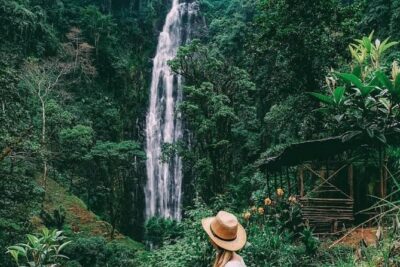
Materuni Waterfalls, coffee tour & Kikuletwa Hot Springs
Read our review →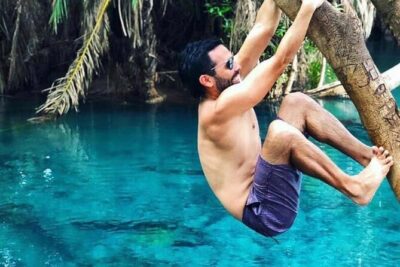
Materuni Waterfalls & Chemka Hotsprings Day Trip
Read our review →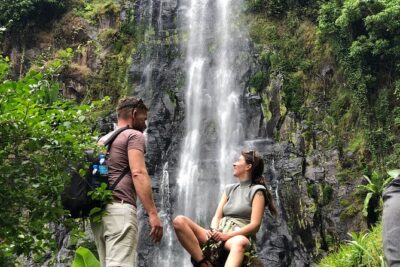
Materuni waterfalls coffee tour & Chemka hot springs Day trip
Read our review →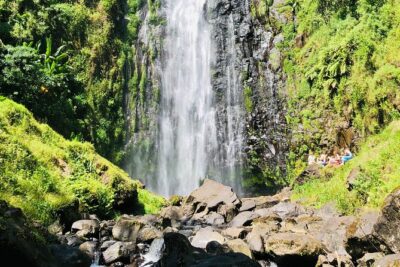
Materuni Waterfall, Coffee Tour and Picnic Hot Lunch
Read our review →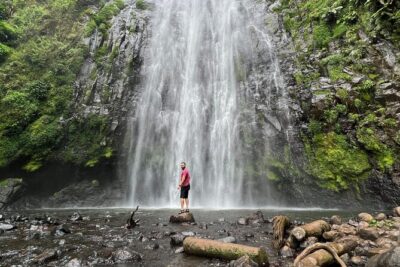
Maasai village visit, Materuni waterfalls & coffee experience
Read our review →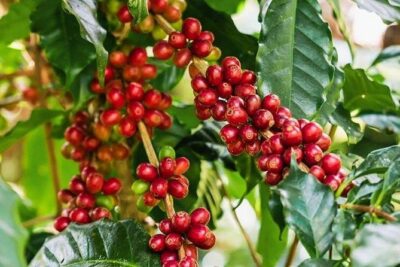
Materuni Waterfalls, Coffee, and Hotsprings Tour
Read our review →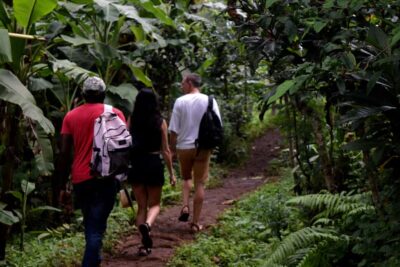
Materuni Waterfalls, Chemka Hot Springs, &/Or Coffee Tour
Read our review →Browse the lists this tour appears in