
Reviewed · SERENGETI & NGORONGORO SAFARIS
Two Days Shared Safari to Tarangire & Ngorongoro Crater
Wildlife comes quickly on this compact safari. From Arusha, you visit Tarangire National Park and descend into the Ngorongoro Crater, two of northern Tanzania’s best-known wildlife areas, in only two days. I like the smart pairing: Tarangire brings elephants, baobabs, lions, and open savannah, while Ngorongoro adds a dramatic crater setting and the chance to see rhinos. I also like that the $592 price includes park fees, accommodation, meals, drinking water, a 4WD vehicle, and a professional guide.
The main compromise is time. You get a full game drive in Tarangire and another in Ngorongoro, but this is a brisk safari rather than a slow, multi-day exploration. The shared format may also suit you less if you want a private vehicle or complete control over the daily schedule. Still, the guide service has earned strong praise for being attentive and kind, and the food and accommodation have also been singled out as good.
In This Review
- Five useful things to know before booking
- Why Tarangire makes the right first stop
- The Mtowaumbu overnight and what it changes
- Entering Ngorongoro Crater on day two
- What the guide adds to two busy days
- Is $592 a fair price?
- The pace, comfort, and practical limits
- Who will enjoy this safari most?
- Should you book the Tarangire and Ngorongoro safari?
- FAQ
- Where does the safari begin and end?
- Which national parks are included?
- Is accommodation included?
- Are meals included?
- Is drinking water provided?
- Is a guide and 4WD transport included?
- Can I bring a drone?
Five useful things to know before booking
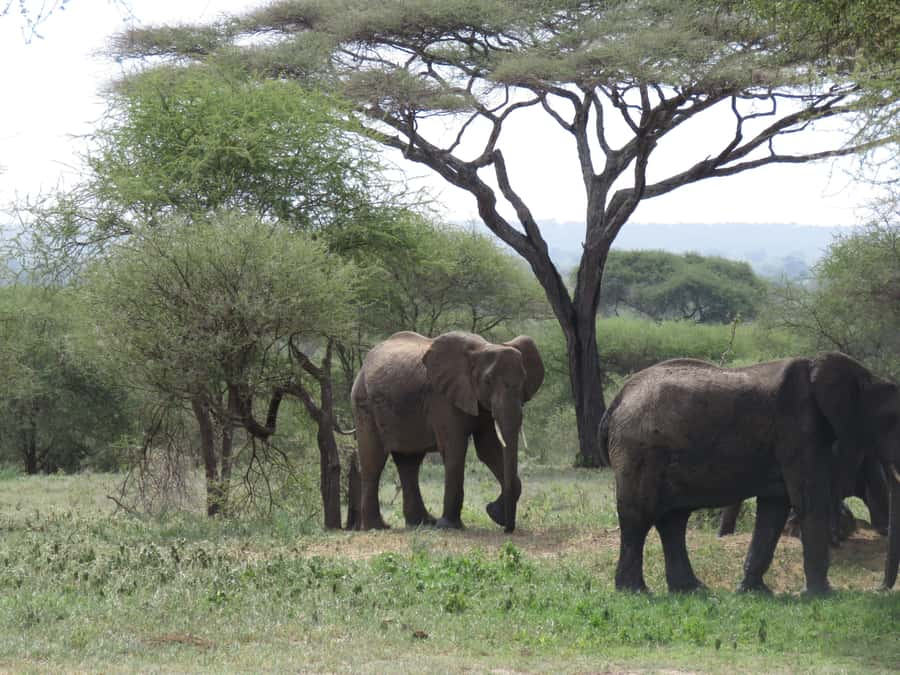
- Tarangire is an elephant-and-baobab day: Expect wide views, riverine areas, open savannah, and a strong chance of seeing elephants.
- Ngorongoro adds Big Five potential: The crater floor is known for lions, elephants, buffalo, leopards, and rhinos, along with hippos, gazelles, wildebeests, and flamingos.
- The $592 covers the costly basics: Park fees, 4WD transport, guide service, accommodation, listed meals, taxes, and drinking water are included.
- Your overnight stop is in Mtowaumbu: This breaks up the journey between the two parks instead of sending you back to Arusha after Tarangire.
- Bring binoculars, but leave the drone behind: Binoculars are specifically recommended, and drones are not allowed.
- The schedule favors active sightseers: You leave Arusha early, spend most of the first day in the park, and return in the early evening on day two.
Why Tarangire makes the right first stop
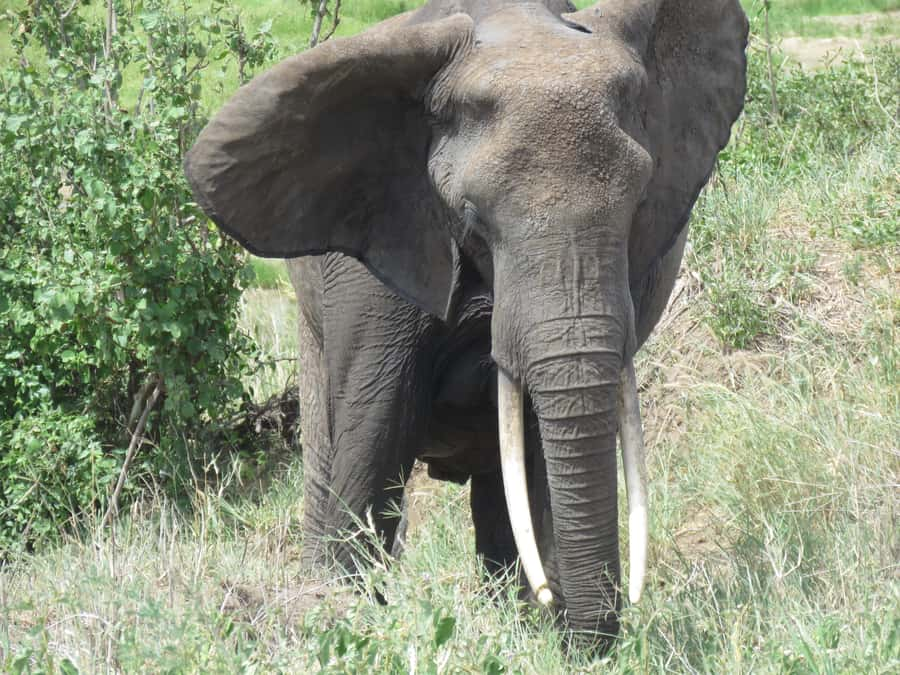
Your safari begins with an early morning departure from Arusha. The first destination is Tarangire National Park, a good opening chapter because it offers a different visual mood from Ngorongoro. Tarangire is known for large elephant herds and its striking baobab trees, those broad-trunked African icons that make even a quiet stretch of park feel memorable.
The full-day game drive moves through several types of scenery. You can expect open savannah, riverine areas, and changing views as the vehicle travels through the park. That variety matters on a short safari. You are not spending two days looking for wildlife in one setting, and your guide can adjust the search as sightings develop.
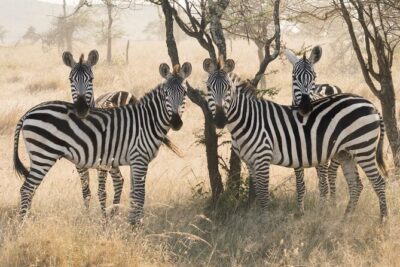
The animal list here includes lions, giraffes, zebras, and many bird species. Elephants are the headline attraction, but the pleasure of Tarangire is the mix. One moment you may be watching a large animal herd, and the next you may be scanning the trees or grass for smaller creatures and birds.
I would give this day your full attention rather than treating it as a simple transfer to the next park. The itinerary calls for a full-day game drive, so the park is not just a quick stop. You will spend much of the day looking, listening, and learning from the guide about animal behavior and the park’s ecology.
There is a picnic lunch in a designated area around midday. This keeps the day moving and lets you eat within the park rather than leaving for a separate restaurant. The practical benefit is clear: more time remains for wildlife viewing. The tradeoff is that a picnic is a simple safari meal, not a long restaurant lunch with a wide menu.
After the game drive, you continue to your overnight accommodation in Mtowaumbu. You have dinner there and time to relax in a quieter setting before the second park day. Since the exact accommodation name and room details are not provided, I would confirm those before paying if the lodging standard is important to you.
More Serengeti and Ngorongoro safaris:
- Balloon Safari & Bush Breakfast in Serengeti – Miracle Experience
★ 5.0 · 1,646 reviews - 3 Days Serengeti & Ngorongoro Group Camping Safari
★ 5.0 · 574 reviews - 5-Day Highlights mid-Range Crater, Serengeti, Tarangire
★ 5.0 · 296 reviews
The Mtowaumbu overnight and what it changes
The overnight stop is one of the most useful parts of the plan. Without it, a Tarangire day followed by Ngorongoro would create a very demanding return pattern from Arusha. Staying in Mtowaumbu gives the itinerary a natural pause and positions you for the next morning’s drive.
You should think of this as a practical safari base rather than a separate sightseeing stop. The supplied details promise accommodation and dinner, but they do not specify a lodge category, room type, swimming pool, or other extras. I would not book this trip expecting a particular style of property unless Rock to Bush Adventures confirms it directly.
Food is one area where the available feedback is reassuring. The safari includes meals as specified in the daily plan, and the food has been praised along with the accommodation. Drinking water is included on all days, another small but useful detail when you are spending long hours in a vehicle.
After breakfast, you set out for Ngorongoro Crater. The overnight arrangement means you can focus on the crater game drive instead of dealing with a long same-day return from Arusha before the wildlife viewing even begins.
Entering Ngorongoro Crater on day two
Ngorongoro Crater is the grand visual moment of this safari. It is a UNESCO World Heritage Site and a major wildlife sanctuary, with a broad crater floor surrounded by steep walls. The route takes you down into the crater for a game drive, then back up to the rim before the return to Arusha.
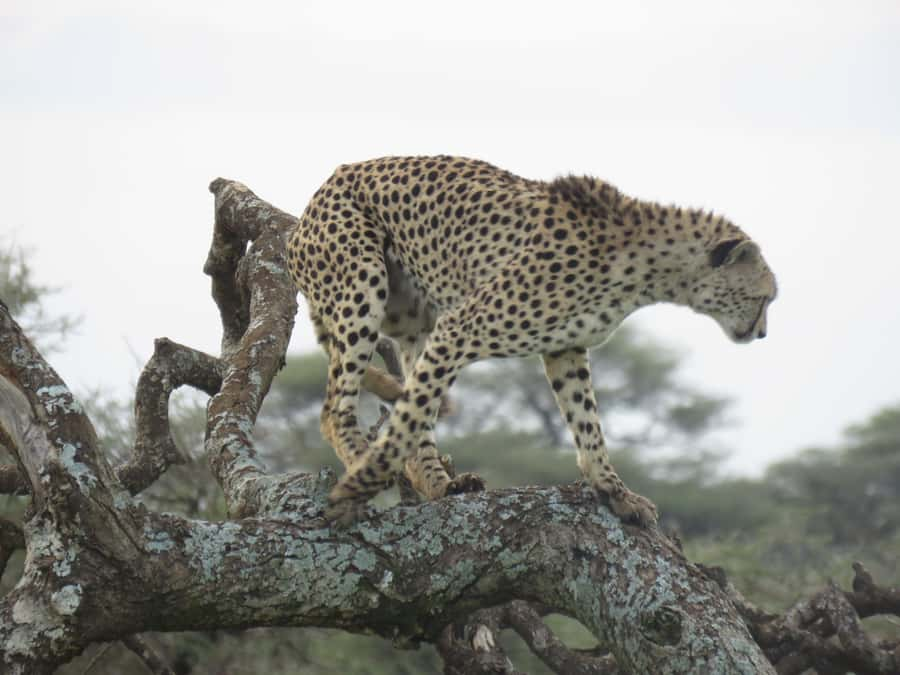
The wildlife list here is especially appealing if you want a chance at the Big Five: lion, elephant, buffalo, leopard, and rhino. Sightings are never guaranteed, so I would treat the list as a possibility rather than a promise. Still, the concentration of wildlife described for the crater makes this a powerful second day.
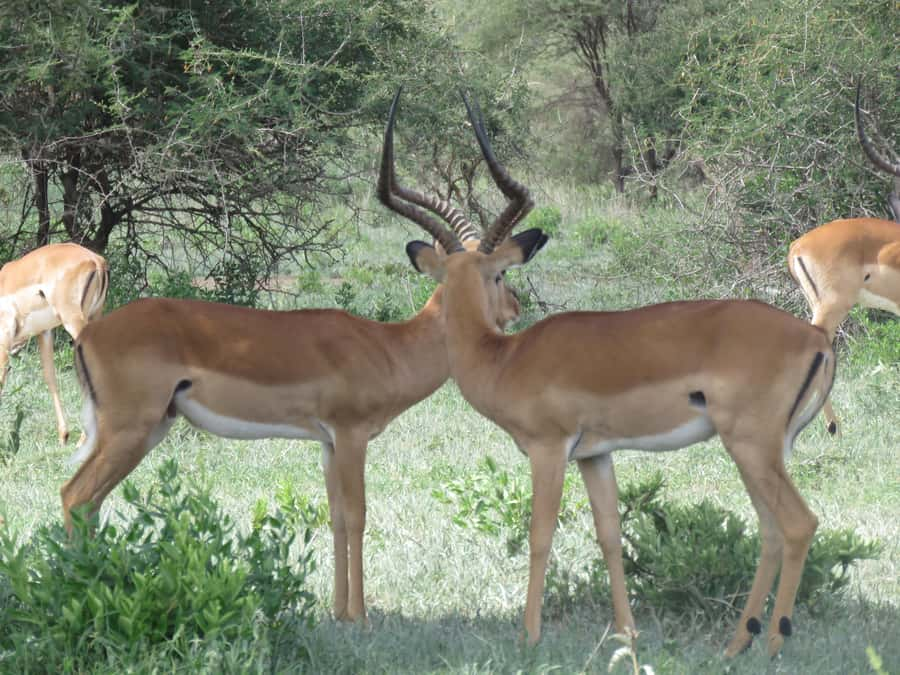
You may also see gazelles, wildebeests, hippos, and flamingos. That range gives the day more depth than a hunt for the largest animals alone. The crater’s value is the combination of animals and setting. Even when a particular species stays out of view, the crater floor and surrounding walls provide a memorable frame for the drive.
A picnic lunch is planned at a scenic spot inside the crater. Again, the meal is designed around the safari rather than a long pause away from it. You can eat while taking in the views and remain close to the day’s wildlife areas.
The schedule then takes you back up to the crater rim in the afternoon, followed by the journey to Arusha. Arrival is expected in the early evening. Since no exact departure or arrival times are listed, I would avoid booking a tight onward flight or important evening connection on the same day.
What the guide adds to two busy days
On a short safari, the guide can make the difference between a tiring drive and a rewarding one. The professional driver-guide is responsible for both the road and the wildlife experience, sharing information about the parks, their ecology, and the animals you see.
The strongest praise is for the guide’s personal manner. The guide was described as amazing, attentive, and kind, which is particularly useful on a shared safari where patience and communication matter. No guide’s name is supplied, so you should not expect a particular named guide unless the company confirms one before departure.
A good guide also helps you use limited time well. You may need to spend less time at one sighting to reach another area, or pause longer when an animal appears in a good position. The itinerary does not promise a private vehicle, a specific group size, or guaranteed animal sightings. Those are important questions to ask if you care about space, photography, or a highly tailored schedule.
The 4WD transport is included. That is essential for a safari covering park roads and crater routes, and it means you do not need to arrange separate transfers between Arusha, the parks, and Mtowaumbu. The word shared matters, though. You should be comfortable spending long periods in a vehicle with other people and accepting a group-oriented rhythm.
More Tarangire safaris:
- Private 6-Day Tarangire Manyara Crater and Serengeti with Mid-Range Lodges
★ 5.0 · 238 reviews - 5 Days Camping Tarangire, Serengeti & Ngorongoro crater & Visiting Maasai
★ 5.0 · 229 reviews - 4 Days Join Group tour Tarangire Serengeti and Ngorongoro crater
★ 5.0 · 219 reviews - 4-Day Safari from Arusha: Tarangire, Serengeti and Ngorongoro
★ 5.0 · 173 reviews
Is $592 a fair price?
At $592 per person, this is not a bargain-basement day trip, but the package includes several expensive safari elements. Park fees are included, along with all listed activities, accommodation, a professional driver-guide, 4WD transport, taxes and VAT, meals, and drinking water.
Park fees alone can make northern Tanzania safaris costly. Adding two major wildlife areas, an overnight stay, transport from Arusha, and guide service makes the price easier to understand. I would compare this with quotes that appear cheaper but leave out park fees, meals, accommodation, or vehicle costs.
You still need to budget for international flights, any accommodation before or after the safari, personal purchases, souvenirs, travel insurance, visa fees, and tips. The suggested tipping guideline is $10 per person per day. Government increases in taxes or park fees may also be passed on to you.
The best value comes if you want a concentrated introduction to northern Tanzania and do not have time for a longer route. The value is weaker if you prefer leisurely mornings, several nights in one park, or a private vehicle. Two days gives you variety, but it does not allow much room for delays or changes.
The pace, comfort, and practical limits
This safari asks you to accept early starts and long driving days. Day one begins early from Arusha and includes a full game drive, a picnic lunch, the transfer to Mtowaumbu, dinner, and an overnight stay. Day two includes breakfast, the drive to the crater, a crater game drive, lunch, the climb to the rim, and the return to Arusha.
That pace is normal for a short safari, but it is worth considering honestly. You will spend substantial time in a 4WD vehicle. If you want a relaxed holiday with plenty of downtime, add more days or choose a slower itinerary. If you have only a short window and want two famous parks, the schedule is efficient.
The age guidance is clear: the experience is not suitable for babies under one year or people over 95 years. No other mobility or accessibility information is provided, so ask Rock to Bush Adventures directly if you have mobility needs or medical concerns.
Pack binoculars. They are specifically recommended and can help with birds, distant animals, and small details that are easy to miss from a moving vehicle. Drones are not allowed, so leave yours at home. English is the stated tour language.
The reserve-now, pay-later option may help if your plans are still changing. You can hold a place without paying on the day of booking, according to the supplied booking terms. Cancellation up to 24 hours before departure qualifies for a full refund, which gives you some useful flexibility.
Who will enjoy this safari most?
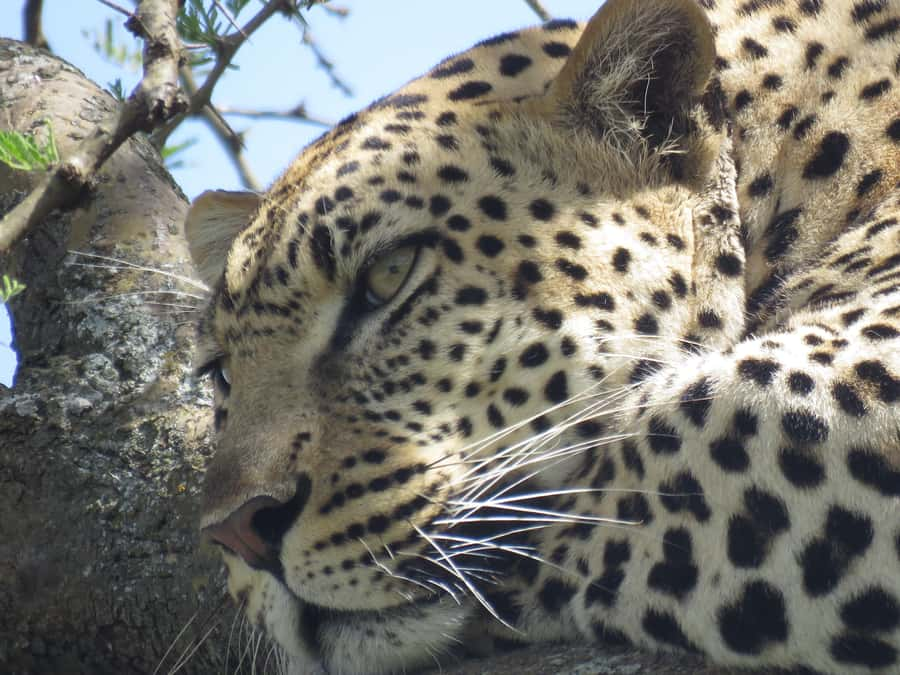
I would recommend this trip to a first-time safari visitor based in Arusha who wants to see two major parks without committing to a week on the road. It also suits people who value included costs and prefer having transport, park access, meals, and accommodation arranged together.
Wildlife photographers may like the animal variety, especially the chance to look for elephants, lions, giraffes, zebras, and rhinos. Still, photographers should ask about vehicle space and group size before booking. The shared format may limit how freely you can position yourself or how long you can stay at one sighting.
Families with very young babies should choose another option because children under one are not accepted. Older people should also check the age restriction carefully. For everyone else, the main question is stamina: can you enjoy long safari days and an early departure?
Should you book the Tarangire and Ngorongoro safari?
Book it if you want a compact, well-included safari from Arusha and your priority is seeing varied wildlife in two famous settings. Tarangire supplies elephants and baobabs, while Ngorongoro brings the crater scenery and a strong list of possible animals, including rhinos and the rest of the Big Five.
I would hesitate only if you need a private vehicle, exact accommodation details, a slow pace, or guaranteed time for photography. Before booking, confirm the group size, the name and standard of the Mtowaumbu accommodation, pickup details, and the meal plan.
For a two-day introduction, the $592 cost is reasonable because it includes the major safari expenses that often appear as extras. The kind, attentive guide service and positive comments about the food and accommodation add confidence. If your time in Tanzania is limited, this is a practical way to get a real taste of the country’s wildlife without stretching the trip into a much longer commitment.
FAQ
Where does the safari begin and end?
The safari begins in Arusha, Tanzania. You return to Arusha in the early evening of the second day.
Which national parks are included?
The itinerary includes Tarangire National Park on day one and Ngorongoro Crater on day two.
Is accommodation included?
Yes. Accommodation is included for the overnight stay in Mtowaumbu, unless you arrange an upgrade.
Are meals included?
Yes. Meals are included as specified in the day-by-day plan. The itinerary includes a picnic lunch in Tarangire, dinner at the accommodation, breakfast before Ngorongoro, and a picnic lunch inside the crater.
Is drinking water provided?
Yes. Drinking water is included on all days.
Is a guide and 4WD transport included?
Yes. A professional driver-guide and 4WD transportation are included.
Can I bring a drone?
No. Drones are not allowed on this experience. Binoculars are recommended.
Just added in Arusha
- Zanzibar: Prison island half day tour★ 5.0 · 3 reviews
- Zanzibar: 4-Day Tarangire, Serengeti & Ngorongoro Safari★ 5.0 · 1 review
- Walking Safari Arusha National Park★ 5.0 · 1 review
- 8 Days Serengeti Migration safari★ 5.0 · 11 reviews
- tarangire, ngorongoro & lake manyara park 3 days private tour★ 5.0 · 11 reviews
- tarangire & ngorongoro 2 days tour★ 5.0 · 14 reviews
- serengeti, ngorongoro & tarangire 4 days private tour★ 5.0 · 18 reviews
- mount meru 4 days hike★ 5.0 · 2 reviews
Serengeti & Ngorongoro Safaris, compared.
Serengeti Balloon Safari and authentic bush breakfast
Read our review →
Balloon Safari & Bush Breakfast in Serengeti – Miracle Experience
Read our review →
3 Days Serengeti & Ngorongoro Group Camping Safari
Read our review →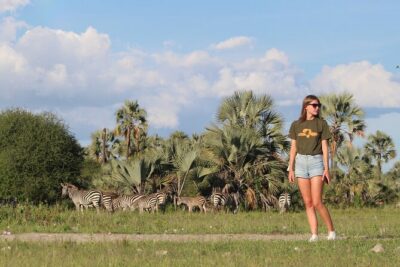
5-Day Highlights mid-Range Crater, Serengeti, Tarangire
Read our review →
Private 6-Day Tarangire Manyara Crater and Serengeti with Mid-Range Lodges
Read our review →
5 Days Camping Tarangire, Serengeti & Ngorongoro crater & Visiting Maasai
Read our review →Browse the lists this tour appears in