
Reviewed · 1-DAY TOURS
Hadzabe and Datoga Cultural Experience Day Trip
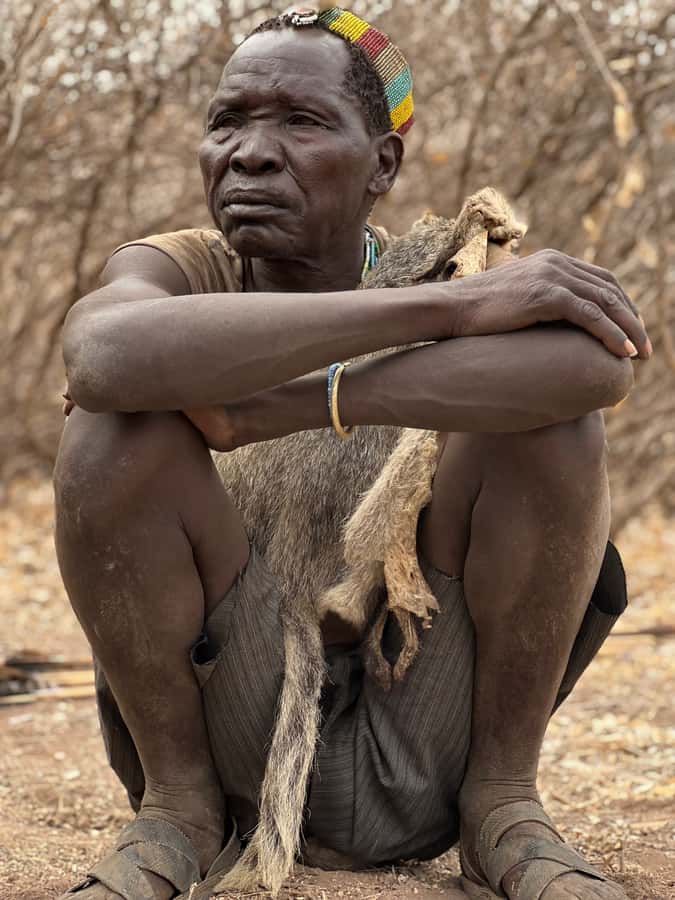
Culture begins outside the city. This Lake Eyasi trip gives you a rare look at Hadzabe hunter-gatherer traditions and Datoga metalworking, with local community members serving as your hosts. I especially like the chance to see practical skills such as bow hunting, wild-honey gathering, fire making, beadwork, and blacksmithing rather than sitting through a staged cultural lecture.
I also like that the price includes hotel transport, food, drinks, entry fees, a private vehicle, a guide, and government charges. The main drawback is the schedule: the published information gives both a 6 a.m. to 4 p.m. day and a longer outline with three hours of driving each way plus eight hours at Lake Eyasi. Confirm the exact timing before you book, especially if you need to return to Arusha for another plan.
In This Review
- Key points at a glance
- Why Lake Eyasi makes this trip different
- The early departure from Arusha or Moshi
- Meeting the Hadzabe community
- Lunch and the change of pace
- Seeing Datoga metalwork and beadwork
- What the private format adds
- Is $350 per person good value?
- A note about the one-day schedule
- Who should book this experience?
- Final verdict: book it if the culture matters most
- FAQ
- Where does the Hadzabe and Datoga cultural experience take place?
- What time does the tour begin?
- How long does the experience last?
- Are meals and drinks included?
- What activities take place with the Hadzabe?
- What can you see in the Datoga village?
- Is the tour private and what language is offered?
Key points at a glance
- Hadzabe bow hunting and foraging: You may see how hunting tools, wild foods, fire making, and plant remedies fit into daily life.
- Datoga blacksmithing: The Datoga are known for turning metal into tools and jewelry, along with beadwork and leather craft.
- A long road to Lake Eyasi: The drive is a major part of the day, but it takes you away from standard city sightseeing.
- Private group format: You have a guide and private vehicle rather than joining a large shared group.
- Practical all-inclusive pricing: At $350 per person, the fee covers transport, meals, drinks, entry, guiding, the vehicle, and government charges.
- Strong communication from the operator: A last-minute pickup change was accommodated for Laura from Spain, which is useful when plans shift.
Why Lake Eyasi makes this trip different
Many Tanzania excursions focus on wildlife. This one turns your attention to people, skills, and customs around Lake Eyasi. The Hadzabe have lived in the area for thousands of years, with their traditional way of life changing only more recently. That long connection to the region gives the visit a setting and purpose that you will not get from a standard town tour.
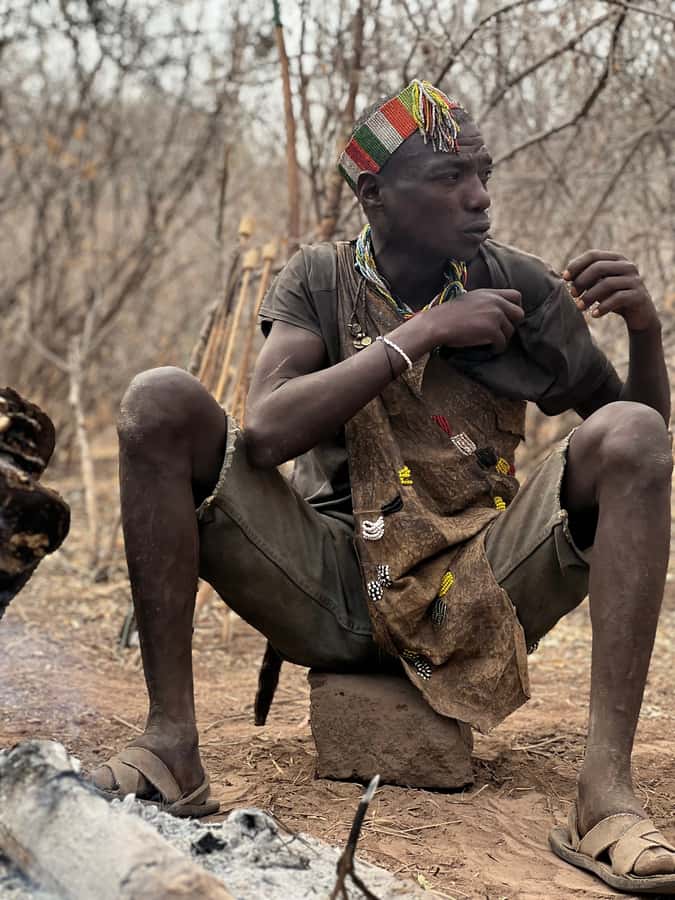
The Hadzabe traditionally relied on hunting and gathering rather than farming. During your visit, community hosts introduce you to village elders, show you around the settlement, and guide you into the surrounding woodlands. You are not simply looking at displays. You are seeing how food, shelter, tools, and knowledge connect.
The Datoga offer a different view of traditional life. They are traditionally pastoralists, with cattle rearing at the center of their livelihood. They are also skilled blacksmiths and craftspeople, making metal tools and jewelry while practicing beadwork and leatherworking.
That contrast is the heart of the day. The Hadzabe visit focuses on movement through the woodlands and the use of natural resources. The Datoga visit focuses more on livestock, metal, decoration, and handcraft. Together, the two stops give you a broader picture of communities in the Lake Eyasi area.
Other trips worth a look in Tanzania:
- Serengeti Balloon Safari and authentic bush breakfast
★ 5.0 · 2,480 reviews - Balloon Safari & Bush Breakfast in Serengeti – Miracle Experience
★ 5.0 · 1,646 reviews - From Zanzibar: Mikumi Safari Day Trip with Flights and Meal
★ 4.7 · 1,470 reviews
The early departure from Arusha or Moshi
The day begins at about 6 a.m., with pickup available in Arusha or Moshi. Hotel pickup and drop-off are included, and the provider says the guide will meet you at the agreed location wearing either a chocolate or gray company shirt.
That clothing detail may sound minor, but it can help you find the right person during an early pickup. Communication also appears to be a strength. A last-minute change to pickup time was accommodated for one confirmed booking, and the guide kept communication clear. I would still confirm your pickup time and location the day before.
The trip uses a jeep or SUV. The road to Lake Eyasi takes time, so this is not a quick city outing with a nearby village stop. You should be ready for a full morning departure and a day shaped by road conditions, community activities, and the distance between Arusha or Moshi and the lake area.
The published timing needs clarification. One description gives a six to ten-hour duration, with a 6 a.m. departure and a 4 p.m. finish. Another schedule lists three hours by vehicle, eight hours at Lake Eyasi, and another three hours back, which would make a much longer day. Ask the operator to confirm the actual driving time, time at each community, and expected return time before payment.
Meeting the Hadzabe community
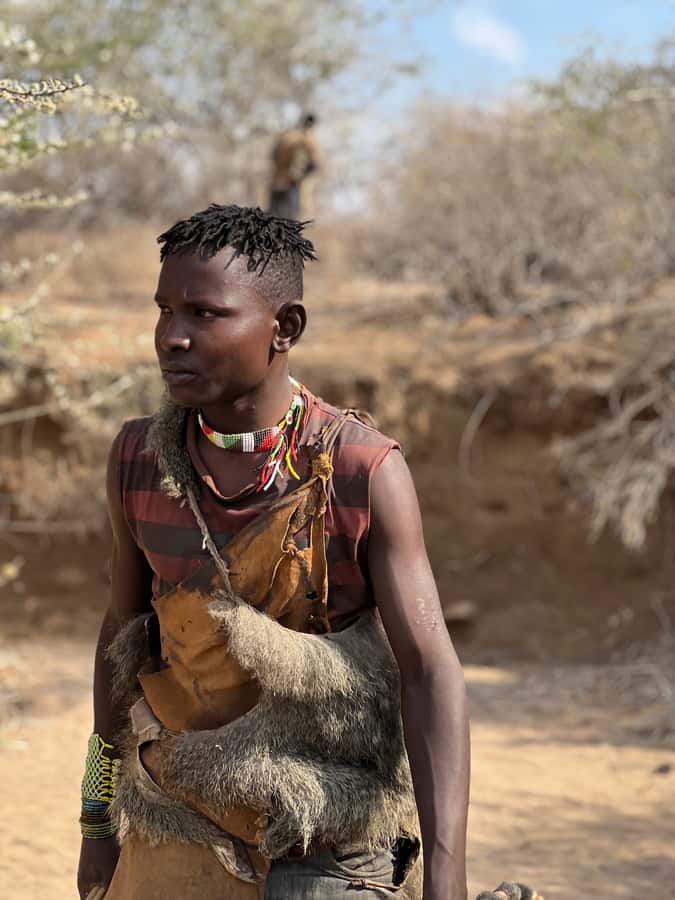
At the Hadzabe village, community members meet you and act as your guides and hosts. The visit begins with introductions to village elders and a short village tour. This opening matters because it places the visit in the hands of local people rather than treating the community as a backdrop.
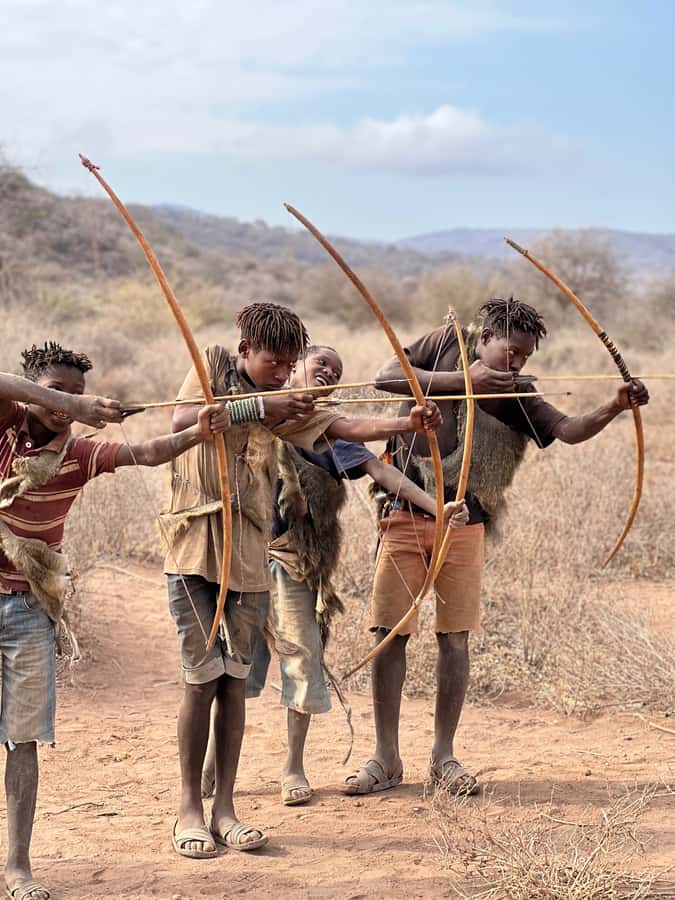
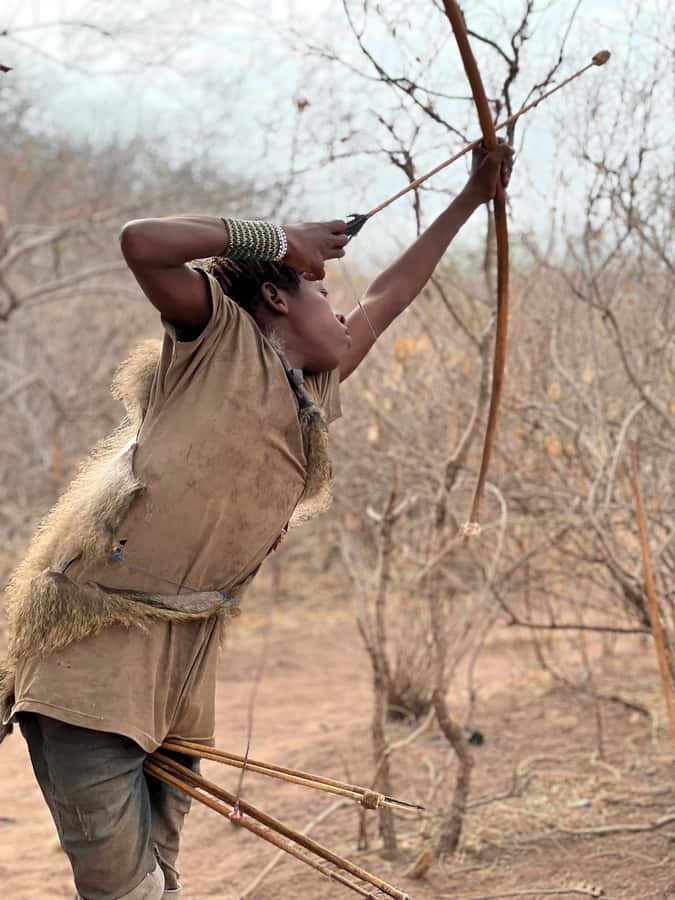
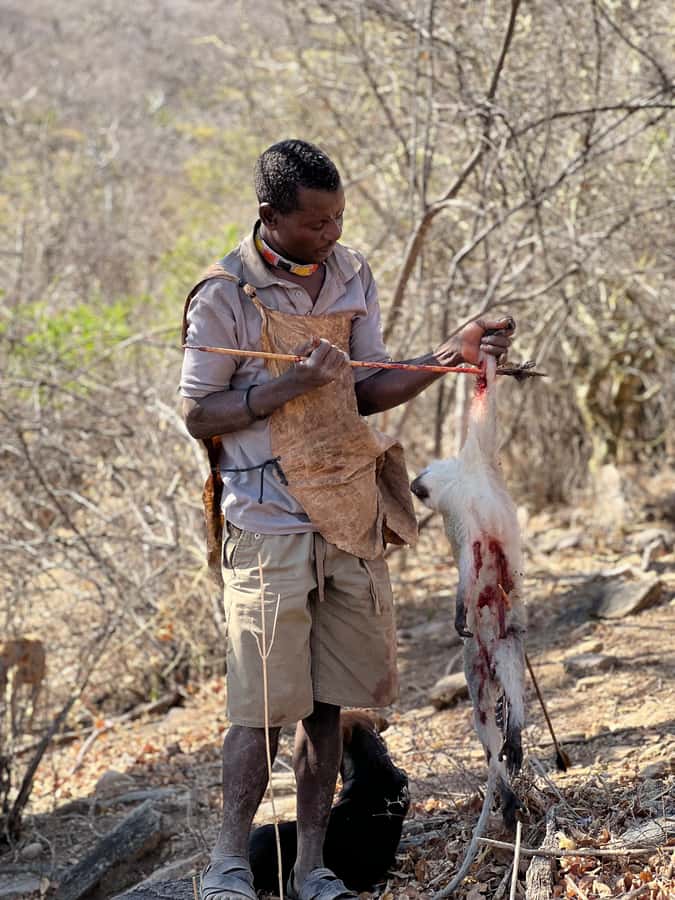
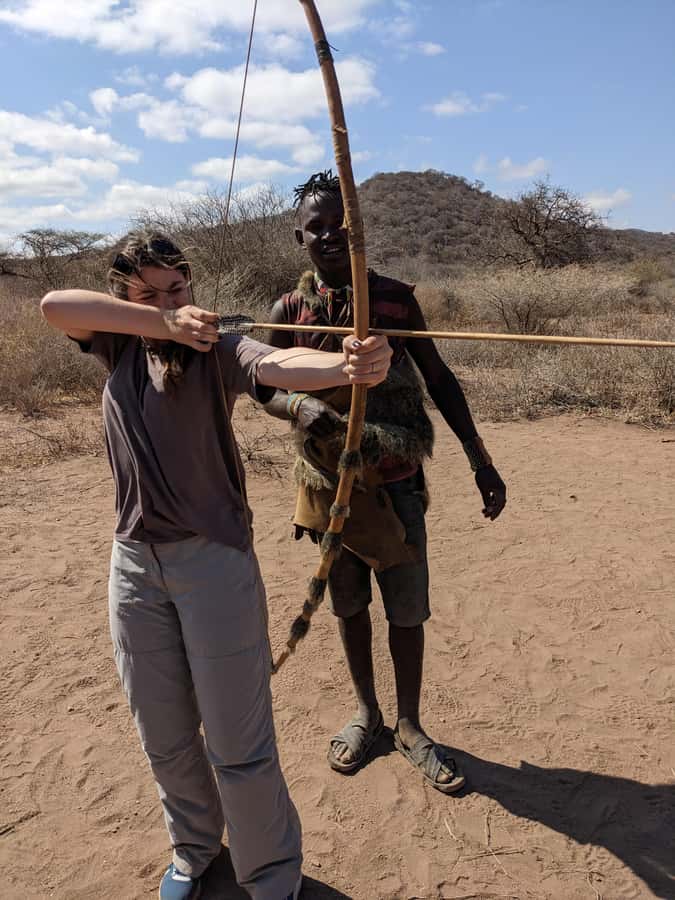
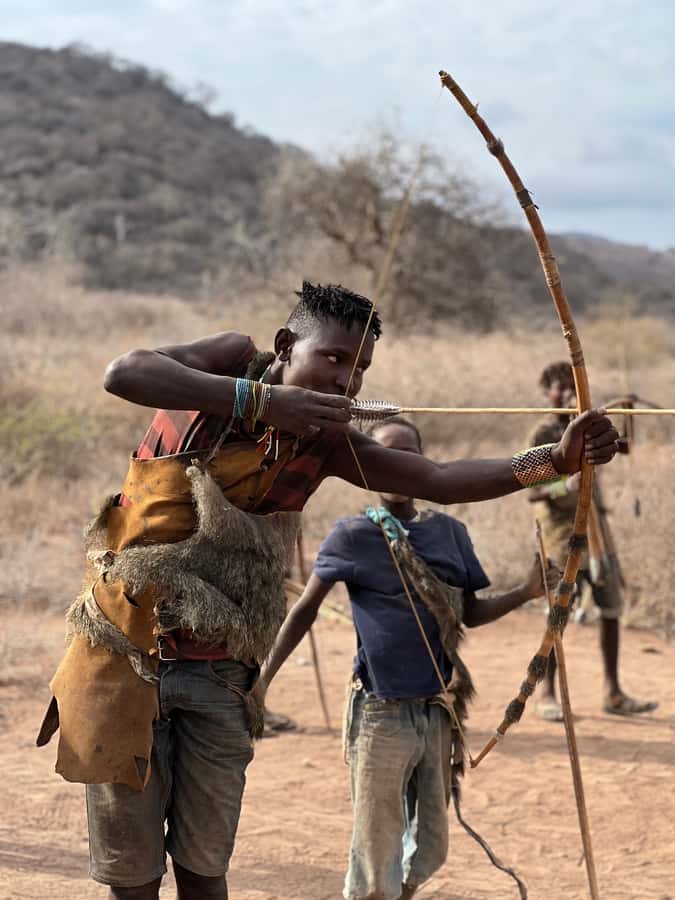
You then head into nearby woodland. The Hadzabe have traditionally survived through hunting and gathering, so the surrounding environment is central to the experience. The guide may show you how hunting with bows and arrows works, how people look for food, and how practical knowledge is passed on.
The activities listed for the visit include:
- Hunting with bows and arrows
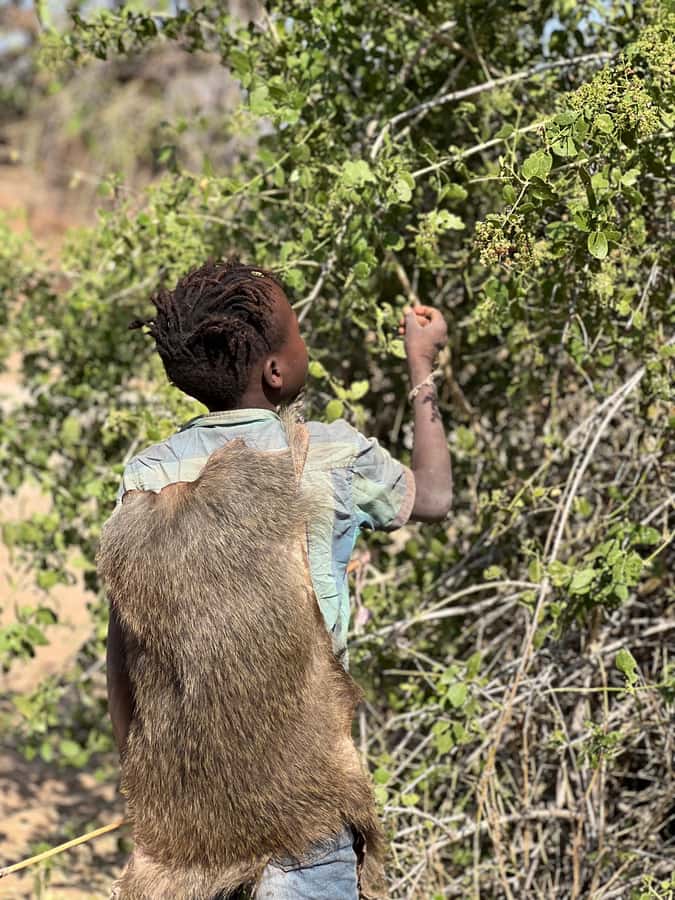
- Foraging for wild foods
- Harvesting wild honey
- Cleaning and skinning animals caught during hunting
- Making outdoor fires for cooking
- Using traditional plant remedies
These are serious skills, not just photo opportunities. A bow and arrow demonstration gives you a sense of the patience and physical control involved in hunting. Foraging and plant remedies show how close attention to the woodland can support everyday life. Fire making and food preparation bring the visit back to basic needs that modern city life often hides.
Some parts may be confronting. Cleaning and skinning a hunted animal is included in the expected activities, and not everyone will be comfortable watching it. If you prefer to step aside from that part, speak with your guide. The same goes for photographing people, homes, ceremonies, or working activities. Ask first and follow the direction of your hosts.
The value here comes from paying attention rather than rushing from one demonstration to another. Ask questions about the bow, the plants, the food, and the role of elders. The available language for the tour is English, so you can discuss what you are seeing with the guide.
Lunch and the change of pace
A quick lunch separates the two community visits. Food and drinks are included, which makes the day easier because you do not need to arrange a separate meal while moving between rural locations.
The wording makes clear that lunch is quick, not a long restaurant stop. That suits the schedule, since the main purpose is time with the communities. If you need a specific diet or have food restrictions, ask the operator before departure because no special menu details are provided.
This is also a good moment to reset. The Hadzabe section involves woodland activities and demonstrations, while the Datoga visit offers more time to observe craftwork. You will want comfortable clothing and shoes suited to walking outside, although the supplied details do not specify a required dress code.
A different kind of day out entirely:
- Zanzibar: Quad Bike Adventure departing from Kendwa or Nungwi
★ 4.9 · 1,233 reviews - Zanzibar: Stone Town, Spice Tour, Prison Island with Lunch
★ 4.4 · 1,219 reviews - Tanzania Classic – 7 Days
★ 5.0 · 1,151 reviews - 4 Days Group Camping Safari
★ 5.0 · 1,101 reviews
Seeing Datoga metalwork and beadwork
After lunch, you continue to a nearby Datoga village. The Datoga, also called the Mang’ati in Swahili, are traditionally pastoralists. Their cattle-rearing way of life differs from the Hadzabe’s hunting and gathering traditions, giving the second visit its own character.
The Datoga are known for blacksmithing. You can watch traditional metalworking and see how metal becomes tools and jewelry. This is one of the most specific and worthwhile parts of the experience because it links craft to work, trade, and daily use.
Beadwork and leather crafting are also part of the visit. These activities show a different side of practical skill, with attention moving from hunting equipment and wild foods to adornment, household objects, and handmade goods.
An arts and crafts market visit is included in the Lake Eyasi portion of the day. This gives you a chance to see locally made items and possibly purchase something connected to the communities you have visited. The supplied details do not state what products are available or whether purchases are included, so bring a payment method if you may want crafts, and ask about prices directly.
A traditional dance show is also listed. Enjoy it, but keep the setting in mind. The strongest part of this trip is the contact with working traditions and local hosts, not a polished stage production. Watch respectfully, ask before taking close photographs, and let the community set the tone.
What the private format adds
This is a private group experience, which can make a large difference during cultural visits. You can ask more questions, adjust your pace within the available schedule, and discuss what you have seen without competing with a busload of people.
A private format also helps with communication. The guide can explain the differences between Hadzabe and Datoga life in a way that matches your interests. If you want more detail about hunting tools, plant remedies, cattle, metalwork, or beadwork, say so early.
The private setup does not mean the communities are available on demand. You are visiting people in their homes and work areas, so local activity and timing will shape the day. A respectful attitude matters more than squeezing every possible demonstration into the schedule.
Is $350 per person good value?
The price is $350 per person. That is a serious cost for a day trip, so value depends on what you want from Tanzania.
The fee covers hotel pickup and drop-off, food, drinks, entry fees, a guide, a jeep, and government charges. You are also paying for a private group, a long transfer to Lake Eyasi, and access to two distinct cultural visits. If you would otherwise arrange a private vehicle and guide separately, the bundled price becomes easier to understand.
The value is strongest for you if cultural contact is a main reason for visiting northern Tanzania. This is not a budget roadside stop, and it is not designed as a short introduction to local crafts. It takes you to a specific region and includes community-led activities that would be difficult to organize responsibly on your own.
The price is harder to justify if you have only a few hours free, dislike long drives, or mainly want wildlife. In that case, the time and cost may be better spent on another activity. Also ask the provider to explain the timing discrepancy before booking, since the length of the driving and village visits affects the value.
A note about the one-day schedule
One confirmed booking gave the activity five stars for communication and guides, but also offered an important practical suggestion: an overnight excursion may be better because it allows more time with the Hadzabe and includes a Datoga visit.
That advice is worth considering. The day trip already includes both communities in its description, but the published timing is not perfectly consistent. A longer option could allow a less hurried visit, especially if the road takes longer than expected or a community activity begins later than planned.
If this one-day version is your only available option, it still offers a useful introduction. Just set your expectations correctly. You are getting a concentrated look at Hadzabe and Datoga traditions, not an extended stay with either community.
Who should book this experience?
I would recommend it to you if you:
- Want cultural contact rather than only wildlife viewing
- Are interested in traditional hunting, gathering, blacksmithing, beadwork, or leather craft
- Prefer a private group and English-speaking guide
- Can handle an early start and a long vehicle journey
- Value having transport, meals, drinks, entry, and fees arranged in one price
- Are comfortable seeing traditional food preparation, including animal cleaning and skinning
I would be more cautious if you:
- Have limited time and need a firm return schedule
- Are uncomfortable with hunting-related demonstrations
- Want a slow, extended stay with one community
- Expect a polished museum-style presentation
- Prefer a low-cost activity close to Arusha
The experience suits curious, respectful visitors who understand that cultural tourism requires patience. You will get more from it if you ask questions, listen carefully, and avoid treating people or traditions as simple photo subjects.
Final verdict: book it if the culture matters most
I like this experience because it puts real skills at the center: bows, wild honey, fire, plant remedies, metal tools, jewelry, beads, and leather. The Hadzabe and Datoga visits also complement each other well, showing two different traditional ways of life around Lake Eyasi.
The main concern is not the cultural content. It is the schedule. Before booking, confirm the true duration, the amount of time with each community, and the expected return to Arusha or Moshi. If you can manage the long day and want a private cultural visit with most costs covered, the $350 price can be fair. If you want more time and a calmer pace, choose the overnight option if available.
FAQ
Where does the Hadzabe and Datoga cultural experience take place?
The experience takes place in the Lake Eyasi area of Tanzania, with pickup and drop-off available in Arusha or Moshi.
What time does the tour begin?
The stated departure time is 6 a.m. Pickup is available from specified locations in Arusha or Moshi.
How long does the experience last?
The stated duration is six to ten hours, with the day described as running from about 6 a.m. to 4 p.m. Another schedule gives three hours by vehicle each way and eight hours at Lake Eyasi, so confirm the exact timing with the operator.
Are meals and drinks included?
Yes. Food and drinks are included in the price.
What activities take place with the Hadzabe?
Activities may include bow-and-arrow hunting, foraging, wild-honey gathering, cleaning and skinning hunted animals, outdoor fire making, cooking, and learning about traditional plant remedies.
What can you see in the Datoga village?
You can observe traditional metalworking, beadwork, and leather crafting. The Datoga are also traditionally pastoralists known for cattle rearing and blacksmithing.
Is the tour private and what language is offered?
Yes. The tour is for a private group, and the live guide language is English.
Just added in Tanzania
- Safari “Kifaru” – 5 days in the most famous Parks in the world★ 5.0 · 4 reviews
- Saadani Day Trip★ 5.0 · 13 reviews
- 3 Days Tanzania Short and Spicy★ 5.0 · 6 reviews
- 5 Day Tanzania Safari Camping Adventure Private Tour★ 5.0 · 2 reviews
- Day Trip to Ngorongoro Crater from Arusha★ 5.0 · 1 review
- SERENGETI NATIONAL PARK Tour★ 4.5 · 5 reviews
- 3 Days Serengeti Park & Ngorongoro Crater Adventure Safari★ 5.0 · 8 reviews
- 6 Days Tanzania Bush Experience Safari★ 5.0 · 6 reviews
1-Day Tours, compared.
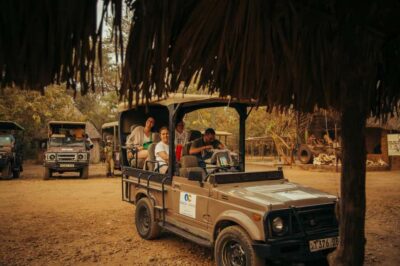
Mikumi Safari Day Trip with Flights and Meal
Read our review →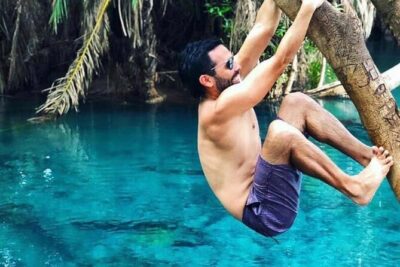
Materuni Waterfalls & Chemka Hotsprings Day Trip
Read our review →
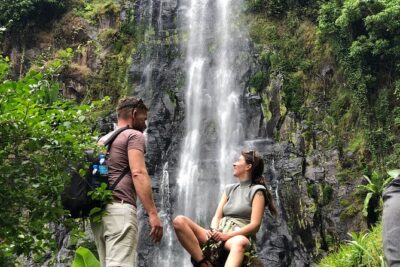
Materuni waterfalls coffee tour & Chemka hot springs Day trip
Read our review →
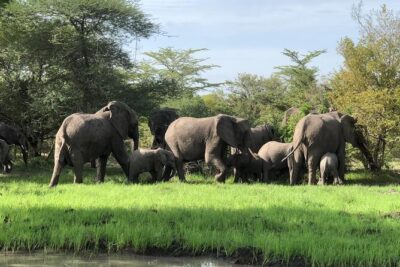
Mikumi Safari Tour: Day Trip Return Flight From Zanzibar
Read our review →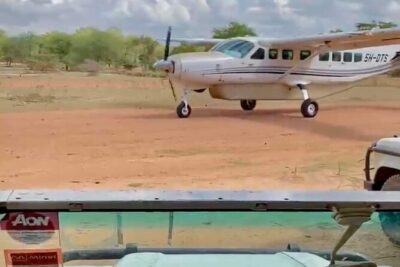

Browse the lists this tour appears in