
Reviewed · CAMPING SAFARIS
4 Days Group Camping Safari
Three parks, four days, one serious wildlife rush. This $900 Tanzania safari packs Tarangire, Serengeti, and Ngorongoro Crater into a compact trip with game drives, meals, camping equipment, and a maximum group size of six. I like the smart mix of parks, from Tarangire’s elephants and baobabs to the Serengeti’s open plains and Ngorongoro’s dense animal population. I also like the strong guiding and cooking, with guides such as Amir and Mandela praised for spotting animals and positioning the vehicle well.
The trade-off is simple: this is camping, not a lodge holiday. Tents are basic, some sleepers found them small, and the days involve long drives and early starts. If you want comfort and unhurried wildlife watching, choose a longer lodge safari. If you want maximum park time for your money, this trip makes a convincing case.
In This Review
- Key points to know before booking
- What the four-day route is really trying to do
- Day one: Tarangire’s elephants and baobabs
- Day two: Crossing into the central Serengeti
- Day three: An early Serengeti drive and the road toward Ngorongoro
- Day four: Inside Ngorongoro Crater
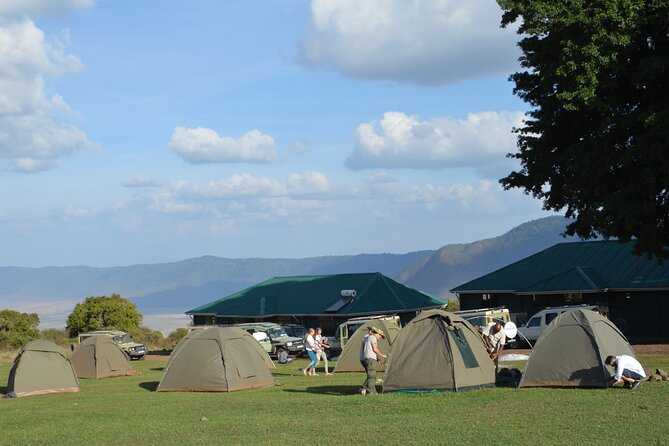
- Camping, food, and the comfort question
- The guide can make or break the safari
- Is $900 a fair price?
- Who should book this safari?
- Should you book the 4-day camping safari?
- FAQ
- How long is the safari?
- Which parks and conservation areas are included?
- Where does the safari begin?
- What time does the first day begin?
- How many people can join the group?
- Are meals included?
- Is camping equipment included?
- What animals might I see?
- Does the safari visit UNESCO World Heritage sites?
- Can I cancel for a full refund?
Key points to know before booking
- Three major wildlife areas in four days: You visit Tarangire, Serengeti, and Ngorongoro Crater, with game drives in each.
- Small group, limited to six people: A smaller vehicle group can mean more room for questions and closer attention from the guide.
- Camping equipment and meals are included: Breakfast, lunch, and dinner are provided throughout the four-day program.
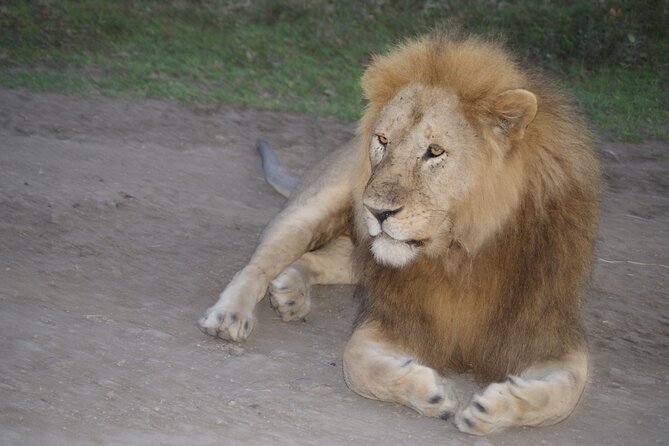
- Big Five potential: Lions, leopards, elephants, buffalo, and rhinos may be seen, although no safari can promise every animal.
- Basic rather than polished camping: The camps are described as sufficient, but tents may feel tight and conditions can be rough.
- Early starts are part of the deal: Day three begins with coffee, tea, and biscuits before an early game drive, while day four starts with an early breakfast.
What the four-day route is really trying to do
This itinerary is built around range. Rather than spending several days in one park, you move through three of northern Tanzania’s best-known wildlife areas. That gives you more habitat types and more chances to see different species, but it also means substantial time in the safari vehicle.
The route begins in Arusha, with pickup after breakfast between 8:30 and 9:00 on day one. The schedule then moves west toward Tarangire, across the high farmland around Karatu, into the Ngorongoro Conservation Area, and onward to the Serengeti. You spend a second day in the Serengeti, travel toward Ngorongoro on day three, and finish with a crater drive on day four.
That is an ambitious plan. You should expect full days, dust, changing temperatures, and long stretches between parks. The reward is a broad introduction to the region in a short period. You are not simply checking off photo stops, either. Each park offers a different setting and a different chance of seeing wildlife.
The tour is described as a small-group experience with a maximum of six people. Some itinerary wording also calls the guide and vehicle private, so I would confirm the exact arrangement before paying if having a fully private vehicle matters to you. Either way, the small maximum is useful. In a crowded vehicle, every stop becomes a negotiation. With fewer people, you should have an easier time asking questions, shifting your seat, and keeping your attention on the animals.
More Camping Safaris in Arusha:
- 5 Days Group Camping Safari
★ 5.0 · 730 reviews - 3 Days Serengeti & Ngorongoro Group Camping Safari
★ 5.0 · 574 reviews - 2 Days Tarangire and Ngorongoro Group Camping Safari
★ 5.0 · 146 reviews
Day one: Tarangire’s elephants and baobabs
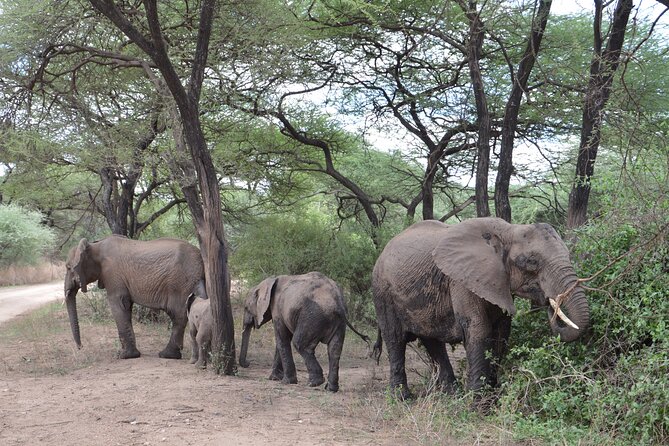
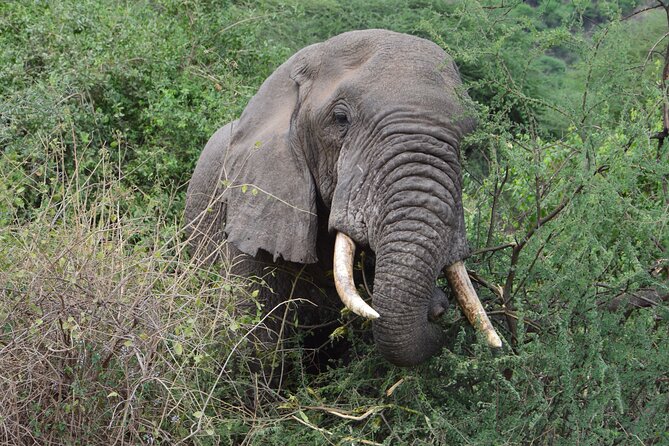
Tarangire is a strong opening act because it has a clear personality. The park is known for its high elephant numbers and large baobab trees, which give the first game drive a memorable shape. After pickup and the journey to the park, you arrive for lunch before heading out for an afternoon drive.
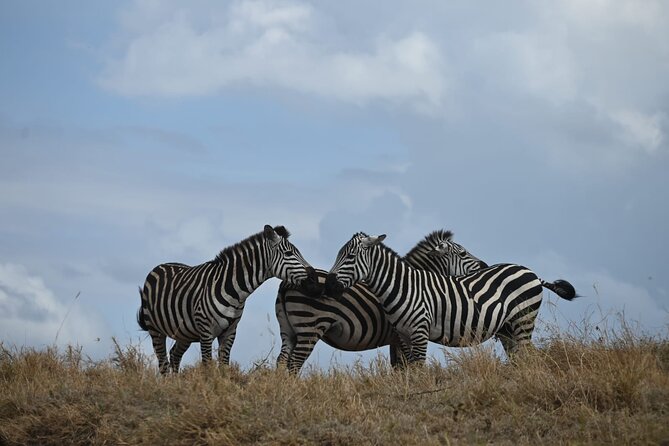
The stated drive time is about six hours, though actual timing will depend on the road, wildlife sightings, and park procedures. An afternoon drive can be productive because animals are active after the heat of the day begins to ease. You might see giraffes, zebras, wildebeest, buffalo, impala, waterbuck, eland, dik-dik, baboons, vervet monkeys, or banded mongooses.
Tarangire is especially appealing during the June to November dry season. At that time, large herds of zebra, wildebeest, and Cape buffalo may gather in the park. Water draws animals together, and elephants are often the signature sight. The park also supports lions, leopards, cheetahs, caracals, honey badgers, and African wild dogs, although predators are never guaranteed.
I like this first stop because it offers more than the standard big-cat chase. The baobabs and elephant herds provide strong scenery even during a quiet spell. You get an early lesson in how water, season, and vegetation shape animal movement, which is exactly the sort of context a good guide should explain.
The drawback is that you may spend much of the day reaching the park and getting settled before the game drive begins. Tarangire is not a quick roadside stop from Arusha. Still, as the first park, it gives the trip a change of pace before the vast plains of the Serengeti.
Day two: Crossing into the central Serengeti
Day two begins after breakfast with a journey through the high farmland around Karatu and the Ngorongoro Conservation Area. The route then drops toward the Serengeti, changing from cultivated highland scenery to the open plains that define the park.
The central Seronera area is the focus. Its river provides a valuable water source, so it attracts a broad mix of species. This is one of the most useful choices in a short safari because you do not need to spend extra days reaching a remote corner of the park. You head toward an area with a good chance of finding several kinds of wildlife in one day.
The plan is to arrive in time for lunch, followed by an afternoon game drive. That drive may bring elephants, zebras, wildebeest, giraffes, buffalo, hippos, and lions. Leopards and cheetahs are possible too, but they require patience and a guide with a sharp eye.
This is where the driver matters most. The feedback about Amir and Mandela is especially useful: both are praised for finding animals and maneuvering the vehicle into a good viewing position. That does not mean every sighting will be perfect, but it suggests the trip benefits from experienced field staff rather than a simple transfer between camps.
The Serengeti is the emotional center of the trip. The open plains make you feel the scale of northern Tanzania, but they also make wildlife look small and distant at times. Bring patience. A guide may stop for what appears to be an empty stretch, then point out a lion, leopard, or other animal that your own eyes missed.
Day three: An early Serengeti drive and the road toward Ngorongoro
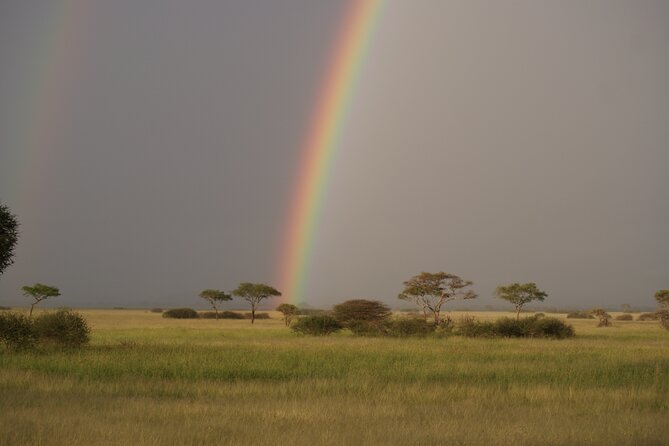
Day three is the most demanding day for many people. You begin with coffee, tea, and biscuits, then set out with packed lunches for an early game drive running roughly from 8:00 to 14:30. Afterward, you leave for the Ngorongoro Conservation Area, continuing to watch for wildlife along the way.
The early start makes practical sense. Wildlife may be more active in the cooler morning hours, and a long drive later in the day would otherwise leave little time for sightings. Coffee and biscuits are a modest breakfast, so you should be ready for a proper meal from the lunch box during the drive.
The route toward Ngorongoro is part of the safari rather than dead time. You may continue spotting animals en route, and the changing scenery helps connect the Serengeti to the crater region. Still, this is not a relaxed day. You should expect hours in the vehicle, a simple meal, and a late arrival for dinner and overnight camping.
I would pay attention to the difference between game-drive time and road time. A schedule may call each stop about six hours, but park transfers add to the day. This trip favors people who would rather cover ground and see several major sites than sit at one camp with a slow schedule.
The upside is the range of sightings. The downside is fatigue. By the third evening, the combination of rough camping, vehicle time, and early mornings may catch up with you. Pack light, protect your skin from the sun, and keep your expectations focused on the safari rather than comfort.
A few more options to weigh up in Arusha
- Balloon Safari & Bush Breakfast in Serengeti – Miracle Experience
★ 5.0 · 1,646 reviews - Tanzania Classic – 7 Days
★ 5.0 · 1,151 reviews - Materuni Waterfalls, coffee tour & Kikuletwa Hot Springs
★ 5.0 · 643 reviews - 7-Day Premium Luxury Tanzania Safari All-Inclusive
★ 5.0 · 426 reviews
Day four: Inside Ngorongoro Crater
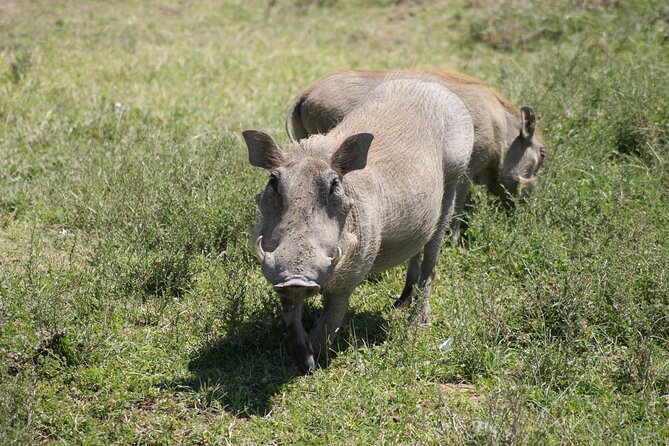
The final morning begins with an early breakfast before you descend more than 600 meters into Ngorongoro Crater. This is one of the trip’s most concentrated wildlife experiences. The crater has a year-round water supply and grazing areas, supporting herds of wildebeest, zebra, buffalo, eland, warthog, hippos, and elephants.
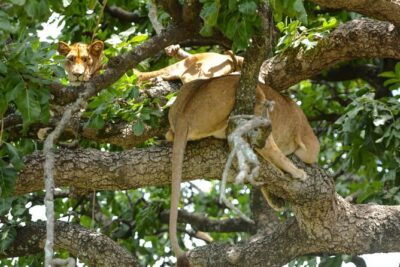
The crater is also known for its predator population. Lions, hyenas, jackals, cheetahs, and leopards may be found here. The leopard is the difficult one, requiring a trained eye and some luck. The chance of seeing a wide range of animals in a relatively compact area is what makes the crater such a strong final stop.
Lake Magadi, a large shallow alkaline lake in the southwest part of the crater, is included in the route. The lake is one of the crater’s main features and can attract wildlife. It also gives the drive a clear geographic marker rather than making the day feel like one long search across open ground.
Ngorongoro and Serengeti are UNESCO World Heritage sites, adding cultural and ecological importance to the trip. The designation itself is not the reason to book, but it helps explain why these places matter beyond animal photography. They are major protected areas where water, grazing, predators, and seasonal movement are closely linked.
The crater drive is a fitting finish, but it may also feel rushed. You have only four days to cover three areas, and the final descent comes after two demanding days. If Ngorongoro is your main reason for coming, consider a longer itinerary that allows more time around the conservation area.
Camping, food, and the comfort question
Camping equipment and all meals are included. The listed food plan covers four breakfasts, four lunches, and four dinners, which removes a major cost and planning burden. You do not need to search for restaurants in remote park areas, and the cooking team becomes an important part of the experience.
The strongest food praise goes to the chef, with Tito receiving a direct shout-out alongside driver Mandela. Other comments describe the meals as adequate or very good. That range is worth reading honestly. This is camp food on an active safari, not a restaurant tour, but the kitchen team appears to take the job seriously.
Sleeping conditions are the main comfort concern. The camps are basic but described as sufficient, and some have good views. At least two comments point to tents being small, while one strongly suggests bringing your own sleeping bag. I would treat the sleeping bag advice as practical preparation, especially if you are sensitive to nighttime cold or want more personal bedding comfort.
You should also expect a close-to-nature setup rather than hotel service. The tour includes camping gear, but the information does not specify every item supplied. Ask what is included in the tent setup and what you should bring before departure. Towels, sunscreen, and personal supplies were specifically recommended during a pre-safari briefing described by one participant.
The basic camp is not a flaw for the right person. It puts the focus on the parks and keeps the cost below a lodge-based safari. But do not book this expecting spacious tents, quiet private rooms, or a soft bed every night.
The guide can make or break the safari
A safari vehicle is only as useful as the person directing it. The most praised feature here is the field skill of the guides and drivers. Amir is credited with finding and positioning the vehicle for the Big Five, while Mandela is praised for guiding and driving. Those details matter because wildlife sightings are often brief and easy to miss.
A small group also helps the guide work with you. With no more than six people, you can ask about animal behavior, the local ecosystem, and the reason for choosing one route over another. The stated highlight of learning about the local ecosystem is important: the best safari is not just a series of animal names, but an explanation of why animals gather in certain places.
Do remember that Big Five sightings are possible, not promised. Several people were fortunate enough to see all five, but conditions, season, animal movement, and luck still control the outcome. A skilled guide improves your chances. No guide can order a leopard onto the road.
Is $900 a fair price?
At $900 per person, this safari offers solid value if you want the main northern Tanzania parks in a short window. The price includes the camping equipment, three daily meals, park visits, game drives, a guide, and transport arrangements with pickup offered. Buying those pieces separately would be difficult and could cost more once park fees, food, vehicle hire, and staff are added.
The value comes from concentration. You reach three major wildlife areas in four days, rather than paying for a longer stay in one park. That makes the trip appealing for a first visit, a tight schedule, or a larger East Africa journey where you also plan to visit Kenya or Zanzibar.
The price is less attractive if you mainly want comfort. A lodge safari would likely cost more, but it would offer a different standard of sleeping and downtime. Here, you are paying for access, guiding, meals, and wildlife time, not luxury.
The average booking lead time is about 76 days. That suggests planning ahead is sensible, especially if your dates are fixed. Confirmation is provided at booking, and free cancellation is available if you cancel at least 24 hours before the experience begins. Changes or cancellations inside that window are not accepted for a refund.
Who should book this safari?
I would recommend it to an active first-time safari visitor who wants the classic northern Tanzania route without committing to a week or more. It also suits friends, couples, and families who can handle early mornings, shared arrangements, and basic tents.
You should be comfortable with long drives and a full schedule. Most people can participate, and the group maximum is six, but the information does not promise special accessibility arrangements. If you need specific support, ask the operator before booking.
I would choose another format if you dislike camping, need a larger tent, or want long afternoons at camp. A four-day route cannot give every park generous time. It gives you a fast, exciting sample of three major areas.
Should you book the 4-day camping safari?
Book it if your priorities are wildlife range, capable guiding, and price-conscious adventure. Tarangire’s elephants, the Serengeti’s Seronera area, and Ngorongoro Crater give you three very different settings, while the small group and included meals keep the logistics manageable.
Skip it if you want polished accommodation or a slow pace. Before you commit, confirm the private-versus-shared vehicle wording, ask exactly what camping gear is supplied, and plan to bring a sleeping bag, towel, sunscreen, and other personal basics. For the right kind of safari, the rough edges are part of the story rather than a reason to stay home.
FAQ
How long is the safari?
The experience lasts approximately four days.
Which parks and conservation areas are included?
The route includes Tarangire National Park, Serengeti National Park, Ngorongoro Conservation Area, and Ngorongoro Crater.
Where does the safari begin?
The tour is based in Arusha, Tanzania, and pickup is offered.
What time does the first day begin?
Pickup and departure are scheduled after breakfast, between 8:30 and 9:00 on day one.
How many people can join the group?
The activity has a maximum of six participants.
Are meals included?
Yes. The package includes four breakfasts, four lunches, and four dinners.
Is camping equipment included?
Yes. Camping equipment is included, although the provided information does not list every individual item.
What animals might I see?
Possible sightings include lions, elephants, zebras, giraffes, buffalo, hippos, wildebeest, warthogs, cheetahs, leopards, hyenas, and many other species.
Does the safari visit UNESCO World Heritage sites?
Yes. The experience includes visits to two UNESCO World Heritage sites.
Can I cancel for a full refund?
Yes, if you cancel at least 24 hours before the experience starts. Cancellations or changes made less than 24 hours before the start time are not eligible for a refund.
Just added in Arusha
- Safari “Kifaru” – 5 days in the most famous Parks in the world★ 5.0 · 4 reviews
- Saadani Day Trip★ 5.0 · 13 reviews
- 3 Days Tanzania Short and Spicy★ 5.0 · 6 reviews
- 5 Day Tanzania Safari Camping Adventure Private Tour★ 5.0 · 2 reviews
- Day Trip to Ngorongoro Crater from Arusha★ 5.0 · 1 review
- SERENGETI NATIONAL PARK Tour★ 4.5 · 5 reviews
- 3 Days Serengeti Park & Ngorongoro Crater Adventure Safari★ 5.0 · 8 reviews
- 6 Days Tanzania Bush Experience Safari★ 5.0 · 6 reviews
Camping Safaris, compared.
3 Days Serengeti & Ngorongoro Group Camping Safari
Read our review →
2 Days Tarangire and Ngorongoro Group Camping Safari
Read our review →
3 Days Tarangire, Ngorongoro & Lake Manyara Group Camping Safari
Read our review →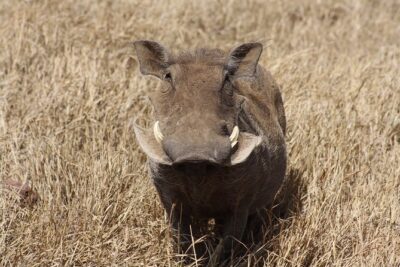
5-Day private Camping Safari Tour in Tanzania
Read our review →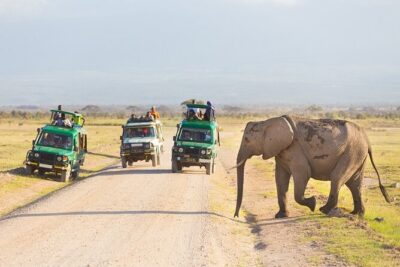
4 Days Group Joining Camping Safari to Tarangire Serengeti Ngorongoro Crater
Read our review →Browse the lists this tour appears in