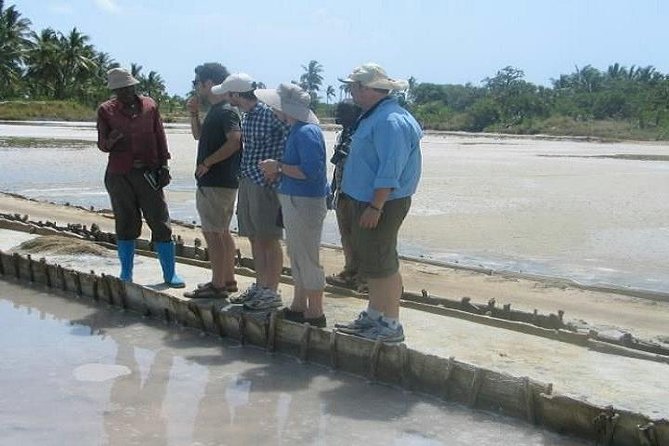
Reviewed · FULL-DAY
Visit Sisal Plantations & Processing Factory – Full Day Tour
A plant can tell a country’s story. This full-day Tanga tour connects Amboni Caves with the sisal farms and factory work that helped shape Tanzania’s economy, giving you a close look at planting, harvesting, fiber processing, packaging, and export. It is a useful choice if you want more than beaches and wildlife during your time on the Tanzanian coast.
I like the tour’s focus on working agriculture and local industry, subjects many visitors miss. I also like that it is private, with your own group in an air-conditioned vehicle. The main consideration is the price: at $150 per person, the value depends on how much you care about regional history and whether the day includes the additional Pangani visit described in the tour information.
In This Review
- Key Points Before You Book
- Why Sisal Matters in Tanga
- Starting at Amboni Caves
- Seeing Sisal From Field to Fiber
- From Raw Material to Export Goods
- The Optional Coastal Link With Pangani
- A Private Day With Simple Transport
- What $150 Per Person Buys You
- Who Will Enjoy This Tanga Experience
- Practical Advice Before Departure
- Final Verdict: Should You Book It?
- FAQ
- What is the duration of the sisal plantation tour?
- Where does the tour take place?
- Is hotel pickup available?
- Is the tour private?
- What will I learn at the plantation and factory?
- Is admission to Amboni Caves included?
- Can I cancel for a full refund?
Key Points Before You Book
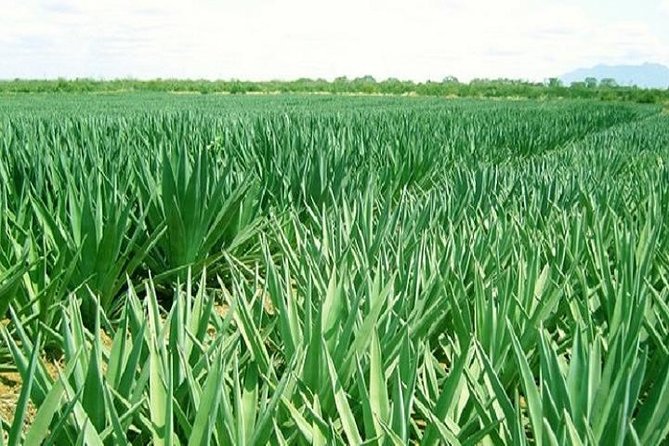
- Sisal is central to Tanga’s story: You learn how a crop introduced in 1893 became one of Tanzania’s major economic activities.
- Amboni Caves comes first: The morning begins with a visit to one of the area’s best-known natural and cultural sites.
- The factory visit covers the full chain: Expect an explanation of planting, care, harvesting, fiber preparation, packaging, and export.
- You see useful finished products: Sisal becomes ropes, carpets, baskets, door mats, and other household goods.
- The tour is private: Only your group participates, which makes it easier to ask questions and control the pace.
- Pangani may be part of the day: One account describes a stop there for lunch beside a beach, but you should confirm this before booking.
Why Sisal Matters in Tanga
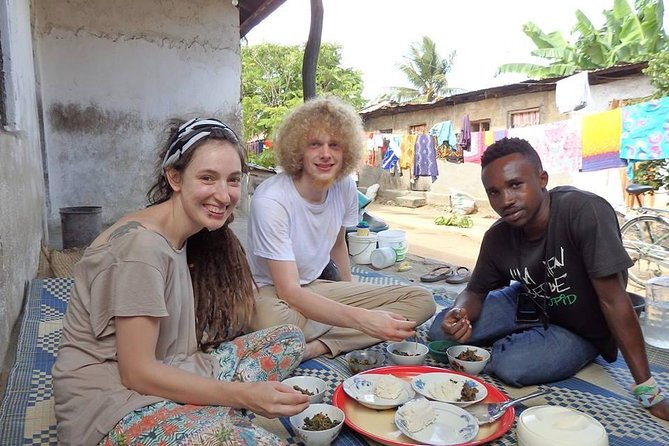
Sisal is not just another crop growing outside town. In Tanzania, it has been tied to employment, trade, foreign currency, and the development of commercial agriculture for well over a century.
The plant was introduced as a commercial crop in 1893 by Dr. Richard Hindorf, a German agronomist. From its early roots in Tanzania, sisal production spread to Kenya, Mozambique, and Angola. At its peak in 1964, Tanzania produced 234,000 tons of sisal.
Production covered a huge area. Farms operated in Tanga, Morogoro, the Coast region, Kilimanjaro, Arusha, Singida, Iringa, Mwanza, Shinyanga, Mara, Mtwara, and Lindi. That reach helps explain why sisal was once such a major part of the national economy.
For a period up to the 1970s, sisal was Tanzania’s largest foreign exchange earner and its biggest source of employment. The industry provided work for more than 1,000,000 permanent and casual workers. Tanzania also became the world’s largest producer of sisal and was known for producing high-quality fiber.
You can expect the plantation and factory visit to put these facts into practical form. Instead of hearing only a date or production figure, you see how the plant moves from field to finished material. That makes the history easier to grasp, especially if you are interested in economics, colonial-era agriculture, or rural life.
Other trips worth a look in Tanzania:
- Serengeti Balloon Safari and authentic bush breakfast
★ 5.0 · 2,480 reviews - Balloon Safari & Bush Breakfast in Serengeti – Miracle Experience
★ 5.0 · 1,646 reviews - From Zanzibar: Mikumi Safari Day Trip with Flights and Meal
★ 4.7 · 1,470 reviews
Starting at Amboni Caves
The day begins after breakfast, with an 8:30 a.m. start from your hotel or agreed pickup point. The first stop is Amboni Caves, followed by the longer visit to the sisal plantation and processing facilities.
The cave stop gives the day some variety. You begin with a natural site before moving into agriculture and industry. It also places you in the wider Tanga area, where geology, coastal history, and commercial farming all sit close together.
The available information confirms that admission to the stated stop is included. It does not give the exact cave route, walking time, or physical conditions, so you should ask the operator if you need details about stairs, uneven ground, or the length of the visit.
The order is practical. A morning cave visit can be followed by the plantation while the day is still well underway. Since the full outing lasts about eight hours, the timing leaves room for transport, explanations, and time at the agricultural site, although the exact schedule can vary.
Seeing Sisal From Field to Fiber
The strongest part of this experience is its focus on the complete production process. You are not simply shown a field and sent on your way. The program is designed to explain how sisal is planted, cared for, harvested, and turned into raw material.
Sisal is grown for its long, tough fibers. At the plantation, you can expect an explanation of cultivation and the work needed before the leaves reach the processing stage. The agricultural side matters because the final rope, mat, or basket begins with a crop that needs careful handling in the field.
The tour information also promises an account of harvesting and processing. This gives you a better sense of the labor involved. A finished basket can look simple in a shop, but the plantation and factory show the steps behind it.
The processing visit is especially useful for anyone who wants to understand traditional and industrial production in Tanzania. You learn how the plant is reduced to usable raw fiber, then prepared for later manufacturing. The focus is on the practical chain rather than a polished demonstration made only for visitors.
That working character is part of the appeal. You are looking at an economic activity that shaped employment and trade across Tanzania. It is a more grounded experience than a standard sightseeing stop, and it gives context to goods made from natural fiber.
From Raw Material to Export Goods
The factory portion should cover more than the first stage of fiber extraction. The stated program includes packaging and exporting, so you get a view of how sisal moves beyond the plantation.
The products connected with the industry include carpets, ropes, baskets, door mats, and other sisal goods. These examples help you recognize the material when you see it in markets or homes. Sisal is practical, durable, and versatile, which helps explain its long commercial life.
I would pay close attention to the distinction between raw material and finished product. Raw sisal fiber is not the same as a woven basket or rope. The value of the crop grows through cleaning, preparing, sorting, packaging, and manufacturing.
The export stage also adds an international angle. This was once Tanzania’s leading source of foreign exchange, and the factory visit shows how a local crop can connect rural work with overseas trade.
Do not expect the visit to feel like a modern museum. The supplied details describe a plantation and processing factory, not an exhibition center with displays, films, or a gift shop. That may be a drawback if you prefer highly organized attractions. If you like seeing how goods are actually made, it is likely to be the point.
A different kind of day out entirely:
- Zanzibar: Quad Bike Adventure departing from Kendwa or Nungwi
★ 4.9 · 1,233 reviews - Zanzibar: Stone Town, Spice Tour, Prison Island with Lunch
★ 4.4 · 1,219 reviews - Tanzania Classic – 7 Days
★ 5.0 · 1,151 reviews - 4 Days Group Camping Safari
★ 5.0 · 1,101 reviews
The Optional Coastal Link With Pangani
One account of this day describes a visit to Pangani, a historic coastal location near Tanga, with lunch beside a beautiful beach. That sounds like a welcome addition to the plantation visit, especially if you want to connect agriculture with the wider coastal culture of the region.
Pangani gives the day a different feel. After hearing about sisal cultivation and factory work, you may have time to see another historic part of coastal Tanzania and enjoy a meal near the shore. It also helps explain why Tanga’s economy cannot be separated from its coastline, trade routes, and older settlements.
However, Pangani is not clearly listed in the main stop description, so do not assume it is guaranteed. Ask Livan Cultural Tourism Enterprise before booking whether the Pangani stop and lunch are included in your chosen departure. This is an important question because it affects both the schedule and the tour’s value.
If Pangani is included, the day becomes a broader Tanga regional tour rather than a focused plantation visit. If it is not, you still receive the stated cave, plantation, and factory program, but you should plan your expectations around those stops.
A Private Day With Simple Transport
The tour provides an air-conditioned vehicle, pickup, and a mobile ticket. The air conditioning matters in coastal Tanzania, where a long day of driving can be tiring in warm weather. It also makes the transfer between the hotel, Amboni Caves, plantation, and any additional stop more comfortable.
The private format is another advantage. Only your group participates, so you can ask questions about cultivation, employment, history, or finished products without waiting for a large group to catch up. If you are traveling with family or friends, the setup should feel more relaxed than a large shared excursion.
The start time is 8:30 a.m., and the total duration is about eight hours. That makes this a full day rather than a quick morning outing. You should keep the rest of your schedule open, particularly if Pangani is included.
The information does not specify the exact hotel pickup area, vehicle size, lunch arrangements, or the names of individual guides. Confirmation is provided when you book, but I would still send a short message before departure to confirm your pickup point and the day’s planned stops.
What $150 Per Person Buys You
At $150 per person, this is not the cheapest way to fill a day in Tanga. The price makes more sense if you value private transportation, a full-day schedule, admission to Amboni Caves, and direct access to a working plantation and processing site.
You are paying for more than a drive past farmland. The program links natural scenery, agricultural history, factory work, and the export economy. For a person interested in Tanzania’s regional identity, that combination can be worthwhile.
The value is less clear if your main goal is a short cave visit or a relaxed beach day. The sisal portion requires attention and curiosity. You will get the most from it if you want explanations about production and are willing to spend time with a subject that is important but not always included in standard coastal sightseeing.
The private format can also improve the calculation for a small group. The tour is priced per person, but the benefit of having only your own group participate is easier to appreciate when you are sharing the day with family or friends. Ask about the exact inclusions before paying, especially food and the Pangani stop, since personal expenses are not included.
Who Will Enjoy This Tanga Experience
I would recommend this tour to you if you have already seen some of Tanzania’s famous wildlife or beaches and want a closer look at ordinary economic life. It suits visitors who enjoy local history, farming, manufacturing, and conversations about how communities make a living.
It is also a good match for students, families with older children, photographers interested in working environments, and anyone curious about natural fibers. The range of products, from rope to baskets and carpets, gives the subject a clear everyday connection.
The tour may be less suitable if you want a fast-paced list of attractions. Eight hours is a long commitment for one main theme. It is also not the best choice if you need a highly detailed accessibility plan, since the available information does not describe the cave terrain or walking requirements.
The private arrangement helps, but the day remains dependent on the quality and clarity of the explanations. Since no guide name or language details are provided, confirm any language needs when you book.
Practical Advice Before Departure
Start with a few questions. Confirm whether your hotel is within the pickup area, whether Pangani is included, and whether lunch is part of the plan or an additional personal expense.
Wear practical clothing for a full day out. The program combines caves, outdoor plantation areas, factory spaces, and vehicle travel. Comfortable shoes are sensible, though the exact walking conditions at Amboni Caves are not specified.
Keep your phone charged. The tour uses a mobile ticket, and you may want it for photographs or notes during the plantation and factory explanations. Ask before photographing workers, equipment, or production areas.
The cancellation terms are straightforward. You receive a full refund if you cancel at least 24 hours before the local start time. Cancellations or changes made less than 24 hours in advance are not accepted for a refund.
Final Verdict: Should You Book It?
Book this tour if you want to understand why sisal once mattered so much to Tanzania and Tanga. The combination of Amboni Caves, plantation work, factory processing, packaging, and export gives you a practical look at a crop that employed more than 1,000,000 people and helped support the national economy.
I would be more cautious if you are booking mainly for Pangani or a beach lunch. That addition appears in the tour details but is not clearly part of the core stop description, so confirm it first.
For the right audience, the $150 price is reasonable because the outing is private, includes an air-conditioned vehicle and pickup, and offers access to a side of Tanzania that many coastal itineraries skip. If your idea of a good day includes seeing how local products are made and understanding the history behind them, this is a worthwhile choice.
FAQ
What is the duration of the sisal plantation tour?
The experience lasts approximately eight hours and begins at 8:30 a.m.
Where does the tour take place?
The tour is in Tanzania’s Tanga region. It includes Amboni Caves and a sisal plantation and processing factory in Tanga.
Is hotel pickup available?
Yes. Pickup is offered, and transport is provided in an air-conditioned vehicle.
Is the tour private?
Yes. This is a private activity, and only your group participates.
What will I learn at the plantation and factory?
You will learn about planting, cultivation, harvesting, processing sisal into raw material, packaging, and exporting. The products include ropes, carpets, baskets, door mats, and other sisal goods.
Is admission to Amboni Caves included?
Yes. Admission is included for the stated tour stop.
Can I cancel for a full refund?
Yes, if you cancel at least 24 hours before the experience’s local start time. Cancellations or changes made less than 24 hours before departure are not accepted for a refund.
Just added in Tanzania
- ZANZIBAR:Stone Town,Prison island and Jozani forest★ 5.0 · 2 reviews
- Zanzibar:Sunset Dhow Cruise nungwi★ 5.0 · 1 review
- ZANZIBAR:Jozani Forest,Visit turtles sanctuary,mtende beach★ 5.0 · 1 review
- Zanzibar:Ngoma local culture workshop,The Knowledge of Ngoma★ 5.0 · 1 review
- ZANZIBAR:Mnemba island, Baraka aquarium and Kendwa beach★ 5.0 · 1 review
- Zanzibar:Jozani forest, Spice farm with Swahili Cuisine clas★ 4.2 · 3 reviews
- ZANZIBAR:Jozani Forest, Swahili cave and mtende beach★ 5.0 · 2 reviews
- ZANZIBAR:Mnemba island, Spice farm and Jozani Forest★ 5.0 · 1 review
Full-Day, compared.
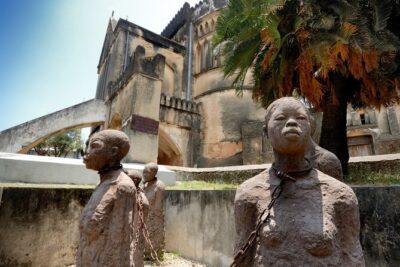
Full-Day Private Stone Town +Spice Farm and Prison Island Tour
Read our review →
Zanzibar full day Jozani forest + Spice farm and stone town
Read our review →
Private Full Day Hiking Experience to Marangu Route
Read our review →
Private Full-Day Trip to Mikumi National Park from Dar es Salaam
Read our review →
A Private Full Day Tour To Stone Town & Spice Farm
Read our review →
Zanzibar Full Day Mnemba Island, Nungwi and Kendwa Beach Tour
Read our review →
Full-Day Private Serengeti Safari from Mwanza
Read our review →