
Reviewed · NUNGWI AND KENDWA TOURS
Zanzibar: Nungwi Kilosa Zoo Conservation Tour
Meet Zanzibar’s gentlest residents.
The two-hour visit to Kilosas Conservation Center in Nungwi offers something many beach days do not: close contact with local animals and a simple lesson in why they need protection. I especially like the chance to feed and touch selected animals, and I like that the tour connects the zoo to community conservation work. The main consideration is the facility’s size. This is a small zoo, not a large wildlife park, so you should come for personal encounters and education rather than a long safari-style outing.
The private format also makes the visit easy to fit into a Nungwi stay. Hotel pickup and drop-off are included, and guides can lead tours in several languages. You receive a welcome bottle of water, though it is wise to bring extra drinks because meals and additional beverages are not included.
In This Review
- Key points to know before you go
- Reaching Kilosas Conservation Center from Nungwi
- What the two-hour visit is really like
- The animals that make the visit worthwhile
- Why the conservation message matters
- The guide can make or break a short visit
- Is $45 per person good value?
- A good choice for children and mixed-age groups
- Practical tips for a comfortable visit
- The main strengths, and the limits
- Should you book the Nungwi Kilosa Zoo tour?
- FAQ
- Where is the Kilosas Conservation Center?
- How long does the tour last?
- What animals can I see?
- Can I touch and feed the animals?
- Is hotel transportation included?
- What languages are available for the guided tour?
- What should I bring?
Key points to know before you go
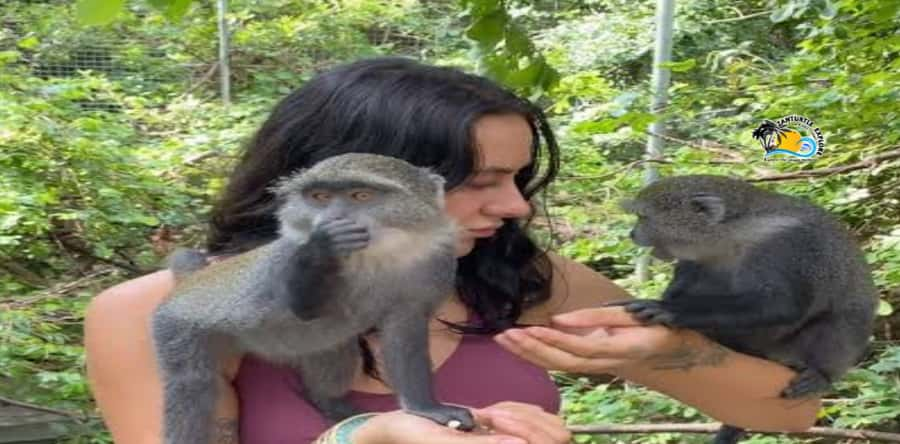
- Hands-on animal encounters: You may feed and touch animals under the guide’s direction, with monkey feeding often becoming the memorable part of the visit.
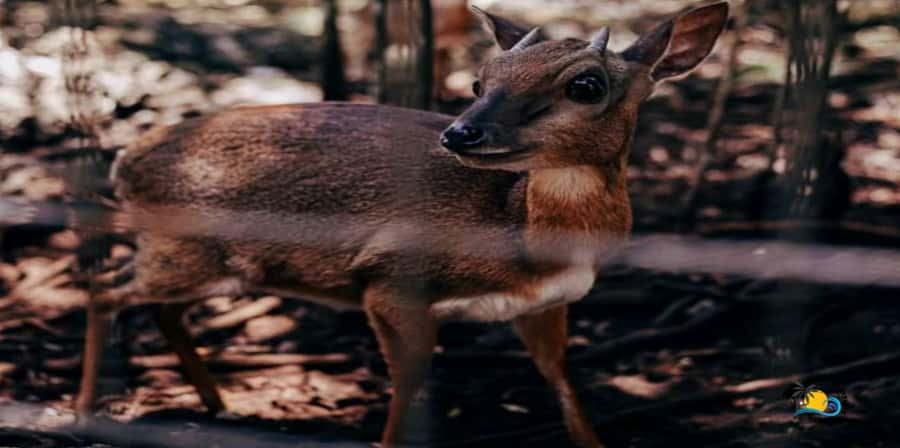
- Rare Zanzibar wildlife: The center focuses attention on species such as the Zanzibar red colobus monkey and Aders’ duiker.
- A compact two-hour outing: The visit works well for families, a free morning, or a break from the beach.
- Private hotel transport: Pickup and return are included, with collection arranged through your hotel lobby or reception area.
- A small, personal setting: Expect close guidance and direct explanations rather than a large, formal zoo operation.
- Strong family appeal: Children can see reptiles, tortoises, ostriches, deer, birds, monkeys, and crocodiles in one short visit.
Reaching Kilosas Conservation Center from Nungwi
Kilosas Conservation Center is in Nungwi, in northern Zanzibar. The activity includes hotel pickup and drop-off, so you do not need to arrange a separate taxi for this short outing.
The pickup process is simple. You provide your hotel name and room number, then meet a representative in the lobby or reception area. This is useful in Nungwi, where a private transfer saves you from figuring out local transport for a relatively brief visit.
The activity is sold as a private group experience. That matters because you can usually expect a more direct pace than on a large shared excursion, although the exact timing depends on availability and your hotel pickup arrangements. If you have a special request, you can write it down before booking.
This is not an all-day trip. The core visit lasts about two hours, which keeps the outing manageable in Zanzibar’s heat and leaves room for swimming, lunch, or another Nungwi activity afterward.
A few more options to weigh up in Nungwi and Kendwa
- From Kendwa: Mnemba Boat Trip and Dolphin Snorkel Adventure
★ 4.8 · 1,043 reviews - Zanzibar: Mnemba Island Dolphin and Snorkeling Tour
★ 4.1 · 352 reviews - Zanzibar: Nungwi Turtle Aquarium Guided Half-Day Trip
★ 4.4 · 197 reviews
What the two-hour visit is really like
The tour begins with an introduction to the conservation center and its purpose. Rather than simply walking past cages and signs, you learn about efforts to protect local plant and animal life, including endangered species found in Zanzibar.
That educational part gives the animal encounters more meaning. The Zanzibar red colobus monkey, for example, is not just another amusing primate to photograph. It represents the wider need to protect Zanzibar’s special wildlife. Aders’ duiker adds another local conservation focus, while the center’s birds and other animals help show the range of life being cared for.
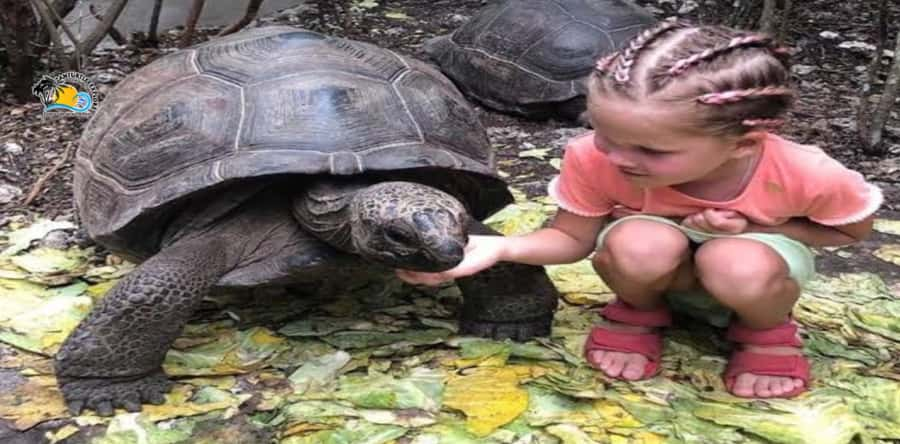
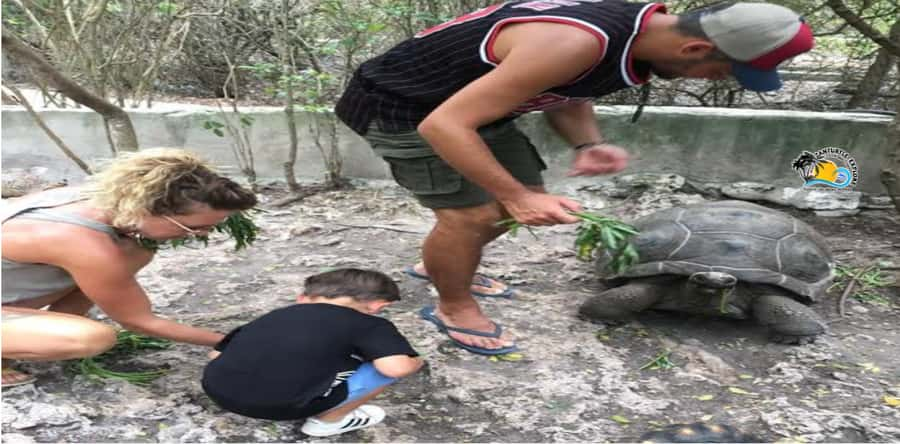
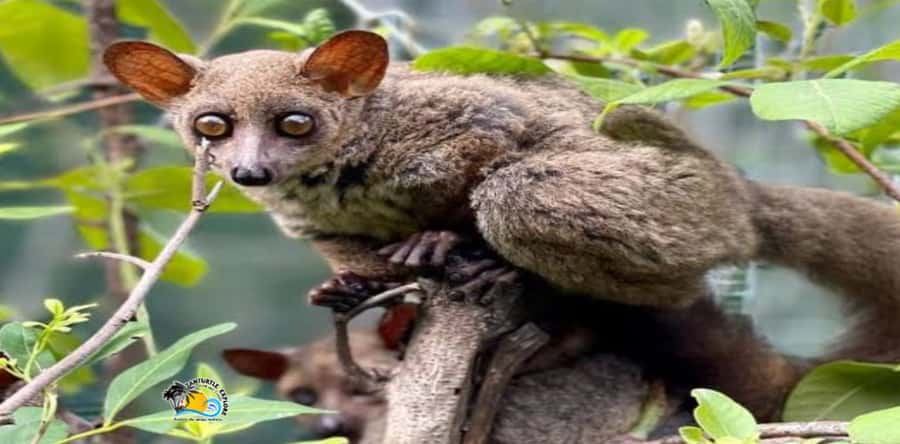
From there, the guide leads you around the center. The exact order can vary, but you may meet monkeys, reptiles, tortoises, ostriches, deer, crocodiles, and several bird species. The variety is one reason the visit works well for families. You can move from small reptiles to large tortoises, then watch the monkeys provide the comic relief.
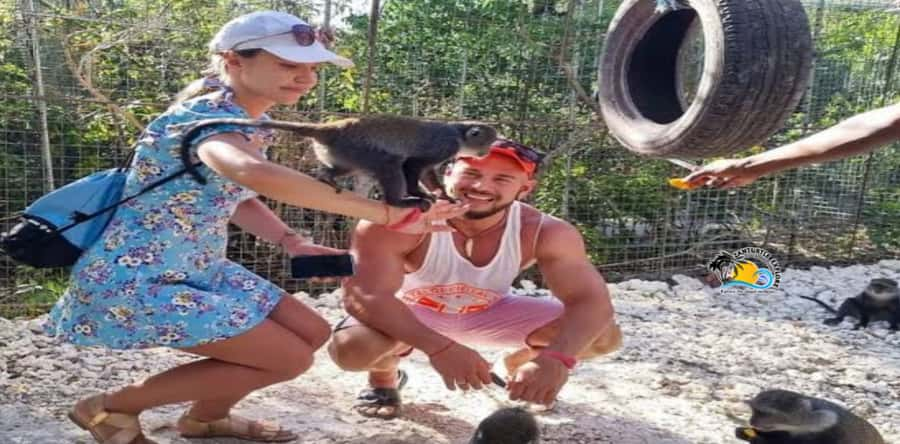
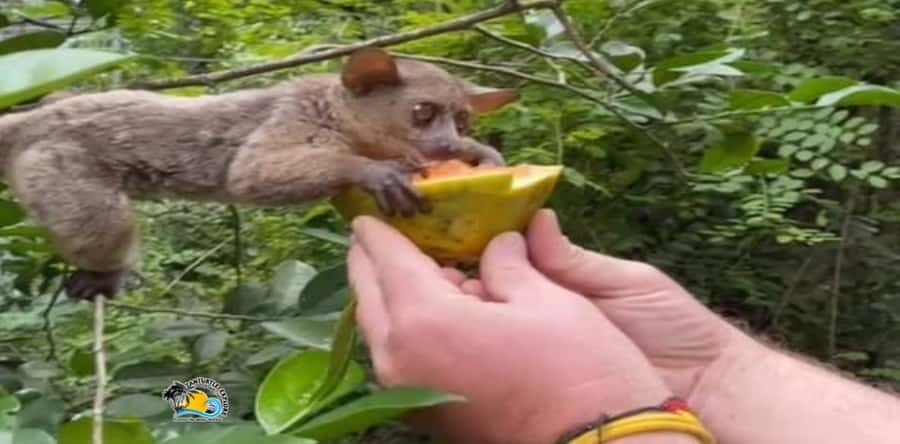
The center’s main appeal is interaction. Under supervision, you can touch and feed animals. This is more personal than a standard viewing-only zoo visit, but it also means you should follow the guide’s instructions closely. The guide controls how and when you approach the animals, which helps keep both you and them comfortable.
The monkey feeding is likely to be the high point. Several families have singled it out as the best part of the day, and the animals are described as friendly. For children, this can turn an ordinary sightseeing stop into a lasting memory. For adults, it offers a closer look at animal behavior than you get from a quick glance across a barrier.
The animals that make the visit worthwhile
The Zanzibar red colobus monkey deserves special attention. It is one of the animals visitors come to understand through the conservation message, and seeing it in person helps make the issue less abstract. The center’s approach is built around awareness as well as protection, so your guide can explain why preserving animal and plant life matters.
Aders’ duiker gives the visit another local focus. This small antelope is easy to overlook if you only think of Africa in terms of large safari animals. Here, the emphasis is on species that are important to Zanzibar even when they are not dramatic or famous.
The center also keeps animals that add variety to the route:
- Monkeys, including the animals used for supervised feeding
- Reptiles
- Tortoises
- Ostriches
- Deer
- Crocodiles
- Birds
Do not expect every animal to perform on cue. The pleasure comes from seeing them at close range and hearing the guide explain their habits and care. A small conservation center can offer a more focused encounter than a very large zoo, but it cannot promise the scale or number of species found in a major wildlife park.
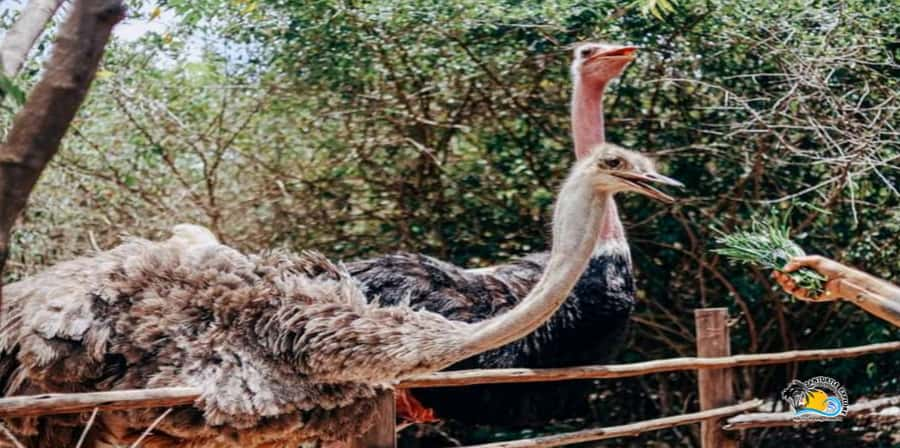
The crocodiles and reptiles may appeal most to children who like animals with a little edge. The tortoises offer a slower moment, while the ostriches and deer add larger animals to the mix. The range is broad enough to keep a two-hour visit moving without making it feel rushed.
Why the conservation message matters
Kilosas Conservation Center is not presented simply as an animal attraction. Its stated goals are to raise awareness, provide a safe environment for endangered species, and help the community develop a stronger sense of responsibility toward nature.
That community element is important. Conservation works better when local people are part of it, rather than when wildlife protection feels like an outside idea imposed on the island. The visit gives you a direct way to support an operation built around education and animal care, while showing children that wildlife protection is a daily responsibility.
You should still keep your expectations clear. This is a small zoo and conservation center, not a wilderness reserve. You are not going into the forest to search for free-ranging animals. You are visiting a managed setting where the guide can explain the animals and arrange safe, supervised contact.
For many people, that is a fair trade. You get reliable encounters in a short period, and you come away with a better sense of Zanzibar’s native species. The educational value depends partly on your guide, so do not be shy about asking questions during the walk.
A different kind of day out entirely:
- Matemwe: Mnemba Island Dolphin & Snorkeling Boat Trip
★ 4.3 · 152 reviews - Mnemba from Kendwa & nungwi half day
★ 4.5 · 94 reviews - Zanzibar: Jet Car Ride with Drone footages (pickup included)
★ 5.0 · 90 reviews - Underwater Walking Experience in Zanzibar,No Swimming Needed
★ 4.7 · 83 reviews
The guide can make or break a short visit
A two-hour activity leaves little room for a dull explanation. The guide needs to keep the pace lively while giving you useful information, and the available feedback points to this being one of the tour’s strongest features.
One guide named Mufasa is praised for being funny, helpful, and good at explaining the animals. That combination matters, especially for families. Children may not remember a long conservation speech, but they will remember a guide who can make the animals interesting without losing the main lesson.
Another detailed account describes the guides as patient, clear, and willing to explain animal characteristics. That is exactly what you want in a small center. The guide can point out details you might miss, explain how to behave near the animals, and make the feeding sessions feel organized rather than chaotic.
Tours are available in Arabic, English, French, German, Italian, Polish, Portuguese, Russian, Spanish, and Swahili. Language availability can help you get more from the conservation explanations, but you should confirm your preferred language when arranging the booking.
Because the group is private, the experience may feel more relaxed than a crowded group activity. You can ask for clarification, take photographs, and spend a little more time with an animal that interests you, subject to the guide’s instructions and the center’s schedule.
Is $45 per person good value?
At $45 per person, the price includes several useful elements: entry fees and taxes, a professional guide, hotel pickup and drop-off, the welcome bottle of water, conservation education, and the opportunity to touch and feed animals.
For a short outing, that is not the cheapest way to see animals in Zanzibar. But the price becomes easier to justify if you value private transport and a guided visit. You are paying not only for admission but also for the transfer, the explanations, and the organized animal encounters.
The value is strongest for families and visitors staying in Nungwi who want an easy half-day plan. You do not need to build the day around a long drive, and the two-hour duration leaves time for other plans. For a solo visitor focused only on spotting wildlife, the cost may feel higher because the center is small and the visit is short.
I would also consider how much you value interaction. If you want to feed animals, learn about local species, and take close photographs, the experience offers more than a basic walk around a zoo. If you prefer seeing wildlife in natural surroundings, this will not replace a national park or a forest visit.
Meals and extra drinks are not included. The supplied water is useful, but bring what you need for the rest of your outing, especially if you plan to spend more time outside afterward.
A good choice for children and mixed-age groups
This is one of the easier animal activities to recommend for families staying in Nungwi. The visit is short enough for children who tire quickly, yet the animals change often enough to keep young attention moving.
The chance to feed monkeys is the obvious family draw. Tortoises, ostriches, reptiles, deer, and crocodiles add different shapes and behaviors to the visit, so children are not limited to one type of animal. The guide’s humor and demonstrations can also help keep the educational side engaging.
Adults may appreciate the practical structure. Pickup is included, the route is guided, and you do not need to spend a full day on the activity. It can fit neatly between a morning at the beach and an afternoon at the hotel.
This outing also suits anyone who wants an introduction to African animals without committing to a full safari. You can see a broad selection in a controlled setting and learn about conservation concerns specific to Zanzibar.
It may be less satisfying for serious wildlife photographers or anyone seeking a remote, natural setting. The animals are in a conservation center, and the main attraction is close contact, not a long search for elusive wildlife.
Practical tips for a comfortable visit
Wear comfortable shoes. Even a two-hour walk can become tiring if you are in beach sandals, and closed, secure footwear makes it easier to move around the center.
Bring a sun hat and a camera. The hat is practical in Zanzibar’s strong sun, while the camera helps you record the animal encounters. Ask before using flash or moving close for a photograph, and let the guide set the boundaries during feeding.
Bring additional water if you tend to drink often. A welcome bottle is included, but meals and other drinks are not.
Pets are not allowed. Plan accordingly if you are traveling with an animal.
If you have a special request, include it before making the reservation. This may be useful when arranging language preferences or explaining a particular need, although the supplied information does not promise that every request can be met.
Cancellation is flexible up to 24 hours before the activity for a full refund. You can also reserve now and pay later, which helps if your Zanzibar plans are still moving around.
The main strengths, and the limits
The strongest part of this experience is the contact with the animals. Being able to approach, touch, and feed them gives the visit a more personal feel than a standard zoo walk. The monkey feeding, in particular, has the makings of a holiday highlight.
The guides are another clear advantage. Mufasa is specifically praised for his humor and explanations, and the wider guide service receives credit for being friendly, patient, and informative. A good guide matters more at a small center because the commentary shapes much of what you take away.
Smooth hotel transport adds practical value. You can focus on the visit rather than arranging local rides, and the private group format should suit families or couples who prefer a more personal outing.
The limits are straightforward. The zoo is small, the visit lasts only two hours, and drinks beyond the welcome bottle are not included. You should also remember that touching and feeding animals requires care. This is an organized conservation visit, not permission to handle every animal however you like.
Should you book the Nungwi Kilosa Zoo tour?
Book it if you want a short, family-friendly outing with close animal encounters, clear conservation lessons, and hotel transport included. It is especially appealing if you are staying in Nungwi and want something different from another morning on the beach.
I would choose it for children, first-time visitors to Zanzibar, and anyone curious about the island’s red colobus monkeys, Aders’ duiker, and other local wildlife. The private format and multilingual guide options make it easier to shape the visit around your group.
I would skip it if your main goal is a large wildlife reserve, free-ranging animals, or a full safari day. At $45 per person, the value depends on appreciating the guide, the interaction, and the conservation purpose rather than judging the center by its size.
For the right audience, this is a friendly and manageable way to meet Zanzibar’s animals while supporting a conservation-minded visit. Pack shoes, a hat, and a camera, then let the guide handle the feeding session.
FAQ
Where is the Kilosas Conservation Center?
It is located in Nungwi, in northern Zanzibar, Tanzania.
How long does the tour last?
The guided visit lasts approximately two hours.
What animals can I see?
You may see monkeys, reptiles, tortoises, ostriches, deer, crocodiles, birds, the Zanzibar red colobus monkey, and Aders’ duiker.
Can I touch and feed the animals?
Yes. The tour includes an opportunity to touch and feed animals under the guidance of the tour staff.
Is hotel transportation included?
Yes. Hotel pickup and drop-off are included. You meet a representative in your hotel lobby or reception area, and you should provide the hotel name and room number.
What languages are available for the guided tour?
Guides may be available in Arabic, English, French, German, Italian, Polish, Portuguese, Russian, Spanish, and Swahili.
What should I bring?
Bring comfortable shoes, a sun hat, and a camera. A welcome bottle of water is included, but meals and additional drinks are not. Pets are not allowed.
Just added in Nungwi and Kendwa
- Zanzibar:Sunset Dhow Cruise nungwi★ 5.0 · 1 review
- Zanzibar: Tumbatu Island Snorkeling Excursion from Nungwi★ 5.0 · 1 review
- Zanzibar transparent kayak drone photoshoot★ 4.7 · 2 reviews
- Zanzibar: Swim with turtles at Nungwi★ 4.3 · 5 reviews
- Zanzibar| Safari Blue Experience★ 4.2 · 2 reviews
- Zanzibar: Nungwi Village Tour and Culinary Class★ 4.6 · 8 reviews
- Zanzibar: Nungwi/Kendwa Beach Sunset Dhow Cruise with Fruits★ 3.4 · 3 reviews
- Zanzibar: Nungwi Sunset Dhow Cruise with Soft Drinks★ 3.8 · 5 reviews
Nungwi and Kendwa Tours, compared.
Mnemba Boat Trip and Dolphin Snorkel Adventure
Read our review →
Underwater Walking Experience in Zanzibar,No Swimming Needed
Read our review →
Tumbatu island snorkling tour : from Kendwa & Nungwi
Read our review →Browse the lists this tour appears in