
Reviewed · WORKSHOPS
Zanzibar: Nungwi Village Tour and Culinary Class
Nungwi shows you the Zanzibar beyond the beach. This five-hour private experience combines a guided walk through the village with a cooking lesson in a local home, giving you two things I value on Zanzibar: direct contact with daily life and a meal you can understand, not just order. I especially like the visits to traditional dhow-building sites and the chance to choose dishes before cooking begins.
The $66 price includes hotel pickup, return transport, the village guide, ingredients, the meal, and refreshments, so it is fair value for a private half-day outing. My main caution is the cooking class itself: you may watch and receive explanations rather than do every step with your own hands. Confirm your menu and how active the lesson will be before you book.
In This Review
- Key points to know before you go
- Why Nungwi makes a good cultural stop
- A walking tour with real community details
- Dhow building and the craft behind Zanzibar’s boats
- Cooking Zanzibar food in a local home
- A cooking lesson, or a cooking demonstration?
- The meal at the end
- What $66 gets you
- Guides, languages, and the pace of the day
- How to prepare for a better visit
- Who will enjoy this Nungwi experience most?
- Should you book the Nungwi Village Tour and Culinary Class?
- FAQ
- How long does the Nungwi Village Tour and Culinary Class last?
- What is included in the $66 price?
- Is hotel transportation included?
- Which languages are available?
- Which dishes can I learn to prepare?
- Is the cooking class fully hands-on?
- Is the activity private?
- Can I cancel or pay later?
Key points to know before you go
- A private five-hour outing: You travel with your own group, with pickup and drop-off at your hotel.
- Nungwi beyond the resorts: The walk can include a school, nursery, local fish market, village streets, and dhow-building areas.
- Cooking in a local home: The meal may be prepared in a family house, with a choice of Zanzibar dishes.
- Dhow craftsmanship up close: You see how iconic wooden boats are made and hear about their role in local life.
- Guide quality matters: Guides such as Gandhi, Hajj, and Mo have been praised for patience, detail, and pride in Zanzibar culture.
- Plan for walking and sun: Comfortable shoes, a hat, sunscreen, and a camera are sensible choices.
Why Nungwi makes a good cultural stop
Nungwi is best known for its coast, hotels, and water activities. This tour takes you inland and into the working side of the community, where schools, homes, markets, boat yards, and family businesses matter more than beach loungers.
That change of setting is the point. You see how close resort life can sit to ordinary village life, yet how different the two worlds may be. One person described the sharp contrast between luxury villas and limited access to clean water. It is a sobering observation, and you should approach the visit with respect rather than treating the village as a stage set.
I like that the experience is built around conversation. The guide explains how people live, shares local history, and introduces you to residents. Several guides have made a strong impression: Gandhi has been praised for patience with questions, Hajj for complete explanations, and Mo for his enthusiasm and pride in Zanzibar culture.
The tone can depend on your guide and on how you engage. Ask questions, listen carefully, and avoid turning poverty into a photo opportunity. A camera is permitted, but always use good judgment around homes, children, schools, and market sellers.
A few more options to weigh up in Nungwi and Kendwa
- From Kendwa: Mnemba Boat Trip and Dolphin Snorkel Adventure
★ 4.8 · 1,043 reviews - Zanzibar: Mnemba Island Dolphin and Snorkeling Tour
★ 4.1 · 352 reviews - Zanzibar: Nungwi Turtle Aquarium Guided Half-Day Trip
★ 4.4 · 197 reviews
A walking tour with real community details
The exact order of stops can vary, but the village walk may include a primary school and nursery. These visits give you a look at local education and family life, though you should remember that these are working places, not attractions built for sightseeing.
You may also pass through the local fish market. This is one of the more useful stops because it connects the food on your plate with the people who catch, sell, clean, and prepare it. Expect an ordinary working market rather than a polished food hall. Smells, heat, noise, and activity are part of the setting.
The walk continues through village streets, where your guide can explain the community and its customs. The tour has received high marks for detailed explanations, but it is not a short photo stop followed by a bus ride. One person stopped before completing every part because the walking became tiring. Wear shoes with good support and tell your guide if you need a slower pace.
Children may show curiosity as you pass. One useful suggestion is to bring small sweets if you want to share something, but do this thoughtfully and ask your guide how to handle it. Do not hand out money or objects without considering the effect on the children and the family around them.
Dhow building and the craft behind Zanzibar’s boats
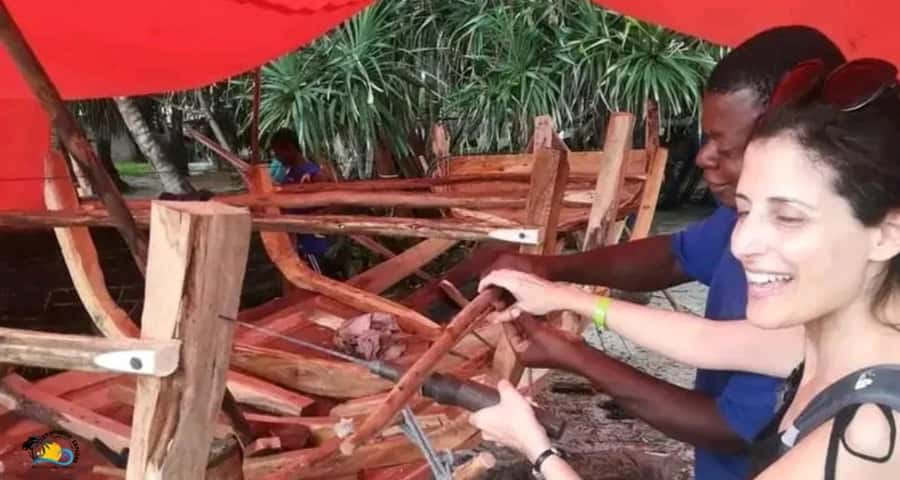
The dhow-building stop is one of the strongest parts of the outing. These wooden boats are closely tied to Zanzibar’s coastal life, fishing, trade, and travel between islands and the mainland.
At the building sites, you can watch traditional craftsmanship and see the scale of the work. The appeal is not simply visual. Your guide helps connect the boat to local livelihoods and explains how skills pass from one generation to the next.
This is also a good place to ask questions about the wood, tools, construction process, and the boats’ uses. The information provided does not promise a formal workshop or a chance to build anything yourself, so think of this as a guided visit rather than a practical boatbuilding lesson.
Some outings may include extra activities, such as a turtle bathing experience, but that is not part of the $66 package. Additional tours cost extra, so check exactly what you are adding before agreeing to anything.
Cooking Zanzibar food in a local home
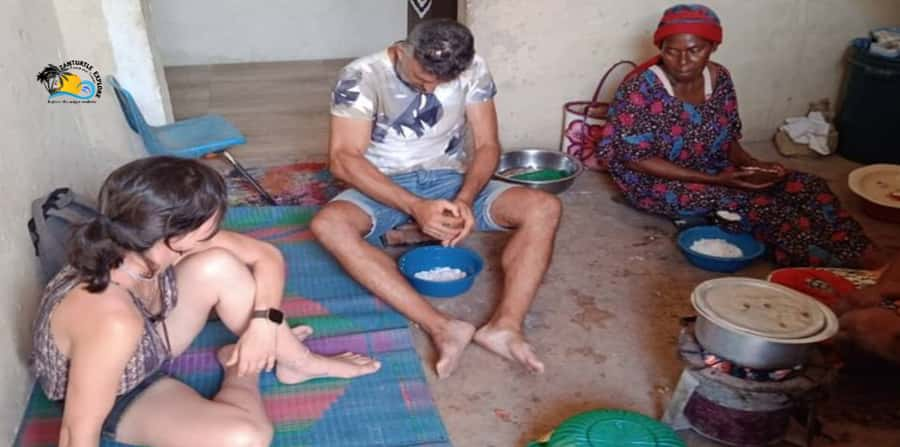
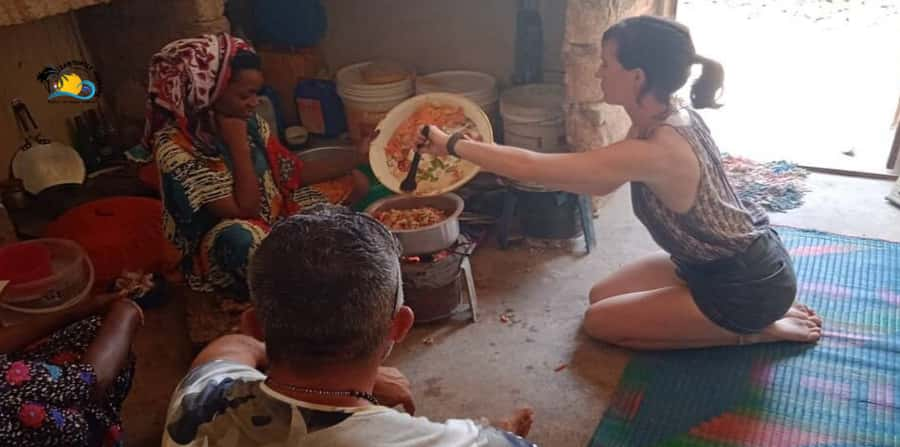
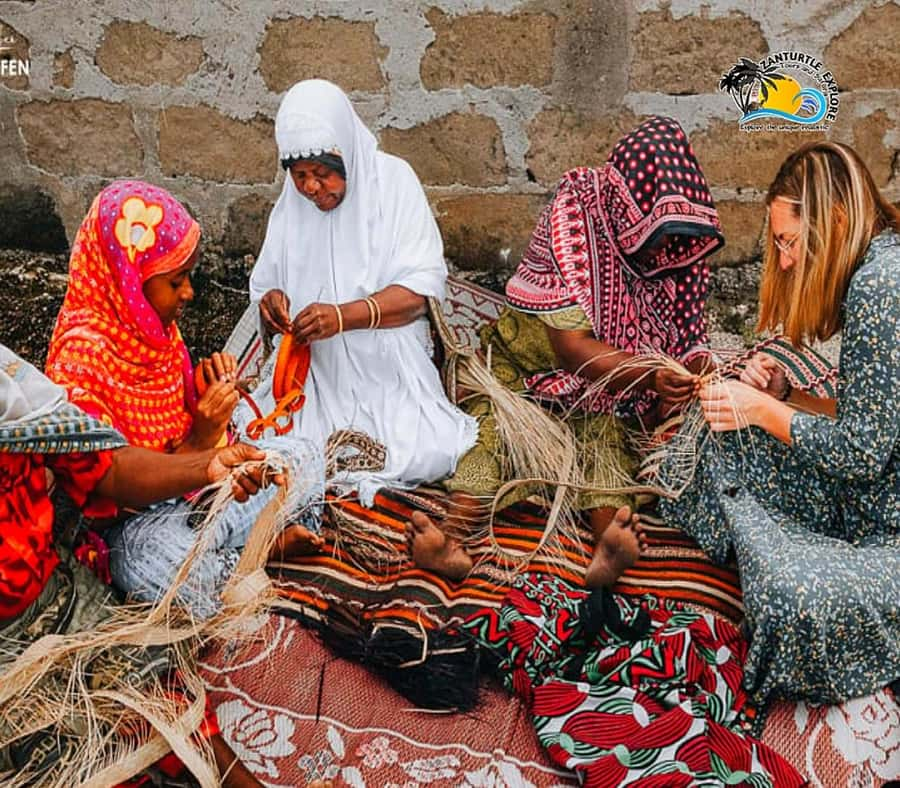
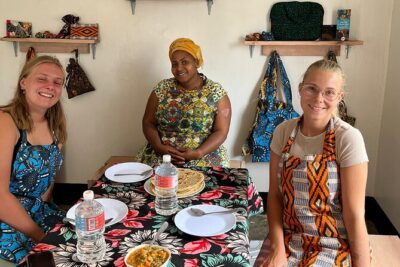
After the village walk, you move to the culinary part of the experience. The cooking takes place in a typical local house, sometimes described as the home of a local family. That setting gives the lesson a more personal feel than a hotel kitchen, and it lets you see where a daily meal is prepared.
Before the tour, you are asked to share the dishes you most want to cook or learn. This is important. Use that opportunity instead of assuming the full menu will automatically be made for you.
Possible dishes include:
- Zanzibar pilau
- Urojo soup
- Seafood curry
- Chapati
- Fresh cassava
- Ndizi nyama, banana with beef
- Breadfruit
- Kachumbari salad
The menu depends on your request, and the food is designed around local ingredients and strong seasoning. If you enjoy spices, this should be one of the better parts of the afternoon. If you prefer mild food, say so clearly when your menu is discussed.
The food has been praised as delicious, especially by people who enjoy Zanzibar’s spice-heavy cooking. Pilau gives you fragrant rice with a familiar place in East African and Indian Ocean food traditions. Urojo, often associated with Zanzibar’s street-food culture, offers a different texture and flavor profile. Chapati and cassava add filling starches, while seafood curry reflects the island’s coastal setting.
A different kind of day out entirely:
- Matemwe: Mnemba Island Dolphin & Snorkeling Boat Trip
★ 4.3 · 152 reviews - Mnemba from Kendwa & nungwi half day
★ 4.5 · 94 reviews - Zanzibar: Jet Car Ride with Drone footages (pickup included)
★ 5.0 · 90 reviews - Underwater Walking Experience in Zanzibar,No Swimming Needed
★ 4.7 · 83 reviews
A cooking lesson, or a cooking demonstration?
This is the detail I would clarify before booking. The experience is described as a hands-on culinary class, but the actual level of participation may vary.
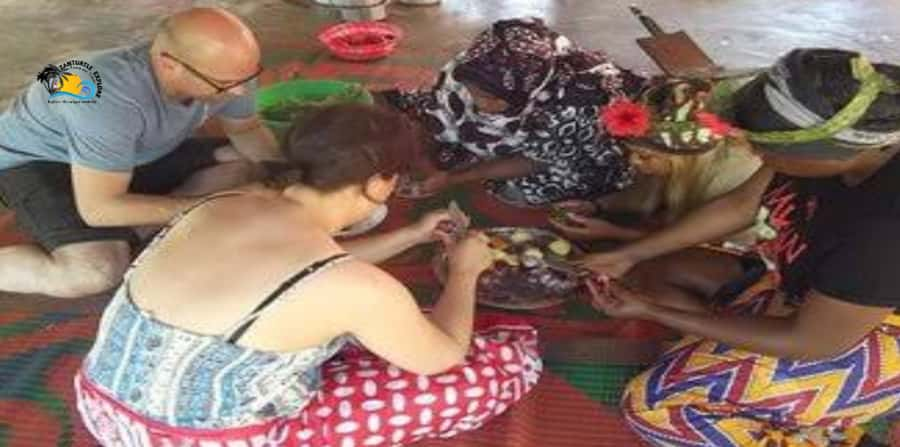
Some participants have cooked alongside local people in the home. Others have mainly watched the dishes being prepared and received an explanation of how their chosen food was made. Another account described selecting one dish, with the option to watch several dishes for an added fee.
That difference matters. If you want to chop, season, shape chapati, and work at the stove, tell the operator in advance. Ask how many dishes you will personally prepare and whether the class is practical or demonstration-based for your date.
Even if you do more watching than cooking, the lesson still has value. You see the ingredients, order of preparation, spice choices, and local methods in a real home kitchen. But the phrase cooking class may set a higher expectation than the experience always delivers.
The meal at the end
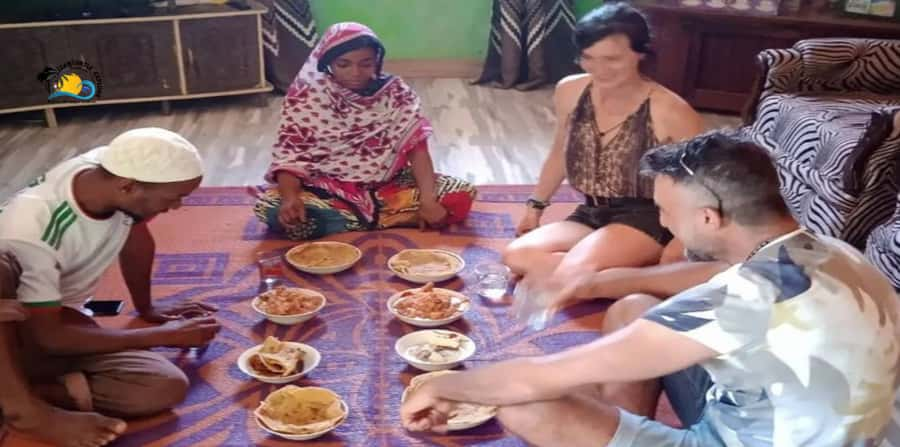
The tour finishes with a meal made from the dishes selected for your class. You receive refreshments during the experience, and the meal gives you time to enjoy the food without rushing back into the walking route.
The most personal version of this experience is also the simplest: sit in the home, eat what has just been prepared, and talk with the guide or host. One point worth noting is that the family may not eat with you. The guide may sit at the meal instead, so do not book this expecting a shared family dinner.
That is not necessarily a flaw, but it is useful to know. The experience offers contact with local residents and food preparation, yet it does not guarantee an intimate meal with the whole household.
If you have dietary needs, state them when choosing the menu. The available dishes include meat, seafood, vegetables, cassava, breadfruit, rice, and salad, but the supplied information does not promise allergy-free preparation or a fixed vegetarian menu.
What $66 gets you

At $66 per person, this tour offers reasonable value if you want a private cultural outing rather than a standard sightseeing transfer. The price includes hotel pickup and drop-off, a live guide, the village walk, market and dhow-building visits, the cooking class, ingredients, the prepared meal, and refreshments.
Transport is especially useful in Zanzibar. You do not need to arrange a taxi to Nungwi, negotiate a return fare, or worry about finding the meeting point. The driver picks you up in the hotel lobby or reception area and returns you there afterward.
The private format is another advantage. You can ask more questions, request a slower walking pace, and focus the meal on foods that interest you. It also makes the experience more comfortable for families or small groups who do not want to follow a large party.
The value drops if you mainly want a fully active cooking workshop. In that case, confirm the practical element first. If the day becomes a village walk plus a food demonstration, the price still covers a useful cultural visit, but it may not match your idea of a class.
Guides, languages, and the pace of the day

The tour can be provided in English, French, German, Italian, or Swahili. You must request your preferred language, rather than assuming it will be available.
This point deserves care. One French-speaking participant did not receive a French guide and needed a friend to translate. The guide, Hajj, still provided complete explanations, but the language mismatch made communication harder. If French is important to you, confirm it directly before the day begins.
The five-hour duration includes both walking and cooking. You should expect a fairly full half-day, not a quick village visit. Bring comfortable shoes, a sun hat, sunscreen, and a camera. Intoxication, alcohol, and drugs are not permitted.
The tour is listed as wheelchair accessible, but the village walk includes markets, streets, and traditional work areas. Ask the operator how the route will be adapted to your needs, especially if uneven ground or extended walking is a concern.
How to prepare for a better visit

The best preparation is to make your food choices early. Tell the operator which dishes you want to cook or learn, and mention meat, seafood, spice, or allergy concerns.
I would also confirm three points:
- How many dishes are included in the lesson
- How much hands-on cooking you will do
- Which language your guide will use
Bring water if you prefer to have your own supply, although refreshments are included. Dress for heat and walking, and choose clothing that is comfortable in a local home and village setting.
A small cash amount may be useful for personal purchases, but extra tours are not included. If you are interested in a turtle visit or another activity, ask for the added price and timing before you commit.
The cancellation terms are friendly: you can cancel up to 24 hours in advance for a full refund, and you can reserve now and pay later. Those terms help if your Zanzibar schedule is still shifting.
Who will enjoy this Nungwi experience most?
I would recommend this tour to you if you want to see daily life near Nungwi, enjoy talking with a local guide, and care more about food and community than about checking off major monuments.
It suits couples, families, and small private groups. The menu choice is useful for mixed tastes, and the private format lets you ask questions without holding up a large group.
It is less suitable if you dislike walking, want a polished restaurant-style cooking school, or expect the host family to join you for the meal. It may also feel uncomfortable if you prefer cultural sightseeing to include only cheerful, easy subjects. Nungwi can show real economic contrasts, and the visit asks you to look at them with maturity.
The strongest aspects are the guide-led village walk, the dhow-building stop, the local food, and the chance to see cooking in a home. The weaker point is the uncertain level of hands-on participation. That is a manageable problem if you set your expectations and menu in advance.
Should you book the Nungwi Village Tour and Culinary Class?
Book it if you want a five-hour private outing that puts local homes, food, schools, markets, and dhow craft at the center. The $66 cost is fair because transport, food, ingredients, guiding, and refreshments are included.
I would book with two requests written clearly: your preferred guide language and the dishes you want to prepare. I would also ask whether you will cook or mainly watch.
For an authentic look at Nungwi beyond the hotel strip, this is a worthwhile choice. Just treat it as a community visit with a local food lesson, not a guaranteed professional cooking workshop.
FAQ
How long does the Nungwi Village Tour and Culinary Class last?
The experience lasts five hours. Starting times depend on availability.
What is included in the $66 price?
The price includes hotel pickup and drop-off, a guided Nungwi village tour, market and dhow-building visits, interaction with local community members, a culinary class, ingredients, the prepared meal, and refreshments.
Is hotel transportation included?
Yes. Pickup and drop-off at your Zanzibar hotel are included. You meet the representative in the hotel lobby or reception area.
Which languages are available?
Guides may provide the tour in English, French, German, Italian, or Swahili. You should request and confirm your preferred language in advance.
Which dishes can I learn to prepare?
Possible dishes include Zanzibar pilau, Urojo soup, seafood curry, chapati, fresh cassava, ndizi nyama, breadfruit, and Kachumbari salad. The menu depends on your request.
Is the cooking class fully hands-on?
The experience is presented as hands-on, but the level of participation can vary. You may cook with local people, or you may mainly watch and receive explanations. Confirm this before booking.
Is the activity private?
Yes. The activity is offered for a private group.
Can I cancel or pay later?
You can cancel up to 24 hours in advance for a full refund. You can also reserve your place and pay later, which keeps your plans flexible.
Just added in Nungwi and Kendwa
- Zanzibar:Sunset Dhow Cruise nungwi★ 5.0 · 1 review
- Zanzibar: Tumbatu Island Snorkeling Excursion from Nungwi★ 5.0 · 1 review
- Zanzibar transparent kayak drone photoshoot★ 4.7 · 2 reviews
- Zanzibar: Swim with turtles at Nungwi★ 4.3 · 5 reviews
- Zanzibar| Safari Blue Experience★ 4.2 · 2 reviews
- Zanzibar: Nungwi/Kendwa Beach Sunset Dhow Cruise with Fruits★ 3.4 · 3 reviews
- Zanzibar: Nungwi Sunset Dhow Cruise with Soft Drinks★ 3.8 · 5 reviews
- Zanzibar: Nungwi Kilosa Zoo & Swimming with Turtles★ 4.7 · 4 reviews
Workshops, compared.
Half-Day Kuza Cave Swimming Adventure and Cooking Class
Read our review →
NGO Lifted Strong – Traditional Tanzanian Cooking Class
Read our review →
Traditional Tanzania Cooking Class & Food Market Tour
Read our review →
Cooking and Sewing & Jewelry Workshops in Arusha
Read our review →Browse the lists this tour appears in