
Reviewed · KAYAK TRIPS IN ZANZIBAR
Zanzibar: Unique Guided Mangrove Tour by SUP or Kayak
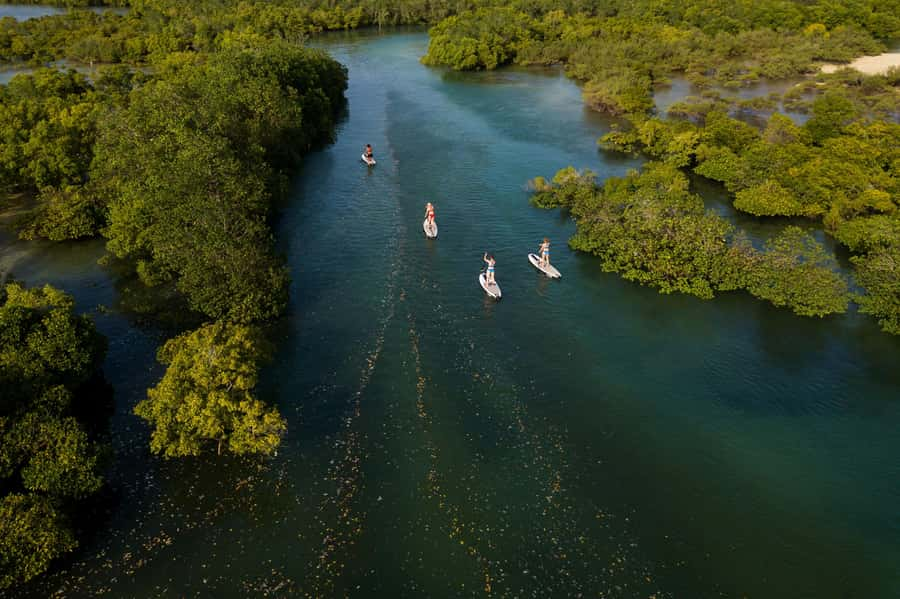
Mangroves make a fine paddle playground. This three-hour outing in Chukwani takes you through tidal forests, narrow tunnels, estuaries, and open Indian Ocean water. I like the choice between stand-up paddleboarding and kayaking, and I especially like that the trip pairs quiet nature with a practical lesson about mangrove care. Mangrove tunnels and birdsong give the outing a peaceful feel, while the post-tour fruit and cassava crisps add a welcome local touch.
The main consideration is access. You need to paddle, climb into the equipment, and manage changing water conditions, so this is not suitable for people with mobility impairments. You also need to arrange your own transport to the meeting point, which may vary with the option you book.
In This Review
- Key points at a glance
- Why Chukwani’s mangroves are worth your morning
- Choosing between a SUP and kayak
- The first 30 minutes: lesson, equipment, and safety
- Through the mangrove tunnels and estuaries
- Estuaries, open ocean, and changing views
- The snack break after paddling
- Is $50 a fair price?
- Who will enjoy this paddle most?
- Practical packing advice for Chukwani
- Should you book the mangrove tour?
- FAQ
- How long does the Zanzibar mangrove tour last?
- Can I choose between a SUP and a kayak?
- What is included in the price?
- Is transport included?
- What should I bring?
- Is the tour suitable for people with mobility impairments?
Key points at a glance
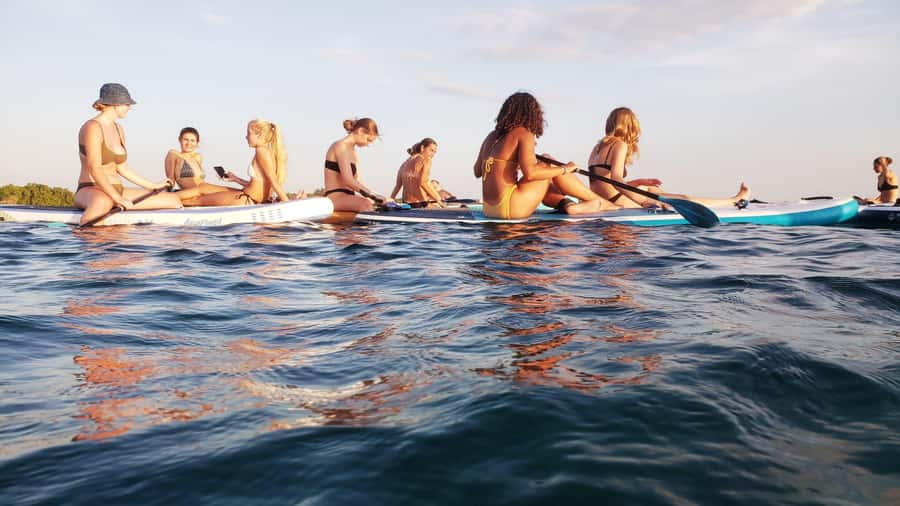
- Paddle through Chukwani’s tidal forest: The route includes mangrove tunnels, estuaries, and open ocean.
- Choose your craft: Pick a stand-up paddleboard or kayak, then receive a lesson and safety briefing before setting off.
- Learn as you go: Guides explain the mangrove ecosystem, tree species, and animal life found in this coastal habitat.
- Keep the outing gentle and green: The activity uses human-powered equipment and supports mangrove reforestation.
- Finish with local snacks: Fresh fruit, cassava crisps, and confectionery are served after the paddle.
- Plan for wet conditions: Bring swimwear, a change of clothes, sunscreen, water, and insect repellent.
Why Chukwani’s mangroves are worth your morning
Zanzibar is famous for beaches, coral reefs, and warm Indian Ocean water. A mangrove tour shows you a different side of the coast. Here, the water moves in and out with the tide, winding among tree roots and low branches before opening into broader channels.
That changing setting is the real appeal. A beach outing gives you open views and sun. A mangrove paddle gives you shade, silence, and the close-up detail of a living coastal forest. You may hear birds before you see them, and the narrow passages make the trip feel more active than simply floating offshore.
The tour takes place in the Unguja South Region, at Chukwani. The supplied details do not give a fixed route or exact start point for every booking, so check the meeting instructions carefully. The meeting point can change according to the option selected.
Mangroves also matter beyond scenery. Their roots provide shelter for young marine life, help hold coastal soil in place, and form an important link between land and sea. Your guide explains these functions during the paddle, making the activity more than a photo stop with equipment.
More Kayak Trips in Zanzibar
- Zanzibar: Transparent Kayak and Drone (with Pickup Included)
★ 4.9 · 427 reviews - Zanzibar: Transparent Kayak and Drone (with Pickup Included)
★ 4.9 · 124 reviews - Zanzibar: Jozani Forest, Kuza Cave and Stand Up Paddle Tour
★ 4.6 · 34 reviews
Choosing between a SUP and kayak
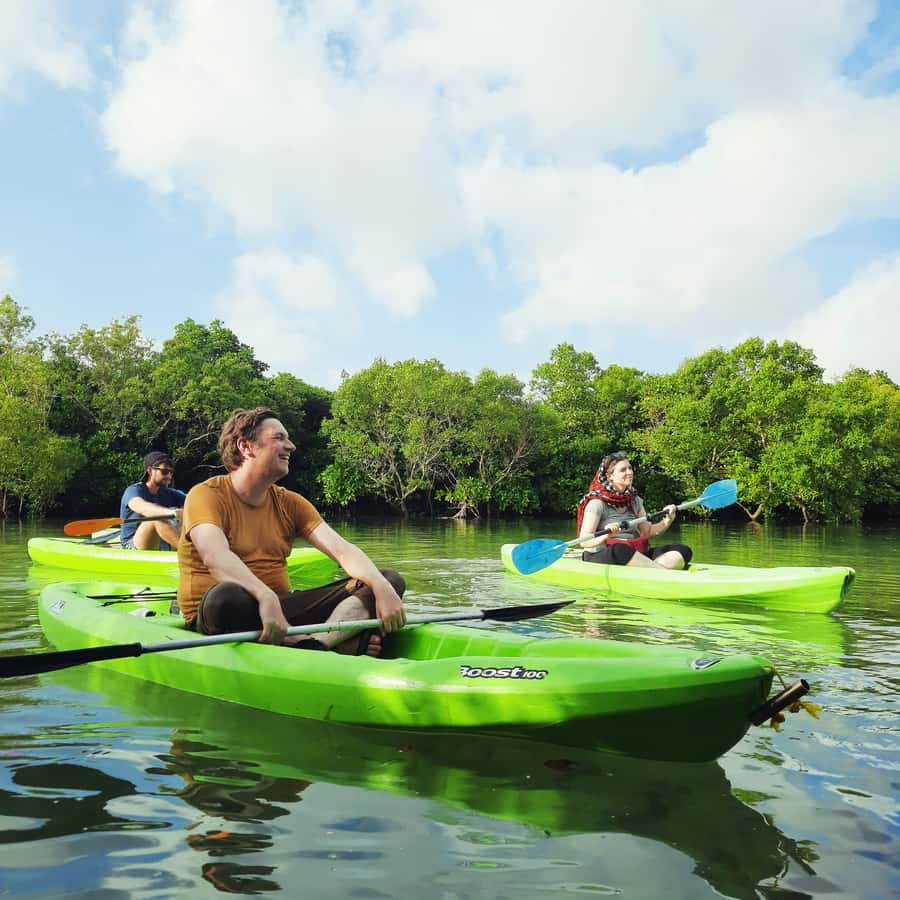
The two options offer different ways to experience the same setting. A kayak gives you a low, seated position and usually feels more stable for people who want to focus on the forest rather than balance. You use a double-ended paddle and can move through the channels without needing to stand.
Stand-up paddleboarding gives you a higher view over the water and a more physical challenge. The tour begins with instruction, so you do not need to arrive as an experienced paddler. Still, balance is part of the activity, and some visitors may prefer to kneel or sit at times.
I would choose a kayak if you are nervous about balance, want a relaxed pace, or simply prefer a seated craft. I would choose a SUP if you like trying a new skill and want a wider view of the channels. The guides are experienced SUP and kayak instructors, and they aim to help each person have a successful outing.
The activity is described as suitable for almost anyone, but that does not mean it is effortless. You should be comfortable getting wet, handling a paddle, and taking part in a lesson on the water. The stated restriction for people with mobility impairments is important, not a minor footnote.
The first 30 minutes: lesson, equipment, and safety
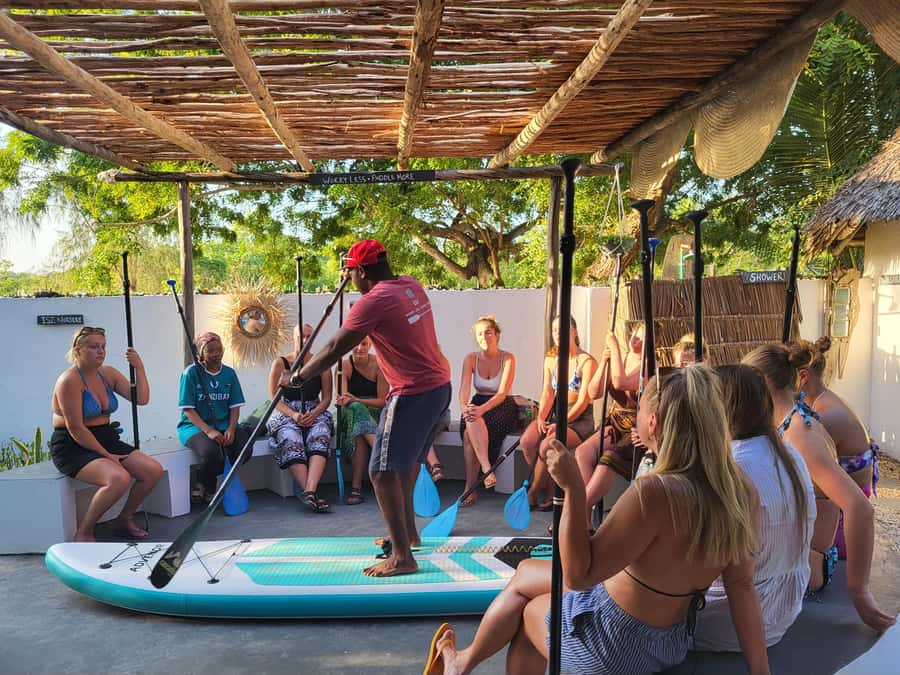
The experience starts with all necessary paddle equipment and safety gear supplied. You receive a detailed lesson in your chosen activity, followed by a safety briefing before entering the mangrove area.
This beginning matters. A good lesson lets you learn how to hold the paddle, steer, slow down, and recover from a wobble before the route becomes narrow. It also gives the instructor a chance to explain how to move around plants and marine life without causing damage.
Allow yourself time to get comfortable. Wear clothes or swimwear that can get wet, and keep a change of clothes ready for afterward. Towels are available, with changing areas, showers, and toilets on site.
Water is not included, so bring your own bottle. Sunscreen and a hat are also useful, though the mangrove sections may offer some shade. Choose biodegradable sunscreen to reduce harm to the ecosystem, and pack insect repellent because still water and vegetation can attract insects.
Through the mangrove tunnels and estuaries
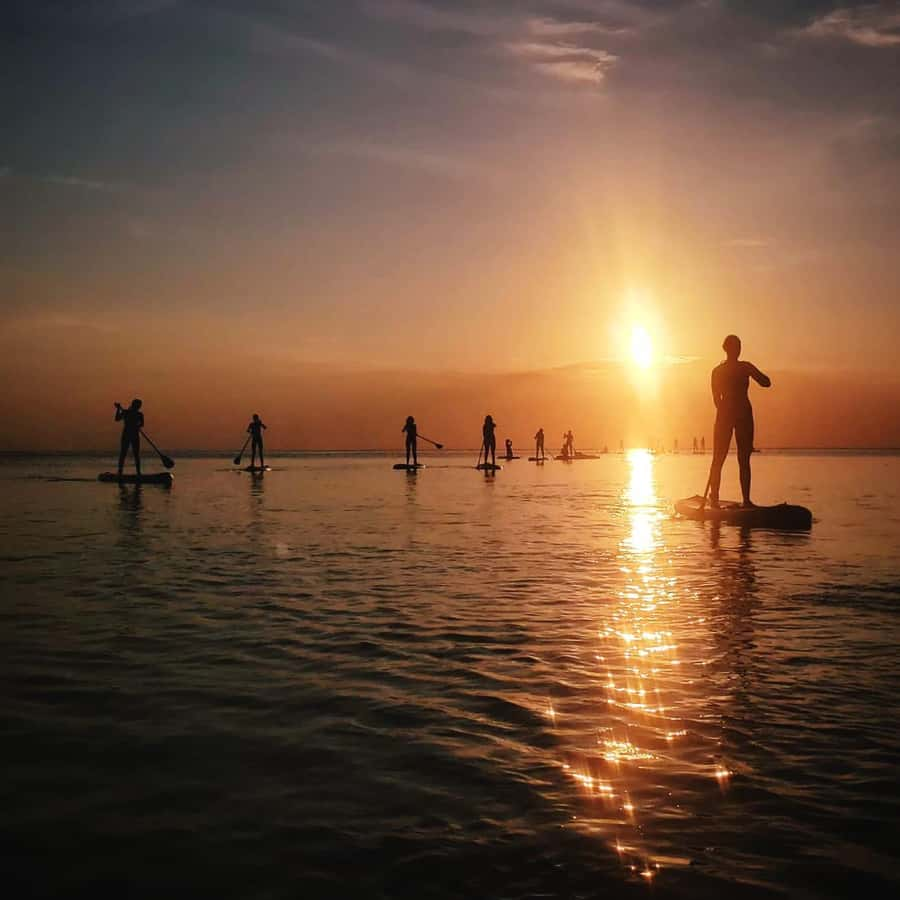
Once the lesson is complete, the guided route moves into the tidal forest. The tunnels are likely to be the most memorable part because the trees close in around the water, creating a quieter, more sheltered passage than the open coast.
You will see several species of mangrove trees and learn how the forest functions. The guide can point out animal life and explain what makes the habitat important. Do not expect a wildlife checklist, though. Nature sightings depend on the tide, time, and conditions, so the value is in the setting and the explanation rather than guaranteed sightings.
The narrow waterways also require care. You are asked not to touch plants or marine life, and you should avoid dragging equipment across roots or branches. The no-littering rule is basic but essential in a place where plastic and other waste can remain trapped in the roots.
This part of the tour suits people who prefer observation to speed. You move under your own power, but the point is not to race. The calm water, birdsong, and close tree cover create the relaxing mood that makes this outing different from a standard water-sports session.
A different kind of day out entirely:
- From Zanzibar: Mikumi Safari Day Trip with Flights and Meal
★ 4.7 · 1,470 reviews - Zanzibar: Quad Bike Adventure departing from Kendwa or Nungwi
★ 4.9 · 1,233 reviews - Zanzibar: Stone Town, Spice Tour, Prison Island with Lunch
★ 4.4 · 1,219 reviews - From Zanzibar: Day Selous Game Reserve Safari with Flights
★ 4.7 · 1,025 reviews
Estuaries, open ocean, and changing views
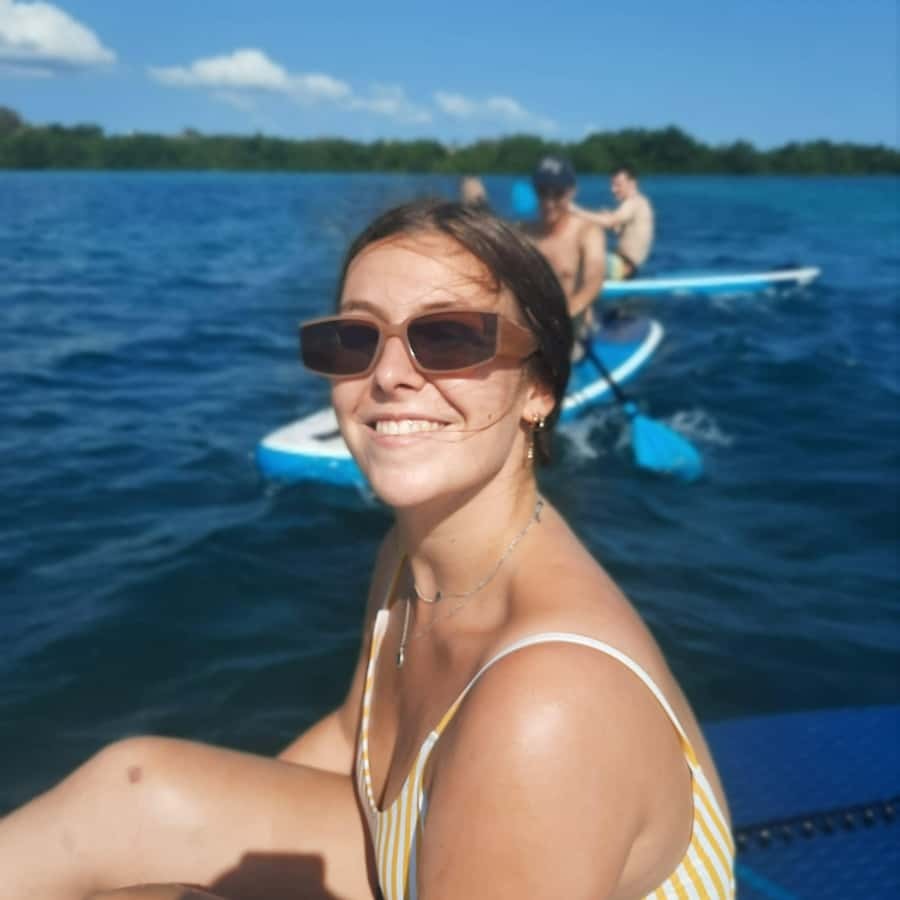
The route does not remain inside the trees. It also includes estuaries and open ocean, giving you a change of scale during the three hours.
Estuaries are where the mangrove forest connects with wider water. They help explain the relationship between tidal movement and the trees. In a kayak, you get a low view across the channels. On a SUP, you may appreciate the raised viewpoint as the waterway broadens.
The open-ocean portion provides more space and wider views, but it may also feel less sheltered than the tunnels. Conditions can vary, and your guide controls the pace and route. You should follow instructions closely, especially when moving between protected channels and more exposed water.
The best feature here is variety. You get the quiet of the forest, the winding movement of an estuary, and the openness of the Indian Ocean in one trip. If you want a full-day ocean adventure with extended time in the water, this three-hour format may feel short. For a half-day activity that leaves room for other Zanzibar plans, the length works well.
The snack break after paddling
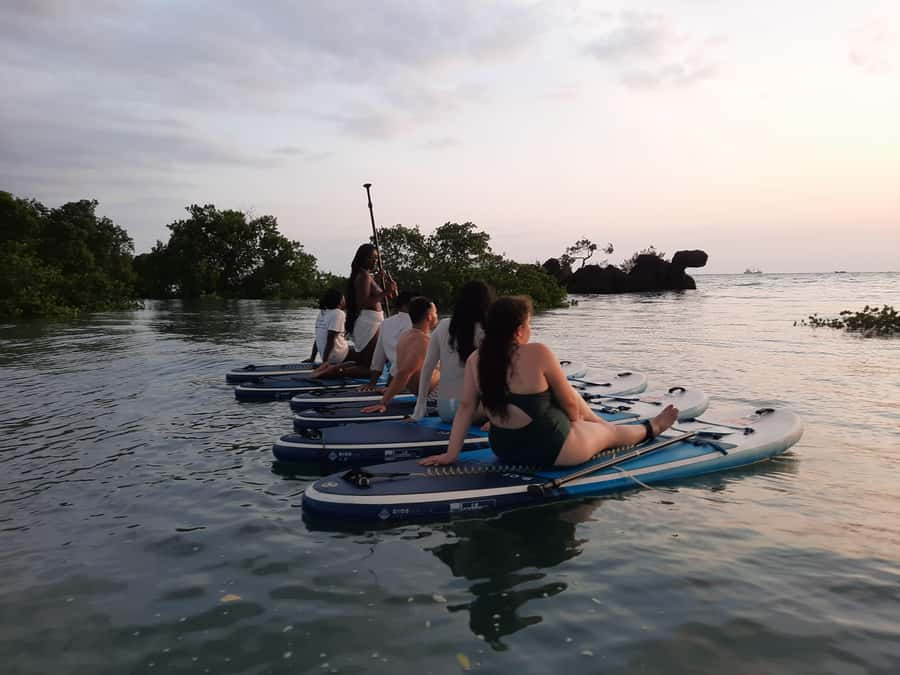
After returning from the water, you receive fresh fruit, cassava crisps, and confectionery. It is a small detail, but a useful one after several hours of paddling in warm weather.
The snacks also give the outing a local flavor instead of ending with a quick equipment return. Cassava is a common staple in East African cooking, and serving it as crisps makes the refreshment feel connected to the region.
Bring your own water because it is not included. The supplied information does not specify a full meal, so eat beforehand if you need substantial food. The snacks are best viewed as a pleasant finish, not a replacement for breakfast or lunch.
Changing facilities, showers, toilets, and towels are available. That makes it easier to continue with your day without sitting in wet swimwear or salty clothes.
Is $50 a fair price?
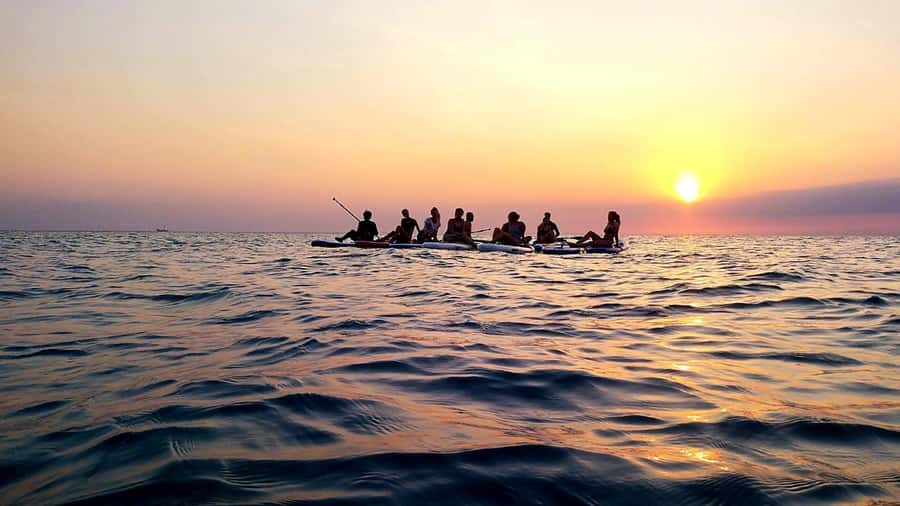
The price is $50 per person for three hours. That is fair if you value instruction, equipment, and a guided nature experience rather than only time on the water.
The fee includes the SUP or kayak, safety gear, a detailed lesson, an experienced English-speaking instructor, the guided route, snacks, and access to the practical facilities. Renting a craft alone would not give you the ecosystem explanation or the support of a guide, so the teaching adds real value.
The environmental element also matters. The activity supports mangrove reforestation, giving your outing a conservation purpose. That does not remove the need for personal care, so use biodegradable sunscreen, carry your rubbish out, and avoid touching the trees or animals.
The price does not include transport or reef shoes. Transport can add to the total cost, especially if you are staying far from Chukwani. Reef shoes are also worth considering because they are specifically excluded and may help protect your feet around shallow, wet areas. The tour does not provide them, so arrange your own pair if you want them.
Who will enjoy this paddle most?
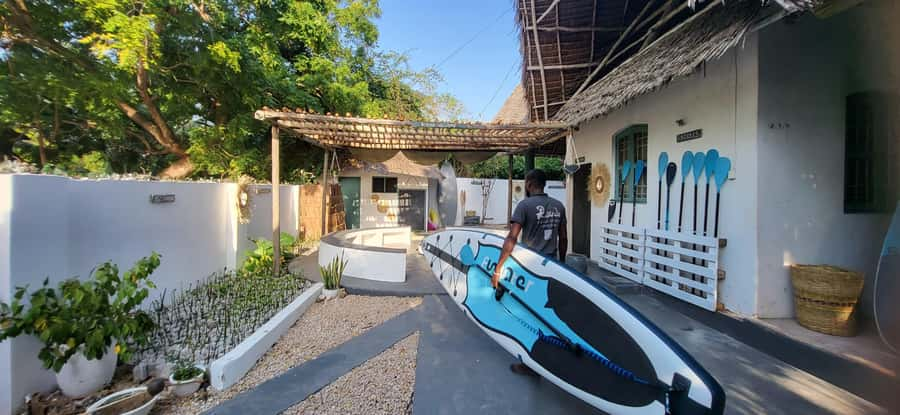
I would recommend this tour to someone who wants an active but peaceful morning. It suits first-time paddlers who like learning a new skill, couples looking for a quiet shared activity, and nature-minded visitors who want more context than a simple beach excursion provides.
It also works for people who do not want a long, demanding expedition. The three-hour duration leaves plenty of time for another activity later in the day, while still allowing enough time for instruction, forest paddling, open water, and refreshments.
You should think twice if you dislike getting wet, have limited mobility, or want a completely predictable route. The water, tide, and chosen craft all affect how the trip feels. A kayak may be the better choice for anyone who wants a more settled position, while SUP is better for those eager to test their balance.
The strongest praise attached to this experience is its relaxing quality. That makes sense: the pace is human-powered, the setting is quiet, and the tour mixes gentle exertion with nature education. Do not book it expecting nonstop thrills. Book it for a calm coastal outing with enough activity to keep you engaged.
Practical packing advice for Chukwani
Keep your packing simple and useful:
- Swimwear or comfortable clothes that can get wet
- A complete change of clothes
- Towel, although towels are available
- Hat and sunscreen
- Biodegradable sunscreen to protect the mangrove habitat
- Drinking water
- Insect repellent
- Reef shoes if you want them, since they are not included
Avoid bringing anything you cannot afford to get wet. Secure loose items before paddling, and follow the guide’s instructions around trees and animals.
The activity is conducted in English. Cancellation is flexible up to 24 hours before the start for a full refund, and you can reserve now and pay later. Since starting times depend on availability and the meeting point may differ by booking option, confirm both before setting out.
Should you book the mangrove tour?
Book it if you want to see Zanzibar from the water without spending a full day at sea. The combination of Chukwani’s mangrove tunnels, open-ocean views, expert instruction, conservation support, and local snacks gives the $50 price solid value.
Choose a kayak for a steadier, seated ride. Choose SUP for a more hands-on balance challenge and a higher view. Skip it if mobility is a concern, if you do not want to get wet, or if arranging separate transport feels inconvenient.
For most active visitors, this is a thoughtful alternative to another standard beach morning. You leave with a new paddling skill, a better understanding of mangrove forests, and the pleasant tiredness that follows a quiet few hours on the water.
FAQ
How long does the Zanzibar mangrove tour last?
The tour lasts three hours, including the lesson, safety briefing, guided paddle, and snacks afterward.
Can I choose between a SUP and a kayak?
Yes. You can choose stand-up paddleboarding or kayaking when booking the activity.
What is included in the price?
The $50 price includes equipment, safety gear, a detailed lesson, an English-speaking guided tour, fresh fruit, cassava crisps, confectionery, and access to toilets, changing areas, showers, and towels.
Is transport included?
No. Transfer to and from the location is not included. The meeting point may vary depending on the option booked.
What should I bring?
Bring a hat, swimwear, a change of clothes, a towel, sunscreen, water, comfortable clothes, and insect repellent. Reef shoes are not included, so bring your own if you want them.
Is the tour suitable for people with mobility impairments?
No. The activity is not suitable for people with mobility impairments.
Just added in Zanzibar
- Zanzibar:Ngoma local culture workshop,The Knowledge of Ngoma★ 5.0 · 1 review
- ZANZIBAR:Mnemba island, Spice farm and Jozani Forest★ 5.0 · 1 review
- Zanzibar: Zipline Adventure At Masingini Forest★ 4.6 · 2 reviews
- Zanzibar Walking Tour: Unveiling the Secrets of Stonetown★ 4.8 · 11 reviews
- Zanzibar: Walking Spice Farm with Local Cooking Class★ 4.4 · 9 reviews
- Zanzibar: Walking Tour★ 4.0 · 1 review
- Zanzibar: Uzi Island Mangrove Kayak Tour with Guide★ 5.0 · 1 review
- Zanzibar: Village Tour with local life★ 3.0 · 1 review
Kayak Trips in Zanzibar, compared.
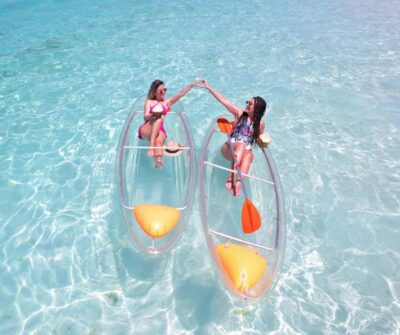
Transparent Kayak and Drone (with Pickup Included)
Read our review →Transparent Kayak and Drone (with Pickup Included)
Read our review →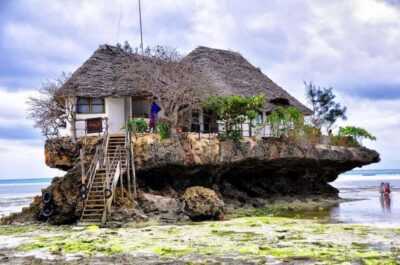
Jozani Forest, Kuza Cave and Stand Up Paddle Tour
Read our review →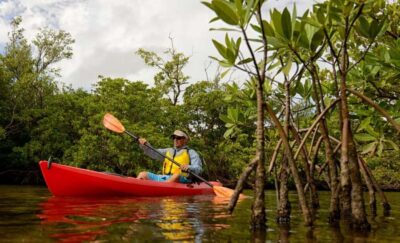
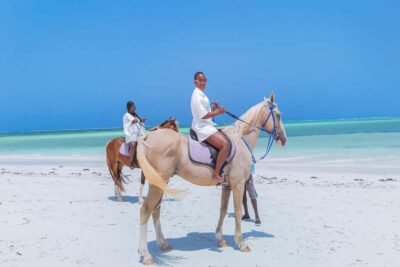
Horse Riding and Kayaking with Video and Photos
Read our review →
THE GREEN TOUR: Jozani Forest & Mangrove Kayaking Experience
Read our review →
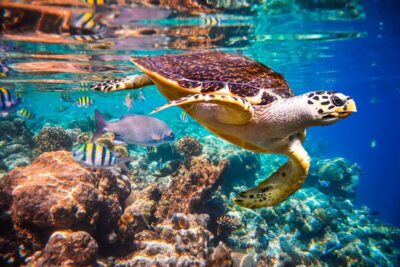
Kuza Cave, Rock Restaurant, Jozani Forest, Clear Kayaking
Read our review →Browse the lists this tour appears in