
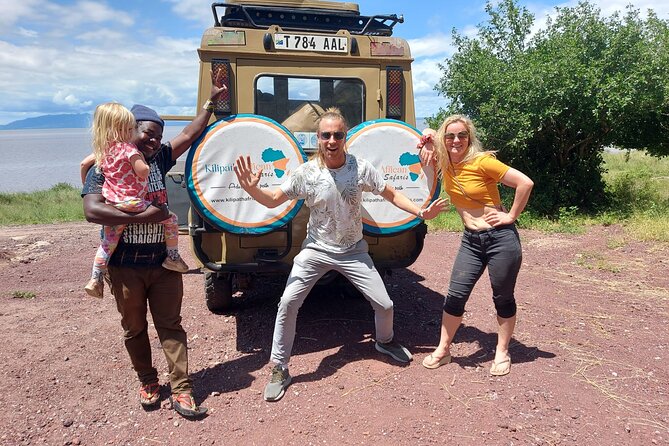
Reviewed · SERENGETI & NGORONGORO SAFARIS
3 Days Safari Ngorongoro Crater and Serengeti National Park
Wild Africa in three busy days. This small-group safari links two of Tanzania’s most famous wildlife areas, Serengeti National Park and Ngorongoro Crater, with camping along the way. I like the chance to see broad Serengeti plains, hippos, elephants, lions, and perhaps the Big Five without committing to a week-long itinerary.
I also like the practical setup: pickup is offered, the group is limited to six people, and meals are provided. Guides such as Felix, Simon, Christian, and Bulldozer have been praised for their animal knowledge, patience, and friendly service. The main drawback is the pace. A six-hour drive from Arusha is followed by long game drives, so you should expect a full, dusty schedule rather than a relaxed lodge holiday.
In This Review
- Key Points Before You Book
- What This Three-Day Safari Is Really Like
- Day One: The Long Road to Southern Serengeti
- Day Two: Kopjes, Elephants, and Predator Country
- Day Three: Down Into Ngorongoro Crater
- Camping, Food, and Comfort
- The Guides Make the Difference
- Is $810 Good Value?
- Who Should Choose This Safari?
- Practical Details to Sort Out First
- Should You Book It?
- FAQ
- Where does the safari start?
- How long is the experience?
- Which parks and protected areas are included?
- How far is the first drive?
- How many people can join the safari?
- What meals are included?
- Are tips and visas included?
- What is the cancellation policy?
Key Points Before You Book
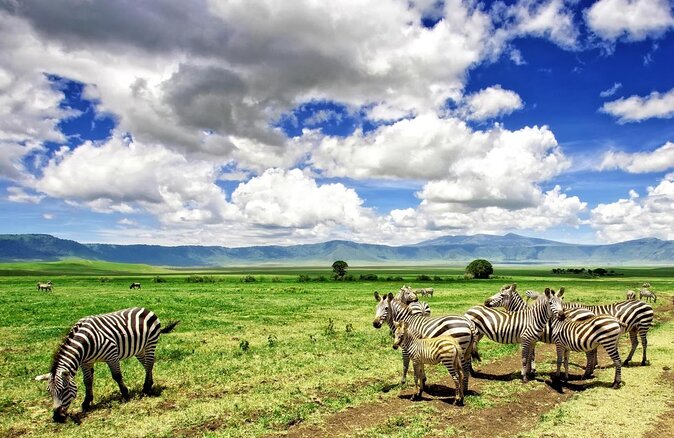
- Two famous parks in three days: You visit Serengeti National Park and Ngorongoro Conservation Area on one compact route.
- A maximum of six people: The small vehicle group should make it easier to see and hear your guide.
- Camping keeps the price down: This is a basic safari option, not a luxury lodge trip.
- Long road sections are part of the deal: The first drive covers about 335 kilometres and takes roughly six hours.
- Meals are included: The package provides three lunches, two breakfasts, and two dinners.
- Strong personal service: Communication through WhatsApp has been praised, with Heaven Light and Felix receiving special thanks.
What This Three-Day Safari Is Really Like
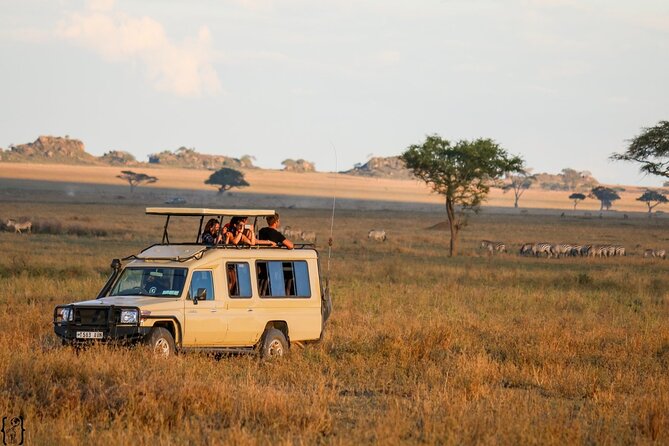
This trip is designed for you if you want Tanzania’s headline wildlife areas but have limited time. It combines a road journey, several game drives, camping nights, and a return to Arusha in one tight package.
The route uses the Ngorongoro gate to reach southern Serengeti. That makes geographical sense, but it also means your first day contains a great deal of driving. After breakfast at 7 a.m., pickup is scheduled for 8 a.m., followed by a drive of about six hours. Once inside the park, you continue with a game drive lasting around seven hours.
That is a lot of time in a vehicle. It is also why the trip can deliver so much in only three days. You are not spending half the holiday moving between hotels. You are moving through wildlife country, with the possibility of animals appearing beside the road at any time.
The information also gives a start time of 3 p.m., which does not match the 8 a.m. pickup schedule. I would confirm the exact meeting time with Kilipath African Safaris before departure. The published route clearly reads like an early morning start, but the conflicting time should not be ignored.
More Serengeti and Ngorongoro safaris:
- Balloon Safari & Bush Breakfast in Serengeti – Miracle Experience
★ 5.0 · 1,646 reviews - 3 Days Serengeti & Ngorongoro Group Camping Safari
★ 5.0 · 574 reviews - 5-Day Highlights mid-Range Crater, Serengeti, Tarangire
★ 5.0 · 296 reviews
Day One: The Long Road to Southern Serengeti
Your first morning begins with breakfast, then pickup from your accommodation in Arusha. The road to the southern Serengeti covers approximately 335 kilometres. The six-hour estimate is useful, but road conditions, park entry procedures, and stops can affect the timing.
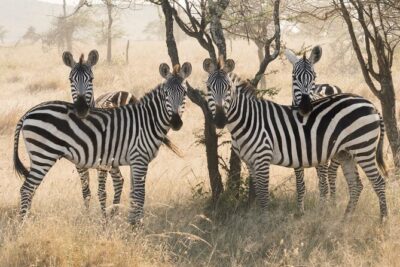
The reward comes when the open plains begin to replace the built-up areas around Arusha. Serengeti means the land of endless plains in the Maasai language, and southern Serengeti explains the name well. The grasslands provide grazing throughout the year for wildebeest, zebra, Coke’s hartebeest, waterbuck, Grant’s gazelle, Thomson’s gazelle, and impala.
This part of the park is especially appealing if you enjoy seeing large herds spread across open ground. The animals are often easier to spot here than in thick woodland, although sightings are never guaranteed and conditions change with the season.
The afternoon game drive explores the southern, central, and Seronera Valley areas. You may also visit a hippo habitat, adding a different type of wildlife encounter to the usual savannah search. Hippos are often most interesting when you watch their social behavior and listen to the low grunts coming from the water.
The first day is likely to feel exciting and tiring in equal measure. You are covering serious distance, then spending hours looking for wildlife. Pack water, sun protection, and something warm for changing weather. One useful lesson from the trip feedback is that Serengeti weather can shift quickly, and the park can look very dry in October.
Day Two: Kopjes, Elephants, and Predator Country
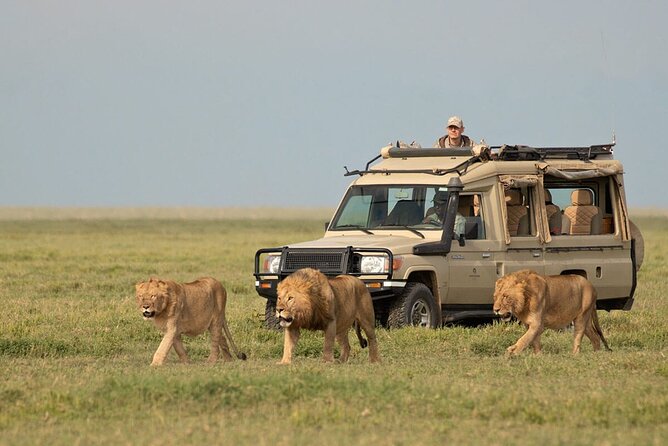
Day two continues in Serengeti National Park, with about six hours set aside for further exploration. This gives you a better chance to see more than the first day’s route, especially if your guide responds to current animal movements.
Elephants are common across parts of the plains, with family groups led by older females. Watching a matriarch guide a herd across the grass is one of the quieter pleasures of a safari. It requires patience, but the scene can be more memorable than a rushed sighting of a famous predator.
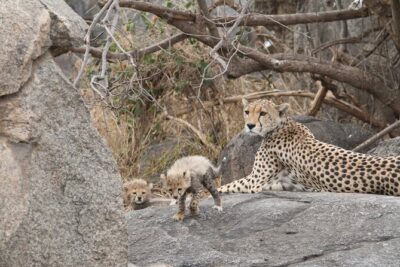
The route also includes the Moru Kopjes. These are rocky outcrops rising from the grasslands, with unusual plants such as candelabra trees and short-lived flowers after rain. The rocks create shade, shelter, and high viewpoints. Predators can use them to watch prey, while animals may climb or rest around the stone.
The central Serengeti also includes Gong Rock and cave paintings connected with Maasai imagery, including elephants, shields, and abstract designs. These details add more context to the park. You are not only looking at animals, you are moving through a place shaped by people, geology, weather, and wildlife.
A caution is useful here. The Serengeti is vast, and the feeling of space is part of its appeal. It also means you may spend time driving between sightings. A good guide matters greatly. The strongest feedback about this operator focuses on guides who explain animal behavior and the surrounding country rather than simply pointing at animals.
Kilipath uses a safari guide and cook for the camping arrangement, and tips for both are not included. Bring small cash for gratuities if you are pleased with the service. The exact camping setup should be confirmed before booking, since the experience is described as basic camping and the accommodation details are not fully specified.
Day Three: Down Into Ngorongoro Crater
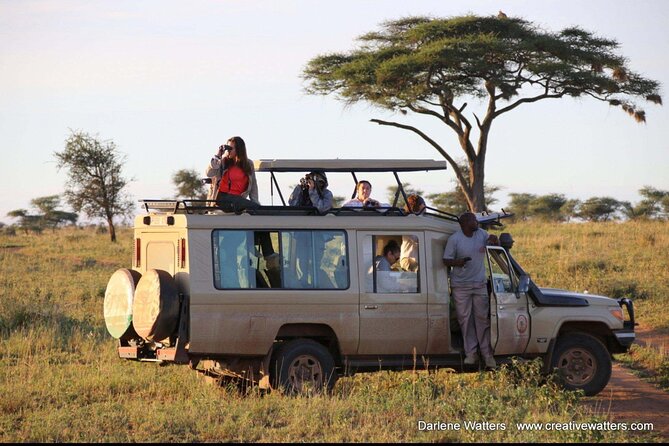
The final wildlife day takes you to the Ngorongoro Conservation Area. The crater is the visual high point of this short safari. From the rim, you look down into a vast natural bowl with grassland, water, and concentrated wildlife below.
Ngorongoro is valued for the chance to see several major species in one area. The trip description highlights wildebeest, gazelle, golden jackal, bat-eared fox, hippopotamus, wild dog, leopard, buffalo, eland, and other ungulates. The Big Five may be seen in a single day, though no responsible safari can promise every species.
The crater’s enclosed setting can make animal watching feel more concentrated than in the open Serengeti. You might spend less time scanning empty distance and more time watching several species use the same water or grazing areas. That is one reason some people prefer the crater to the Serengeti, especially during a dry period when the plains may look sparse.
Still, Ngorongoro is not a guaranteed wildlife checklist. Giraffes, oribi, topi, spotted hyenas, cheetahs, and impalas are described as rarely seen in the park. Keep that in mind if you are choosing the trip mainly for one particular animal.
The conservation area also has a strong human story. Maasai families live in circular homesteads known as bomas, and the region is linked with early human evolution research by Mary and Louis Leakey. You may find this cultural and archaeological setting as compelling as the animals, although the published schedule does not promise a separate village visit or a dedicated archaeology tour.
After about six hours in the conservation area, the journey returns to Arusha. The final day is another long one, so this itinerary suits people who would rather make the most of limited leave than spend extra nights resting.
More national park trips in Arusha:
- 7 Days Tanganyika Wilderness Safari
★ 5.0 · 159 reviews - 4 Day Ngorongoro Crater Tarangire and Serengeti National Park
★ 5.0 · 44 reviews - 6 days 5 nights safari Ngorongoro, Serengeti and Tarangire National Parks
★ 5.0 · 39 reviews - 3 Days Safari to Serengeti National Park & Ngorongoro Crater in Tanzania
★ 5.0 · 34 reviews
Camping, Food, and Comfort
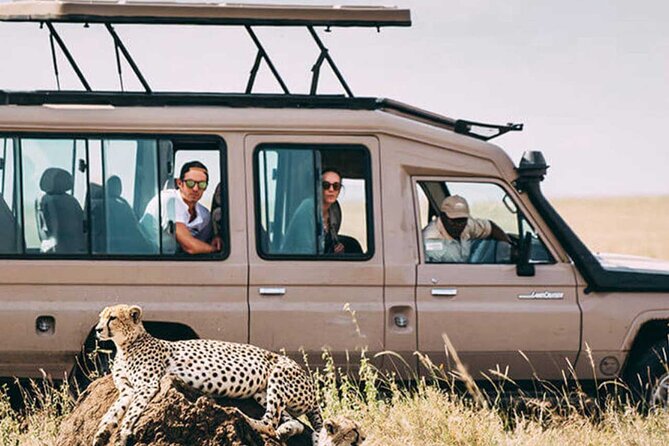
This is a camping safari, and that label should guide your expectations. It is a sensible way to keep costs lower while sleeping close to the parks, but it will not offer the polished comfort of a high-end lodge.
The package includes:
- Three lunches
- Two breakfasts
- Two dinners
A safari cook is part of the operating arrangement, and food receives some of the warmest praise. One direct account described the cooking as some of the best food experienced in Tanzania. Another praised picnic lunches during the game drives.
That matters because meal times on safari can be awkward. You are often far from restaurants, and a prepared lunch means less time leaving the wildlife route. You should still ask what camping equipment and sleeping arrangements are provided. The available details confirm camping, but they do not spell out tent type, bedding, showers, or toilet facilities.
This is also a good trip for people who do not need luxury to enjoy a safari. If you want private rooms, long evenings at a lodge, and plenty of downtime, consider a longer or more comfortable package instead.
The Guides Make the Difference
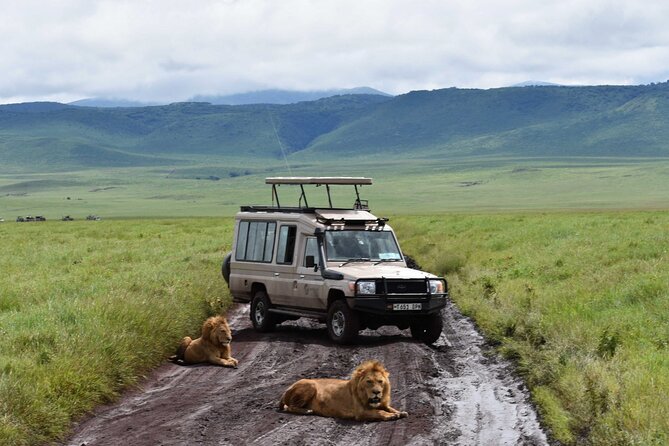
The vehicle gets you into the parks, but the guide shapes the experience. A strong guide notices tracks, reads animal behavior, chooses a sensible viewing position, and explains what you are seeing without turning every moment into a rushed photo stop.
Several guide names have been praised in connection with Kilipath. Felix is repeatedly associated with warm service and helpful communication. Simon is praised for being friendly and well informed about wildlife and the parks. Christian is described as attentive and good at explaining animals. Bulldozer is credited with knowing the routes and handling the safari vehicle well.
Heaven Light is also singled out for quick communication and support before and during the trip. That is useful if you are arranging airport pickup, accommodation, or extra bookings around the safari. The company’s WhatsApp communication has been described as clear and reliable.
Of course, guide assignments can change. You should not book solely on the hope of getting one specific person. The important point is that the operator appears to place real value on personal support, guide service, and practical communication.
Is $810 Good Value?
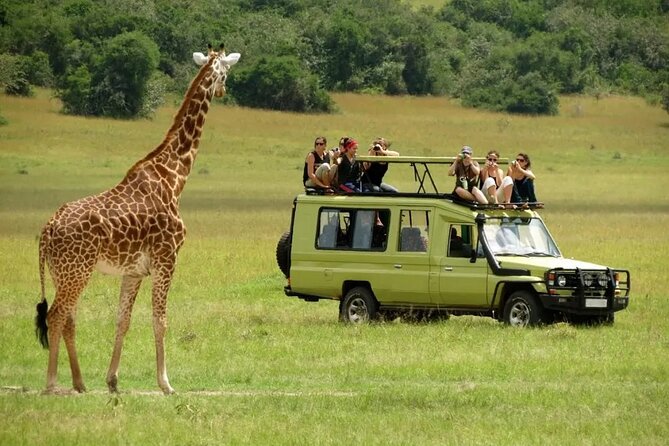
At $810 per person, this is not a budget bus ride, but a three-day Serengeti and Ngorongoro safari carries major park, transport, staffing, and food costs. The price becomes more reasonable if you value reaching both destinations in a short period and prefer a small group capped at six people.
The included meals help, as does the camping format. You are paying for access to two major wildlife areas, guided game drives, transport from Arusha, a cook, and the logistics of moving through a demanding route. The exact treatment of park fees and camping equipment is not explained in the supplied details, so I would ask for a written breakdown before paying.
You also need to budget for tips to the driver-guide and safari cook. Visas are not included. These are not surprise costs if you plan for them, but they affect the final price.
The best value comes when you want maximum wildlife exposure in minimum time. The weaker value appears if you dislike long drives, basic camping, or a schedule with little spare time.
Who Should Choose This Safari?
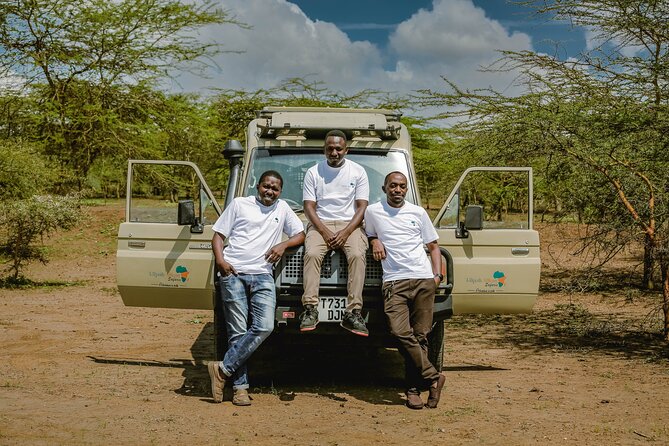
I would recommend this experience to first-time safari visitors who want the classic northern Tanzania route without arranging every transfer themselves. It is also a good fit for couples, friends, and solo people comfortable joining a small group.
You are likely to enjoy it if you:
- Want to see both Serengeti and Ngorongoro
- Have only three days available
- Enjoy camping and outdoor travel
- Prefer a small group to a large coach
- Value friendly communication before departure
- Are happy with long drives and early starts
I would think twice if you want a slow holiday, luxury rooms, or guaranteed sightings of a particular animal. I would also consider adding more days if the Serengeti is your main reason for visiting. The park is huge, and extra time gives you more room for different areas and changing wildlife conditions.
Practical Details to Sort Out First
Pickup is offered from Arusha accommodation, and confirmation is received when you book. The advertised group limit is six people, which is small enough to keep the vehicle experience more personal.
Ask the operator to confirm the exact pickup time because the information includes both 8 a.m. and 3 p.m. as start times. Also confirm where you will sleep, what camping gear is supplied, and how park and conservation fees are handled.
The cancellation policy is generous if your plans are firm but flexible. You can receive a full refund by cancelling at least 24 hours before the local start time. Cancellations or changes within 24 hours are not accepted for a refund.
Should You Book It?
Book this safari if you want a direct route to Tanzania’s two biggest wildlife names and can handle a fast, basic camping trip. The combination of open Serengeti plains, Moru Kopjes, hippo habitat, and Ngorongoro Crater gives you a strong first taste of northern Tanzania.
I especially like the six-person limit, included meals, and repeated praise for the guides and communication team. Before booking, confirm the conflicting start time and the camping details. If those points suit you, $810 can be fair value for a compact safari with serious wildlife potential.
FAQ
Where does the safari start?
The safari starts in Arusha, Tanzania. Pickup from your accommodation is offered.
How long is the experience?
The safari lasts approximately three days.
Which parks and protected areas are included?
The route includes Serengeti National Park and the Ngorongoro Conservation Area.
How far is the first drive?
The first drive from Arusha to southern Serengeti is about 335 kilometres and is estimated to take six hours.
How many people can join the safari?
The maximum group size is six people.
What meals are included?
The package includes three lunches, two breakfasts, and two dinners.
Are tips and visas included?
No. Tips for the driver-guide and safari cook are not included, and visas are also excluded.
What is the cancellation policy?
You can cancel at least 24 hours before the local start time for a full refund. Cancellations or changes made within 24 hours are not accepted and are not refunded.
Just added in Arusha
- Safari “Kifaru” – 5 days in the most famous Parks in the world★ 5.0 · 4 reviews
- Saadani Day Trip★ 5.0 · 13 reviews
- 3 Days Tanzania Short and Spicy★ 5.0 · 6 reviews
- 5 Day Tanzania Safari Camping Adventure Private Tour★ 5.0 · 2 reviews
- Day Trip to Ngorongoro Crater from Arusha★ 5.0 · 1 review
- SERENGETI NATIONAL PARK Tour★ 4.5 · 5 reviews
- 3 Days Serengeti Park & Ngorongoro Crater Adventure Safari★ 5.0 · 8 reviews
- 6 Days Tanzania Bush Experience Safari★ 5.0 · 6 reviews
Serengeti & Ngorongoro Safaris, compared.
Serengeti Balloon Safari and authentic bush breakfast
Read our review →
Balloon Safari & Bush Breakfast in Serengeti – Miracle Experience
Read our review →
3 Days Serengeti & Ngorongoro Group Camping Safari
Read our review →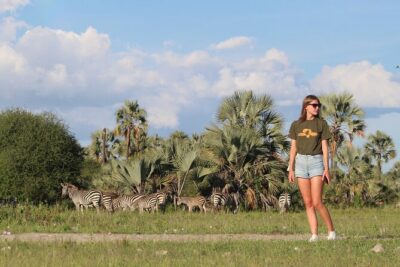
5-Day Highlights mid-Range Crater, Serengeti, Tarangire
Read our review →
Private 6-Day Tarangire Manyara Crater and Serengeti with Mid-Range Lodges
Read our review →
5 Days Camping Tarangire, Serengeti & Ngorongoro crater & Visiting Maasai
Read our review →Browse the lists this tour appears in