
Reviewed · SERENGETI & NGORONGORO SAFARIS
4 Days Join Group tour Tarangire Serengeti and Ngorongoro crater
Three parks, four unforgettable days.
This compact Tanzania safari gives you a strong first taste of the northern circuit, with Tarangire’s elephant herds, Serengeti game drives, and a full morning in Ngorongoro Crater. I like the small group limit of six and the fact that airport or hotel pickup, meals, accommodation, park fees, and a professional guide are arranged in one package. I also like the free Wi-Fi in the safari jeep, a useful touch during long drives between parks.
The main thing to weigh is the pace. You cover a great deal of ground in four days, including long road sections and early starts. Camping adds character and keeps the price reasonable, but it will suit you best if you are comfortable with simple conditions. Also note that the tour information describes the service as private while setting a maximum of six people, so confirm the exact group arrangement before booking.
In This Review
- Key points to know before booking
- Why this four-day route works
- Day one: elephants and dry-country wildlife in Tarangire
- Day two: crossing the highlands into the Serengeti
- Day three: an early Serengeti game drive
- Day four: inside the 610-meter Ngorongoro Crater
- Camping, meals, and everyday comfort
- The guide and vehicle can shape the experience
- What the $1,090 price really buys
- Who should book this safari?
- Should you book the Tarangire, Serengeti, and Ngorongoro safari?
- FAQ
- Where does the safari start and finish?
- How many people can join the safari?
- Are meals and accommodation included?
- Is a vegetarian meal available?
- Is Wi-Fi available during the safari?
- Are flights included in the price?
Key points to know before booking
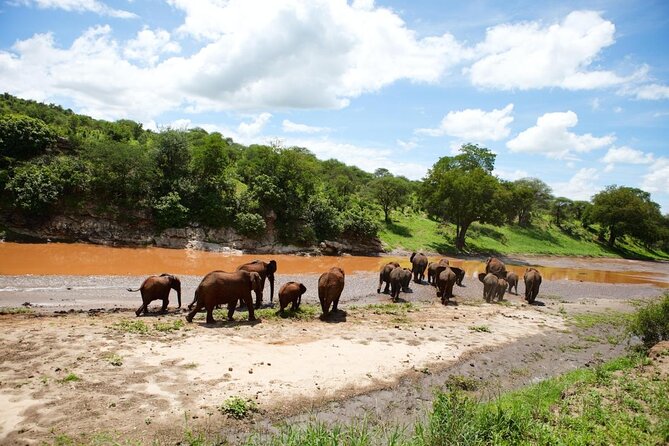
- Tarangire begins with elephants: The first full day focuses on one of Tanzania’s best places for large elephant herds, along with zebra, wildebeest, giraffe, buffalo, and antelope.
- Serengeti gets the longest wildlife focus: You reach the park late on the second day, then have an early game drive before heading toward Ngorongoro.
- Ngorongoro is the grand finale: A morning inside the 610-meter-deep crater gives you concentrated wildlife viewing across open grassland, streams, and lakes.
- The group is capped at six: That matters when you want a clear view from the vehicle and a little more room to ask questions.
- Camping is part of the adventure: Nights are planned at Sunbright Campsite and Simba Campsite, including one directly on the crater rim.
- English is the guiding language: French is not offered, so ask for another arrangement if you need a French-speaking guide.
Why this four-day route works
Tanzania’s northern safari circuit has three major names: Tarangire, Serengeti, and Ngorongoro. Seeing all three in four days is ambitious, but it gives you a useful mix of wildlife settings without requiring a week away from Arusha.
I like the order of the route. Tarangire eases you into safari with a full day among elephants and dry-country animals. Serengeti then supplies the sense of scale, with wide open plains and a broad mix of habitats. Ngorongoro finishes the trip with dense wildlife viewing in a dramatic volcanic basin.
You should expect a road-based safari rather than a relaxed lodge holiday. The second day includes the journey from Tarangire through the fertile highlands, past farms associated with the Iraqw people, through the Ngorongoro Conservation Area, and onward to the Serengeti. You reach the park by late evening, so the next morning is especially important.
The package price is $1,090 per person. That is not a bare-bones transport fee. It includes accommodation, meals according to the schedule, taxes, fees, handling charges, airport or departure tax, a professional guide, and transportation from Arusha. Park access is also included where specified, and the crater entry is clearly listed as included.
That bundled approach helps you budget. Safari costs can rise quickly when park fees, food, transfers, and overnight stays are added separately. The value here comes from having the major pieces arranged in advance, though you should confirm the exact accommodation standard and whether the four-night accommodation detail matches the four-day schedule. The day-by-day plan describes nights at campsites, while the included section says four nights, so this is worth clarifying.
More Serengeti and Ngorongoro safaris:
- Balloon Safari & Bush Breakfast in Serengeti – Miracle Experience
★ 5.0 · 1,646 reviews - 3 Days Serengeti & Ngorongoro Group Camping Safari
★ 5.0 · 574 reviews - 5-Day Highlights mid-Range Crater, Serengeti, Tarangire
★ 5.0 · 296 reviews
Day one: elephants and dry-country wildlife in Tarangire
Your first day starts after an early breakfast, with a drive from Arusha to Tarangire National Park. The plan allows about eight hours for the activity, including a full game drive and a picnic lunch.
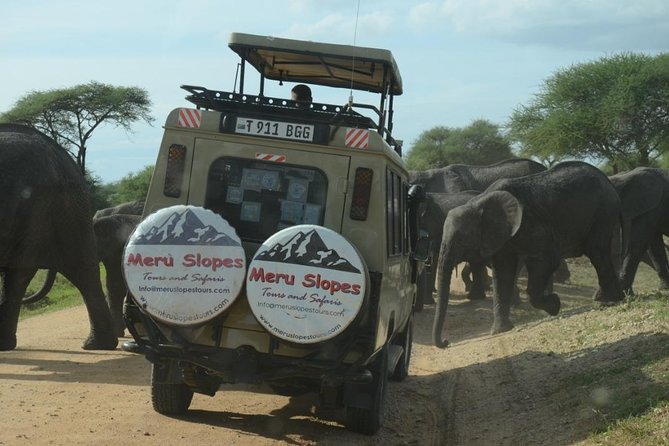
Tarangire is known for large elephant groups. Herds can reach around 300 animals, and the park’s wildlife gathers around water sources during dry periods. That makes the park a good opening act because you may not need to wait long before seeing substantial animal activity.
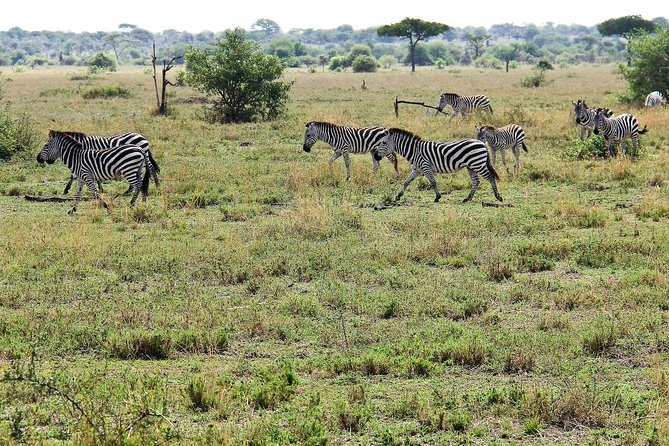
Expect to look for zebra, wildebeest, buffalo, impala, gazelle, hartebeest, and eland. The park is also one of the better places in Tanzania to look for the fringe-eared oryx and the long-necked gerenuk, two less familiar antelope species that add variety beyond the usual safari checklist.
Predators follow the herbivores. Tarangire’s concentration of animals gives lions and other hunters good opportunities, although no wildlife sighting is guaranteed. You might see giraffes and elephants close to the vehicle, a detail that can make the first day especially memorable.
The picnic lunch keeps the day moving, but a full game drive after an early start can be tiring. If you prefer slow mornings and a long lodge lunch, this will feel demanding. If you want maximum time in the park, the schedule makes sense.
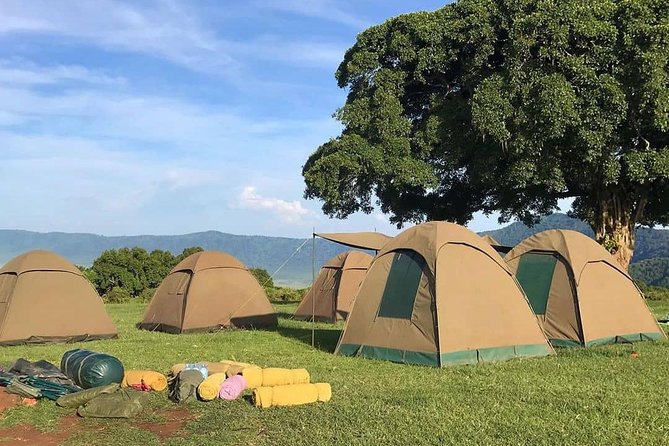
The overnight stop is planned at Sunbright Campsite. Camping can be a good fit here because you spend your time and money on the parks rather than on elaborate lodging. It also means you should pack for basic conditions and ask in advance what bedding, bathroom facilities, and electricity are provided.
Day two: crossing the highlands into the Serengeti
After breakfast, you continue toward Serengeti National Park. This is one of the longest-feeling days because the road itself is part of the experience.
The route passes through fertile highland country where wheat, coffee, and corn are grown by the Iraqw people. That change in scenery gives you a glimpse of rural Tanzania beyond the parks. You also pass through the Ngorongoro Conservation Area and get a view of the huge crater before continuing toward the Serengeti.
By late evening, you reach the park. Serengeti means endless plain in Maa, the language of the Maasai, and the name fits the broad scale of the region. The park includes grassy plains, swamps, lakes, and savanna areas, so game viewing changes with the habitat.
The trade-off is simple: you gain access to the Serengeti, but you spend much of the day in transit. There is no long game drive promised for this day, so you should not treat it as a full second day of wildlife viewing. The payoff comes on day three, when you head out early.
The group size matters on a driving day like this. With no more than six people, the vehicle should feel less crowded than a large shared safari truck. Still, seating and window access can affect comfort, so it is sensible to ask how seats are assigned.
Day three: an early Serengeti game drive
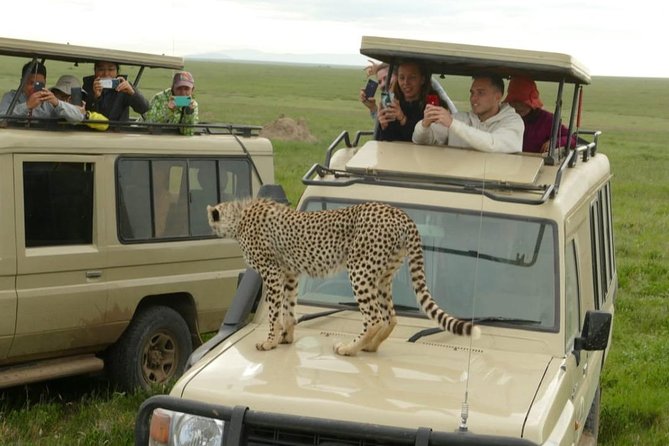
An early coffee sets up the third day. You head out for a game drive in the Serengeti before traveling toward Ngorongoro.
This is your main chance to search for the Big Five: lion, elephant, buffalo, rhino, and leopard. The open reserves are unfenced, allowing animals to move through connected areas. That freedom makes every sighting less predictable, but it also creates the feeling of watching wildlife in a functioning ecosystem rather than a contained animal park.
Serengeti game viewing depends on timing, animal movement, weather, and your guide’s decisions. You could see lions resting in the grass, elephants crossing open ground, or herds of grazing animals. A leopard or rhino is harder to find, so do not judge the safari only by whether you complete a checklist.
The guide can make a major difference here. Eddie and Halid received especially warm praise for their friendly approach, patience with questions, and ability to explain what you pass and see. If either guide is available, you can request one, though guide assignments are not guaranteed.
After the morning drive, you travel toward Ngorongoro Crater. The first view from the crater rim is one of the trip’s strongest moments. Below you are glistening streams, open grassland, and animals spread across the basin. The overnight stop is Simba Campsite, directly on the crater’s edge.
That location gives the night real atmosphere. An early sunrise from the rim can be spectacular, but the crater edge can also feel cold, even in December. Pack a warm fleece or jacket. One useful electrical tip is to bring a proper travel adapter, since the USB charging option may not work reliably.
More Tarangire safaris:
- Private 6-Day Tarangire Manyara Crater and Serengeti with Mid-Range Lodges
★ 5.0 · 238 reviews - 5 Days Camping Tarangire, Serengeti & Ngorongoro crater & Visiting Maasai
★ 5.0 · 229 reviews - 4-Day Safari from Arusha: Tarangire, Serengeti and Ngorongoro
★ 5.0 · 173 reviews - 2 Days Tarangire and Ngorongoro Group Camping Safari
★ 5.0 · 146 reviews
Day four: inside the 610-meter Ngorongoro Crater
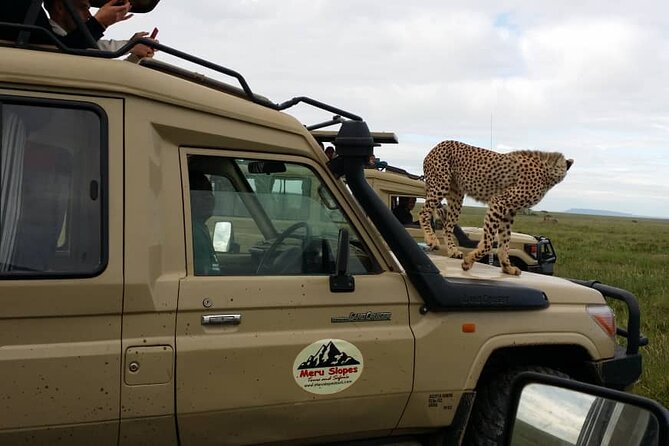
The final day starts early, with sunrise views from the crater rim and breakfast before the descent. The road into the crater is described as adventurous, so expect a rougher, winding approach rather than a smooth city transfer.
Ngorongoro Crater is about 610 meters deep and covers roughly 260 square kilometers. Its enclosed setting supports a very high concentration of wildlife, with an estimated 25,000 animals in the crater. That density is why many safari programs reserve a full morning here.
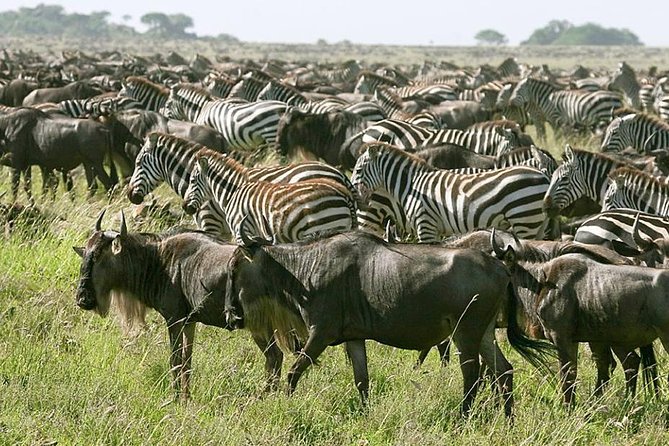
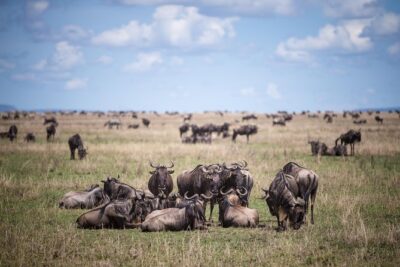
Inside the crater, you may see wildebeest, zebra, gazelle, and elephants across the open grassland. The crater also offers a chance to look for lions, buffalo, and other species. The setting changes quickly as you move between streams, grassland, and wetter areas.
The crater is a strong final stop because it gives you a concentrated wildlife experience after the wider, more spread-out Serengeti. It is not guaranteed to produce every animal on your wish list, but the compact area improves your odds of seeing plenty in a limited time.
After the crater visit, you return to Arusha. This makes the tour practical if you need to finish in the city, but it also creates another long driving day. If you have a flight immediately afterward, leave plenty of extra time and confirm the expected return schedule before booking airfare.
Camping, meals, and everyday comfort
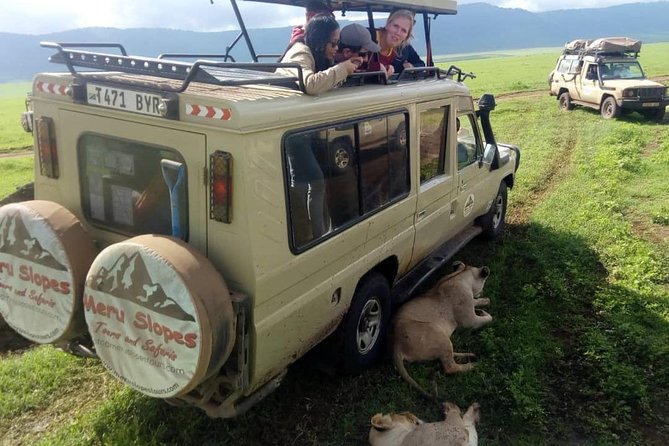
Food is one of the better-supported parts of this trip. Meals are included as arranged in the schedule, and the food has been praised for being generous and good. A vegetarian option is available, but you need to request it when booking.
The campsites give the safari a more direct connection to the outdoors. Sunbright Campsite is used after Tarangire, while Simba Campsite sits on the crater rim. That second location is particularly appealing because you can wake near one of Tanzania’s most striking natural settings.
Camping is not the same as staying in a private lodge. You may find it more basic, and the information does not spell out the room or tent setup, bathroom arrangements, or charging facilities. Ask these questions before you pay if comfort is a priority.
Wi-Fi is available inside the safari jeep throughout the safari. That is helpful during long transfers, especially if you need to stay in touch with family or manage travel plans. It should be treated as a useful extra, not the reason to choose the tour.
The guide and vehicle can shape the experience
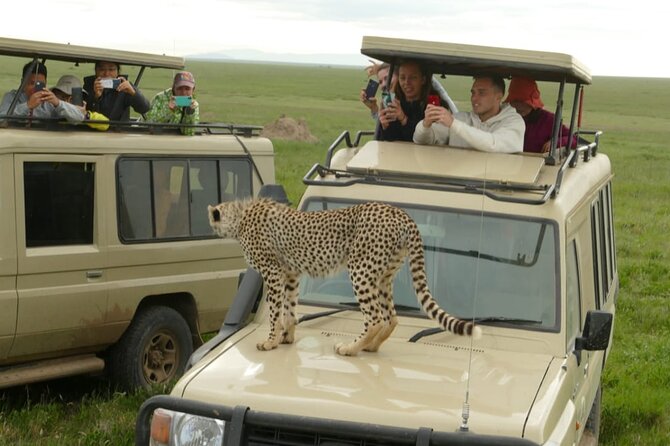
A good safari guide does more than point out animals. The guide explains animal behavior, identifies species, answers questions, and helps you understand how people, wildlife, and conservation fit together.
The tour includes a professional guide and focuses on personal service. The maximum of six people is a practical advantage because smaller groups usually make it easier to ask questions and position yourself for views. It also helps during long drives, when a crowded vehicle can become uncomfortable.
The available feedback gives particular credit to Eddie and Halid. Eddie is described as open to questions, friendly, and able to explain both wildlife and interesting details along the route. You can request those guides, but the provider may not be able to promise a particular assignment.
The language point is important. The guide service is in English, and French is not offered. If you need interpretation, settle that before departure rather than assuming it will be available.
What the $1,090 price really buys
At $1,090 per person, the tour offers solid value if you want a short, organized safari with the major costs grouped together. You are paying for three major parks, multiple game drives, transport from Arusha, accommodation, meals, taxes, a guide, and crater access.
The price is strongest for someone who would rather avoid arranging park permits, vehicles, camps, and meals separately. It also reduces the risk of surprise charges during the trip.
The value is less clear if you want luxury accommodation, a slow schedule, or several full days in each park. Four days is enough for a memorable introduction, but not enough for a leisurely exploration of the northern circuit. You are trading comfort and time for range.
Flights are not included. The tour starts and ends in Arusha, and pickup is offered from your hotel or airport. Confirm your pickup details and final drop-off plan before arrival.
Who should book this safari?
I would point this tour toward first-time safari visitors with limited time in Tanzania. You get elephants in Tarangire, the scale of the Serengeti, and the crater’s dense wildlife in one compact route.
It also suits you if you value organization, included meals, a small vehicle group, and a guide who can handle the practical details. The 100 percent recommendation rate and 5 out of 5 rating suggest a strong record of satisfaction, particularly around wildlife sightings, food, guide service, and the fun of camping.
I would hesitate if you dislike early starts, long drives, cold nights, or basic accommodation. Families and older travelers should also consider the pace and crater road conditions carefully, even though most people can participate.
Cancellation is flexible up to 24 hours before the start time, when a full refund is available. Within 24 hours, refunds are not provided, and late changes are not accepted.
Should you book the Tarangire, Serengeti, and Ngorongoro safari?
Book it if your priority is seeing Tanzania’s three headline safari areas in four days without building the trip yourself. The route is full, but the rewards are substantial: close elephant sightings, an early Serengeti drive, a crater-rim campsite, and a final morning among wildlife in Ngorongoro.
Before paying, confirm the apparent four-day and four-night difference, the exact camping setup, pickup time, guide language, and whether the service will be fully private or shared with up to five other people. If those details suit you, the $1,090 package offers a practical and wildlife-focused introduction to northern Tanzania.
FAQ
Where does the safari start and finish?
The safari starts in Arusha, Tanzania, with pickup offered from your hotel or airport. The activity ends back at the meeting point in Arusha.
How many people can join the safari?
The tour has a maximum of six participants. The description also refers to private service, so confirm the exact group arrangement before booking.
Are meals and accommodation included?
Yes. Accommodation and meals are included according to the schedule. The route lists Sunbright Campsite after Tarangire and Simba Campsite on the Ngorongoro Crater rim.
Is a vegetarian meal available?
Yes. A vegetarian option is available, but you should advise the provider when booking.
Is Wi-Fi available during the safari?
Yes. Free Wi-Fi is provided inside the safari jeep throughout the safari.
Are flights included in the price?
No. Flights are not included. The listed price covers the safari services and inclusions described for the Arusha-based trip.
Just added in Arusha
- Safari “Kifaru” – 5 days in the most famous Parks in the world★ 5.0 · 4 reviews
- Saadani Day Trip★ 5.0 · 13 reviews
- 3 Days Tanzania Short and Spicy★ 5.0 · 6 reviews
- 5 Day Tanzania Safari Camping Adventure Private Tour★ 5.0 · 2 reviews
- Day Trip to Ngorongoro Crater from Arusha★ 5.0 · 1 review
- SERENGETI NATIONAL PARK Tour★ 4.5 · 5 reviews
- 3 Days Serengeti Park & Ngorongoro Crater Adventure Safari★ 5.0 · 8 reviews
- 6 Days Tanzania Bush Experience Safari★ 5.0 · 6 reviews
Serengeti & Ngorongoro Safaris, compared.
Serengeti Balloon Safari and authentic bush breakfast
Read our review →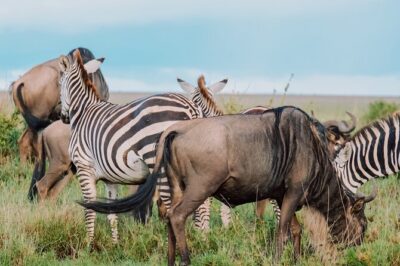
Balloon Safari & Bush Breakfast in Serengeti – Miracle Experience
Read our review →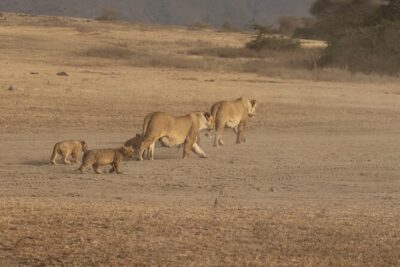
3 Days Serengeti & Ngorongoro Group Camping Safari
Read our review →
5-Day Highlights mid-Range Crater, Serengeti, Tarangire
Read our review →
Private 6-Day Tarangire Manyara Crater and Serengeti with Mid-Range Lodges
Read our review →
5 Days Camping Tarangire, Serengeti & Ngorongoro crater & Visiting Maasai
Read our review →Browse the lists this tour appears in