
Reviewed · DAR ES SALAAM TOURS
Dar es salaam Reality Tour
Dar es Salaam has more to show than its postcard views. This five-hour reality tour takes you to everyday local businesses, including a coffee maker, a Swahili breakfast stop, a traditional medicine place, and a khanga shop. I like the small-group feel, with no more than 30 people, and I like that bicycles or a bajaj are provided. The main concern is a serious reliability warning involving a missed pickup and an unresolved refund.
The half-day schedule also works well for a short stay. You start at 8:00 am and return to the Village Museum meeting point, leaving time for another activity later. Still, the inclusion details are unclear: drinks are listed as included, while another section says alcohol is not included, so you should confirm exactly what is covered before paying.
In This Review
- Key points at a glance
- Seeing Dar es Salaam through working neighborhoods
- The 8:00 am start at the Village Museum
- Traveling by bicycle or bajaj
- Meeting the coffee maker and seeing a small business
- A Swahili breakfast stop, with food left unclear
- Traditional medicine and local knowledge
- The khanga shop and the meaning of fabric
- What the $51.29 price really covers
- Group size, timing, and the feel of the morning
- Drinks, food, and what to confirm before departure
- Who will enjoy this Dar es Salaam experience
- Should you book the Dar es Salaam Reality Tour?
- FAQ
- Where does the tour start?
- What time does the tour begin?
- How long does the experience last?
- Where does the tour end?
- Is transport provided?
- What places does the tour visit?
- Is food included?
- Are alcoholic drinks included?
- How many people can join?
- Can I cancel for a full refund?
Key points at a glance
- A local-business route: Visit a coffee seller, a Swahili breakfast maker, a traditional medicine place, and a khanga shop.
- Five hours in the morning: The 8:00 am start leaves much of your day free afterward.
- Bicycle or bajaj transport: Your transport is provided, giving the tour a more direct connection to city life.
- Small maximum group: The tour accepts up to 30 people, though the actual group size is not specified.
- Good value for local contact: At $51.29 per person, the price covers the guided experience and bicycle or bajaj.
- Check the drink policy: Drinks are listed as included, but alcohol is separately listed as not included.
Seeing Dar es Salaam through working neighborhoods
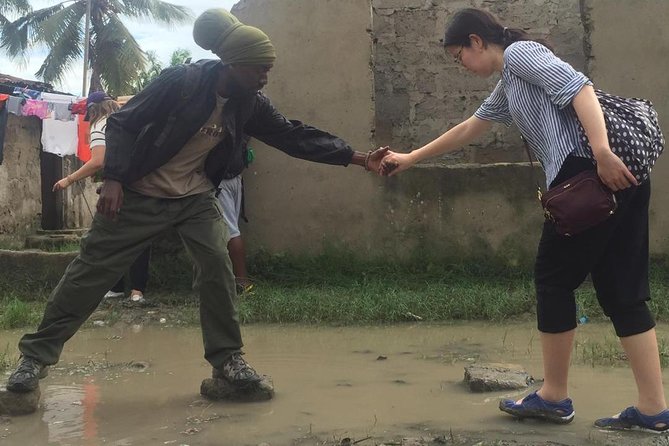
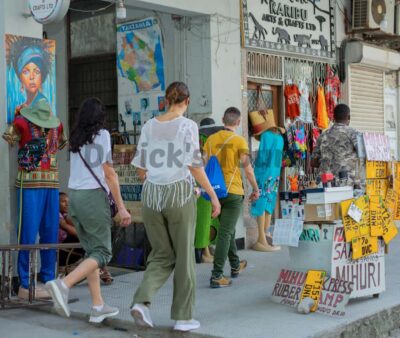
This is not a standard city sightseeing ride built around famous landmarks. The focus is on people earning a living and the small businesses that help shape daily life in Dar es Salaam.
That difference matters. You are not simply passing through the city while a guide points out buildings. You are scheduled to stop at places where products are made, sold, or used as part of everyday work. The coffee seller, breakfast maker, traditional medicine practitioner, and khanga shop each offer a different view of local commerce.
I like this approach because it gives you something to talk about and observe at close range. You can see how a drink is prepared, how a familiar meal connects to local routine, and how fabric functions as both clothing and merchandise. The tour is designed around contact with ordinary working life rather than a checklist of major attractions.
The word reality should not make you expect a staged hardship tour. The information provided points to visits with local workers and businesses from different socio-economic backgrounds. The value comes from seeing several kinds of work in one morning, not from treating people’s lives as scenery.
A few more options to weigh up in Dar es Salaam
- Dar es Salaam: City Tour
★ 4.7 · 159 reviews - Dar es Salaam City Center: Walking Tour
★ 4.8 · 102 reviews - Dar es Salaam City Tour – Everyday
★ 5.0 · 64 reviews
The 8:00 am start at the Village Museum
The tour begins at Kijiji cha Makumbusho, also called the Village Museum, in the Mikocheni area of Dar es Salaam. The listed map reference is 66FW+WG8, Dar es Salaam, Tanzania.
You should plan carefully for this meeting point. The activity begins at 8:00 am, and no hotel pickup is listed. Confirmation is sent when you book, but one serious complaint describes a booking made 24 hours ahead with no successful way to reconfirm, followed by a missed departure and a refund still pending.
That does not prove every departure will fail, but it is enough reason to avoid leaving the meeting point to chance. Book earlier than the last minute, save the confirmation, and make sure you have the meeting point clearly arranged. The tour is booked an average of 23 days ahead, which suggests that advance planning is normal and sensible.
The Village Museum is also a practical starting place because it gives the experience a clear public location. Still, the supplied information does not state how long you should wait if the guide is late or provide a direct emergency contact. Ask for those details before the morning of the tour.
Traveling by bicycle or bajaj
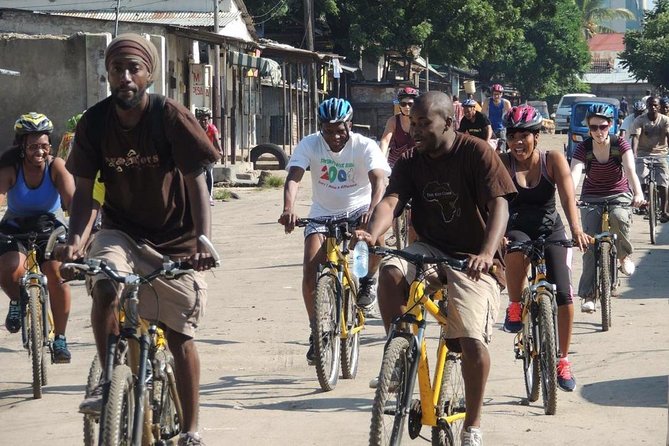
Transport is part of the experience. You will travel by bicycle or bajaj, and the tour provides whichever option is used for your outing.
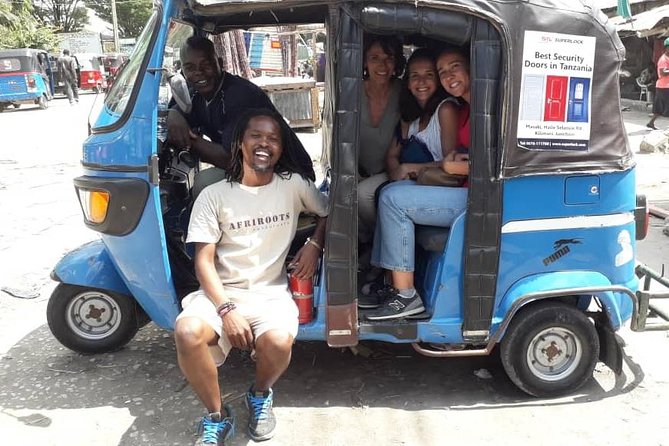
A bicycle makes the route feel personal and open. You move at street level, with less separation between you and the businesses you are visiting. A bajaj, the familiar three-wheeled taxi, offers a different kind of local transport and may suit you better if you do not want to cycle.
The information does not say how the choice is made, so do not assume you can select your preferred option. If the distinction matters to you, ask before booking or at confirmation.
The transport choice also affects the pace of the morning. A bicycle-based route may feel more active, while a bajaj-based route may make it easier to cover several stops. The tour description does not promise a particular distance, cycling difficulty, road condition, or level of physical exertion. Most people can participate, but you should still clarify the cycling requirement if you have mobility concerns.
Meeting the coffee maker and seeing a small business
The first named stop is a coffee maker who also sells coffee as a way to earn an income. This is a useful start because it connects a familiar drink with the work behind it.
You can expect this stop to focus on the coffee maker’s trade and sales. The available information does not specify whether you receive a full cup, a demonstration, or a chance to buy coffee, so you should treat the visit as a local business encounter rather than assume a tasting is included.
This stop may be especially appealing if you enjoy seeing how small businesses operate. It gives you a direct example of self-employment and shows how one product can support a household or individual income. At the same time, the tour does not provide details about the coffee process, the type of coffee, or how long you stay. That lack of detail is worth keeping in mind if coffee is your main reason for booking.
A different kind of day out entirely:
- MIKUMI NATIONAL PARK – 3 Days
★ 4.5 · 63 reviews - 2 nights 3 days safari to mikumi national park
★ 5.0 · 62 reviews - 2 Days 1 Night Mikumi National Park from Dar es salaam
★ 5.0 · 60 reviews - The Best/Top Rated Cultural City Tour in Dar es Salaam
★ 5.0 · 57 reviews
A Swahili breakfast stop, with food left unclear
Next comes a place where Swahili breakfast is made. This should add a strong cultural layer to the morning because breakfast is a daily habit, not a formal performance arranged only for visitors.
You may see the preparation of familiar local food and learn how the meal fits into ordinary life. The supplied details do not name the dish or promise a tasting. Most importantly, food is listed as not included, so you should not assume that breakfast is part of the $51.29 price.
That point needs careful attention. The tour may visit a breakfast maker without feeding you. If you want to sample the food, ask whether you can purchase it separately and whether the stop includes time to eat. The distinction between visiting a food business and receiving a meal can make a noticeable difference to the total cost and your expectations.
Because the tour starts early and lasts about five hours, having breakfast before arrival may be wise. You can then treat any food at the stop as an optional purchase rather than a promised part of the outing.
Traditional medicine and local knowledge
The route also visits a place associated with local traditional medicine. This is one of the more distinctive stops because it introduces a form of health practice that may be unfamiliar to you.
The description does not explain which remedies are shown, whether a practitioner gives a talk, or whether anything is available for purchase. I would approach this stop with curiosity and respect. It is best understood as a chance to learn about a local practice, not as medical advice or a reason to buy a treatment.
This stop also broadens the tour beyond food and shopping. You see another kind of livelihood and another way local knowledge can be organized and shared. Since the description provides no clinical claims, you should not expect diagnosis, treatment, or health consultation to be part of the activity.
The khanga shop and the meaning of fabric
A khanga shop completes the named list of business visits. Khanga fabric is closely associated with East African clothing and can carry strong visual and social meaning.
At the shop, you can expect a commercial setting rather than a museum display. The tour may give you a chance to look at fabrics and understand how this type of clothing is sold, but the description does not promise a purchase, demonstration, or particular selection.
This is a good place to remember that shopping is optional unless the tour says otherwise. You should not feel obliged to buy something simply because the group has stopped there. If you do want a khanga, ask about prices, payment, and whether the guide can explain the fabric’s use or printed wording.
Together, the coffee, breakfast, medicine, and khanga stops create a broad morning. None is described in great technical detail, but their variety is the main strength. You move from food to drink, health practice, and clothing, seeing several ways people make a living.
What the $51.29 price really covers
At $51.29 per person, this is not the cheapest way to spend a morning in Dar es Salaam. The price makes more sense if you value structure, local introductions, and included transport.
Your fee covers the tour, drinks according to the inclusion wording, and a bicycle or bajaj. Food is not included. Alcohol is also listed as not included, even though another highlight says drinks, including alcohol, are included. That contradiction should be settled in writing before you book.
The value is strongest for someone who wants local contact without arranging several visits alone. A half-day route can save you the work of finding each business and figuring out how to move between them. You are paying for the connection between the stops as much as for the stops themselves.
The value is weaker if you expect a detailed historical tour, a full meal, or a long list of major sights. None of those is promised. This is a people-and-business experience, with a practical city route and a clear morning endpoint.
Group size, timing, and the feel of the morning
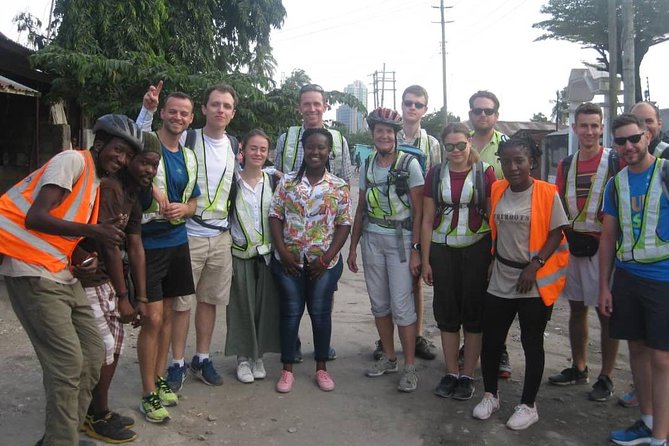
The maximum group size is 30 people. That is small enough to limit the size of the departure compared with a large coach excursion, but it is not necessarily intimate. The actual number booked for a particular date is not provided.
The five-hour length is one of the easiest features to appreciate. Starting at 8:00 am and ending back at the meeting point gives you time to plan something else later, provided the tour runs close to schedule.
The morning timing may also fit well with the businesses on the route. Coffee sellers, breakfast makers, and shops are natural places to visit early in the day. The trade-off is that you need to reach the Village Museum on time, and the tour does not offer a flexible start window.
The tour is designed to avoid crowds, which is another advantage. You are visiting working businesses rather than a major attraction with a fixed sightseeing rush. Still, no activity can promise complete privacy, especially with a possible group of up to 30 people.
Drinks, food, and what to confirm before departure
The inclusion information needs a careful reading. One section says drinks, including alcohol, are included. The included list says drinks and bicycle or bajaj, while the excluded list says food and alcohol are not included.
Because those statements conflict, I would not budget on complimentary alcohol. Ask the operator, Afri Roots Adventures, to confirm whether any drink is included, what kind it is, and whether alcoholic drinks cost extra.
Food is clearer: it is not included. The Swahili breakfast stop is therefore a visit, not a guaranteed meal. Carry enough money for an optional purchase if you want to try something, though the tour details do not state accepted payment methods or prices.
These small clarifications matter because a low-looking tour price can change once you add food and drinks. They also help you decide if the experience suits your morning habits and budget.
Who will enjoy this Dar es Salaam experience
I would recommend this tour most strongly to you if you prefer local businesses to formal sightseeing. It suits curious visitors who want to see how coffee, food, traditional medicine, and clothing connect with income and daily routines.
It also fits a short Dar es Salaam stay. The half-day schedule gives you a defined morning without taking over your entire day. The provided bicycle or bajaj removes one practical problem, especially if you do not know the city well.
You may want a different activity if you need guaranteed food, a detailed cultural lecture, famous landmarks, or a highly dependable last-minute booking. The missed-pickup complaint is the biggest reason to plan early and confirm carefully.
Service animals are allowed, the tour is near public transportation, and most people can participate. Still, no details are provided about bicycle adaptations, route surfaces, or support for particular mobility needs. Ask before booking if those points affect you.
Should you book the Dar es Salaam Reality Tour?
Book it if you want a structured introduction to everyday businesses and prefer a five-hour morning over a full-day sightseeing program. The coffee maker, Swahili breakfast stop, traditional medicine place, and khanga shop offer a useful range of local encounters, while the bicycle or bajaj keeps transport tied to the city itself.
At $51.29, the tour is fair value when the local introductions and transport are important to you. It is less compelling if you mainly want food, since meals are not included, or if you expect a polished attraction with detailed timing at every stop.
My practical advice is to book well ahead of the 24-hour cutoff, confirm the 8:00 am meeting point, and resolve the conflicting alcohol information before paying. With those points settled, this can be a worthwhile, low-crowd way to look beyond Dar es Salaam’s headline sights.
FAQ
Where does the tour start?
It starts at Kijiji cha Makumbusho, also called the Village Museum, in Mikocheni, Dar es Salaam. The listed map reference is 66FW+WG8.
What time does the tour begin?
The start time is 8:00 am.
How long does the experience last?
The tour lasts approximately five hours.
Where does the tour end?
The activity ends back at the meeting point at the Village Museum.
Is transport provided?
Yes. A bicycle or bajaj is provided as part of the tour.
What places does the tour visit?
The route includes a coffee maker who sells coffee, a place where Swahili breakfast is made, a traditional medicine place, and a khanga shop.
Is food included?
No. Food is listed as not included.
Are alcoholic drinks included?
The information is conflicting. One section says drinks, including alcohol, are included, while the exclusions say alcohol is not included. Confirm this with Afri Roots Adventures before booking.
How many people can join?
The maximum group size is 30 people.
Can I cancel for a full refund?
Yes, if you cancel at least 24 hours before the experience start time. Cancellations within 24 hours are not refunded, and changes within 24 hours are not accepted. If poor weather causes the tour to be canceled, you will be offered another date or a full refund.
Just added in Dar es Salaam
- Zanzibar: 3 Days to Mikumi and Chizua Waterfalls★ 3.5 · 5 reviews
- 3 Days and 2 Nights Mikumi Private Safari Adventure★ 5.0 · 2 reviews
- UDZUNGWA NATIONAL PARK AND WATERFALLS – 3 Days★ 4.5 · 2 reviews
- Explore Dar es Salaam: Full-Day Private City Tour★ 5.0 · 18 reviews
- Stone Town & Spice Tour★ 4.5 · 2 reviews
- Trip to the old City of Bagamoyo★ 5.0 · 1 review
- 2 Day Wildlife Experience and Masai Culture Mikumi Park★ 5.0 · 5 reviews
- Sunrise Beach Walk with Picnic Breakfast Activity★ 5.0 · 3 reviews
Dar es Salaam Tours, compared.



2 Days 1 Night Mikumi National Park from Dar es salaam
Read our review →
The Best/Top Rated Cultural City Tour in Dar es Salaam
Read our review →
Private Full-Day Trip to Mikumi National Park from Dar es Salaam
Read our review →Browse the lists this tour appears in