
Reviewed · WALKING TOURS
Dar es Salaam City Center: Walking Tour
Dar es Salaam reveals itself on foot. This two-hour walk links historic churches, colonial-era buildings, and the city’s working waterfront, giving you a useful first look at Tanzania’s commercial capital rather than a quick drive past its sights. I especially like the chance to visit Kivukoni Fish Market and the option to shape the route around your interests. The main trade-off is pace: with several landmarks packed into two hours, you may have limited time for photographs.
Guide Derick Lawrence is the key part of the experience. His flexible approach has included changing start times to avoid the midday heat, arranging alternative stops for visitors who could not visit the fish market, and even adding a view from one of Dar es Salaam’s twin towers when circumstances allowed. The tour costs $30 per person, which is fair if you want local context and a strong introduction in a short window.
In This Review
- Key things to know before you book
- Starting with St. Joseph Cathedral
- Azania Front Lutheran Church and German-era architecture
- The Askari Monument and a fuller story of World War I
- A quiet pause in the Botanical Garden
- Kivukoni Fish Market, the tour’s liveliest stop
- Old Boma and Dar es Salaam’s older buildings
- Local art and the option to change the route
- What the two-hour format really gives you
- Price, timing, and practical value
- Who should book this Dar es Salaam walk?
- Should you book the Dar es Salaam City Center Walking Tour?
- FAQ
- How long does the Dar es Salaam City Center Walking Tour last?
- How much does the walking tour cost?
- Which sights are included?
- Is the tour conducted in English?
- Can the fish market be replaced?
- Can I cancel the tour for a refund?
Key things to know before you book
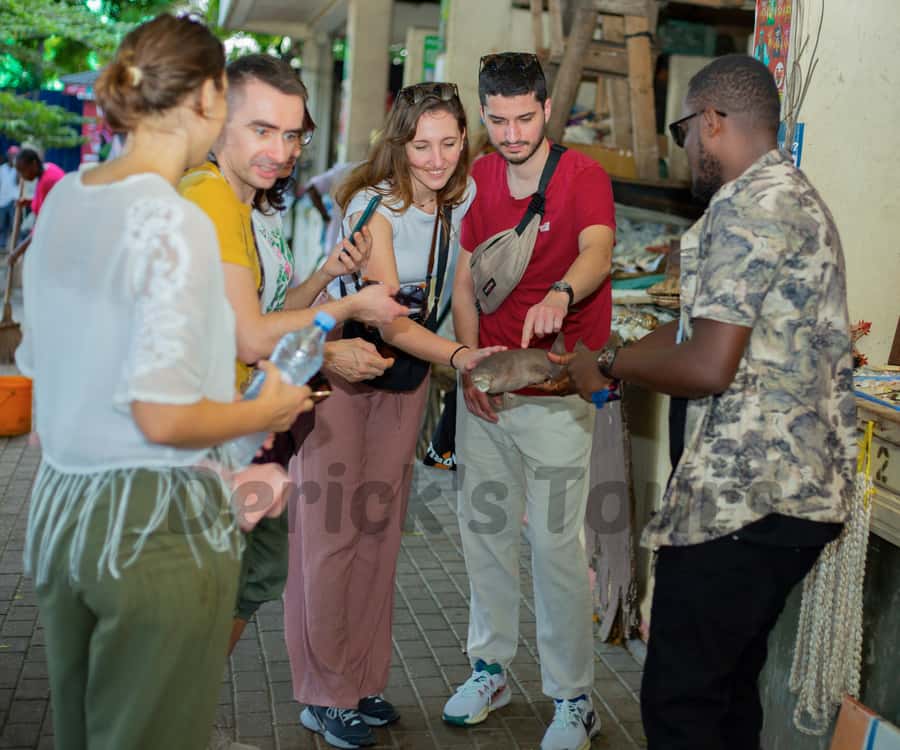
- The fish market is the most hands-on stop: You can watch seafood being sold, fishermen working with nets, and local commerce unfolding by the water.
- Derick adapts the route: Previous tours have included Coco Beach instead of the fish market and extra city viewpoints based on personal interests.
- The churches frame Dar’s colonial past: St. Joseph Cathedral and Azania Front Lutheran Church offer two different architectural and historical perspectives.
- The Botanical Garden gives the walk breathing room: It is a quieter green stop between busy streets and historic buildings.
- The tour suits a first day in Dar: You see major central sights while getting practical bearings for further exploring.
- Plan for a brisk walk: A few people have found the schedule tight, especially when stopping for photographs.
Starting with St. Joseph Cathedral
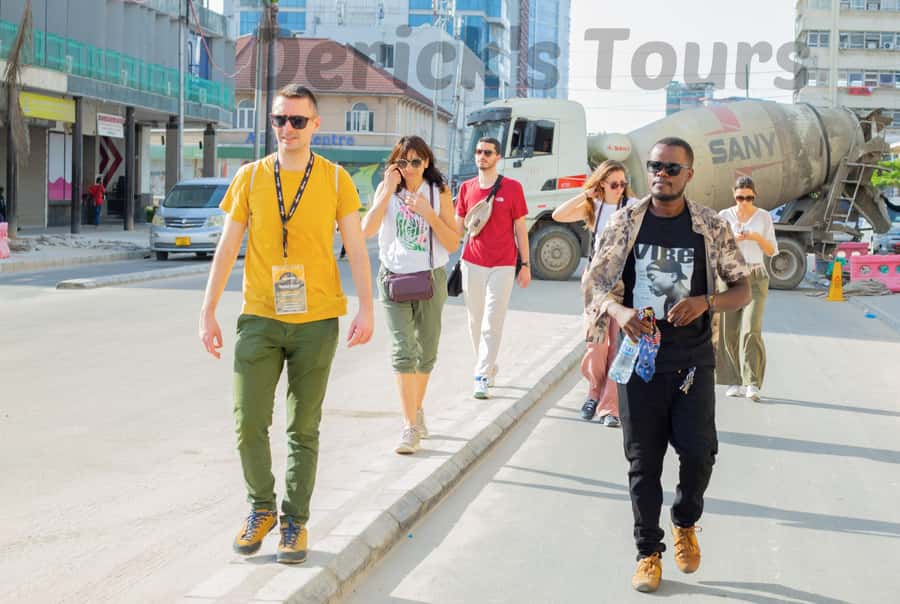
The tour begins at St. Joseph Cathedral, one of Dar es Salaam’s best-known landmarks. Its Gothic-style design gives the opening part of the walk a strong visual focus, especially if you enjoy architecture that feels different from the surrounding city streets.
This is more than a quick photograph stop. Derick uses the cathedral to explain how different periods and outside influences shaped Dar es Salaam. The church also helps you read the city center, where religious buildings, government structures, commercial streets, and older residences sit close together.
I would pay attention to the contrast between the cathedral’s formal design and the lively city around it. That contrast is part of Dar’s appeal. You are not walking through a preserved historic quarter where everything has been arranged for sightseeing. The old and current city occupy the same space.
The cathedral is also a sensible meeting point because it gives you an obvious landmark at the start. Exact meeting arrangements can be made in advance, and Derick has collected some groups from their hotel when requested. Confirm your meeting place before setting out.
More Walking Tours in Dar es Salaam
- 3 Days Nyerere NP [Selous GR] Game, Walking and Boat
★ 5.0 · 19 reviews - 3 Days Explore Selous Game Reserve + Boat safari + bushman walking
★ 5.0 · 5 reviews - 3-Day at Dar es Salaam To Selous GR (Nyerere NP) Game, Boat & Walking Safari
★ 5.0 · 4 reviews
Azania Front Lutheran Church and German-era architecture
From St. Joseph Cathedral, the walk continues to Azania Front Lutheran Church. This building reflects the German colonial period, giving you a second architectural viewpoint soon after the cathedral.
The value here is the comparison. St. Joseph Cathedral and Azania Front Lutheran Church are not simply two attractive buildings on a checklist. Together, they show how faith, colonial administration, and European design influenced central Dar es Salaam. Derick explains the setting in relation to the city’s development, including later British rule and the country’s movement toward the present day.
I like this part of the route because it provides context without requiring a long museum visit. You are standing in the actual city, looking at buildings that still form part of daily life. At the same time, the colonial connection deserves thoughtful treatment. A good guide should explain the period without reducing Tanzania’s story to European buildings alone, and Derick’s tours are described as balanced and non-partisan in their account of the city’s past.
You may want to ask questions here. Derick has been praised for explaining different periods, from the sultanate through German and British rule. That broad timeline helps you understand why Dar es Salaam has such a mixed architectural and cultural character.
The Askari Monument and a fuller story of World War I
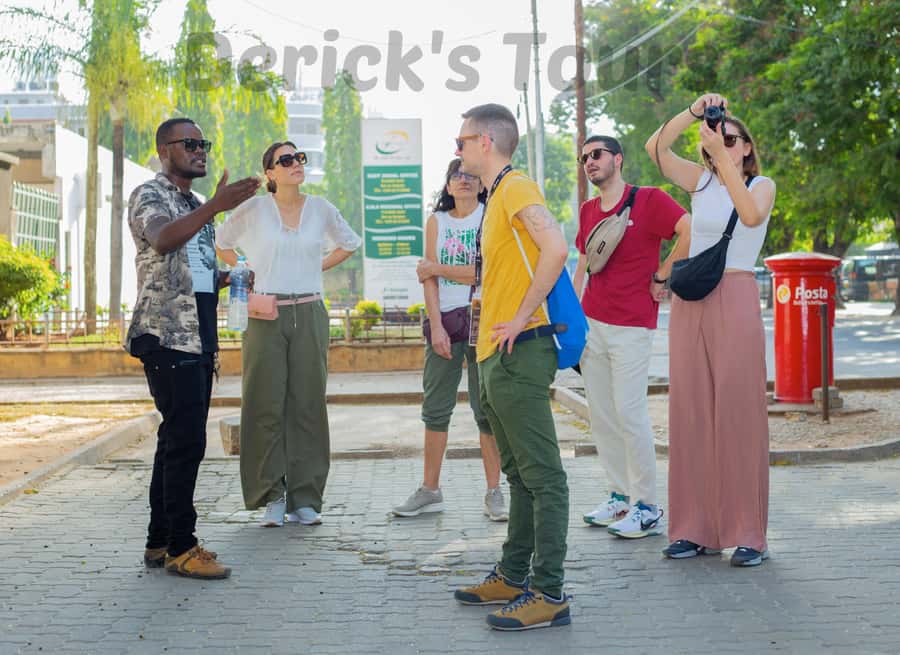
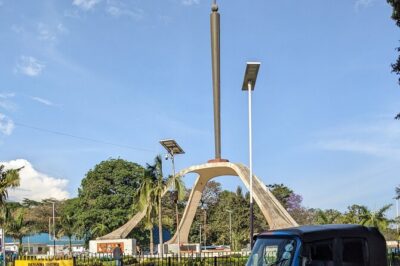
The Askari Monument is one of the central stops. It honors African soldiers who served during World War I, and it gives the tour a chance to move beyond architecture into the human cost and political meaning of the colonial period.
This is an important pause because monuments can look simple when seen without explanation. Derick provides the background needed to understand whom the monument remembers and why it matters in Tanzania. You are likely to get more from the site by listening carefully than by simply taking a photograph and moving on.
The monument also helps connect Dar es Salaam to wider events. The city’s story is not isolated from global history. European wars, colonial rule, local service, and later national identity all meet here in one public memorial.
If you like history, this may be one of the most rewarding parts of the walk. If you prefer a lighter sightseeing outing, the guide’s explanation still adds useful meaning, but you should know that this is an educational tour as much as a photo walk.
A quiet pause in the Botanical Garden
After the churches and monument, the Botanical Garden offers a change of mood. This green space gives you a short break from traffic, pavement, and the movement of the city center.
The garden contains tropical plants and trees, and its value is partly practical. A two-hour walking tour can feel demanding in Dar’s heat, so a quieter stop helps break up the route. It also shows you that central Dar es Salaam is not only office buildings, roads, and markets.
Do not expect a large botanical attraction based on the information provided. Think of it as a modest urban green space and a useful part of the city story. Derick can explain how this pocket of greenery fits into the center, while you get a chance to slow down and take in a different side of the city.
Timing matters here. One guest found a later 5 p.m. start more comfortable than a 2 p.m. departure. Another guide-arranged change moved a tour to a cooler time. If you have flexibility, ask about a morning or late-afternoon start rather than assuming the hottest part of the day will be pleasant.
A different kind of day out entirely:
- Dar es Salaam: City Tour
★ 4.7 · 159 reviews - Dar es Salaam City Tour – Everyday
★ 5.0 · 64 reviews - MIKUMI NATIONAL PARK – 3 Days
★ 4.5 · 63 reviews - 2 nights 3 days safari to mikumi national park
★ 5.0 · 62 reviews
Kivukoni Fish Market, the tour’s liveliest stop
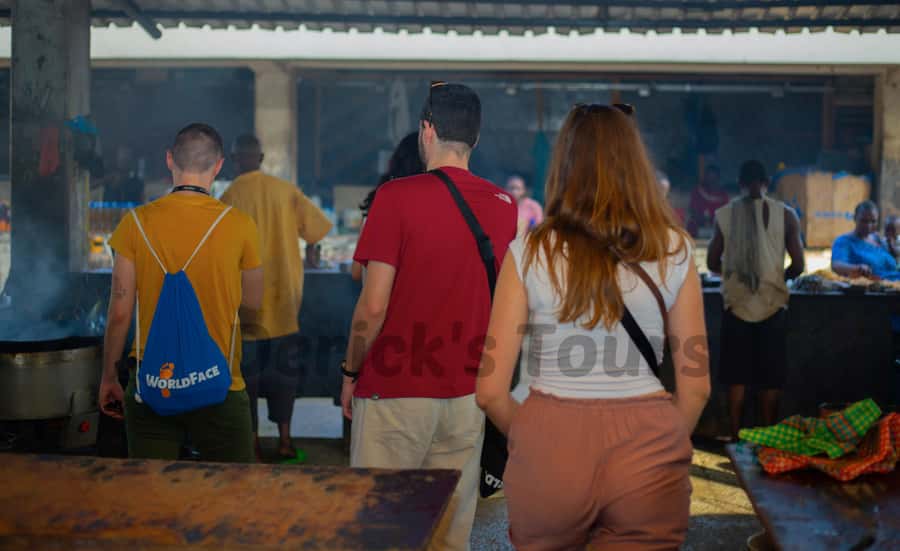
Kivukoni Fish Market is where the tour becomes most connected to everyday work. You can watch freshly caught seafood being sold, see fishermen handling nets, and observe the quick rhythm of trade near the water.
This is not a polished attraction built for visitors. That is precisely why it can be so memorable. The market gives you a direct look at food, work, negotiation, and coastal life in Dar es Salaam. You are seeing a functioning part of the city rather than a display prepared for sightseeing.
The market can also be intense. Strong smells, crowds, wet surfaces, and the close activity of seafood trading may not suit everyone. One guest asked to skip it because of an allergic reaction to the smell, and Derick arranged a visit to Coco Beach instead. This is a useful reminder to tell the guide about allergies, sensitivities, or anything you would rather avoid before the tour begins.
If you are comfortable with the setting, allow yourself to watch rather than rush. A past afternoon tour ended at the market, where the guest tried fresh street food with Derick and watched fishermen replace nets and sell seafood. Food is not listed as an included feature, so budget separately if you want to buy something.
The market is also a good place to ask about the city’s relationship with the Indian Ocean. Dar es Salaam’s identity is tied to the coast, trade, fishing, and connections across East Africa. A stop here makes those ideas concrete.
Old Boma and Dar es Salaam’s older buildings
Old Boma is one of the oldest surviving buildings in Dar es Salaam. Its design and age make it a useful stop for understanding the city’s architectural past and the changes brought by colonial administration.
I would expect the guide to provide the most value here through explanation rather than a long indoor visit. The information describes Old Boma as part of the walking route, but it does not promise extensive access inside or a museum-style presentation. Treat it as an important exterior and historical stop unless Derick confirms otherwise.
The building works well after the fish market because it shifts the focus back to civic history. You have just seen the city as a place of work and trade. At Old Boma, you consider how power, administration, and urban planning shaped the same central area.
This is also a good point to ask how Dar es Salaam changed from an older coastal settlement into Tanzania’s economic and cultural hub. Derick’s explanations cover the city’s formation, key buildings, past political periods, and present-day life. His strength appears to be connecting separate sights into one story.
Local art and the option to change the route
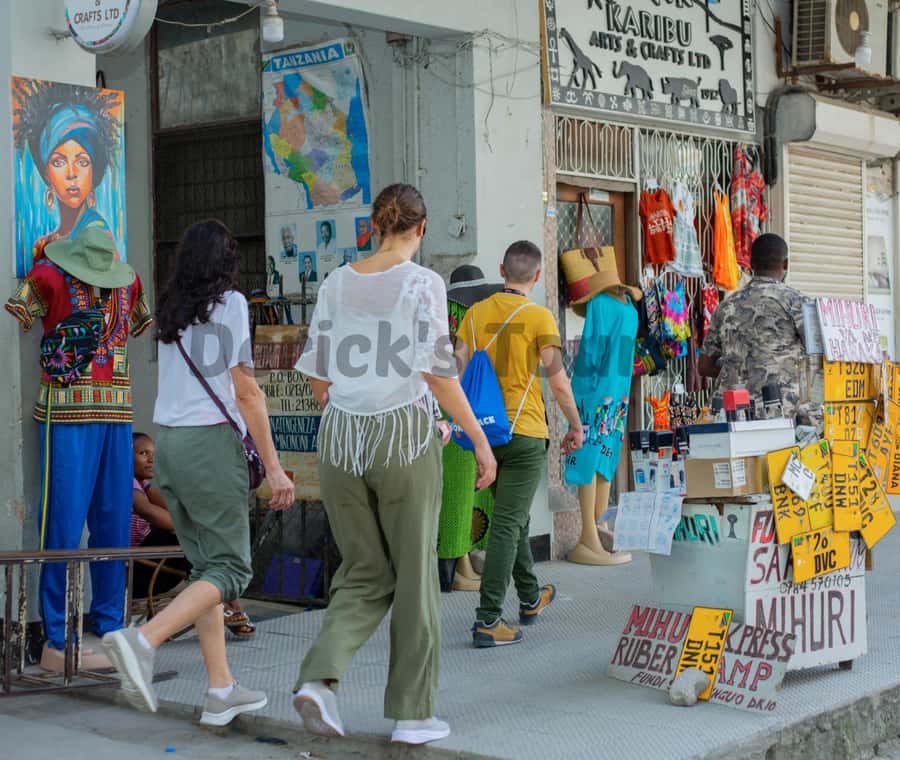
The experience includes a stop at a local art gallery. This adds a modern cultural note to a route otherwise focused on churches, monuments, gardens, markets, and older buildings.
The gallery is a useful reminder that Dar es Salaam is not only a place to study the past. Local art can give you another way to understand how people see their city and country today. The exact gallery is not specified, so ask Derick what will be open and which gallery fits your interests on your chosen date.
Customization is one of the strongest reasons to book this walk instead of joining a fixed bus circuit. You can message Derick in advance about your priorities. You might focus more on architecture, city history, local life, photography, or a replacement for the fish market.
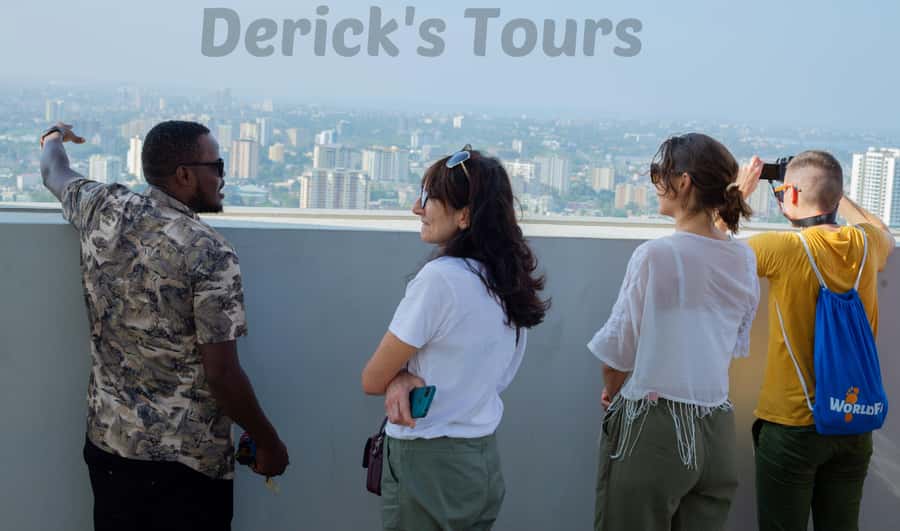
Previous route changes have included Coco Beach, hotel pickup, a tower viewpoint, and a private motorcycle-assisted tour when one person was booked for a time slot. These extras are not guaranteed, so treat them as examples of flexibility rather than promised inclusions.
What the two-hour format really gives you
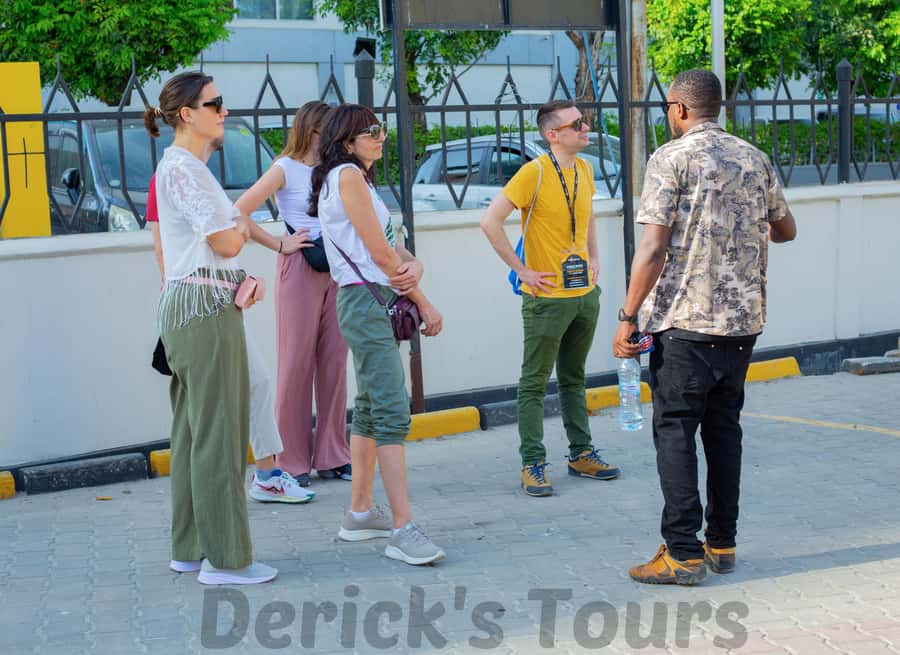
Two hours is enough to get a first impression, not enough to study every stop at length. The route covers many points, so you should expect regular walking and short explanations rather than long visits at each site.
I see this as a strength if you are in Dar es Salaam for a short stay, arriving before a safari, spending time between transport connections, or trying to understand the center before exploring alone. It is also useful on your first day because you can ask about areas to revisit later.
The pace has one clear weakness. One guest felt the tour moved too quickly for photographs. If taking pictures is a major goal, say so at the beginning and ask Derick to allow extra time at the stops that matter most to you. You may need to see fewer places in greater detail.
The guide’s pace has otherwise been described as comfortable and well judged. Group size can affect the experience. Some bookings have been small, and solo visitors have occasionally received a private-style tour. Do not assume every departure will be private, but a small group can make questions and route changes easier.
Price, timing, and practical value
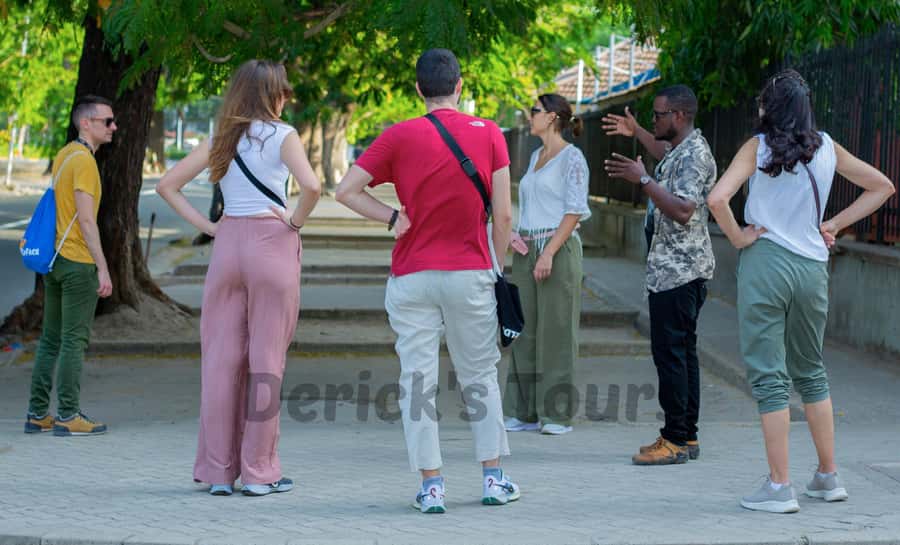
At $30 per person, this tour offers solid value if you want a local guide for a short orientation. The price includes Derick’s guiding, visits to the listed landmarks, and the possibility of adjusting the route to your preferences. It does not include food, drinks, or any extra transport or viewpoint unless those details are separately arranged.
The strongest value is the interpretation. You can walk past the cathedral, Askari Monument, Old Boma, and the churches on your own, but you would miss much of the connection between them. Derick’s background in Dar es Salaam’s history and culture turns separate buildings into a readable city story.
Choose your start time carefully. The tour lasts two hours, and later afternoon or morning may feel better than the hottest midday period. The tour is offered with an English-speaking guide, and English is the language listed for the experience.
You can cancel up to 24 hours before the start for a full refund, and reserve now while paying later. Those terms are useful if your wider Tanzania plans are still changing.
Who should book this Dar es Salaam walk?
I would recommend it most strongly to first-time visitors who want a city overview with real local contact. It suits solo visitors, couples, small groups, history fans, and anyone who prefers streets and working markets to a bus window.
It is also a good match if you want to ask questions. Derick has been praised for clear explanations, detailed answers, and an easygoing manner. Solo women have found the walk comfortable, and one solo guest appreciated the guide’s suggestions for further sightseeing and help with photographs.
You may want another type of experience if you dislike markets, heat, or brisk walking. The route is not built around long indoor visits, and the fish market may be uncomfortable for anyone sensitive to seafood smells. Ask for a change to Coco Beach or another suitable stop.
Photography-focused visitors should set expectations early. You can take pictures, but the number of sites in two hours means you may not get unlimited time at each one. A private booking or a customized, shorter route may work better if every stop needs careful attention.
Should you book the Dar es Salaam City Center Walking Tour?
Book it if you want a practical first look at Dar es Salaam and value explanation over spectacle. The combination of St. Joseph Cathedral, Azania Front Lutheran Church, Askari Monument, Botanical Garden, Kivukoni Fish Market, Old Boma, and local art gives you a useful cross-section of the city in a compact format.
The best reason to choose it is Derick’s flexibility. Tell him what interests you, mention any health or food sensitivities, and ask for a cooler start time. If you can accept a brisk pace and a market that feels entirely real rather than polished, $30 buys a strong introduction to Dar es Salaam.
FAQ
How long does the Dar es Salaam City Center Walking Tour last?
The tour lasts two hours.
How much does the walking tour cost?
The listed price is $30 per person.
Which sights are included?
The route includes St. Joseph Cathedral, Azania Front Lutheran Church, the Askari Monument, the Botanical Garden, Kivukoni Fish Market, Old Boma, and a local art gallery. The exact route can be adjusted based on your interests.
Is the tour conducted in English?
Yes. The listed live guide language is English.
Can the fish market be replaced?
Yes. Route changes are possible. A previous tour replaced Kivukoni Fish Market with Coco Beach because the guest had an allergic reaction to the market smell. Contact Derick before the tour to discuss your needs.
Can I cancel the tour for a refund?
You can cancel up to 24 hours in advance for a full refund. You can also reserve now and pay later.
Just added in Dar Es Salaam
- Zanzibar: Spice farm Private tour with Lunch★ 5.0 · 1 review
- Mbudya island from Dar es salaam safari.★ 4.2 · 3 reviews
- Maasai, Mikumi NP & Chizua Falls 3 Days From Dar es salaam★ 5.0 · 4 reviews
- From Dar es Salaam: Mikumi National Park Day Trip★ 5.0 · 3 reviews
- From Dar Es Salaam: Mikumi National Park 2 Nights and 3 Days★ 5.0 · 2 reviews
- Explore Dar es Salaam: Full-Day Private City Tour★ 5.0 · 2 reviews
- Escape to Paradise A day of sun, sand and adventure Mbudya★ 5.0 · 1 review
- DAR ES SALAAM:BONGOYO ISLAND SNORKELING TOUR & BEACH ESCAPE★ 4.7 · 9 reviews
Walking Tours, compared.
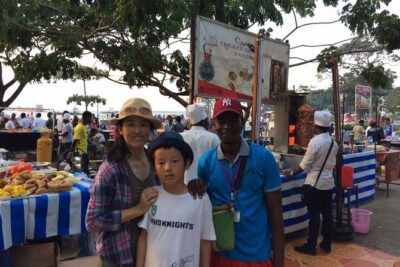
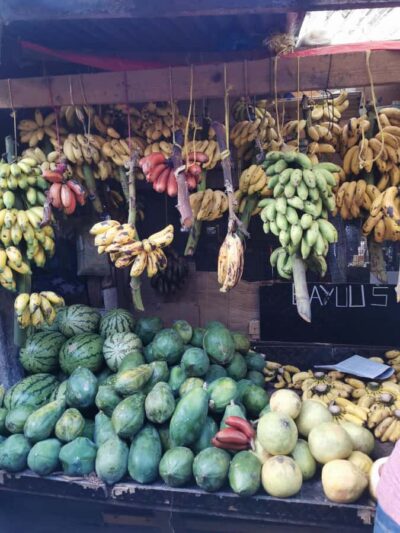
3 Hours Private Stone Town walking Tour with Guide
Read our review →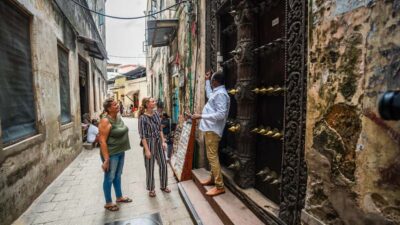
Stone Town Historical Cultural Walking Guided Tour
Read our review →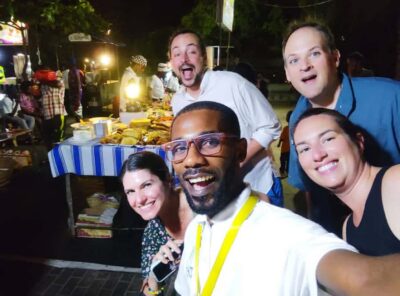
Arusha Guided Walking City Tour, Culture, Lifestyle & History
Read our review →
Browse the lists this tour appears in