

Reviewed · CITY TOURS
Dar es Salaam: City Tour
Dar reveals itself one stop at a time. This six-hour tour brings together museums, markets, monuments, and art, giving you a useful first look at Tanzania’s largest city. I especially like the mix of formal history at the National Museum and everyday life at the fish market. I also like that guides often adjust the day to your interests, as Derick, Mike, Michael, Chris, and Anna did for past visitors.
The main thing to consider is traffic. Dar es Salaam is large and busy, so time in the vehicle can be significant. One person felt the museum portion ran long, and the number of stops means you should expect a full, active six hours rather than a relaxed morning with a long hotel break.
In This Review
- Key points to know before you book
- Why this Dar es Salaam tour works as a first day
- The National Museum: start with Tanzania’s wider story
- The Village Museum and traditional Swahili homes
- Fish Market: Dar at its most immediate
- City Centre, Askari Monument, and historic buildings
- Mwenge Carvings Market and Tingatinga art
- Slipway Shopping Centre and Oyster Bay
- How the guides shape the day
- Timing, comfort, and what to bring
- Who should book this city tour?
- Should you book it?
- FAQ
- How long does the Dar es Salaam city tour last?
- What is included in the price?
- Is lunch included?
- What language does the guide speak?
- Where does pickup take place?
- Which places are included on the tour?
- What should I bring?
- Can I cancel the tour?
Key points to know before you book
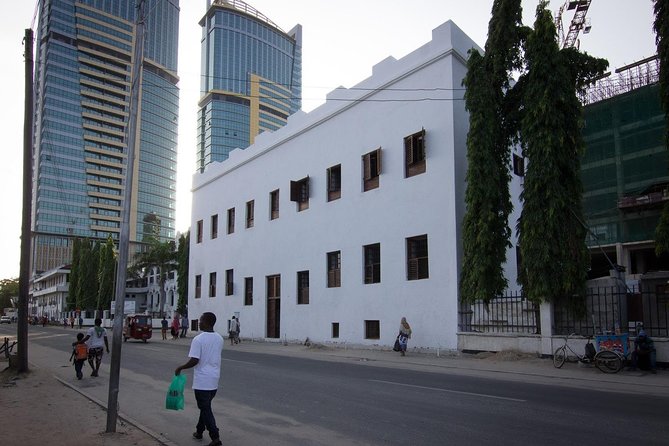
- The National Museum anchors the history lesson, with exhibits on Tanzania’s past and traditional cultures.
- The Fish Market offers the most immediate look at local daily life, but it can be intense, crowded, and strongly scented.
- The Village Museum adds houses, music, dancing, and cultural context that you cannot get from a drive through the city.
- Mwenge Carvings Market and Tingatinga Arts Cooperative give you chances to see and buy local art.
- The tour is often shaped around your interests, with guides willing to include requested stops when time allows.
- Air-conditioned transport matters in Dar, especially when traffic and heat turn short distances into slow journeys.
Why this Dar es Salaam tour works as a first day
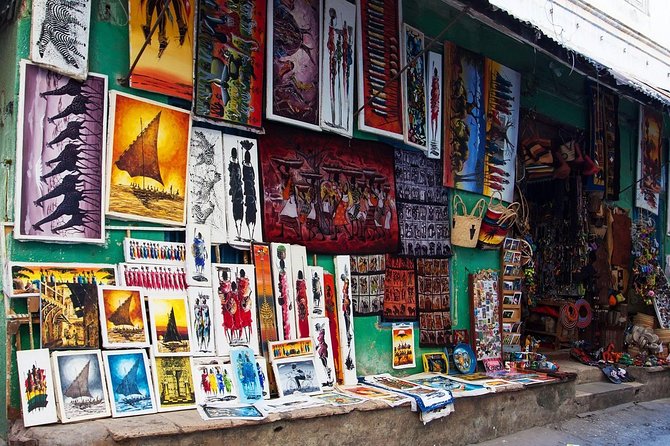
Dar es Salaam means house of peace, though the city itself can feel anything but quiet once traffic gets moving. It is Tanzania’s largest city, a major port, and a place where historical buildings, religious sites, markets, art spaces, and modern shopping areas all sit within one broad urban picture.
For me, the value of this tour is its range. You are not simply driven past a few monuments and sent back to your hotel. You get formal museum displays, reconstructed homes, working markets, shopping, and commentary on buildings passed along the road.
That variety is useful if you have only one day in Dar es Salaam. It also suits you if you have just arrived and want the city to make sense before exploring on your own. Several guides have been praised for answering questions about both Dar and Tanzania as a whole, not just reciting the names of buildings.
The tour costs $77 per person and lasts six hours. Lunch and drinks are extra, but the price includes an air-conditioned vehicle, taxes and fees, National Museum admission, Tingatinga Arts Cooperative admission, and entry to the Askari Monument. I consider that a fair price for a private or small-party style day with transport and a guide, especially if you want to cover distant parts of the city without arranging taxis stop by stop.
A few more options to weigh up in Dar Es Salaam
- Dar es Salaam City Center: Walking Tour
★ 4.8 · 102 reviews - Dar es Salaam City Tour – Everyday
★ 5.0 · 64 reviews - MIKUMI NATIONAL PARK – 3 Days
★ 4.5 · 63 reviews
The National Museum: start with Tanzania’s wider story
The National Museum is one of the strongest parts of the day. It gives you a foundation for understanding the country before the tour moves into markets and neighborhoods.
Expect exhibits connected to Tanzania’s traditional cultures and national history. The museum is especially useful because the rest of the day places those ideas in living settings. After seeing objects and displays indoors, you can look at local art, homes, commerce, and religious buildings with more context.
Several people found the museum highly informative, but one person felt too much time was spent there. This is a fair warning. If you enjoy history, archaeology, and cultural displays, you may wish the museum visit lasted longer. If you are more interested in street life, shopping, or architecture, tell your guide early so the balance can be adjusted.
Guides such as Mike, Michael, Anna, and Derick have been praised for explaining Tanzania’s independence, cultural traditions, and city development in clear English. That personal explanation is the real reason to visit with a guide. Museum labels rarely answer the follow-up questions you will naturally have.
The Village Museum and traditional Swahili homes
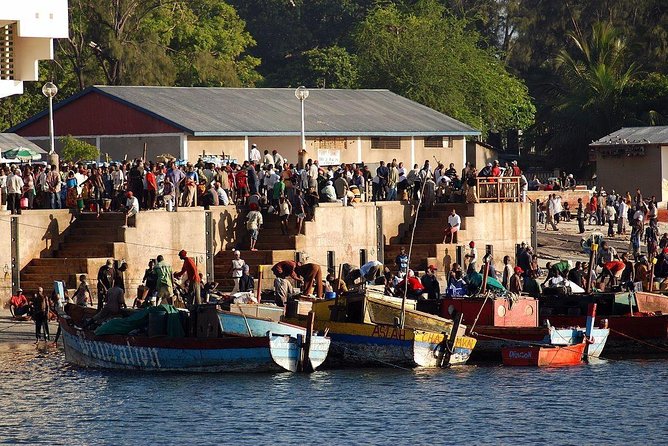
The Village Museum is not a village in the usual sense. It presents examples of traditional homes from different parts of Tanzania, allowing you to compare building styles and ways of life without traveling across the country.
This stop is valuable because it shows how homes were designed around local materials, weather, family life, and community customs. One guide explained traditional Swahili homes as practical buildings that worked with the environment long before modern sustainability became a popular talking point.
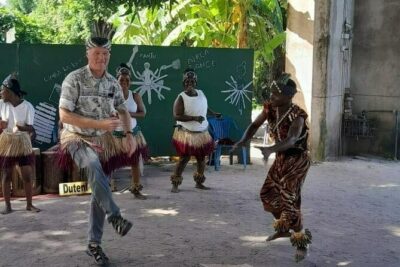
You may also see local music and dancing here. That performance adds energy to the visit, but the most meaningful moments can come from the explanations of the homes themselves. One guide, Mike, pointed out houses linked to the southern Makua people and explained his own connection to that group. A personal link like that can turn a display into something far more memorable.
Anna has also been praised for giving detailed explanations of local marriage rules and customs. This is the sort of subject that benefits from a local guide because the meaning is not always obvious from the buildings alone.
Plan on walking around the museum grounds, so comfortable shoes are a wise choice. Sunscreen is also recommended, since the tour includes outdoor stops and waiting time between locations.
Fish Market: Dar at its most immediate
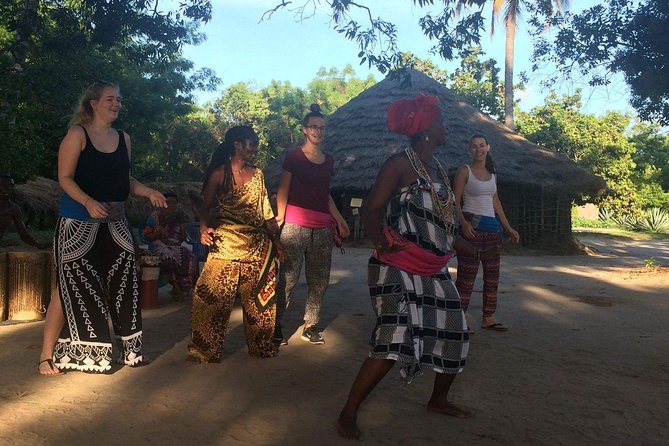
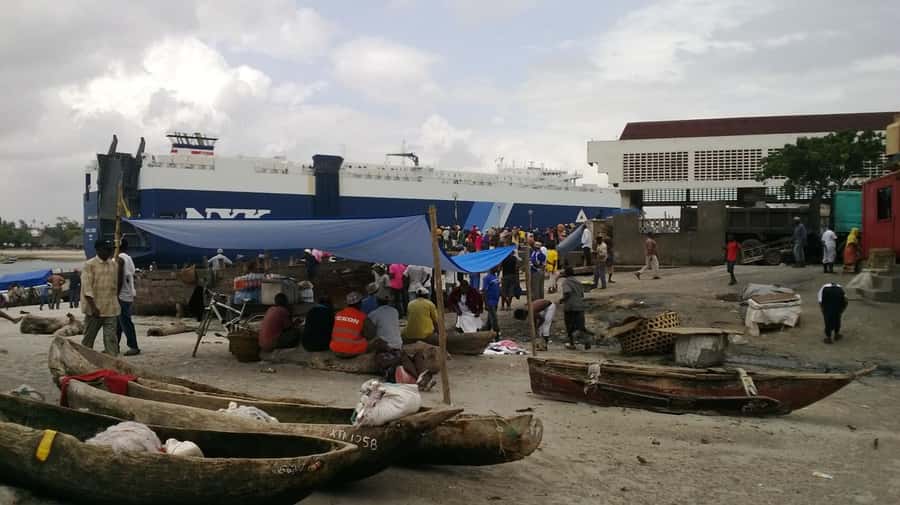
The Fish Market is billed as the biggest in East Africa, and it gives you a direct look at the city’s working waterfront economy. This is not a polished attraction designed only for photographs. It is a place connected to buying, selling, fishing, and daily food supply.
You should expect a lively and sensory stop. Fish, people, movement, and strong smells are part of the experience. That may be too much for you if you dislike crowded markets, but it is also why this stop feels more revealing than a drive through the central business district.
A number of visitors singled out the fish market as a favorite. One person said they would not have gone there alone, which points to a practical benefit of the tour: your guide can take you to places that may feel difficult to navigate without local help.
The tour information also refers to a ferry ride across the Dar es Salaam channel in one account of the day. Do not assume that every departure includes the same ferry segment, since routes can vary. If seeing the fish market by ferry matters to you, ask about it when arranging the tour.
A different kind of day out entirely:
- 2 nights 3 days safari to mikumi national park
★ 5.0 · 62 reviews - 2 Days 1 Night Mikumi National Park from Dar es salaam
★ 5.0 · 60 reviews - The Best/Top Rated Cultural City Tour in Dar es Salaam
★ 5.0 · 57 reviews - Private Full-Day Trip to Mikumi National Park from Dar es Salaam
★ 5.0 · 54 reviews
City Centre, Askari Monument, and historic buildings
The city-center portion helps connect old Dar es Salaam with its present-day role as a major Tanzanian city. You may see the Askari Monument, historic buildings, St. Joseph Cathedral, Azania Front Cathedral, and other important sites depending on the route and opening times.
Entry to the Askari Monument is included. The monument is a useful reference point for understanding the city’s colonial-era public spaces and changing political story, while the cathedrals show the influence of different religious and architectural traditions.
One person arrived at St. Joseph Cathedral but found it closed. That is a useful reminder not to treat every stop as an interior visit. Some sites are best appreciated from outside, and opening hours can affect the plan.
The guide’s commentary while driving is an important part of this section. You may hear about buildings and landmarks that are not listed as formal stops. Guides such as Michael and Mike have been praised for explaining what you pass on the road, which makes traffic time more useful.
Dar’s traffic can be appalling, according to one account, but the same person felt completely safe with the driver. Safe, calm driving is repeatedly praised, along with punctual pickup and good communication before the tour. That matters here. A city tour can quickly become tiring if you are worrying about navigation, parking, or getting back to a port on time.
Mwenge Carvings Market and Tingatinga art
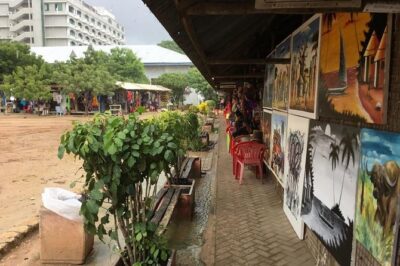
Mwenge Carvings Market is the shopping stop, with locally made wood carvings and souvenirs. It is a good place to browse if you want something tangible from Tanzania, but you should allow yourself time to look carefully and compare items rather than rushing into the first purchase.
The shopping element is not forced into the whole day. Past itineraries have included time for people interested in buying souvenirs, while guides have also adjusted the schedule for visitors more focused on history and culture. Tell your guide what you want before setting off.
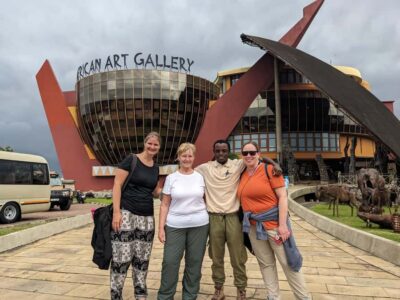
The Tingatinga Arts Cooperative Society offers a different artistic experience. Rather than focusing on carved objects, this stop introduces the Tingatinga painting tradition and gives you a chance to see works connected with a well-known Tanzanian style.
Admission is included. That makes the gallery a better-value stop than a purely commercial shopping visit, since you are paying for an art and cultural experience as well as browsing. If you want to buy art, ask about prices, packing, and shipping before making a decision. Those details are not included in the tour information, so do not assume they are handled automatically.
Slipway Shopping Centre and Oyster Bay
Slipway Shopping Centre adds a more modern side of Dar es Salaam. After markets, museums, and traditional homes, this area shows the city’s contemporary face, with shopping and entertainment in a setting associated with the coast.
The stop may suit you if you want a break from historical sites or need a more familiar place to browse. It is less essential if your main interest is local history, since the market and museum stops offer more cultural detail.
Oyster Bay is also mentioned in the experience, and the route may include other parts of the city depending on your guide and your priorities. This flexibility is one of the tour’s better features. Derick and Michael, in particular, have been praised for taking requests seriously and making the day feel close to a custom tour.
Still, flexibility has limits. You cannot expect every possible landmark, market, museum, and shopping area to fit comfortably into six hours. Traffic eats into the schedule, and adding one stop usually means spending less time somewhere else.
How the guides shape the day
The guide can make or break this experience. The strongest praise goes to guides who combine local knowledge with patience, safe driving, humor, and a willingness to listen.
Mike, Michael, Derick, Chris, and Anna are names associated with especially strong experiences. Past visitors describe them as friendly, professional, calm, and able to speak excellent English. More important, they explain the city rather than simply pointing at it.
You can ask about independence, local customs, religion, architecture, markets, tribal traditions, and everyday life. Guides have also helped with practical requests, including changed pickup arrangements and finding a phone company.
The tour may be especially good for solo visitors. One solo visitor enjoyed the day fully, and another described the experience as a particularly strong introduction to the city. You do not need to arrive with a long list of questions, but you should mention your interests at pickup. The more your guide knows about what you want, the better the balance between museum time, shopping, markets, and landmarks is likely to be.
Timing, comfort, and what to bring
The advertised duration is six hours, with pickup included from your hotel. You should wait in the hotel reception or lobby five minutes before the scheduled pickup time. Some people have also used the tour after arriving by ferry or cruise-related transport, but confirm the pickup point clearly if you are not staying at a hotel.
The air-conditioned vehicle is included and is more than a small luxury. Dar’s heat, traffic, and spread-out attractions can make a self-guided day tiring. Several people specifically appreciated the comfortable car and calm driving.
Lunch and beverages are not included. You need to budget for those separately, though the supplied information does not specify a lunch location or price. Bring comfortable shoes and sunscreen, and consider carrying any personal water you prefer.
The day can be adjusted, but do not book it expecting a split schedule with a long nap back at the hotel. One past experience makes clear that this is intended as one continuous full-day outing.
Cancellation is flexible up to 24 hours before the tour for a full refund, and you can reserve now and pay later. Starting times depend on availability, so check the option that suits your arrival or departure plans.
Who should book this city tour?
I would choose this tour if you have one day in Dar es Salaam, are visiting for the first time, or want local context before exploring independently. It is also a good fit if you prefer a car between stops and want a guide who can answer questions in English.
History fans will get the most from the National Museum, city-center buildings, monuments, and commentary on Tanzania’s path to independence. Art lovers should appreciate the Tingatinga cooperative and Mwenge carvings market. Anyone curious about daily life will likely find the fish market and Village Museum the most revealing stops.
I would be more cautious if you dislike busy markets, want a slow beach day, or prefer to spend a whole morning in one museum. The itinerary covers a lot of ground, and traffic can make the pace feel uneven.
Should you book it?
Yes, if you want a broad and practical introduction to Dar es Salaam in six hours. At $77 per person, the included transport, admissions, and English-speaking guide offer solid value, particularly when you factor in the city’s size and traffic.
Ask for a guide who matches your interests, and tell them whether you care most about history, markets, art, shopping, or architecture. If you have a port departure later the same day, allow plenty of buffer time and confirm the return plan. This is not the deepest possible study of any one subject, but it is an effective first chapter in getting to know Dar.
FAQ
How long does the Dar es Salaam city tour last?
The tour lasts six hours. It is planned as a full outing rather than two separate half-day sessions.
What is included in the price?
The $77 price includes an air-conditioned vehicle, all fees and taxes, National Museum admission, Tingatinga Arts Cooperative Society admission, and entry to the Askari Monument.
Is lunch included?
No. Lunch and beverages are not included in the tour price.
What language does the guide speak?
The live tour guide speaks English.
Where does pickup take place?
Pickup is included from your hotel. You should wait in the hotel reception or lobby five minutes before the scheduled pickup time.
Which places are included on the tour?
The route can include the National Museum, Village Museum, Mwenge Carvings Market, Tingatinga Arts Cooperative Society, Slipway Shopping Centre, Fish Market, city center, historic buildings, and other sites.
What should I bring?
Bring comfortable shoes and sunscreen. Lunch and drinks are not provided, so plan for those separately.
Can I cancel the tour?
Yes. You can cancel up to 24 hours in advance for a full refund. You can also reserve now and pay later.
Just added in Dar Es Salaam
- Zanzibar: Spice farm Private tour with Lunch★ 5.0 · 1 review
- Mbudya island from Dar es salaam safari.★ 4.2 · 3 reviews
- Maasai, Mikumi NP & Chizua Falls 3 Days From Dar es salaam★ 5.0 · 4 reviews
- From Dar es Salaam: Mikumi National Park Day Trip★ 5.0 · 3 reviews
- From Dar Es Salaam: Mikumi National Park 2 Nights and 3 Days★ 5.0 · 2 reviews
- Explore Dar es Salaam: Full-Day Private City Tour★ 5.0 · 2 reviews
- Escape to Paradise A day of sun, sand and adventure Mbudya★ 5.0 · 1 review
- DAR ES SALAAM:BONGOYO ISLAND SNORKELING TOUR & BEACH ESCAPE★ 4.7 · 9 reviews
City Tours, compared.
Arusha Guided Walking City Tour, Culture, Lifestyle & History
Read our review →
The Best/Top Rated Cultural City Tour in Dar es Salaam
Read our review →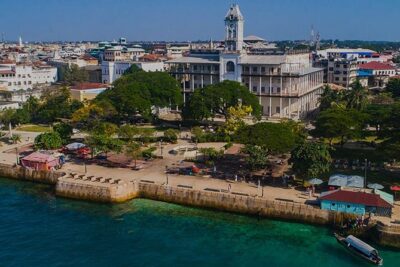
Browse the lists this tour appears in