
Reviewed · SERENGETI & NGORONGORO SAFARIS
Private 5 Days Camping Tour in Serengeti National Park
Five days, three great wildlife settings. This private safari links Lake Manyara, the Serengeti, and Ngorongoro Crater in a compact Northern Circuit route, starting and ending in Arusha. I like the strong mix of birdlife, big-game viewing, and dramatic scenery, plus the freedom of a private vehicle and guide rather than a shared group.
I also like the full day reserved for the Serengeti. Nine hours in the park gives you a fair chance to find big cats, herds, birds, and the small behavior that makes a safari more than a checklist. The tradeoff is simple: this is a busy five-day trip, with long road sections and public campsites. Camping keeps the price in check, but it will not suit anyone seeking a lodge-based holiday.
The price is $2,556 per person, including four breakfasts, five lunches, and four dinners. Planning support was praised, with Godfrey singled out for considerate communication and Gabriel for strong driving and guiding. Before paying, confirm the exact camping setup, park fees, vehicle arrangements, and why the overview refers to six days while the detailed schedule covers five.
In This Review
- Key points at a glance
- Why this route works in five days
- Day 1: Lake Manyara’s birds, lake, and Rift Valley setting
- Day 2: Crossing Ngorongoro to reach the Serengeti
- Day 3: A full Serengeti day around Seronera
- Day 4: Leaving the Serengeti through the Conservation Area
- Day 5: Ngorongoro Crater and a concentrated final game drive
- Camping, food, and the private vehicle advantage
- Is $2,556 per person fair value?
- Who will enjoy this safari most?
- Should you book the private five-day safari?
- FAQ
- Where does the tour start?
- What time does the tour start?
- Where does the activity finish?
- How long is the tour?
- Which parks and protected areas are included?
- Is this a private tour?
- What meals are included?
- Can dietary needs be accommodated?
- Is the Ngorongoro Crater admission included?
- Can I cancel or change the booking?
Key points at a glance
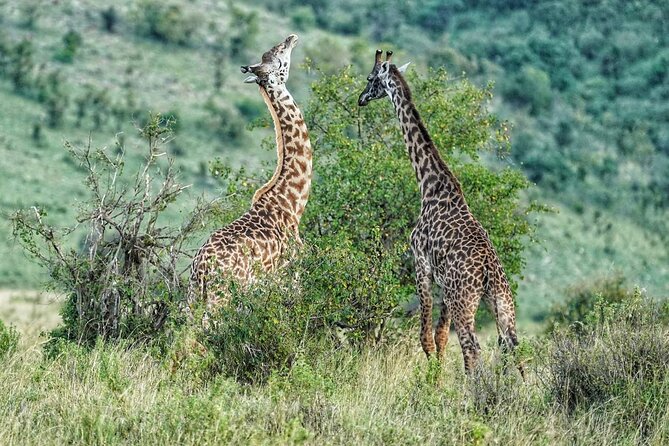
- Lake Manyara opens the trip with birds and Rift Valley views: The park offers monkeys, hippos, giraffes, zebras, wildebeest, and the chance of seeing its famous tree-climbing lions.
- The Serengeti receives the most attention: You get an afternoon game drive on arrival, a full nine-hour safari day, and a final morning game drive.
- Central Serengeti, or Seronera, is a smart base: The year-round Seronera River helps draw resident animals, including big cats and many bird species.
- Ngorongoro Crater closes the safari with concentrated wildlife: Its enclosed setting can give you a strong chance of seeing several major species, including black rhino and lion.
- This is a genuinely private activity: Only your own group takes part, and pickup is offered from Arusha City Centre at 8:00 a.m.
- Camping changes the value equation: You spend less than on a fully lodge-based safari, but you should be ready for public campsites and a more basic night-time setup.
Why this route works in five days
Tanzania’s Northern Circuit is not a small area. Arusha sits outside the main wildlife parks, so even a short safari involves road time. This plan makes that time count by connecting three places with different strengths rather than spending every night in one park.
Lake Manyara gives you a gentle first wildlife day. The Serengeti then provides the largest block of game viewing, while Ngorongoro offers a final, enclosed setting where animals can be easier to locate. That sequence makes sense for a first safari because you see changing scenery and several kinds of habitat without adding a long list of extra stops.
I would treat this as five full calendar days, not five effortless days. The schedule includes drives between parks, picnic lunches, early starts, and extended time in the vehicle. If you prefer a slow pace, more time at camp, or two nights at every stop, this program may feel rushed.
One point needs clearing up before booking. The overview describes a successful six-day tour, but the detailed itinerary has Day 1 through Day 5. The price and schedule should be checked in writing so you know exactly how many nights, transfers, and meals are included.
More Serengeti and Ngorongoro safaris:
- Balloon Safari & Bush Breakfast in Serengeti – Miracle Experience
★ 5.0 · 1,646 reviews - 3 Days Serengeti & Ngorongoro Group Camping Safari
★ 5.0 · 574 reviews - 5-Day Highlights mid-Range Crater, Serengeti, Tarangire
★ 5.0 · 296 reviews
Day 1: Lake Manyara’s birds, lake, and Rift Valley setting
Your driver-guide picks you up at your booked hotel after breakfast, with the stated meeting point in Arusha City Centre. The drive leads to Lake Manyara National Park for roughly six hours of game viewing.
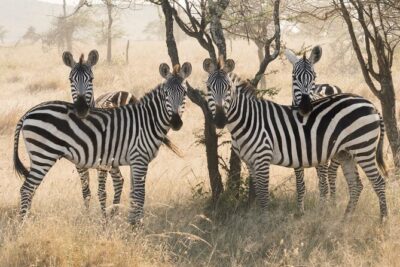
Manyara is a good first stop because it provides variety without asking you to wait for one famous animal. The park combines woodland, open areas, water, and the alkaline lake itself. That mix supports monkeys, zebras, wildebeest, hippos, giraffes, waterbucks, dik-diks, and impalas.
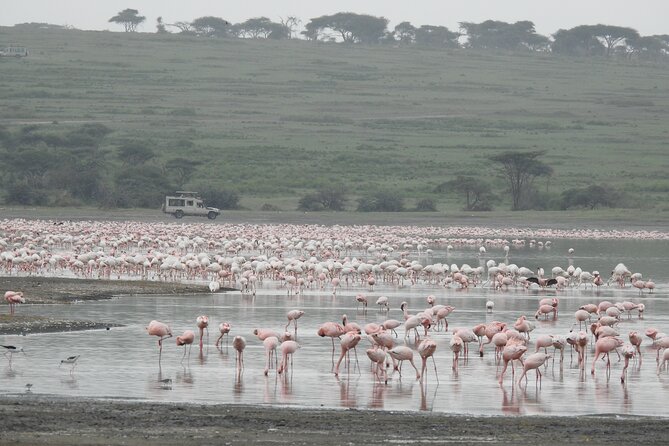
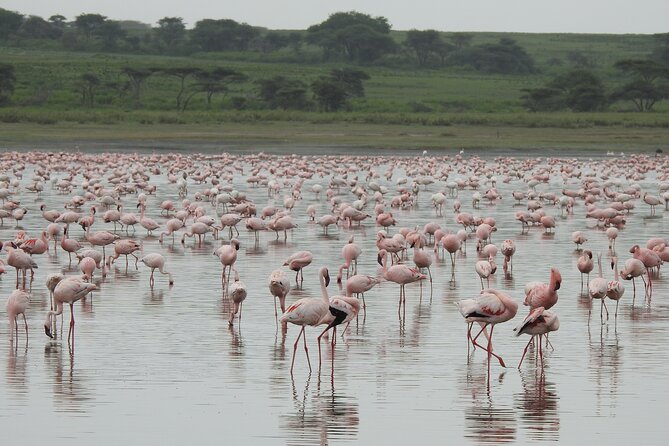
Birdlife is the main reason to pay attention here. The park is known for more than 5,000 recorded bird species, including migrant flamingos and other water birds drawn to the lake. The flamingos may feed along the shore, although their presence and location can change with conditions.
The park is also associated with tree-climbing lions. That does not mean a sighting is guaranteed, but it gives the day a memorable possibility beyond the usual safari animals. I like that this opening day is not built only around the Big Five. You get a feel for Tanzania’s smaller creatures and birdlife right away.
The drawback is timing. Six hours of game viewing is useful, but the day also includes the transfer from Arusha. You should expect a full day rather than a leisurely park visit. Ask about the exact overnight campsite and drive time before departure, since that information is not specified.
Day 2: Crossing Ngorongoro to reach the Serengeti
After breakfast at camp, you leave with a packed lunch and travel through the Ngorongoro Conservation Area toward the Serengeti. The route itself is part of the experience, with highlands, valleys, Maasai herders, and the possibility of seeing animals outside the crater.
This is not just a transfer between two pins on a map. The changing elevation and open country help explain why northern Tanzania supports such different wildlife zones. You may see zebras, giraffes, buffalo, and other grazing animals along the way, though sightings are never promised.
You reach the Serengeti in the afternoon for your first game drive. That timing matters. Instead of arriving at camp and losing the rest of the day, you begin looking for animals as soon as the park setting allows.
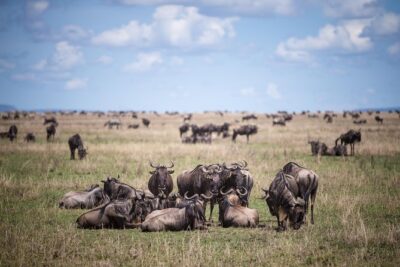
The Serengeti is famous for its scale, and that scale is both its magic and its challenge. You may find a lion pride or a herd in one area, then travel through wide open country with no major sighting for a while. That uncertainty is part of the park. It rewards patience, a good guide, and a willingness to enjoy the setting even when animals are not immediately visible.
The schedule lists two Serengeti entries for Day 2, both with the same description and duration. In practical terms, read this as one afternoon arrival and game-viewing period, not two separate six-hour tours, unless the operator confirms otherwise.
Day 3: A full Serengeti day around Seronera
Day 3 is the heart of the safari. You spend about nine hours on game drives in the Serengeti, with time for several outings or a long circuit through the park.
This is where the private format becomes especially useful. Your group can discuss how much time to spend at a sighting and what you most want to find. If big cats are your priority, tell Gabriel or your assigned guide early. If birds, herds, or scenery matter just as much, say so. The more clearly you explain your interests, the easier it is to shape the day.
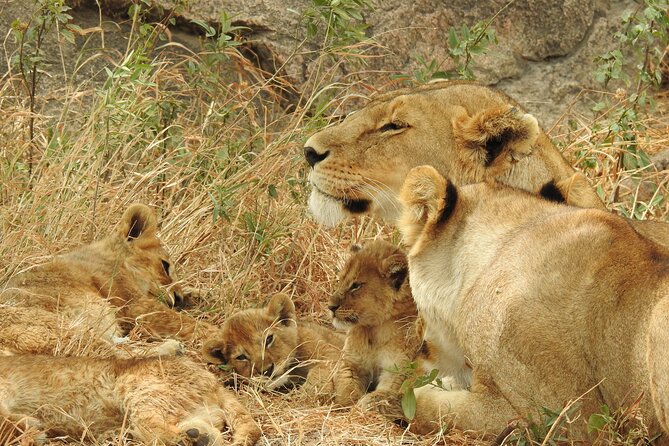
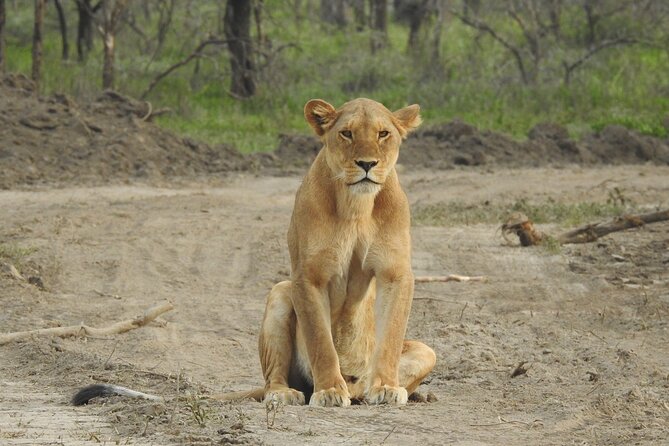
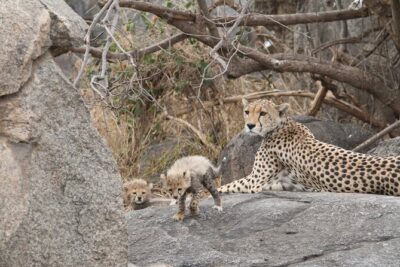
Central Serengeti is known as Seronera, named for the river that flows through the area all year. A permanent water source helps attract resident animals, including big cats and many other species. The itinerary specifically points to lions, other preferred big cats, numerous grazers, and bird species.
A long game-drive day may reveal behavior rather than only photographs. The schedule highlights possible events such as hunting and mating. Nothing is guaranteed, but nine hours gives you more opportunities than a short morning outing.
Sunrise and sunset viewing are also listed as good ways to use your time. Confirm the exact timing and park rules with the operator, since the day’s final hours can depend on campsite location and park regulations.
The main caution is fatigue. Nine hours in a safari vehicle, after the previous day’s transfer, is demanding. Bring water, sun protection, and a light layer for changing temperatures. Since the tour provides lunch but does not list snacks, it is sensible to ask what food is supplied between meals.
More national park trips in Arusha:
- 7 Days Tanganyika Wilderness Safari
★ 5.0 · 159 reviews - 4 Day Ngorongoro Crater Tarangire and Serengeti National Park
★ 5.0 · 44 reviews - 6 days 5 nights safari Ngorongoro, Serengeti and Tarangire National Parks
★ 5.0 · 39 reviews - 3 Days Safari to Serengeti National Park & Ngorongoro Crater in Tanzania
★ 5.0 · 34 reviews
Day 4: Leaving the Serengeti through the Conservation Area
After breakfast, you take a final morning game drive in the Serengeti. This is a useful last chance to see animals near Seronera before the route turns toward the Ngorongoro Conservation Area.
Morning viewing can feel different from the previous afternoon. Animals may be active, and the cooler part of the day can make the drive more comfortable. You may also pass familiar species again, which helps you notice how your guide identifies animals and reads their behavior.
Migration timing matters here. The schedule points to April and May, and December and January, as periods when wildebeest migration may be seen in the area. That wording is important. Migration is not a fixed show, and exact locations shift, so you should not book this route on the assumption that a herd will be beside the road on a particular date.
You have a picnic lunch at a designated site in the afternoon, then continue with game viewing on the way to the selected accommodation. The plan allows about eight hours for the day, including the final wildlife time and transfer.
This is another long day, and the campsite details are not fully spelled out. Ask if the night is inside the Conservation Area, what kind of tent is supplied, and how showers and toilets are handled. Public camping can be a rewarding part of the trip, but comfort varies widely from a lodge stay.
Day 5: Ngorongoro Crater and a concentrated final game drive
After breakfast, you head into Ngorongoro Crater for the final game drive. The crater is the remains of a long-extinct volcano and is described as the world’s largest intact caldera.
Its steep walls surround a mix of habitats, including permanent wetlands. That enclosed setting supports a large number of animals in a relatively compact area. The itinerary highlights great-tusked elephants, black rhinos, black-maned lions, gazelles, wildebeest, and zebras.
Ngorongoro is one of the few places in Africa where you may see the Big Five on one game drive. That is a possibility, not a promise, but the crater’s concentration of wildlife makes it a strong finale. You may spend less time searching empty miles than in the wider Serengeti, though the crater can still be busy and sightings can vary.
The day lasts about six hours, including the crater visit. That gives you a meaningful final outing without making the return to Arusha impossibly late, though the exact end time is not stated. The activity ends back at the Arusha meeting point, so confirm the expected arrival time if you have a flight or another booking.
Camping, food, and the private vehicle advantage
The meals listed are four breakfasts, five lunches, and four dinners. That covers the main eating schedule for a five-day trip, with lunch provided each day, including packed or picnic lunches during transfers and game drives.
Dietary needs can be accommodated, but tell the operator before departure. This matters on a camping safari, where food choices may be more limited than at a city hotel or lodge.
The camping style is described as public campsite accommodation throughout. That keeps the experience closer to the outdoors and helps explain the price, but it also means you should not expect the same service as the luxury lodge praised in one account. That lodge appears to have been part of a related safari arrangement, not clearly this exact five-day camping plan, so confirm your accommodation category.
The private format is the clearest comfort advantage. Only your group participates, and pickup is offered. You avoid coordinating with strangers and can discuss food needs, animal priorities, and the pace of each drive directly with the guide.
Planning support was also praised. Godfrey was described as considerate and quick to respond during the planning period. Gabriel received especially strong praise for driving, guiding, and attentive service. Ask whether either person will lead your trip, since guide assignment is not guaranteed by the published details.
Is $2,556 per person fair value?
At $2,556 per person, this is not a budget safari. It can still be fair value if the cost includes the private vehicle, professional guide, park and conservation fees, camping equipment, transfers, and the listed meals. Those are the expensive building blocks of a northern Tanzania safari.
The value comes from the route and private access. You receive three major wildlife areas, a full Serengeti day, a crater game drive, pickup in Arusha, and a private group arrangement. A lodge-based trip may cost more, while a shared camping trip may cost less but offer less control.
The missing details make comparison difficult. Before booking, request a written list of inclusions covering park fees, campsite fees, tent and sleeping equipment, drinks, guide and vehicle costs, airport transfers, and any optional activities. Do not assume that every cost connected with a safari is included simply because meals are listed.
The non-refundable policy also deserves attention. Once booked, the amount paid cannot be refunded or changed for any reason. I would only book after confirming the dates, five-day versus six-day duration, accommodation, and cancellation terms in writing.
Who will enjoy this safari most?
I would recommend this trip to someone seeking a private introduction to Tanzania’s Northern Circuit and willing to trade hotel comfort for more time in the parks. It suits couples, families, friends, and small private groups that want their own guide and vehicle.
It is especially good for someone who values variety. You get birds and Rift Valley scenery at Manyara, open-country wildlife in the Serengeti, and a compact crater setting at Ngorongoro.
I would be more cautious if you dislike long drives, basic campsites, or tightly planned days. The trip asks you to move through a large area in five days, and the program includes several six-to-nine-hour days. A longer itinerary would likely feel easier, but this shorter version gives you a solid first look at the region.
Should you book the private five-day safari?
Book it if you want a private, wildlife-focused route with strong Serengeti time, a famous crater finale, and camping rather than high-end lodging. The praise for planning, Godfrey’s communication, and Gabriel’s driving and guiding adds confidence, provided the same team is assigned to you.
Pause before booking if you need polished accommodation or a slow pace. Confirm the five-day duration, exact campsites, guide name, all fees, and the meaning of the duplicate Day 2 entry. With those points settled, the itinerary offers a well-rounded first safari and a sensible spread of Tanzania’s best-known northern parks.
FAQ
Where does the tour start?
The tour starts at Arusha City Centre in Arusha, Tanzania. Pickup is offered.
What time does the tour start?
The stated start time is 8:00 a.m.
Where does the activity finish?
The activity ends back at the meeting point in Arusha City Centre.
How long is the tour?
The detailed schedule covers five days. The general description refers to six days, so confirm the exact duration with Tecomate Tours & Safaris before booking.
Which parks and protected areas are included?
The route includes Lake Manyara National Park, Serengeti National Park, the Ngorongoro Conservation Area, and Ngorongoro Crater.
Is this a private tour?
Yes. Only your own group participates in the activity.
What meals are included?
The package includes four breakfasts, five lunches, and four dinners.
Can dietary needs be accommodated?
Yes. The operator states that dietary needs can be accommodated. Share your requirements before the trip.
Is the Ngorongoro Crater admission included?
Yes. Admission for the Ngorongoro Crater stop is listed as included.
Can I cancel or change the booking?
No. The experience is non-refundable and cannot be changed for any reason after booking.
Just added in Arusha
- Safari “Kifaru” – 5 days in the most famous Parks in the world★ 5.0 · 4 reviews
- Saadani Day Trip★ 5.0 · 13 reviews
- 3 Days Tanzania Short and Spicy★ 5.0 · 6 reviews
- 5 Day Tanzania Safari Camping Adventure Private Tour★ 5.0 · 2 reviews
- Day Trip to Ngorongoro Crater from Arusha★ 5.0 · 1 review
- SERENGETI NATIONAL PARK Tour★ 4.5 · 5 reviews
- 3 Days Serengeti Park & Ngorongoro Crater Adventure Safari★ 5.0 · 8 reviews
- 6 Days Tanzania Bush Experience Safari★ 5.0 · 6 reviews
Serengeti & Ngorongoro Safaris, compared.
Serengeti Balloon Safari and authentic bush breakfast
Read our review →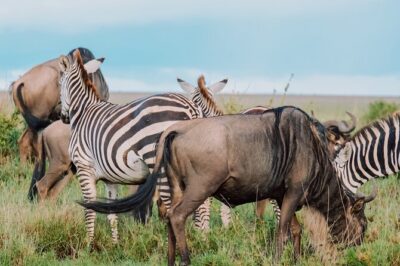
Balloon Safari & Bush Breakfast in Serengeti – Miracle Experience
Read our review →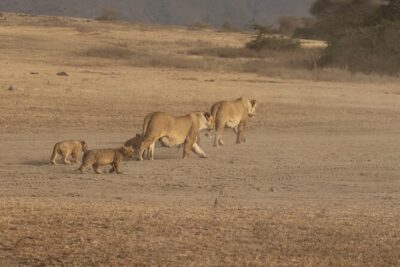
3 Days Serengeti & Ngorongoro Group Camping Safari
Read our review →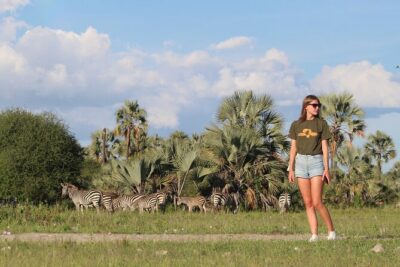
5-Day Highlights mid-Range Crater, Serengeti, Tarangire
Read our review →
Private 6-Day Tarangire Manyara Crater and Serengeti with Mid-Range Lodges
Read our review →
5 Days Camping Tarangire, Serengeti & Ngorongoro crater & Visiting Maasai
Read our review →Browse the lists this tour appears in