
Reviewed · SPICE FARM TOURS
Spice Farm – spice up your life in Zanzibar
Smell Zanzibar before you taste it. This farm visit takes you beyond the beaches into rural Unguja, where cloves, cinnamon, vanilla, nutmeg, ginger, pepper, and tropical fruit grow in the warm island climate. I like the direct contact with farmers and the way the guide connects each plant to cooking, medicine, and Zanzibar’s centuries-old spice trade. I also like that the $60 price includes hotel transport, lunch, water, and fees, though one serious booking problem reported by a customer means you should confirm the pickup details before setting out.
The best part is the hands-on nature of the visit. You do not simply look at labeled plants and move on. You smell bark, taste fruit, and learn how familiar kitchen ingredients grow. The local meal adds real value, too. Just keep your phone ready for contact with the operator, since one badly handled reservation led to a missed pickup and no useful response.
In This Review
- Key points to know before you book
- Why Zanzibar’s spice story matters
- Walking through the farm and village areas
- The scents that make the walk memorable
- Tropical fruit tasting from mango to local grapefruit
- A Swahili lunch cooked in a local kitchen
- The real value of the $60 price
- Pickup, languages, and booking caution
- What the strongest praise tells you
- Who will enjoy this spice farm visit
- My verdict on the Spice Farm experience
- FAQ
- Where is the Spice Farm tour located?
- How much does the tour cost?
- What is included in the price?
- Is lunch included?
- What food can I expect to taste?
- Which spices are included in the visit?
- What languages are available?
- Can I pay later?
- What is the cancellation policy?
- Does the tour include hotel transportation?
Key points to know before you book
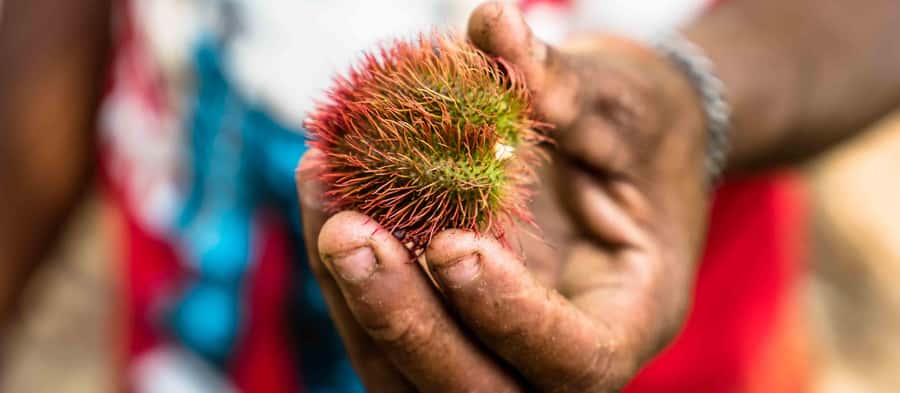
- Cloves and cinnamon are more than souvenirs: You learn how Zanzibar’s famous spices grow and how they are used in food and traditional remedies.
- The tour reaches rural Unguja: Villages and plantations offer a useful change from beach hotels and Stone Town streets.
- Fresh fruit is part of the lesson: Mangoes, passion fruit, avocado, papaya, local grapefruit, bananas, and pineapple may be tasted during the visit.
- Lunch is cooked locally: A traditional Swahili meal, seasoned with island herbs and prepared in a local kitchen, is included.
- Hotel pickup and return are covered: Transport, fuel surcharges, taxes, service fees, and bottled water are part of the $60 price.
- The experience has a strong overall rating: Its listed rating is 4.6 from 18 reviews, with especially high praise for organization, food, and clear explanations.
Why Zanzibar’s spice story matters
Zanzibar is often called the Spice Island for good reason. Cloves, cinnamon, nutmeg, and other crops helped make the island an important center of the spice trade. This excursion gives you a simple way to connect that large historical story with the plants growing in front of you.
Spices were brought to Zanzibar from Asia and Latin America in the 16th century. The island’s tropical climate allowed them to flourish, and farming became part of its economy and identity. You will not be sitting through a long lecture on trade routes. Instead, the guide uses living plants, bits of bark, seeds, leaves, and fruit to make the subject easy to grasp.
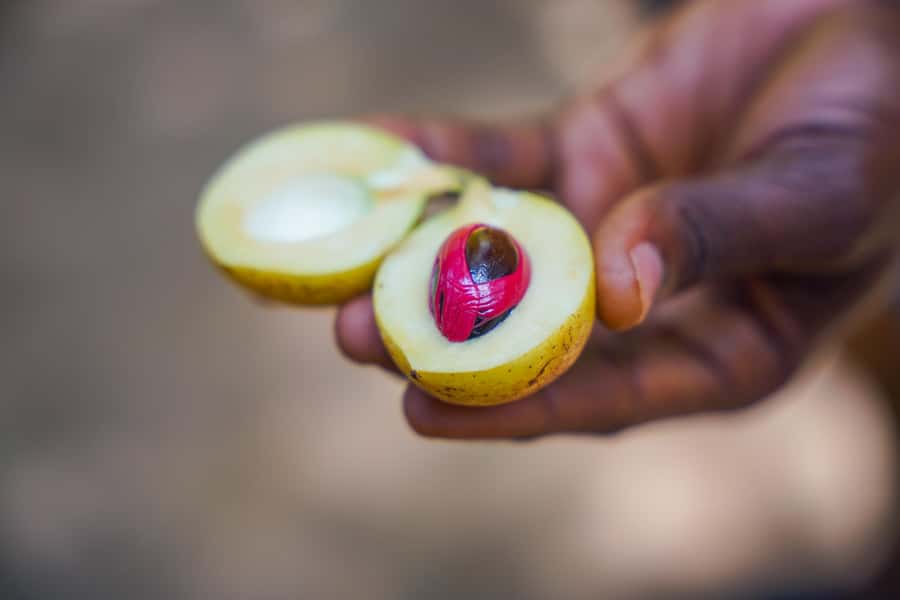
I like this approach because it gives context to things you may already have in your kitchen. Cinnamon is not just a powder in a jar. Nutmeg is not simply a baking ingredient. Cloves have a flower bud, vanilla comes from an orchid, and lemongrass has a clean citrus scent that is easy to recognize once you have handled it.
The visit also shows you a side of Zanzibar that a resort stay can easily hide. Rural communities, farm paths, and local kitchens tell you more about daily island life than another afternoon beside a hotel pool. The setting is not polished for tourism in the same way as a major attraction, which is part of its appeal.
More Spice Farm Tours in Nungwi and Kendwa:
- Prison Island, Spice Tour, The Island Pongwe, Kendwa Beach
★ 5.0 · 1 review - Tandem Clear Kayak, Spice Tour, Cooking Class with Lunch
★ 5.0 · 1 review - Zanzibar: Stone Town, Spice Tour, Prison Island with Lunch
★ 4.4 · 1,219 reviews
Walking through the farm and village areas
The central part of the experience is a guided walk through plantations and nearby village areas. The exact order can vary, but you should expect the guide to introduce a series of plants and explain their culinary and medicinal uses.
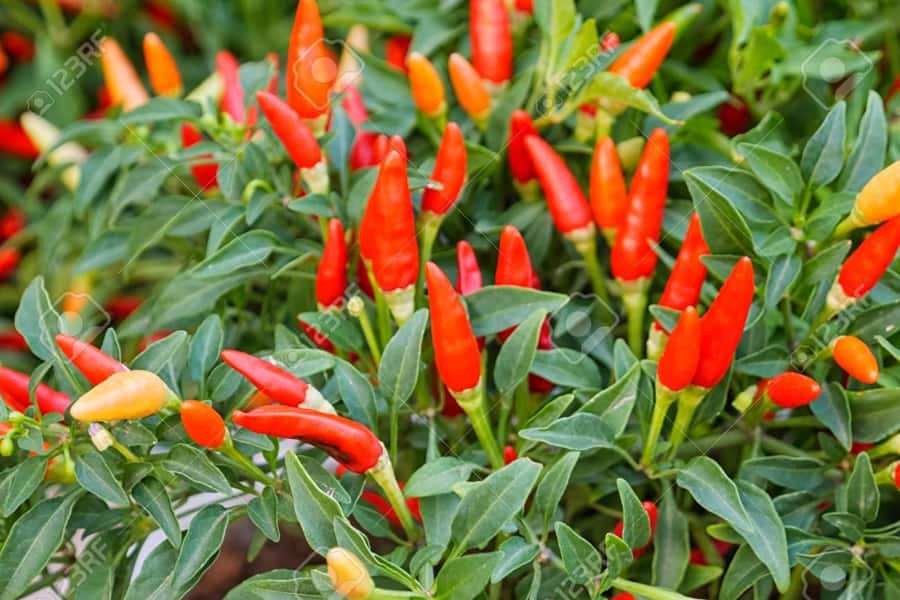
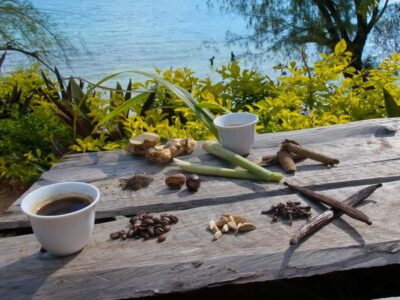
The list is impressive: cinnamon, vanilla, nutmeg, lemongrass, cloves, ylang-ylang, cumin, ginger, pepper, tamarind, chili, and other herbs and spices. Some will be familiar. Others may be new to you, especially ylang-ylang and tamarind, which are less common in many home kitchens.
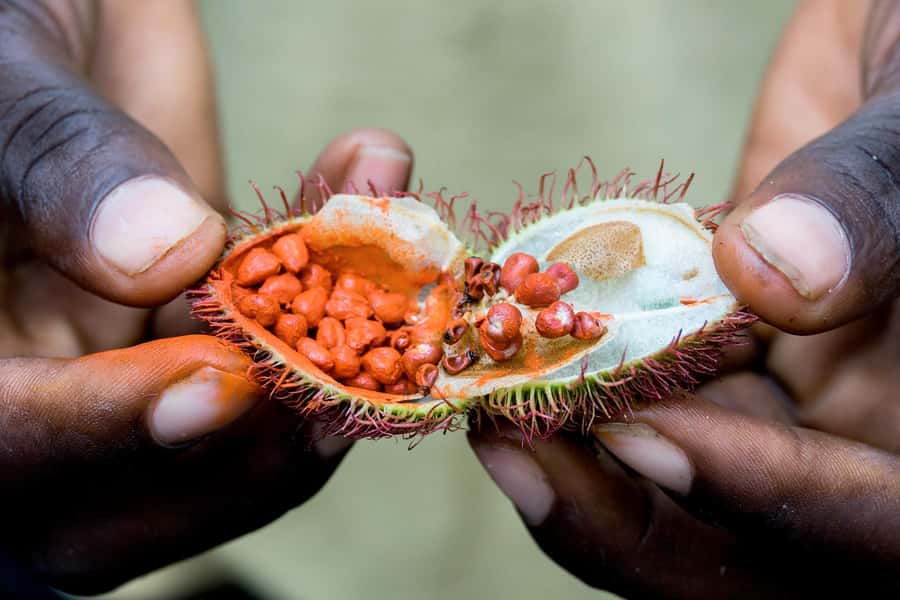
This is where a good guide matters. The plants may not always look dramatic at first glance. A clear explanation turns an ordinary leaf or seed into something memorable. You may be asked to smell a piece of cinnamon bark, examine a clove, or taste an ingredient in its fresh form.
The tour is also described as friendly and sometimes funny. That small detail matters. A farm visit can feel dry if the guide simply recites names and uses. A relaxed presentation helps you ask questions and remember what you have seen.
Do not expect a botanical garden with neat signs and carefully arranged paths. This is a working agricultural setting, tied to local people and rural life. That can mean the experience feels more genuine, but it may also feel less structured than a formal museum tour.
The scents that make the walk memorable

Spices are best understood through the senses. You can read about cloves, vanilla, or ginger, but smelling and touching the raw ingredients gives you a clearer idea of their character.
Cinnamon is especially useful as a comparison. The rolled bark has a warmer, more natural scent than the powdered version you may use at home. Fresh ginger has a sharper feel and aroma. Lemongrass brings a clean citrus note, while chili and pepper add a familiar warning: some ingredients are best sampled carefully.
Cloves have a strong smell and a long connection with Zanzibar’s trade. Nutmeg shows how a spice can be hidden inside a hard fruit. Vanilla offers another reminder that expensive supermarket ingredients begin as plants requiring care and processing.
The guide also explains medicinal uses. You should treat this as cultural and practical information, not as a replacement for medical advice. Still, it gives you a better sense of how herbs and spices are used in everyday life beyond flavoring food.
The experience works best if you slow down. This is not a place to hurry from one photo stop to the next. Let the guide finish the explanation, smell each item, and notice how different plants share the same tropical setting.
Tropical fruit tasting from mango to local grapefruit
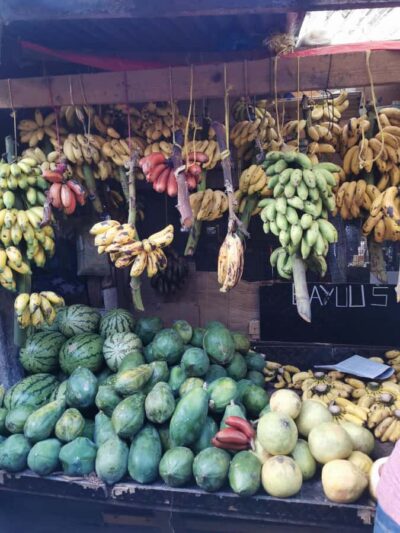
Fruit tasting adds a second layer to the farm visit. Depending on what is available, you may try mangoes, passion fruits, avocado, papaya, local grapefruit, bananas, pineapples, and other tropical fruit.
I like this part because it makes the agricultural setting feel generous rather than purely educational. You are not only learning what farmers grow. You are getting a taste of the produce itself.
Fresh fruit can also surprise you. A ripe mango has a fuller sweetness than many imported versions. Passion fruit brings sharp acidity and seeds with a pleasant crunch. Papaya and avocado show how different textures can come from the same warm climate. Local grapefruit offers a more bitter edge than the sweet fruit some people expect.
The range also helps explain why local meals can be so varied. Fruit, herbs, spices, and staple foods work together in Zanzibar cooking. What you taste during the walk is later echoed in the lunch.
You may want to eat a light breakfast before pickup, but save room for the farm meal. The excursion combines several tastings, and lunch is not an afterthought.
A few more options to weigh up in Nungwi and Kendwa
- Zanzibar: Prison Island, Stone Town, & Spice Farm Tour
★ 4.5 · 579 reviews - Full-Day Private Stone Town +Spice Farm and Prison Island Tour
★ 4.5 · 216 reviews - Zanzibar: Stone Town & Spice Farm Tour with Lunch
★ 4.5 · 97 reviews - Zanzibar:Stone Town & Spice Farm Private Tour Lunch Included
★ 4.2 · 94 reviews
A Swahili lunch cooked in a local kitchen
The included lunch is one of the strongest reasons to consider this excursion. You eat traditional Zanzibar food seasoned with local herbs and cooked in a local kitchen at the farm.
That setting gives the meal meaning. You are not simply ordering a dish at a restaurant that happens to use the word Zanzibar on its menu. You are eating in the same agricultural environment where the ingredients and seasonings have just been discussed.
The food has received especially warm praise, and that matches the design of the experience. The meal is presented in line with the spice theme, so the earlier explanations have an immediate practical result on your plate.
I would pay attention to how the seasonings change the meal. Zanzibar cooking can use spices for aroma as much as heat. Cinnamon, cloves, ginger, pepper, and herbs can add warmth and depth without turning every dish into a fiery challenge.
The lunch also makes the $60 cost easier to judge. A farm walk alone may feel expensive to some people, but hotel transport, a cooked local meal, bottled water, taxes, fuel charges, and service fees are included. You are paying for a full half-day style outing, though the supplied information does not state the exact duration.
The real value of the $60 price
At $60 per person, this is not the cheapest way to fill time in Zanzibar. Its value depends on what you want from a day away from the coast.
If you arrange only transport to a farm, you may pay less, but you would not necessarily receive the same combination of guiding, food, tastings, and return service. Here, the price includes pickup and drop-off at your hotel, all listed taxes and service charges, fuel surcharges, a local lunch, and bottled water.
That package reduces the number of details you need to solve yourself. You do not have to find a taxi for the return trip after lunch or wonder if extra service fees will appear at the end.
The strongest value is for someone who wants a cultural excursion rather than a simple sightseeing drive. You see rural areas, meet local people through the farm setting, learn about crops, and eat food connected to the subject.
The weaker value is for someone who dislikes guided activities or has already visited several agricultural attractions. The tour follows a clear educational theme, and much of the appeal comes from listening, smelling, tasting, and asking questions. If you want a fast photo stop, this may feel too detailed.
Pickup, languages, and booking caution
Hotel pickup and return are included, which is useful in Zanzibar because it keeps the day simple. The exact pickup time is not provided, so you should confirm it directly after booking and make sure the operator has the correct hotel name and contact number.
The tour can be conducted in English, Italian, German, French, or Russian. That is a useful choice for couples, families, and small groups who would rather learn about the plants in a language they speak comfortably.
The booking terms are flexible. You can reserve now and pay later, with no payment required today. Cancellation is allowed up to 24 hours in advance for a full refund.
There is one important warning. A customer reported that the promoter did not arrive at the hotel, did not answer emails, and supplied a phone number that was not assigned. Another contact connected with the activity provider reportedly said there was no reservation. This is a single severe complaint against a largely positive rating, but it is too specific to ignore.
I would confirm the booking, pickup time, and emergency contact before the cancellation deadline. Save the confirmation and keep the operator’s details available on the morning of the tour. That small bit of preparation can protect you from the one major risk attached to this experience.
What the strongest praise tells you
The most consistent praise focuses on three things: organization, education, and food.
A well-organized pickup and return make a big difference in Zanzibar. You can enjoy the farm without worrying about finding another ride back to your hotel. One detailed account praised the transport as working perfectly from start to finish.
The explanations also receive strong approval. The guide is described as informative, competent, and sometimes funny. That combination is valuable because you get facts without the experience becoming stiff or overly formal.
The meal is the other major success. It is described as delicious and tied closely to the theme of the day. Another positive assessment calls the Swahili meal a high point after an educational and beautiful visit.
The rating of 4.6 from 18 reviews suggests a strong overall experience, not universal perfection. The low score connected to the missed pickup shows why communication deserves attention. I would not let one complaint cancel the whole plan, but I would take the practical warning seriously.
Who will enjoy this spice farm visit
I would recommend this experience most strongly to:
- First-time visitors to Zanzibar who want context beyond beaches and resorts.
- Food lovers who enjoy learning where ingredients come from and eating a local meal.
- Families looking for a hands-on outing with fruit, scents, and simple explanations.
- Culture-minded couples who prefer rural contact and local cooking to another standard sightseeing stop.
- Photographers and curious walkers who enjoy plants, farm paths, village settings, and colorful produce.
You should think twice if you dislike food tasting, warm outdoor walks, or guided explanations. The tour’s main pleasures come from attention and participation. It is not designed as a quick ride with a few scenic stops.
Since no exact duration or group size is provided, ask those questions before booking if they affect your decision. The included transport and meal are clear. The timing and size of the group are not.
My verdict on the Spice Farm experience
I would book this tour if I wanted one practical, flavorful introduction to Zanzibar’s rural culture. The combination of spices, tropical fruit, village areas, local guidance, and a farm-cooked Swahili lunch gives the day a clear purpose.
The $60 price is reasonable when you count the included hotel transport, food, water, and fees. The experience is also more meaningful than simply buying a packet of cloves in a shop, because you see how the ingredients grow and how they fit into local life.
My advice is simple: confirm the reservation and pickup contact carefully, then go with an appetite and a willingness to slow down. If you do that, this spice farm visit should suit you well. If reliable communication cannot be confirmed, choose another outing, since the one serious complaint concerns exactly that point.
FAQ
Where is the Spice Farm tour located?
The experience takes place in Zanzibar’s Unguja South Region in Tanzania.
How much does the tour cost?
The listed price is $60 per person.
What is included in the price?
The price includes hotel pickup and drop-off, a local lunch at the farm, bottled water, taxes, fuel surcharges, and service fees.
Is lunch included?
Yes. You receive a traditional Zanzibar meal cooked in a local kitchen at the farm.
What food can I expect to taste?
The experience includes tropical fruit such as mangoes, passion fruits, avocado, papaya, local grapefruit, bananas, and pineapples, along with other fruit that may be available.
Which spices are included in the visit?
The guided visit covers cinnamon, vanilla, nutmeg, lemongrass, cloves, ylang-ylang, cumin, ginger, pepper, tamarind, chili, and other spices and herbs.
What languages are available?
The tour is offered in English, Italian, German, French, and Russian.
Can I pay later?
Yes. You can reserve your place and pay later, with no payment required today.
What is the cancellation policy?
You can cancel up to 24 hours in advance for a full refund.
Does the tour include hotel transportation?
Yes. Pickup from and return to your hotel are included. You should still confirm the pickup details directly after booking.
Just added in Nungwi and Kendwa
- SWIMMING WITH TURLTLES AT BARAKA AQUARIUM★ 5.0 · 1 review
- Swimming with tirltes at The Lagoons Zanzibar in Nungwi★ 4.3 · 3 reviews
- sunset dow Cruise at Kendwa Beach★ 5.0 · 1 review
- Sunset Dhow from Kendwa/Nungwi Magic Hour on the Ocean★ 4.3 · 10 reviews
- sunset dow cruise at kendwa beach★ 4.7 · 3 reviews
- Stone Town, Jozani Forest, Sea Turtles & The Rock Restaurant★ 4.8 · 14 reviews
- Snorkeling With Dolphin At Mnemba Island, Zanzibar★ 5.0 · 1 review
- Romantic Beach Dinner with Drone Photos★ 5.0 · 1 review
Spice Farm Tours, compared.
Stone Town, Spice Tour, Prison Island with Lunch
Read our review →

Stone Town, Spice tour & Prison Island with Lunch
Read our review →
Full-Day Private Stone Town +Spice Farm and Prison Island Tour
Read our review →

The Swahili Spice Experience – Spice Tour + Culinary Journey
Read our review →Browse the lists this tour appears in