

Reviewed · STONE TOWN TOURS
Zanzibar: Spice Tour & Stone Town Walking Tour
Spices explain Zanzibar better than souvenirs. I like the hands-on plantation visit, where you smell, taste, and touch cinnamon, cloves, ginger, vanilla, turmeric, and tropical fruit in their natural setting. I also like the private Stone Town walk, which connects grand buildings and busy markets with the island’s difficult history. The main drawback is that the spice farm can include strong sales pressure, and the five-hour schedule may feel tight if you walk slowly or want time to shop.
At $95 per person, this is a useful half-day introduction to Zanzibar, especially if you want hotel pickup, entrance fees, and a private guide handled in one booking. I would ask for the slave market site specifically when the day begins, since one visitor missed that part while spending time on other sights.
In This Review
- Key points to know before booking
- What the $95 price covers
- The spice plantation: Zanzibar through smell and taste
- Getting from the farm to Stone Town
- Stone Town and the story behind the buildings
- Darajani Fish Market: the real Stone Town
- House of Wonders, Old Fort, and Freddy Mercury’s house
- How the private format changes the day
- Guides, languages, and the human side of the tour
- What to bring and how to pace the five hours
- Is this Zanzibar tour worth booking?
- FAQ
- How long is the Zanzibar Spice Tour and Stone Town Walking Tour?
- What is included in the $95 price?
- Is this a private tour?
- Which languages are available?
- What spices and fruits can I see at the plantation?
- Will I visit the former slave market?
- Is food included?
- Can I cancel the booking?
Key points to know before booking
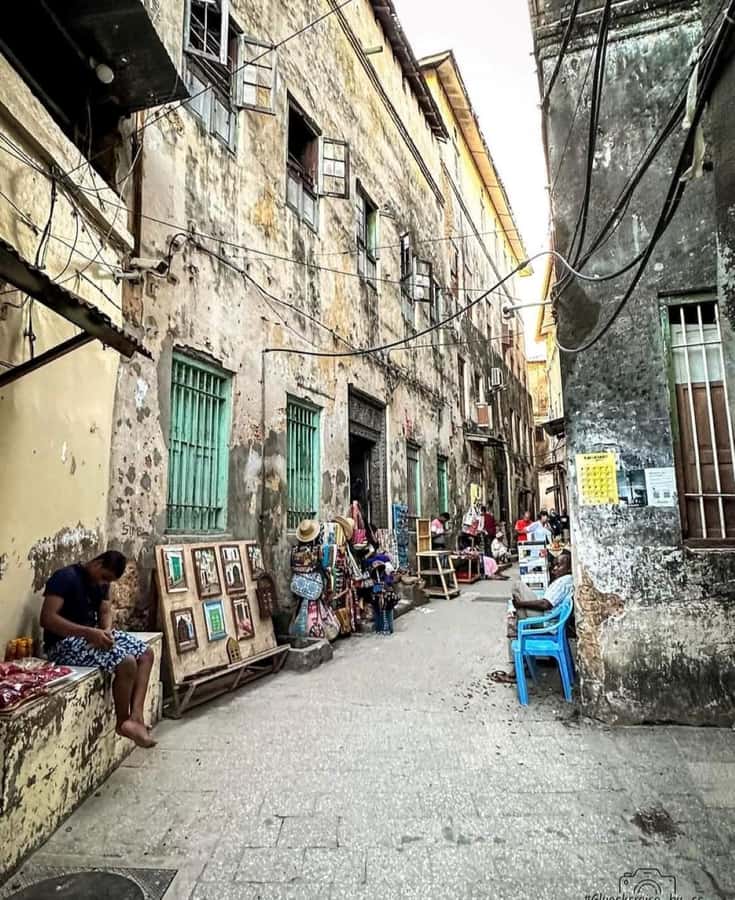
- Two very different Zanzibar experiences: The plantation gives you nature, food, and local agriculture, while Stone Town brings architecture, trade, religion, and painful history.
- A private group makes the pace flexible: Guides can allow time for short breaks, shopping, and slower walking, although you should clearly state your priorities.
- The human butterfly is a memorable touch: A coconut climber may scale a palm and sing the Hakuna Matata song from the top.
- Many languages are available: Tours can be guided in English, French, Italian, Spanish, or German.
- The market visit is unfiltered: Darajani Fish Market is a real working market, not a polished display, so expect strong smells and a direct look at daily life.
- Sales are part of the plantation experience: Spice purchases and tips may be encouraged, and prices are not always displayed.
What the $95 price covers

The tour costs $95 per person and lasts about five hours. That price includes hotel pickup and drop-off in Zanzibar, entry to the spice plantation, entry to the former slave market site, and a tour guide.
For a private tour, that is a reasonable package if you value convenience and personal attention. You are not simply paying for admission to a farm and a walking route. You are also paying for the driver, the guide’s time, and the ability to ask questions without keeping pace with a large group.
The value depends on how you use the five hours. If you want a broad introduction to Zanzibar, the combination works well. You get plants and food first, then Stone Town’s architecture, markets, and history. If you already have a full Stone Town visit planned, you may find the day repeats some sights.
Food and personal expenses are not included. Bring money only if you want to buy spices, fruit, crafts, or other items, and remember that the plantation may encourage purchases and tips. Ask for prices before buying. One useful complaint about the farm was that spice prices were not displayed clearly, which made it harder to shop with confidence.
The booking terms are also practical. You can cancel up to 24 hours before the tour for a full refund, and you can reserve now and pay later. Starting times depend on availability, so check the schedule against your hotel plans.
More Walking Tours in Zanzibar
- Stone Town Private Walking Tour
★ 5.0 · 371 reviews - Zanzibar: 3 Hours Private Stone Town walking Tour with Guide
★ 4.6 · 301 reviews - Zanzibar: Stone Town Historical Cultural Walking Guided Tour
★ 4.5 · 179 reviews
The spice plantation: Zanzibar through smell and taste
The plantation is the most playful part of the experience. Rather than seeing spices only as jars in a shop, you are shown how they grow and what they look and smell like in the ground.
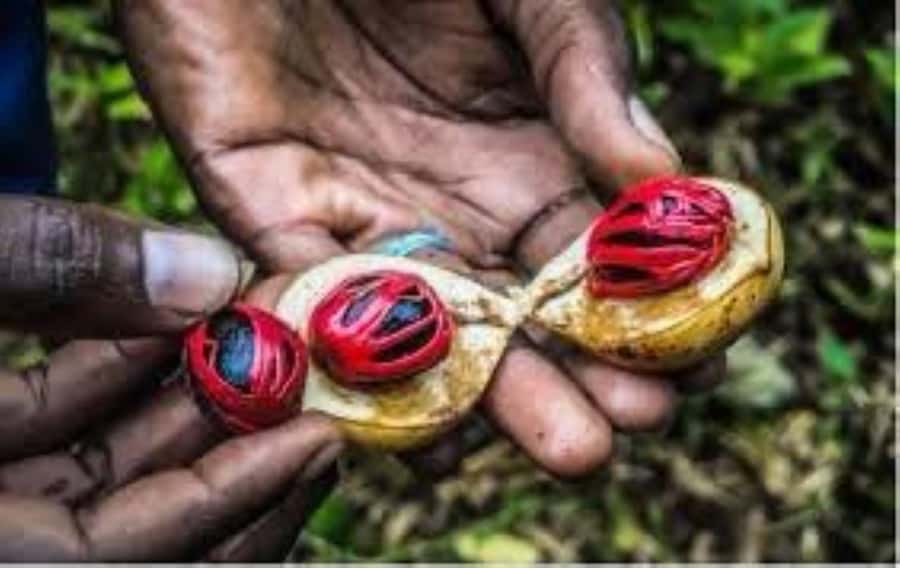
Expect to encounter cinnamon, cardamom, black pepper, chili, ginger, vanilla, lemongrass, lemon mint, turmeric, nutmeg, and cloves. The guide explains the plants and gives you chances to touch, smell, and taste them. That hands-on approach matters because many of these ingredients look nothing like the finished products in a kitchen.
Cloves are especially important to Zanzibar’s identity, and the plantation helps you understand that spices are agricultural products, not just decorative souvenirs. You get a better sense of how tropical plants grow and how the island became closely linked with the spice trade.
The fruit tasting adds another sensory layer. You may be offered tropical fruit during the visit, and the experience can be enjoyable, but it is not for everyone. One couple found the fruit session left them with queasy stomachs. If you have a sensitive stomach, eat lightly beforehand and accept only what you feel comfortable trying.
A small cultural touch is the weaving of palm leaf crowns. It gives the plantation visit a relaxed, personal feel and creates a simple activity you can enjoy between explanations about plants.
Then comes the human butterfly. This coconut climber scales a palm tree and sings Hakuna Matata from above. It is a bit theatrical, but it is also one of the details that makes the plantation visit more than a standard garden tour. You should see it as entertainment alongside the agriculture, not as a serious lesson in coconut farming.
The main weakness is the commercial side. Staff may encourage you to buy spices or offer tips, and some prices may not be posted. You can enjoy the farm without buying anything, but ask directly about costs and do not feel obliged to purchase a bundle simply because you enjoyed the demonstration.
Getting from the farm to Stone Town
Hotel pickup is included, and the guide or driver meets you in your hotel lobby with your name on a piece of paper. Several guides and drivers have been praised for being punctual, friendly, and clear about the day.
The transport matters because the plantation and Stone Town are separate parts of the experience. Drivers such as Aly, Abdul, and Suleiman have been singled out for smooth organization and reliable timing, while guides including Ali, Mo, Mu, Sahim, Sirio, and Abdul have received praise for their explanations and good humor.
The names are useful, but you cannot necessarily request a particular guide unless the operator confirms it. What you can do is explain what matters to you: the slave trade site, market time, shopping, photography, or a slower walking pace.
The tour description refers to walking to the spice plantation, while the day also includes hotel pickup and driver transport. Confirm the exact pickup and transfer plan when you book, especially if your hotel is far from central Stone Town.
Stone Town and the story behind the buildings
Stone Town is not best understood as a checklist of pretty façades. Its buildings make more sense when you know how Zanzibar functioned as a trading center and how the island was tied to the slave trade during the 17th and 18th centuries.
The walking tour addresses that history directly. You visit the old slave market site and learn how enslaved people were bought and sold. This can be a difficult stop, but it is essential if you want to understand Zanzibar beyond its beaches and spice shops.
A Christian church at the former market site is another important stop. The church’s history is connected with the old slave market, and a thoughtful guide can explain how the site’s religious meaning and painful past overlap. The visit is more than a quick photograph. It asks you to look at how later buildings and memorial spaces preserve, reshape, or confront earlier events.
This is where guide quality makes a real difference. Ali has been praised for explaining culture and daily life during the drive as well as the formal stops. Mu and Mo have also been praised for making the history accessible and personal. Sirio has been noted for combining plant knowledge, history, culture, and the main sights in a good-humored way.
Still, do not assume every stop will receive the same amount of time. Stone Town offers far more than a five-hour tour can cover, and one visitor missed the slave trade area. Tell your guide early that the former slave market is a priority.
More Stone Town walking tours:
- Zanzibar: Stone Town, Spice Tour, Prison Island with Lunch
★ 4.4 · 1,219 reviews - Zanzibar: Prison Island, Stone Town, & Spice Farm Tour
★ 4.5 · 579 reviews - Zanzibar: Stone Town, Spice tour & Prison Island with Lunch
★ 4.6 · 453 reviews - Full-Day Private Stone Town +Spice Farm and Prison Island Tour
★ 4.5 · 216 reviews
Darajani Fish Market: the real Stone Town
Darajani Fish Market brings you into everyday Stone Town. It is not arranged for sightseeing comfort, and that is precisely why it can be valuable.
You may see fish and meat being sold in a working market environment. The smells can be strong, the atmosphere can feel intense, and the scene may be confronting if you are used to tidy food halls. Go with an open mind, but do not feel that you must linger if it becomes too much.
I would place this stop high on your list if you want a more direct look at local life. It helps balance the grand historic buildings and souvenir stalls. You are seeing people shop and work, not a performance prepared for a tour.
At the same time, the market can use up time quickly. If you want to buy African masks or other crafts, tell the guide before the walk begins. One visitor found that shopping and slower walking meant some planned sights had to be missed.
House of Wonders, Old Fort, and Freddy Mercury’s house
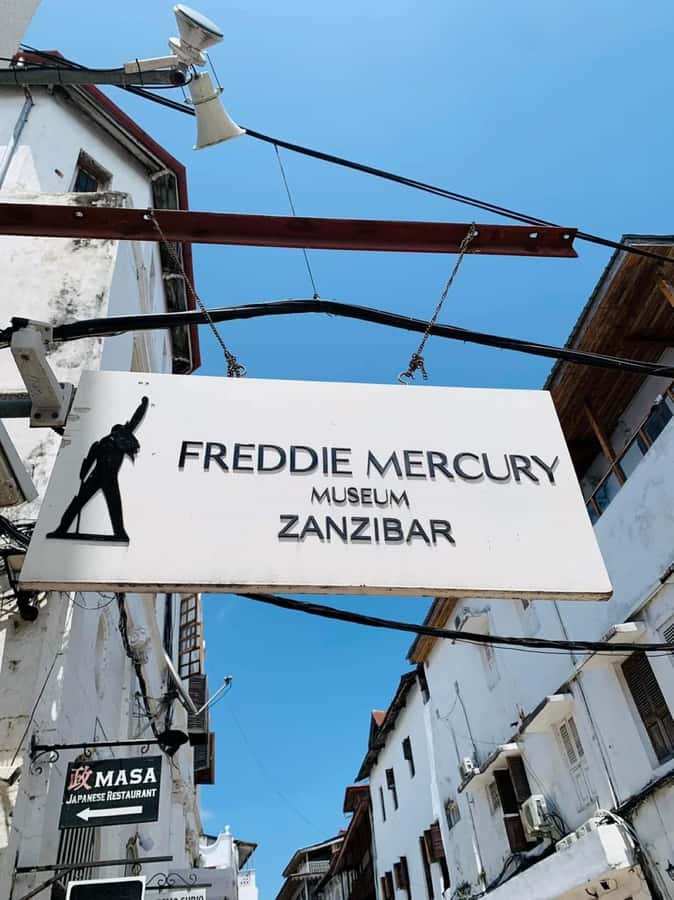
The Stone Town route also includes several well-known landmarks.
The House of Wonders is one of the city’s most recognizable historic buildings. Even from the outside, it helps you see the scale and ambition of Stone Town’s former political and commercial center. Ask the guide to explain how it fits into Zanzibar’s wider story rather than treating it as a quick photo stop.
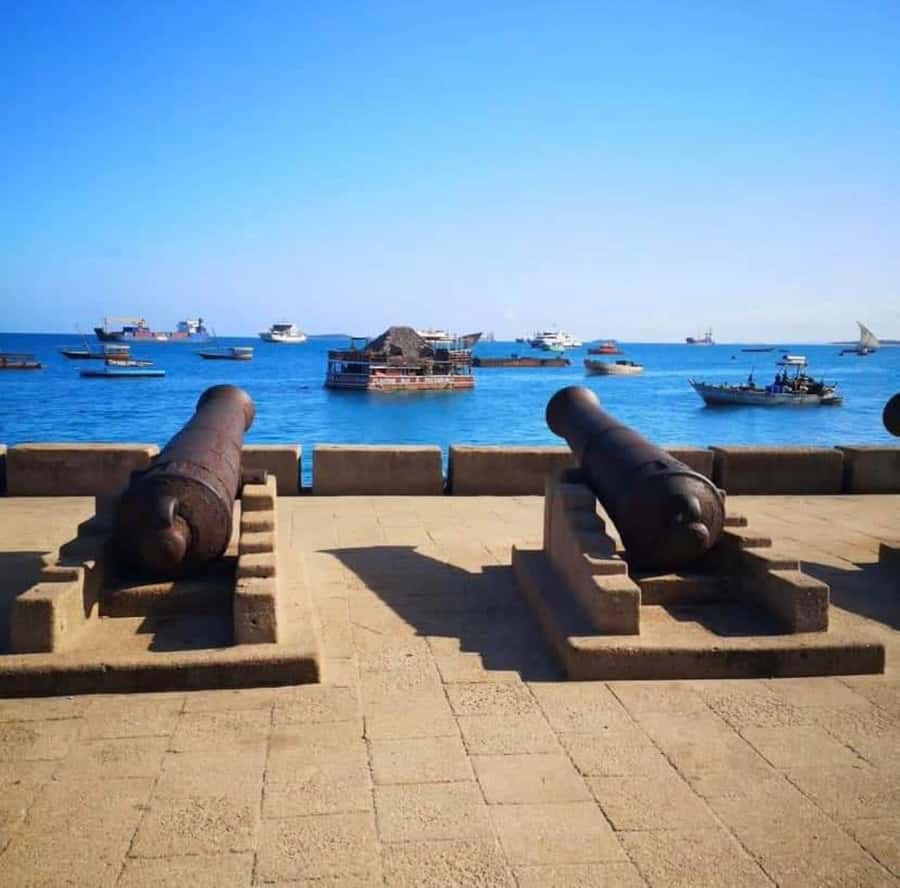
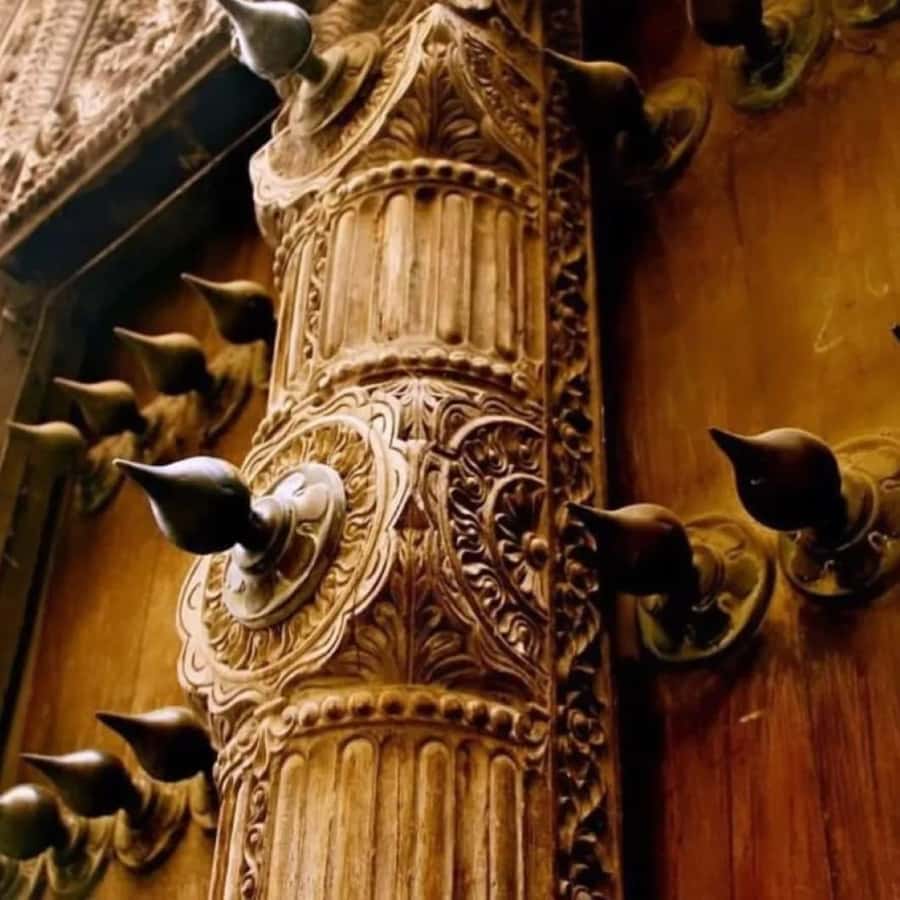
The Old Fort offers another view of the city’s defensive past. Its heavy walls contrast with the narrow streets and carved doors nearby. The fort is a useful reminder that Stone Town was shaped by trade, power, conflict, and changing rulers, not only by its picturesque appearance.
Freddy Mercury’s house brings a more recent and familiar name into the walk. The stop is brief in spirit, but it adds a modern cultural connection to a city often presented only through older history.
These sights work best when you give the guide room to add context. A private tour allows you to ask why a building matters, how it was used, and what has changed. Without those explanations, Stone Town can become a string of façades.
How the private format changes the day

A private group is the tour’s strongest practical feature. You are not locked into a fixed pace set by strangers, and guides can make room for questions, short breaks, or a little shopping.
That flexibility helped one group whose guide allowed time to explore, browse, and pause. It also helped a visitor with a companion who walked slowly. Even so, private does not mean unlimited. Five hours must cover the plantation, transfers, the former slave market, the market, and several Stone Town sights.
If walking is difficult for you or someone in your group, say so at pickup. Stone Town is explored on foot, and the market can be especially demanding. Ask the guide to protect the stops you care about most rather than trying to see every named landmark.
The tour is well suited to first-time visitors, couples, families with older children, and small groups that want a guide to connect the dots. It is less suitable if you want a slow photography walk, a long shopping session, or a full day devoted to either the plantation or Stone Town alone.
Guides, languages, and the human side of the tour
The guide can speak English, French, Italian, Spanish, or German. That range is useful, but the guide’s personality matters just as much as language.
The strongest guide experiences combine clear explanations with an easy manner. Ali has been praised for talking about Zanzibar’s culture and daily life from the first drive. Mo and Mu have been described as friendly, attentive, and fun, while Sahim has been praised for patience and detailed explanations. Abdul has worked as both driver and guide on some days, helping the logistics run smoothly.
You should not book solely because of one guide’s name, since assignments can vary. But it is worth asking the operator whether a preferred language is available and telling them if cultural explanation matters more to you than quick sightseeing.
A good guide can also protect you from the tour’s weak spots. Ask about the plantation’s sales pitch, request the slave market site, and say how much time you want at Darajani Market. Clear requests are especially important on a compact private tour.
What to bring and how to pace the five hours

Wear comfortable shoes. The Stone Town section involves walking, and the day combines an outdoor plantation with streets, markets, and historic sites.
Bring water and money for personal needs, but remember that food is not included. If you plan to buy spices or crafts, ask for prices before agreeing. You may also want to carry a small bag for purchases.
Do not try to taste every offered item if your stomach is sensitive. The plantation is about learning through the senses, not proving that you can sample everything on the table.
Most important, decide your priorities before pickup. I would choose three: the spice plants, the slave market site, and either the market or the main landmarks. If you also want extensive shopping, the schedule may feel crowded.
Is this Zanzibar tour worth booking?
I would book this tour if you want an efficient first look at Zanzibar’s culture, agriculture, and history in one private half-day. The plantation is interactive, the Stone Town route covers major sights, and hotel pickup makes the day easy to arrange.
I would book with two conditions: confirm that the former slave market site is included in your actual route, and ask about spice prices before buying anything. If you walk slowly, tell the guide at the start and accept that you may need to skip a landmark or shorten market time.
At $95 per person, the tour offers fair value for private guiding, transport, and admissions. It is not a quiet or perfectly polished experience. The fruit tasting may not suit every stomach, the market is intense, and the farm can feel sales-focused. But if you want a direct, useful introduction rather than a beach-only view of Zanzibar, this pairing earns its strong 4.8 rating from 115 bookings.
FAQ
How long is the Zanzibar Spice Tour and Stone Town Walking Tour?
The experience lasts five hours, including the spice plantation visit and the Stone Town walking tour.
What is included in the $95 price?
The price includes hotel pickup and drop-off, entrance to the spice plantation, entrance to the former slave market site, and a tour guide.
Is this a private tour?
Yes. The experience is offered for a private group rather than a shared group.
Which languages are available?
Live guiding is available in English, French, Italian, Spanish, and German.
What spices and fruits can I see at the plantation?
The plantation visit may include cinnamon, cardamom, black pepper, chili, ginger, vanilla, lemongrass, lemon mint, turmeric, nutmeg, cloves, and tropical fruit.
Will I visit the former slave market?
Entrance to the slave market site is included. Tell your guide at the beginning that this stop is a priority, since the Stone Town schedule can change depending on walking and shopping time.
Is food included?
No. Food is not included, and personal needs are also excluded from the price.
Can I cancel the booking?
You can cancel up to 24 hours in advance for a full refund. The reserve-now, pay-later option lets you book without paying immediately.
More Spice Farm Tours in Zanzibar
- Spice Tour + Stone Town Tour + Prison Island
★ 4.5 · 130 reviews - Zanzibar: Stone Town & Spice Farm Tour with Lunch
★ 4.5 · 97 reviews - Zanzibar: The Swahili Spice Experience – Spice Tour + Culinary Journey
★ 4.7 · 96 reviews - Zanzibar:Stone Town & Spice Farm Private Tour Lunch Included
★ 4.2 · 94 reviews
Just added in Zanzibar
- Best of Zanzibar: Spice Tour & Stone Town Visit★ 4.4 · 5 reviews
- THE GREEN TOUR: Jozani Forest & Mangrove Kayaking Experience★ 4.7 · 6 reviews
- Stone Town: Private Walking Tour in the Heart of Zanzibar.★ 5.0 · 1 review
- The rock restaurant and blue Lagoon★ 5.0 · 1 review
- Tea House, Zanzibar Coffee House, Spice Tour with Lunch★ 5.0 · 1 review
- Swimming with sea turtles in salaam cave★ 5.0 · 1 review
- Swim with Turtles at The Lagoons Zanzibar & Stone Town Tour★ 4.8 · 4 reviews
- Stonetown & Prison island Cultural Tour★ 5.0 · 2 reviews
Stone Town Tours, compared.
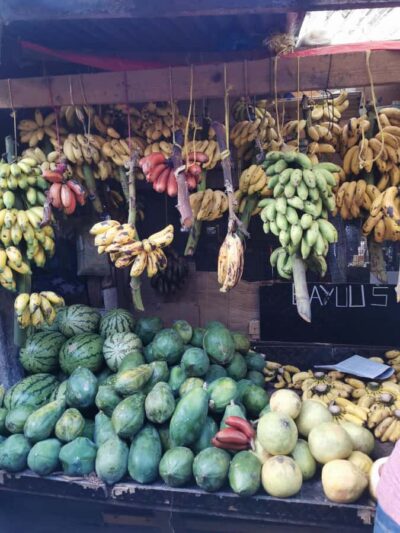
Stone Town, Spice Tour, Prison Island with Lunch
Read our review →
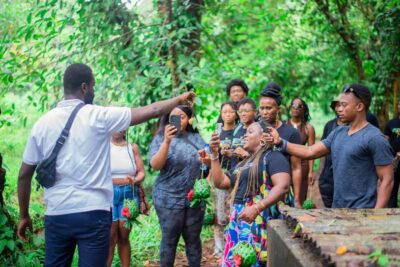
Stone Town, Spice tour & Prison Island with Lunch
Read our review →
3 Hours Private Stone Town walking Tour with Guide
Read our review →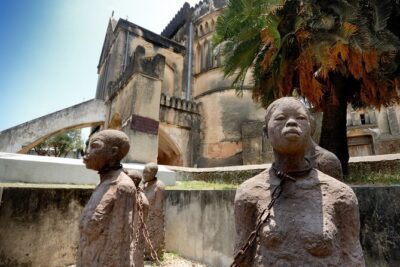
Full-Day Private Stone Town +Spice Farm and Prison Island Tour
Read our review →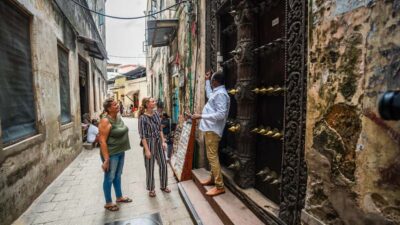
Stone Town Historical Cultural Walking Guided Tour
Read our review →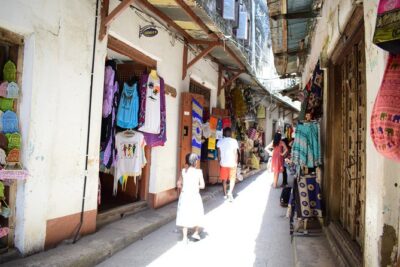
Browse the lists this tour appears in