
Reviewed · ZANZIBAR TOURS
Zanzibar Aromatic Spice Farms Tour
Follow the scent of Zanzibar. This three-hour walking tour takes you into a working spice farm, or shamba, where cloves, vanilla, cinnamon, turmeric, cardamom, and tropical fruits grow in the soil rather than in a market display. I like the hands-on tasting and the clear focus on how each crop grows and gets used in daily cooking. I also like that the tour is private, with transport by private vehicle and pickup offered.
The main consideration is the cost: $102.57 per person is a serious price for a three-hour outing. A past pickup problem also caused a delay when the first van could not hold the full party, so I would confirm the vehicle arrangements before setting off. Still, the chance to learn from guides such as Zamir, James, or a French- or Italian-speaking guide can make this more than a quick photo stop.
In This Review
- Key points at a glance
- Why Zanzibar’s spice farms matter
- The walking tour through the shamba
- The spices worth paying attention to
- Tasting spices and seasonal fruit
- Swahili lunch at the farm
- The final spice stall and what to buy
- Private transport and the three-hour schedule
- Is $102.57 a fair price?
- Weather, cancellation, and planning details
- Who should book this spice farm tour?
- Should you book the Zanzibar Aromatic Spice Farms Tour?
- FAQ
- How long is the Zanzibar Aromatic Spice Farms Tour?
- Where does the tour take place?
- Is pickup available?
- Is this a private tour?
- What spices can you see on the tour?
- What fruits may be available for tasting?
- Is lunch included?
- Can children join the tour?
- Can I buy spices at the end?
- What happens if the weather is poor?
Key points at a glance
- Vanilla and cloves grow before they reach your kitchen: You see the plants, smell fresh leaves, and learn about the work behind familiar spices.
- A private three-hour visit: Your group participates on its own, with pickup offered and transport by private vehicle.
- Tasting is central to the experience: Expect spice samples and seasonal fruit such as papaya, jackfruit, oranges, and coconut.
- Guides make the difference: Zamir, James, and guides who speak French or Italian have led visitors through the farm.
- Swahili food brings the lesson to the plate: The tour finishes with a traditional lunch using spices and available seasonal fruit.
- Bring cash for the final stall: Fresh packaged spices are sold at the end, and the stall accepts cash only.
Why Zanzibar’s spice farms matter
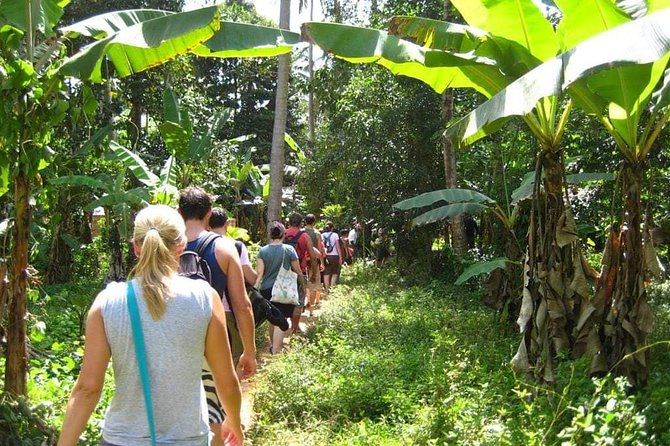
Zanzibar’s spice trade began to change in the 16th century, when Portuguese traders brought spices and herbs from South America and India. That history gives this visit more weight than a simple garden walk. You are looking at crops tied to trade, cooking, farming, and the island’s identity.
The tour takes place at a spice farm connected with a local village. That detail matters. You are not only seeing neatly arranged plants for display. You are visiting a shamba, a working farm setting where the guide explains how crops are cultivated and how people use them.
I find this kind of visit useful early in a Zanzibar stay. It helps you recognize ingredients later in local dishes and markets. A leaf that looks ordinary may have a strong lemon scent. A familiar spice may look surprisingly different before it is dried, ground, or packaged.
The experience is also a good reminder that spices do not appear in tidy jars by magic. Vanilla, in particular, can surprise you with the size of its growing bean and the manual labor needed to cultivate it. That simple observation gives the tour a practical edge.
A few more options to weigh up in Zanzibar
- From Zanzibar: Mikumi Safari Day Trip with Flights and Meal
★ 4.7 · 1,470 reviews - Zanzibar: Quad Bike Adventure departing from Kendwa or Nungwi
★ 4.9 · 1,233 reviews - Zanzibar: Stone Town, Spice Tour, Prison Island with Lunch
★ 4.4 · 1,219 reviews
The walking tour through the shamba
The core of the experience is a guided walk through the farm. You stop at individual plants while the guide explains how they grow, when they are harvested, and what they are used for.
You can expect to encounter:
- Cloves
- Lemongrass
- Nutmeg
- Cinnamon
- Turmeric
- Vanilla
- Coconut
- Papaya
- Chili
- Black pepper
- Jackfruit
- Cardamom
- Cassava
- Oranges
The value comes from using several senses at once. You smell leaves, handle or taste selected spices, and sample seasonal fruit. This turns the visit into a lesson you are more likely to remember than a list of names recited beside a bus.
Guides may invite you to rub a leaf between your hands before smelling it. That small action can reveal the difference between a plant in the ground and the dried product you know from a spice rack. You may also see different growth stages, which helps explain why some spices require patience and careful labor.
The guide’s language skills can shape the visit. Zamir from Madeira Travel and Tours of Zanzibar has led the walk in English, while James has also guided the farm experience. French- and Italian-speaking guides have been available too. If language is important to you, request your preferred language when booking rather than leaving it to chance.
The walking portion is described as suitable for most participants, but the information does not give a specific distance or terrain. I would wear comfortable shoes and expect an outdoor farm setting rather than a polished indoor attraction. Children must be accompanied by an adult.
The spices worth paying attention to
Some of the best moments come from plants you use every day but rarely see growing.
Vanilla is a strong example. The growing bean is larger than many people expect, and the guide can explain why producing it takes so much hand labor. That makes the familiar price of good vanilla easier to understand.
Cloves are another important crop to watch for. Zanzibar is closely associated with cloves, and seeing the plant helps connect the island’s name with a real agricultural product. Cinnamon and nutmeg also become easier to identify when you see their source rather than meeting them only as powders.
Turmeric adds color to the visit, while black pepper and cardamom show how varied spice plants can be. Lemongrass brings a clean citrus smell, and chili gives you a chance to compare heat with aroma. The point is not simply to collect a long list of spices. It is to understand that each one has a different plant, growing pattern, and use.
The fruit tasting broadens the experience beyond seasoning. Depending on the season, you may taste papaya, jackfruit, oranges, coconut, or other available fruit. Seasonal availability matters here, so you should not expect every item listed on every visit.
Tasting spices and seasonal fruit
The tasting portion is one of the tour’s strongest features. Instead of only listening, you get to smell and taste ingredients at the farm.
The fruit provides an easy entry point. Coconut, papaya, oranges, and jackfruit are recognizable foods, but tasting them in a farm setting gives the stop a local feel. Cassava also helps show that the farm is about more than exotic aromas. It includes crops that play a practical role in regional cooking.
Spice tasting needs a little care. You may be smelling fresh plant material, tasting small portions, or trying spices in forms that differ from the dried powders in your kitchen. Let the guide explain each sample before you decide how much to taste, especially with chili.
I like that the tasting is tied to cultivation. You are not just given a snack tray. You first see where ingredients come from, then learn how they are used. That order makes the flavors easier to understand.
Because fruit is seasonal, the exact tasting menu can change. Think of this as a farm-based sampling rather than a fixed menu. If one fruit is unavailable, another may take its place.
A different kind of day out entirely:
- From Zanzibar: Day Selous Game Reserve Safari with Flights
★ 4.7 · 1,025 reviews - Zanzibar: Prison Island and Nakupenda Boat Trip with Lunch
★ 4.1 · 882 reviews - Skydive Zanzibar | Tandem Skydive
★ 5.0 · 877 reviews - Quad Adventures in Zanzibar: Nungwi / Kendwa
★ 4.9 · 640 reviews
Swahili lunch at the farm
After the walk and tasting, the experience includes a traditional Swahili lunch at the farm. This is where the earlier explanations become practical.
You get to taste how spices are used in food, rather than only smelling them in isolation. The meal also gives you a chance to try seasonal fruit in a more natural setting, alongside dishes prepared with the same kinds of ingredients you have just seen growing.
The description does not provide a set menu, so I would not arrive expecting particular dishes. The food can vary according to seasonal produce and what the farm prepares that day. That uncertainty is part of the farm experience, but it also means you should ask about dietary needs before booking if you have restrictions.
Lunch helps justify the time spent on the walk. Without it, the farm could feel like a short educational stop. With it, you get a clearer sense of how the crops connect to everyday Swahili cooking.
The final spice stall and what to buy
The visit finishes at a spice stall selling fresh packaged spices. This is a practical end to the tour because you can buy ingredients you have just seen and smelled.
The stall accepts cash only, so plan ahead. The supplied information does not state which currencies or payment amounts are accepted, so carry suitable local cash if possible and ask your guide about payment before you reach the stall.
This stop can be useful if you want to take home cloves, cinnamon, turmeric, vanilla, cardamom, or other packaged products. Check the packaging and quantity before buying. Since the tour has already introduced you to the crops, you can make a more informed choice than you would at a random souvenir shop.
Do not feel pressured to purchase. The tour price already includes tips for farm workers, so you do not need to add a tip at the end of the visit. If you do buy spices, treat that as a separate personal purchase.
Private transport and the three-hour schedule
Pickup is offered, and transport is provided by private vehicle. A private tour means only your group participates, which can make it easier to ask questions or request a preferred guide language.
The stated duration is about three hours. That is long enough for the farm walk, tasting, lunch, and spice stall, but it is not a full-day excursion. I would place it on a day when you want a focused cultural activity rather than trying to combine it with several distant sights.
One practical warning comes from a past transport issue. The first van was too small for one party, and the group had to wait for another van. That may have been an isolated problem, but it is worth confirming the number of people and vehicle size when you arrange pickup.
The experience is near public transportation, although private transport is included. You should still rely on the pickup instructions supplied at booking, since the exact meeting point is not given here.
Is $102.57 a fair price?
At $102.57 per person, this is not a bargain-priced farm visit. The value depends on what you want from the day.
The price includes private vehicle transport, seasonal fruit, the guided farm walk, tastings, and the traditional Swahili lunch described as part of the experience. It also covers tips for farm workers. For a private group that wants a structured visit with transport and food, those pieces add up.
The value is weaker if you only want to see a few spice plants and take photographs. A three-hour activity at this price needs to deliver more, and its strongest return is educational: you learn how crops grow, how much manual work they require, and how they reach the plate.
I would recommend it more readily to couples, families with older children, and small private groups who care about food and local agriculture. It is also a good fit if you want a guide who can explain the plants in French or Italian. Budget-conscious visitors may prefer to compare this private outing with less expensive shared options.
The overall rating shown for the experience is 4.6 from five reviews, but the small number of ratings means I would treat that figure as a useful signal rather than a guarantee. The praise centers on the farm explanations, the fruit and spice tasting, and the chance to see familiar ingredients growing.
Weather, cancellation, and planning details
The tour needs good weather. If poor weather causes a cancellation, you are offered another date or a full refund. The same choice applies if the minimum number of participants is not reached and the operator cancels.
You can cancel for a full refund up to 24 hours before the start time. Cancellations or changes made less than 24 hours before the local start time are not refunded or accepted.
Confirmation is received at booking, and a mobile ticket is available. Most people can participate, but children must have an adult with them. Since the walk takes place outdoors, I would check the forecast, wear practical shoes, and carry cash for the final stall.
Who should book this spice farm tour?
I would choose this experience if you want a short, organized look at Zanzibar’s farming traditions and you enjoy learning through food.
It suits you especially well if you:
- Like cooking, markets, and local ingredients
- Want to see vanilla, cloves, cinnamon, and turmeric before processing
- Prefer a private activity rather than a large group
- Appreciate a guide who can speak French, Italian, or English
- Want a traditional meal included in the visit
- Have only a few hours available
I would think twice if your main goal is a low-cost outing, a long farm visit, or a detailed agricultural course. The exact route, lunch menu, and seasonal fruit selection are not fixed in the available information.
Should you book the Zanzibar Aromatic Spice Farms Tour?
Book it if the story behind your food interests you. The best part is not simply smelling spices. It is seeing how vanilla, cloves, lemongrass, turmeric, black pepper, cardamom, fruit, and other crops grow, then tasting some of them and trying their place in Swahili cooking.
The price is high for three hours, and you should confirm transport details before pickup. But private participation, a farm-based lunch, seasonal tasting, included worker tips, and guides such as Zamir or James give the visit real substance.
For a first look at Zanzibar’s spice culture, this is a worthwhile choice. Just bring comfortable shoes, an open appetite, and cash for the spice stall.
FAQ
How long is the Zanzibar Aromatic Spice Farms Tour?
The tour lasts approximately three hours.
Where does the tour take place?
It takes place at a spice farm, or shamba, in the Zanzibar City area of Tanzania.
Is pickup available?
Yes, pickup is offered, and transport is provided by private vehicle.
Is this a private tour?
Yes. Only your group participates in the activity.
What spices can you see on the tour?
The farm may include cloves, lemongrass, nutmeg, cinnamon, turmeric, vanilla, chili, black pepper, and cardamom.
What fruits may be available for tasting?
Seasonal fruit may include coconut, papaya, jackfruit, and oranges. The exact selection depends on what is available.
Is lunch included?
The experience description includes a traditional Swahili lunch at the farm after the walking tour.
Can children join the tour?
Yes, but children must be accompanied by an adult.
Can I buy spices at the end?
Yes. The tour finishes at a stall selling fresh packaged spices. The stall accepts cash only.
What happens if the weather is poor?
If the tour is canceled because of poor weather, you are offered a different date or a full refund.
Just added in Zanzibar
- Zanzibar:Ngoma local culture workshop,The Knowledge of Ngoma★ 5.0 · 1 review
- ZANZIBAR:Mnemba island, Spice farm and Jozani Forest★ 5.0 · 1 review
- Zanzibar: Zipline Adventure At Masingini Forest★ 4.6 · 2 reviews
- Zanzibar Walking Tour: Unveiling the Secrets of Stonetown★ 4.8 · 11 reviews
- Zanzibar: Walking Spice Farm with Local Cooking Class★ 4.4 · 9 reviews
- Zanzibar: Walking Tour★ 4.0 · 1 review
- Zanzibar: Uzi Island Mangrove Kayak Tour with Guide★ 5.0 · 1 review
- Zanzibar: Unique Guided Mangrove Tour by SUP or Kayak★ 5.0 · 1 review
Zanzibar Tours, compared.

Mikumi Safari Day Trip with Flights and Meal
Read our review →
Quad Bike Adventure departing from Kendwa or Nungwi
Read our review →
Stone Town, Spice Tour, Prison Island with Lunch
Read our review →
Prison Island and Nakupenda Boat Trip with Lunch
Read our review →