Reviewed · ZANZIBAR TOURS
Zanzibar Spice Adventure by Imani Zuberi
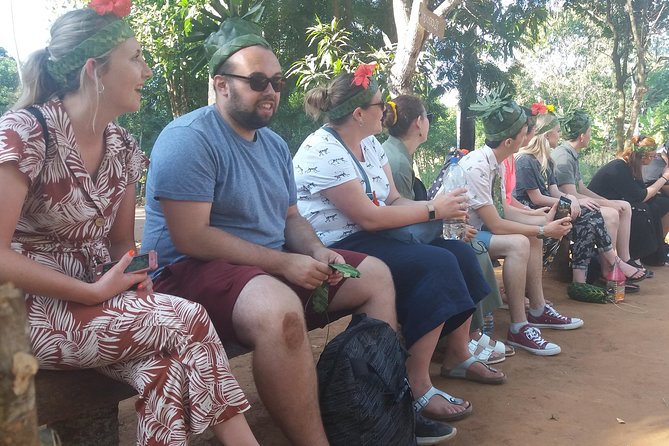
Spices tell Zanzibar’s story. This private outing at the School of Agriculture mixes spice tasting, local products, coconut climbing, fresh fruit, and a Swahili lunch in one compact visit. I like the chance to learn how plants are used for both cooking and medicine, and I like that the tour includes lunch, seasonal fruit, and 1.5 liters of water. The main point to consider is timing: the core visit is listed at two hours, while the full outing may run from two to four hours, so you should leave room in your day.
Imani Zuberi also receives praise for keeping groups safe, answering questions, and adding humor to the day. His tours have included school groups, volunteers, and visitors combining Stone Town with a spice farm. That range suggests a flexible approach, though you should confirm your pickup time and exact schedule when booking.
In This Review
- Key Points at a Glance
- Why a Zanzibar Spice Tour Matters
- At the School of Agriculture: A Hands-On Introduction
- From Plant to Plate: Tasting and Medicinal Uses
- The Coconut Climber and a Fresh Young Coconut
- Swahili Lunch, Fruit, and What You Actually Eat
- Private Touring With Imani Zuberi
- Is $71.80 Good Value?
- Timing, Pickup, and Practical Planning
- Who Will Enjoy This Tour Most?
- What I Would Ask Before Booking
- Should You Book Zanzibar Spice Adventure?
- FAQ
- Where does Zanzibar Spice Adventure take place?
- How long does the tour last?
- Is pickup available?
- Is this a private tour?
- What food is included?
- Is bottled water included?
- Are beer and soda included?
- Can most people participate?
- What happens if the weather is poor?
Key Points at a Glance
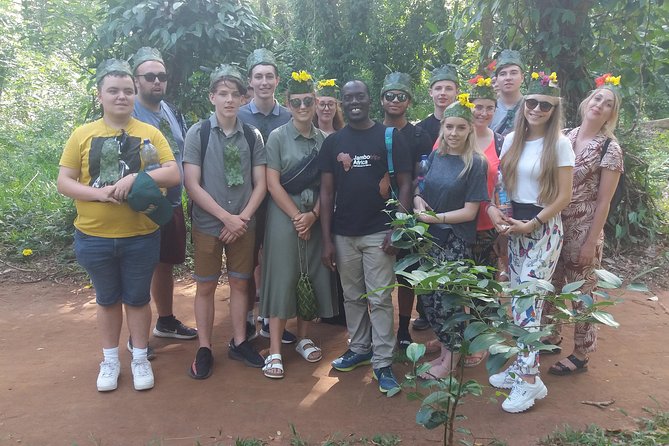
- Taste spices at the School of Agriculture: You learn about spice plants through direct tasting rather than only looking at them.
- See how spices serve two purposes: The guide explains culinary uses as well as medicinal values.
- Watch a coconut climber at work: Fresh young coconut is part of the visit, adding a memorable local touch.
- Eat a Swahili lunch: Lunch, seasonal fruit, and bottled water are included in the price.
- Enjoy a private format: Only your own group takes part, which allows more room for questions and schedule changes.
- Book with weather in mind: Poor weather may lead to a new date or a full refund.
Why a Zanzibar Spice Tour Matters
Zanzibar is often linked with cloves, cinnamon, vanilla, cardamom, and other fragrant plants. A spice tour gives you a useful way to connect those familiar kitchen ingredients with the soil, farming, trade, and daily life behind them.
This outing focuses on the School of Agriculture. That setting gives the visit an educational angle. You are not simply handed a few spices to smell. You can learn how plants grow, how their parts are used, and why some are valued for health as well as flavor.
I like this kind of tour early in a Zanzibar stay. It gives you a basic vocabulary for local food and products before you eat your way through the island. It also provides a change of pace from beach time and old-city sightseeing.
The medicinal side deserves a sensible approach. The tour explains the traditional or recognized value associated with different spices, but you should treat that information as cultural and educational rather than as medical advice. The practical gain is understanding how plants have been used in local life.
A few more options to weigh up in Zanzibar
- From Zanzibar: Mikumi Safari Day Trip with Flights and Meal
★ 4.7 · 1,470 reviews - Zanzibar: Quad Bike Adventure departing from Kendwa or Nungwi
★ 4.9 · 1,233 reviews - Zanzibar: Stone Town, Spice Tour, Prison Island with Lunch
★ 4.4 · 1,219 reviews
At the School of Agriculture: A Hands-On Introduction
The main stop lasts about two hours and includes admission. You can expect the guide to lead you through the story of the spice trade, point out different plants, and explain their uses.
The tasting element is important. Spices can look ordinary on a plant, yet their scent and flavor change sharply once you handle or taste them. This gives the visit more life than a simple talk. You may come away with a better sense of the difference between a plant’s leaves, bark, seed, fruit, or root.
The tour also introduces products made by the local community. This is useful if you want to understand how farming connects with small-scale trade. It may also help you decide what local spice products are worth buying during your stay.
Because the tour is private, you can ask Imani to slow down or explain a point again. That matters here. A group lecture can rush past the details, while a private format gives you more control over the conversation.
The available description does not promise a set list of every plant or product you will see. Seasonal conditions may affect what is growing and what is available to taste. I would treat that as part of the farm setting rather than expect a fixed museum-style display.
From Plant to Plate: Tasting and Medicinal Uses
A good spice visit should appeal to more than your nose. This one connects plants with cooking and with medicinal use, which makes it more useful for anyone interested in food traditions, farming, or everyday life in Zanzibar.
You will likely hear how spices are valued in meals and why certain plants have been kept in household use. The guide’s role is especially important because the plants may not be obvious to an untrained eye. Imani is praised for explaining local subjects clearly and for answering questions, which fits the educational purpose of this stop.
You should ask about preparation, local names, and which parts of a plant are used. Those questions can turn a short explanation into a better conversation. If you are interested in photography, ask before handling or tasting anything, and follow the guide’s instructions.
The tasting is not described as a full meal. It is part of the plant visit. Your proper meal comes later, with the included Swahili lunch. That distinction helps set expectations.
The Coconut Climber and a Fresh Young Coconut
The coconut climbing demonstration adds a welcome bit of movement to a tour that could otherwise be mostly walking and listening. You get to watch a climber work up a coconut palm, then enjoy a fresh young coconut.
This is a small detail, but it gives the visit a strong sense of place. A bottle of water is practical. A coconut opened for you on site is far more memorable.
The tour includes 1.5 liters of bottled water, along with seasonal fruit. That is generous for a two-hour core stop, especially in Zanzibar’s heat. Still, bring suitable clothing and sun protection because the supplied information does not specify how much of the visit takes place in shade.
The climbing demonstration also reminds you that farm work is a skill, not a stage trick. Watch respectfully and follow local instructions. The listing does not promise that you can climb yourself, so you should expect to watch rather than participate.
A different kind of day out entirely:
- From Zanzibar: Day Selous Game Reserve Safari with Flights
★ 4.7 · 1,025 reviews - Zanzibar: Prison Island and Nakupenda Boat Trip with Lunch
★ 4.1 · 882 reviews - Skydive Zanzibar | Tandem Skydive
★ 5.0 · 877 reviews - Quad Adventures in Zanzibar: Nungwi / Kendwa
★ 4.9 · 640 reviews
Swahili Lunch, Fruit, and What You Actually Eat
Lunch is included and is described as Swahili cuisine. This is one of the strongest value points in the $71.80 price.
A local meal gives you more than calories between activities. It lets you connect the spices you have just seen with the flavors of the region. The menu is not specified, so you should not book expecting a particular dish or a special dietary arrangement unless you confirm it ahead of time.
Seasonal fruit is also included. That wording matters because the selection can change. You receive what is available at the time rather than a fixed fruit plate.
Beer and soda are not included. Bottled water is included, so the basic refreshment needs are covered. If you want a soft drink or beer with lunch, budget separately.
I see the lunch as part of the tour’s cultural value, not merely an added extra. You spend time learning about plants, then sit down to eat food connected to the same broad tradition. That gives the short outing a clearer shape.
Private Touring With Imani Zuberi
The private format is a major advantage. Only your group participates, so you are not joining a large mixed party. That can make a difference if you have children, older relatives, a school group, or a small circle with different interests.
Imani Zuberi is praised for being friendly, careful, humorous, and willing to go beyond the basic plan to help people enjoy Zanzibar. One account describes feeling safe throughout a wider Zanzibar program that included the spice tour and community activities. Another describes a group day that combined Stone Town with a spice farm.
Those comments point to two useful strengths. First, Imani appears comfortable working with different types of groups. Second, he can provide more than plant facts, including broader help with seeing Zanzibar.
You should still be clear about what you want. Tell him if you care most about medicinal plants, cooking, local products, photography, or keeping the visit short. Since the outing is described as flexible, specific requests may help shape the day.
The private arrangement can also improve the question-and-answer time. Instead of waiting for a large group to move on, you can ask about a plant, a product, or a custom that catches your attention.
Is $71.80 Good Value?
At $71.80 per person, this is not the cheapest possible farm visit. Its value depends on what you would otherwise need to arrange yourself.
The price covers a private activity, admission to the School of Agriculture, a guide, Swahili lunch, seasonal fruit, and 1.5 liters of bottled water. Pickup is offered, which may reduce the hassle of arranging transport, although the exact pickup details are not provided.
If you want only a quick look at spice plants, the price may feel high. You are paying for a guided visit with food and a private group rather than for entry alone.
I think the cost makes more sense for visitors who value a personal guide and a simple half-day plan. It is also a reasonable fit for small groups that would rather not join strangers. The wider time estimate of two to four hours gives you some flexibility, but you should confirm how transport and any added sightseeing affect the final duration.
For school or volunteer groups, the educational content and private setup may add extra value. Past groups have used Imani’s services during longer Zanzibar programs, including English teaching and other local visits. The tour can therefore work as a focused activity inside a broader itinerary.
Timing, Pickup, and Practical Planning
The main stop is listed as two hours, while the complete activity is described as approximately two to four hours. That difference likely reflects pickup, travel, lunch, and the pace of your private group, but the exact breakdown is not stated.
I would avoid scheduling a tight airport transfer, ferry connection, or fixed evening booking immediately afterward. Ask for a realistic door-to-door estimate before you commit to another appointment.
Pickup is offered, but the available details do not state the pickup area, pickup fee, or meeting time. Confirm those points when you book. A mobile ticket is available, and confirmation is sent at booking.
Most people can participate. No special accessibility details are provided, so you should ask directly if anyone in your group has mobility needs or requires a particular arrangement.
Weather matters. If poor weather cancels the tour, you can receive a different date or a full refund. For the best chance of a smooth day, keep some flexibility in your Zanzibar schedule.
Free cancellation applies when you cancel at least 24 hours before the start time. Cancellations or changes made within 24 hours are not refunded or accepted. The cutoff follows local time.
Who Will Enjoy This Tour Most?
I would recommend this outing to you if you enjoy learning through food, plants, and conversation. It suits couples, families, private friend groups, school groups, and volunteer groups looking for a manageable cultural activity.
It is also a good choice if you want more than beach scenery but do not want a full-day excursion. The two-hour core visit keeps the subject focused, while the broader two-to-four-hour window allows for lunch and transport.
Food lovers should get plenty from the experience. You can taste plants, learn how spices are used, and then eat Swahili cuisine. Anyone interested in traditional plant uses will also find the medicinal explanations worthwhile.
You may want to choose another activity if you need a fixed, highly detailed schedule or a guaranteed menu. The information provided does not list every plant, product, dish, or pickup location. This is a flexible guided visit, not a tightly scripted attraction.
What I Would Ask Before Booking
I would send Imani a short message with four questions:
- What is the expected total duration from pickup to return?
- Where exactly is pickup available?
- What dishes are planned for the Swahili lunch?
- Can the meal accommodate any dietary needs?
I would also ask what spice products are usually available during your visit. Seasonal conditions can affect the plants and fruit, so a fixed list should not be expected.
If you are combining this with Stone Town, ask if that can be added or arranged separately. Imani has guided groups around Stone Town as well as spice farms, but the experience described here centers on the School of Agriculture and does not promise a Stone Town visit.
Should You Book Zanzibar Spice Adventure?
Book it if you want a private, friendly introduction to Zanzibar’s spice culture with food included. The best parts are the direct plant tasting, the explanation of medicinal uses, the coconut climbing demonstration, and the Swahili lunch.
The $71.80 price is easiest to justify if pickup, private guiding, and lunch matter to you. I would choose it over a bare farm entrance if you want someone to explain what you are seeing and answer personal questions.
Skip it if you want a fully specified menu, a guaranteed list of plants, or a very exact schedule. Otherwise, Imani Zuberi’s flexible approach, safe handling of groups, and clear interest in helping people enjoy Zanzibar make this a strong choice for a short cultural outing.
FAQ
Where does Zanzibar Spice Adventure take place?
The main stop is the School of Agriculture in Zanzibar, Tanzania.
How long does the tour last?
The main visit is listed as two hours. The full activity is approximately two to four hours.
Is pickup available?
Yes, pickup is offered. The available information does not specify the pickup area or exact schedule, so confirm those details when booking.
Is this a private tour?
Yes. Only your group participates in the activity.
What food is included?
A Swahili cuisine lunch and seasonal fruit are included.
Is bottled water included?
Yes. The tour includes 1.5 liters of bottled water.
Are beer and soda included?
No. Beer and soda are not included in the price.
Can most people participate?
Yes. Most people can participate. Specific accessibility arrangements are not provided, so contact the provider if anyone in your group has special requirements.
What happens if the weather is poor?
If poor weather causes the tour to be canceled, you can receive a different date or a full refund. You can also cancel at least 24 hours before the start time for a full refund. Cancellations within 24 hours are not refunded.
Just added in Zanzibar
- Zanzibar:Ngoma local culture workshop,The Knowledge of Ngoma★ 5.0 · 1 review
- ZANZIBAR:Mnemba island, Spice farm and Jozani Forest★ 5.0 · 1 review
- Zanzibar: Zipline Adventure At Masingini Forest★ 4.6 · 2 reviews
- Zanzibar Walking Tour: Unveiling the Secrets of Stonetown★ 4.8 · 11 reviews
- Zanzibar: Walking Spice Farm with Local Cooking Class★ 4.4 · 9 reviews
- Zanzibar: Walking Tour★ 4.0 · 1 review
- Zanzibar: Uzi Island Mangrove Kayak Tour with Guide★ 5.0 · 1 review
- Zanzibar: Unique Guided Mangrove Tour by SUP or Kayak★ 5.0 · 1 review
Zanzibar Tours, compared.

Mikumi Safari Day Trip with Flights and Meal
Read our review →
Quad Bike Adventure departing from Kendwa or Nungwi
Read our review →
Stone Town, Spice Tour, Prison Island with Lunch
Read our review →
Prison Island and Nakupenda Boat Trip with Lunch
Read our review →