
Reviewed · SERENGETI & NGORONGORO SAFARIS
2 Day Budget Safari in Tarangire and Ngorongoro From Arusha
Africa gets serious fast. This two-day safari packs Tarangire’s elephant country and the Ngorongoro Crater into a short, affordable trip from Arusha. I like the mix of wildlife and scenery, especially the baobab trees in Tarangire and the chance to search for the Big Five inside Ngorongoro. I also like the small group limit of six people, which should make game viewing more personal than a large coach tour.
The main drawback is the pace. You will spend long hours in the safari vehicle, and the second day combines an early start, crater viewing, and the drive back to Arusha. At $500 per person, the price is attractive for a two-day package with meals, guiding, parking fees, and accommodation-related meals included, but you should confirm the exact overnight arrangements before paying.
In This Review
- Key points at a glance
- Why this short safari works from Arusha
- Day one: baobabs, elephants, and Tarangire River
- A full Tarangire game drive with time to look closely
- Nighttime arrangements and what to confirm
- Day two: descending into the Ngorongoro Crater
- Birdwatching and crater viewpoints
- Guides can make or break a two-day safari
- Is $500 a fair price?
- Who should book this safari?
- Should you book the Tarangire and Ngorongoro trip?
- FAQ
- Where does the safari start and finish?
- What time does the safari start?
- How many people can join the safari?
- What meals are included?
- Are airport transfers included?
- Are park and parking fees included?
- Can I cancel and receive a refund?
Key points at a glance
- Tarangire brings the elephants: The park is famous for large elephant numbers, baobab trees, and wildlife gathered near the Tarangire River.
- Ngorongoro delivers concentrated wildlife: The crater floor holds grasslands, forest, swamps, and a soda lake in a compact setting.
- A maximum of six people matters: A smaller vehicle group can make it easier to see, photograph, and hear the guide.
- The schedule is tight but efficient: You get a full Tarangire game drive on day one and a crater safari on day two.
- Meals are part of the package: Dinner, breakfast, and two lunches are included, along with a professional driver-guide.
- Guide quality is central: Past feedback gives special praise to guides including Asaad, Omary, and Kelvin, with communication and personal care mentioned often.
Why this short safari works from Arusha
Arusha is a useful starting point for northern Tanzania’s famous parks. This trip begins with hotel pickup at about 6:00 am and ends back at the meeting point in Arusha. That makes it handy if you are staying in town and want a safari without arranging separate transport to a distant camp.
Two days is not enough for every major park in northern Tanzania, but it can give you a strong first look at the region. You get one substantial day in Tarangire, followed by a focused visit to Ngorongoro. The route favors variety over slow travel.
I would see this as a good choice for a first safari, a short stop before or after another Tanzanian trip, or a budget-conscious visit built around the two most accessible highlights in this package. You should not choose it if you want long, quiet mornings at camp or several days to wait patiently for rare animals.
The group cap of six is one of the most useful details here. Safari vehicles can feel crowded when every seat is taken, especially when several people want the same view. A small group gives you a better chance of getting a clear sightline and asking the guide questions without competing with a busload of people.
More Serengeti and Ngorongoro safaris:
- Balloon Safari & Bush Breakfast in Serengeti – Miracle Experience
★ 5.0 · 1,646 reviews - 3 Days Serengeti & Ngorongoro Group Camping Safari
★ 5.0 · 574 reviews - 5-Day Highlights mid-Range Crater, Serengeti, Tarangire
★ 5.0 · 296 reviews
Day one: baobabs, elephants, and Tarangire River
The first morning starts with pickup from your Arusha hotel. The drive to Tarangire is part of the day, so you should be ready for an early departure and a full schedule. Once inside the park, the focus turns to game viewing across nearly 3,000 square kilometers.
Tarangire takes its name from the river running through it. During the dry season, from June through November, the river becomes especially important because animals gather around the remaining water. That seasonal pattern is the key to understanding the park. You are not simply driving through open country hoping for luck. You are visiting a place where water helps bring wildlife together.
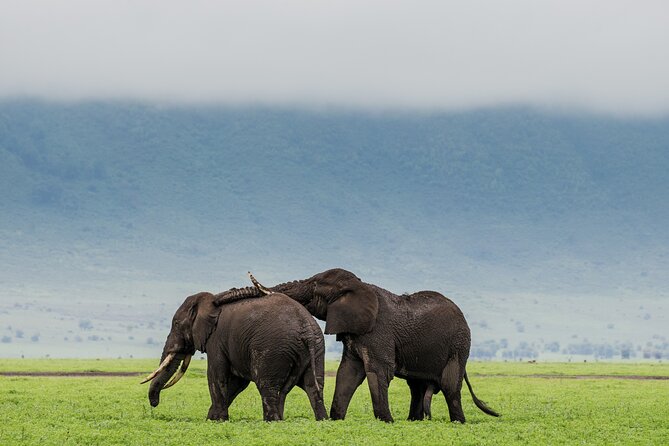
The park is best known for elephants, and the supplied information puts the population at more than 2,000. That does not guarantee an elephant sighting at every turn, but the park’s reputation is well earned. You might see family groups moving near the river, feeding beneath trees, or crossing the road in front of the vehicle.
The baobabs add a second visual reward. Their thick trunks and strange branching shapes give Tarangire a look unlike the Ngorongoro Crater. I like that this first day is not only about checking animals off a list. The trees, river, and broad open spaces give the safari a strong sense of place.
A full Tarangire game drive with time to look closely
The schedule allows roughly three hours for the initial Tarangire visit, followed by about five hours of game driving. In practice, the day is built around wildlife sightings, short pauses, and the guide’s decisions about where to go next.
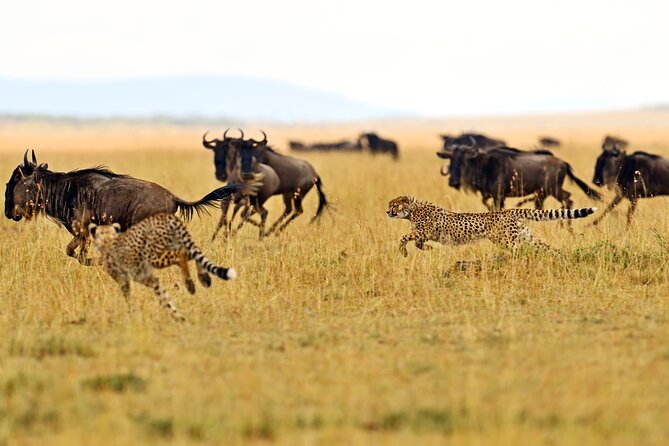
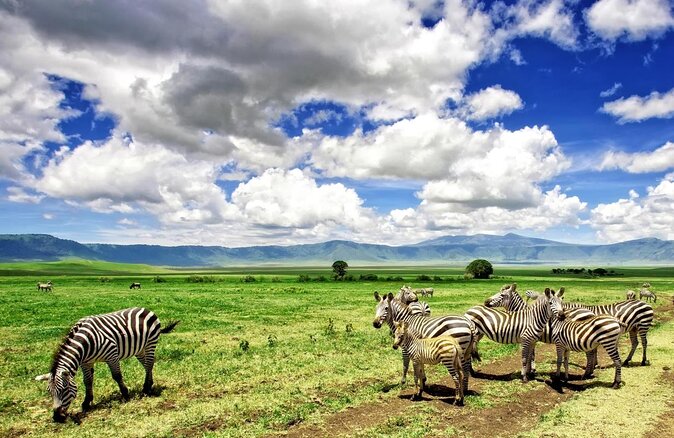
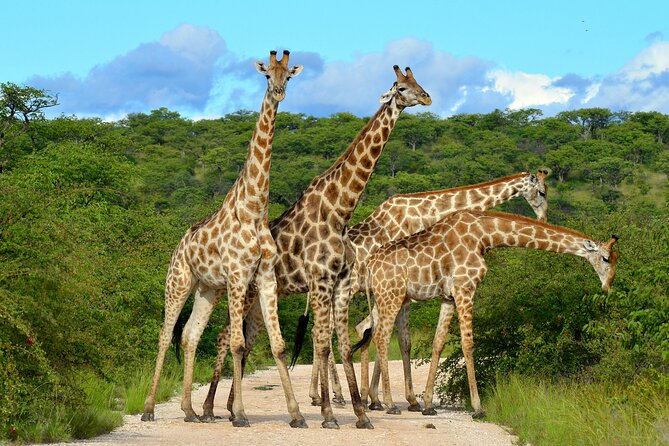
Along with elephants, the park is home to zebra, wildebeest, giraffe, waterbuck, baboons, and impala. Lions, cheetahs, and leopards are also listed among the predators you may see. Wildlife is never guaranteed, so I would treat the Big Five as a bonus rather than a promise, even though one past account describes seeing all five during the trip.
Birdwatchers also get a worthwhile day here. Tarangire is associated with more than 500 bird species, giving the guide plenty to point out between the larger animal sightings. You may want binoculars if you have them, though the package details do not specify whether equipment is supplied.
At noon, lunch is planned near Hippo Lake. A picnic stop can be a welcome break after several hours on rough park roads. It also keeps the day moving, since you are not leaving the park for a restaurant. The included package lists two lunches, along with dinner and breakfast.
One practical point: an eight-hour game drive can feel long. You will spend much of the day seated in the vehicle, and the appeal depends on your interest in watching animals rather than rushing from one sight to another. If you enjoy patient observation, the length works in your favor. If you prefer frequent walks or active stops, this style of safari may feel repetitive.
Nighttime arrangements and what to confirm
The package includes dinner and breakfast, but the supplied details do not name the accommodation or describe the room type. That is important because the overnight stop affects how comfortable the second day will feel.
Before booking, ask where you will sleep, how many people share a room, and how the accommodation fits into the route to Ngorongoro. The price may be excellent for a basic stay, but you should know what basic means in this case.
Past feedback describes comfortable lodges and good food on some trips. That is encouraging, but accommodation can vary by departure, group size, and availability. Do not assume that every booking includes the same lodge unless the provider confirms it in writing.
More Tarangire safaris:
- Private 6-Day Tarangire Manyara Crater and Serengeti with Mid-Range Lodges
★ 5.0 · 238 reviews - 5 Days Camping Tarangire, Serengeti & Ngorongoro crater & Visiting Maasai
★ 5.0 · 229 reviews - 4 Days Join Group tour Tarangire Serengeti and Ngorongoro crater
★ 5.0 · 219 reviews - 4-Day Safari from Arusha: Tarangire, Serengeti and Ngorongoro
★ 5.0 · 173 reviews
Day two: descending into the Ngorongoro Crater
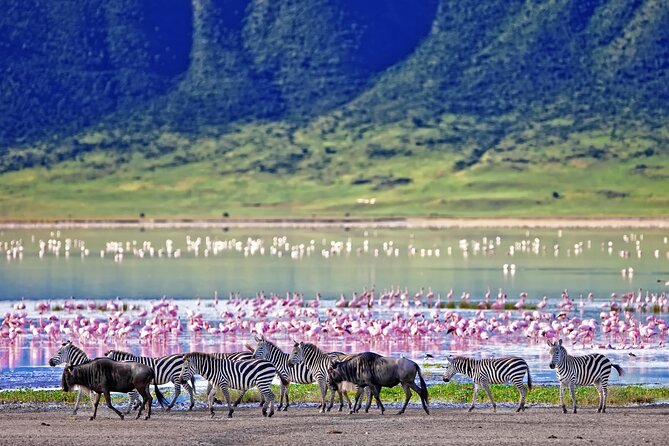
After breakfast, you drive toward the Ngorongoro Conservation Area and descend into the crater for a game tour. The crater is the star of the second day, and its shape makes the wildlife viewing feel concentrated.
Ngorongoro formed after a huge volcano erupted roughly two million years ago and its walls collapsed. The result is a natural enclosure with walls around 600 meters high. The crater floor covers about 260 square kilometers and includes grasslands, acacia forest, swamps, and a soda lake.
That variety is why the crater can offer so much in a relatively small area. You might move from open grassland to woodland, then pass wet areas where hippos gather. The setting gives you changing views without requiring the long distances found in larger parks.
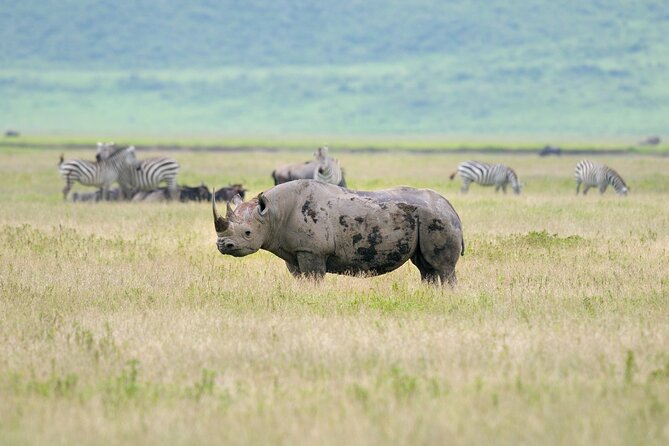
The crater is home to more than 30,000 animals, according to the supplied information. It is also known for the Big Five: lion, elephant, buffalo, leopard, and rhinoceros. Again, no guide can promise every sighting, but the compact environment gives you a strong chance to see a wide range of species in one day.
The crater walls also make the trip visually special. From above, you see the wide floor enclosed by steep sides. From below, the walls give the drive a dramatic sense of scale. Bring a camera, but do not spend the whole time looking through it. Some of the best moments come from simply watching a herd move across the grass.
Birdwatching and crater viewpoints
The second day includes time for birdwatching. Flamingos, ostriches, eagles, and other species are listed among the birds you might see in the conservation area. The soda lake and wetland areas are especially relevant to bird sightings, though the exact birds depend on conditions and season.
Scenic viewpoints around the conservation area provide wide views over the crater. These stops are useful before or after the game drive because they help you understand the geography. You can see how the crater floor functions almost like a contained world, with different habitats spread below the rim.
The schedule allows about six hours for the Ngorongoro visit, plus separate time noted for the crater, birds, and scenic views. That is enough for a meaningful introduction, but it is still a busy day. You will later drive back to Arusha, with the final drop-off point advised as part of the arrangement.
For that reason, I would avoid booking an important evening flight on the same day unless the timing is confirmed very carefully. Airport transfers are not included, and the safari ends back at the Arusha meeting point rather than at the airport.
Guides can make or break a two-day safari
On a short safari, the driver-guide shapes nearly everything. You depend on that person for animal spotting, route choices, explanations, timing, and basic care during long drives.
The strongest feedback about this experience focuses on guides being friendly, responsive, punctual, and good at explaining animals and local experiences. Specific guide names praised in past bookings include Asaad, Omary, and Kelvin. One account also credits Shaban with arranging a personalized trip.
You should understand that a particular guide is not guaranteed unless the company confirms one by name. Still, those names give you useful points of reference when asking about your departure.
A good guide does more than point at a lion. You want clear answers, sensible pacing, and help when plans need to change. Past feedback also describes quick communication before the trip and attention to individual needs. That matters for solo visitors, couples, and families who may want reassurance during a tightly timed safari.
Is $500 a fair price?
At $500 per person, this is positioned as a budget safari rather than a luxury package. The value comes from combining two major destinations, a professional driver-guide, parking fees, dinner, breakfast, and two lunches in one short trip.
The price looks strongest if you are happy with a simple overnight stay and shared transport. The group limit of six also improves the value because you are not paying for a large vehicle experience with limited personal attention.
You will still need to budget for tips, souvenirs, travel insurance, visa fees, international flights, extra accommodation before or after the safari, and airport transfers. Tips for the driver-guide and safari cook are specifically excluded, so plan for those separately.
The exact accommodation is the biggest missing price detail. Ask for the lodging name and meal plan before you commit. A low price can be excellent value, but only if it matches your comfort expectations.
Who should book this safari?
I would recommend it to you if you want a short introduction to northern Tanzania, especially if elephants and crater wildlife are high on your list. It also suits solo visitors, couples, and small groups who value a maximum of six participants.
Families may like the straightforward structure and the reports of guides taking good care of people. Most people can participate, and the meeting point is near public transportation, according to the practical tour information.
You should think twice if you dislike early starts, long vehicle journeys, or a schedule with little spare time. The trip is not built around relaxation. It is built around seeing as much wildlife as possible in two days.
The non-refundable booking rule also deserves attention. Once you pay, cancellation or amendment does not bring a refund, so confirm your dates, accommodation expectations, and pickup details first.
Should you book the Tarangire and Ngorongoro trip?
Book it if you want strong safari highlights at a controlled price and you can accept a fast pace. Tarangire gives you elephants, baobabs, birds, and river-based wildlife viewing. Ngorongoro adds dramatic crater scenery and a serious chance at Big Five sightings.
I especially like the small group limit, the included meals, and the repeated praise for careful guides such as Kelvin, Asaad, and Omary. Before paying, confirm the overnight lodge, final pickup details, and whether your preferred guide is available.
For a two-day safari from Arusha, this is a practical package with real variety. It will not give you the slow rhythm of a longer expedition, but it can give you two memorable park days without a luxury price tag.
FAQ
Where does the safari start and finish?
The safari starts in Arusha, Tanzania, with pickup offered. It ends back at the meeting point in Arusha.
What time does the safari start?
The stated start time is 6:00 am.
How many people can join the safari?
The activity has a maximum of six participants.
What meals are included?
Dinner, breakfast, and two lunches are included.
Are airport transfers included?
No. Round-trip airport transfers are not included in the package.
Are park and parking fees included?
Parking fees are included. The itinerary also lists admission tickets as included at the stops.
Can I cancel and receive a refund?
No. The experience is non-refundable and cannot be changed for any reason after booking.
Just added in Arusha
- Zanzibar: Prison island half day tour★ 5.0 · 3 reviews
- Zanzibar: 4-Day Tarangire, Serengeti & Ngorongoro Safari★ 5.0 · 1 review
- Walking Safari Arusha National Park★ 5.0 · 1 review
- Two Days Shared Safari to Tarangire & Ngorongoro Crater★ 5.0 · 2 reviews
- 8 Days Serengeti Migration safari★ 5.0 · 11 reviews
- tarangire, ngorongoro & lake manyara park 3 days private tour★ 5.0 · 11 reviews
- tarangire & ngorongoro 2 days tour★ 5.0 · 14 reviews
- serengeti, ngorongoro & tarangire 4 days private tour★ 5.0 · 18 reviews
Serengeti & Ngorongoro Safaris, compared.
Serengeti Balloon Safari and authentic bush breakfast
Read our review →
Balloon Safari & Bush Breakfast in Serengeti – Miracle Experience
Read our review →
3 Days Serengeti & Ngorongoro Group Camping Safari
Read our review →
5-Day Highlights mid-Range Crater, Serengeti, Tarangire
Read our review →
Private 6-Day Tarangire Manyara Crater and Serengeti with Mid-Range Lodges
Read our review →
5 Days Camping Tarangire, Serengeti & Ngorongoro crater & Visiting Maasai
Read our review →Browse the lists this tour appears in