
Reviewed · SERENGETI & NGORONGORO SAFARIS
2 Day Safari Tarangire and Ngorongoro Crater
Elephants and rhinos in one short safari. This two-day trip from Arusha gives you a useful first taste of northern Tanzania, pairing Tarangire National Park with the wildlife-filled Ngorongoro Crater. I like the efficient route, which covers two very different parks without asking you to spend a week on safari. I also like that meals, an overnight stay, park access, and transport are built into the $440 price.
The main trade-off is time. You get a full day in Tarangire and about seven hours in Ngorongoro, but the journey between Arusha and the parks makes this a busy schedule. Hotel pickup may also cost an extra $5, so check the arrangements before you set out.
In This Review
- Key points at a glance
- Why this two-park route works
- Day one: the road from Arusha to Tarangire
- Tarangire’s elephants, baobabs, and predators
- The overnight stay and included meals
- Day two: entering the Ngorongoro Conservation Area
- A picnic beside the hippo pool
- Group size and guide service
- How the $440 price holds up
- Who should book this safari
- Should you book the two-day route?
- FAQ
- Where does the safari start and end?
- Is pickup from my hotel available?
- How long is the safari?
- What parks and conservation areas are included?
- Are meals included?
- Is accommodation included?
- How many people can join the group?
- Can I cancel for a full refund?
Key points at a glance
- Two major wildlife areas in two days: See Tarangire’s elephants and baobabs, then visit the Ngorongoro Crater’s dense animal population.
- A strong first safari choice: The route gives you varied scenery and wildlife without the cost or length of a longer northern Tanzania itinerary.
- Small groups, up to seven people: A compact vehicle group should make it easier to hear the guide and share viewing time.
- Meals are included: The package covers two lunches, two breakfasts, and dinner, helping control extra costs.
- Tarangire is especially appealing in the dry season: Animals gather around the Tarangire River when other water sources shrink.
- Pickup details need checking: The activity begins and ends at Masailand Safari & Lodge in Arusha, while hotel pickup may involve a small extra charge.
Why this two-park route works
I like this safari because the two parks offer different kinds of wildlife viewing. Tarangire is known for its large elephant population, baobab trees, and seasonal animal movement around the river. Ngorongoro brings you into a compact crater area where cape buffalo, hippopotamus, rhinoceros, and many other animals may be seen in a single day.
That variety matters when you have only two days. You are not spending both days on similar drives. Instead, you get a large national park on day one and a famous conservation area with concentrated wildlife on day two.
The price is $440 per person. For a short safari, that is worth assessing as a package rather than as a simple transport fee. You receive round-trip transportation from Arusha, an overnight stay, dinner, two breakfasts, two lunches, parking fees, and guiding. Those included meals and park-related costs can make the final bill easier to predict.
Still, this is not presented as a luxury safari. Luxury is specifically excluded, so you should set your expectations around a practical, value-focused trip rather than polished high-end service. The experience is best for someone who wants to see major wildlife areas efficiently and can accept a fairly full schedule.
More Serengeti and Ngorongoro safaris:
- Balloon Safari & Bush Breakfast in Serengeti – Miracle Experience
★ 5.0 · 1,646 reviews - 3 Days Serengeti & Ngorongoro Group Camping Safari
★ 5.0 · 574 reviews - 5-Day Highlights mid-Range Crater, Serengeti, Tarangire
★ 5.0 · 296 reviews
Day one: the road from Arusha to Tarangire
The first day begins with a drive from Arusha toward Tarangire National Park. The advertised meeting point is Masailand Safari & Lodge, listed at MJ7W+X3 in Arusha. Pickup is offered, but a direct hotel pickup and drop-off may cost $5 extra, according to the available trip details.
That small charge is not a dealbreaker, but it is worth arranging in advance. A smooth morning matters on a safari with limited time. Confirm your pickup location, departure time, and return arrangements before the day begins.
The first listed stop allows about an hour for the drive into the park and arrival process. After that, you have roughly eight hours for the Tarangire safari itself. That is the longest wildlife period of the trip, so you should think of day one as a full game-viewing day rather than a quick park visit.
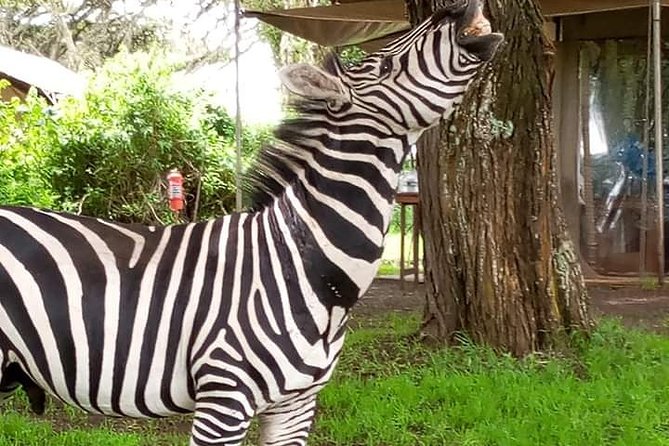
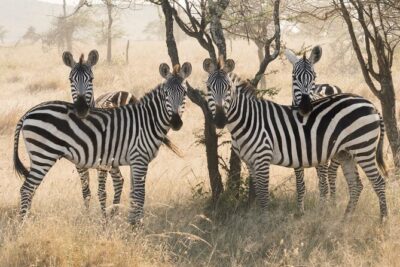
Tarangire is particularly interesting during the dry season. As smaller water sources disappear, the Tarangire River becomes an important drinking place for wildlife from the surrounding area. Wildebeest and zebra may move toward the river, while buffalo and other grazing animals gather nearby.
This seasonal pattern gives the park a clear rhythm. You are not simply driving through open country hoping to spot something. Water helps explain why animals collect in certain areas, and your guide can use that pattern to plan the drive.
Tarangire’s elephants, baobabs, and predators
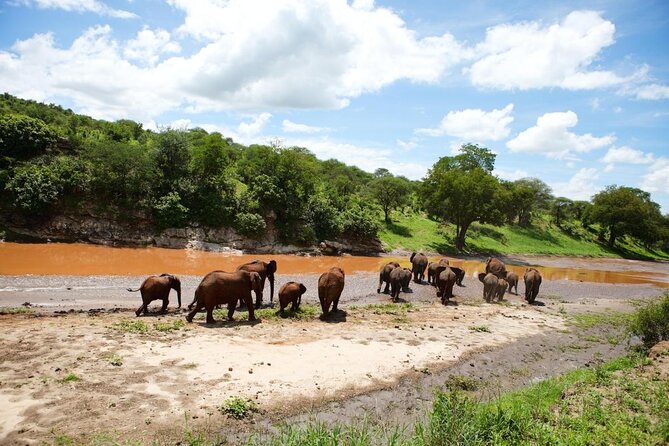
The park’s biggest attraction is its elephant population. Large herds can make Tarangire feel very different from a quick wildlife stop, particularly when elephants gather near the river or move between the trees.
The baobabs add another memorable feature. Their thick trunks and unusual shapes create a strong contrast with the animals around them. You might see a baobab beside zebra, wildebeest, buffalo, or lions, which gives the park its own visual character.
Tarangire also offers the possibility of seeing lions, leopards, and hyenas. The information for this trip highlights tree-climbing lions, though no wildlife sighting can be guaranteed. Safari viewing depends on the season, animal movement, weather, and the skill of the guide on that particular day.
I appreciate that Tarangire is presented as an alternative to the better-known Serengeti route. That does not make it a substitute for a longer Serengeti safari, but it does make sense for a short trip. You get a less familiar setting, strong elephant viewing potential, and a chance to see predators without adding several days to your schedule.
The downside is that eight hours in a safari vehicle can be tiring. Roads and long drives are part of the experience, and the first day may feel especially full after the journey from Arusha. If you want long breaks or a slower pace, a longer itinerary would suit you better.
The overnight stay and included meals
The safari includes overnight accommodation, dinner, breakfast, and lunches. The inclusions list specifies two breakfasts and two lunches, along with dinner. That is helpful because food stops can otherwise add both expense and delay to a short safari.
The accommodation category is not described in detail, so you should ask what type of room or camp is included before booking. The package does not include luxury, and the trip should be judged as a practical safari rather than a premium lodge holiday.
I would also confirm how the meal schedule works. The itinerary describes a picnic lunch by the hippo pool in Ngorongoro, while the package includes two lunches overall. You will want to know when the first lunch is served and what is provided during the Tarangire day.
The available information does not name the guide or accommodation. That means you should not choose this trip because of a particular guide or lodge. Its main selling points are the route, group size, included costs, and the chance to see two major wildlife areas in a short period.
More Tarangire safaris:
- Private 6-Day Tarangire Manyara Crater and Serengeti with Mid-Range Lodges
★ 5.0 · 238 reviews - 5 Days Camping Tarangire, Serengeti & Ngorongoro crater & Visiting Maasai
★ 5.0 · 229 reviews - 4 Days Join Group tour Tarangire Serengeti and Ngorongoro crater
★ 5.0 · 219 reviews - 4-Day Safari from Arusha: Tarangire, Serengeti and Ngorongoro
★ 5.0 · 173 reviews
Day two: entering the Ngorongoro Conservation Area
The second day takes you to the Ngorongoro Conservation Area for about seven hours. The main focus is the crater, a famous setting where animals live across open plains, wet areas, and other habitats within the caldera.
This concentrated setting can be useful when your safari time is short. You may have the chance to look for cape buffalo, hippopotamus, and rhinoceros in one broad area, along with other wildlife. The crater is known for dense animal viewing, but sightings remain uncertain. No responsible safari should promise a specific animal.
The trip calls out rhinoceros in particular. Seeing one is never guaranteed, yet the possibility is one reason many people want to include Ngorongoro in a northern Tanzania itinerary. The crater also gives you a different experience from Tarangire, where the river, trees, and baobabs shape the day.
Seven hours is enough time for a substantial visit, but the morning start and return drive will make the day feel active. You should be prepared for a long day with limited flexibility. The advantage is that you return to Arusha after covering a major destination without adding another night.
A picnic beside the hippo pool
One of the most unusual details of this safari is the picnic lunch near a hippo pool. The lunch spot is described as being within a few dozen feet of the animals, which can make an ordinary meal feel like part of the wildlife experience.
Hippos may look calm when they are resting in water, but they are powerful and should be treated with caution. Follow the guide’s instructions and remain in the designated area. The close setting is memorable precisely because it brings you near wildlife without turning the encounter into a staged show.
This stop may be a highlight for you if you enjoy the slower parts of safari. Instead of watching animals only through a vehicle window, you have a chance to pause, eat, and take in the setting around the pool. It is also a practical break during a seven-hour crater visit.
At the same time, conditions can vary. Weather, park rules, and animal movement can affect exactly how the lunch stop works. Treat the hippo-pool picnic as an appealing feature, not a promise of a fixed setup or guaranteed close viewing.
Group size and guide service
The maximum group size is seven people. That is a useful limit for a safari vehicle because it is small enough for a more personal feel without requiring the price of a private trip.
A smaller group can make a difference when animals appear on one side of the vehicle. You have fewer people competing for space and fewer voices during an important sighting. It should also be easier to ask the guide questions or request a short pause when conditions allow.
The provider is Signature Safari, and the trip information says you will have a Signature safari guide. No individual guide name is supplied, so the quality of your experience will depend heavily on the guide assigned to your departure.
Good guiding matters in Tarangire and Ngorongoro because wildlife viewing is not only about driving from one point to another. The guide needs to read animal movement, explain what you are seeing, and manage the vehicle group fairly. The small group size creates good conditions for that service, but it does not guarantee a particular level of guiding.
How the $440 price holds up
At $440 per person, this is most appealing if you want a compact safari with many major costs bundled together. Transportation from Arusha, the park visits, overnight accommodation, dinner, breakfasts, lunches, and parking fees are included.
That arrangement reduces the need to budget for each meal or park-related charge separately. It also saves you from arranging transport between Arusha and two wildlife areas on your own.
The value is strongest for a first safari or a short stay in Tanzania. You get a real two-day route instead of a single day trip, and you visit two parks with different wildlife settings. If you already plan a longer safari elsewhere, this trip may feel repetitive or rushed.
The price does not include luxury. Ask about the accommodation standard and the vehicle arrangements if comfort is important to you. Also check the hotel pickup charge, since the activity starts and ends at the listed meeting point and an extra $5 may apply for direct hotel service.
Who should book this safari
I would recommend this trip to you if you have only two days, are staying in Arusha, and want a practical introduction to Tanzania’s wildlife. It also suits people who like having meals and transport arranged in advance.
It is a good match for a first safari because Tarangire and Ngorongoro show two distinct sides of northern Tanzania. You can look for elephant herds and baobabs on day one, then spend day two in a setting known for concentrated wildlife and possible rhinoceros sightings.
You may want a longer or more comfortable safari if you dislike early starts, long drives, basic accommodation, or a firm schedule. The trip is not designed for a slow holiday with plenty of free time.
Confirmation is provided at booking, and most people can participate. The group is capped at seven, but the available information does not provide a detailed accessibility assessment, so contact Signature Safari if you have specific mobility needs.
The cancellation terms are fairly practical. You can cancel at least 24 hours before the start time for a full refund. Late cancellations and late changes are not accepted, and poor weather or failure to reach the minimum group size can lead to a rescheduled trip or full refund.
Should you book the two-day route?
Book it if you want maximum wildlife variety in minimum time and value an organized package from Arusha. Tarangire’s elephants and baobabs give day one a clear identity, while Ngorongoro adds the chance of dense wildlife, hippos, buffalo, and rhinoceros on day two.
Before paying, confirm the hotel pickup cost, accommodation type, exact departure details, and what the included meals cover. If you are comfortable with a busy schedule and non-luxury arrangements, the $440 price offers a sensible way to experience two famous northern Tanzania parks.
FAQ
Where does the safari start and end?
The activity starts and ends at Masailand Safari & Lodge in Arusha, Tanzania. The return is to the same meeting point.
Is pickup from my hotel available?
Pickup is offered. The available trip details indicate that hotel pickup and drop-off may cost an additional $5, so confirm this when arranging your booking.
How long is the safari?
The safari lasts approximately two days. The Tarangire portion includes about eight hours in the park, while the Ngorongoro Conservation Area visit lasts about seven hours.
What parks and conservation areas are included?
The trip includes Tarangire National Park on the first day and the Ngorongoro Conservation Area, including the crater visit, on the second day.
Are meals included?
Yes. The package includes dinner, two breakfasts, and two lunches.
Is accommodation included?
Yes. Overnight accommodation is included, but luxury accommodation is not included. Ask Signature Safari for the specific accommodation details before booking.
How many people can join the group?
The activity has a maximum of seven travelers.
Can I cancel for a full refund?
Yes. You can receive a full refund if you cancel at least 24 hours before the experience start time. Cancellations or changes made less than 24 hours before the start are not accepted.
Just added in Arusha
- Safari “Kifaru” – 5 days in the most famous Parks in the world★ 5.0 · 4 reviews
- 5 Day Tanzania Safari Camping Adventure Private Tour★ 5.0 · 2 reviews
- Saadani Day Trip★ 5.0 · 13 reviews
- 3 Days Tanzania Short and Spicy★ 5.0 · 6 reviews
- Day Trip to Ngorongoro Crater from Arusha★ 5.0 · 1 review
- SERENGETI NATIONAL PARK Tour★ 4.5 · 5 reviews
- 3 Days Serengeti Park & Ngorongoro Crater Adventure Safari★ 5.0 · 8 reviews
- 6 Days Tanzania Bush Experience Safari★ 5.0 · 6 reviews
Serengeti & Ngorongoro Safaris, compared.
Serengeti Balloon Safari and authentic bush breakfast
Read our review →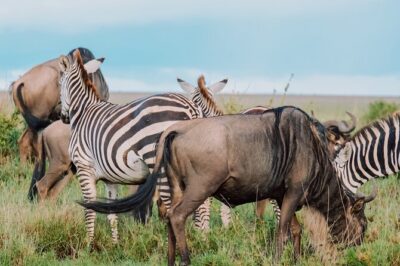
Balloon Safari & Bush Breakfast in Serengeti – Miracle Experience
Read our review →
3 Days Serengeti & Ngorongoro Group Camping Safari
Read our review →
5-Day Highlights mid-Range Crater, Serengeti, Tarangire
Read our review →
Private 6-Day Tarangire Manyara Crater and Serengeti with Mid-Range Lodges
Read our review →
5 Days Camping Tarangire, Serengeti & Ngorongoro crater & Visiting Maasai
Read our review →Browse the lists this tour appears in