
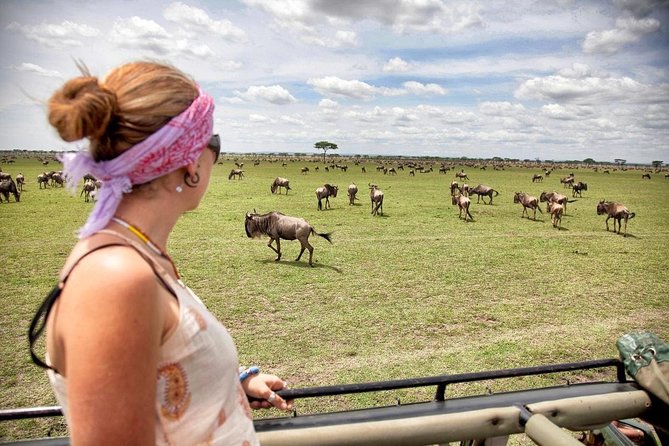
Reviewed · SERENGETI & NGORONGORO SAFARIS
3 Days 2 Nights Serengeti, Ngorongoro & Tarangire Wildlife Lodge Safari
Wildlife starts before the first game drive. This private safari links Serengeti National Park, Ngorongoro Crater, and Tarangire, giving you three very different settings in one short Tanzania trip. I like the chance to see famous animals such as lions, elephants, zebras, wildebeests, and possibly the Big Five, and I also like that private transportation lets your group travel together without strangers in the vehicle. The main catch is the pace: three major parks and long drives make this an energetic schedule, not a slow, restful break.
At $2,000 per person, the package includes private transportation, meals, taxes, and park fees, which makes the price easier to assess than a bare vehicle-only rate. Still, you should confirm the exact lodge names and room arrangements before paying, since the description refers to lodge accommodation but does not identify each property.
In This Review
- Key points to know before booking
- Three parks, three very different Tanzania experiences
- Day one: crossing the crater highlands toward Serengeti
- What the guides add to the safari
- Day two: descending into Ngorongoro Crater
- Day three: elephants and birdlife in Tarangire
- What the $2,000 price includes
- Private travel, timing, and comfort
- Who should choose this safari?
- Should you book the Serengeti, Ngorongoro, and Tarangire safari?
- FAQ
- Where does the safari start?
- Where does the safari end?
- How long is the safari?
- Which national parks are included?
- Is transportation private?
- Are meals included?
- Are park fees and taxes included?
- What costs are not included?
Key points to know before booking
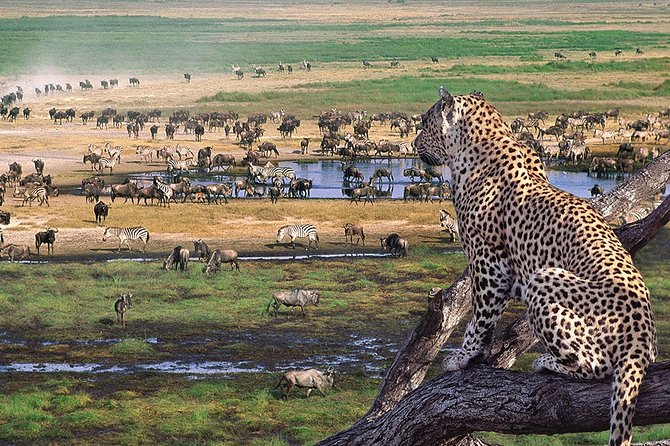
- Three major parks in one compact trip: You visit Serengeti, Ngorongoro Crater, and Tarangire rather than focusing on one area.
- Private vehicle for your group: The activity is private, so you do not share the safari experience with other groups.
- Long driving days: The listed park portions run about 10 hours, 8 hours, and 8 hours, including drives and game viewing.
- Strong guide element: Joseph is praised for safe driving and practical problem-solving, while Godlove, Noel or Noeli, and Tom are also associated with highly rated safari experiences.
- Meals and core charges are covered: Breakfast, lunch, dinner, taxes, and park fees are included.
- Simple pickup plan: The trip begins and ends in Arusha, with pickup offered and confirmation provided when you book.
Three parks, three very different Tanzania experiences
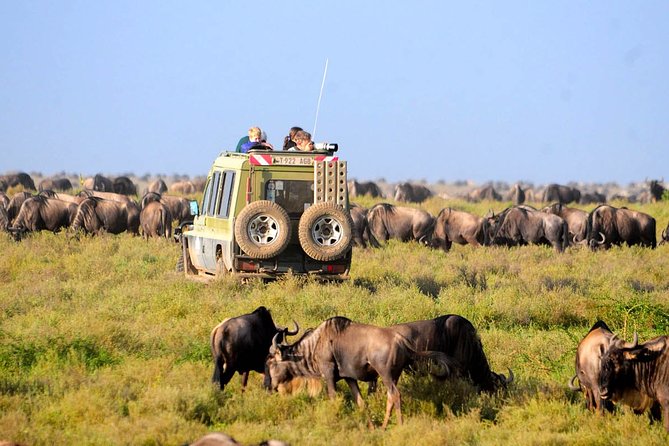
This safari works because each park gives you something different. Serengeti is the grand sweep, Ngorongoro is the concentrated wildlife encounter, and Tarangire brings elephants, birds, and distinctive scenery closer to Arusha.
You are not simply ticking off three names on a map. You are moving from high crater country to open grassland and then into a park known for large elephant groups and more than 450 recorded bird species. That variety is the main reason to consider this itinerary.
The trade-off is time. A three-day safari covering these distances leaves little room for an unhurried morning or a spare afternoon. If you want the best odds of finding particular animals, extra nights in one park would give you more flexibility. If you want a first taste of northern Tanzania and have limited time, this route covers a lot.
More Lodge Safaris in Arusha
- 4 Days Tanzania Lodge Safari With Two Nights at Serengeti
★ 5.0 · 62 reviews - 4 Days lodge safari Tarangire , Ngorongoro crater & Walking
★ 5.0 · 39 reviews - 4 Days 3 Nights Tarangire Serengeti & Ngorongoro Lodge Safari
★ 5.0 · 24 reviews
Day one: crossing the crater highlands toward Serengeti
The first major portion takes you toward Serengeti National Park. The drive itself is part of the experience, with a climb into the Ngorongoro highlands and a stop at the crater rim for a bird’s-eye view of the volcanic bowl below.
That rim stop matters. Ngorongoro is not just another park on the route, and seeing the crater from above gives you useful context before you later descend to its floor. It also breaks up the drive and provides one of the clearest scenic moments in the program.
After the highlands, the road reaches the open Serengeti. The Kiswahili name means endless plains, and the description is fitting: the park covers about 6,900 square miles, or 18,000 square kilometers. The scale changes your expectations. You may spend time scanning apparently empty grassland before a herd, predator, or bird appears.
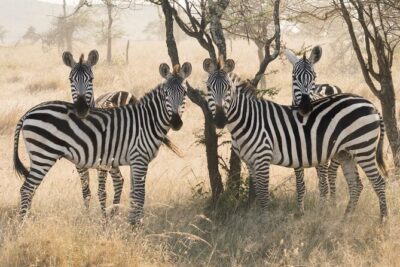
The Serengeti supports more than two million large animals, including more than a million wildebeests, along with large numbers of zebras and Thomson’s gazelles. This abundance draws lions, cheetahs, and hyenas. The famous Great Migration is a major attraction, but wildlife movement changes by season and location, so you should not treat a particular sighting as guaranteed.
The listed first stop lasts about 10 hours. That figure includes a substantial amount of road time as well as game viewing, so bring patience. A long day can be rewarding, but it can also feel tiring after an early start and rough park roads.
The strongest part of this section is the sense of scale. You get a real feel for why Serengeti is famous, rather than seeing only a small fenced-off viewing area. The weaker point is that the same scale means animals can be spread out, and finding them depends on conditions, timing, and your guide’s skill.
What the guides add to the safari
A safari vehicle is important, but the guide shapes the day. You need someone who can drive safely, read the surroundings, explain animal behavior, and keep the trip moving when something goes wrong.
Joseph is specifically praised for safe driving and for handling vehicle trouble without allowing it to ruin the trip. That is useful information because mechanical problems can occur on a demanding safari route. His ability to sort out difficulties is as valuable as his animal knowledge.
Godlove is credited with making a safari memorable through effort and good judgment. Another guide, Noel or Noeli, is described as friendly and well informed about wildlife. Tom is praised for professional service, strong expertise, and helping deliver a comfortable lodge-based experience.
You cannot assume that you will receive one particular guide unless the operator confirms it. Still, these names give you a useful standard to expect: safe driving, clear explanations, and calm handling of practical problems. Ask who will guide your departure if having a particular person matters to you.
Bird knowledge is another appealing detail. One guide is especially praised for explaining birds, so you should not think of the safari as a Big Five hunt only. Elephants, giraffes, buffaloes, zebras, wildebeests, lions, leopards, and cheetahs are the headline animals, but birds and smaller creatures make the quieter stretches more rewarding.
Day two: descending into Ngorongoro Crater
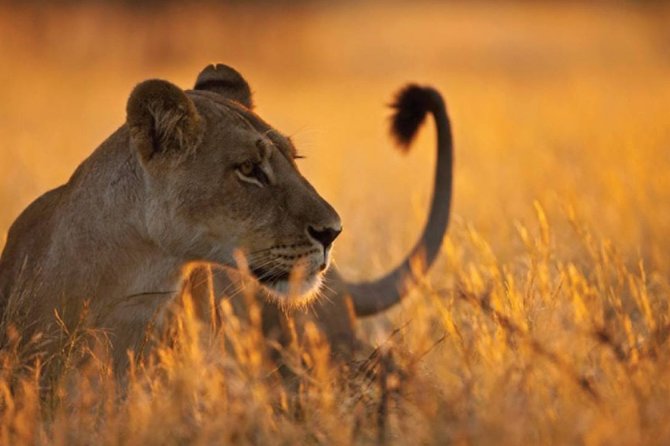
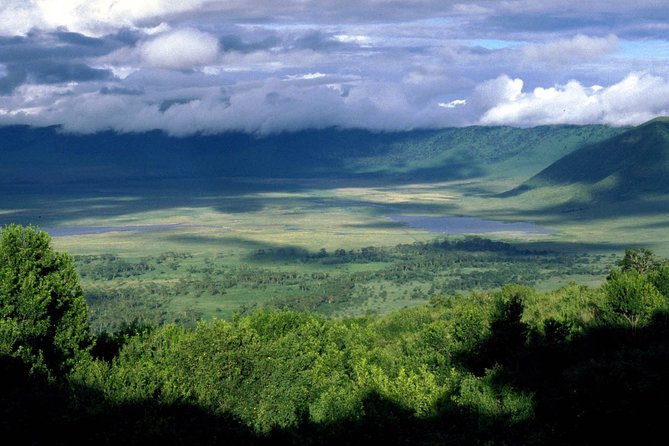
After breakfast, the route turns to Ngorongoro Crater for a full safari day. The crater is described as the world’s largest unflooded and unbroken volcanic caldera, and its bowl creates a striking sense of enclosure after the huge open spaces of Serengeti.
You descend to the crater floor for game viewing, with Lake Magadi as one of the key stops. This shallow alkaline lake lies in the southwestern part of the crater. It is one of the crater’s defining features and can add birdlife and contrast to the animal sightings around the grasslands.
Ngorongoro is often called the Garden of Eden because wildlife is concentrated inside a relatively contained area. That can make it a strong place to search for the Big Five, including lion, leopard, elephant, buffalo, and rhinoceros. The word search is important. The crater improves your chances of seeing many animals, but no responsible safari can promise every species.
The listed time for this section is about eight hours. That is long enough for a substantial game drive, but it still requires a fairly brisk approach. You should expect a full day in the vehicle, with attention split between the crater floor, the lake, and the animals around you.
I like the contrast between this stop and Serengeti. In the Serengeti, the drama comes from distance and scale. In Ngorongoro, the crater walls make the setting feel more concentrated. You may find the wildlife easier to locate, though the popularity of the crater can also make the experience feel less solitary than the open plains.
The crater rim stop on the way in and the descent the next day create a logical sequence. You first see the whole caldera from above, then experience its floor at close range. If you are interested in geology as well as animals, this is one of the most satisfying parts of the route.
More Serengeti and Ngorongoro safaris:
- Balloon Safari & Bush Breakfast in Serengeti – Miracle Experience
★ 5.0 · 1,646 reviews - 3 Days Serengeti & Ngorongoro Group Camping Safari
★ 5.0 · 574 reviews - 5-Day Highlights mid-Range Crater, Serengeti, Tarangire
★ 5.0 · 296 reviews - 3-Day Classic Serengeti Safari
★ 5.0 · 263 reviews
Day three: elephants and birdlife in Tarangire
The final park is Tarangire National Park. Breakfast is scheduled for 7:00 a.m., followed by a drive on a paved road toward the park. Once inside, you have game drives, a picnic lunch, and afternoon wildlife viewing.
Tarangire covers about 2,850 square kilometers, or roughly 1,005 square miles. It is smaller than Serengeti, but smaller does not mean less interesting. The park is known here for elephants, and you may also look for lions, leopards, buffaloes, pythons, zebras, oryx, and impalas.
The bird count is a major selling point. More than 450 species have been observed in the park, making it a good addition for anyone who enjoys birds as much as large mammals. If your guide is good at identifying calls and explaining bird behavior, Tarangire can be much more than a final stop on the way back to Arusha.
The picnic lunch keeps the day moving, while the afternoon drive gives you another chance to find animals after the midday break. The listed duration is about eight hours, so this is still a serious safari day rather than a short stopover.
Tarangire also helps balance the itinerary. Serengeti gives you the Great Migration connection, and Ngorongoro offers the crater and concentrated wildlife. Tarangire adds a different setting and a strong elephant focus. If you have only a few days, that range is valuable.
The drawback is that the final day may feel like a long return leg after two demanding park days. You should choose this trip for variety and coverage, not for a relaxed schedule with long periods at camp.
What the $2,000 price includes
The advertised price is $2,000 per person. Included items are breakfast, lunch, dinner, all fees and taxes, and private transportation. International flights, travel insurance, visa costs, tips, laundry, and personal expenses are not included.
That package structure gives you a clearer idea of the value. Park fees and transport can form a large part of a Tanzania safari budget, and private travel means you are paying for your own group rather than joining a shared vehicle. Meals being included also reduces the number of daily costs you need to manage.
The price is easier to justify if you value convenience, a private vehicle, and three major parks in one trip. It is less compelling if you prefer to spend several nights in one area or if your main goal is a very specific wildlife sighting.
Before booking, ask for the exact accommodation plan. One safari experience connected with this operator used a tent lodge in Serengeti, while another described a luxurious lodge. Those details suggest that accommodation can be a strong part of the experience, but the supplied information does not name the properties or guarantee a specific category.
You should also check how the two nights are divided between the parks. That information affects driving time, comfort, and the amount of time available for game viewing.
Private travel, timing, and comfort
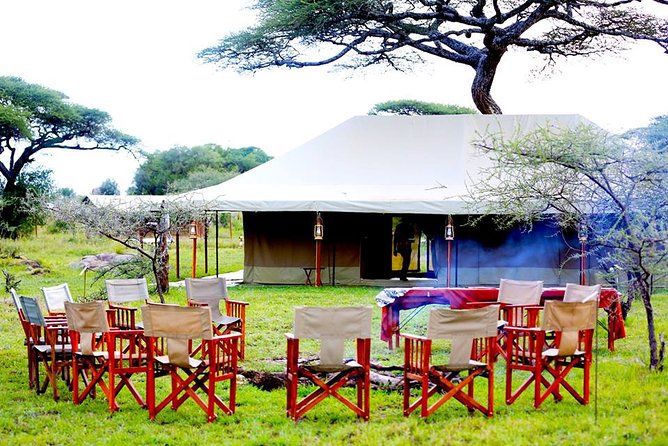
The private format is one of the clearest advantages. Only your group participates, so you can discuss the pace with your guide and share the vehicle with people you already know. It also avoids the uncertainty of being matched with strangers.
Pickup is offered in Arusha, and the activity ends back at the meeting point. The listed operating hours are 8:00 a.m. to 6:00 p.m., Monday through Sunday, for the stated booking period ending June 18, 2026.
There is an inconsistency in the supplied duration. The title describes three days and two nights, while the approximate duration is listed as one day, six hours, and thirty minutes. The detailed schedule clearly refers to three park days, so ask the operator to confirm the exact start and end times before you finalize flights or other plans.
Confirmation is provided at booking, and the activity is near public transportation. Most people can participate, but the long drives and full days in the vehicle still require reasonable stamina. You should not plan a tight onward connection without confirming the return time.
The cancellation terms are simple: cancel at least 24 hours before the start time for a full refund. Cancellations or changes inside that window are not refunded or accepted.
Who should choose this safari?
I would point this trip toward a first-time safari visitor who wants the headline parks without arranging separate transport, meals, fees, and guides. It also suits a couple, family, or small private group that values having its own vehicle.
It is a good match if your priorities include:
- Seeing several famous northern Tanzania parks
- Searching for the Big Five
- Watching elephants and large herds
- Adding birdlife to the safari
- Staying in lodge or tent-lodge accommodation
- Keeping the trip private
- Having meals and park charges bundled into one price
I would hesitate if you dislike long road journeys or want a slow, highly focused wildlife holiday. Three parks in three days can feel packed. You may also want a different plan if accommodation quality is your top concern and the exact lodges are not confirmed in writing.
The operator’s published score is 4.7 from nine ratings, and the strongest themes are guide quality, safe driving, animal knowledge, and good service. One vehicle problem is also part of the record, so I would ask how mechanical support is handled before departure. A calm response to trouble matters on remote roads.
Should you book the Serengeti, Ngorongoro, and Tarangire safari?
Book it if you want a private introduction to Tanzania’s best-known wildlife areas and you accept a fast pace. The route offers real variety: Serengeti’s enormous plains, Ngorongoro’s volcanic crater, and Tarangire’s elephants and birds.
I especially like the combination of private transport, included meals, and experienced guides such as Joseph, Godlove, Noel or Noeli, and Tom. The main decision point is not the wildlife appeal. It is comfort and timing.
Before paying, confirm the three-day schedule, the two lodge nights, the guide assignment, and the exact vehicle arrangements. If those details suit you, this is a solid choice for seeing a great deal of northern Tanzania in a short window. If you can add extra days, I would prefer more time in Serengeti or Ngorongoro rather than squeezing in another destination.
FAQ
Where does the safari start?
The safari starts in Arusha, Tanzania, where pickup is offered.
Where does the safari end?
The activity ends back at the meeting point in Arusha.
How long is the safari?
The tour title describes three days and two nights. The supplied duration field says approximately one day, six hours, and thirty minutes, so you should confirm the exact timing with the operator before booking.
Which national parks are included?
The route includes Serengeti National Park, Ngorongoro Crater, and Tarangire National Park.
Is transportation private?
Yes. Private transportation is included, and only your group participates in the activity.
Are meals included?
Breakfast, lunch, and dinner are included.
Are park fees and taxes included?
Yes. All fees and taxes are included in the stated package.
What costs are not included?
International flights, insurance, visa costs, tips, laundry, and personal expenses are not included.
More Wildlife Trips in Arusha
- Tanzania Wildlife Encounters – 6 Days
★ 5.0 · 277 reviews - 6 Day Tanzania Wildlife Mid range Safari
★ 5.0 · 54 reviews - 5 Days 4 Nights Tarangire, Serengeti , Ngorongoro & Manyara Wildlife Safari
★ 5.0 · 40 reviews - 4 Days Wildlife Safari and Cultural Experience in Tanzania
★ 5.0 · 23 reviews
More Tarangire Safaris
- Private 6-Day Tarangire Manyara Crater and Serengeti with Mid-Range Lodges
★ 5.0 · 238 reviews - 5 Days Camping Tarangire, Serengeti & Ngorongoro crater & Visiting Maasai
★ 5.0 · 229 reviews - 4 Days Join Group tour Tarangire Serengeti and Ngorongoro crater
★ 5.0 · 219 reviews - 4-Day Safari from Arusha: Tarangire, Serengeti and Ngorongoro
★ 5.0 · 173 reviews
Just added in Arusha
- Zanzibar: Prison island half day tour★ 5.0 · 3 reviews
- Zanzibar: 4-Day Tarangire, Serengeti & Ngorongoro Safari★ 5.0 · 1 review
- Walking Safari Arusha National Park★ 5.0 · 1 review
- Two Days Shared Safari to Tarangire & Ngorongoro Crater★ 5.0 · 2 reviews
- 8 Days Serengeti Migration safari★ 5.0 · 11 reviews
- tarangire, ngorongoro & lake manyara park 3 days private tour★ 5.0 · 11 reviews
- tarangire & ngorongoro 2 days tour★ 5.0 · 14 reviews
- mount meru 4 days hike★ 5.0 · 2 reviews
Serengeti & Ngorongoro Safaris, compared.
Serengeti Balloon Safari and authentic bush breakfast
Read our review →
Balloon Safari & Bush Breakfast in Serengeti – Miracle Experience
Read our review →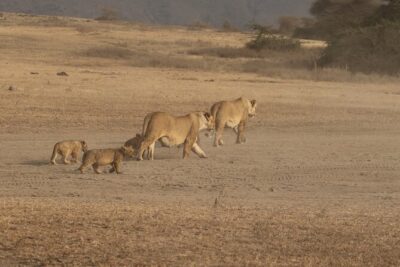
3 Days Serengeti & Ngorongoro Group Camping Safari
Read our review →
5-Day Highlights mid-Range Crater, Serengeti, Tarangire
Read our review →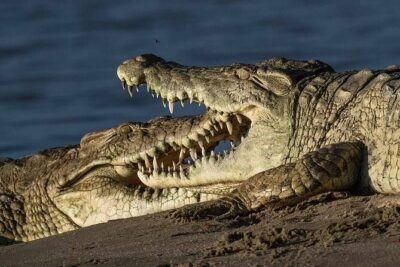
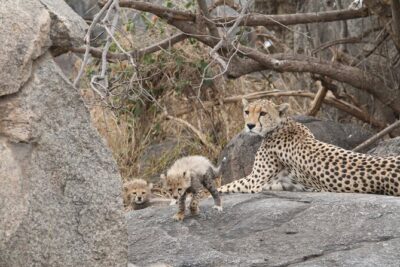
Private 6-Day Tarangire Manyara Crater and Serengeti with Mid-Range Lodges
Read our review →
5 Days Camping Tarangire, Serengeti & Ngorongoro crater & Visiting Maasai
Read our review →Browse the lists this tour appears in