
Reviewed · SERENGETI & NGORONGORO SAFARIS
4-Day Budget Tarangire, Serengeti, Ngorongoro Safari Guided Tour
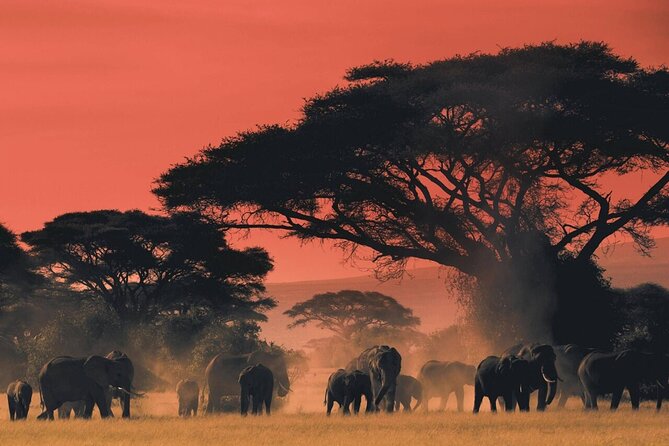
Wildlife is the itinerary here. This four-day safari from Arusha packs Tarangire, Serengeti, and Ngorongoro into one busy circuit, giving you three very different settings for the price of one trip. I like the small maximum group of six, the included meals and park fees, and the chance to reach the central Serengeti, where the year-round Seronera River draws animals and predators. The trade-off is time on the road: days two and three can run about 12 hours, so this is a rugged budget safari, not a leisurely lodge holiday.
I also like that the package includes a professional driver-guide, drinking water, transport, accommodation, and all scheduled activities. Past guests have singled out guides including Ismael, Omar, Hassan, and Isaya, along with chefs such as Ramadani, and have praised the fresh food, careful organization, and feeling of safety. Still, wildlife is never guaranteed, and the leopard can remain elusive even when the rest of the Big Five show themselves.
In This Review
- Four things to know before booking
- Why this safari offers good value at $1,000
- Day one: Tarangire’s river and elephant country
- Day two: the long road into the central Serengeti
- Day three: Serengeti sightings and the Ngorongoro highlands
- Day four: descending into the Ngorongoro Crater
- The guide can make or break a shared safari
- Camping, comfort, and the daily rhythm
- Who will enjoy this four-day route
- Booking details worth checking first
- Should you book it?
- FAQ
- Where does the safari start?
- How long does the safari last?
- Which parks and protected areas are included?
- What accommodation is included?
- How large is the group?
- Are meals included?
- What is not included in the price?
- Can I cancel for a full refund?
Four things to know before booking
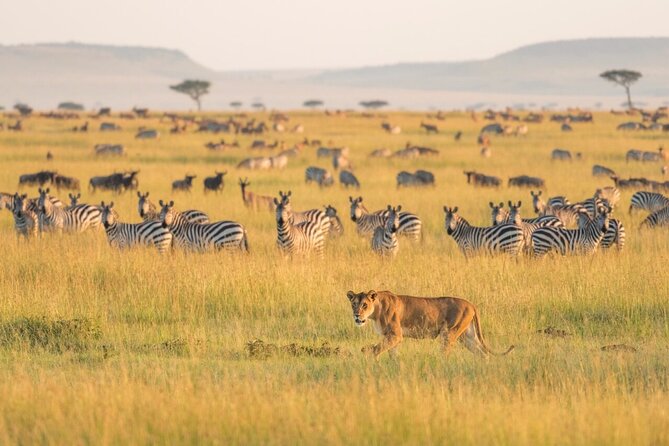
- Three major parks in four days: Tarangire, Serengeti, and the Ngorongoro Conservation Area each bring a different setting and style of game viewing.
- Small shared group: The vehicle holds a maximum of six people, a useful limit for viewing and photography.
- Camping is part of the adventure: Nights include a budget lodge and tented camps at Nyani and Simba.
- Long driving days: Day two and day three are listed at about 12 hours, with extensive transfers between parks.
- Strong value at $1,000: Park fees, transport, guide service, accommodation, water, meals, taxes, and activities are included.
- Well-liked guiding and cooking: Ismael, Omar, Hassan, Isaya, and Ramadani are among the staff names associated with especially warm feedback.
Why this safari offers good value at $1,000
At $1,000 per person, this is not a bare-bones trip where you pay extra at every gate. The price includes park fees, all activities, accommodation, transportation, a professional driver-guide, drinking water, taxes and VAT, four breakfasts, four lunches, and three dinners.
That matters in northern Tanzania. Park access and transport can make up a large part of a safari budget, so having those costs bundled gives you a clearer picture before departure. You also avoid arranging separate transfers between Arusha, Tarangire, Serengeti, and Ngorongoro.
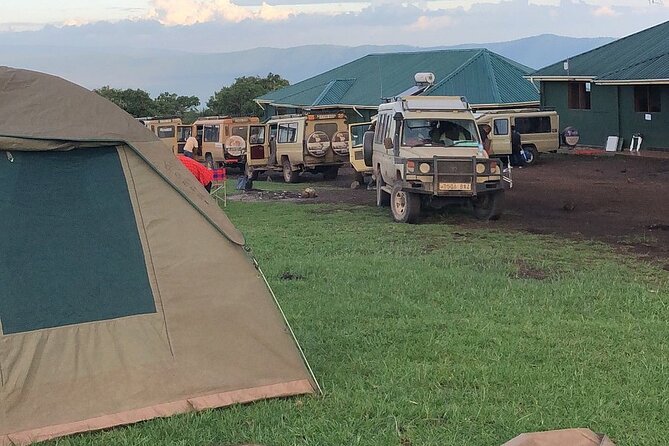
The package uses a budget lodge on the first night, then the Nyani campsite in the Serengeti and Simba campsite near the Ngorongoro Conservation Area. You should choose this trip for access to wildlife, not for polished rooms or resort-style service. Camping keeps the price lower and puts you closer to the practical rhythm of a safari: early starts, packed days, simple sleeping arrangements, and meals prepared for the road.
The meals receive especially warm praise. Past guests describe food cooked fresh three times a day, with traditional dishes alongside soups, pizza, and pasta. Ramadani is one chef named for serving both local-style meals and familiar international options. That variety is useful after a long game drive, especially if you are sharing a camp with people who have different tastes.
The published rating is 5 out of 5, with 100 percent recommending the experience and 15 reviews listed. That is an encouraging signal, though a perfect score from a small sample should not replace practical questions about camping comfort, group arrangements, and the exact accommodation used on your departure.
More Serengeti and Ngorongoro safaris:
- Balloon Safari & Bush Breakfast in Serengeti – Miracle Experience
★ 5.0 · 1,646 reviews - 3 Days Serengeti & Ngorongoro Group Camping Safari
★ 5.0 · 574 reviews - 5-Day Highlights mid-Range Crater, Serengeti, Tarangire
★ 5.0 · 296 reviews
Day one: Tarangire’s river and elephant country
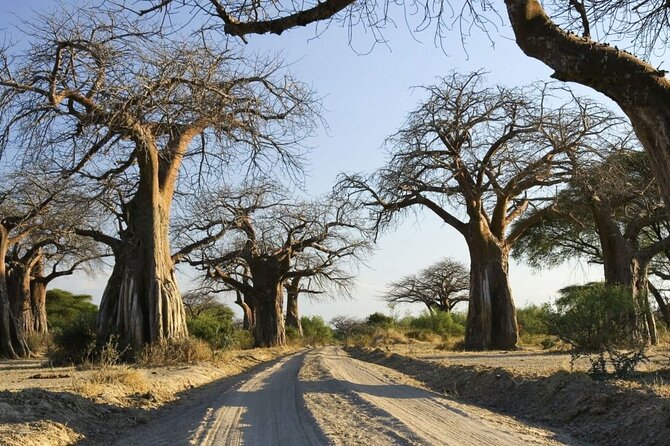
Your safari begins with a 6:00 a.m. start and breakfast at your hotel in Arusha. From there, you drive to Tarangire National Park, with roughly 10 hours assigned to the day.
Tarangire is sometimes overlooked by people rushing toward the Serengeti, but that would be a mistake. During the dry season, animals gather around the permanent Tarangire River and the park’s watering holes. The concentration can be especially strong when other water sources are limited.
The park is known for its large elephant presence, although the supplied details do not promise a particular species or sighting. You may also see the kind of broad animal movement that makes Tarangire feel different from the Serengeti. The scenery includes dry country, open areas, and the river corridor, giving your first game drive a distinct character.
This is a long opening day. A 10-hour schedule includes travel, park time, and the evening move to the budget lodge. You will want to be ready for an early departure and a full day in the vehicle. The reward is that you begin with a productive wildlife area rather than using your first day only for transport.
Tarangire is also a good reminder that safari success depends on season. The description gives special attention to the dry season, when animals gather at water. In the rainy season, wildlife can spread out because water is easier to find. That does not make the park uninteresting, but it can change the odds and the style of viewing.
Day two: the long road into the central Serengeti
After breakfast, you head toward Serengeti National Park. The day is scheduled for about 12 hours, making it the most demanding transfer of the trip.
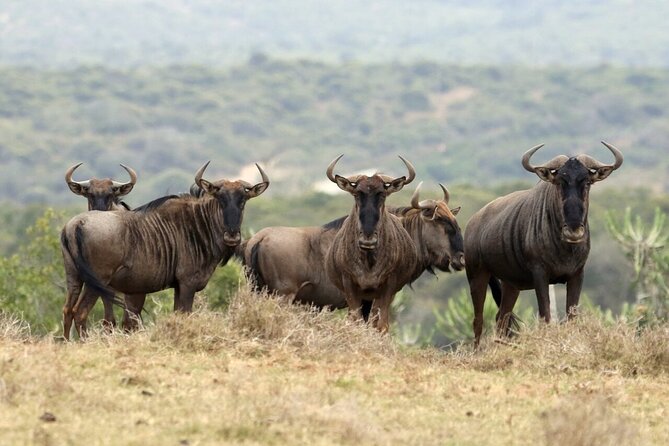
The Serengeti is the centerpiece. Its open grasslands, rocky outcrops, and wide horizons create the classic East African safari setting. This is also Big Five country and part of the route used by the Great Migration. The migration is seasonal and mobile, so you should not book this tour expecting a guaranteed front-row view of it. The park itself remains a major wildlife destination outside the migration period.
The most important detail here is the central Serengeti and the Seronera River. Because the river flows year-round, it attracts animals even when surrounding areas are drier. That makes the Seronera region a useful place for game viewing, particularly if you are hoping to find predators.
A guide’s skill matters greatly in this part of the trip. The team has received repeated praise for finding good positions around animals and explaining what you are seeing. Ismael is specifically praised for helping a group find many of the animals they hoped to see, even during the rainy season. Omar is also praised for explaining the parks and wildlife along the route.
You spend the night at Nyani campsite. This is a simple, shared-safari setup, and the practical appeal is clear: you stay in the Serengeti instead of leaving the park and losing more time to a distant overnight stop. Expect the day to feel busy, but that trade-off gives you more direct access to the park’s central area.
Day three: Serengeti sightings and the Ngorongoro highlands
Day three begins with time to pack at camp before leaving for the Ngorongoro Conservation Area. The route includes a game drive, and the day is again listed at about 12 hours.
This is a day of changing scenery. You move from the open Serengeti toward the highlands and the Ngorongoro region. The schedule gives you another chance to see wildlife rather than treating the transfer as a simple drive from point A to point B.
The Ngorongoro Conservation Area is more than the crater itself. It is a protected region with a different setting and a distinct relationship between wildlife, conservation, and local life. The supplied plan focuses on reaching the crater area and camping at Simba campsite, where you spend the night before the crater visit.
The schedule is not luxurious. Packing up, driving, game viewing, and setting up again can make the day feel long. If you prefer slow mornings and plenty of time at one camp, this will test your patience. If you want to see several headline parks in a short holiday, it is an efficient use of time.
The food helps make this kind of day easier. Freshly cooked meals are repeatedly praised, and the cooking team has been described as kind and attentive. That is not a minor point. On a camping safari, a good hot meal can matter almost as much as another animal sighting.
More Tarangire safaris:
- Private 6-Day Tarangire Manyara Crater and Serengeti with Mid-Range Lodges
★ 5.0 · 238 reviews - 5 Days Camping Tarangire, Serengeti & Ngorongoro crater & Visiting Maasai
★ 5.0 · 229 reviews - 4 Days Join Group tour Tarangire Serengeti and Ngorongoro crater
★ 5.0 · 219 reviews - 4-Day Safari from Arusha: Tarangire, Serengeti and Ngorongoro
★ 5.0 · 173 reviews
Day four: descending into the Ngorongoro Crater
After breakfast, you enter Ngorongoro Crater for a tour lasting about six hours. Compared with the previous two days, this is a shorter and more focused finish.
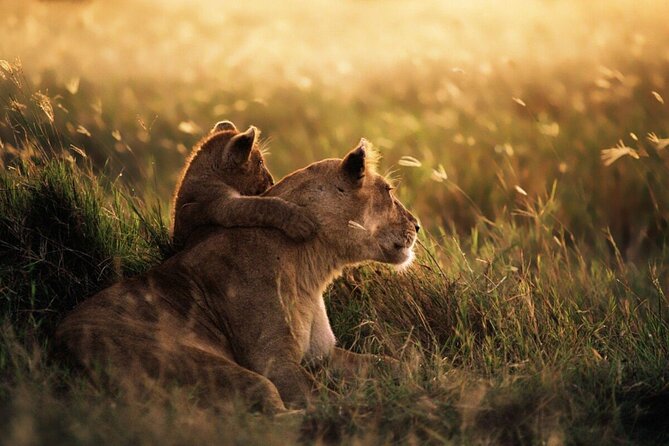
The crater formed when a volcano collapsed, creating a basin about ten miles wide. Its enclosed shape supports a concentrated ecosystem, and the area is noted for having one of Africa’s densest predator populations. The setting is dramatic even before you see an animal: a broad natural bowl with steep sides and wildlife gathered below.
The crater gives you one of the strongest chances on this route to see several famous species in a single outing. You may even spot the Big Five in one afternoon, but that remains a possibility rather than a promise. One important point from the safari feedback is that a leopard was not seen during a rainy-season trip, despite many other successful sightings. That is a useful reality check: a good guide improves your chances, but nature keeps the final word.
Ngorongoro also provides variety after the Serengeti’s open plains. In the crater, the boundaries of the setting make animal locations feel more concentrated. You can spend part of the day watching wildlife and part of it taking in the crater views.
The published plan does not state a final overnight stay after the crater visit. It also does not include extra accommodation before or at the end of the safari. Confirm your end point and final-night plans before you pay for flights or another hotel.
The guide can make or break a shared safari
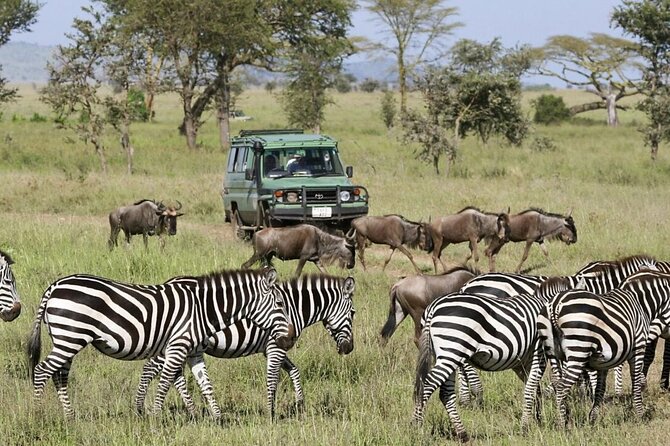
The vehicle is shared, and the maximum group size is six. That is small enough to keep the group manageable, but your experience will still depend on how well everyone handles early starts, long drives, meals, and time at sightings.
A strong driver-guide is valuable for more than steering. The guide watches the road, reads animal behavior, chooses viewing positions, explains the parks, and helps the group use limited time wisely. Ismael has been praised for wildlife knowledge and for helping people see nearly everything they hoped for. Omar is named for clear information during the trip, while Hassan receives thanks for his role in a particularly enjoyable safari.
Isaya is also associated with a strong sense of care and security for a solo woman on safari. That does not guarantee that every departure will have the same staff member, so you should treat those names as examples of the company’s guiding team rather than a promised assignment.
If you are a keen photographer, the small group is helpful. Six people leave more room for everyone to get a reasonable view than a large bus would. The company name includes photographic safaris, but the supplied information does not promise specialist photographic equipment, private vehicles, or exclusive sightings. Ask about those details if photography is your main purpose.
Camping, comfort, and the daily rhythm
This is budget camping, with a lodge night and tented camps. The accommodation has been praised as comfortable, and the tents have been described as good, but you should still expect a simpler experience than a permanent luxury camp.
The trip includes all accommodation, so you are not paying separately for the listed nights. The exact room or tent arrangements are not stated, nor is the level of bathroom service. Ask before departure if those details affect your decision.
The daily rhythm is straightforward: early breakfast, long drives, game viewing, camp meals, and another early start. Drinking water is included, which is useful during hot hours and long stretches between stops. Personal items are not included, so bring your own toiletries and any other essentials you need for four days away from town.
The food appears to be one of the strongest parts of the operation. It is described as fresh and plentiful, with soups, traditional dishes, pizza, and pasta. You receive four breakfasts and four lunches, plus three dinners. Since the schedule includes a final day in the crater, check how the last meal is arranged if you have onward plans.
Who will enjoy this four-day route
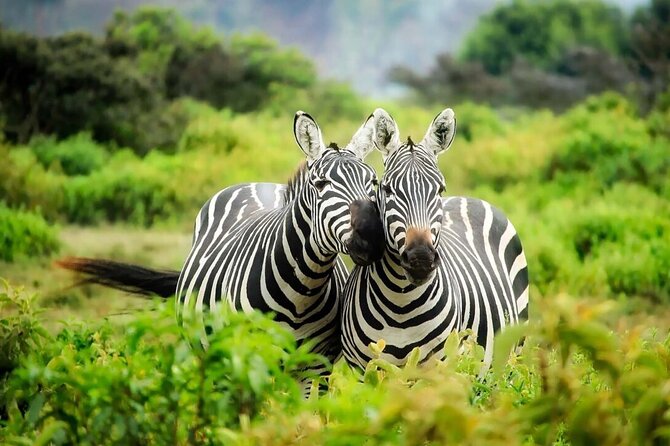
I would recommend this safari to you if you want to see the northern Tanzania highlights in a short window and care more about wildlife than private comfort. It suits solo visitors, couples, friends, and small groups willing to share a vehicle and campsite.
It is particularly useful if you have only four days around Arusha. Tarangire gives you a strong opening, the central Serengeti provides the trip’s biggest wildlife stage, and Ngorongoro closes the route with concentrated game viewing and memorable views.
I would be more cautious if you dislike long drives, camping, or fixed schedules. The 12-hour days are not a footnote. They are central to how the route works. You are covering large distances to reach three separate protected areas, and every extra park means less time to linger in any one place.
The tour can also work well for a solo woman who wants a guided and organized experience rather than self-driving. The group size is limited, and the staff have received praise for being attentive. Still, ask about the makeup of your group and the guide assigned to your departure if personal comfort is a major concern.
Booking details worth checking first
Pickup is offered, and the stated start time is 6:00 a.m. Confirmation is provided at booking, and most people can participate. Group discounts may be available, although the discount amount is not given.
The price does not include international flights, round-trip airport transfers, extra hotel nights before or after the safari, tips, personal items, or any government increase in taxes or park fees. Build those expenses into your real budget.
You can cancel for a full refund up to 24 hours before the local start time. Changes or cancellations inside that period are not accepted and are not refunded. The safari also requires suitable weather and a minimum number of participants. If poor weather or insufficient bookings cancels the trip, you are offered another date or experience, or a full refund.
Should you book it?
Book this safari if you want strong wildlife value, a small shared group, fresh meals, and three major northern Tanzania destinations without arranging the details yourself. The central Serengeti and Ngorongoro Crater are the big reasons to go, while Tarangire adds a worthwhile second wildlife setting and a better chance of seeing animals gathered near water in the dry season.
Skip it if you want a slow, polished holiday with short transfers and guaranteed luxury. This is a busy camping safari with long road days and uncertain wildlife sightings. For an adventurous first safari at $1,000 per person, though, the package offers a sensible mix of access, guiding, food, and included costs.
FAQ
Where does the safari start?
The safari starts in Arusha, Tanzania, with pickup offered and a stated start time of 6:00 a.m.
How long does the safari last?
The experience lasts approximately four days.
Which parks and protected areas are included?
The route includes Tarangire National Park, Serengeti National Park, the Ngorongoro Conservation Area, and a visit to Ngorongoro Crater.
What accommodation is included?
Accommodation is included throughout the safari. The plan specifies a budget lodge on the first night, Nyani campsite in the Serengeti, and Simba campsite in the Ngorongoro area.
How large is the group?
The tour has a maximum of six travelers.
Are meals included?
Yes. The package includes four breakfasts, four lunches, and three dinners.
What is not included in the price?
International flights, round-trip airport transfers, extra accommodation before or after the safari, tips, personal items, and government-imposed increases in taxes or park fees are not included.
Can I cancel for a full refund?
Yes. You can cancel at least 24 hours before the local start time for a full refund. Cancellations or changes made less than 24 hours before departure are not accepted or refunded.
Just added in Arusha
- Safari “Kifaru” – 5 days in the most famous Parks in the world★ 5.0 · 4 reviews
- 3 Days Tanzania Short and Spicy★ 5.0 · 6 reviews
- 5 Day Tanzania Safari Camping Adventure Private Tour★ 5.0 · 2 reviews
- Saadani Day Trip★ 5.0 · 13 reviews
- Day Trip to Ngorongoro Crater from Arusha★ 5.0 · 1 review
- SERENGETI NATIONAL PARK Tour★ 4.5 · 5 reviews
- 3 Days Serengeti Park & Ngorongoro Crater Adventure Safari★ 5.0 · 8 reviews
- 6 Days Tanzania Bush Experience Safari★ 5.0 · 6 reviews
Serengeti & Ngorongoro Safaris, compared.
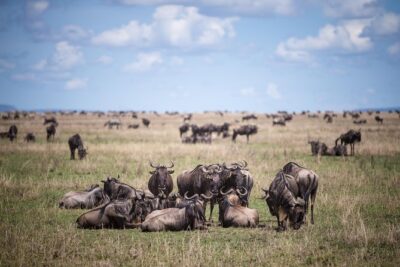
Serengeti Balloon Safari and authentic bush breakfast
Read our review →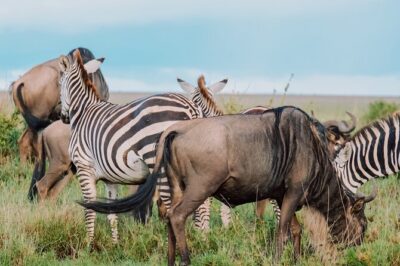
Balloon Safari & Bush Breakfast in Serengeti – Miracle Experience
Read our review →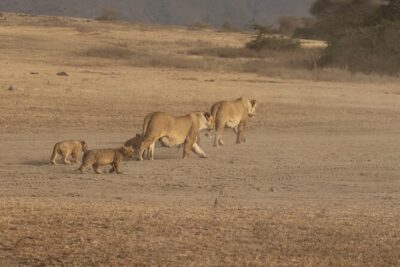
3 Days Serengeti & Ngorongoro Group Camping Safari
Read our review →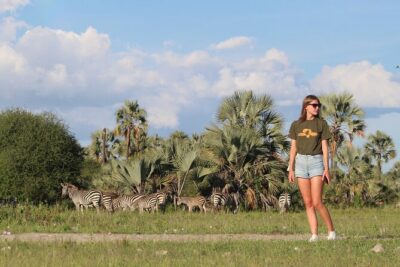
5-Day Highlights mid-Range Crater, Serengeti, Tarangire
Read our review →
Private 6-Day Tarangire Manyara Crater and Serengeti with Mid-Range Lodges
Read our review →
5 Days Camping Tarangire, Serengeti & Ngorongoro crater & Visiting Maasai
Read our review →Browse the lists this tour appears in