
Reviewed · SERENGETI & NGORONGORO SAFARIS
4-Day Group Safari to Tarangire, Serengeti & Ngorongoro Crater
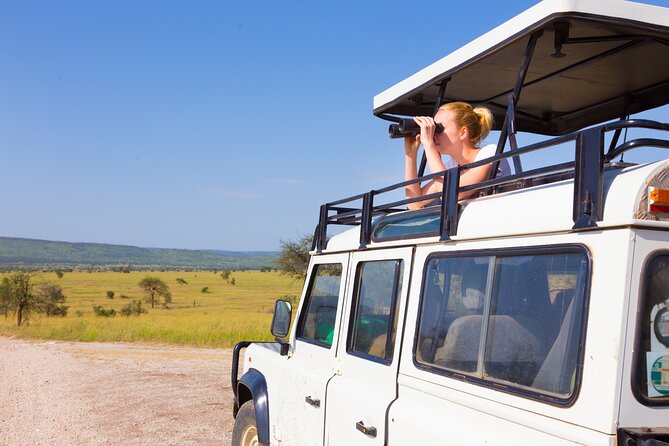
Three parks, four memorable days. This safari packs Tanzania’s famous northern circuit into a short trip from Arusha, combining Tarangire’s elephant herds, the Serengeti’s open plains, and a final game drive inside Ngorongoro Crater. I like the small group limit of six, and I like that the $975 price includes park fees, camping equipment, meals, and transport. Deo, the main contact at Goldfinch Adventures, is also praised for quick, helpful communication.
The tradeoff is the pace. You cover long distances, sleep at campsites, and spend several days in a safari vehicle. The route gives you a strong first taste of northern Tanzania, but it is not a slow, luxury safari with long stays in one park. The Great Migration is not guaranteed, since animal movements depend on the time of year.
In This Review
- Key points to know before booking
- Why this route works in four days
- Day 1: Tarangire’s elephants and baobab country
- Day 2: The long road into the Serengeti
- Day 3: Six hours on the Serengeti plains
- Day 4: Descending 600 meters into Ngorongoro Crater
- Camping, food, and the small-group setup
- What the $975 price really buys
- Who should book this safari
- Should you book the Goldfinch Adventures safari?
- FAQ
- How long is the safari?
- Where does the safari start?
- How many people can join the group?
- What parks and protected areas are included?
- Is camping equipment included?
- Which meals are included?
- Are park admission fees included?
- Is accommodation before or after the safari included?
- What is the cancellation policy?
Key points to know before booking
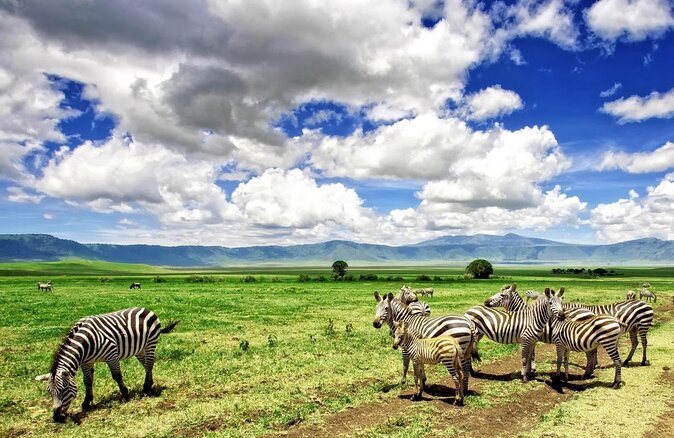
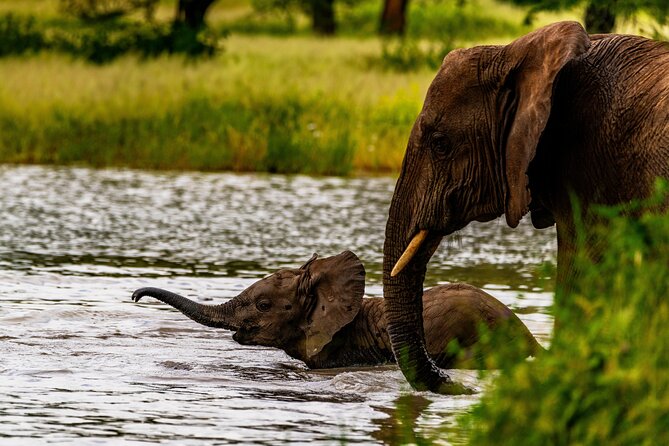
- Tarangire opens the trip with elephants and baobabs: The park is known for large elephant herds, old baobab trees, and the possibility of seeing lions, leopards, cheetahs, and tree-climbing pythons.
- The Serengeti receives the most time: Day 2 brings the long drive into the park, followed by a six-hour morning game drive on Day 3.
- Ngorongoro Crater is the grand finale: You descend about 600 meters for a concentrated wildlife outing, with a chance to see the rare black rhino.
- Camping keeps the price down: You stay at Migombani Campsite and Simba Campsite, with camping equipment supplied.
- Meals are included: The package covers four lunches, three dinners, and three breakfasts.
- The group is capped at six people: That is small enough to make the vehicle feel more personal than a large coach tour.
Why this route works in four days
This itinerary follows a smart geographic order. From Arusha, you first head toward Tarangire, then continue through the Ngorongoro Conservation Area to the Serengeti, return toward Ngorongoro, and finish inside the crater before driving back to Arusha.
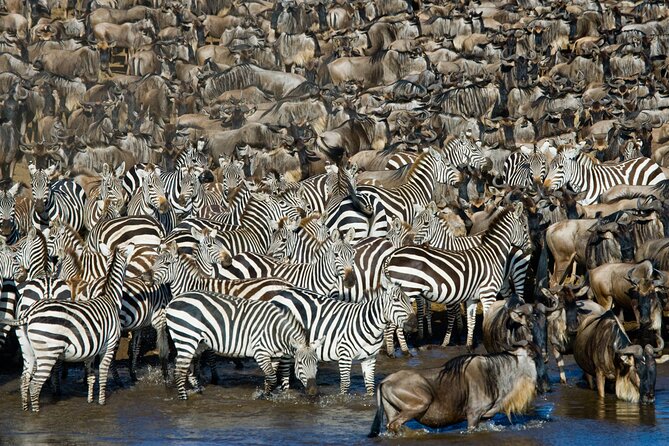
You get three very different settings. Tarangire has baobabs and elephant country. The Serengeti offers wide open grassland and famous predator habitat. Ngorongoro gives you a compact bowl where many species can be seen in a single game drive.
The price of $975 per person is best understood as a package rather than just a transport fee. Park admissions to all three destinations are included, along with camping equipment, three breakfasts, three dinners, and four lunches. That removes several costs that can quickly add up on an African safari.
Still, this is a group camping safari, not a private lodge trip. You should expect early starts, packed lunches, shared travel time, and basic overnight arrangements. If you value seeing major parks at a relatively controlled cost, the deal is appealing. If a private room, a swimming pool, and a slower schedule matter most, you should look at a different style of trip.
More Serengeti and Ngorongoro safaris:
- Balloon Safari & Bush Breakfast in Serengeti – Miracle Experience
★ 5.0 · 1,646 reviews - 3 Days Serengeti & Ngorongoro Group Camping Safari
★ 5.0 · 574 reviews - 5-Day Highlights mid-Range Crater, Serengeti, Tarangire
★ 5.0 · 296 reviews
Day 1: Tarangire’s elephants and baobab country
After breakfast, you meet an office representative for a safari briefing before setting off from Arusha. The drive to Tarangire takes about two hours, and even the route gives you something to watch for: grassland, ancient baobabs, Maasai huts, and livestock being herded by nomadic people.
That opening drive helps place the park in its wider setting. You are not simply being transported from one tourist site to another. The road offers glimpses of daily life and the changing scenery around Arusha.
Tarangire is a fine first park because its identity is clear almost at once. Elephants are the headline attraction, and the park is noted for having one of Africa’s largest concentrations. The baobabs add a striking shape to the view, with thick trunks and bare branches that make the scenery feel unlike the Serengeti that follows.
The wildlife list is broad. Lions, leopards, and cheetahs are possible, while tree-climbing pythons offer a more unusual sight. The wording of the itinerary points to opportunities rather than guarantees, which is important. A safari is built around wildlife in the wild, so no particular animal can be promised.
After a midday picnic lunch, you continue with an afternoon game drive. The day lasts about eight hours, then you go to Migombani Campsite for dinner and the night.
The main practical point is that you begin with a full day after a morning departure from Arusha. You should arrive ready for extended time in the vehicle. Bring sun protection, water for personal use, and a camera that is easy to reach. The supplied information confirms meals and camping equipment, but it does not specify the exact tent setup or sleeping arrangements, so ask Goldfinch Adventures for those details before departure.
Day 2: The long road into the Serengeti
Day 2 starts with an early breakfast and a drive from Migombani Campsite to Serengeti National Park. This is one of the longer transfer days, but it is not simply dead time.
The route passes through the Ngorongoro Conservation Area, giving you a view of Ngorongoro Crater along the way. The crater is saved for the final day, so this first sighting works as a preview. Seeing the crater from above before later descending into it gives the route a sense of build-up.
The southern Serengeti plains can also offer wildlife during the drive. This is a useful reminder that game viewing does not begin only after the vehicle reaches a formal picnic stop. Animals may appear along the road, and the broad open country can be part of the safari experience itself.
The Serengeti is also important for birds. More than 500 species have been identified in the park, including ostriches, secretary birds, and black eagles. You may be focused on big cats and large herds, but keeping an eye on the sky and grassland adds another layer to the day.
The itinerary gives Day 2 as one full day, but it does not spell out a separate overnight campsite by name for that night. Confirm the exact camping location and the expected driving hours with the operator before you leave. That is especially useful if you want to understand how much time will be available for game viewing after arrival.
The Serengeti is associated with the Great Migration, and this safari description highlights that attraction. You should treat migration sightings as seasonal and uncertain. The route may place you in useful areas, but the herds move, and nature does not follow a booking calendar.
Day 3: Six hours on the Serengeti plains
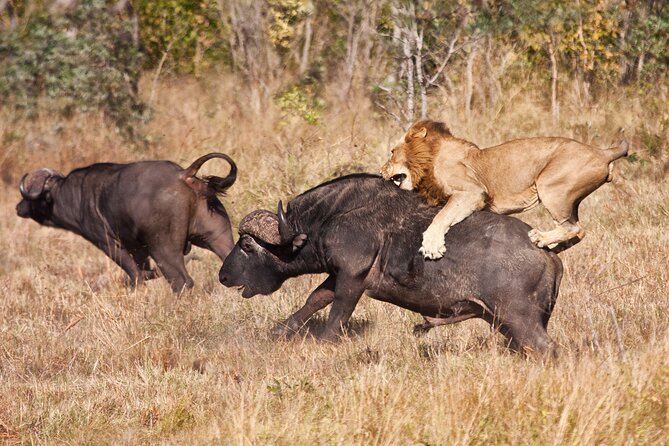
After breakfast, you set out with a packed lunch for an early morning game drive lasting about six hours. This is the day when the Serengeti receives its clearest block of dedicated viewing time.
An early start makes practical sense. The itinerary is designed around a long morning drive, when you can enjoy the park before the heat of the day becomes a bigger factor. You will be looking for the Serengeti’s mix of open grassland, varied scenery, and wildlife, with the possibility of seeing some of the species that make this park famous.
The six-hour drive is a strong feature, but it also tells you what kind of holiday this is. You need patience. There may be stretches when the vehicle moves through beautiful country without an immediate animal sighting. That is part of a genuine safari, but it can feel tiring if you expected constant action.
After lunch, you return to camp to collect your belongings, then drive toward the Ngorongoro Conservation Area. The route includes more chances to see wildlife. You spend the night at Simba Campsite on the crater rim.
That overnight position is valuable because it places you near the next morning’s main activity. You do not have to make the full approach from Arusha before descending into the crater. The campsite is basic, however, and the supplied details do not describe its facilities. Ask about toilets, showers, tent arrangements, and charging access if those points matter to you.
More Tarangire safaris:
- Private 6-Day Tarangire Manyara Crater and Serengeti with Mid-Range Lodges
★ 5.0 · 238 reviews - 5 Days Camping Tarangire, Serengeti & Ngorongoro crater & Visiting Maasai
★ 5.0 · 229 reviews - 4 Days Join Group tour Tarangire Serengeti and Ngorongoro crater
★ 5.0 · 219 reviews - 4-Day Safari from Arusha: Tarangire, Serengeti and Ngorongoro
★ 5.0 · 173 reviews
Day 4: Descending 600 meters into Ngorongoro Crater
The final day begins with an early breakfast and the descent into Ngorongoro Crater. The route drops about 600 meters, changing the viewpoint from a rim panorama to a close look at the crater floor.
Ngorongoro is a powerful finale because the crater’s enclosed setting can bring many types of East African wildlife into one outing. The itinerary lists almost every species indigenous to the region as possible, including the rare black rhino.
That last animal is a special possibility, not a promise. You might see one, or you might not. The honest appeal of this stop is the chance to search in a concentrated setting, not a guarantee of a particular sighting.
Lunch is served around midday near a hippo lake at the crater base. After lunch, you have time for final photographs before beginning the drive back to Arusha. The day lasts about eight hours, so the return is another substantial travel day rather than a short transfer.
The crater is a fitting ending, but it also makes the schedule demanding. You have already spent several days on rough roads and early starts. If you want the best chance of enjoying the final drive, get a good night’s rest at Simba Campsite and keep your morning routine efficient.
Camping, food, and the small-group setup
Camping is central to the value of this safari. Equipment is included, and the price covers three dinners, three breakfasts, and four lunches. You can expect picnic or packed lunches during game-drive days, including the six-hour Serengeti outing and the meal near the crater’s hippo lake.
Food may be one of the pleasant surprises here. One published account gives specific praise to the chefs and notes that the meals offered several vegetarian choices. If you do not eat meat, tell the company when booking so the kitchen can plan properly.
The maximum group size is six people. That matters in a safari vehicle. A smaller party can make it easier to see out of both sides, share sightings, and ask questions without competing with a busload of people. It does not mean the vehicle will be private, so confirm whether the group will be full and how seating is arranged.
Goldfinch Adventures also receives strong praise for organization and communication. Deo is singled out for answering questions quickly and helping with arrangements. That kind of contact is useful for a safari, where airport transfers, accommodation before or after the trip, and packing details can cause worry.
Extra accommodation before or after the safari is available on request, but it is not part of the $975 price. International flights and visa fees are also separate. Souvenirs and personal expenses are yours, and a tip of about $10 per person per day is recommended.
What the $975 price really buys
At $975 per person, this trip offers a lot of major park access in a short period. You receive entry to Tarangire, Serengeti, and Ngorongoro Crater, plus camping equipment, food, and the safari transport. For someone who wants the classic northern Tanzania route without arranging each admission and meal independently, that is a useful bundle.
The strongest value comes from the small group and the three major wildlife areas. Tarangire and Ngorongoro have very different character, while the Serengeti supplies the broadest sense of scale. You are not spending all four days in one park and hoping it provides every type of scenery.
The compromise is comfort and time. Four days is enough for a strong overview, but not enough for a relaxed stay in each destination. Long drives connect the parks, and the camping format keeps the trip affordable while asking you to accept simpler nights.
I would compare the price against what is included, not against a luxury lodge safari. If you are weighing this against a private itinerary, ask what vehicle, room, meals, and transfer services the other price includes. If you are comparing it with a bare-bones camping trip, the included admissions and food make this option easier to budget.
Who should book this safari
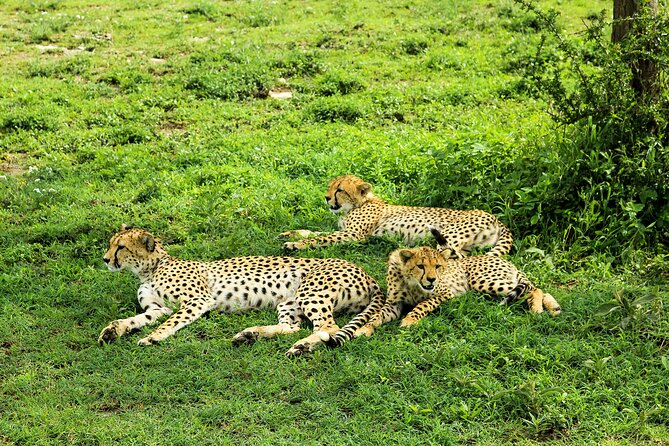
I would recommend it to you if you want to see the three best-known stops around Arusha in a compact schedule. It suits first-time safari visitors, solo people who prefer a small group, couples watching their budget, and anyone who values park time over high-end accommodation.
It is also a good match if you enjoy variety. You get baobabs and elephants in Tarangire, open Serengeti country, and the crater’s dramatic enclosed setting. Birdwatchers have plenty to watch for, too, with more than 500 recorded species in the Serengeti.
I would hesitate if you dislike early breakfasts, long vehicle rides, or camping. I would also hesitate if the Great Migration is your single reason for booking. The migration is seasonal, and the itinerary does not state a travel month or guarantee that the herds will be present.
Pickup is offered, and meeting hours are listed from 6:00 AM to 7:30 AM daily. Confirmation is received at booking, and the tour is near public transportation. Most people can participate, but the operator should answer any personal mobility or health questions before you reserve.
Free cancellation is available up to 24 hours before the start time for a full refund. Cancellations or changes made inside that 24-hour window are not accepted for a refund, and the cut-off follows local time. Poor weather may lead to a new date or a full refund.
Should you book the Goldfinch Adventures safari?
Book it if you want three headline parks, a six-person maximum, included meals, and camping equipment at a clear $975 price. The strongest reasons are the route, the small group, and the practical support associated with Deo and Goldfinch Adventures.
Think twice if you want luxury, private travel, or a slow schedule. Before paying, ask for the exact overnight arrangements, the Day 2 camping location, pickup details, and the expected vehicle setup. If those basics suit you, this is a sensible way to see Tarangire, Serengeti, and Ngorongoro Crater in four demanding but rewarding days.
FAQ
How long is the safari?
The safari lasts approximately four days.
Where does the safari start?
The safari starts in Arusha, Tanzania, with pickup offered.
How many people can join the group?
The group has a maximum of six people.
What parks and protected areas are included?
The route includes Tarangire National Park, Serengeti National Park, and Ngorongoro Crater in the Ngorongoro Conservation Area.
Is camping equipment included?
Yes. Camping equipment is included in the tour price.
Which meals are included?
The package includes four lunches, three dinners, and three breakfasts.
Are park admission fees included?
Yes. Admission to Tarangire National Park, Serengeti National Park, and Ngorongoro Crater is included, along with all fees and taxes.
Is accommodation before or after the safari included?
No. Extra accommodation before or after the safari is available on request but is not included in the price.
What is the cancellation policy?
You can cancel up to 24 hours before the experience begins for a full refund. Cancellations or changes made less than 24 hours before the start time are not accepted for a refund. If poor weather causes cancellation, you will be offered another date or a full refund.
Just added in Arusha
- Safari “Kifaru” – 5 days in the most famous Parks in the world★ 5.0 · 4 reviews
- Saadani Day Trip★ 5.0 · 13 reviews
- 3 Days Tanzania Short and Spicy★ 5.0 · 6 reviews
- 5 Day Tanzania Safari Camping Adventure Private Tour★ 5.0 · 2 reviews
- Day Trip to Ngorongoro Crater from Arusha★ 5.0 · 1 review
- SERENGETI NATIONAL PARK Tour★ 4.5 · 5 reviews
- 3 Days Serengeti Park & Ngorongoro Crater Adventure Safari★ 5.0 · 8 reviews
- 6 Days Tanzania Bush Experience Safari★ 5.0 · 6 reviews
Serengeti & Ngorongoro Safaris, compared.
Serengeti Balloon Safari and authentic bush breakfast
Read our review →
Balloon Safari & Bush Breakfast in Serengeti – Miracle Experience
Read our review →
3 Days Serengeti & Ngorongoro Group Camping Safari
Read our review →
5-Day Highlights mid-Range Crater, Serengeti, Tarangire
Read our review →
Private 6-Day Tarangire Manyara Crater and Serengeti with Mid-Range Lodges
Read our review →
5 Days Camping Tarangire, Serengeti & Ngorongoro crater & Visiting Maasai
Read our review →Browse the lists this tour appears in