
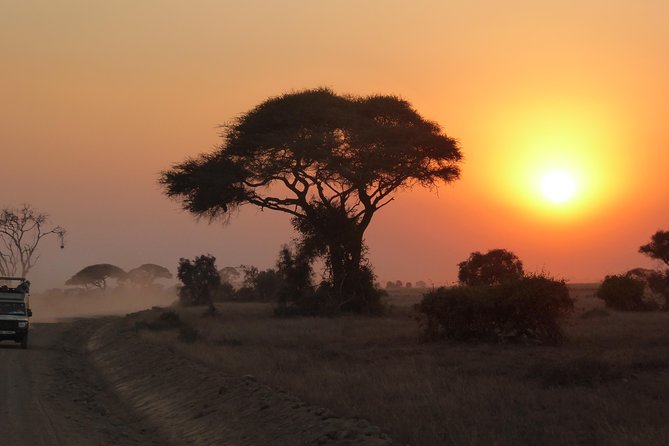
Reviewed · SERENGETI & NGORONGORO SAFARIS
4-Day Safari: Lake Manyara, Serengeti & Ngorongoro
Three parks, four days, one big wildlife swing. This safari links Lake Manyara, the Serengeti, and Ngorongoro from Arusha, giving you forest, open plains, and a volcanic crater in one compact trip. I like the budget campsite format, which keeps the price at $1,743.59 per person, and I like that boxed lunches protect valuable game-drive time. The main drawback is the long road time, especially on the Serengeti and Ngorongoro legs.
You join a group of up to 15 people, with pickup and drop-off at Arusha accommodations. That makes the trip useful for solo visitors, though the exact group and crew can change. Ask who will guide your vehicle before departure, since some bookings are combined with other local operators.
In This Review
- Key details before you book
- Why this three-park route works
- Day 1: Lake Manyara and the Rift Valley escarpment
- Day 2: The long road into Serengeti
- Day 3: Serengeti at sunrise, then Ngorongoro
- Day 4: Descending into Ngorongoro Crater
- Camping, meals, and what the price really covers
- The guide can make or break the safari
- Who will enjoy this four-day safari
- Should you book it?
- FAQ
- Where does the safari start and finish?
- How many people can join the tour?
- Are park entrance fees included?
- Are meals included?
- Is Olduvai Gorge included?
- What should I bring for the camping portion?
- Is the safari suitable for solo visitors?
Key details before you book
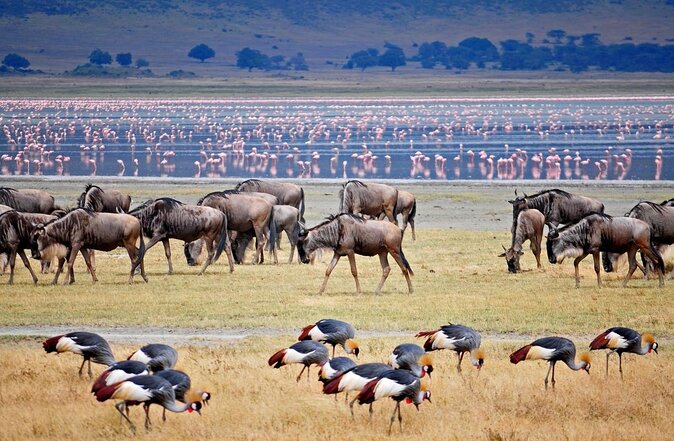
- Lake Manyara brings variety early: Expect elephants, flamingos, forest habitat, and the chance to see the park’s famous tree-climbing lions.
- Seronera is the wildlife center of the trip: The Seronera River draws animals to the central Serengeti, giving you a strong chance of varied sightings.
- Ngorongoro is a dramatic finale: A half-day crater drive puts you among large herds and a high concentration of predators.
- Camping keeps the cost down: Dinner, breakfast, and lunch are included, but toiletries, towels, soap, and personal sanitary items are not.
- The days are long: Day 2 lasts about six hours, Day 3 about seven hours, and road conditions can be rough.
- Guide quality matters: Past visitors have praised guides including Masulya, Martin, Joe, and Max, but one poor guide experience shows why it is wise to confirm the assigned team.
Why this three-park route works
This is a fast northern Tanzania safari. In only four days, you move through three very different protected areas. Lake Manyara gives you a lake and wooded setting. Serengeti opens into huge grass plains. Ngorongoro brings you into a crater packed with wildlife.
That range is the main reason to choose this route. You are not spending four days looking at the same type of scenery. Each park has its own feel, and the change from one to the next helps the trip feel fuller than the short duration suggests.
The tradeoff is simple: you spend a lot of time on the road. Serengeti is far from Arusha, and the route through the Ngorongoro Conservation Area includes rough sections. If you want slower mornings, longer time at camp, and more time in one park, a longer safari would be easier on the body.
Still, the itinerary is well suited to a first safari or a solo visitor who wants the classic northern circuit without paying for a private vehicle. A group limit of 15 is reasonable, and several past arrangements had only six people in the vehicle. The actual number can vary, so confirm it before you pay.
More Serengeti and Ngorongoro safaris:
- Balloon Safari & Bush Breakfast in Serengeti – Miracle Experience
★ 5.0 · 1,646 reviews - 3 Days Serengeti & Ngorongoro Group Camping Safari
★ 5.0 · 574 reviews - 5-Day Highlights mid-Range Crater, Serengeti, Tarangire
★ 5.0 · 296 reviews
Day 1: Lake Manyara and the Rift Valley escarpment
Your pickup starts in Arusha, followed by the drive toward Lake Manyara National Park. The plan is to reach camp for lunch, then head into the park for an afternoon game drive.
Lake Manyara is smaller than the Serengeti, but it offers a surprising amount of variety. A shallow soda lake fills much of the park, sitting below the western wall of the Great Rift Valley. That setting gives you a clear visual change from the higher farmland around Arusha and Karatu.
The lake draws large flocks of flamingos when conditions are right. Their numbers can vary, but the connection between the soda water, algae, and birdlife is one of the park’s special features. Keep your eyes on the woodland too. Lake Manyara is known for elephants and for lions that sometimes rest in trees.
The tree-climbing lions are not guaranteed. Wildlife never follows a printed schedule, and you should treat them as a bonus rather than a promise. The same applies to flamingos. Still, this first afternoon gives you a good introduction to Tanzania’s wildlife before the longer Serengeti drive.
Lunch at camp and a provided dinner keep the first day simple. The package includes the park entrance fee, dinner, and breakfast. You should bring your own toiletries, towel, soap, and personal sanitary supplies, since those are specifically excluded.
Day 2: The long road into Serengeti
After breakfast, you leave the highlands around Karatu and pass through the Ngorongoro Conservation Area on the way to Serengeti National Park. This is a major transfer day, but the route itself is part of the experience.
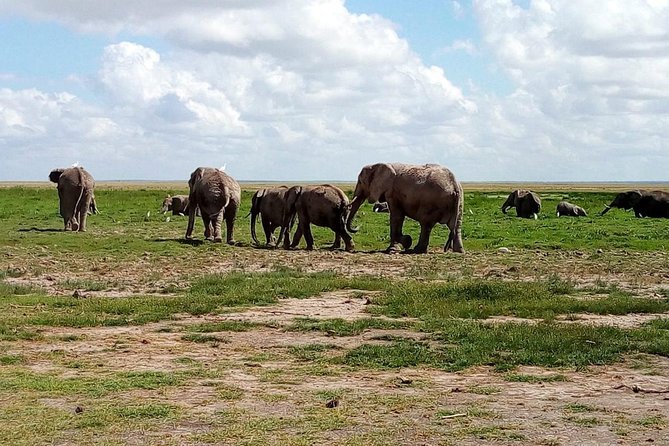
The high farmland gives way to the open plains of the Serengeti. The scale changes quickly. The park is known for its seemingly endless grasslands, and you can feel the trip shift from a compact lake park to a much larger wildlife area.
The destination is the Seronera area in central Serengeti. This is an important wildlife zone because the Seronera River provides water, helping attract animals even when other areas are drier. The central location also makes it a practical base for a short safari.
You should arrive around lunchtime, then head out for an afternoon game drive. That schedule gives you a useful first look at the Serengeti, though it does not provide the same amount of time as a longer stay. A six-hour day can sound modest, but the drive from Arusha and the park roads make it feel full.
The Serengeti section is where the possibility of seeing large herds becomes most exciting. The itinerary refers to migrating animals, but the location of the migration changes by season. Do not book this trip expecting the same sighting at any time of year. Ask the operator where the herds are likely to be during your dates.
You receive lunch, dinner, and breakfast as part of the package. A boxed lunch is especially useful here because stopping for a full meal would cut into the afternoon drive. The camping setup is basic, but it suits people who want more time in the parks and less money spent on lodging.
Day 3: Serengeti at sunrise, then Ngorongoro
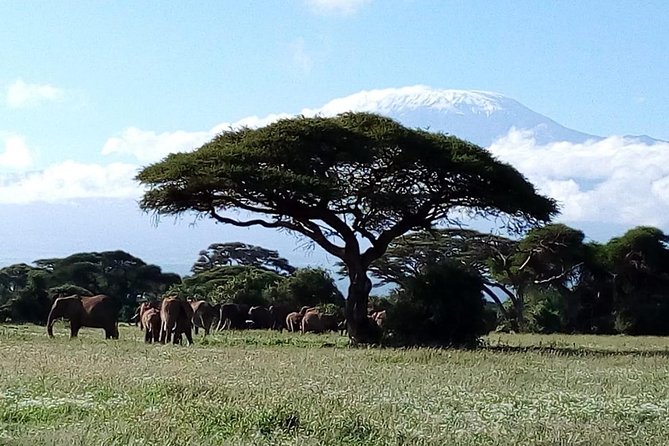
Day 3 starts with an early morning game drive in Serengeti. This is a smart use of time. The early hours give you one last chance to search the Seronera area before leaving the park.
The plan then takes you toward the Ngorongoro Conservation Area. This is another long day, listed at about seven hours, and the rough road can make the journey tiring. Pack water, keep your camera accessible, and expect dust and bumps rather than smooth highway travel.
Olduvai Gorge is offered as an optional stop. Its archaeological importance comes from discoveries connected with human evolution, including skulls associated with Nutcracker Man and Handy Man. The stop is not included in the tour price, and related costs are extra. If you want to visit, confirm the fee and timing before the trip so there is no confusion.
You reach the Ngorongoro area late in the evening and spend the night at Simba Campsite. That location prepares you for the next morning’s crater descent, but you should not expect a luxury lodge experience. This is a practical camping safari, and the campsite choice reflects the price.
One point deserves special attention: the published plan says you return to Arusha after the crater drive for dinner and an overnight stay, while the listed inclusions show three breakfasts and three dinners. Ask exactly what is included on the final night in Arusha. The information provided does not make that detail fully clear.
More Lake Manyara safaris:
- Private 6-Day Tarangire Manyara Crater and Serengeti with Mid-Range Lodges
★ 5.0 · 238 reviews - 3 Days Tarangire, Ngorongoro & Lake Manyara Group Camping Safari
★ 5.0 · 102 reviews - 3 Days Private Safari – manyara, Ngorongoro & Tarangire
★ 5.0 · 94 reviews - 05 Days Tarangire, Serengeti, Ngorongoro and Lake Manyara
★ 5.0 · 54 reviews
Day 4: Descending into Ngorongoro Crater
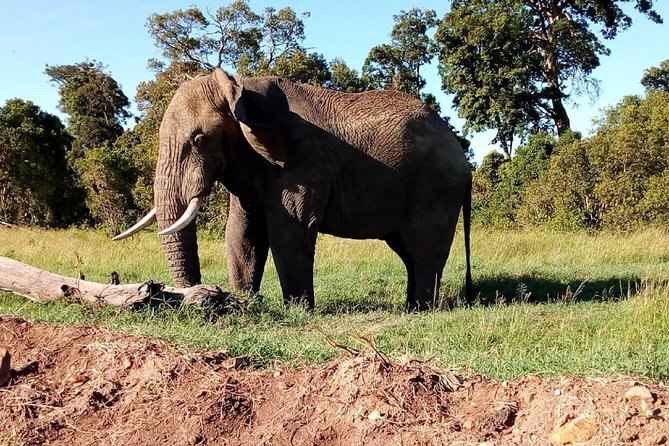
After an early breakfast, you descend into Ngorongoro Crater for a half-day game drive. The descent is one of the visual high points of the itinerary. The crater walls frame a broad wildlife area below, and the enclosed setting can make sightings feel concentrated.
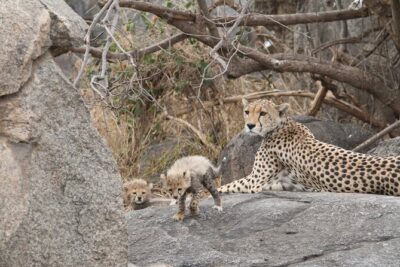
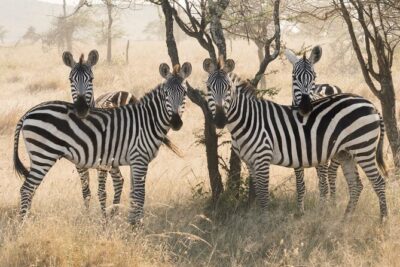
The crater supports wildebeest, zebra, buffalo, eland, warthog, hippo, and elephants. Predator sightings may include lions, hyenas, jackals, cheetahs, and, with luck and a sharp-eyed guide, leopard.
This is a strong final park because it offers variety in a relatively compact area. You are not simply checking another location off a list. The crater gives you a different type of game viewing from the open Serengeti plains, with herds and predators often found in the same general area.
You receive a picnic lunch after the crater drive, then return to Arusha. The return can be tiring after an early start, but the packed lunch helps keep the day moving. The trip is listed as approximately four days, though the final arrival time and overnight arrangement in Arusha should be confirmed before booking.
Camping, meals, and what the price really covers
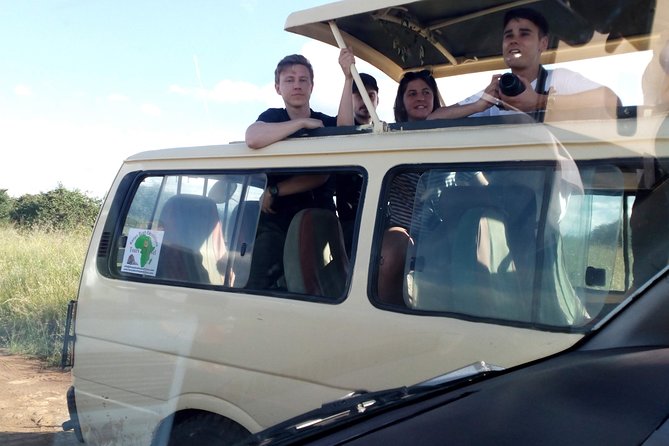
At $1,743.59 per person, this is not a bargain-basement outing, but the price covers several costly parts of a Tanzania safari. Park entrance fees, a driver-guide, four lunches, three breakfasts, and three dinners are included. Transport between Arusha and the parks is also built into the experience through the group safari vehicle.
The value is strongest for a solo visitor or small party that does not want to pay for a private safari vehicle. Joining a group spreads the cost of the guide, vehicle, fuel, and park access. A group discount may also be available.
The budget comes from the camping style. You should choose this trip for access to wildlife, not for polished rooms or hotel comforts. Bring the personal items that are excluded, especially a towel, soap, toiletries, and sanitary supplies.
Meals are designed for efficiency. Camp meals cover breakfast and dinner, while boxed or picnic lunches let you stay out during the best game-drive hours. That is a practical choice, though anyone with dietary needs should confirm arrangements before departure because the supplied details do not explain special meal options.
The guide can make or break the safari
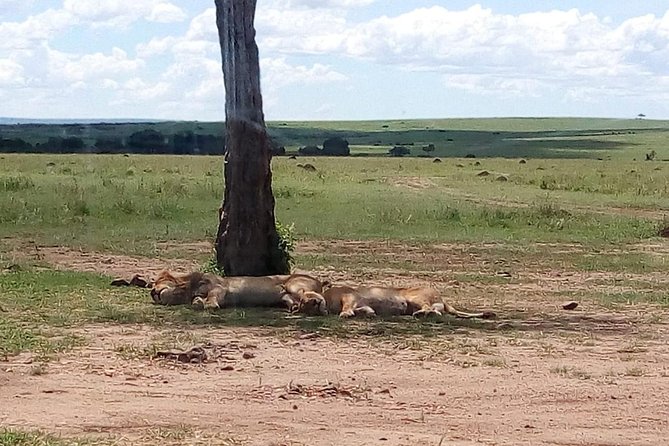
The vehicle matters, but the guide matters just as much. A good guide helps you understand animal behavior, spots movement at a distance, and explains what you are seeing without turning every sighting into a rushed photo stop.
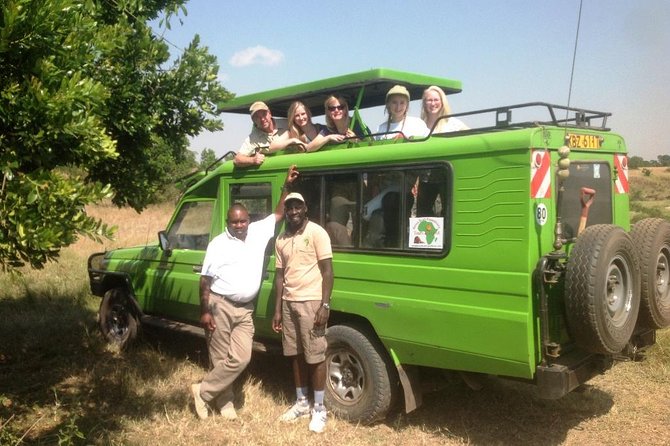
Several guides connected with past departures have been praised by name. Masulya and Martin were credited with answering questions and helping the group find many expected animals. Joe was praised for knowing where to look, while Max was described as an experienced guide who helped make a trip memorable.
The record is not perfect. One past departure had a guide who was described as unhelpful, and the booking arrangement involved subcontracted cooks and guides. Other groups were joined with people who had booked through a different local company. That does not automatically make the safari poor, but it means you should ask practical questions:
- Who is the named guide?
- Which company supplies the vehicle and cook?
- How many people will share the vehicle?
- Is the group fixed, or can it be combined with another booking?
- What happens if the assigned guide changes?
Those questions are especially useful when the operator works with local partners. Good communication before departure can prevent surprises.
Who will enjoy this four-day safari
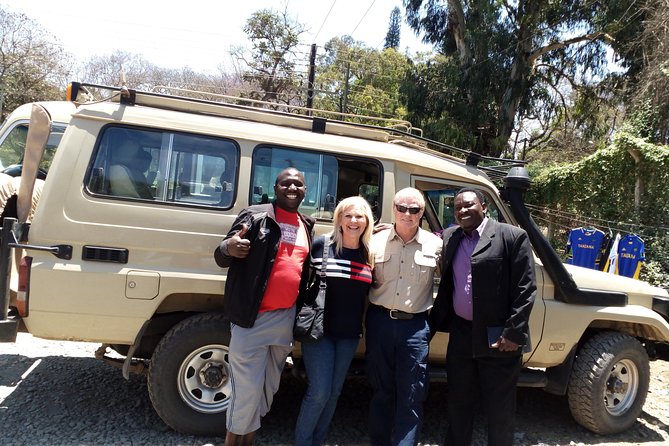
I would recommend this trip to a first-time safari visitor who wants the classic northern Tanzania route in a short window. It also fits solo visitors who want to meet others instead of paying for a private vehicle.
The itinerary suits people who care more about wildlife and time in the parks than about comfortable accommodation. It is also a good match for anyone who likes a real camping trip and can handle early starts, long drives, and rough roads.
You should think twice if you need private space, soft beds, or a relaxed pace. The 15-person maximum is useful, but a full vehicle can feel crowded during long transfers. The tour requires a moderate level of fitness, and the combination of camping, early mornings, and road travel is not trivial.
The tour is rated 4.6 from 10 published ratings, with a 90 percent recommendation figure. That is a positive signal, but the small number of ratings means you should still check current details with the operator, especially the guide, vehicle, group size, and final Arusha lodging.
Should you book it?
Book this safari if you want three major wildlife areas in four days, accept basic camping, and value an included package over a slower schedule. Lake Manyara adds forest and flamingos, Serengeti supplies the wide-open plains, and Ngorongoro gives you a dramatic final game drive.
I would not choose it if you have only one priority, such as spending several days near migrating herds. The short Serengeti stay limits your flexibility, and the road time is substantial.
Before confirming, get the final itinerary in writing. Ask about the assigned guide, likely group size, subcontracted staff, Olduvai Gorge costs, and the unclear final-night arrangement in Arusha. If those answers suit you, this is a practical way to experience northern Tanzania without paying private-safari prices.
FAQ
Where does the safari start and finish?
The safari starts with pickup from your accommodation in Arusha. The itinerary says you return to Arusha after the Ngorongoro crater visit, with dinner and an overnight stay listed, but you should confirm the final lodging details before booking.
How many people can join the tour?
The maximum group size is 15 people. The actual group may be smaller, and some past departures had six people in the vehicle.
Are park entrance fees included?
Yes. National park entrance fees are included for the scheduled visits to Lake Manyara and Ngorongoro, while the Serengeti admission is also covered within the tour arrangements.
Are meals included?
The package includes three dinners, three breakfasts, and four lunches. Boxed or picnic lunches are used to keep you out on game drives. Special dietary arrangements are not described, so ask the operator before departure if needed.
Is Olduvai Gorge included?
No. The Olduvai Gorge stop is optional, and its tour fee and related costs are not included in the package price.
What should I bring for the camping portion?
Bring toiletries, a towel, bathing soap, and personal sanitary supplies. These items are specifically excluded from the tour.
Is the safari suitable for solo visitors?
Yes. The group format can suit solo visitors who want to join others and share the cost. You should confirm the final group size and guide assignment because groups may be combined.
Just added in Arusha
- Safari “Kifaru” – 5 days in the most famous Parks in the world★ 5.0 · 4 reviews
- Saadani Day Trip★ 5.0 · 13 reviews
- 3 Days Tanzania Short and Spicy★ 5.0 · 6 reviews
- 5 Day Tanzania Safari Camping Adventure Private Tour★ 5.0 · 2 reviews
- Day Trip to Ngorongoro Crater from Arusha★ 5.0 · 1 review
- SERENGETI NATIONAL PARK Tour★ 4.5 · 5 reviews
- 3 Days Serengeti Park & Ngorongoro Crater Adventure Safari★ 5.0 · 8 reviews
- 6 Days Tanzania Bush Experience Safari★ 5.0 · 6 reviews
Serengeti & Ngorongoro Safaris, compared.
Serengeti Balloon Safari and authentic bush breakfast
Read our review →
Balloon Safari & Bush Breakfast in Serengeti – Miracle Experience
Read our review →
3 Days Serengeti & Ngorongoro Group Camping Safari
Read our review →
5-Day Highlights mid-Range Crater, Serengeti, Tarangire
Read our review →
Private 6-Day Tarangire Manyara Crater and Serengeti with Mid-Range Lodges
Read our review →
5 Days Camping Tarangire, Serengeti & Ngorongoro crater & Visiting Maasai
Read our review →Browse the lists this tour appears in