
Reviewed · SERENGETI & NGORONGORO SAFARIS
3 Days Tarangire, Ngorongoro & Lake Manyara Group Camping Safari
The best safari days keep changing. This three-day trip links Tarangire, Ngorongoro Crater, and Lake Manyara, giving you elephants, crater wildlife, forests, birds, and alkaline lakes in a short stretch. I like the cost-conscious camping, and I like that the group is limited to six people, which gives you more room to ask questions and adjust your view from the vehicle. The main trade-off is pace: three parks in three days means early starts and long hours on safari.
The practical side is well covered. Breakfast, lunch, and dinner are included, and the tour begins and ends at Jevas Hotel EncoreTZ in Arusha at 8:00 a.m. The company’s communication earned praise, and guide Lewis and cook Moussa were singled out for making one booking run smoothly. You should still choose this trip for variety and value, not for a leisurely camping holiday.
In This Review
- Key points at a glance
- Why this three-day route works
- Tarangire: elephants beneath the baobabs
- Twiga Campsite and the value of simple camping
- Ngorongoro Crater: the trip’s main wildlife day
- Lake Manyara: forest, cliffs, and birdlife
- Small-group service and the Arusha start
- Is $700 a fair price?
- Who should book this safari?
- Should you book it?
- FAQ
- Where does the safari start and end?
- What time does the safari start?
- How long is the safari?
- Which national parks are included?
- How large is the group?
- Are meals included?
- Is camping included?
- Are guide and cook tips included?
Key points at a glance
- Three very different parks in three days: Tarangire brings elephants and baobabs, Ngorongoro delivers dense animal viewing, and Lake Manyara adds forest, hot springs, and birdlife.
- A group of up to six: The smaller vehicle group can make it easier to hear the guide and find a comfortable viewing position.
- Camping at Twiga Campsite: The tree-shaded site provides a central base between safari days, with meals included.
- Ngorongoro is the strongest wildlife day: The crater’s permanent water and grass support large numbers of grazing animals and predators.
- Food is part of the value: Two breakfasts, two dinners, and three lunches are included, so you do not need to arrange meals during the trip.
- A good fit for a first safari: The route packs three famous parks into a short visit from Arusha, though the schedule is active.
Why this three-day route works
If you have limited time in northern Tanzania, this plan makes a clear choice: see variety rather than spend several days in one park. The three stops are close enough to combine, yet each has a distinct character.
Tarangire is associated with elephants and giant baobabs. Ngorongoro Crater feels enclosed and wildlife-heavy, with animals gathered around dependable water and grazing areas. Lake Manyara is smaller but varied, with woodland, water forest, cliffs, hot springs, swamps, and the lake itself.
I like that the route does not repeat the same type of scenery. You get open game-viewing areas, a crater setting, and wooded habitats. The cost is time. Each safari day is listed at about six hours, and the three-day schedule leaves little space for sleeping late or making a slow morning of camp.
The booking price is $700 per person. That amount includes the three park visits, camping accommodation, three lunches, two breakfasts, and two dinners. Tips for the safari guide and cook are not included, so keep that extra cost in mind when working out your full budget.
For a first safari, this is a useful bundle. You are paying for transport between parks, park access arrangements, meals, guiding, and camping rather than trying to organize each piece alone. The value is strongest if you want a broad sample of northern Tanzania and are happy with simple accommodation.
More Serengeti and Ngorongoro safaris:
- Balloon Safari & Bush Breakfast in Serengeti – Miracle Experience
★ 5.0 · 1,646 reviews - 3 Days Serengeti & Ngorongoro Group Camping Safari
★ 5.0 · 574 reviews - 5-Day Highlights mid-Range Crater, Serengeti, Tarangire
★ 5.0 · 296 reviews
Tarangire: elephants beneath the baobabs
The first morning begins after breakfast, with departure toward Tarangire National Park. The game drive includes a picnic lunch inside the park, then continues before the group drives to Twiga Campsite.
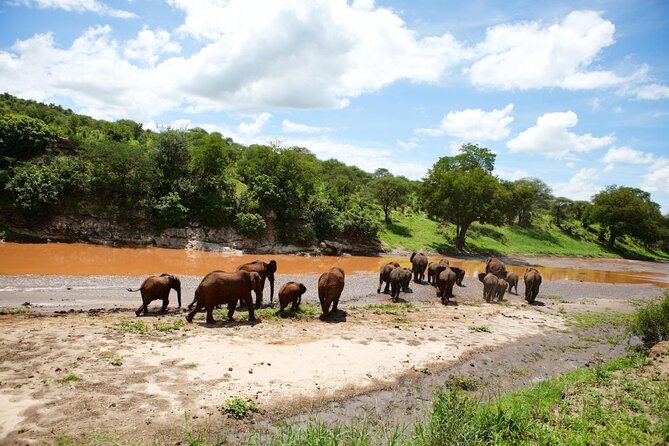
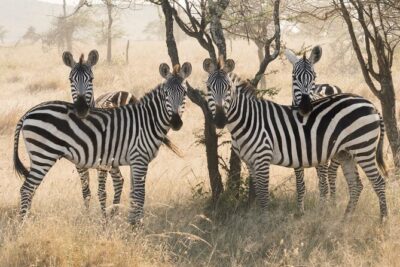
Tarangire’s main appeal is its elephant population. The park also has the huge baobab trees that give the area a look you will not confuse with Ngorongoro or Manyara. The park forms part of a large annual animal movement, with figures given as high as 3,000 elephants, 25,000 wildebeest, and 30,000 zebras.
That seasonal movement matters because wildlife numbers and sightings can change through the year. You may see animals spread across a wide area at one time and concentrated in another part of the park at another. The guide’s ability to read the conditions will shape how much you see, so the small group can be useful here. You can ask why the vehicle is stopping or moving, rather than simply watching from the back of a crowded group.
A picnic lunch keeps the day moving. You should not expect a long restaurant break, but you also do not need to leave the park to eat. That is a practical advantage on a six-hour game-drive day.
Tarangire is not only a warm-up for the crater. I would give it proper attention. The elephants and baobabs provide the memorable images, while the park’s role in the annual animal cycle gives the visit more meaning than a quick search for the largest animal.
The first day may also feel tiring. You leave after breakfast, spend much of the day in the vehicle, and then continue to camp. If you are sensitive to long drives or rough roads, this is worth considering before booking. The reward is a full first safari day rather than a transfer day with little wildlife viewing.
Twiga Campsite and the value of simple camping
After Tarangire, the group drives to Twiga Campsite. The site is described as tree-shaded and centrally located, which helps break up the route between the parks.
Camping is the reason this safari can reach a $700 price point while including meals and three national parks. You are choosing function over luxury. The appeal is sleeping close to the safari route and keeping the trip focused on time in the parks.
I would choose this setup if you want your budget to go toward game drives rather than a higher room category. It is less suitable if you need a resort-style stay, a slow evening, or detailed accommodation facilities that are not provided in the tour information.
Meals are included throughout the trip: two breakfasts, two dinners, and three lunches. Cook Moussa received specific praise for serving hot food, which is an important detail on a camping safari. A hot meal after a long day can make the difference between feeling pleasantly tired and simply worn out.
The guide and cook are central to the experience. Lewis was praised for his wildlife knowledge and driving, while the company received credit for clear communication and easy pickup and drop-off in Arusha. I would regard those details as a real strength because a three-day safari has little spare time to recover from poor coordination.
Tips for the guide and cook are separate. Plan for that rather than treating the listed price as the complete cost.
Ngorongoro Crater: the trip’s main wildlife day
The second day starts early, after breakfast, with a descent of more than 600 meters into Ngorongoro Crater. This is the day most likely to define the safari for you.
The crater has a year-round water supply and grazing areas, which support a high concentration of animals. You may see wildebeest, zebra, buffalo, eland, warthog, hippo, and large African elephants within the crater floor. The enclosed setting also makes the viewing feel different from Tarangire, where animals can be spread over a much larger area.
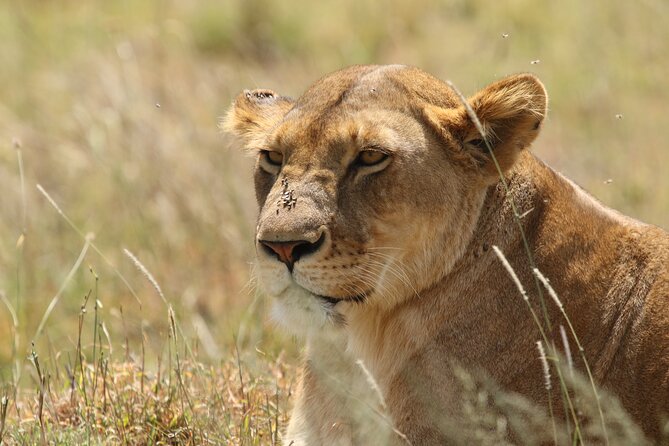
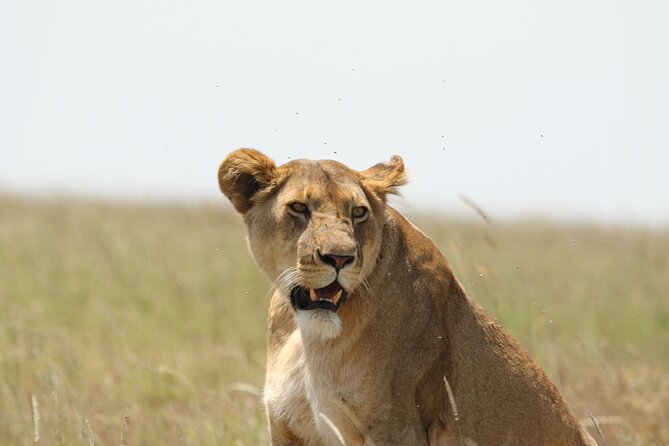
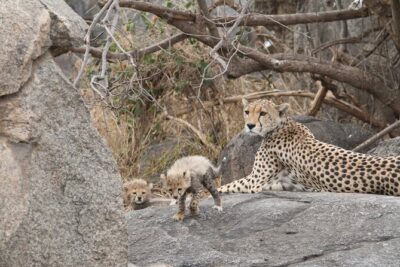
Predators add another layer. Lions, hyenas, jackals, cheetahs, and leopards are all listed among the possibilities. A leopard is never a guaranteed sighting, and finding one may require a trained eye, patience, and luck. That is where a strong guide can help, though no guide can promise a particular animal.
The crater’s scale is part of the experience. From above, you can understand the bowl-like form before descending toward the animals below. Once inside, the combination of open ground, water, and steep sides gives the day a clear sense of place.
Lake Magadi, a large shallow alkaline lake in the southwestern part of the crater, is another planned stop. The lake adds a different setting to the wildlife drive and may draw animals and birds, though the supplied details do not promise specific sightings there.
This is also the busiest-feeling day in terms of expectations. Many people choose Ngorongoro for its concentration of wildlife, so you may arrive hoping for every major species. Keep your expectations sensible. The park offers excellent conditions for viewing, but animals move freely and sightings remain uncertain.
The early breakfast and long game drive are necessary trade-offs. You gain more time in the crater, but you lose a relaxed morning. If Ngorongoro is your priority, the schedule works in your favor. If you prefer slow travel, the pace may feel demanding.
More Tarangire safaris:
- Private 6-Day Tarangire Manyara Crater and Serengeti with Mid-Range Lodges
★ 5.0 · 238 reviews - 5 Days Camping Tarangire, Serengeti & Ngorongoro crater & Visiting Maasai
★ 5.0 · 229 reviews - 4 Days Join Group tour Tarangire Serengeti and Ngorongoro crater
★ 5.0 · 219 reviews - 4-Day Safari from Arusha: Tarangire, Serengeti and Ngorongoro
★ 5.0 · 173 reviews
Lake Manyara: forest, cliffs, and birdlife
The third day heads to Lake Manyara National Park after breakfast. This park is smaller than the others on the route, but its habitats change quickly.
You can expect a mix of acacia woodland, water forest, baobab-covered cliffs, algae-streaked hot springs, swamps, and the lake itself. That range gives Lake Manyara a strong visual contrast with Tarangire’s elephant country and the open crater floor.
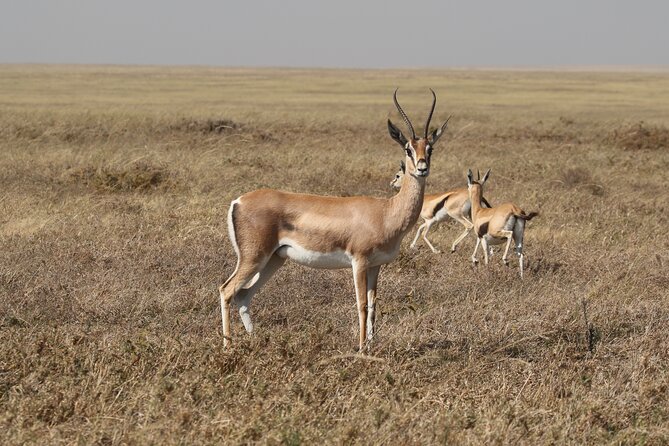
The park is known for its baboons, with the largest concentration anywhere in the world described here. You may also look for the tree-climbing lions for which Manyara is famous. A lion in a tree is never something a guide can guarantee, but it is one of the park’s signature possibilities.
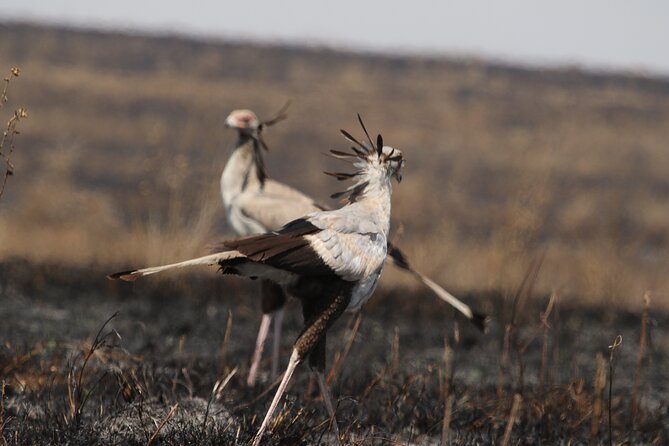
Birdlife is another reason to keep your attention on the smaller details. Lake, forest, wetland, and woodland habitats support many bird species. If you only watch for large mammals, you may miss much of what makes Manyara different.
The third-day timing is useful for a short safari because it adds one more park instead of ending after the crater. It also means you are still on the move when you may be ready for a break. The six-hour estimate gives you a sense of the commitment, but actual road and wildlife conditions can affect the day.
I see Lake Manyara as the route’s variety stop. Tarangire is the elephant and baobab park. Ngorongoro is the concentrated wildlife park. Manyara fills in the forest, bird, wetland, and hot-spring side of northern Tanzania.
Small-group service and the Arusha start
The tour begins at Jevas Hotel EncoreTZ in Makao Mapya, Arusha, at 8:00 a.m. Pickup and return are at the meeting point, so you should arrange your own way to and from that location unless the operator confirms another pickup plan.
The group is limited to six people, and the activity is also described as private, meaning only your group participates. That combination should give you a more personal setup than a large coach tour. Ask the guide questions, request help identifying animals, and make use of the smaller group when viewing conditions change.
I like the small-group format for another reason: safari vehicles can feel crowded when everyone wants the same side. A maximum of six does not remove every practical limitation, but it gives you a better chance of hearing the guide and sharing stops without a large crowd.
The tour has received a five-star rating from 102 reviews, with 100 percent recommendation shown in the supplied information. The praise is especially specific about communication, the easy Arusha pickup and return, guide Lewis, and cook Moussa’s hot meals. Those points matter more to me than a general rating because they address the parts of a short safari that can quickly go wrong.
Confirmation is provided at booking. The activity is near public transportation, and the information says most people can participate. No separate accessibility details are provided, so you should ask the operator directly if you have mobility or medical needs.
Is $700 a fair price?
At $700 per person, the price should be judged against what is bundled into the three days. You receive access to three national parks, a guide and safari vehicle, camping accommodation, and five included meals across the trip.
The strongest value comes from the route. Booking Tarangire, Ngorongoro, and Manyara separately would require more planning and could make transport harder to coordinate. Here, the parks are linked in one compact program from Arusha.
The price is less attractive if you want premium lodging or more free time. Camping is the budget choice, and the schedule is active. You should also add tips for Lewis and Moussa, since those are not included.
The tour is booked an average of 178 days ahead, which suggests you should not leave planning until the last minute if your dates are fixed. Free cancellation is available up to 24 hours before the start time for a full refund. Changes or cancellations inside that 24-hour window are not accepted for a refund.
Who should book this safari?
I would recommend it to you if you want a first taste of northern Tanzania, have only three days, and prefer spending money on parks rather than upscale rooms. It also suits people who like a clear plan, included meals, and a small group.
It is a good choice for anyone especially interested in elephants, crater wildlife, baboons, tree-climbing lions, and varied bird habitats. The route gives you a strong sample without adding extra park days.
I would hesitate if you dislike early breakfasts, long vehicle days, or basic camping. You should also reconsider if one park is your sole priority. For example, if Ngorongoro is the only reason you are coming, a longer stay focused on the crater may feel more comfortable than fitting three parks into three days.
Should you book it?
Book this safari if variety, value, and efficient planning matter most. Tarangire gives you elephants and baobabs, Ngorongoro offers the most concentrated wildlife setting, and Lake Manyara adds forests, wetlands, hot springs, baboons, and possible tree-climbing lions.
The best reason to choose this trip is the balance between cost and coverage. The main caution is the pace. Go in ready for early starts, six-hour safari days, camping, and changing scenery, and the three days should feel full rather than rushed.
FAQ
Where does the safari start and end?
It starts and ends at Jevas Hotel EncoreTZ in Makao Mapya, Arusha, Tanzania.
What time does the safari start?
The stated start time is 8:00 a.m.
How long is the safari?
The experience lasts approximately three days.
Which national parks are included?
The route includes Tarangire National Park, Ngorongoro Crater, and Lake Manyara National Park.
How large is the group?
The small-group format is limited to six people. The activity is also described as private, with only your group participating.
Are meals included?
Yes. The tour includes two breakfasts, two dinners, and three lunches.
Is camping included?
Yes. The accommodation is camping at Twiga Campsite, described as a tree-shaded site in a central location.
Are guide and cook tips included?
No. Tips for the safari guide and cook are not included in the price.
More Camping Safaris in Arusha
- 4 Days Group Camping Safari
★ 5.0 · 1,101 reviews - 5 Days Group Camping Safari
★ 5.0 · 730 reviews - 2 Days Tarangire and Ngorongoro Group Camping Safari
★ 5.0 · 146 reviews - 6 Days Tanzania Budget Camping Safari
★ 5.0 · 145 reviews
More Lake Manyara Safaris
- 3 Days Private Safari – manyara, Ngorongoro & Tarangire
★ 5.0 · 94 reviews - 05 Days Tarangire, Serengeti, Ngorongoro and Lake Manyara
★ 5.0 · 54 reviews - 5 Days 4 Nights Tarangire, Serengeti , Ngorongoro & Manyara Wildlife Safari
★ 5.0 · 40 reviews - 5 days serengeti, ngorongoro, tarangire & manyara lodge tour
★ 5.0 · 37 reviews
Just added in Arusha
- Safari “Kifaru” – 5 days in the most famous Parks in the world★ 5.0 · 4 reviews
- Saadani Day Trip★ 5.0 · 13 reviews
- 3 Days Tanzania Short and Spicy★ 5.0 · 6 reviews
- 5 Day Tanzania Safari Camping Adventure Private Tour★ 5.0 · 2 reviews
- Day Trip to Ngorongoro Crater from Arusha★ 5.0 · 1 review
- SERENGETI NATIONAL PARK Tour★ 4.5 · 5 reviews
- 3 Days Serengeti Park & Ngorongoro Crater Adventure Safari★ 5.0 · 8 reviews
- 6 Days Tanzania Bush Experience Safari★ 5.0 · 6 reviews
Serengeti & Ngorongoro Safaris, compared.
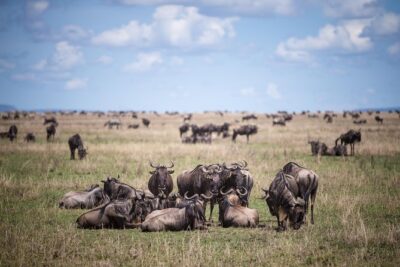
Serengeti Balloon Safari and authentic bush breakfast
Read our review →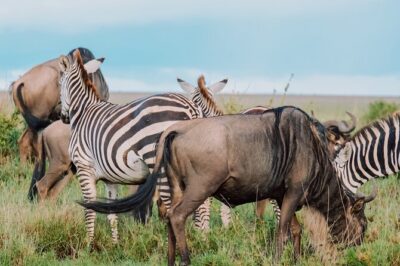
Balloon Safari & Bush Breakfast in Serengeti – Miracle Experience
Read our review →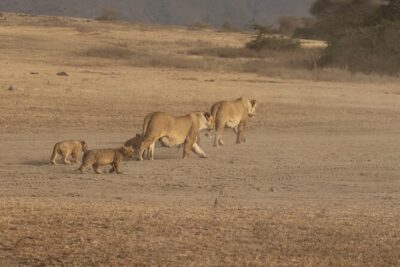
3 Days Serengeti & Ngorongoro Group Camping Safari
Read our review →
5-Day Highlights mid-Range Crater, Serengeti, Tarangire
Read our review →
Private 6-Day Tarangire Manyara Crater and Serengeti with Mid-Range Lodges
Read our review →
5 Days Camping Tarangire, Serengeti & Ngorongoro crater & Visiting Maasai
Read our review →Browse the lists this tour appears in