
Reviewed · SERENGETI & NGORONGORO SAFARIS
4-Day Safari to Tarangire ,Serengeti and Ngorongoro crater from Arusha
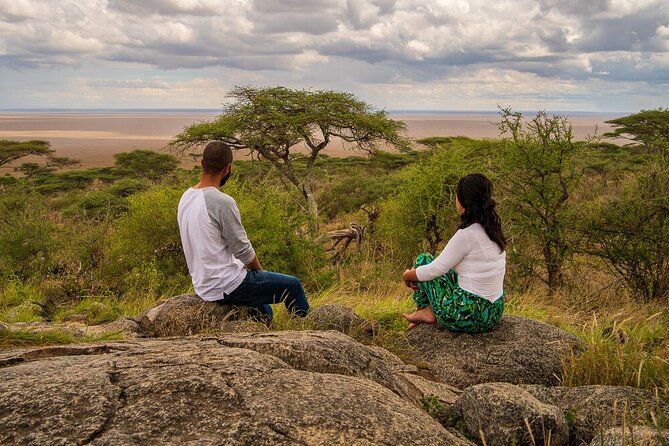
Four days, three great parks, countless animals. This private safari from Arusha gives you a brisk but rewarding introduction to northern Tanzania, combining Tarangire’s elephant country, the Serengeti’s huge plains, and an early morning visit to Ngorongoro Crater. I like the strong park selection and the chance to spend the main part of the trip in the Serengeti, where lions, cheetahs, hyenas, and migrating wildebeest gather. I also like that airport transfers, meals, drinking water, camping equipment, and accommodation before and after the safari are included.
The main trade-off is time. You cover long distances in four days, so some days involve many hours in the vehicle. The plan also uses both a lodge and campsites, so you should confirm the exact sleeping arrangements before paying if comfort matters to you. The tour has a 5.0 rating from 21 published ratings, with repeated praise for the guides, careful planning, food, and family-friendly service.
In This Review
- Key points to know before booking
- Why this three-park route works in four days
- Day 1: Elephants and river country in Tarangire
- Day 2: The long road into the Serengeti
- Day 3: Sunrise in the Serengeti and a move toward the crater
- Day 4: Ngorongoro Crater at its most active
- Guides are the heart of the experience
- Food, camping, and comfort
- Is $1,515 good value?
- Who should book this safari?
- Final verdict: a strong first safari with busy road days
- FAQ
- What parks are included in the four-day safari?
- Where does the safari begin?
- Is this a private safari?
- Are meals and drinking water included?
- Is accommodation included?
- Can I cancel for a full refund?
Key points to know before booking
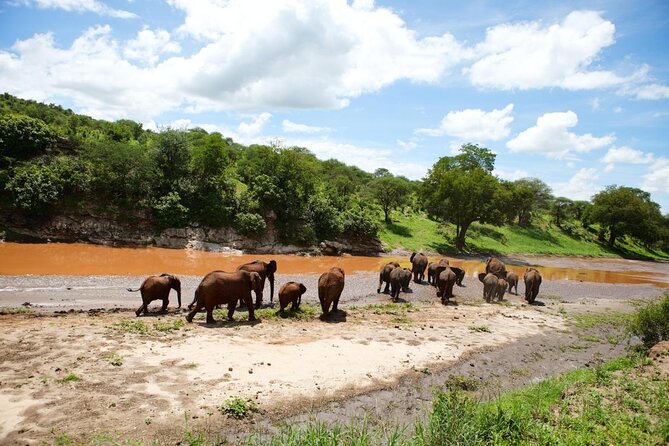
- Tarangire opens the trip with elephants, baobabs, river country, and broad savanna.
- Two game-drive days in the Serengeti give you the best chance of seeing big cats and migration activity.
- January through April is the stated calving period for wildebeest, with predators close behind.
- Ngorongoro Crater is visited early, when wildlife is often more active and the sunrise adds a memorable start.
- This is a private tour, so only your own group participates.
- The $1,515 price includes major safari costs, but not tips, visas, insurance, souvenirs, or international and domestic flights.
Why this three-park route works in four days
Northern Tanzania offers several famous wildlife areas, and this trip chooses three of the best-known. That gives you variety instead of four days in one setting.
Tarangire is a good first stop because its animal life is closely tied to the Tarangire River and seasonal swamps. The Serengeti then brings a much larger sense of space and a stronger focus on the migration and predators. Ngorongoro finishes the trip with a compact wildlife area inside an enormous volcanic crater.
I like this order because it builds from a single park day into the broad Serengeti, then ends with a concentrated morning safari. Still, you need to accept a fair amount of driving. Arusha is not next door to the Serengeti, and the crater highlands add more road time. If you want a slow safari with long rests at one camp, this schedule will feel busy.
The private format helps. Your guide can spend more time on the animals that interest you, and the group does not have to match the pace of strangers. The published details say most people can participate, and family feedback includes a successful trip with a three-year-old child. Even so, young children and anyone who dislikes rough roads should think carefully about the long vehicle days.
More Serengeti and Ngorongoro safaris:
- Balloon Safari & Bush Breakfast in Serengeti – Miracle Experience
★ 5.0 · 1,646 reviews - 3 Days Serengeti & Ngorongoro Group Camping Safari
★ 5.0 · 574 reviews - 5-Day Highlights mid-Range Crater, Serengeti, Tarangire
★ 5.0 · 296 reviews
Day 1: Elephants and river country in Tarangire
The safari begins with a 7:30 a.m. pickup after breakfast. You travel from your Arusha hotel with a driver-guide toward Tarangire National Park, then spend about six hours on the day’s park program.
Tarangire is best known for its large elephant herds. From the open roof of the safari vehicle, you can watch animals around seasonal wetlands, open grassland, and the Tarangire River. The park may also bring zebra, wildebeest, buffalo, and giraffe, along with the possibility of lions and leopards.
The open roof matters. It gives you a higher view over the grass and a better angle for photographs than a closed car. It also means direct sun, dust, and changing temperatures, so bring a hat and clothing that can handle a little road grit. Drinking water is supplied on all days, but your own reusable bottle and sun protection remain sensible additions.
Tarangire’s appeal is not only the animal count. It has a different feel from the Serengeti, with river corridors and seasonal water sources shaping where wildlife gathers. Elephants are the headline act, but the variety of habitats gives your first day a useful introduction to safari viewing.
After the park, you drive to Fig Big Tree Lodge for dinner and the night. This is an important point to clarify before booking: the trip description also refers to park campsites and camping equipment, while the first night is specifically assigned to a lodge. Ask the operator exactly which nights use tents, rest houses, or lodge rooms, and what level of comfort applies to your departure.
Day 2: The long road into the Serengeti
After breakfast, the route climbs through the crater highlands. A stop at the Ngorongoro Crater rim gives you a wide view into the volcanic basin before you continue toward the Serengeti.
This is one of the most scenic transitions of the trip. The crater rim offers a sudden change in scale, while the road onward opens toward the enormous Serengeti plains. Serengeti means endless plain, and the park covers about 6,900 square miles, or 18,000 square kilometers.
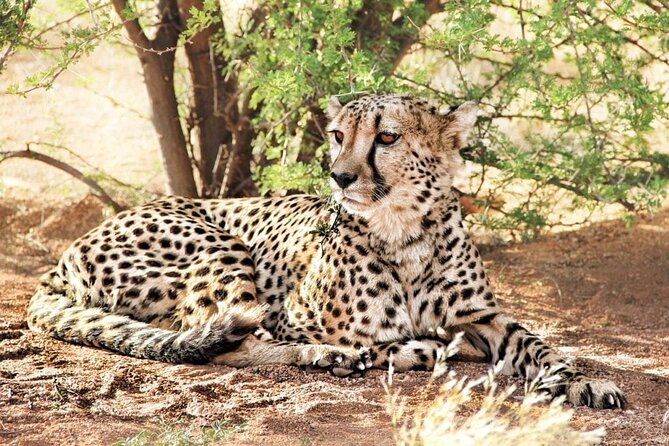
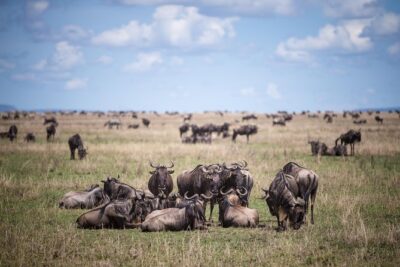
The main reason to spend time here is the wildlife concentration linked to the annual movement of more than two million wildebeest. From January through April, the wildebeest calving season can bring newborn animals as well as large numbers of plains zebra and Thomson’s gazelles. That supply of prey attracts lions, cheetahs, and hyenas.
The timing of your visit matters. The advertised calving period offers a particularly dramatic mix of young animals and predator activity, but wildlife sightings can never be promised. A good guide helps by reading animal behavior, checking likely areas, and adjusting the day’s route when possible.
Day 2 is listed at about six hours, though the road journey and park driving can make the day feel longer. The supplied outline gives the Serengeti two nights as a central feature, but the detailed schedule has you in the park on Day 2 and again on Day 3, with the third night at Simba Campsite in the Ngorongoro area. Confirm the exact camp location and travel timing, since those details affect how much time you spend driving versus watching animals.
Day 3: Sunrise in the Serengeti and a move toward the crater
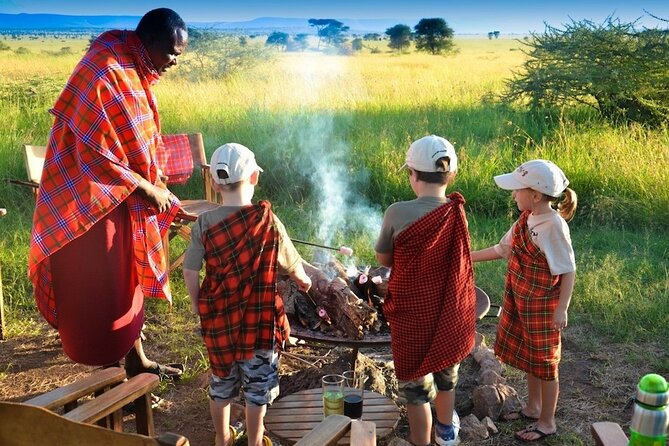
You wake very early for a sunrise game drive. This is a smart use of time. Early morning is often when animals are more active, and the soft light is especially good for viewing the plains.
The plan returns you to the campsite or rest house around midday for brunch or lunch. After that break, you continue with an afternoon game drive before heading toward Simba Campsite in Ngorongoro for the night.
This day gives you two chances to see the Serengeti: the cool first hours after sunrise and the later afternoon period. Those are useful windows for watching animal movement, and the split schedule prevents you from spending the entire day without a proper meal or rest.
The drawback is another transfer at the end of the day. If you have just enjoyed a strong morning sighting, leaving the Serengeti can feel abrupt. On the other hand, sleeping near the crater positions you for an early start on Day 4, which is far better than approaching the crater from a distant base that morning.
The tour supplies camping equipment, meals, and drinking water. Dinner is included for three nights, breakfast for four mornings, and lunch for four days according to the package details. Because the wording combines campsites, a rest house, and a lodge, ask for a written accommodation plan. That simple check can prevent a mismatch between your expectations and the actual setup.
More Tarangire safaris:
- Private 6-Day Tarangire Manyara Crater and Serengeti with Mid-Range Lodges
★ 5.0 · 238 reviews - 5 Days Camping Tarangire, Serengeti & Ngorongoro crater & Visiting Maasai
★ 5.0 · 229 reviews - 4 Days Join Group tour Tarangire Serengeti and Ngorongoro crater
★ 5.0 · 219 reviews - 4-Day Safari from Arusha: Tarangire, Serengeti and Ngorongoro
★ 5.0 · 173 reviews
Day 4: Ngorongoro Crater at its most active
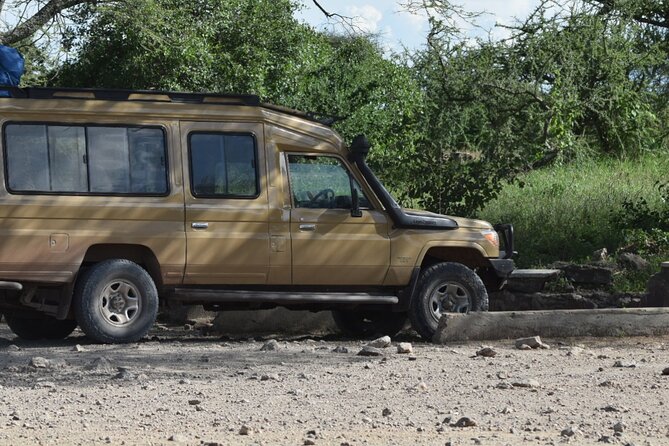
The final morning begins before breakfast with an early safari and sunrise. You then travel into Ngorongoro Crater for a game drive before the trip ends.
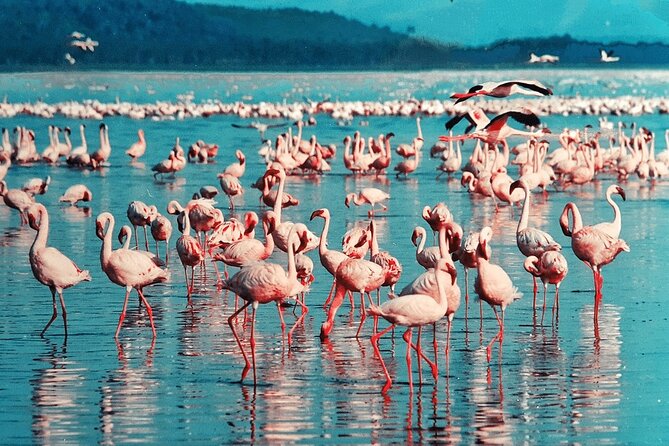
Ngorongoro is different from the Serengeti because the crater walls contain a dense mix of habitats in a relatively compact area. The stated sights include a river, swamps, a soda lake with flamingos, forest, and open plains. The area supports many species associated with East Africa, including the rare black rhino.
This is a strong finale for a short safari. You are not spending your last day simply driving back to Arusha. Instead, you get a final wildlife session at a time when animals may be active, with sunrise over the savanna adding a memorable visual moment.
The crater can also be busy, and its roads may feel more crowded than the wide Serengeti. That is the price of visiting one of Tanzania’s most famous wildlife areas. The compact setting usually makes it a practical place to search for several species in one morning, but the experience is less solitary than a remote stretch of the Serengeti.
The schedule again lists about six hours. You should confirm where the safari finishes and when you will reach your next accommodation or transfer point, especially if you have a same-day flight.
Guides are the heart of the experience
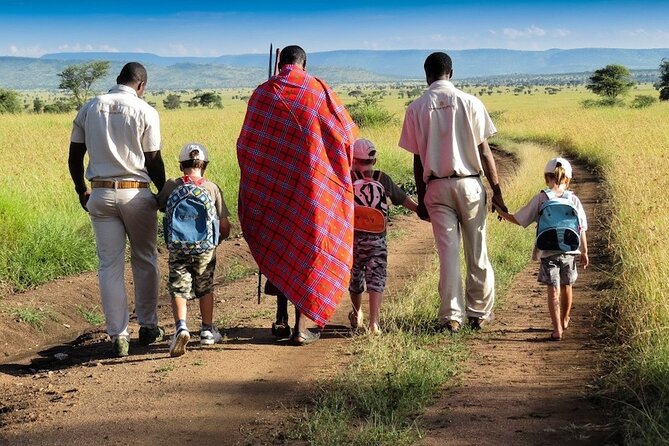
The strongest praise centers on the staff. Guides named in the feedback include Omar, Maliaki, Aaron, Simon, Joseph, Assad, Innocent, José, and David Simba. That suggests the company works with several guide teams, so the exact person leading your safari may depend on availability.
Omar received praise for animal knowledge and for working hard to help a group see the Big Five. Maliaki was singled out for his sharp animal-spotting ability, including finding a rhino before other vehicles. David Simba was remembered not only as a guide but as a friendly companion, while Joseph was praised for making the safari exciting and easy to follow.
Those details matter more than a glossy vehicle photo. A guide controls the rhythm of the day, explains animal behavior, chooses when to pause, and helps you make sense of a distant shape in the grass. You should tell the operator in advance if your priorities are big cats, elephants, rhinos, birds, photography, or the migration.
The personal service also appears before departure. Mohamed is repeatedly credited with arranging the trip, answering questions quickly, explaining the plan, and helping with travel documents. That kind of communication is useful when a four-day safari includes several camps and long road transfers.
Food, camping, and comfort
The package includes breakfast, lunch, and dinner as specified, plus drinking water each day. Food and lodging received strong praise, including from a family group of nine that described the arrangements as luxurious and well managed.
At the same time, the published details use the words camping equipment, campsites, rest house, and lodge. Do not read those terms as interchangeable. A lodge night and a tented campsite can be very different in terms of beds, bathrooms, electricity, privacy, and nighttime atmosphere.
If you enjoy being close to nature, the campsite nights may be part of the appeal. If you want a luxury safari, ask exactly what is included in the accommodation category at the $1,515 price. Also confirm whether the listed price is based on sharing rooms or tents, since the supplied information does not specify that point.
Meals are included, but personal items are not. Budget separately for tips to the guide and cook, souvenirs, travel insurance, visa fees, and flights. Airport pickup and drop-off are free, as is accommodation before and after the safari, which adds meaningful value if you are using Arusha as your base.
Is $1,515 good value?
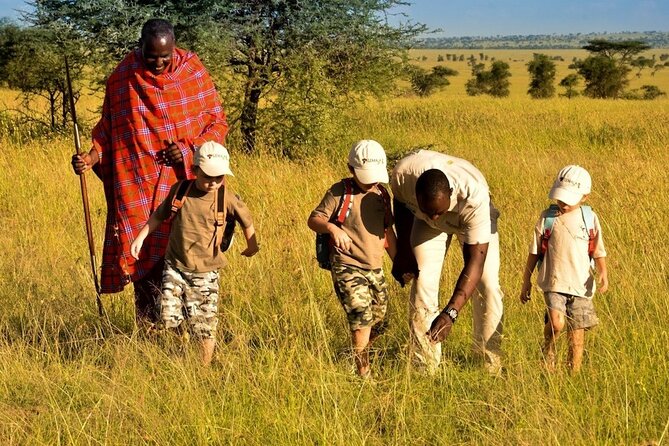
At $1,515 per person, this is not a cheap weekend outing. It is a multi-park safari with park fees, a professional guide, camping equipment, meals, water, airport transfers, and pre- and post-safari accommodation included.
I see the value in the private format and the three major destinations. Park entry fees alone can be a significant part of a Tanzania safari budget, and the package removes several costs that are easy to overlook. Two days focused on the Serengeti also give the trip a stronger wildlife center than a route that merely passes through the park.
The value depends heavily on the accommodation level and group arrangement. Ask for the vehicle and sleeping setup, the exact camps, the number of people in your private group, and the end time on Day 4. Those answers will tell you more than the headline price.
The cancellation terms are straightforward: cancel at least 24 hours before the start time for a full refund. Changes or cancellations within 24 hours are not accepted for a refund.
Who should book this safari?
I would choose this trip if you have four days available and want the classic northern Tanzania route without arranging each part yourself. It suits first-time safari visitors, couples, families, and small private groups that value a guide who can adapt the day to their interests.
It is especially appealing from January through April if seeing wildebeest calves is a priority. The Serengeti focus also works well for anyone hoping to see lions, cheetahs, hyenas, and large herds in open country.
I would hesitate if you dislike early starts, long drives, basic camping, or a busy schedule. You may prefer a longer itinerary that allows more time in each park. I would also ask more questions before booking if you expect a clearly defined luxury package, since the accommodation details are not fully consistent.
Final verdict: a strong first safari with busy road days
You get Tanzania’s best-known names in a compact four-day plan: elephant country in Tarangire, predator-rich plains in the Serengeti, and a dense wildlife setting in Ngorongoro Crater.
The best parts are the private format, the early game drives, the Serengeti emphasis, and the repeated praise for guides such as Omar, Maliaki, Joseph, and David Simba. The main weakness is the pace, with substantial driving and accommodation details that need clarification.
I would book it if your priority is seeing three iconic parks in limited time and you are comfortable with early mornings and campsite-style arrangements. Before confirming, ask for the precise accommodation plan and final-day timing. If those match your expectations, the package offers a practical and well-supported introduction to Tanzania’s wildlife.
FAQ
What parks are included in the four-day safari?
The safari includes Tarangire National Park, Serengeti National Park, and the Ngorongoro Conservation Area, including a game drive in Ngorongoro Crater.
Where does the safari begin?
The experience begins in Arusha, with pickup offered from your hotel. The stated start time is 7:30 a.m.
Is this a private safari?
Yes. Only your own group participates in the activity.
Are meals and drinking water included?
Yes. The package includes drinking water on all days, breakfast, lunch, and three dinners as specified in the daily plan.
Is accommodation included?
Yes. The package includes accommodation before and after the safari, along with safari accommodation. The schedule names Fig Big Tree Lodge and Simba Campsite, while the general details also refer to campsites and camping equipment, so confirm the exact setup before booking.
Can I cancel for a full refund?
Yes. You can receive a full refund if you cancel at least 24 hours before the experience start time. Cancellations or changes made within 24 hours are not eligible for a refund.
Just added in Arusha
- Safari “Kifaru” – 5 days in the most famous Parks in the world★ 5.0 · 4 reviews
- Saadani Day Trip★ 5.0 · 13 reviews
- 3 Days Tanzania Short and Spicy★ 5.0 · 6 reviews
- 5 Day Tanzania Safari Camping Adventure Private Tour★ 5.0 · 2 reviews
- Day Trip to Ngorongoro Crater from Arusha★ 5.0 · 1 review
- SERENGETI NATIONAL PARK Tour★ 4.5 · 5 reviews
- 3 Days Serengeti Park & Ngorongoro Crater Adventure Safari★ 5.0 · 8 reviews
- 6 Days Tanzania Bush Experience Safari★ 5.0 · 6 reviews
Serengeti & Ngorongoro Safaris, compared.
Serengeti Balloon Safari and authentic bush breakfast
Read our review →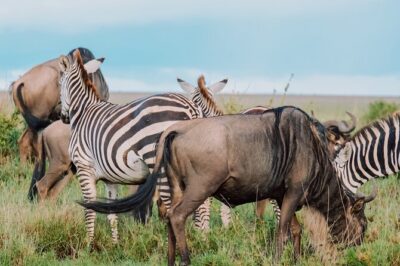
Balloon Safari & Bush Breakfast in Serengeti – Miracle Experience
Read our review →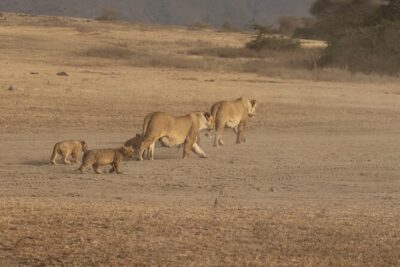
3 Days Serengeti & Ngorongoro Group Camping Safari
Read our review →
5-Day Highlights mid-Range Crater, Serengeti, Tarangire
Read our review →
Private 6-Day Tarangire Manyara Crater and Serengeti with Mid-Range Lodges
Read our review →
5 Days Camping Tarangire, Serengeti & Ngorongoro crater & Visiting Maasai
Read our review →Browse the lists this tour appears in