
Reviewed · SERENGETI & NGORONGORO SAFARIS
4 Day Tour in Tarangire and Serengeti and Ngorongoro Crater
Four days, three legendary parks, plenty of wildlife. This $1,100 safari from Arusha gives you a fast-moving introduction to northern Tanzania, from elephant country in Tarangire to the predator-rich Serengeti and the enclosed wildlife world of Ngorongoro Crater. I especially like the included park fees, meals, drinks, 4×4 Land Cruiser, and hotel pickup, which make the price easier to understand. I also like that the route mixes different types of scenery and wildlife instead of repeating the same sort of game drive.
The main catch is the pace. Day 2 lasts about 12 hours, and several days involve long stretches in the vehicle. The group may reach as many as 30 people, so this is not the intimate, custom safari you would get with a private vehicle. Still, the strong food and accommodation comments, along with praise for the guides and quick communication from Pocho Tours, make this a serious option for a first safari.
In This Review
- Five things to know before you book
- Why this four-day route works
- Day 1: Tarangire’s elephants and ancient baobabs
- Day 2: The Serengeti opens into endless savannah
- Day 3: Early wildlife activity and the seasonal Grumeti River
- Day 4: Inside Ngorongoro Crater
- What the $1,100 price really covers
- Guides, food, and the human side of the trip
- The vehicle, timing, and group size
- Who should book this safari?
- Should you book it?
- FAQ
- Where does the tour start?
- What time does the tour begin?
- How long is the safari?
- Which national parks are included?
- Are park fees included?
- Are meals included?
- How many people can join the tour?
- Can I cancel for a refund?
Five things to know before you book
- Elephants and baobabs lead the opening day: Tarangire gives you a memorable first look at Tanzania, with large elephant herds, giant old trees, and wildlife near the Tarangire River.
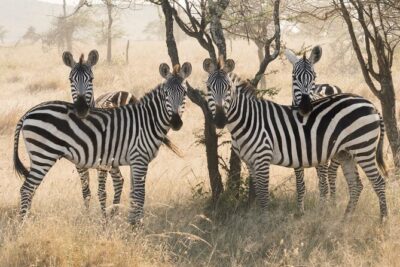
- The Serengeti gets the longest time: Day 2 runs about 12 hours, followed by another nine-hour safari day, giving you a solid chance to see lions, leopards, cheetahs, hyenas, zebras, and wildebeest.
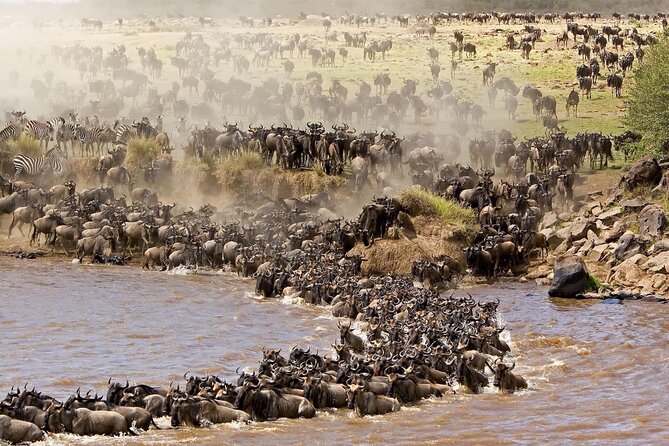
- Migration sightings depend on timing: The Great Migration and river crossings are seasonal, so they should be treated as a bonus rather than a promise.
- Ngorongoro is built for concentrated wildlife viewing: The crater’s steep walls hold a dense animal population, including possible sightings of the Big Five and black rhinoceros.
- The package covers many major costs: Park fees, crater fees, four lunches, three breakfasts, three dinners, drinks, a professional live guide, transport, and hotel pickup and drop-off are included.
- The schedule starts early and runs long: Pickup is at 8:30 a.m., but the full days in the parks can last from about nine to twelve hours.
Why this four-day route works
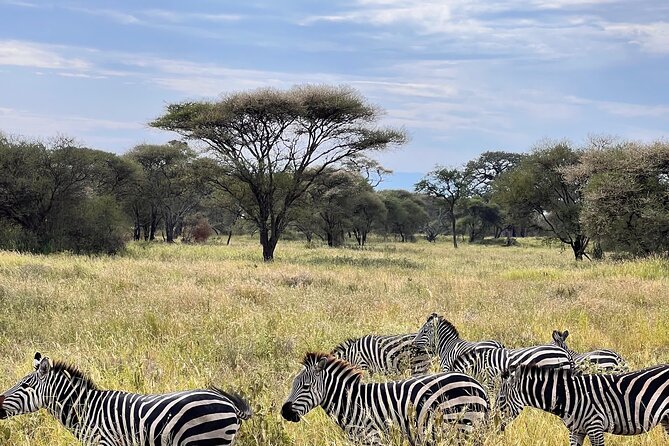
Northern Tanzania rewards variety. Tarangire, Serengeti, and Ngorongoro Crater each offer a different setting, and this trip links all three in a short period. You get baobab-dotted scenery on the first day, enormous open plains in the Serengeti, and a compact wildlife sanctuary inside the crater on the last day.
I like this structure for a first visit because you do not have to choose between elephant country and big-cat country. Tarangire is especially good for large herds and birds. The Serengeti gives you the broad savannah and famous predator sightings. Ngorongoro adds a final concentrated wildlife drive, with the chance to see animals that can be harder to find across a huge open park.
The tradeoff is simple: four days is enough for a memorable introduction, but not enough for a slow safari. You will spend substantial time driving between parks and looking for animals from the vehicle. That is part of the experience, but you should be comfortable with long days, dusty roads, and a schedule that keeps moving.
More Serengeti and Ngorongoro safaris:
- Balloon Safari & Bush Breakfast in Serengeti – Miracle Experience
★ 5.0 · 1,646 reviews - 3 Days Serengeti & Ngorongoro Group Camping Safari
★ 5.0 · 574 reviews - 5-Day Highlights mid-Range Crater, Serengeti, Tarangire
★ 5.0 · 296 reviews
Day 1: Tarangire’s elephants and ancient baobabs
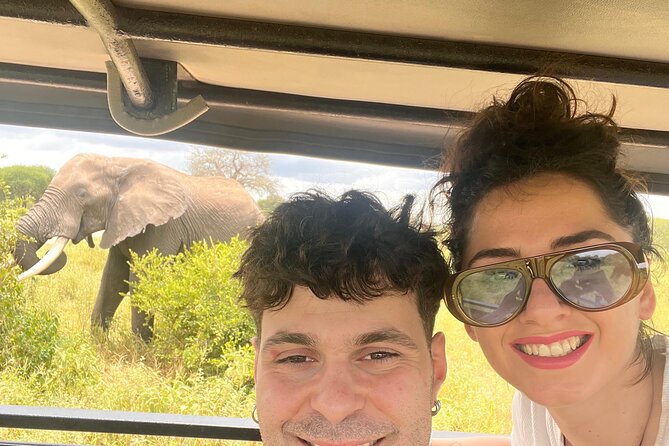
The first park visit lasts about nine hours. Tarangire is known for its large elephant herds, and the opening hours give you a strong chance to see them moving through the grasslands or gathering near the Tarangire River.
The river matters because water draws wildlife together. You might see zebras, wildebeest, giraffes, buffalo, and antelopes in the same general area. That does not mean every animal will appear on every drive, but Tarangire offers the kind of varied viewing that helps you settle into safari rhythm quickly.
The baobab trees are almost as memorable as the animals. Their thick trunks and unusual shapes give the park a distinct look, and they make excellent backdrops for photographs. I would pay attention to the scenery between sightings. A safari is not only about checking off lions and elephants. The trees, open grass, riverbanks, and changing light are what give the day its character.
You also get multiple game drives during the day. That is useful because animals move, and a quiet stretch can change quickly when your guide takes you into another part of the park. Tarangire has more than 500 bird species, so anyone interested in birdwatching should keep looking beyond the larger animals.
The first day is also a useful test of the vehicle and guide. You will be spending many hours in a Land Cruiser 4×4, so notice how comfortable you feel with the seating, visibility, and pace. A good guide can make a major difference by explaining animal behavior and helping you understand what you are seeing, not just pointing at a distant shape.
Day 2: The Serengeti opens into endless savannah
The second day is the longest, at about 12 hours. You head into Serengeti National Park, where the scenery changes to wide open plains dotted with acacia trees. After the more enclosed feel of Tarangire, the Serengeti can seem almost limitless.
That scale is part of the appeal, but it also explains the long hours. Animals may be spread across a large area, and your guide may need time to find the best sightings. The reward can be excellent predator viewing, especially around the Seronera Valley.
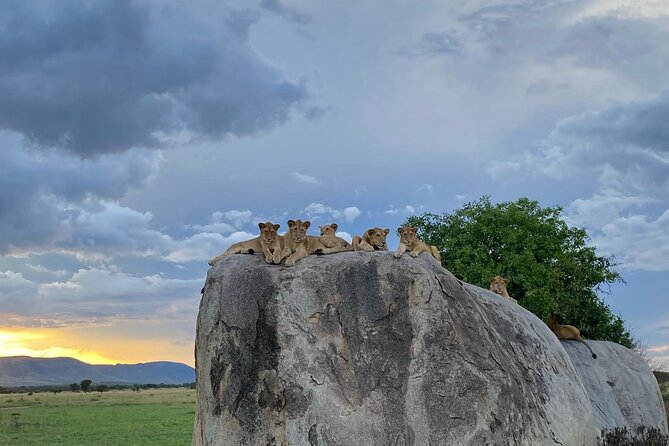
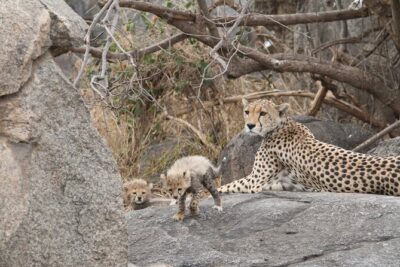
Seronera is known for lions, leopards, and cheetahs. You might see lions resting in shade, a leopard in a tree, or a cheetah moving across the grass. Hyenas are also possible. None of these sightings is guaranteed, and wildlife does not follow a timetable, but the area’s reputation for predators makes this one of the most exciting parts of the route.
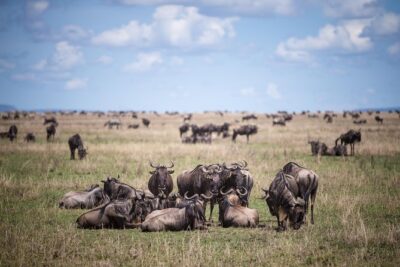
The Great Migration is another seasonal possibility. If the wildebeest and zebras are in the area during your visit, you might see huge herds crossing the plains, often with predators nearby. The timing is not fixed in the information provided for this trip, so ask Pocho Tours about current conditions before booking if migration is your main goal.
I would also keep your expectations realistic about the phrase Big Five. The parks offer opportunities to see lion, leopard, elephant, buffalo, and black rhinoceros, but no safari can promise a complete list. The value here is the range of habitats and the amount of time spent searching.
Day 3: Early wildlife activity and the seasonal Grumeti River
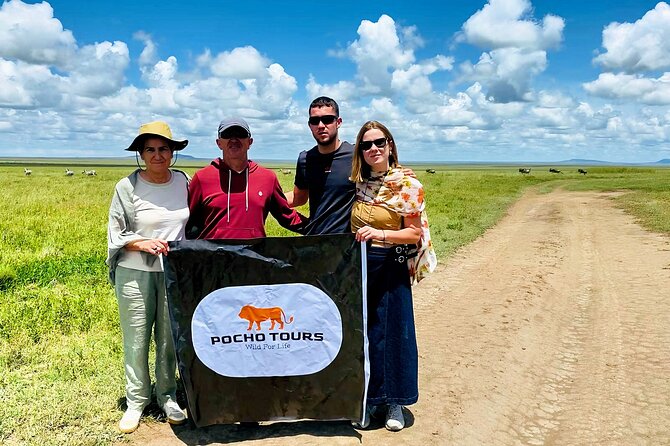
The third day continues in the Serengeti and lasts about nine hours. An early game drive is planned, which is useful because lions, hyenas, and other predators may be more active in the morning. You may see a hunt, scavenging behavior, or animals moving before the heat of the day settles in.
Morning drives can also bring better viewing conditions. Light is often more pleasant for photography, and animals may be easier to spot when they are not resting in the shade. The exact schedule can depend on the guide and the day’s route, but the early start is one of the more valuable parts of this safari.
The route may head toward the Grumeti River. This is a seasonal highlight, with possible sightings of crocodiles and hippos. If the migration is passing through the western corridor, wildebeest and zebras may attempt river crossings, creating one of nature’s most dramatic scenes.
Again, the seasonal point matters. A river crossing is never something you should regard as included simply because the route mentions the Grumeti. You may see the river and its resident wildlife without seeing a crossing. Crocodiles, hippos, and ordinary game viewing can still make the area worthwhile.
Day 3 is a good place to judge the safari’s pace. You have already spent a long day in the Serengeti, and another substantial drive can feel tiring. At the same time, giving the park two days is much better than racing through it in a single afternoon. If the Serengeti is your main reason for coming to Tanzania, this extra morning is important.
More Tarangire safaris:
- Private 6-Day Tarangire Manyara Crater and Serengeti with Mid-Range Lodges
★ 5.0 · 238 reviews - 5 Days Camping Tarangire, Serengeti & Ngorongoro crater & Visiting Maasai
★ 5.0 · 229 reviews - 4 Days Join Group tour Tarangire Serengeti and Ngorongoro crater
★ 5.0 · 219 reviews - 4-Day Safari from Arusha: Tarangire, Serengeti and Ngorongoro
★ 5.0 · 173 reviews
Day 4: Inside Ngorongoro Crater
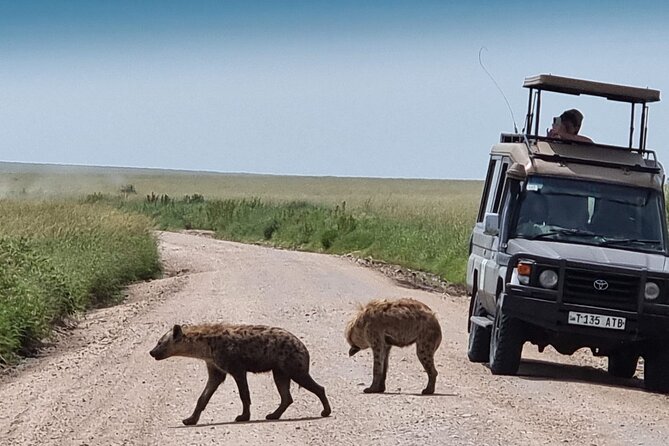
The final park visit lasts about nine hours and takes you into Ngorongoro Crater. The descent is one of the trip’s most striking transitions. The crater walls create a natural enclosure, and the floor supports a dense population of animals in a relatively compact area.
This concentrated setting can make Ngorongoro especially rewarding near the end of a short safari. You are not searching across the same enormous open area as in the Serengeti. Instead, you have the crater floor, its water sources, grasslands, and surrounding walls as a dramatic setting for the drive.
Ngorongoro is one of the better places in the region to look for the Big Five. Lions, elephants, buffalo, and leopards are possible, as is the endangered black rhinoceros. The rhino is a particularly meaningful sight, but it remains a possibility rather than a guarantee.
Lake Magadi may attract thousands of flamingos. The lake adds color and another kind of wildlife interest to a day otherwise focused on large mammals. I like that this final stop does not simply repeat the Serengeti. The crater offers a different sense of scale and a more enclosed setting.
By this point, you may be ready for a less demanding schedule. The nine-hour day is still substantial, but Ngorongoro’s compact wildlife area can make the effort feel well spent. The activity ends back at the meeting point, with hotel pickup and drop-off included as part of the package.
What the $1,100 price really covers
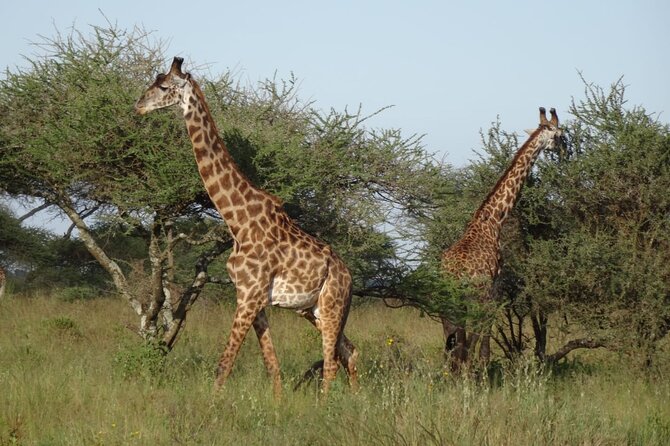
At $1,100 per person, this is not a budget day trip. But you should not compare the price with a simple park excursion. The package includes several costly and important elements:
- Park fees and Ngorongoro Crater fees
- A Land Cruiser 4×4 vehicle
- A professional live guide
- Hotel pickup and drop-off
- Four lunches
- Three breakfasts
- Three dinners
- Beverage drinks
Those inclusions make the price more reasonable, especially because park and crater fees can add a great deal to a Tanzania safari. Meals also matter. You do not have to arrange food for four days, and the available comments specifically praise the food and accommodation.
The value depends on what kind of safari you want. If you want a private vehicle, a very small group, or a slow route with more time in each park, this may not be the best fit. The maximum group size is 30, which is sizeable for a safari. A larger group may mean less flexibility and more time coordinating departures and stops.
For a first safari, though, the package is practical. Most major costs are gathered into one booking, and the route includes three of northern Tanzania’s best-known wildlife areas. Group discounts may also improve the value if you are booking with family or friends.
Guides, food, and the human side of the trip
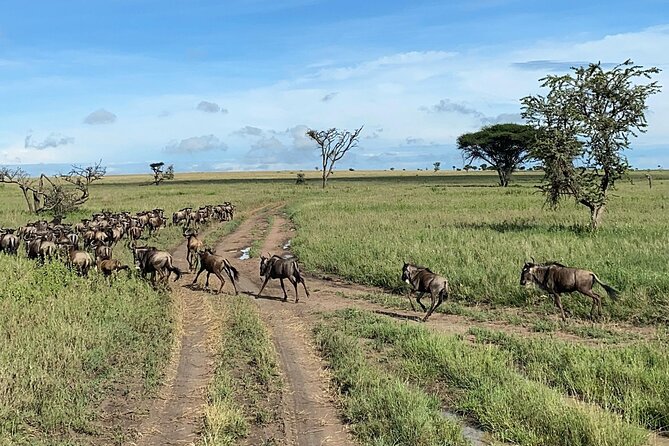
A safari guide can shape the whole experience. The available comments praise the guides, including a German-speaking guide who added extra value for one group. If you need German-language support, ask Pocho Tours to confirm whether that option is available for your dates rather than assuming it will be assigned.
Pocho Tours also received praise for quick replies and for handling the trip from airport pickup through departure. That kind of communication is useful when a safari involves several parks, meals, accommodations, and long drives. You want clear answers before you arrive, especially about the route, group size, and seasonal wildlife conditions.
Food and accommodation were also singled out as strong points. The supplied details do not name the individual lodges or describe their room standards, so you should ask for the exact accommodation list before paying. That is especially important if you have specific expectations about private rooms, bathrooms, or location.
Drinks are included, but the details do not say which beverages are provided. Ask if you have a particular need. The same practical approach applies to meals and dietary restrictions. The package includes breakfasts, dinners, and lunches, but specific menu choices are not listed.
The vehicle, timing, and group size
Pickup begins at 8:30 a.m. in Arusha. Hotel pickup is offered, which simplifies the start, and the activity returns to the meeting point at the end. Confirmation is received at booking, and most people can take part.
The Land Cruiser 4×4 is the right type of vehicle for this kind of route. It gives you access to the park roads and the raised viewing position you want for wildlife. Still, four days in a safari vehicle can be tiring, particularly on the 12-hour Serengeti day.
A maximum of 30 people is the clearest practical concern. The actual group may be smaller, but you should not book expecting a private experience unless Pocho Tours confirms that arrangement. If you are sensitive to crowding or want the guide to focus closely on your interests, ask about the expected number in your vehicle.
Tips are not included. Budget separately for gratuities if you feel the guide, driver, and support staff have done a good job. The amount is not specified, so ask the operator for current guidance rather than relying on a fixed figure.
Who should book this safari?
I would recommend this trip to someone who wants a concentrated first taste of northern Tanzania. It suits you if you want elephants, big cats, open savannah, possible migration activity, and a crater safari in one organized package.
It is also a good match if you value simple arrangements. Hotel pickup, meals, drinks, park fees, crater fees, a 4×4 vehicle, and a guide are already bundled together. The positive comments about communication, food, accommodations, and guiding add confidence to the basic package.
I would be more cautious if you have only one wildlife priority. If your dream is specifically a migration river crossing, timing matters more than the name of the park. If your goal is a quiet luxury safari, a group of up to 30 is likely too large. And if you dislike long drives, four days across three parks may feel rushed.
You can cancel for a full refund if you do so at least 24 hours before the start time. Cancellations within 24 hours are not refunded, and the minimum group requirement means the operator may offer another date or a full refund if the trip cannot run.
Should you book it?
Book this safari if you want a well-covered route through Tarangire, Serengeti, and Ngorongoro without arranging every park fee, meal, transfer, and game drive yourself. The strongest reasons are the excellent variety, two substantial days in the Serengeti, included crater costs, and repeated praise for the guides, food, accommodation, and communication.
Before booking, ask Pocho Tours three questions: how large your actual group will be, which accommodations are planned, and what wildlife conditions are expected during your dates. If the answers suit you, $1,100 is a fair package price for a busy but rewarding four-day introduction to Tanzania’s most famous safari areas.
FAQ
Where does the tour start?
The tour starts in Arusha, Tanzania, with pickup offered from your hotel.
What time does the tour begin?
The stated start time is 8:30 a.m.
How long is the safari?
The tour lasts approximately four days. Individual park days run for about nine to twelve hours.
Which national parks are included?
The route includes Tarangire National Park, Serengeti National Park, and Ngorongoro Crater.
Are park fees included?
Yes. Park fees and Ngorongoro Crater fees are included.
Are meals included?
Yes. The package includes three breakfasts, three dinners, and four lunches.
How many people can join the tour?
The maximum group size is 30 people.
Can I cancel for a refund?
Yes. You can receive a full refund if you cancel at least 24 hours before the experience begins. Cancellations within 24 hours are not refunded.
Just added in Arusha
- Safari “Kifaru” – 5 days in the most famous Parks in the world★ 5.0 · 4 reviews
- Saadani Day Trip★ 5.0 · 13 reviews
- 3 Days Tanzania Short and Spicy★ 5.0 · 6 reviews
- 5 Day Tanzania Safari Camping Adventure Private Tour★ 5.0 · 2 reviews
- Day Trip to Ngorongoro Crater from Arusha★ 5.0 · 1 review
- SERENGETI NATIONAL PARK Tour★ 4.5 · 5 reviews
- 3 Days Serengeti Park & Ngorongoro Crater Adventure Safari★ 5.0 · 8 reviews
- 6 Days Tanzania Bush Experience Safari★ 5.0 · 6 reviews
Serengeti & Ngorongoro Safaris, compared.
Serengeti Balloon Safari and authentic bush breakfast
Read our review →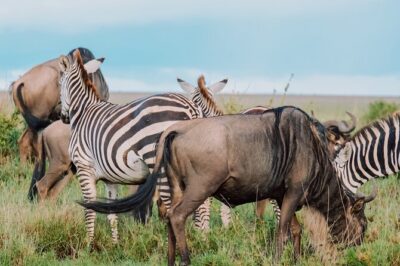
Balloon Safari & Bush Breakfast in Serengeti – Miracle Experience
Read our review →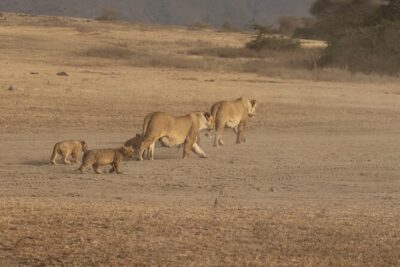
3 Days Serengeti & Ngorongoro Group Camping Safari
Read our review →
5-Day Highlights mid-Range Crater, Serengeti, Tarangire
Read our review →
Private 6-Day Tarangire Manyara Crater and Serengeti with Mid-Range Lodges
Read our review →
5 Days Camping Tarangire, Serengeti & Ngorongoro crater & Visiting Maasai
Read our review →Browse the lists this tour appears in