
Reviewed · SERENGETI & NGORONGORO SAFARIS
4-Day Tour to Tarangire, Serengeti and Ngorongoro
Elephants, big cats, and one volcanic crater fill four busy days. This safari links three of northern Tanzania’s best-known wildlife areas, starting in Arusha and ending where you began. You get game drives in Tarangire, two full days in the Serengeti, and a final visit to Ngorongoro Crater.
I like the small group limit of six, which should make it easier to hear the guide and get a clear view from the vehicle. I also like the practical price: at $900 per person, it includes transport, accommodation, a professional guide, four lunches, three breakfasts, three dinners, and parking fees. The main drawback is the pace. You cover a lot of ground in four days, and the repeated six-hour park sessions may feel tiring, especially with long drives between areas.
This is a wildlife-first trip, not a slow cultural holiday. You may also have a Maasai encounter, time for photography, and a nature walk, but the main event is watching animals in open country with a guide who can help you spot and understand them.
In This Review
- Key points to know before booking
- Why this four-day route works
- Tarangire: elephants beneath the baobabs
- Two days in the Serengeti
- Ngorongoro Crater: a powerful final day
- What the $900 price really covers
- The guide and the human side of the safari
- Who should choose this safari?
- Should you book the four-day route?
- FAQ
- Where does the safari start?
- What time does the tour start?
- Where does the tour end?
- How long is the safari?
- How many people can join the group?
- Is pickup offered?
- What meals are included?
- Is accommodation included?
- Are international flights included?
- Can I cancel and receive a refund?
Key points to know before booking
- Tarangire opens the trip with elephants and baobabs, plus game drives near the Tarangire River.
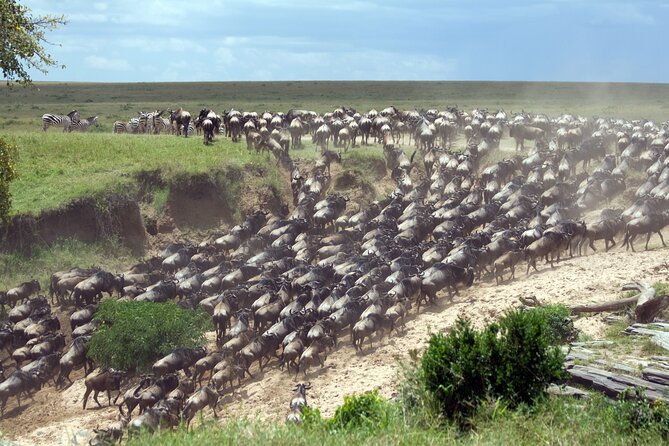
- The Serengeti gets two days, giving you more time to look for lions, cheetahs, elephants, giraffes, and the Great Migration.
- Ngorongoro Crater is the final grand scene, with a compact wildlife area inside the world’s largest intact caldera.
- A group of up to six keeps the safari personal, and past praise has focused on the guide, chef, organization, and good-value accommodation.
- Meals and lodging are included, but extra nights before or after the safari are not.
- The 6:00 am start at Arusha’s Clocktower Roundabout requires planning, especially if you are staying outside central Arusha.
Why this four-day route works
Northern Tanzania gives you several very different wildlife settings in a short trip. Tarangire is known for elephant herds and baobab trees. The Serengeti spreads out into huge open plains and is the main stage for the Great Migration. Ngorongoro offers a natural bowl where animals gather against steep crater walls.
That variety is the reason to choose this route. You are not simply repeating the same park three times. Each stop has its own character, and the changing scenery helps keep the trip fresh even when the daily rhythm is similar: early start, game drive, meals, more driving, and a night at your accommodation.
The schedule is active. Each listed park session is about six hours, with some days containing two separate park stops. You should expect long periods in the vehicle, but that is also when much of the wildlife watching happens. A lion may appear beside the road after an hour of quiet searching, so patience matters.
The group size is one of the strongest practical features. With no more than six people, you should have a better chance of getting a window-side view than on a large coach. It also gives the guide room to answer questions and adjust the focus of the drive.
More Serengeti and Ngorongoro safaris:
- Balloon Safari & Bush Breakfast in Serengeti – Miracle Experience
★ 5.0 · 1,646 reviews - 3 Days Serengeti & Ngorongoro Group Camping Safari
★ 5.0 · 574 reviews - 5-Day Highlights mid-Range Crater, Serengeti, Tarangire
★ 5.0 · 296 reviews
Tarangire: elephants beneath the baobabs
Your first day begins in Tarangire National Park. The park’s visual signature is easy to remember: large baobab trees, open country, and elephant herds moving through it. The Tarangire River adds another point of interest, since wildlife can be seen near the water and in the surrounding country.
The planned time here is substantial, with game drives and a second session focused on scenery, photography, cultural contact, and a guided nature walk. That mix gives you more than a quick drive through the park. You can watch the larger animals, then pay attention to smaller parts of the environment.
Lions and giraffes are specifically part of the expected wildlife, along with a broad range of other species. Still, no safari can promise a particular animal on a particular day. Your guide’s ability to read the area and spot movement will matter greatly.
Photography is especially appealing in Tarangire. The baobabs create strong shapes against the sky, while elephants give you a sense of scale. Bring patience rather than expecting constant action. Some of the best moments may be quiet ones near the river or under the trees.
A Maasai cultural encounter is also included in the description of the day. Treat this as a chance to learn about traditional life, not as a staged replacement for the park experience. The details of the village visit and the nature walk are not specified, so you should ask the operator exactly how these activities are arranged before departure.
Two days in the Serengeti
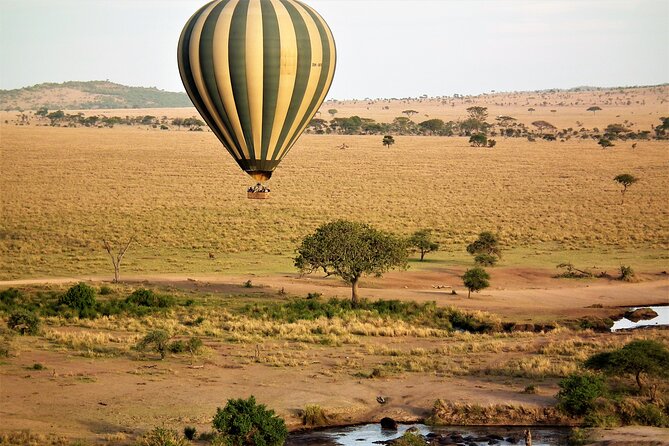
The Serengeti receives the most time on this safari, and that is a sensible choice. The park is the route’s main wildlife centerpiece, with two days of game drives and repeated attention to the Seronera Valley and Seronera River.
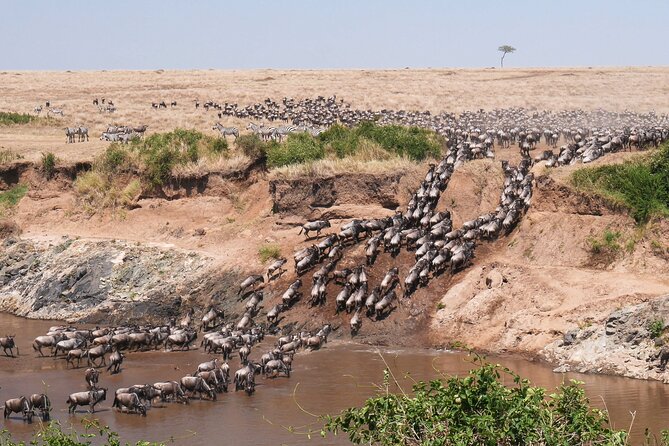
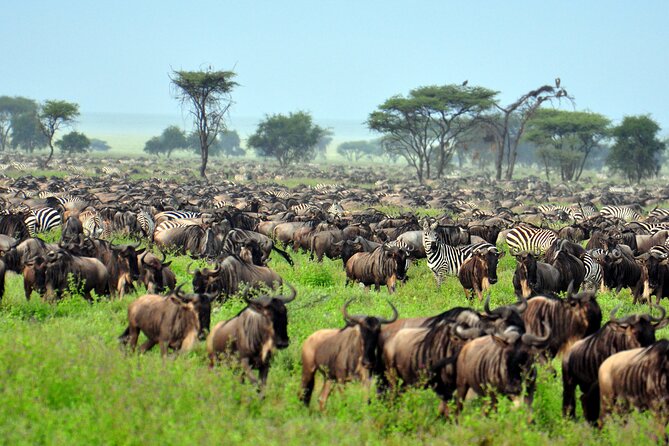
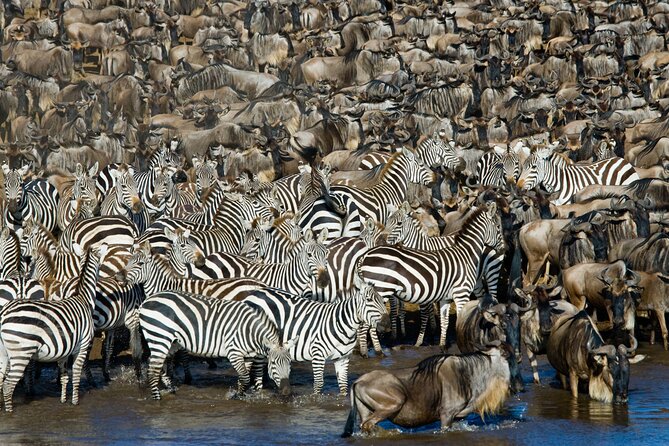
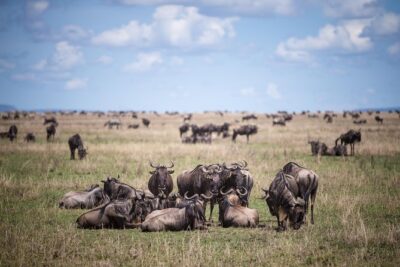
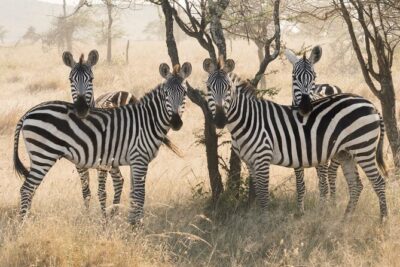
The Great Migration is the famous draw. Wildebeest, zebras, and gazelles move across the plains in search of fresh grazing, following old routes. The precise location of the herds changes through the year, so you should not book this trip expecting a guaranteed river crossing or a fixed migration scene. The wider Serengeti experience remains worthwhile even when the herds are elsewhere.
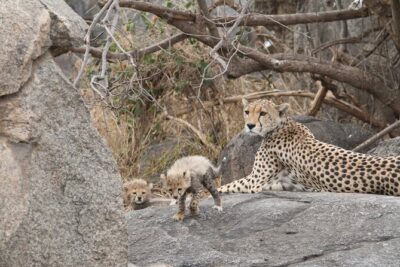
The Seronera area is associated with lions, cheetahs, and elephants, and the park also supports giraffes, hippos, crocodiles, buffalo, leopards, rhinos, and many birds. You may see some of these animals, but wildlife viewing is never a checklist. The quality of the guide and the amount of time spent looking both affect the result.
A guide named Assad received particular praise for being friendly, explaining animals clearly, and understanding the environment. Another account praised a driver for finding animals and explaining their behavior. Those details matter because a safari vehicle can pass close to wildlife without you noticing it. A good guide turns a distant shape into a meaningful sighting.
Two days also give you a better chance to settle into the rhythm of the Serengeti. On the first drive, you may spend time learning how to scan the grass and trees. By the next day, you will likely have a better idea of where to look and what questions to ask.
The tradeoff is travel time. Serengeti distances are large, and reaching the best areas can involve long stretches on the road. If you want a relaxed safari with short transfers and late mornings, this is not the right format. If you want the chance to spend serious time in Tanzania’s best-known park, the extra day is valuable.
Sunset is highlighted as part of the Serengeti experience. Golden light over the plains and acacia trees can be one of the day’s most memorable scenes, even if the animal sightings have been modest. Keep your camera ready, but do not let photography take over every moment.
Ngorongoro Crater: a powerful final day
The fourth day takes you to the Ngorongoro Conservation Area and the crater itself. The crater is an enormous intact volcanic caldera, formed when a volcanic mountain collapsed. Its walls create a natural amphitheater with grassland, acacia woodland, and other habitats close together.
That compact setting is what makes a crater game drive feel different from the Serengeti. Instead of endless open plains, you get a contained area with varied terrain and dramatic walls. The description highlights the Big Five, and the crater is presented as a strong place for wildlife watching.
You should think of Ngorongoro as a grand finale rather than a quiet add-on. The scenery is dramatic, and the contrast with Tarangire’s baobabs and Serengeti’s wide plains gives the four-day route a satisfying finish.
A Maasai village visit is also mentioned for this day. As with the Tarangire cultural activity, the exact schedule is not given. Ask whether the visit is included in the park day, how long it lasts, and whether it changes the amount of time available for the crater drive.
The six-hour timing sounds generous, but this is still a single day in the area. You may need to balance wildlife viewing, scenery, meals, and the return journey. If Ngorongoro is your main reason for coming to Tanzania, you might prefer a longer safari that allows more time here. For a compact three-park route, though, it provides a strong closing chapter.
More Tarangire safaris:
- Private 6-Day Tarangire Manyara Crater and Serengeti with Mid-Range Lodges
★ 5.0 · 238 reviews - 5 Days Camping Tarangire, Serengeti & Ngorongoro crater & Visiting Maasai
★ 5.0 · 229 reviews - 4 Days Join Group tour Tarangire Serengeti and Ngorongoro crater
★ 5.0 · 219 reviews - 4-Day Safari from Arusha: Tarangire, Serengeti and Ngorongoro
★ 5.0 · 173 reviews
What the $900 price really covers
At $900 per person, the price is easiest to judge by looking at what is bundled together. You receive all transportation, parking fees, accommodation, a professional guide, three breakfasts, three dinners, and four lunches. That removes several major costs from your daily planning.
The included meals are practical rather than a minor bonus. Four lunches match the four active days, while the three breakfasts and dinners fit a three-night stay. You should confirm the exact accommodation and meal arrangements before paying, since the public description does not name the properties or explain the room setup.
The accommodation has been praised as good value, and the trip description uses the language of comfortable or luxury lodging. Still, standards can vary, so ask whether rooms are private, what facilities are offered, and whether all nights are in lodges or include another type of accommodation.
The price does not include tips, international flights, personal items, or extra accommodation before and after the trip. Those add-ons can affect your true budget. You should also arrange your Arusha night carefully, since the safari begins at 6:00 am and starts at the Clocktower Roundabout.
The tour ends back at the meeting point. That is useful if you have left luggage or need to continue from central Arusha, but you should allow flexibility around the return time because road conditions and park schedules can affect the day.
The guide and the human side of the safari
The most strongly praised part of the service is the guiding. The guide is not just a driver. He helps find animals, explains their behavior, identifies details you might miss, and gives shape to the day.
Communication before and during the trip has also been described as reliable. That is important for a safari because pickup details, accommodation, meals, and park timing all need to work together. The company is Vision Safari & Tours, and the feedback gives particular credit to the guide and chef as well as the general organization.
You should still ask direct questions before departure. Confirm the pickup point, the vehicle arrangement, the accommodation names, and how the Maasai visits or nature walk fit into the schedule. The small group limit is six, but it is worth confirming the actual number in your booking.
Tips are not included. The amount is left to your judgment, but the guide and chef are central to the experience, so plan for gratuities as a separate cost if their work meets your expectations.
Who should choose this safari?
I would recommend this trip to you if your priority is seeing three major northern Tanzania destinations in only four days. It suits first-time safari visitors, photographers who want varied scenery, and anyone who values a small group and included meals.
It is also a good match if you want the Serengeti to receive more attention than the other parks. Two days there give the guide more opportunities to search for wildlife and give you time to enjoy the open plains without treating the park as a quick stop.
You may want a longer or slower trip if you dislike early starts, long vehicle rides, or tightly packed schedules. Families and older visitors should consider the six-hour game-drive sessions and travel distances before booking. The description says most people can participate, but it does not give detailed mobility information.
This is not the best choice if you need complete flexibility. The booking is non-refundable and cannot be changed for any reason, so your dates and plans need to be firm before you pay.
Should you book the four-day route?
Book it if you want a compact, well-priced safari with Tarangire, two days in the Serengeti, and Ngorongoro Crater in one package. The strongest reasons are the small group, included transport and meals, and the consistently positive praise for the guide, chef, and organization.
Before committing, get the accommodation details and confirm the cultural activities. Also accept that the Great Migration follows nature’s schedule, not the calendar on your booking. If you can handle the early start and busy pace, this safari gives you a lot of Tanzania in a short time without making you arrange every piece yourself.
FAQ
Where does the safari start?
It starts at the Clocktower Roundabout in Arusha, Tanzania.
What time does the tour start?
The stated start time is 6:00 am.
Where does the tour end?
The activity ends back at the meeting point in Arusha.
How long is the safari?
The safari lasts approximately four days.
How many people can join the group?
The group has a maximum of six people.
Is pickup offered?
Yes, pickup is offered.
What meals are included?
The package includes three breakfasts, three dinners, and four lunches.
Is accommodation included?
Yes, all accommodation is included for the tour.
Are international flights included?
No. International flights are not included.
Can I cancel and receive a refund?
No. The experience is non-refundable and cannot be changed for any reason.
Just added in Arusha
- Safari “Kifaru” – 5 days in the most famous Parks in the world★ 5.0 · 4 reviews
- Saadani Day Trip★ 5.0 · 13 reviews
- 3 Days Tanzania Short and Spicy★ 5.0 · 6 reviews
- 5 Day Tanzania Safari Camping Adventure Private Tour★ 5.0 · 2 reviews
- Day Trip to Ngorongoro Crater from Arusha★ 5.0 · 1 review
- SERENGETI NATIONAL PARK Tour★ 4.5 · 5 reviews
- 3 Days Serengeti Park & Ngorongoro Crater Adventure Safari★ 5.0 · 8 reviews
- 6 Days Tanzania Bush Experience Safari★ 5.0 · 6 reviews
Serengeti & Ngorongoro Safaris, compared.
Serengeti Balloon Safari and authentic bush breakfast
Read our review →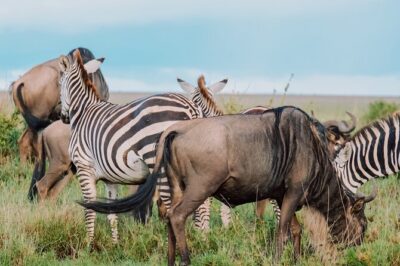
Balloon Safari & Bush Breakfast in Serengeti – Miracle Experience
Read our review →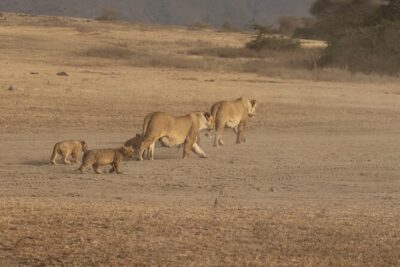
3 Days Serengeti & Ngorongoro Group Camping Safari
Read our review →
5-Day Highlights mid-Range Crater, Serengeti, Tarangire
Read our review →
Private 6-Day Tarangire Manyara Crater and Serengeti with Mid-Range Lodges
Read our review →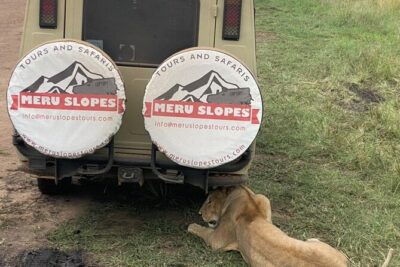
5 Days Camping Tarangire, Serengeti & Ngorongoro crater & Visiting Maasai
Read our review →Browse the lists this tour appears in