
Reviewed · SERENGETI & NGORONGORO SAFARIS
4 Days lodge &camping Tarangire,Serengeti, Ngorongoro Safari Tour
Big skies and wild animals fill every day. This four-day safari from Arusha packs three famous Tanzanian parks into one well-priced route, with game drives in Tarangire, Serengeti, and the Ngorongoro Crater. I especially like the small groups of up to six and the fact that camping equipment, transport, park fees, and meals are included.
The free pickup from your Arusha hotel also keeps the start simple, and the route offers a good mix of elephants, giraffes, zebras, big cats, and crater scenery. The main consideration is the pace: long drives connect the parks, and the advertised four-night wording does not quite match the daily plan, which lists three camping nights. Confirm the exact accommodation before paying.
In This Review
- Key points to know before booking
- What the $1,110 price really covers
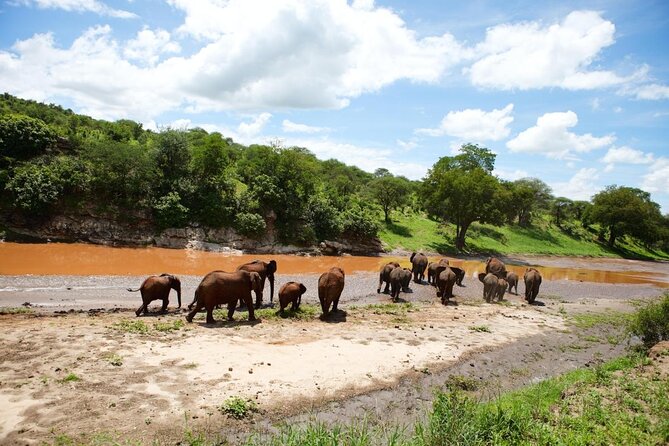
- Day 1: Tarangire brings the first elephants
- Day 2: The long road into central Serengeti
- Day 3: More Serengeti time before Ngorongoro
- Day 4: Ngorongoro Crater closes the trip strongly
- Camping, meals, and the daily rhythm
- Guides and service make a real difference
- What may frustrate you
- Who should book this safari?
- Should you book the Nkollo Tours & Safaris trip?
- FAQ
- Where does the safari begin?
- How many people can join the tour?
- Which parks are included?
- Are meals included?
- Is camping equipment provided?
- What clothing should I bring?
- Can I cancel for a full refund?
Key points to know before booking
- Tarangire opens the safari with a full-day game drive, picnic lunch, and a first taste of Tanzania’s wildlife.
- Serengeti receives the most game-drive time, including an afternoon drive on Day 2 and a morning drive on Day 3.
- Ngorongoro Crater provides a concentrated final wildlife day, with possible sightings of lions, hyenas, wildebeest, zebras, and other big cats.
- Camping gear, private transport, park fees, and meals are included, making the $1,110 price easier to assess.
- The vehicle group is limited to six people, a useful balance between social company and personal attention.
- Customer service is a major strength, with repeated praise for clear communication, airport or hotel pickups, flexible planning, and attentive staff.
What the $1,110 price really covers
At $1,110 per person, this is not simply a ride through three parks. The price includes private transportation, all fees and taxes, camping equipment, three breakfasts, four lunches, and three dinners. That bundle matters in Tanzania, where park entry fees, long-distance driving, food, and safari vehicles can quickly add up.
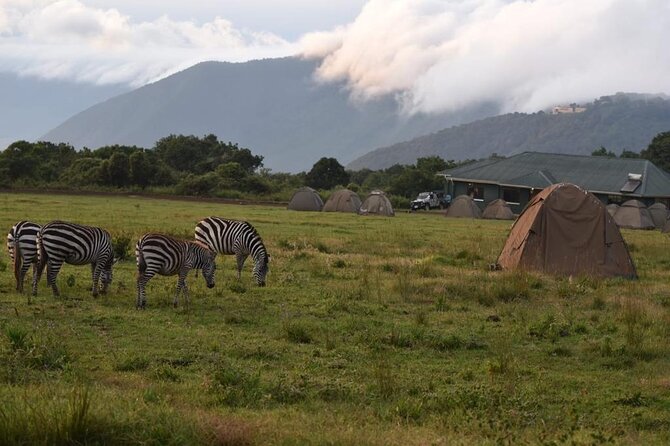
The tour is designed as a budget camping safari, not a luxury lodge stay. You sleep at campsites, including Seronera Campsite in central Serengeti and Simba Campsite near Ngorongoro. A cook prepares dinner at the Serengeti campsite, and the supplied equipment removes the need to bring your own camping kit.
I would still ask for a written breakdown of the sleeping arrangements. The title refers to lodge and camping, but the daily plan names campsites rather than lodges. It also describes four days, while the summary uses the phrase four-night tour and the listed schedule includes overnight stays after Days 1, 2, and 3. That may be a simple wording error, but it is worth clearing up.
For the right person, the value is strong. You receive access to three major parks, meals during the safari, camping equipment, a guide, transport, and a small group. If you want private rooms, polished camp facilities, or long breaks between drives, this is probably not the right format.
More Serengeti and Ngorongoro safaris:
- Balloon Safari & Bush Breakfast in Serengeti – Miracle Experience
★ 5.0 · 1,646 reviews - 3 Days Serengeti & Ngorongoro Group Camping Safari
★ 5.0 · 574 reviews - 5-Day Highlights mid-Range Crater, Serengeti, Tarangire
★ 5.0 · 296 reviews
Day 1: Tarangire brings the first elephants
Your pickup comes after breakfast at your Arusha hotel. You then meet the other members of the group, attend a safari briefing, and begin the drive toward Tarangire National Park. The route passes through the city and villages before reaching the park gate, giving you an early look at daily life outside the reserve.
Tarangire is a fine first park because it gives you a full day in the bush rather than a rushed introductory stop. With a picnic lunch, you spend about six hours on a game drive, then return for dinner and your first night at camp.
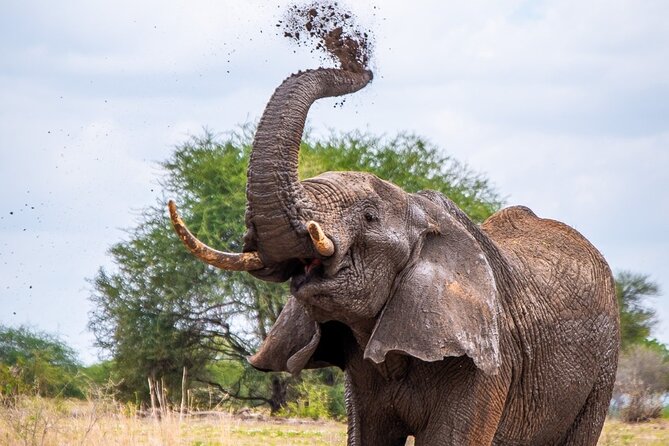
The park is especially associated with elephant sightings, and the supplied description also points to zebras, giraffes, and birds. You may see wildlife on open grassland or near water, while the park’s distinctive trees provide a memorable setting for photographs. The first day also lets you settle into the rhythm of safari: early starts, slow vehicle drives, sharp eyes, and plenty of waiting for animals to reveal themselves.
That waiting is part of the deal. A safari is not a zoo visit with guaranteed appearances. Your guide may find a large herd quickly, or you may spend time watching a single animal behave naturally. A smaller vehicle group helps here because you have a better chance of discussing sightings and asking for a slower approach.
The six-hour drive time listed for Tarangire does not include every transfer detail, meal break, or gate procedure. You should expect a full day, not a short afternoon outing. Bring sun protection, water, and clothing that remains comfortable in heat and dust.
Day 2: The long road into central Serengeti
After an early breakfast, you leave for Serengeti National Park. The route passes the Ngorongoro Crater viewpoint, where you pause to see the huge volcanic bowl from above before continuing toward the park gate.
This is one of the most scenic transitions of the safari. You move from the Tarangire area toward the high crater region and then across wide grasslands associated with the Serengeti. The drive is long, but the route itself becomes part of the day.
You begin seeing wildlife during the journey, with game viewing along the way and a lunch stop inside the park. The plan allows about eight hours for this portion of the day, followed by an afternoon game drive in Seronera, the central Serengeti area, until sunset.
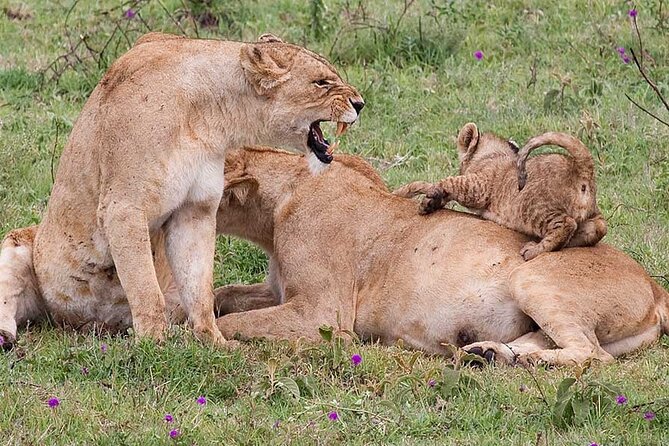
Central Serengeti is a practical base because it gives you access to open grasslands and the park’s famous big-cat country. Lions, elephants, giraffes, zebras, and other animals may appear, with the broad horizon making even distant sightings worthwhile. The exact animals you see depend on season, weather, and luck.
Arriving at Seronera Campsite after sunset keeps the day focused on wildlife, but it also makes for a demanding schedule. You should be ready for a long ride on rough roads and a late arrival at camp. The reward is sleeping inside the Serengeti area rather than spending the night far outside it.
Dinner is freshly prepared by the safari cook, and camping equipment is included. Ask in advance what personal items you need to supply, such as a sleeping bag or towel, since the package confirms camping equipment but does not list every individual item.
Day 3: More Serengeti time before Ngorongoro
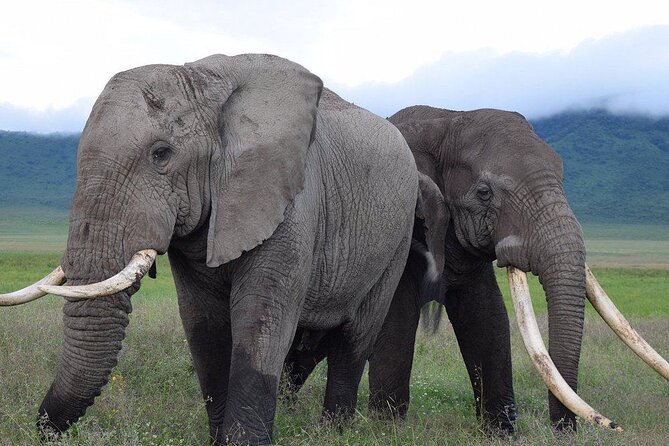
Day 3 begins with breakfast and a guided morning game drive. This is an important feature of the plan because the Serengeti receives more than a quick pass-through. You have another chance to look for big cats, elephants, giraffes, and herds moving across the grasslands.
Morning drives can feel different from afternoon drives. The light is softer, the air may be cooler, and animals can be active before the heat of the day. The tour does not promise particular sightings, but the guide’s ability to read the area and respond to fresh sightings will matter greatly.
After lunch in Serengeti National Park, you pack and head toward Ngorongoro. The route takes you out of the Serengeti and toward Simba Campsite, where you have dinner and spend the night.
This day is a clear compromise between variety and time. You get a second Serengeti drive, but you also need to travel toward the crater for the final day. If you want several full days in Serengeti alone, four days across three parks will feel too short. If you want a first safari that covers the northern circuit’s major names, the progression makes sense.
The camp-to-camp rhythm also gives you a more direct connection with the setting. You are not returning to a city hotel each evening. You eat, sleep, and wake according to the route, with the practical limits that camping brings.
More Tarangire safaris:
- Private 6-Day Tarangire Manyara Crater and Serengeti with Mid-Range Lodges
★ 5.0 · 238 reviews - 5 Days Camping Tarangire, Serengeti & Ngorongoro crater & Visiting Maasai
★ 5.0 · 229 reviews - 4 Days Join Group tour Tarangire Serengeti and Ngorongoro crater
★ 5.0 · 219 reviews - 4-Day Safari from Arusha: Tarangire, Serengeti and Ngorongoro
★ 5.0 · 173 reviews
Day 4: Ngorongoro Crater closes the trip strongly
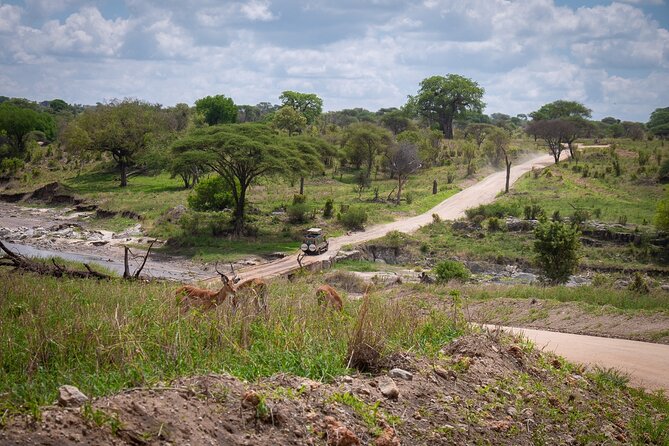
After an early breakfast, you enter Ngorongoro Crater for the final game drive. The crater’s steep walls create a contained ecosystem, and the promise of concentrated wildlife is one reason this area fits so well at the end of a short safari.
Inside, you may see lions and hyenas hunting wildebeest or Grant’s gazelles. Large numbers of wildebeest and zebras are possible, along with elephants and other animals. Leopards and cheetahs are also listed as possible sightings, although no safari can guarantee them.
The crater offers a different visual experience from Serengeti. Instead of endless open plains, you look across a vast bowl enclosed by high walls. That sense of enclosure can make animal sightings feel more immediate, but the crater can also be busy with other safari vehicles. Your guide will influence how patiently and respectfully your group approaches wildlife.
Lunch is included, and after the crater drive you leave the area and return toward the city. The day is listed at about eight hours, so your final transfer is not a minor add-on. If you have a flight or another fixed appointment in Arusha, confirm the expected arrival time before booking.
Ending with Ngorongoro is efficient, but it leaves little spare time. You should not plan a demanding evening activity immediately afterward unless the operator confirms your arrival time.
Camping, meals, and the daily rhythm
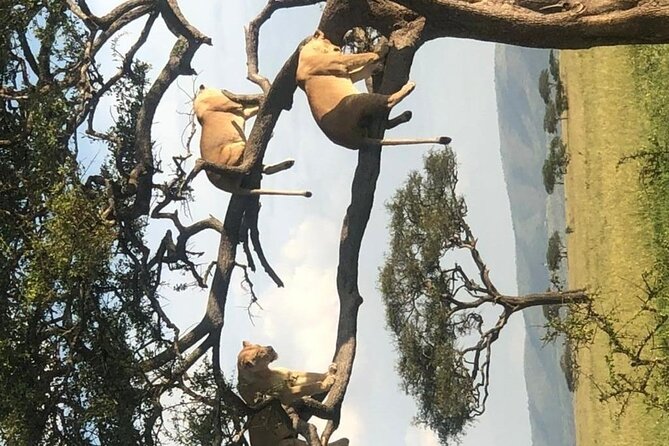
Camping is the heart of this trip. You receive camping equipment and sleep at designated sites, including Seronera and Simba. The plan also includes three breakfasts, four lunches, and three dinners, covering the main meals during the four-day route.
The food arrangement is useful for two reasons. First, you do not need to search for restaurants in remote park areas. Second, a cook can prepare dinner at camp, which keeps the group together and avoids another long transfer after a full game-drive day.
The package does not provide a menu, so anyone with dietary needs should communicate them when booking. The operator asks for your WhatsApp number or email to make communication easier, and this is the right time to mention food requirements, arrival details, clothing concerns, or any uncertainty about the equipment.
You should pack practical clothes rather than safari costumes. Loose-fitting casual clothing works well in hot weather, while a jacket is recommended during colder periods. The days can shift between warm sun, dust, cool early mornings, and chilly evenings, so layers are more useful than one heavy outfit.
Guides and service make a real difference
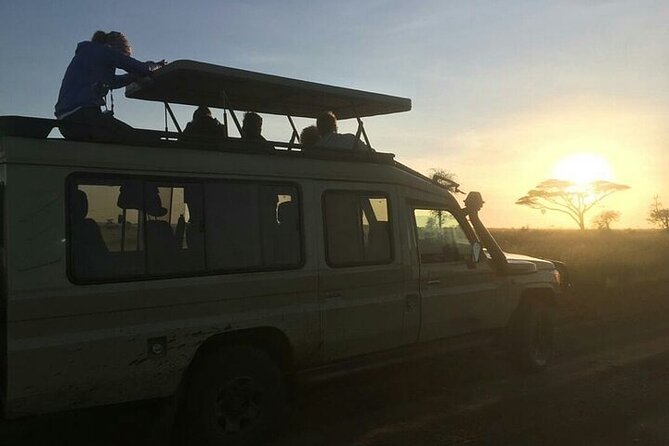
A safari vehicle is only part of the experience. The guide sets the pace, explains animal behavior, handles park logistics, and decides how long to spend at a sighting. The operator’s past clients have repeatedly praised clear communication and attentive staff, with guide names including John and Andrew and a chef named Malik appearing in the feedback supplied for related safaris.
Those details point to a company that puts effort into the human side of the trip. Guests have described friendly airport pickups, detailed briefings, flexible planning, and strong support before arrival. One family specifically appreciated Malik’s cooking and care with children, while another credited guide John’s enthusiasm and flexibility with making the safari special.
You should treat those strengths as a reason to ask good questions, not as a guarantee that every departure will feel identical. Confirm who your guide will be, how the group will be formed, where you will sleep, and what equipment is supplied. Good communication before departure often prevents small problems later.
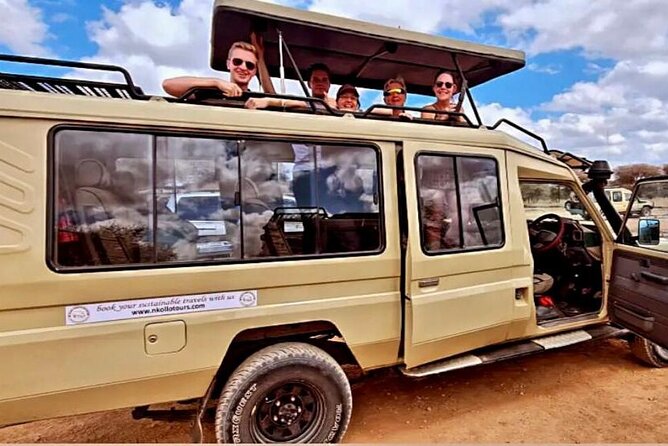
The group limit of six is one of the strongest practical features. It gives you more room than a large coach-style outing and makes it easier to hear the guide, share sightings, and discuss preferences. It is still a group safari, so you will need to accept shared decisions and the possibility that other people have different interests.
What may frustrate you
The main weakness is the amount of ground covered in four days. Tarangire, Serengeti, and Ngorongoro are not next-door attractions. Day 2 and Day 3 include substantial transfers, and the route can feel tiring if you are not comfortable with long hours in a safari vehicle.
The camping format brings another tradeoff. It keeps the price below many lodge-based safaris and places you closer to the parks, but it does not offer the comfort or privacy of a hotel. The exact tent setup, bedding, washing facilities, and power arrangements are not specified, so ask before you commit.
The title also creates a small planning issue. It refers to lodge and camping and uses four-night language, while the daily schedule names three overnight stays and does not identify a lodge. This is easy to resolve with the operator, but you should not rely on the title alone.
Finally, wildlife is unpredictable. The route gives you strong chances to see classic African animals, but seeing all of the Big Five is never assured. Book this for the total safari experience, not for a checklist.
Who should book this safari?
I would recommend it to a first-time safari visitor who wants the classic northern Tanzania route at a controlled cost. It suits people who value wildlife, scenery, shared company, and practical arrangements more than high-end accommodation.
It also works well for families and couples who want a private vehicle arrangement without paying for a fully private safari, provided everyone is comfortable with camping and long drives. The small group limit can make the trip feel personal without making the price as high as a one-party booking.
You may want a different tour if you need a relaxed schedule, luxury beds, guaranteed private space, or several days in one park. A longer safari would give you more time in Serengeti and reduce the feeling of constantly packing and moving.
The tour requires good weather and a minimum number of participants. If poor weather or insufficient bookings cause cancellation, you should receive a choice of another date or experience, or a full refund. You can cancel for a full refund up to 24 hours before the start time, but cancellations within 24 hours are not refunded.
Should you book the Nkollo Tours & Safaris trip?
Book it if you want three major parks, included meals, camping gear, and a small group without arranging every detail yourself. The combination of Tarangire’s elephants, central Serengeti game drives, and Ngorongoro’s enclosed wildlife area makes this a strong four-day introduction to northern Tanzania.
Before booking, confirm the number of nights, the exact campsites or lodges, the camping equipment supplied, your pickup time, and the final return time to Arusha. If those details match your expectations, the $1,110 price offers solid value. If comfort and extra time matter more than park variety, choose a longer or more lodge-focused safari.
FAQ
Where does the safari begin?
The tour begins in Arusha, Tanzania, with pickup offered from your hotel after breakfast.
How many people can join the tour?
The group has a maximum of six travelers.
Which parks are included?
The route includes Tarangire National Park, Serengeti National Park, and the Ngorongoro Crater.
Are meals included?
Yes. The package includes three breakfasts, four lunches, and three dinners.
Is camping equipment provided?
Yes. Camping equipment is included in the price.
What clothing should I bring?
Casual, loose-fitting clothing is recommended in hot weather. A jacket is advised during colder periods.
Can I cancel for a full refund?
Yes. You can cancel up to 24 hours before the experience begins for a full refund. Cancellations made within 24 hours are not refunded.
Just added in Arusha
- Zanzibar: Prison island half day tour★ 5.0 · 3 reviews
- Zanzibar: 4-Day Tarangire, Serengeti & Ngorongoro Safari★ 5.0 · 1 review
- Walking Safari Arusha National Park★ 5.0 · 1 review
- Two Days Shared Safari to Tarangire & Ngorongoro Crater★ 5.0 · 2 reviews
- 8 Days Serengeti Migration safari★ 5.0 · 11 reviews
- tarangire, ngorongoro & lake manyara park 3 days private tour★ 5.0 · 11 reviews
- tarangire & ngorongoro 2 days tour★ 5.0 · 14 reviews
- mount meru 4 days hike★ 5.0 · 2 reviews
Serengeti & Ngorongoro Safaris, compared.
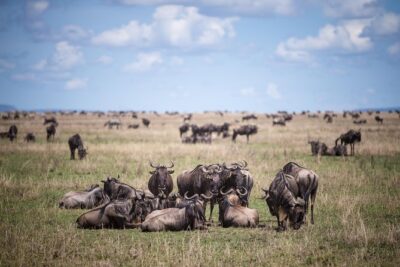
Serengeti Balloon Safari and authentic bush breakfast
Read our review →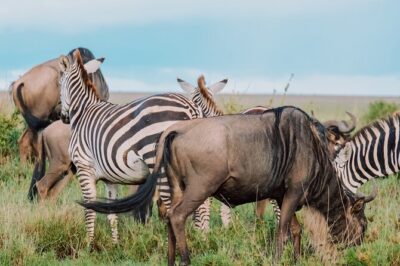
Balloon Safari & Bush Breakfast in Serengeti – Miracle Experience
Read our review →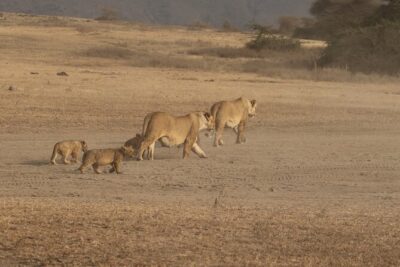
3 Days Serengeti & Ngorongoro Group Camping Safari
Read our review →
5-Day Highlights mid-Range Crater, Serengeti, Tarangire
Read our review →
Private 6-Day Tarangire Manyara Crater and Serengeti with Mid-Range Lodges
Read our review →
5 Days Camping Tarangire, Serengeti & Ngorongoro crater & Visiting Maasai
Read our review →Browse the lists this tour appears in