
Reviewed · SERENGETI & NGORONGORO SAFARIS
4 Days Safari to Tarangire, Serengeti and Ngorongoro
Four days can deliver a lot. This safari links Lake Manyara, Serengeti, and Ngorongoro in one brisk circuit from Arusha, giving you big wildlife, dramatic scenery, and a taste of Tanzania’s most famous parks without requiring a longer holiday. I like the chance to see the Serengeti and Ngorongoro Crater on a short schedule, and I also like that park fees, meals, water, and a professional guide are included.
The main drawback is the pace. You spend only one night in the Serengeti, and several days involve long drives with early starts. Also, the title refers to Tarangire, while the detailed first day describes Lake Manyara, so you should confirm the exact park plan before paying.
The strongest praise centers on the guides. Manfred is singled out for his wildlife knowledge and leadership, while Augustin is praised for spotting animals early and telling passengers when to ready their cameras. One practical warning is worth noting: accommodation may include tented nights, and one past participant recommended bringing a sleeping bag or requesting a room when available.
In This Review
- What makes this safari worth considering
- A fast route from Arusha into northern Tanzania
- Day one at Lake Manyara: forest, water, and close wildlife
- Day two: the long road to the Serengeti
- Day three: sunrise in the Serengeti and the move to Ngorongoro
- Day four inside Ngorongoro Crater
- Guides, communication, and the human side of the trip
- What is included, and what you still pay for
- Who will enjoy this four-day safari?
- Should you book the $1,450 safari?
- FAQ
- Where does the safari begin?
- What time does the safari start?
- Does the tour visit Tarangire or Lake Manyara?
- How long is the safari?
- How many nights are spent in the Serengeti?
- What meals are included?
- Is drinking water included?
- Are park fees included in the price?
- What is not included?
- What is the cancellation policy?
What makes this safari worth considering
- One short circuit, three major wildlife areas: You can reach Serengeti, Ngorongoro, and either Lake Manyara or Tarangire in four days from Arusha.
- An early Serengeti game drive: Sunrise brings cooler air, good light, and active animals.
- A full Ngorongoro Crater visit: The crater floor offers a compact setting with many East African species, including the rare black rhino.
- Meals and park fees are included: Breakfast, lunch, dinner, drinking water, and entry fees reduce the number of extra costs to manage.
- Strong guide praise: Manfred and Augustin receive especially warm comments for wildlife spotting, communication, and practical leadership.
- A real time tradeoff: This plan is efficient, but it gives you only one night in the Serengeti and leaves little room for a slow, relaxed safari.
A fast route from Arusha into northern Tanzania
The advertised price is $1,450 per person, with pickup offered. For a four-day safari that includes park fees, three dinners, four lunches, four breakfasts, unlimited drinking water, guiding, and transport from Arusha, that price can make sense for someone who wants the major sights in a compact package.
I would not judge the value by the number of nights alone. Tanzania’s park fees are a significant part of safari costs, and the route covers long distances between Arusha, the Serengeti, and Ngorongoro. You are paying for access, transport, meals, planning, and the guide’s ability to turn a large wildlife area into a useful day in the field.
Still, the schedule asks a lot from you. Day two is a long transfer into the Serengeti, and day three combines an early game drive with the journey toward Ngorongoro. If you prefer lingering at one camp, sleeping late, or waiting patiently for one particular animal, a longer itinerary will serve you better.
This is a see the highlights while you can safari. It suits a first visit built around major parks, especially if you have only four days before a flight, beach stay, or other Tanzanian plans.
More Serengeti and Ngorongoro safaris:
- Balloon Safari & Bush Breakfast in Serengeti – Miracle Experience
★ 5.0 · 1,646 reviews - 3 Days Serengeti & Ngorongoro Group Camping Safari
★ 5.0 · 574 reviews - 5-Day Highlights mid-Range Crater, Serengeti, Tarangire
★ 5.0 · 296 reviews
Day one at Lake Manyara: forest, water, and close wildlife
Pickup is scheduled for around 8 a.m. from your hotel, with a listed tour start time of 7 a.m. That difference is worth clarifying in advance. The day then heads across the Great Rift Valley toward Lake Manyara National Park.
Lake Manyara is compact by safari standards, covering about 205 square miles. Its appeal is variety rather than vast open country. You can expect thick stands of acacia, giant fig trees, mahogany, and a setting that changes quickly as the road approaches the lake.
The park is especially known for baboons and blue monkeys. Giraffes, elephants, impalas, and buffaloes are permanent residents, while hippos gather in the lake. The combination of forest, water, and open areas gives you plenty to watch during a full-day drive.
I like this opening day because it starts with a change of scenery rather than sending you straight into endless plains. The Rift Valley views add a sense of place, and the lake provides strong photo opportunities. You may also appreciate the smaller scale after a long international journey.
The tradeoff is time. A full day in Manyara followed by a long transfer later in the trip leaves little spare energy. You should expect a full schedule, not a gentle introduction. Bring sun protection, water for the road even though drinking water is supplied, and patience for time spent in the vehicle.
There is also a planning issue here. The tour name promises Tarangire, while the day-by-day description names Lake Manyara. The overview says Manyara or Tarangire, but it does not specify which one you will visit. Ask for the confirmed park before departure, since these parks offer different settings and wildlife experiences.
Day two: the long road to the Serengeti
After an early breakfast, you travel toward Serengeti National Park. The drive is long, but it is part of the experience. The scenery changes as you move into the region known for its huge open plains.
Serengeti covers about 6,900 square miles, or 18,000 square kilometers. That size matters. You are not entering a small enclosure where animals appear on demand. Distances can be deceptive, and the open country may seem to stretch forever.
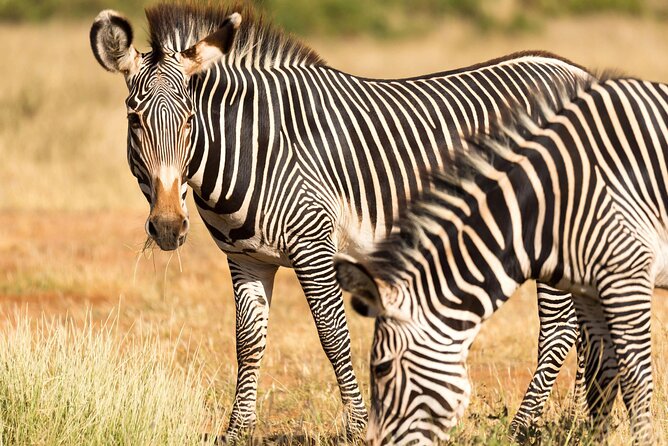
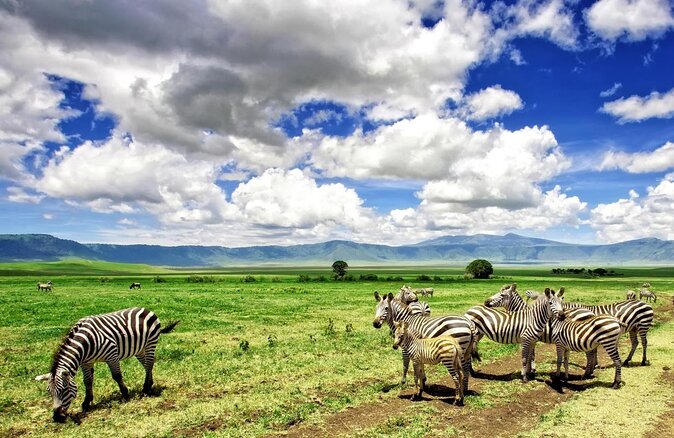
The Serengeti is famous for the Great Migration, involving roughly two million wildebeests, hundreds of thousands of zebras, and many antelopes. It is also one of Tanzania’s best places to look for large predators and big cats.
The value of a good guide becomes clear here. A guide such as Manfred or Augustin can help you notice movement far away, interpret animal behavior, and position the vehicle for a better view. Augustin receives particular praise for telling passengers to prepare their cameras before an animal becomes visible. That small habit can save the best photograph of the day.
You should keep expectations sensible. The Serengeti is enormous, and no itinerary can promise a particular animal or a migration crossing. The route gives you a chance to see a remarkable range of wildlife, but the quality of each drive depends on location, timing, weather, and the guide’s choices.
The biggest weakness is the overnight stay. You get only one night in the Serengeti. That is enough to experience the park, but not enough to explore it in an unhurried way. If the Serengeti is your main reason for visiting Tanzania, add more nights if your budget and schedule allow.
Day three: sunrise in the Serengeti and the move to Ngorongoro
The third day begins very early. That early alarm is not just a punishment invented by safari planners. Animals are often more active in the cooler morning, and sunrise across the plains can be one of the most memorable visual moments of the trip.
You return to camp after the drive for brunch, then continue toward Ngorongoro. This arrangement gives you a meaningful morning in the Serengeti instead of using the entire day for transport.
Ngorongoro Crater is the next major setting. The crater measures about 102 square miles and is surrounded by walls rising roughly 2,000 feet. From the rim, you can see why it is often described as a natural ark. The enclosed floor contains grassland, wetlands, a river, and a soda lake, supporting a wide mix of East African wildlife.
The crater is one of the rare places in the region where you might see a black rhino. It also offers the practical advantage of concentrated wildlife within a relatively contained area. You do not need to cross the full breadth of the Serengeti to feel surrounded by animals.
Day three is demanding. You have an early game drive, brunch, and a major transfer before the day ends. I would plan on being tired by evening. That is not a flaw for everyone, but couples looking for a restful honeymoon or families with small children should ask how the sleeping arrangements and daily driving will work.
More Tarangire safaris:
- Private 6-Day Tarangire Manyara Crater and Serengeti with Mid-Range Lodges
★ 5.0 · 238 reviews - 5 Days Camping Tarangire, Serengeti & Ngorongoro crater & Visiting Maasai
★ 5.0 · 229 reviews - 4 Days Join Group tour Tarangire Serengeti and Ngorongoro crater
★ 5.0 · 219 reviews - 4-Day Safari from Arusha: Tarangire, Serengeti and Ngorongoro
★ 5.0 · 173 reviews
Day four inside Ngorongoro Crater
The last morning begins early again, with a descent to the crater floor. This is the trip’s most concentrated wildlife session and one of its strongest visual highlights.
You can expect grassland, swamps, a river, and a soda lake around the crater floor. These different habitats support many species in a relatively small area. The itinerary specifically includes time near a hippo lake for a picnic lunch.
After lunch, you continue with a shorter game drive before ascending the crater walls and leaving the Ngorongoro Conservation Area. The return to Arusha is expected around 5 p.m., although the schedule can be adjusted for a flight or another situation.
That flexibility is useful, but you should still avoid booking a tight same-day international departure. The stated return time is an expectation, not a guarantee, and safari roads and wildlife stops can change the timing. If you have a flight, give yourself a generous buffer.
The final drive also means the safari ends with several hours on the road. You will have had a full morning in one of Tanzania’s most special wildlife settings, but this is not a short transfer back to town.
Guides, communication, and the human side of the trip
The guide can make or break a safari. Animals do not follow a timetable, so you need someone who understands the parks, watches carefully, and communicates clearly.
Manfred is praised for strong leadership, deep wildlife knowledge, and steady guidance. Augustin receives similar praise, especially for anticipating sightings and helping passengers get cameras ready. Those details matter more than polished sales language. A guide who notices a distant lion before you do can change the entire morning.
Communication before departure is another positive point. John, the company’s CEO, is praised for responding to questions and helping shape arrangements. That is useful when you need to clarify pickup time, accommodation, park choice, or a flight connection.
The available feedback is not perfectly uniform. The strongest comments describe friendly service, capable guides, and support throughout the trip. One less positive point concerns accommodation, particularly tented nights. Treat that as a reason to ask precise questions rather than as a reason to dismiss the whole safari.
Ask what kind of tent or room is planned, if bedding is supplied, and whether a room upgrade is possible. One past participant found the first night’s resort accommodation comfortable but preferred a room to a multi-day tent and suggested bringing a sleeping bag. Your booking confirmation should spell this out.
What is included, and what you still pay for
The package includes:
- Park fees
- Professional guide
- Unlimited drinking water
- Three dinners
- Four lunches
- Four breakfasts
That list covers the core needs of a four-day road safari. Including park fees is particularly useful because it keeps one of the largest variable costs inside the advertised price.
You still pay for your visa, international flights, and tips. Pickup outside a 30-kilometer area costs an additional $50. Confirm the pickup boundary with the operator, especially if your hotel is outside central Arusha.
Tipping is not included, and the supplied details do not state a required amount. You should ask the company for its current guidance rather than guessing.
The group limit is listed as 100 people. That is a maximum rather than a promise that everyone will be placed in one vehicle, but it does mean you should ask about the expected vehicle size and group arrangement. A smaller vehicle group usually makes wildlife viewing and communication easier, though that specific arrangement is not stated here.
Who will enjoy this four-day safari?
I would recommend this trip to you if:
- You have only four days for northern Tanzania.
- You want to visit Serengeti and Ngorongoro in one trip.
- You are comfortable with early mornings and long road transfers.
- You care more about covering famous parks than spending several nights in one place.
- You want meals, water, park fees, and guiding bundled into one price.
- You are willing to confirm the accommodation and first park before departure.
I would look for a longer safari if you want several Serengeti nights, a slower pace, or more choice over where you spend each evening. Four days gives you a powerful sample, but it does not provide much breathing room.
Should you book the $1,450 safari?
Book it if your priority is seeing the northern circuit’s headline parks in a short, practical package. The combination of Serengeti plains, Ngorongoro’s crater floor, and a first-day park near Arusha gives you a strong range of scenery and wildlife.
Before booking, get three things in writing: Lake Manyara or Tarangire, the exact accommodation and bedding arrangement, and the pickup time. Those details matter more here than small differences in price.
The safari earns its good reputation through its guides, strong wildlife focus, included park costs, and efficient routing. Its weakness is equally clear: it is a packed four days with only one Serengeti night. If you can accept that tradeoff, this is a sensible way to reach Tanzania’s biggest names without committing to a week on the road.
FAQ
Where does the safari begin?
The safari begins in Arusha, Tanzania, with pickup offered from your hotel.
What time does the safari start?
The listed start time is 7 a.m. Day one also says hotel pickup will take place at 8 a.m., so you should confirm the exact pickup time before departure.
Does the tour visit Tarangire or Lake Manyara?
The tour title refers to Tarangire, while the detailed first day describes Lake Manyara. The overview says Manyara or Tarangire, so you should confirm which park is included in your booking.
How long is the safari?
The safari lasts approximately four days.
How many nights are spent in the Serengeti?
The plan includes one night in the Serengeti.
What meals are included?
The price includes four breakfasts, four lunches, and three dinners.
Is drinking water included?
Yes. Unlimited drinking water is included.
Are park fees included in the price?
Yes. Park fees are included.
What is not included?
Visa costs, international flights, and tips are not included. Pickup outside 30 kilometers costs an extra $50.
What is the cancellation policy?
You can cancel at least 24 hours before the experience starts for a full refund. Cancellations or changes made less than 24 hours before the start time are not accepted for a refund.
Just added in Arusha
- Safari “Kifaru” – 5 days in the most famous Parks in the world★ 5.0 · 4 reviews
- Saadani Day Trip★ 5.0 · 13 reviews
- 3 Days Tanzania Short and Spicy★ 5.0 · 6 reviews
- 5 Day Tanzania Safari Camping Adventure Private Tour★ 5.0 · 2 reviews
- Day Trip to Ngorongoro Crater from Arusha★ 5.0 · 1 review
- SERENGETI NATIONAL PARK Tour★ 4.5 · 5 reviews
- 3 Days Serengeti Park & Ngorongoro Crater Adventure Safari★ 5.0 · 8 reviews
- 6 Days Tanzania Bush Experience Safari★ 5.0 · 6 reviews
Serengeti & Ngorongoro Safaris, compared.
Serengeti Balloon Safari and authentic bush breakfast
Read our review →
Balloon Safari & Bush Breakfast in Serengeti – Miracle Experience
Read our review →
3 Days Serengeti & Ngorongoro Group Camping Safari
Read our review →
5-Day Highlights mid-Range Crater, Serengeti, Tarangire
Read our review →
Private 6-Day Tarangire Manyara Crater and Serengeti with Mid-Range Lodges
Read our review →
5 Days Camping Tarangire, Serengeti & Ngorongoro crater & Visiting Maasai
Read our review →Browse the lists this tour appears in