
Reviewed · SERENGETI & NGORONGORO SAFARIS
4 Days Serengeti, Ngorongoro and Tarangire Safari
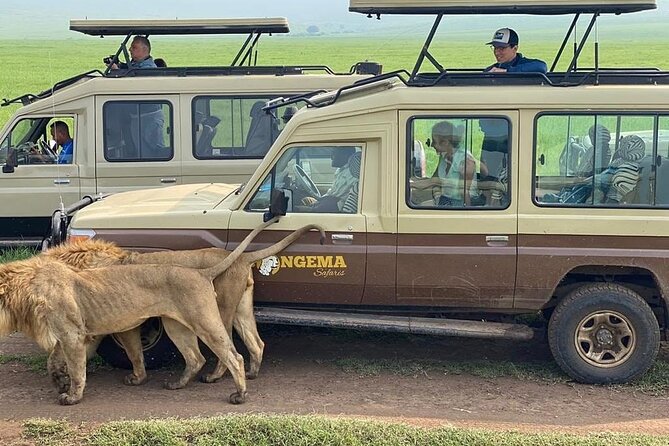
Wildlife takes center stage here. This four-day private safari links Tarangire, Serengeti, and Ngorongoro, giving you three very different settings and strong chances to see elephants, lions, buffaloes, zebras, wildebeests, and many birds. I like the use of a 4×4 Land Cruiser and the private format, which gives your own group more room to set the pace. I also like the mix of quiet Tarangire, open Serengeti plains, and the concentrated wildlife of Ngorongoro Crater. The main drawback is the amount of road time, especially on Days 2 and 4, so this is not a relaxed, slow-moving holiday.
At $2,458 per person, the price is substantial, but it includes park fees, transport, accommodation, and all listed breakfasts, lunches, and dinners. That makes the cost easier to judge than a bare tour price. You are paying for access to three of northern Tanzania’s major wildlife areas in only four days, but you should confirm the exact lodges, room arrangements, and airport transfer details before paying.
The 6:00 am start in Arusha suits an early safari rhythm. The meeting point is listed at Verona Advocates & Associates City Complex on Swahili Street, and the tour is described as private, with only your group taking part. Congema Safaris has arranged trips for honeymoon couples, families with a 10-year-old child, and visitors combining safari with Zanzibar. Guides named in customer accounts include Samuel, Emmanuel, Charles, Johnny, Jaz, and Ousmane.
In This Review
- Key points to know before booking
- Three parks, three very different safari moods
- Day 1: Tarangire’s elephants and quieter roads
- Day 2: The long road to the Serengeti
- Day 3: Seronera game viewing before the move south
- Day 4: Ngorongoro Crater and the return to Arusha
- What $2,458 per person really buys
- The guides and the human side of the safari
- Who will enjoy this four-day route
- Simple questions to ask before you pay
- Should you book this Congema safari?
- FAQ
- Where does the safari start?
- Is this a private safari?
- What vehicle is used?
- Which parks and conservation areas are included?
- Are meals included?
- Are tips and travel insurance included?
Key points to know before booking
- Three famous wildlife areas in four days: Tarangire, Serengeti, and Ngorongoro each offer a different style of safari.
- Private 4×4 Land Cruiser transport: Your group travels together rather than joining a larger shared vehicle.
- Tarangire is the quieter opening act: It is especially valued for elephants, birds, and a less hurried atmosphere.
- Serengeti brings the biggest wildlife setting: The Seronera area is used for extended game viewing and access to resident animals.
- Ngorongoro offers a concentrated final game drive: The crater can put many species within a compact viewing area.
- Plan around long drives: The route includes stated journeys of about two, four and a half, three and a half, and four hours.
Three parks, three very different safari moods
The strength of this trip is variety. Tarangire feels quieter and more intimate, Serengeti gives you the great open sweep associated with East Africa, and Ngorongoro offers a dramatic crater setting with a high chance of seeing a wide range of wildlife.
That variety matters on a short safari. You are not spending all four days in one park hoping conditions line up. Instead, the route gives you several chances to see big mammals and birds in different habitats.
The tradeoff is clear: this is a fast-moving circuit. You will spend meaningful time in the vehicle, and the experience depends on making the most of long transfers. If you want leisurely mornings at camp, this schedule may feel brisk. If you want a compact introduction to northern Tanzania, it uses your time well.
More Serengeti and Ngorongoro safaris:
- Balloon Safari & Bush Breakfast in Serengeti – Miracle Experience
★ 5.0 · 1,646 reviews - 3 Days Serengeti & Ngorongoro Group Camping Safari
★ 5.0 · 574 reviews - 5-Day Highlights mid-Range Crater, Serengeti, Tarangire
★ 5.0 · 296 reviews
Day 1: Tarangire’s elephants and quieter roads
After breakfast, you collect picnic lunch boxes and make the roughly 120-kilometer drive to Tarangire National Park. The stated driving time is about two hours, followed by government entry procedures at the gate and a full day of game viewing.
Tarangire is a smart first stop. It is slightly away from the main safari route and is known for elephants, birdlife, and a calmer atmosphere. The park gives you a gentler introduction than beginning with the biggest name in the region. You can settle into the rhythm of watching, waiting, and scanning the bush rather than rushing from one sighting to the next.
The park is particularly appealing if elephants are high on your list. The tour description also highlights cape buffaloes, wildebeests, elands, zebras, and birds among the wildlife found across the route. No safari can promise a specific animal, but Tarangire gives you a strong first setting for large mammals and bird watching.
The full-day drive lasts about eight hours. That means your first day is not simply a transfer with a short park visit. You get a substantial period inside the park, then drive to your camp or lodge for evening leisure and an overnight stay.
Your included meal plan begins here with breakfast, lunch, and dinner. Because the lunch is supplied as a picnic box, you should expect a practical park meal rather than a restaurant stop. That is the right approach for a full game-drive day, since leaving the park for lunch would cost useful viewing time.
Day 2: The long road to the Serengeti
Day 2 starts after breakfast with the approximately 205-kilometer journey to Serengeti National Park. The stated drive is about four and a half hours, before or alongside the day’s game viewing.
This is one of the trip’s biggest attractions and one of its clearest demands. Serengeti is the name many people picture when they imagine a Tanzanian safari: broad open plains, large herds, and predators following prey. The park is described as a UNESCO World Heritage site and is associated with the annual movement of wildebeests, zebras, and Thomson’s gazelles.
The migration figures included in the tour material are impressive: around 200,000 zebras and 300,000 Thomson’s gazelles join the wildebeest movement in search of fresh grazing. Timing and location matter, so you should not treat those figures as a promise that you will see the migration during your dates. Still, Serengeti supports a substantial resident wildlife population, which is important outside the main migration period.
The park is also known for the Big Five: lion, leopard, elephant, rhino, and buffalo. Again, sightings are never guaranteed. The practical advantage is that the Serengeti gives you a broad, wildlife-focused setting with enough habitat for many different species.
The full day is listed at about nine hours, including the long transfer and game viewing. That is a demanding day. You may spend much of it seated in the vehicle, but a private safari vehicle gives your group a more personal arrangement than a large shared bus.
After the game drive, you continue to your accommodation for dinner and an overnight stay. Full board is included, with breakfast, lunch, and dinner. Ask before booking whether the accommodation is a lodge, tented camp, or another style, since the exact names and comfort level are not supplied here.
Day 3: Seronera game viewing before the move south
Day 3 focuses on game viewing in the Serengeti Seronera area. The stated drive toward the Ngorongoro Conservation Area is about 145 kilometers and three and a half hours, but the day itself begins with more time in Serengeti.
Seronera is useful on a short safari because it keeps you in the Serengeti’s central wildlife zone for another morning rather than sending you straight to the next destination. The extra time improves your chances of seeing animals you missed on Day 2 and gives your guide another opportunity to respond to current sightings.
The itinerary wording places Ngorongoro Conservation Area in the day heading, yet the main activity is a Seronera game drive followed by a move toward Karatu or the Ngorongoro area. That is not necessarily a problem, but I would ask Congema to confirm the exact route and overnight location. Small schedule differences can affect how early you reach the crater on Day 4.
The move out of Serengeti changes the feel of the trip. After the vast plains, you head toward the highland area around Ngorongoro. Evening leisure at camp or lodge gives you a useful pause after two demanding safari days.
This is also a night when accommodation details matter. Customer accounts describe stays ranging from good lodges to luxury tents at the edge of the savannah, but the property for your booking is not named in the supplied information. If comfort, private bathrooms, tent size, or views matter to you, get those details in writing.
More Tarangire safaris:
- Private 6-Day Tarangire Manyara Crater and Serengeti with Mid-Range Lodges
★ 5.0 · 238 reviews - 5 Days Camping Tarangire, Serengeti & Ngorongoro crater & Visiting Maasai
★ 5.0 · 229 reviews - 4 Days Join Group tour Tarangire Serengeti and Ngorongoro crater
★ 5.0 · 219 reviews - 4-Day Safari from Arusha: Tarangire, Serengeti and Ngorongoro
★ 5.0 · 173 reviews
Day 4: Ngorongoro Crater and the return to Arusha
The final day begins with breakfast and an early morning game drive inside Ngorongoro Crater. The stated distance is about 245 kilometers, with roughly four hours of driving involved in the day’s return toward Arusha or Kilimanjaro International Airport.
Ngorongoro Conservation Area has a broader purpose than wildlife tourism alone. It protects natural resources, supports wildlife, safeguards the interests of indigenous people, and promotes tourism. The crater is the focal point, but the conservation area itself is much larger.
For you, the practical appeal of the crater is concentration. After the huge spaces of Serengeti, Ngorongoro can feel more compact, with many animals visible within a dramatic natural setting. Lions, buffaloes, elephants, zebras, wildebeests, and other species are among the wildlife associated with the three-park route. The crater is also one of the best places in this plan to add another strong game-viewing session before leaving Tanzania’s northern safari circuit.
The early start is worth taking seriously. You will want to be ready promptly, and a morning crater drive can be tiring after three busy days. In return, you finish with a major wildlife area rather than using the last day only for transport.
The final drive is where you need clear planning. The information says you return to Arusha or Kilimanjaro International Airport for onward plans, while the meeting information says the activity ends back at the meeting point. Those are different drop-off options. Confirm your exact destination, arrival estimate, and any airport timing before booking flights.
What $2,458 per person really buys
At $2,458 per person, this is not a budget safari. Its value comes from the number of major park areas covered and the fact that the price includes several costly elements:
- Park fees and taxes
- 4×4 Land Cruiser transport
- All safari accommodation
- Breakfast, lunch, and dinner as listed
- Pickup service
The private format is important. Your group is not sharing the activity with other customers, so you can discuss wildlife sightings and daily preferences directly with your guide. The vehicle also matters on rough park roads and long transfers.
Still, the price needs a closer look. The exact accommodation names are not provided, and comfort levels can vary greatly between a basic camp, a standard lodge, and a luxury tent. Ask for the full accommodation list and whether the quoted price covers a single room, a double room, or shared arrangements.
The price does not include international flights, tips, travel insurance, medical repatriation, visa fees, souvenirs, or other personal items. The suggested tipping guidance is $20 per person per day. Across four days, that is about $80 per person if you follow the guidance, so include it in your working budget.
The tour is non-refundable and cannot be changed for any reason. That is a major booking condition, especially when international flights and health plans are involved. Make sure your dates, passport arrangements, insurance, and airport plans are settled first.
The guides and the human side of the safari
The strongest personal praise connected with Congema centers on attentive drivers and guides. Samuel is singled out for creating good moments with a family group, while Emmanuel and Charles are associated with a successful park trip and comfortable time in luxury tents. Johnny is praised for working hard to help a honeymoon couple find the Big Five.
Other named staff include Jaz and Ousmane. The accounts also describe Congema arranging tailor-made Tanzania and Zanzibar holidays, including a late-planned trip organized quickly by Sébastien.
You should not book on the assumption that one particular guide will be assigned to you. Names can change with availability. But the pattern is useful: this operator has experience with honeymoons, families, first-time safari visitors, and combined safari-beach trips.
A good guide matters because wildlife viewing is not only about entering a park. Your guide helps interpret animal behavior, manage the day’s timing, and make practical decisions when the route is long. The private format gives you a better chance to communicate what matters most to you, such as birds, elephants, predators, photography, or a gentler pace.
Who will enjoy this four-day route
I would recommend this safari to you if your priority is seeing several major northern Tanzania destinations in a short period. It suits first-time safari visitors, couples seeking a focused wildlife trip, families able to handle long drives, and people adding a safari before or after Zanzibar.
The route also works for wildlife enthusiasts who want more than one type of habitat. Tarangire provides elephants and birds, Serengeti supplies scale and predator potential, and Ngorongoro gives you a final concentrated game drive.
I would be more cautious if you dislike early starts, long vehicle journeys, or fixed schedules. Four days is enough for a powerful introduction, but it is not enough to make the route feel leisurely.
Families should discuss the pace with Congema before paying. A 10-year-old has taken a similar safari arranged by the operator, but the days remain long, and the supplied information does not state age-specific policies, child prices, or special vehicle arrangements.
Simple questions to ask before you pay
Ask for the names and locations of each overnight property. Confirm whether the accommodation is lodge-based or tented, what room type is included, and whether the price changes for single occupancy.
Confirm the exact Day 4 drop-off. The information gives both Arusha and Kilimanjaro International Airport as possible onward points, while also describing a return to the starting meeting point.
Ask how the four days are timed in your travel season. Migration viewing depends on date and location, and no safari operator can guarantee the Big Five. You can, however, make sure the route matches your priorities and that the Seronera and crater timings are clear.
Also confirm what happens if your international flight is delayed, since the booking is non-refundable and cannot be amended. Travel insurance is not included, and medical repatriation is specifically your responsibility.
Should you book this Congema safari?
Book it if you want a private, high-coverage introduction to northern Tanzania and accept that the schedule is busy. The combination of Tarangire, Serengeti, and Ngorongoro is the main reason to choose it, while the included park fees, meals, accommodation, and 4×4 transport help explain the price.
I would book only after confirming the lodges, room setup, guide arrangements, and final drop-off point. If you want a quiet, slow safari with long stays in one park, choose a longer trip instead. If you want four intense days with elephants, open plains, crater wildlife, and a capable safari team, this route makes a strong case.
FAQ
Where does the safari start?
It starts at Verona Advocates & Associates City Complex on Swahili Street in Arusha, Tanzania. The listed start time is 6:00 am.
Is this a private safari?
Yes. Only your group will participate in the activity.
What vehicle is used?
Transport is provided in a 4×4 Land Cruiser.
Which parks and conservation areas are included?
The route includes Tarangire National Park, Serengeti National Park, and the Ngorongoro Conservation Area, including a game drive inside Ngorongoro Crater.
Are meals included?
Yes. Breakfast, lunch, and dinner are listed as included during the safari, with full-board accommodation.
Are tips and travel insurance included?
No. Travel insurance, medical repatriation, tips, visa fees, international flights, souvenirs, and other personal items are not included. The suggested tipping guidance is US$20 per person per day.
Just added in Arusha
- Safari “Kifaru” – 5 days in the most famous Parks in the world★ 5.0 · 4 reviews
- Saadani Day Trip★ 5.0 · 13 reviews
- 3 Days Tanzania Short and Spicy★ 5.0 · 6 reviews
- 5 Day Tanzania Safari Camping Adventure Private Tour★ 5.0 · 2 reviews
- Day Trip to Ngorongoro Crater from Arusha★ 5.0 · 1 review
- SERENGETI NATIONAL PARK Tour★ 4.5 · 5 reviews
- 6 Days Tanzania Bush Experience Safari★ 5.0 · 6 reviews
- 3 Days Serengeti Park & Ngorongoro Crater Adventure Safari★ 5.0 · 8 reviews
Serengeti & Ngorongoro Safaris, compared.
Serengeti Balloon Safari and authentic bush breakfast
Read our review →
Balloon Safari & Bush Breakfast in Serengeti – Miracle Experience
Read our review →
3 Days Serengeti & Ngorongoro Group Camping Safari
Read our review →
5-Day Highlights mid-Range Crater, Serengeti, Tarangire
Read our review →
Private 6-Day Tarangire Manyara Crater and Serengeti with Mid-Range Lodges
Read our review →
5 Days Camping Tarangire, Serengeti & Ngorongoro crater & Visiting Maasai
Read our review →Browse the lists this tour appears in