
Reviewed · SERENGETI & NGORONGORO SAFARIS
4 Days Tanzania Safari – Tarangire, Serengeti And Ngorongoro
Wild Africa rewards early starts. This four-day safari packs Tarangire, Serengeti, and Ngorongoro Crater into a short trip from Arusha, giving you three very different wildlife settings in one go. I like the included hotel pickup and meals, and I like the strong chance of seeing elephants, big cats, and possibly all of Africa’s Big Five.
The trade-off is the pace. Several days involve around 10 or 11 hours of driving and game viewing, and the camping arrangements may feel basic after a long day. Still, for $890.95 per person, this is an appealing way to see Tanzania’s main safari circuit when your time is limited.
In This Review
- Key points at a glance
- Why this four-day route works
- Day one: elephants and baobabs in Tarangire
- Day two: crossing toward the Serengeti
- Day three: the main Serengeti wildlife day
- Day four: Ngorongoro Crater’s crowded wildlife floor
- Camping, food, and the day-to-day comfort level
- Guides, vehicles, and the small-group question
- Is $890.95 a fair safari price?
- Who should book this safari?
- Final verdict: a fast, wildlife-heavy introduction
- FAQ
- Where does the safari begin?
- How long does the experience last?
- Which parks and wildlife areas are included?
- Are meals included?
- How many people can join the safari?
- Can I cancel for a full refund?
Key points at a glance
- Three famous wildlife areas in four days: Tarangire, Serengeti, and Ngorongoro each offer a different setting and animal mix.
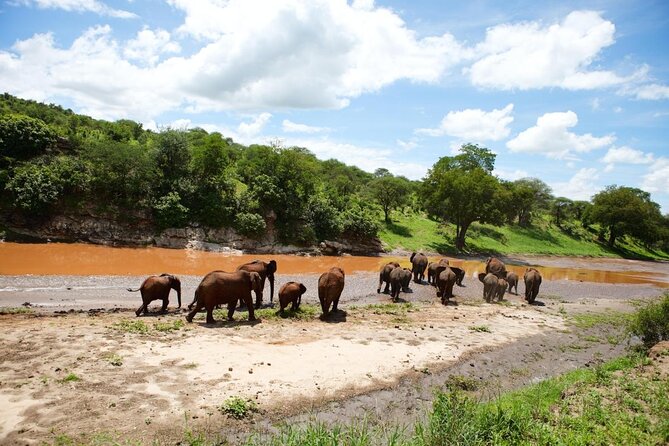
- Elephant country on day one: Tarangire can produce close views of herds of 10 to 20 elephants, with larger groups sometimes appearing.
- A serious Serengeti day: Day three allows extended game viewing while following the area where the migration is expected to be.
- Ngorongoro gives you density: The crater floor is home to an estimated 30,000 animals and is one of Tanzania’s best places to look for black rhino.
- Meals and transport are included: You receive four breakfasts and lunches, three dinners, and pickup from your hotel.
- Best for a short, active safari: The route covers a lot, but long road days and camping require stamina.
Why this four-day route works
Tanzania has no shortage of safari choices, but this route gets to the heart of the northern circuit quickly. In four days, you move from Tarangire’s elephant-filled woodland to the open plains of Serengeti, then finish in the enclosed wildlife bowl of Ngorongoro Crater.
I like that each park serves a different purpose. Tarangire gives you a gentle introduction, Serengeti brings the broadest sense of wilderness, and Ngorongoro offers a concentrated final game drive. You are not seeing the same scenery three days in a row.
The cost is also worth examining carefully. At $890.95 per person, the package includes transport, accommodation in campsites, meals listed in the program, park visits, and a return to Arusha. That can be good value because park fees and safari vehicle costs add up quickly when arranged separately.
The price becomes less attractive if you want high-end lodges or a slow pace. This is an active camping safari, not a polished lodge holiday. I would choose it for access and variety, not for luxurious downtime.
The booking details state a maximum of two participants, which could mean a more private experience. Some information connected with the operator also refers to groups of four and shared safaris, so I would confirm the exact group size before paying. The published meeting time is 12:00 am, while the day one description says pickup follows breakfast. Ask for the precise pickup time in Arusha.
More Serengeti and Ngorongoro safaris:
- Balloon Safari & Bush Breakfast in Serengeti – Miracle Experience
★ 5.0 · 1,646 reviews - 3 Days Serengeti & Ngorongoro Group Camping Safari
★ 5.0 · 574 reviews - 5-Day Highlights mid-Range Crater, Serengeti, Tarangire
★ 5.0 · 296 reviews
Day one: elephants and baobabs in Tarangire
After breakfast, you are collected from your hotel and driven toward Tarangire National Park with a picnic lunch. The full day is listed at about 10 hours, including the drive and game viewing, so this is not a quick park visit.
Tarangire is especially good for elephants. The route may bring you near herds of 10 to 20 animals, with groups of 30 sometimes possible. Keep watching the tree line, too. The program specifically points out the chance of seeing a leopard resting above the ground, though no wildlife sighting is guaranteed.
You might also see buffalo, impala, zebra, warthog, giraffe, and other park animals. That broad mix makes Tarangire a useful first stop. You get your first look at the pace of a safari, the way animals behave around water and trees, and the need to stay patient.
The day ends with an evening drive toward Kizumba Camp for dinner and overnight accommodation. Camping adds an honest outdoor feel, but you should be ready for a simple night after a long ride. The supplied meals include picnic lunches and camp dinners, so you will not need to find food on the road.
My advice is to treat day one as a wildlife day, not a transfer day. Keep your camera ready from the start, and do not spend the whole drive waiting for the Serengeti. Tarangire is not just a warm-up.
Day two: crossing toward the Serengeti
Day two starts with breakfast and packing the camping gear into the safari vehicle. You then travel toward Serengeti through the Manyara area and across the Rift Valley escarpment.
This is one of the route’s hardest days. The program allows about 10 hours, and much of that time is spent moving between parks. The reward is the change in scenery as you leave Tarangire and head toward the Serengeti. The route itself helps you understand how the national parks connect within northern Tanzania.
There is an optional Maasai village visit on the way. Since it is optional, ask before departure what it includes and whether there is an extra charge. A village visit can add cultural context, but it is best when handled clearly and respectfully, with no confusion about photography, purchases, or time spent there.
You reach Serengeti toward evening, then continue with a game drive toward Pimbi Campsite for dinner and overnight accommodation. An evening arrival means your first Serengeti drive may be brief, but even that first look can be memorable. The open country feels very different from Tarangire’s wooded setting.
Because day two is long, I would pack water, sun protection, and a small bag with anything you need during the ride. Your main luggage may be stored with the camping equipment, and stopping to unpack everything is not practical.
Day three: the main Serengeti wildlife day
Day three is the core of the safari. After breakfast, you set out with a packed lunch for a long game drive in Serengeti National Park. The day is listed at around 11 hours, which gives you far more time in the park than on the arrival day.
The route follows the area where the migration is expected to be in the Northern Serengeti. The timing matters. Wildebeest and zebra movement changes through the year, so the phrase following the migration should be understood as a seasonal aim, not a promise that a huge herd will be beside the vehicle.
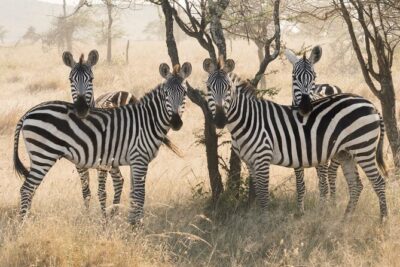
You may see wildebeest, zebra, topi, hartebeest, eland, antelope, and hyena. The day also includes time for birdwatching, with many bird species visible in the trees and open country. Serengeti is as much about space and silence as it is about ticking animals off a list.
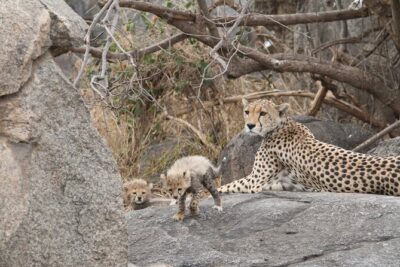
Predators are another reason to value this day. Lions, hyenas, cheetahs, jackals, and leopards are found in the wider Serengeti and Ngorongoro region. A good guide can help you read the signs, scan likely resting places, and understand why one patch of grass matters more than another.
After lunch, game viewing continues toward the Serengeti gate. You then travel onward toward Ngorongoro Crater, with dinner and overnight accommodation at Simba Campsite.
This is a demanding schedule, but it gives you the best chance to spend meaningful time in the Serengeti. I would not choose this itinerary if you dislike long vehicle days. I would choose it if seeing a range of animals matters more to you than having leisurely mornings.
More Tarangire safaris:
- Private 6-Day Tarangire Manyara Crater and Serengeti with Mid-Range Lodges
★ 5.0 · 238 reviews - 5 Days Camping Tarangire, Serengeti & Ngorongoro crater & Visiting Maasai
★ 5.0 · 229 reviews - 4 Days Join Group tour Tarangire Serengeti and Ngorongoro crater
★ 5.0 · 219 reviews - 4-Day Safari from Arusha: Tarangire, Serengeti and Ngorongoro
★ 5.0 · 173 reviews
Day four: Ngorongoro Crater’s crowded wildlife floor
The final morning begins with breakfast before you descend into Ngorongoro Crater with a packed lunch. The game drive lasts more than six hours, and the full day is listed at about 10 hours, including the drive back to Arusha.
Ngorongoro is a fitting finale because wildlife is concentrated in a relatively contained area. The crater has a year-round water supply and grazing, supporting an estimated 30,000 animals. That includes wildebeest, zebra, buffalo, eland, warthog, hippo, and large African elephants.
The crater is also one of the better places on this route to look for black rhino. The sighting remains rare and uncertain, but the possibility gives the day extra weight. You may also search for lions, hyenas, jackals, cheetahs, and the difficult-to-spot leopard.
Six hours of game viewing can feel full and satisfying, especially after the previous days. It can also be tiring. Bring your lunch into the crater, keep your expectations flexible, and remember that the animals set the schedule.
Late in the afternoon, you drive back to Arusha for dinner and an overnight stay at a hotel in town. That return is useful if you are flying out the next day or continuing with another part of your Tanzania trip. It also means the safari does not end at a remote camp with an awkward transfer still ahead.
Camping, food, and the day-to-day comfort level
This experience is built around camping rather than a chain of upscale lodges. The itinerary names Kizumba Camp, Pimbi Campsite, and Simba Campsite, with three nights in tents and camping equipment provided.
That setup can be part of the appeal. You are closer to the outdoor character of the parks, and the trip costs less than many lodge-based programs. It is a good match if you see the tent as part of the adventure rather than a compromise.
The food receives strong praise in the supplied comments. Cooks named George and Rodrigue are specifically singled out for preparing enjoyable meals, and several guide and cook teams are described as friendly and attentive. The package includes four breakfasts, four lunches, and three dinners, though the day four program also describes dinner in Arusha, so confirm exactly which meals are covered.
Accommodation quality may vary by departure. Some arrangements have included lodges or luxury camp accommodation, including Serengeti Heritage Luxury Camp, while this specific schedule lists campsites. Get the current accommodation names in writing if sleeping comfort matters to you.
Guides, vehicles, and the small-group question
The guide can make or break a safari. A good driver-guide does more than point at animals. You want someone who can explain behavior, judge distance, find likely wildlife areas, and keep the long drives from becoming empty time.
Several guides connected with the operator are praised for their animal knowledge and care. Amani, Safiri, Erick, Malaki, and Sulley are named in the supplied information, with Sulley receiving particular praise for guiding in Spanish. Dismas is also described as a capable and friendly driver. Guide assignments can change, so do not assume one particular person will lead your departure unless the company confirms it.
The vehicle is described as being in good condition, with a reliable safari vehicle stocked with essentials. That matters on rough park roads and long transfers. Still, a 10-hour day inside a vehicle is a physical commitment, even with a sound vehicle.
The advertised maximum is two participants. That would be excellent for flexibility and personal attention, but the wider material also refers to a group of four friends and shared arrangements. Ask whether your booking is private, shared, or subject to combining with another party.
Is $890.95 a fair safari price?
For a four-day northern Tanzania safari, $890.95 per person can represent solid value if the listed inclusions are delivered. You receive hotel pickup, transport, park access, camping accommodation, meals, and a return to Arusha. The ability to visit three major areas in only four days is the main financial advantage.
You are also paying for convenience. Planning park transfers, campsite stays, meals, and a suitable vehicle on your own would take time and could cost more once fees are added.
The price is less compelling if you expect private luxury, short drives, or a choice of high-end camps. This is a compact route with basic camping at its center. I would compare the exact accommodation, group size, park fees, and meal list before making a final decision.
The strong rating of 4.8 from 20 submitted ratings and a 95 percent recommendation figure suggest a generally positive record. The praise focuses on organization, friendly staff, capable guides, good food, vehicle condition, and the variety of the route. There is also one Spanish-language account that raises a management concern, so I would keep communication clear and confirm every important detail before departure.
Who should book this safari?
I would recommend it to you if:
- You have only four days available from Arusha.
- You want the classic northern Tanzania parks in one trip.
- You are comfortable with tented camping.
- You value wildlife variety more than a relaxed timetable.
- You want transport, food, and park visits handled together.
- You hope to see the Big Five but understand that no sighting is guaranteed.
I would look for a longer or more comfortable safari if you want several days in Serengeti, more time at camp, or lodge-based accommodation. Adding even one or two days would reduce the pressure and give you more room for slow game viewing.
Final verdict: a fast, wildlife-heavy introduction
I like the logic of this safari. Tarangire gives you elephants, Serengeti supplies the broad plains and migration possibility, and Ngorongoro brings dense wildlife and a chance to search for black rhino. The route has real variety, and the included transport and meals keep the planning simple.
The cost is reasonable for what is included, especially if your Tanzania schedule is tight. The main caution is the pace: long drives, early starts, camping, and limited recovery time.
Book it if you want a concentrated introduction to northern Tanzania and are happy to trade comfort for coverage. Before you commit, confirm the pickup time, exact group size, campsite or lodge names, meal inclusions, and whether the safari is private. Those details will tell you if this is a good bargain or simply a busy one.
FAQ
Where does the safari begin?
The safari begins in Arusha, Tanzania, with pickup offered from your hotel.
How long does the experience last?
The safari lasts approximately four days.
Which parks and wildlife areas are included?
The route includes Tarangire National Park, Serengeti National Park, and Ngorongoro Crater.
Are meals included?
Yes. The package includes four breakfasts, four lunches, and three dinners. The day four schedule also describes dinner and an overnight stay at a hotel in Arusha, so confirm the final meal details when booking.
How many people can join the safari?
The additional information lists a maximum of two participants. Other details refer to shared trips and groups of four, so confirm the group arrangement for your departure.
Can I cancel for a full refund?
You can receive a full refund if you cancel at least three full days before the experience start time. Cancellations within three days are not refunded, and changes within that period are not accepted.
Just added in Arusha
- Safari “Kifaru” – 5 days in the most famous Parks in the world★ 5.0 · 4 reviews
- Saadani Day Trip★ 5.0 · 13 reviews
- 3 Days Tanzania Short and Spicy★ 5.0 · 6 reviews
- 5 Day Tanzania Safari Camping Adventure Private Tour★ 5.0 · 2 reviews
- Day Trip to Ngorongoro Crater from Arusha★ 5.0 · 1 review
- SERENGETI NATIONAL PARK Tour★ 4.5 · 5 reviews
- 3 Days Serengeti Park & Ngorongoro Crater Adventure Safari★ 5.0 · 8 reviews
- 6 Days Tanzania Bush Experience Safari★ 5.0 · 6 reviews
Serengeti & Ngorongoro Safaris, compared.
Serengeti Balloon Safari and authentic bush breakfast
Read our review →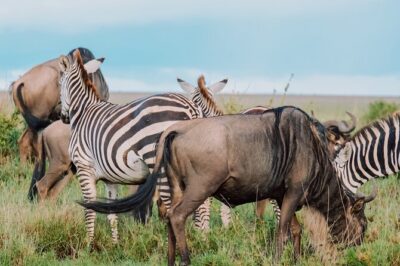
Balloon Safari & Bush Breakfast in Serengeti – Miracle Experience
Read our review →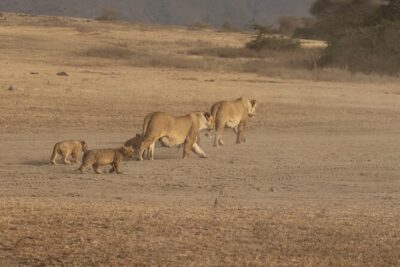
3 Days Serengeti & Ngorongoro Group Camping Safari
Read our review →
5-Day Highlights mid-Range Crater, Serengeti, Tarangire
Read our review →
Private 6-Day Tarangire Manyara Crater and Serengeti with Mid-Range Lodges
Read our review →
5 Days Camping Tarangire, Serengeti & Ngorongoro crater & Visiting Maasai
Read our review →Browse the lists this tour appears in