
Reviewed · HIKING & TREKKING
4 Days Usambara Mountain hike
Slow travel with strong legs required. This four-day Usambara Mountains hike near Lushoto is a fine choice if you want Tanzania beyond the usual safari circuit. You walk through Magamba rainforest, farming villages, pine forest, and high mountain paths while sleeping in simple local accommodations rather than standard hotels. I especially like the village-to-village route and the chance to see daily Wasambaa life at close range. The views from Kigulu Hakwewas Peak and Magumba View Cottages add real reward to the effort.
I also like how the trip mixes nature with useful cultural encounters. You may see colorful birds, butterflies, chameleons, and perhaps colobus monkeys, while village walks reveal farming methods and local projects. The main consideration is the walking load: around 14 to 20 kilometers a day, often with uphill sections and several hours on foot. This is not a gentle scenic stroll, and the simple overnight stays may not suit anyone expecting lodge comforts.
In This Review
- Key things to know before booking
- Why this Usambara route feels different
- Day 1: Lushoto to Lukozi through Magamba rainforest
- Day 2: Farming paths and the climb toward Rangwi
- Day 3: Sunga village, pottery, and Magumba views
- Day 4: A short finish by vehicle
- What the $830 price includes
- Fitness, packing, and comfort
- Who will enjoy this hike most
- Booking advice and cancellation flexibility
- Should you book the Usambara Mountains hike?
- FAQ
- Where is the Usambara Mountains hike located?
- How long is the hike?
- How many hours do you walk each day?
- Where do you stay during the hike?
- Is Mount Kilimanjaro guaranteed to be visible?
- Are meals included?
- How much drinking water is included?
- Is airport transport included?
- What does the optional safari car cost?
Key things to know before booking
- The first day reaches 1,840 meters: Kigulu Hakwewas Peak gives you views toward Lushoto and the surrounding Usambara hills after an uphill walk from town.
- You sleep in local settings: Nights are planned at Bush Baby Home Stay, Rangwi Sisters Convent, and Magumba View Cottages.
- The route is active, not decorative: Daily walks range from 14 to 20 kilometers and take roughly five to six hours.
- Culture is part of the route: You pass farms and villages, learn about Wasambaa traditions, and visit a women-run pottery project near Sunga.
- Kilimanjaro may appear: From Magumba View Cottages, Mount Kilimanjaro can be visible on a clear day.
- The price covers the basics: At $830 per person, the package includes guiding, meals, water, forest fees, village development fees, and accommodation.
Why this Usambara route feels different
The Usambara Mountains offer a change of pace from Tanzania’s better-known safari parks. Instead of sitting in a vehicle for much of the day, you move under your own power through mountain villages, fields, forest, and high viewpoints.
That matters because the scenery changes slowly. You start near Lushoto, then climb toward forest, cross farmland, pass homes and village paths, and reach higher points where the hills fold away below you. The route gives you time to notice small details, such as cultivation methods, birds in the trees, butterflies along the path, and chameleons hiding in vegetation.
The cultural side is just as important. The walk through Kwembago village provides an introduction to traditional Wasambaa life. Later, the route crosses farming areas where you can learn how local people work the land. These are not staged cultural shows. They are ordinary places along the walking route, which makes the experience feel more connected to daily life.
You should also understand the rhythm. The trip is designed for people who enjoy a full day outdoors, not for visitors looking for a short nature walk followed by a pool. The supplied route notes describe walking about 20 kilometers each day in the overview, while the daily breakdown gives 15 kilometers on day one and 14 kilometers on days two and three. In practice, you should prepare for long days with hills, even if the exact distance varies.
More treks in Nungwi and Kendwa:
- 8-Day Small-group Lemosho Kilimanjaro Summit Trekking
★ 5.0 · 186 reviews - Mountain Kilimanjaro Day Hike
★ 5.0 · 102 reviews - Private Full Day Hiking Experience to Marangu Route
★ 5.0 · 61 reviews
Day 1: Lushoto to Lukozi through Magamba rainforest
Your first day begins with an uphill walk from Lushoto toward Magamba forest, passing through Kwembago village. This opening section introduces the human side of the Usambara Mountains before the forest takes over.
The village route gives you a chance to learn about Wasambaa culture and traditional life. I like this early focus because it puts the scenery in context. You are not simply walking through attractive hills. You are moving through places where farming, village routines, and mountain geography are closely linked.
In Magamba rainforest, the path becomes more about plants and wildlife. You can expect thick forest vegetation, birds, and butterflies. Chameleons are also among the creatures you may look for. Colobus monkeys are possible, but sightings are not guaranteed, so treat them as a bonus rather than a promise.
A historical cave believed to have been used during World War I is another stop in the forest. The detail is modest but memorable. It gives the walk a human story without turning the day into a formal museum visit.
The high point is Kigulu Hakwewas Peak, at about 1,840 meters above sea level. From here, you can look toward Lushoto and the rolling Usambara hills. Lunch is planned at this viewpoint or somewhere along the way, depending on the guide and the day’s conditions.
The walk continues to Lukozi village, where you spend the night at Bush Baby Home Stay. The stated distance is 15 kilometers, taking around five to six hours, though the uphill terrain can make the day feel longer than the number suggests.
This overnight stop is part of the appeal and part of the adjustment. A home stay gives you a closer connection to local life than a conventional hotel, but you should expect a simple setting. If you enjoy local accommodation and do not need polished facilities, it fits the character of the route. If you need private hotel standards each night, ask for details before paying.
Day 2: Farming paths and the climb toward Rangwi
After breakfast, you continue toward Rangwi through village paths and farming fields. This day is less about one major forest attraction and more about seeing how the mountain communities use the land.
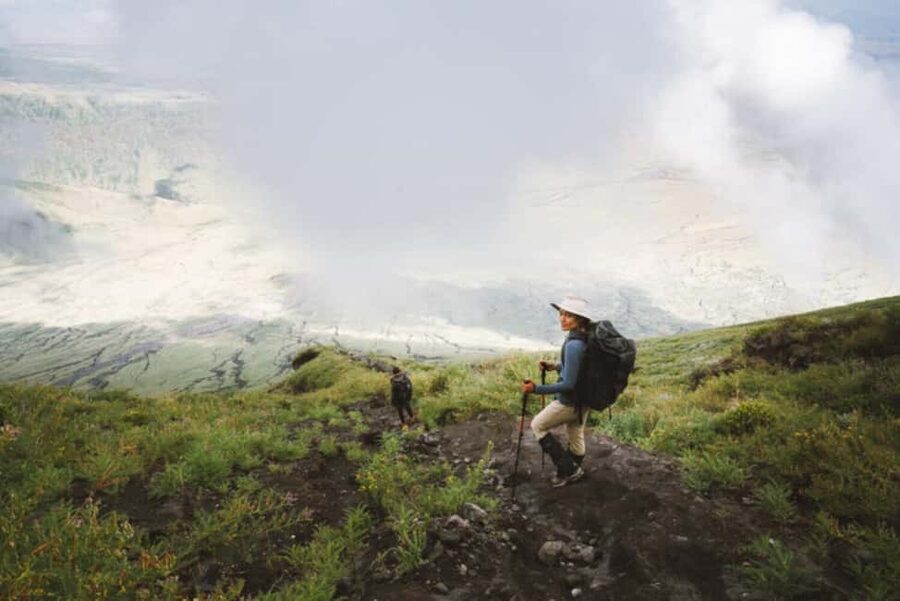
The trail passes through cultivated areas where you can learn about local farming techniques. You also continue to gain height, reaching about 2,000 meters during the walk. That higher elevation brings broad views of villages and mountain peaks, but it also means more uphill work.
A picnic lunch gives you a pause before the afternoon section. This is useful because five hours of walking can pass quickly in a conversation, yet the physical effort adds up. Carrying water and pacing yourself will matter more than rushing to reach the overnight stop.
The route then continues across villages and fields toward Rangwi. The destination is the Rangwi Sisters Convent, where you spend the night. This is another simple and distinctive overnight location. The convent setting gives the trip a clear local character, though you should not expect the services of a full-service mountain lodge.
The listed distance is 14 kilometers, with about five hours of walking. Compared with day one, the distance is shorter, but the route still includes uphill sections and reaches high ground. I would treat this as a steady walking day rather than an easy day.
This part of the experience will suit you if you like seeing working communities rather than only scenic overlooks. The drawback is that the views may be less dramatic at every moment than the first day’s peak. The reward comes from the steady passage through farms and villages, where the mountain setting feels lived in.
Day 3: Sunga village, pottery, and Magumba views
The third walking day starts after breakfast at the sisters convent. You head toward Mambo village, combining village paths, mountain peaks, and sections of forest.
The route begins with another uphill walk to a viewpoint. After a short rest, you continue through pine forest toward Sunga village. This repeated pattern of climb, pause, and continued walking is typical of the trip. You earn the views with your legs.
Sunga offers a chance to see more local life before lunch at a local family’s home. The meal setting is significant because it connects food with place. Rather than treating lunch as a quick stop between attractions, the route makes it part of the community experience.
After lunch, you can visit a pottery project run by a group of women. You learn how pots are shaped from clay soil, giving you a practical look at a local craft. This is one of the most specific cultural activities on the route, and it gives the day a human focus beyond scenery and altitude.
You finish at Magumba View Cottages, situated at around 1,900 meters. The cottages are described as having a comfortable view, and on a clear day you can see Mount Kilimanjaro. That last detail should be handled sensibly: mountain visibility depends on conditions, so do not book the hike solely for a guaranteed Kilimanjaro sighting.
The day covers about 14 kilometers and takes roughly five hours. After two previous walking days, your legs may be tired. Still, the combination of pine forest, village life, family lunch, pottery, and a high overnight viewpoint makes this a well-rounded final hike.
A few more options to weigh up in Nungwi and Kendwa
- From Kendwa: Mnemba Boat Trip and Dolphin Snorkel Adventure
★ 4.8 · 1,043 reviews - Zanzibar: Mnemba Island Dolphin and Snorkeling Tour
★ 4.1 · 352 reviews - Zanzibar: Nungwi Turtle Aquarium Guided Half-Day Trip
★ 4.4 · 197 reviews - Matemwe: Mnemba Island Dolphin & Snorkeling Boat Trip
★ 4.3 · 152 reviews
Day 4: A short finish by vehicle
There is no fourth day of hiking in the supplied schedule. After breakfast, you drive back to your destination hotel or airport.
The package specifically includes transport from Magumba to Lushoto. It also states that the safari car can be available from the first day through the last day for an extra $200 per day. You should clarify the exact vehicle arrangement before booking, especially if you need transport beyond Lushoto or want support during the walking days.
That final drive is practical rather than scenic. It gives you time to recover after three demanding days on foot and makes the trip easier to connect with another hotel, airport transfer, or onward activity.
What the $830 price includes
The cost is $830 per person. That is not a budget walk, so value depends on how much you care about guided access, local accommodation, meals, and arranging a multi-day route without handling each piece yourself.
The price includes:
- Accommodation in Lushoto, Lukozi, Rangwi, and Magumba
- All meals
- Drinking water, listed at 1.5 liters per day
- Guiding
- Forest fees
- Village development fees
- Transport from Magumba to Lushoto
The included forest and village fees are important. They support the formal costs of entering the forest and visiting communities, while also making the price easier to understand than a basic guide-only quote.
The daily water allowance deserves attention. One and a half liters per day may not be enough for every person on a five-hour uphill walk, especially in warm conditions. Ask how additional water can be obtained, and bring a refillable bottle if possible. The supplied information confirms the included amount, but it does not state how much extra water costs or where it is available.
Meals are included, which helps control spending in remote villages. Accommodation is also covered across the route, removing the need to arrange separate home stays, convent lodging, and cottages.
The package does not include international flights, airport transfers, visas, travel insurance, souvenirs, personal items, or accommodation before and after the hike. Airport transfers and extra nights can be arranged for an additional cost. Government increases in taxes or park fees may also be passed on.
For a person who values a guided route and local contact, $830 can make sense. For an independent hiker who already knows the area and can arrange basic rooms directly, it may feel expensive. The right comparison is not just the number of nights. It is the cost of coordination, guide services, meals, permits, village fees, and transport in a mountainous region.
Fitness, packing, and comfort
I would prepare for this as a serious multi-day mountain walk. The route includes uphill paths, high points around 1,840 to 2,000 meters, and five to six hours of walking on the first three days.
Bring long pants, insect repellent, cash, and a flashlight. Long pants are useful for forest paths, village walking, and evening comfort. Insect repellent fits the rainforest sections, while a flashlight is sensible for simple accommodation and rural surroundings.
Cash matters because the package does not include personal purchases or souvenirs, and the route passes through villages rather than large commercial centers. The supplied information does not specify how much cash you need, so carry enough for personal expenses without assuming card payments will be available.
You should also use sturdy walking footwear and pack lightly, although those items are not specifically listed in the supplied requirements. A small day bag, sun protection, and extra drinking capacity would be practical additions for a route of this length.
The accommodation changes from home stay to convent to cottages. That variety is part of the experience, but comfort levels may differ. Ask what bedding, washing facilities, and luggage handling are provided before departure. The information confirms the accommodation names and locations, but not the exact room arrangements.
Who will enjoy this hike most
I would recommend this experience to you if you like long walks, mountain views, local food, village contact, and simple overnight stays. It is especially suitable if you want to see the Usambara Mountains through several angles: forest, farms, craft work, wildlife watching, and high viewpoints.
Birdwatchers may enjoy the Magamba rainforest section, with colorful birds and butterflies listed among the sights. Wildlife sightings are not guaranteed, so you should come for the forest environment rather than expect a safari-style animal count.
This route may also suit repeat visitors to Tanzania who have already seen the major wildlife parks and want a more active trip near Mkomazi National Park. The experience is centered on walking and communities, not game drives.
I would hesitate to recommend it if you dislike uphill exercise, need predictable hotel comforts, or want a trip with little planning effort on the body. Three long walking days can be tiring, and the final day is mainly a transfer rather than another attraction.
The experience is offered with guiding in English, Spanish, Italian, French, and German. That range is useful if you want explanations in a preferred language, though you should confirm which language your guide will use.
Booking advice and cancellation flexibility
The experience allows you to reserve and pay later, which helps if your Tanzania plans are still changing. Cancellation is available up to 24 hours in advance for a full refund, according to the supplied terms.
Before confirming, I would ask three practical questions: how the distance is measured, how much water you can obtain beyond the included 1.5 liters, and exactly where the first night in Lushoto fits into the accommodation plan. The information lists accommodation in Lushoto as included, while the day one description sends you from Lushoto to Lukozi, so it is worth confirming the overnight sequence.
I would also clarify the cost and route for airport transfers. Airport transport is not included, and the optional safari car costs $200 per day if you want it available from the first day to the last.
Should you book the Usambara Mountains hike?
Book this hike if you want a demanding, community-focused mountain route with forest, farms, craft work, and high viewpoints. The strongest parts are the Magamba rainforest, the view from Kigulu Hakwewas Peak, the pottery visit near Sunga, and the chance to sleep in local settings.
Think twice if you want a relaxed holiday or guaranteed wildlife sightings. The walking days are long, the accommodation is simple, and the water allowance may require planning.
At $830, I see the best value for someone who wants the route arranged with guiding, meals, fees, and local overnight stays already handled. If that sounds like your kind of Tanzania, this is a worthwhile change from the standard vehicle-based trip.
FAQ
Where is the Usambara Mountains hike located?
The experience takes place in Tanzania’s Tanga Region, near Mkomazi National Park, with the route beginning around Lushoto.
How long is the hike?
The walking takes place over three days. The stated daily distances are about 15 kilometers on day one, 14 kilometers on day two, and 14 kilometers on day three. The overview also describes walking about 20 kilometers per day, so you should confirm the exact distances with the provider.
How many hours do you walk each day?
Day one is listed at about five to six hours. Days two and three are each listed at about five hours.
Where do you stay during the hike?
The accommodation includes Lushoto, Bush Baby Home Stay in Lukozi, Rangwi Sisters Convent, and Magumba View Cottages.
Is Mount Kilimanjaro guaranteed to be visible?
No. Mount Kilimanjaro may be visible from Magumba View Cottages on a clear day, but visibility depends on weather and conditions.
Are meals included?
Yes. All meals are included in the tour price.
How much drinking water is included?
The package includes 1.5 liters of drinking water per day.
Is airport transport included?
No. Round-trip airport transfers are not included, but they can be arranged at an additional cost. Transport from Magumba to Lushoto is included.
What does the optional safari car cost?
A safari car can be available from the first day through the last day for an extra charge of $200 per day.
Just added in Nungwi and Kendwa
- SWIMMING WITH TURLTLES AT BARAKA AQUARIUM★ 5.0 · 1 review
- Swimming with tirltes at The Lagoons Zanzibar in Nungwi★ 4.3 · 3 reviews
- sunset dow Cruise at Kendwa Beach★ 5.0 · 1 review
- Sunset Dhow from Kendwa/Nungwi Magic Hour on the Ocean★ 4.3 · 10 reviews
- sunset dow cruise at kendwa beach★ 4.7 · 3 reviews
- Stone Town, Jozani Forest, Sea Turtles & The Rock Restaurant★ 4.8 · 14 reviews
- Spice Farm – spice up your life in Zanzibar★ 4.6 · 18 reviews
- Snorkeling With Dolphin At Mnemba Island, Zanzibar★ 5.0 · 1 review
Hiking & Trekking, compared.
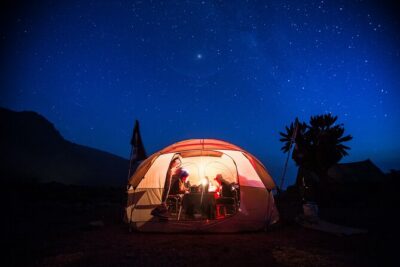
8-Day Small-group Lemosho Kilimanjaro Summit Trekking
Read our review →
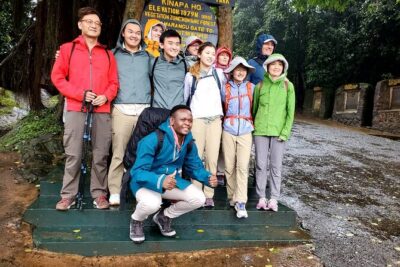
Private Full Day Hiking Experience to Marangu Route
Read our review →
From Arusha/Moshi: Kilimanjaro Hike Marangu Route Day Trip
Read our review →
4 days Best experience Kilimanjaro Hike, Serengeti &Ngorongoro
Read our review →
Best Kilimanjaro hiking day trip tour with Kilinge Adventures
Read our review →Browse the lists this tour appears in