
Reviewed · HIKING & TREKKING
USAMBARA: 4-Day Usambara Mountains Trekking Tour
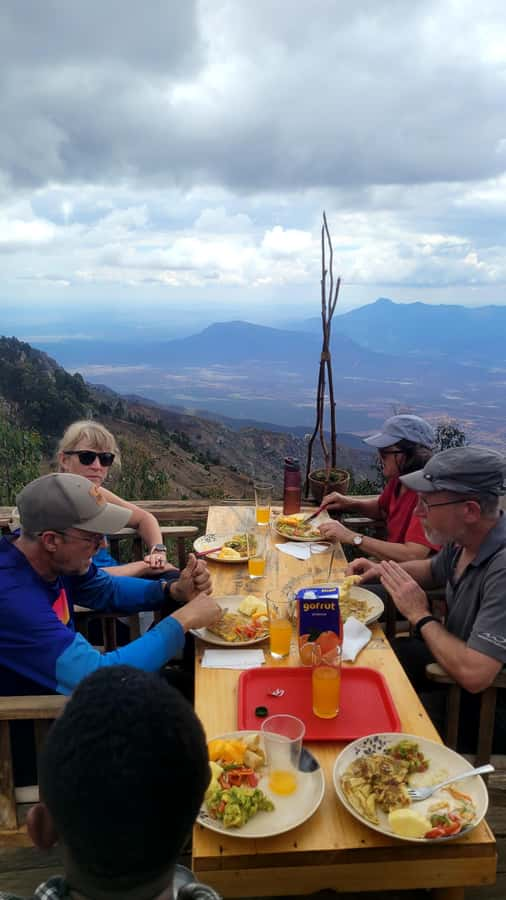
Four days here feel far from the crowds. This trek links the Magamba rainforest, farming villages, a pottery workshop, and the mountain escarpment on the way to Mtae. I like the close contact with local life, and I like that the route combines nature with useful cultural stops rather than treating the mountains as a backdrop. The main caution is physical: the first day can take 8 to 10 hours, and the accommodations are simple.
You travel with a private group and an English-speaking guide from Usambara Cultural Tourism Enterprise. Guide Bakari is praised for explaining the plants, traditions, Usambara communities, and local customs while adjusting the pace when needed. You should still expect a real trek, not a gentle sightseeing walk.
In This Review
- Key points to know before booking
- Why this Usambara trek feels different
- Day one: villages, rainforest, and a long walk to Lukozi
- Day two: Mgwashi, farming areas, and Shambaa traditions
- Day three: pottery, the escarpment, and Mtae
- The walking: demanding in time, simple in technique
- Accommodation and meals: practical, not polished
- What the $650 price really buys
- What to pack for the Usambara weather
- Who should book this trek?
- FAQ
- How long is the Usambara Mountains trekking tour?
- How many hours do you walk each day?
- What accommodation is included?
- Are meals included?
- Is water provided?
- What wildlife might you see?
- Is the pottery workshop included?
- Who is the trek not suitable for?
- Should you book the Mtae trek?
Key points to know before booking
- The first day is the test: Expect 8 to 10 hours of walking through villages and the Magamba rainforest.
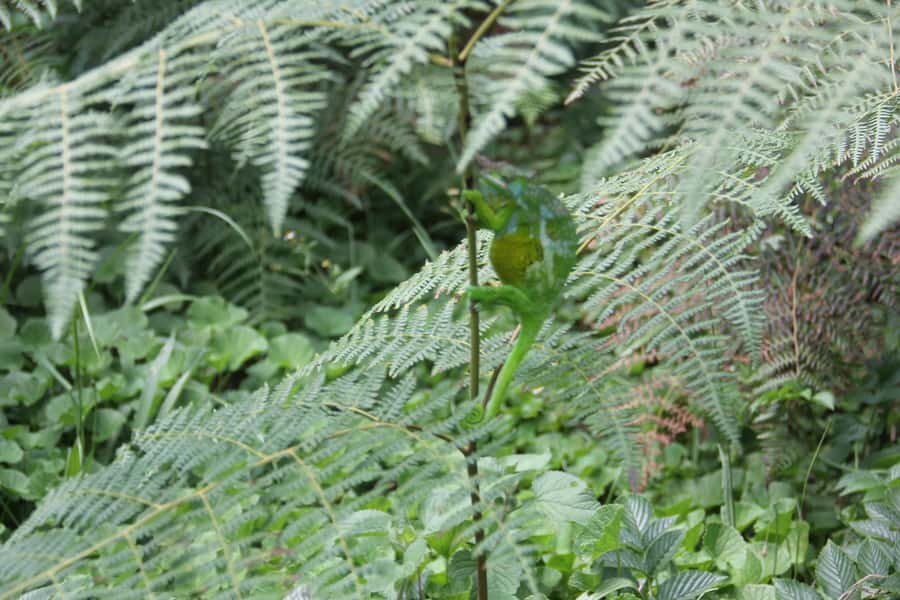
- The forest has wildlife: Black and white Columbus monkeys and two-horned chameleons are among the possible sightings.
- Local life is part of the route: You visit traditional villages, see Shambaa irrigation methods, and learn about medicinal and spiritual herbs.
- The pottery stop is hands-on: At the pottery village, you learn how clay soil is shaped into pots.
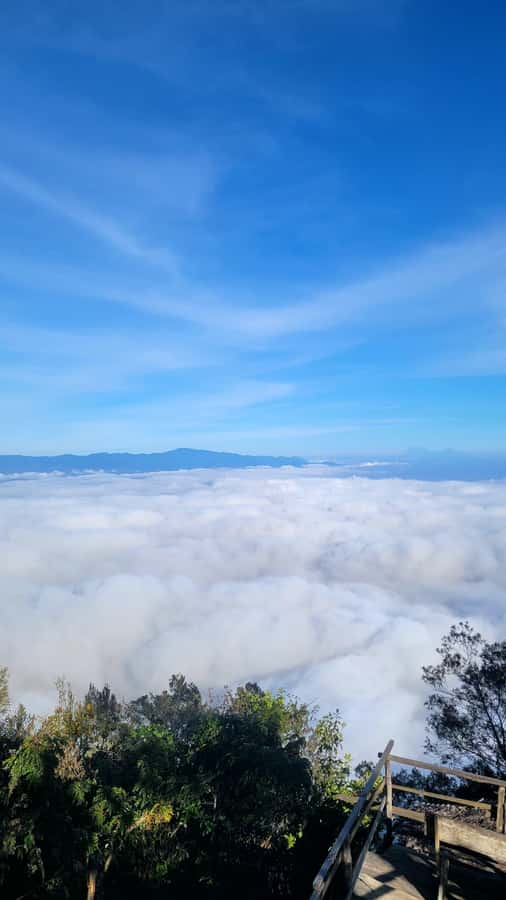
- Mtae brings the big view: The escarpment offers a roughly 180-degree outlook toward Tsavo West in Kenya and Kilimanjaro.
- The price covers the basics: At $650 per person, you receive accommodation, full-board meals, water, the pottery visit, and guiding, but not arrival-night lodging, dinner, drinks, or tips.
Why this Usambara trek feels different
Many mountain trips focus almost entirely on walking. This one gives the walking a local setting. You move through villages, farming areas, and forest, then stop to learn how people make pottery, grow food, manage water, and use plants.
I like that structure because it gives you something to notice when your legs need a break. A village path is not just a route between two viewpoints. It is part of daily life, and the guide can help you understand what you are seeing.
The experience also avoids the polished feel of a resort excursion. The overnight stays are described as basic but authentic, with good food and self-contained rooms at Bush Baby Homestay and Campsite in Lukozi. That means comfort is present, but luxury is not the point.
The tour is listed at $650 per person. That is a serious price, yet it includes four days of guiding, three nights of accommodation, full-board meals, drinking water, and the cultural activities. For a private trek with a local enterprise, the price can make sense if you value personal guiding and community contact. It is less appealing if you mainly want a fast summit, upscale lodging, or a tightly timed itinerary.
More treks in Nungwi and Kendwa:
- 4 Days Usambara Mountain hike
★ 5.0 · 1 review - 8-Day Small-group Lemosho Kilimanjaro Summit Trekking
★ 5.0 · 186 reviews - Mountain Kilimanjaro Day Hike
★ 5.0 · 102 reviews
Day one: villages, rainforest, and a long walk to Lukozi
After breakfast, you begin uphill through villages toward the Magamba rainforest. The route takes 8 to 10 hours, so this is not the day to test new hiking shoes or carry an oversized bag.
The opening village sections help you settle into the pace. You see farming areas and local homes before entering natural forest. The change from settled land to woodland gives the day a useful rhythm, although the long walking time can be demanding.
Magamba is the first major natural highlight. The forest is home to black and white Columbus monkeys, and you may also spot two-horned chameleons. Wildlife sightings are never guaranteed, so think of these as possible rewards rather than promises. The forest itself remains worthwhile, with changing views and a cooler setting than the exposed sections of the route.
A picnic lunch is planned somewhere in Magamba village. This is a practical choice. You do not need to return to a fixed dining room, and the pause breaks up the longest walking day.
The night is at Bush Baby Homestay and Campsite in Lukozi. The rooms are self-contained, basic, and neat. That combination matters after a full day outside. You get private washing facilities, but you should not book this trek expecting a high-end lodge.
Bring warm clothing for the evening and rain gear for changing mountain weather. The packing list also calls for insect repellent, sunscreen, water, snacks, a daypack, and comfortable hiking shoes. Water is provided for the whole trip, but carrying a daypack still makes the walking easier.
Day two: Mgwashi, farming areas, and Shambaa traditions
The second day is shorter, with about 4 to 5 hours of walking. After breakfast, you pass through Mgwashi and farming areas before reaching Rangwi Sister’s Convent for lunch and the night.
This is likely the most culture-focused part of the route. You interact with local ethnic groups in traditional villages and learn about local ways of living. The experience is not presented as a staged performance. Instead, the route takes you through places where agriculture, village life, and customary practices remain part of the setting.
One especially useful stop concerns traditional irrigation by the Shambaa people. Irrigation can look like a simple practical system until someone explains how it works and why it matters. Here, you get a better sense of how local communities manage fertile mountain areas.
You also learn about medicinal and spiritual herbs. This adds meaning to the forest and farmland around you. Plants are not simply scenery. They can have practical, cultural, and spiritual uses, and a good guide helps you understand those connections without turning the stop into a lecture.
The Rangwi Sister’s Convent provides accommodation and a place to enjoy the surrounding views. The overnight setting is again simple, but the shorter walking day gives you more room to absorb the area. If you want the trip to feel like a cultural exchange rather than a race between viewpoints, this day does much of the work.
The private-group format is useful here. You can ask questions, pause when appropriate, and discuss what you have seen. Bakari is specifically praised for explaining the natural world, the Usambara Mountains, local people, and traditions. He also took individual needs into account and could adjust the trek or arrange transport if necessary.
That flexibility should not be treated as a guarantee of unlimited changes. It does mean you have a direct point of contact, which is valuable on a multi-day route.
Day three: pottery, the escarpment, and Mtae
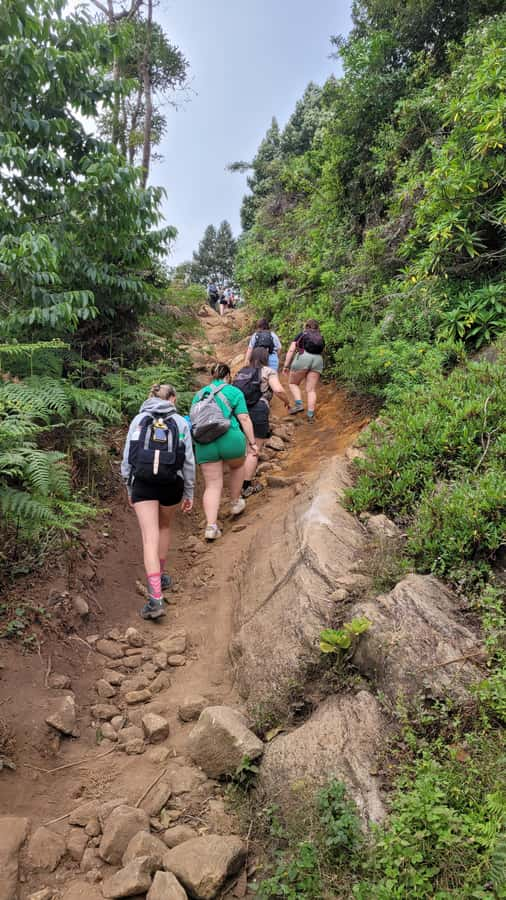
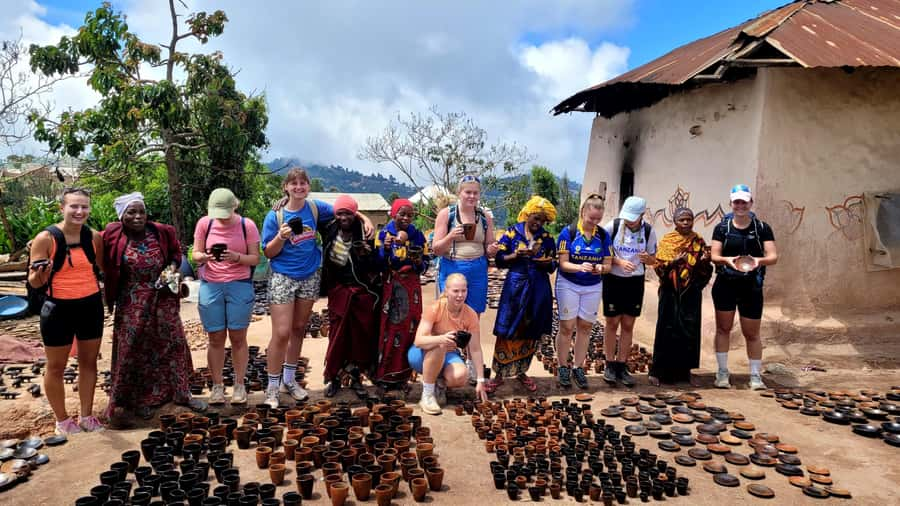
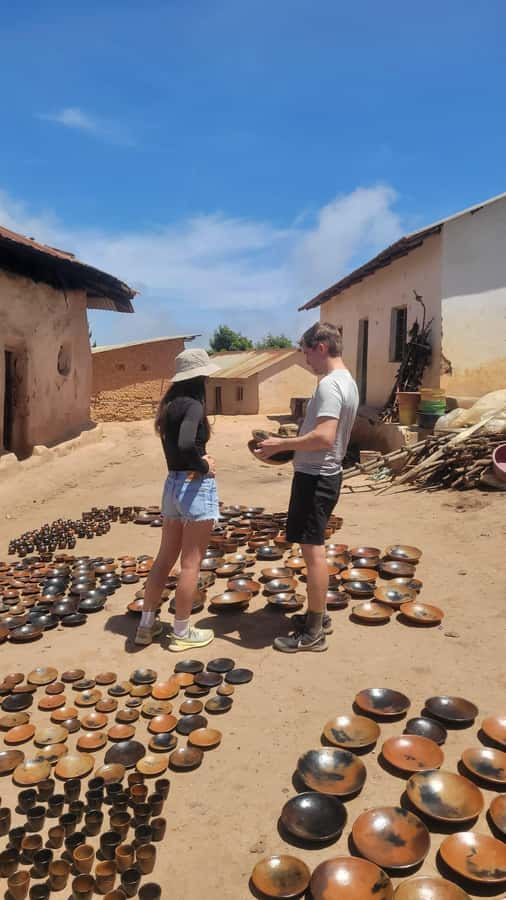
The third day involves about 3 to 4 hours of walking. You continue through villages to the pottery village, where you take part in a workshop and learn how pots are made from clay soil.
This is one of the tour’s most distinctive stops. You are not merely buying a souvenir from a shop. You learn about the material and the making process, then try the craft yourself. The activity gives you a clearer sense of local work and resource use.
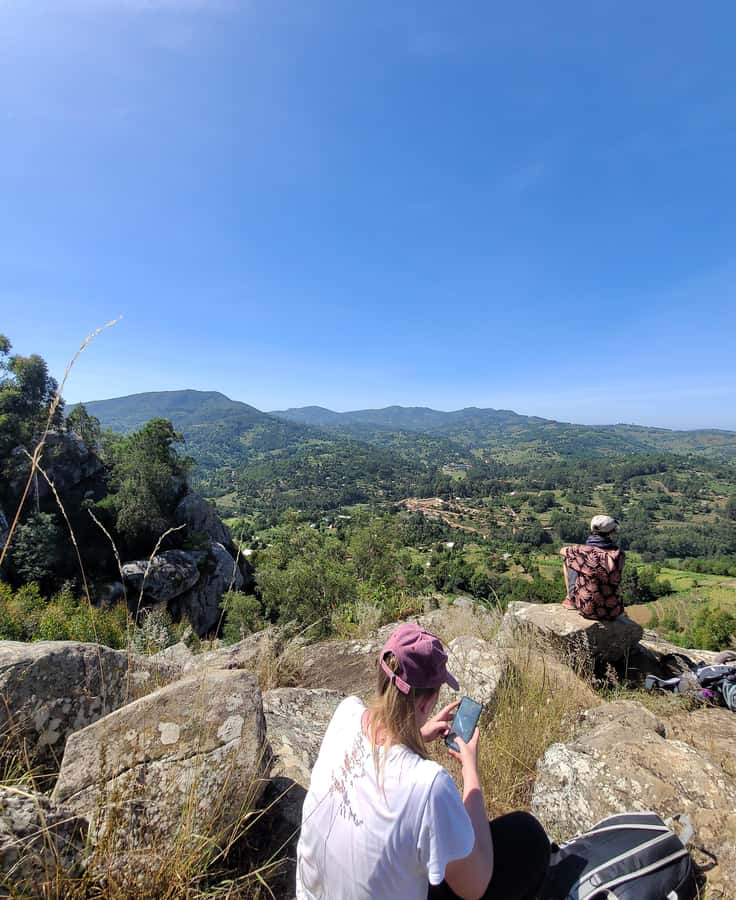
After the pottery visit, the route continues along the Usambara escarpment toward Mtae. The escarpment is where the views become the day’s main event. You can expect a roughly 180-degree view toward Tsavo West in Kenya and Kilimanjaro, along with broad views over the plain.
Clear weather will matter. Mountain viewpoints can be impressive, but clouds may limit what you see. The promise here is the position and scale of the viewpoint, not a guaranteed perfect view of every distant landmark.
The walk continues to the end of the escarpment while you take in the open views. After the enclosed forest and village paths, this wider setting gives the route a strong finish. You stay overnight in Mtae, though the supplied details do not specify the name or exact standard of that accommodation.
The published day-by-day description gives clear walking times for the first three days and includes accommodation in Mtae as part of the four-day program. Because the final day’s walking schedule is not spelled out, I would confirm the departure time, final activity, and transport arrangements before paying. That is not a reason to reject the tour. It is simply the sort of detail worth settling for a four-day trip.
A few more options to weigh up in Nungwi and Kendwa
- From Kendwa: Mnemba Boat Trip and Dolphin Snorkel Adventure
★ 4.8 · 1,043 reviews - Zanzibar: Mnemba Island Dolphin and Snorkeling Tour
★ 4.1 · 352 reviews - Zanzibar: Nungwi Turtle Aquarium Guided Half-Day Trip
★ 4.4 · 197 reviews - Matemwe: Mnemba Island Dolphin & Snorkeling Boat Trip
★ 4.3 · 152 reviews
The walking: demanding in time, simple in technique
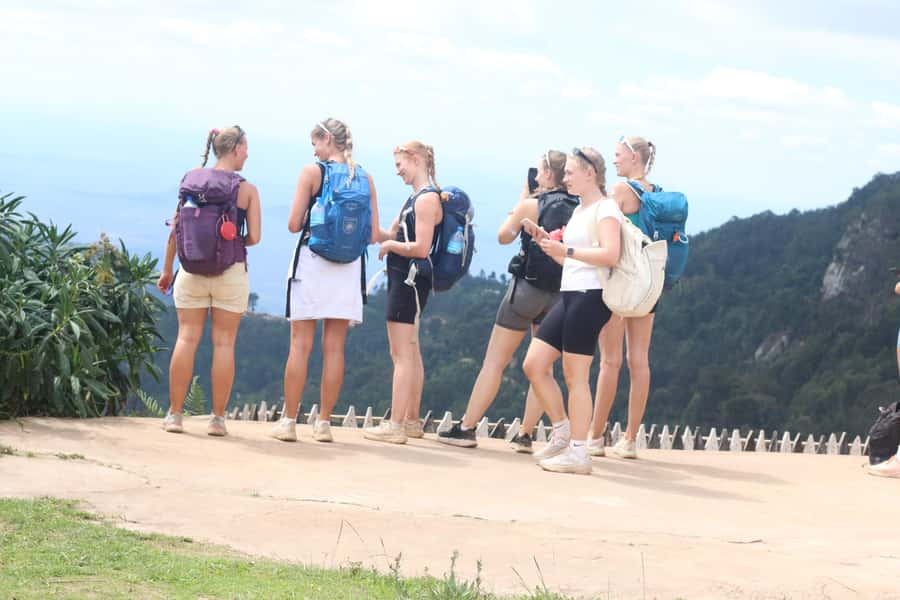
This trek is physically challenging mainly because of duration and uphill walking. The first day can last 8 to 10 hours, while the second and third days are shorter. The route is described as technically easy, with good paths, but easy footing does not make a long day effortless.
If you walk regularly and can handle sustained uphill sections, you may find the route manageable. If you are not used to long walks, the first day deserves serious preparation. Comfortable shoes and proper hiking shoes are both listed among the recommended items. I would choose broken-in hiking shoes with dependable grip, not brand-new footwear.
The tour is not suitable for children under 12, people with mobility impairments, people with heart problems, or people over 115 kilograms. The information also lists people prone to seasickness, although seasickness is an unusual concern for a mountain trek. If that condition applies to you, ask the operator why it is included before booking.
A private group gives you more control than a large departure. You can discuss your pace and individual needs with the guide. Still, you should arrive ready to walk for several hours at a time, including a long opening day.
Accommodation and meals: practical, not polished
The included accommodation covers Bush Baby Homestay and Campsite in Lukozi, Rangwi, and Mtae. Bush Baby is described as basic but neat, with self-contained rooms. The other properties are not described in detail, so you should expect local, straightforward lodging rather than a known hotel standard.
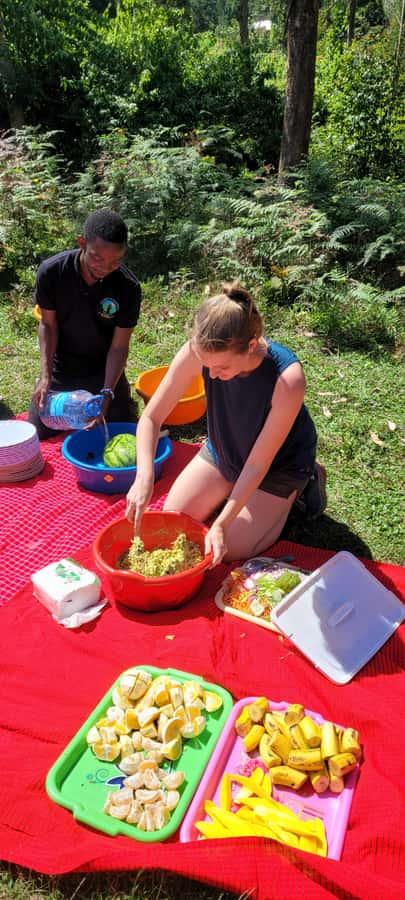
Full-board meals are included, as is water for the whole trip. That is a strong part of the package because meals and drinking water can add up during a multi-day trek. You should still carry snacks, particularly for the long first day.
Drinks are not included. Dinner and accommodation on the arrival day are also excluded, so budget for those separately. Tips for the guide are not included either. A tip is optional, but you should account for it if the guiding and support meet your expectations.
The appeal of these stays is authenticity and convenience. You sleep near the route and eat as part of the local setting. The tradeoff is that you give up the privacy, décor, and facilities of a higher-priced lodge circuit.
What the $650 price really buys
At $650 per person, this is not a bargain day excursion. It is a four-day private trekking package with:
- The trek to Mtae
- Accommodation in Lukozi, Rangwi, and Mtae
- Full-board meals
- Water throughout the trip
- English-speaking guiding
- A pottery village visit
- A pot-making workshop
- Views toward Tsavo West, Kenya, and Kilimanjaro
The value is strongest for someone who wants a guided route with local contact and does not want to arrange each night, meal, and activity separately. The cultural stops also add value that is hard to measure in a simple room-and-transport comparison.
The value is weaker for a person who wants premium accommodation or a short, scenic hike. You also need to add arrival-night costs, drinks, and a guide tip. Check whether your wider travel plan already includes transport to the meeting point, because the supplied details do not describe transfers.
The meeting point is not named in the information provided. You are told that the guide will wear an office ID. For a smooth start, ask for the exact meeting location, pickup details, and guide contact before the day of departure.
What to pack for the Usambara weather
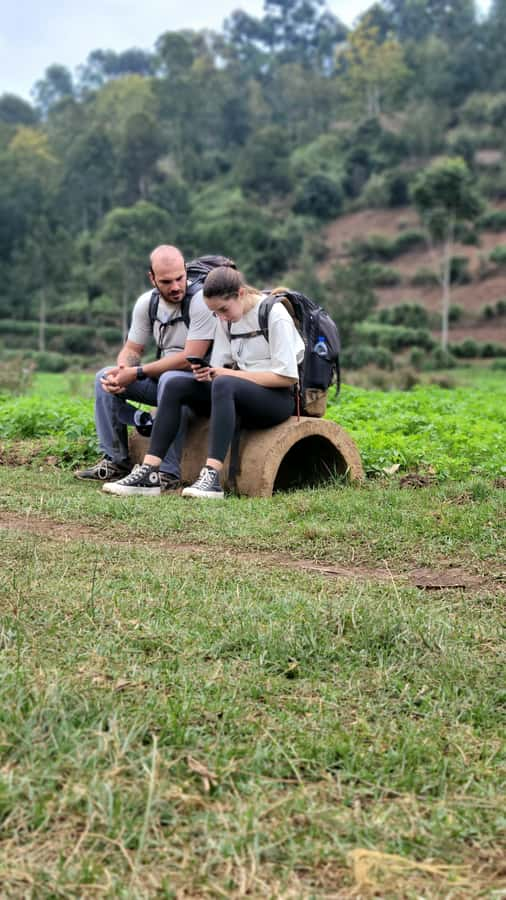
Keep your daypack light, but do not leave out weather protection. The recommended list is sensible:
- Broken-in hiking shoes
- Warm clothing
- Rain gear
- Sunscreen
- Insect repellent
- Water
- Snacks
- Camera
- A small daypack
Do not bring plastic bottles, feed animals, or leave litter behind. Since the route passes through forest and villages, these rules are especially important. Carry reusable water equipment if the operator confirms what is provided, and follow the guide’s instructions about wildlife and waste.
A camera is worthwhile for the forest, village scenes, pottery work, and escarpment views. Ask before photographing people or cultural activities. The tour’s value comes from respectful contact, not from treating communities as a backdrop.
Who should book this trek?
I would recommend it to you if you want a private, active trip with a strong local element. It suits hikers who enjoy walking through working villages, asking questions, and accepting simple lodging in exchange for a closer connection to the area.
It is also a good match if you want more than scenery. The pottery workshop, Shambaa irrigation practices, traditional herbs, and village visits give the trek a clear purpose beyond reaching Mtae.
I would hesitate if you need predictable luxury, short walks, or fully detailed daily logistics before booking. I would also think twice if you have a medical condition affected by extended uphill walking. The guide can adjust the trek or arrange transport when needed, but that possibility should be discussed in advance.
The only published rating is 5 out of 5 from one verified booking. That is encouraging, but it is a small sample. The strongest practical praise concerns the varied scenery, good paths, authentic accommodation, reliable food, and Bakari’s care with individual needs. Those are the points I would give the most weight.
FAQ
How long is the Usambara Mountains trekking tour?
The tour lasts four days and finishes in Mtae.
How many hours do you walk each day?
Day one takes about 8 to 10 hours, day two about 4 to 5 hours, and day three about 3 to 4 hours. The supplied information does not give a walking time for day four.
What accommodation is included?
Accommodation is included at Bush Baby Homestay and Campsite in Lukozi, in Rangwi, and in Mtae. Bush Baby has basic but neat self-contained rooms.
Are meals included?
Full-board meals are included during the trip. Dinner on the arrival day is not included, and drinks are also excluded.
Is water provided?
Yes. Water is provided for the whole trip, and you should also bring a daypack and snacks.
What wildlife might you see?
In the Magamba rainforest, you may see black and white Columbus monkeys and two-horned chameleons.
Is the pottery workshop included?
Yes. The tour includes a visit to the pottery village and a workshop where you learn to make pots using clay soil.
Who is the trek not suitable for?
It is not suitable for children under 12, people with mobility impairments, people with heart problems, people prone to seasickness, or people over 115 kilograms.
Should you book the Mtae trek?
Book it if you want a real walking journey through the Usambara Mountains, with village contact, forest wildlife, local crafts, and a private guide. The best parts are the variety of the route and the chance to learn directly from people living in the area.
Before booking, confirm the exact meeting point, arrival-night arrangements, and the plan for the fourth day. If you are comfortable with basic lodging and a demanding first day, the $650 price offers a useful mix of guiding, meals, accommodation, and cultural activities. If you want polished hotels or easy walks, choose another style of trip.
Just added in Nungwi and Kendwa
- Zanzibar:Sunset Dhow Cruise nungwi★ 5.0 · 1 review
- Zanzibar: Tumbatu Island Snorkeling Excursion from Nungwi★ 5.0 · 1 review
- Zanzibar transparent kayak drone photoshoot★ 4.7 · 2 reviews
- Zanzibar: Swim with turtles at Nungwi★ 4.3 · 5 reviews
- Zanzibar| Safari Blue Experience★ 4.2 · 2 reviews
- Zanzibar: Nungwi Village Tour and Culinary Class★ 4.6 · 8 reviews
- Zanzibar: Nungwi/Kendwa Beach Sunset Dhow Cruise with Fruits★ 3.4 · 3 reviews
- Zanzibar: Nungwi Sunset Dhow Cruise with Soft Drinks★ 3.8 · 5 reviews
Hiking & Trekking, compared.

8-Day Small-group Lemosho Kilimanjaro Summit Trekking
Read our review →

Private Full Day Hiking Experience to Marangu Route
Read our review →

From Arusha/Moshi: Kilimanjaro Hike Marangu Route Day Trip
Read our review →
4 days Best experience Kilimanjaro Hike, Serengeti &Ngorongoro
Read our review →
Best Kilimanjaro hiking day trip tour with Kilinge Adventures
Read our review →Browse the lists this tour appears in