
Reviewed · SERENGETI & NGORONGORO SAFARIS
5 Days Tanzania Group Joining Safari, Tarangire/Serengeti/Ngorongoro Crater
Wildlife begins before the coffee cools. This $1,120 five-day safari links Tarangire, Serengeti, and Ngorongoro Crater in a compact Northern Tanzania route, with a 4WD Land Cruiser, camping, meals, bottled water, and an English-speaking guide included. I like the strong mix of famous parks and the chance to share costs on a budget trip. I also like that the schedule gives Serengeti a full day, instead of treating it as a quick stop.
There is one important catch: the description mentions Lake Manyara, but the day-by-day plan does not include a game drive there. The first night is at Kizumba Campsite near Manyara, not necessarily inside the park. Also, the experience is described as group joining in its title but as a private activity in the additional information, so you should confirm the group setup before paying.
In This Review
- Five things to know before booking
- What this $1,120 safari really gives you
- Day 1: Tarangire’s elephants and baobabs
- Day 2: The long road into Serengeti
- Day 3: A full Serengeti game-drive day
- Day 4: From Serengeti to the crater rim
- Day 5: Ngorongoro Crater and the return to Arusha
- Camping, meals, and the daily rhythm
- The guide can shape the whole safari
- Who should choose this safari?
- Should you book it?
- FAQ
- Where does the safari start?
- Where does the safari finish?
- How long is the experience?
- Which parks are included in the itinerary?
- Is Lake Manyara included?
- Is accommodation included?
- What meals are included?
- What should I bring for luggage?
- Can I cancel for a full refund?
Five things to know before booking
- The route covers Tanzania’s big three: Tarangire, Serengeti, and Ngorongoro Crater all fit into five busy days.
- Camping keeps the price down: Nights are planned at Kizumba, Seronera, and Simba campsites rather than lodges.
- Serengeti gets a full game-drive day: You can return to camp for a hot lunch or carry a picnic lunch for a longer outing.
- Guide quality matters greatly: Guides named in past safari experiences include Mike, Bakari, Ludo, Nico, Jonas, Zuberi, Allen, Godfrey, and Waldon.
- Pack a soft duffle bag: Suitcases are not suitable for the safari vehicle, and domestic flights have a 15-kilogram baggage limit if they are part of your wider trip.
- The advertised cancellation window is friendly: You can receive a full refund if you cancel at least 24 hours before the 8:30 a.m. start.
What this $1,120 safari really gives you
At $1,120 per person, this is a practical way to see Northern Tanzania without paying lodge prices. The cost includes accommodation according to the plan, road transport in a 4WD Land Cruiser, game drives, an English-speaking guide, snacks, bottled water, coffee or tea, five breakfasts, five lunches, and four dinners.
That list matters. Safari parks are spread far apart, and transport alone can become expensive. Here, the vehicle, park game drives, meals, and campsites are bundled together. You are paying for access to three of the region’s best-known wildlife areas, not just a series of short excursions from Arusha.
The tradeoff is comfort. This is budget camping, not a lodge safari. You should expect long road days, basic campsites, and an early start. The schedule lists roughly eight hours for each day, though the actual rhythm depends on road conditions, wildlife sightings, park procedures, and the group.
The strongest value comes from the time in the parks. Tarangire offers a quieter opening day, Serengeti provides the broadest wildlife experience, and Ngorongoro gives you a concentrated final game drive in a remarkable natural setting. You get variety, but you do not get much spare time.
More Serengeti and Ngorongoro safaris:
- Balloon Safari & Bush Breakfast in Serengeti – Miracle Experience
★ 5.0 · 1,646 reviews - 3 Days Serengeti & Ngorongoro Group Camping Safari
★ 5.0 · 574 reviews - 5-Day Highlights mid-Range Crater, Serengeti, Tarangire
★ 5.0 · 296 reviews
Day 1: Tarangire’s elephants and baobabs
Pickup begins in Arusha at 8:30 a.m., followed by the drive to Tarangire National Park. You enter with a picnic lunch and spend the day on game drives before leaving in the late afternoon for Kizumba Campsite near Manyara.
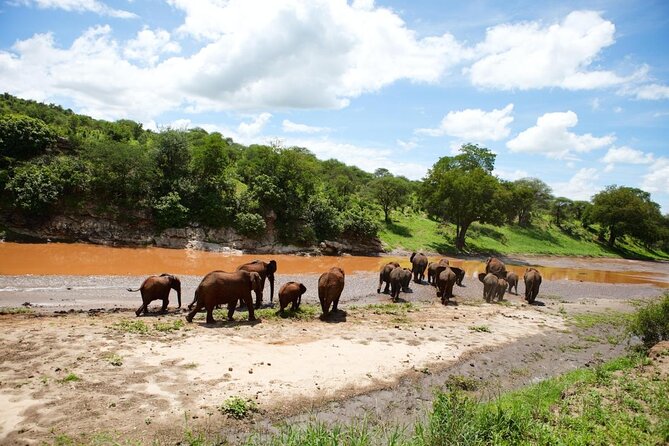
Tarangire is an excellent first stop. It is known for elephants, birdlife, and a quieter safari feel than some of Tanzania’s better-known parks. The park is slightly away from the main safari route, and that can make it feel less frantic. You might find large animals close to the vehicle, along with a good range of birds and classic dry-country scenery.
The schedule calls this an eight-hour day, but remember that much of that includes driving between Arusha, the park, and the campsite. You should not read that as eight uninterrupted hours of game viewing. The picnic lunch also means you eat outdoors during the park day rather than returning to a lodge.
Kizumba Campsite is listed as the first overnight stop on a full-board basis. The information does not describe the campsite’s exact facilities, so ask what bedding and washroom arrangements are supplied before departure. Camping is the main reason this safari reaches its price point, and it suits you best if you value time in the parks more than a polished room at night.
One point needs clarification here. Lake Manyara appears in the general description, but the schedule only places you near Manyara for dinner and sleep. If a Lake Manyara game drive matters to you, ask the operator to confirm it in writing. As written, Tarangire is the planned wildlife stop on day one.
Day 2: The long road into Serengeti
After breakfast, you leave for Serengeti with a picnic lunch. The plan combines the transfer with game drives en route, then continues toward Seronera Campsite for dinner and overnight camping.
This is one of the trip’s longest-feeling days. Serengeti is not a quick hop from Tarangire, and you will spend a substantial part of the day on the road. Still, the route has a real payoff: you begin seeing the Serengeti as you approach it, rather than arriving by air and missing the transition between parks.
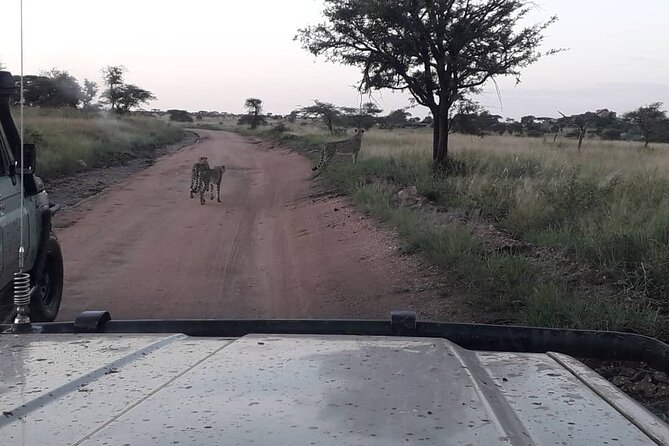
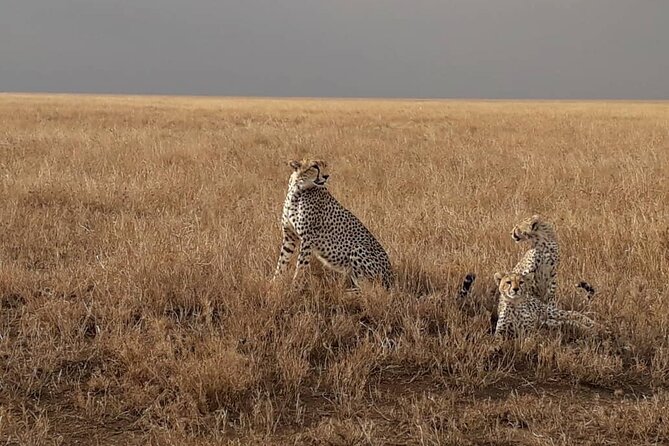
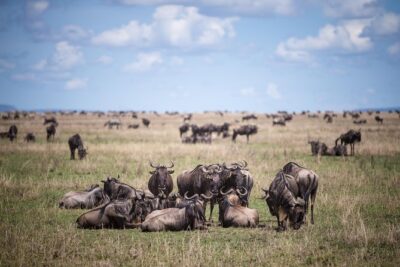
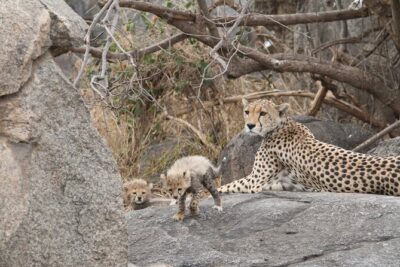
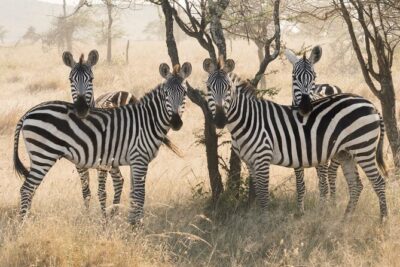
Serengeti is famous for its huge herds, predators, and the Great Migration. The exact sightings are never guaranteed, and the migration moves through different areas at different times of year. The park’s appeal is broader than migration alone. You might see lions, cheetahs, leopards, elephants, giraffes, zebras, wildebeest, warthogs, birds, and other animals during the game drives.
Several safari experiences connected with this route praised drivers for finding animals and positioning the vehicle well for photographs. Mike was singled out for his driving and animal-spotting ability, while Bakari, Ludo, Nico, and others were praised for patience and park knowledge. You may not receive a particular guide, so treat those names as useful examples rather than a promise.
The night is at Seronera Campsite. Staying in the central Serengeti area gives the itinerary a sensible base for the next day, though the value is in location and access rather than hotel-style comfort. Dinner and overnight camping follow the full-board plan.
Day 3: A full Serengeti game-drive day
Day three is the itinerary’s best use of time. You spend a full day in Serengeti, with the choice of returning to camp for a hot lunch and a rest or carrying a picnic lunch for a full-day game drive.
I like this flexibility. A hot lunch at camp gives you a break after several hours in the vehicle, while the picnic option lets you stay out longer and cover more ground. Ask your guide how the group usually handles lunch, since the best choice may depend on animal activity and where you are in the park.
The full day also gives your guide more chances to read the area. If you spend only a few hours in Serengeti, one quiet stretch can shape your whole impression. More time gives you a better chance of finding predators, herds, and smaller animals, though no guide can control wildlife or guarantee the Big Five.
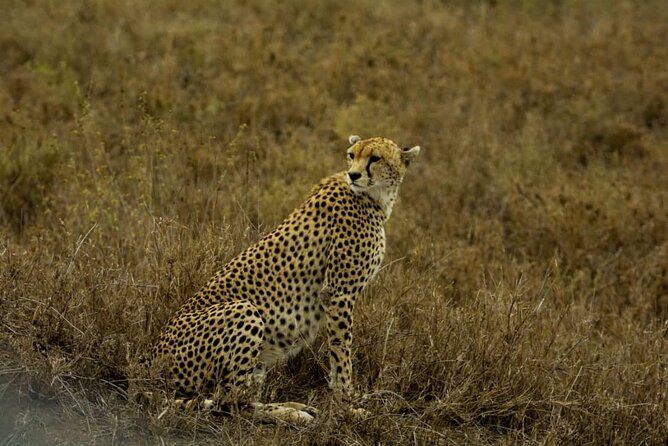
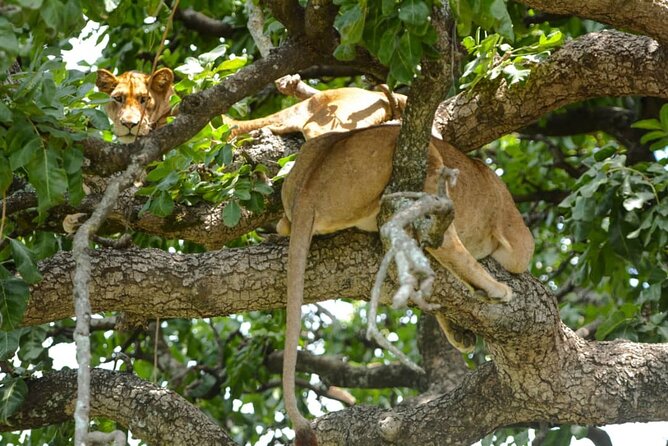
Past safari parties have reported seeing lions, cheetahs, leopards, rhinos, elephants, giraffes, zebras, flamingos, and serval cats. Some saw four of the Big Five in one day and completed the set with a black rhino at Ngorongoro. Those are memorable possibilities, not standard promises, but they show what the route can deliver when timing, habitat, and guide skill line up.
The safari vehicle matters here. A 4WD Land Cruiser is suited to rough park roads and gives you a stable viewing platform, but you will still spend hours seated and exposed to dust, sun, and jolts. Wear practical clothes, protect your camera, and bring any personal medication you need for the day.
You return to Seronera Campsite for dinner and another night. The repeated campsite is useful because it avoids packing up and moving after every game drive.
More Tarangire safaris:
- Private 6-Day Tarangire Manyara Crater and Serengeti with Mid-Range Lodges
★ 5.0 · 238 reviews - 5 Days Camping Tarangire, Serengeti & Ngorongoro crater & Visiting Maasai
★ 5.0 · 229 reviews - 4 Days Join Group tour Tarangire Serengeti and Ngorongoro crater
★ 5.0 · 219 reviews - 4-Day Safari from Arusha: Tarangire, Serengeti and Ngorongoro
★ 5.0 · 173 reviews
Day 4: From Serengeti to the crater rim
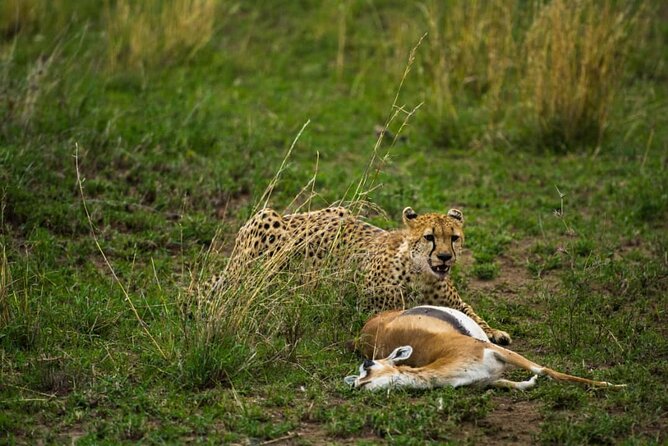
After breakfast, the plan sends you back onto Serengeti’s roads for game drives with a picnic lunch. Later, you continue to the Ngorongoro Crater rim for dinner and overnight camping at Simba Campsite.
This day combines wildlife viewing with a major transfer. You may catch animals in the morning and along the route, but you should not expect a full second day in Serengeti. The value is the chance to keep searching while making progress toward Ngorongoro.
Simba Campsite is positioned for the final day’s crater descent. The plan does not give detailed accommodation information, so it is sensible to ask about tents, sleeping mats, showers, toilets, and whether a sleeping bag is supplied. These details make a major difference on a camping safari.
The crater rim can also be cooler than the lower areas, especially in the early morning. Bring layers even if Arusha feels warm. The itinerary provides camping meals and drinks, but personal expenses such as laundry, phone calls, other drinks, tips, and gratuities are not included.
Day 5: Ngorongoro Crater and the return to Arusha
After breakfast, you descend into Ngorongoro Crater for game drives with a picnic lunch. In the late afternoon, you ascend and drive back to Arusha, ending at the original meeting point.
Ngorongoro is a powerful final act because wildlife and scenery arrive together. The crater floor creates a compact viewing area, and it is described as one of the best places in East Africa to look for the Big Five. You might see elephants, lions, rhinos, buffalo, and leopards, along with other animals and birds.
The crater is also more than an animal checklist. You get wide views from the rim, a striking sense of enclosure below, and a chance to see the Maasai presence in the wider area. A visit to a Maasai cultural village is not included, so do not assume it forms part of the standard schedule. Any such visit would be an additional activity.
This is another long day. After a morning and midday game drive, you still have the climb out of the crater and the road to Arusha. If you have an evening flight, do not book it without confirming the expected arrival time with the operator. The supplied plan only says the service ends back at the meeting point in Arusha.
Camping, meals, and the daily rhythm
The camping setup is the heart of this safari’s affordability. You spend nights at Kizumba, Seronera, and Simba campsites, with Seronera used for two nights. That reduces the number of camp changes and keeps you near the action.
Food received both strong praise and criticism in the available experiences. Some people specifically praised cooks such as Erika and Yuzzo, describing the meals as delicious and plentiful. One unhappy account described breakfast as little more than toast and jam. That contrast tells you to set realistic expectations and ask what the menu normally includes.
The package provides five breakfasts, five lunches, and four dinners, plus snacks, bottled water, coffee, and tea. Drinks outside that list are personal expenses. If you have dietary needs, tell the operator before departure rather than hoping the camp kitchen can adjust at short notice.
A soft duffle bag is required instead of a hard suitcase. The additional information also mentions a 15-kilogram limit on domestic flights, including hand luggage, although this road safari itself does not list an internal flight. Keep your passport or identification card with you if your wider Tanzania itinerary includes flying.
The guide can shape the whole safari
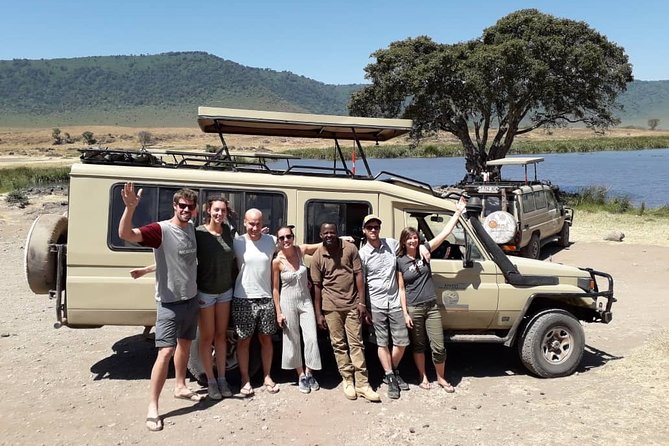
The most praised part of this experience is not the campsite or the meal plan. It is the driver-guide.
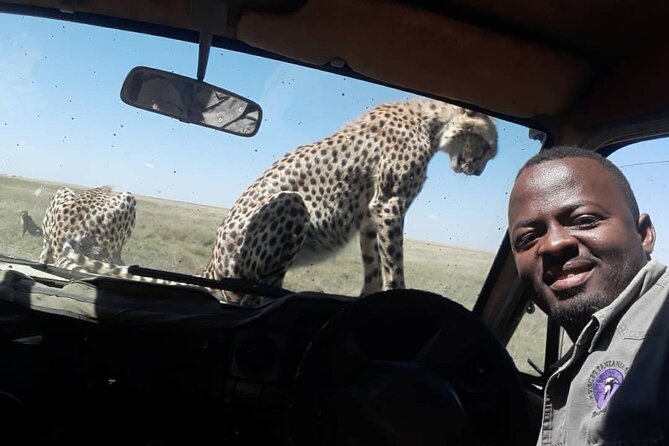
Mike received repeated praise for spotting animals, driving skill, patience, and finding good positions for photographs. Bakari was praised for being calm, friendly, and unhurried. Ludo was credited with knowing favorite animal areas, while Nico, Jonas, Zuberi, Allen, Godfrey, and Waldon also received strong personal praise.
That matters because safari guiding is not simply driving from one park gate to another. Your guide decides how long to watch an animal, which road to take, when to move on, and how to balance the wishes of different people in the vehicle. Good communication can turn a quiet morning into a rewarding one.
You may be able to request a guide, but no such option is promised in the supplied information. Ask before booking if a particular guide is important to you. Also ask how many people will share the vehicle. The title presents this as a group joining safari, while the additional information calls it a private activity for only your group. That wording is too important to ignore.
Some past parties had changing group sizes across different days, while others said they did not need to change vehicles. That suggests arrangements can vary. Confirm the vehicle plan, group size, and whether you will remain with the same guide for all five days.
Who should choose this safari?
I would recommend it to you if you want the classic Northern Tanzania route at a lower cost and are comfortable with basic camping. It suits people who care more about wildlife time, a capable driver, and access to famous parks than about private bathrooms or leisurely mornings.
It can also work well for first-time safari visitors. You get Tarangire’s elephants and birds, Serengeti’s predators and open plains, and Ngorongoro’s concentrated wildlife viewing in one trip. The schedule is easy to understand, and most of the essential safari costs are included.
I would hesitate if you need a slow pace, guaranteed private travel, or high-end accommodation. Five days is enough for a strong introduction, but the driving is substantial. I would also think twice if Lake Manyara is a must-see, unless the operator confirms an actual park visit rather than only a nearby overnight stop.
Bring light layers, sun protection, practical shoes, a soft bag, and patience. Pack your camera carefully, keep valuables close, and expect the road to be part of the experience rather than dead time.
Should you book it?
This is a good-value safari for a determined budget. The route is ambitious, but it includes the places most people hope to see in Northern Tanzania, and the guide reports are generally strongest where they matter most: animal spotting, driving, patience, and photography opportunities.
Before booking, get four points confirmed: the exact group size, the identity or availability of your guide, the camping equipment supplied, and whether Lake Manyara is actually included. If those answers suit you, the $1,120 price offers a solid way to reach Tarangire, Serengeti, and Ngorongoro without paying for lodge luxury.
FAQ
Where does the safari start?
It starts in Arusha, Tanzania, with pickup at the meeting point from 8:30 a.m.
Where does the safari finish?
The safari ends back at the Arusha meeting point after the drive from Ngorongoro Crater.
How long is the experience?
The safari lasts approximately five days.
Which parks are included in the itinerary?
The day-by-day plan includes Tarangire National Park, Serengeti National Park, and Ngorongoro Crater.
Is Lake Manyara included?
Lake Manyara is named in the general description, but the daily schedule does not include a game drive there. The first overnight stop is at Kizumba Campsite near Manyara, so confirm this detail before booking.
Is accommodation included?
Yes. Accommodation is included according to the itinerary, with camping planned at Kizumba Campsite, Seronera Campsite, and Simba Campsite.
What meals are included?
The package includes five breakfasts, five lunches, and four dinners. Snacks, bottled water, coffee, and tea are also included.
What should I bring for luggage?
You should bring a duffle bag rather than a suitcase. If domestic flights are part of your wider Tanzania trip, baggage is limited to 15 kilograms per person, including hand luggage.
Can I cancel for a full refund?
Yes. You can cancel at least 24 hours before the local start time for a full refund. Cancellations or changes made less than 24 hours before the start are not accepted for a refund.
Just added in Arusha
- Safari “Kifaru” – 5 days in the most famous Parks in the world★ 5.0 · 4 reviews
- 3 Days Tanzania Short and Spicy★ 5.0 · 6 reviews
- 5 Day Tanzania Safari Camping Adventure Private Tour★ 5.0 · 2 reviews
- Saadani Day Trip★ 5.0 · 13 reviews
- Day Trip to Ngorongoro Crater from Arusha★ 5.0 · 1 review
- SERENGETI NATIONAL PARK Tour★ 4.5 · 5 reviews
- 3 Days Serengeti Park & Ngorongoro Crater Adventure Safari★ 5.0 · 8 reviews
- 6 Days Tanzania Bush Experience Safari★ 5.0 · 6 reviews
Serengeti & Ngorongoro Safaris, compared.
Serengeti Balloon Safari and authentic bush breakfast
Read our review →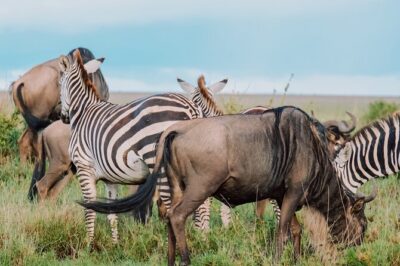
Balloon Safari & Bush Breakfast in Serengeti – Miracle Experience
Read our review →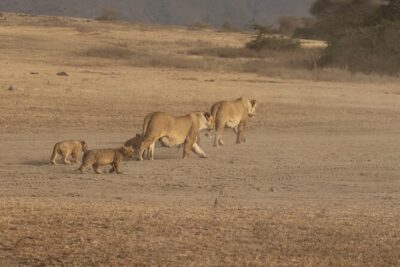
3 Days Serengeti & Ngorongoro Group Camping Safari
Read our review →
5-Day Highlights mid-Range Crater, Serengeti, Tarangire
Read our review →
Private 6-Day Tarangire Manyara Crater and Serengeti with Mid-Range Lodges
Read our review →
5 Days Camping Tarangire, Serengeti & Ngorongoro crater & Visiting Maasai
Read our review →Browse the lists this tour appears in