
Reviewed · SERENGETI & NGORONGORO SAFARIS
5 Days Tanzania Safari- Tarangire Np, Serengeti Np and Ngorongoro Crater
Africa rewards the early riser. This five-day safari gives you a private vehicle, a dedicated driver-guide, and access to Tanzania’s most famous wildlife country, including Serengeti National Park and Ngorongoro Crater. I like the small group limit of six and the chance to spend long hours watching animals rather than rushing between short photo stops. I also like the combination of a hotel in Arusha or Moshi and comfortable safari tented camps.
The main concern is the pace. Serengeti requires a long drive, and the published daily plan does not clearly show a separate Tarangire or Lake Manyara visit, despite describing both as part of the trip. I would confirm the exact route before paying, especially if those two parks are central to your plans.
In This Review
- The safari in six useful points
- What this five-day route is really offering
- Day 1: Arusha gives you a soft landing
- Day 2: The long road to Serengeti
- Day 3: A full Serengeti day with migration possibilities
- Day 4: One last Serengeti drive, then Ngorongoro
- Day 5: Ngorongoro Crater before departure
- Comfort camps, meals and the daily rhythm
- Is $2,388.47 per person fair value?
- Who will enjoy this safari most?
- Should you book it?
- FAQ
- Where does the safari begin?
- How long does the experience last?
- What is the price?
- Is pickup available?
- How many people can join the tour?
- Is the vehicle private?
- Which national parks are named in the trip description?
- Are meals included?
- Are flights and guide tips included?
- What is the cancellation policy?
- When is the experience available?
The safari in six useful points
- Private vehicle: You travel with your own vehicle and driver-guide rather than joining a large coach group.
- Maximum six people: The small group size should make wildlife viewing and daily timing easier.
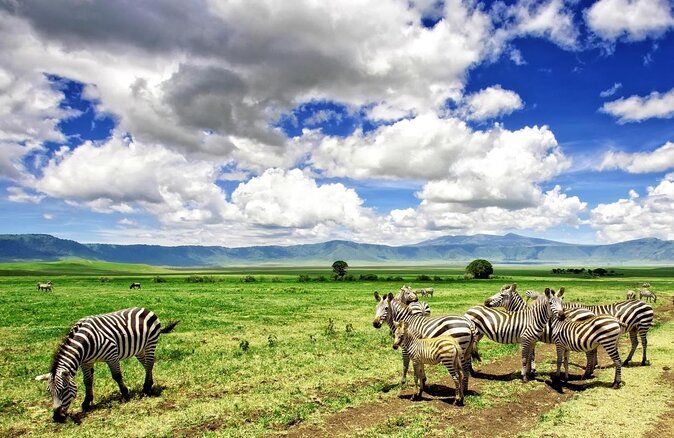
- Serengeti focus: Two days are devoted largely to Serengeti game drives, with a chance of seeing the Great Migration at the right time of year.
- Ngorongoro finale: The final morning visits a crater floor with permanent water and a large resident animal population.
- Comfort camping: Accommodation combines a hotel with safari tented camps in the comfort category.
- Price and exclusions: The listed cost is $2,388.47 per person, with meals included but flights, personal expenses and guide tips extra.
What this five-day route is really offering
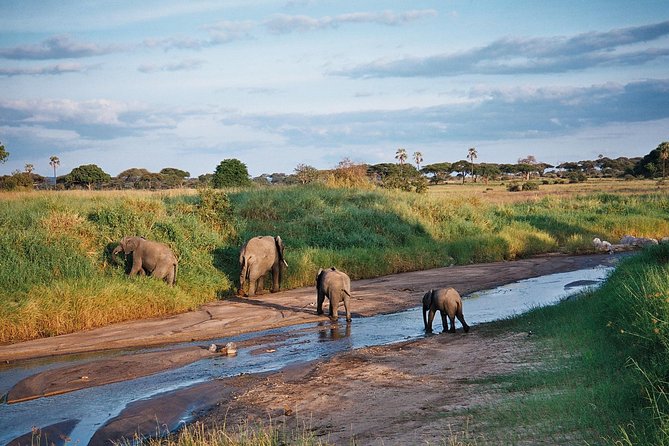
This is a classic northern Tanzania safari built around big scenery and large mammals. You begin near Arusha, travel toward the Serengeti, spend substantial time on game drives, then finish at Ngorongoro Crater before departure.
The strongest feature is the private setup. Your driver-guide is not simply moving you from one camp to another. The guide helps spot animals, explains their habits, and adjusts the day around wildlife opportunities. That matters in a place where a lion may be visible for only a few minutes, or where a distant herd needs patience and a sharp pair of eyes.
The route also gives you a useful contrast. Serengeti is huge and open, with changing light and far-reaching plains. Ngorongoro is enclosed by a volcanic caldera, with grassland, forest and swamp packed into a smaller area. You get both the feeling of endless Africa and the concentrated wildlife of a crater.
Still, five days is short for four named parks. The description includes Tarangire, Lake Manyara, Serengeti and Ngorongoro, but the detailed day-by-day schedule names Arusha, Serengeti and Ngorongoro, plus a Masai central market. Ask for a written itinerary showing where Tarangire and Manyara fit. A clear answer is especially important because long drives can turn an ambitious route into a tiring one.
More Serengeti and Ngorongoro safaris:
- Balloon Safari & Bush Breakfast in Serengeti – Miracle Experience
★ 5.0 · 1,646 reviews - 3 Days Serengeti & Ngorongoro Group Camping Safari
★ 5.0 · 574 reviews - 5-Day Highlights mid-Range Crater, Serengeti, Tarangire
★ 5.0 · 296 reviews
Day 1: Arusha gives you a soft landing
Your arrival at Kilimanjaro International Airport begins with a welcome from a driver-guide, followed by transfer to your chosen hotel in Arusha. The stated activity time is about eight hours, though much of that day is arrival assistance and orientation rather than a full wildlife excursion.
Arusha sits at roughly 1,400 metres above sea level. That height helps keep temperatures and humidity lower than in many other parts of Tanzania. Mount Meru rises above the city, and on a clear day you may also see distant Kilimanjaro.
I like having this first night built into the plan. After a long international flight, you can get settled, meet the person who will be with you on safari, and learn how the next few days will work. It is a more sensible start than landing and immediately attempting a full game drive.
The city is also described as Tanzania’s safari capital, so it serves as a practical base for the northern circuit. Do not expect the first day to deliver the main animal sightings. Its value is preparation, rest and a first look at the region.
Past feedback gives particular praise to guides called Freddy and David. Freddy was described as helping create a friendly, family-like atmosphere, while David was praised for his humour, energy and strong understanding of safari. Guide quality can shape the whole trip, so you may wish to ask who is assigned to your departure.
Day 2: The long road to Serengeti
After breakfast, you collect packed lunches and set off toward Serengeti National Park. This is the day when distance becomes part of the safari experience. The journey is long, but the reward is the gradual change from town and cultivated areas to enormous open plains.
Serengeti is Tanzania’s oldest and best-known national park, as well as a UNESCO World Heritage Site. The afternoon game drive begins after arrival, giving you a first look at the park’s wildlife and the soft, changing light that makes late-day viewing so appealing.
The drive itself is worth understanding before you book. This is not a compact park reached by a quick transfer. You will spend many hours on the road, with a packed lunch rather than a restaurant stop. If you enjoy watching the country change outside your window, that journey adds context. If you want constant animal action, Day 2 may feel demanding.
The private vehicle helps here. You can stop when the guide spots something worthwhile and ask questions without competing with a large group. The maximum of six people also gives everyone a better chance at a window seat and a clear view.
The guide’s role is particularly important on this afternoon. Serengeti has vast open spaces, so animals may be spread out. A good guide can help you notice movement, tracks and distant shapes that are easy to miss when you are seeing the park for the first time.
Day 3: A full Serengeti day with migration possibilities
Day 3 is the safari’s main wildlife day. After breakfast, you spend the day on a Serengeti game drive, stopping at a picnic site for lunch. The schedule allows about ten hours, making this the longest and most rewarding day for anyone who wants time in the park.
The itinerary refers to the Serengeti Hippo Pool, adding a water-based wildlife stop to the search for big cats, elephants, buffalo and other animals. The wider park is also home to large numbers of herbivores and predators, so the day can bring a varied set of sightings rather than a single target animal.
The Great Migration may be possible, but timing matters. In October and November, wildebeest, zebras and Thomson’s gazelles typically move from Kenya’s Masai Mara through the northwest Serengeti toward the southern plains. After the main rains in April, May and June, the herds gradually travel back through the western and northwestern Serengeti.
Rainfall does not follow a perfect calendar, so no responsible operator can promise a particular herd location. You may see huge groups of animals, or you may spend more time with resident wildlife and the park’s scenery. That uncertainty is part of a real safari, but it is worth keeping in mind if migration is your main reason for booking.
A full day also means you should be ready for basic conditions. Lunch is taken at a picnic spot, and the day is built around game viewing rather than comfort breaks or a fixed urban schedule. The payoff is time. You are not forced to leave just as the animals become active.
More Tarangire safaris:
- Private 6-Day Tarangire Manyara Crater and Serengeti with Mid-Range Lodges
★ 5.0 · 238 reviews - 5 Days Camping Tarangire, Serengeti & Ngorongoro crater & Visiting Maasai
★ 5.0 · 229 reviews - 4 Days Join Group tour Tarangire Serengeti and Ngorongoro crater
★ 5.0 · 219 reviews - 4-Day Safari from Arusha: Tarangire, Serengeti and Ngorongoro
★ 5.0 · 173 reviews
Day 4: One last Serengeti drive, then Ngorongoro
Day 4 begins with an 8:00 a.m. morning game drive in Serengeti before the journey to Ngorongoro. This is a good arrangement because it gives you another chance to see animals in the park rather than treating Serengeti as a single overnight stop.
Morning light can change the feel of the plains. You might see different animal behaviour than during the previous afternoon, and the guide can use the day’s conditions to decide where to search. The plan then continues toward Ngorongoro, with a picnic lunch along the way.
Ngorongoro is one of Africa’s most recognizable settings. The crater is a huge volcanic caldera, with grassland, forest and swamp spread across the floor. Its permanent water supports a resident population of more than 25,000 large mammals, so it offers a strong chance of seeing several species in one concentrated area.
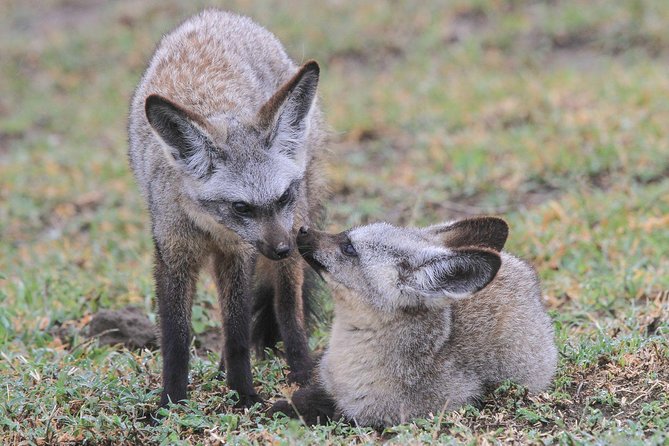
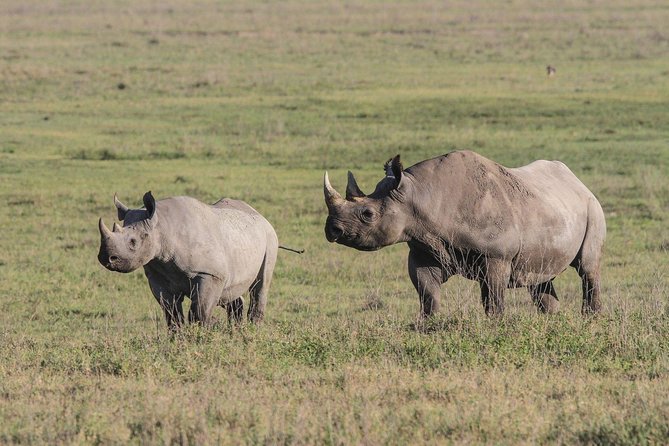
The transition from Serengeti to Ngorongoro is also a change in style. Serengeti gives you distance and open horizons. Ngorongoro gives you a contained natural arena where animals gather around water and grazing areas. You may see elephant, lion, leopard, hyena, jackal, hippo, waterbuck and baboons. The rare black rhino is also found in the crater.
This day is still busy. You have a morning drive, a picnic, a long transfer and a change of accommodation. If you prefer a slow holiday, five days may feel compressed. If you want several headline parks in a single trip, the tight schedule is part of the bargain.
Day 5: Ngorongoro Crater before departure
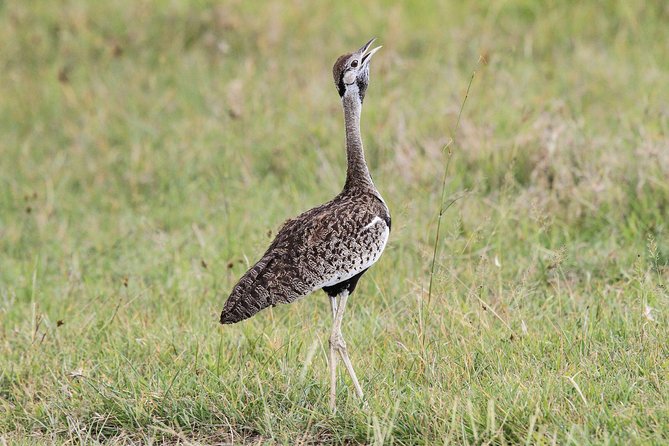
The final morning begins with an early game drive in Ngorongoro Crater. That early start is worthwhile because the crater floor is the central wildlife experience of the trip, not merely a scenic viewpoint.
The crater’s permanent water and enclosed setting support animals throughout the year. You may find elephants, lions, leopards, hyenas, jackals, hippos, waterbuck and baboons in the same broad area. The rare black rhino is another possible sighting, though no wildlife encounter is guaranteed.
The crater is especially effective as a final stop because it gives you a concentrated farewell. After several days of long plains and extended drives, you finish in a setting where the scenery and animal viewing are both easy to appreciate within a shorter morning outing.
The schedule allows about five hours for this final stop and also includes a visit to a Masai central market. That adds a human and cultural element after several days focused on wildlife. The information provided does not give a detailed description of the market, so you should ask how long the visit lasts and whether it takes place before your airport or hotel transfer.
Comfort camps, meals and the daily rhythm
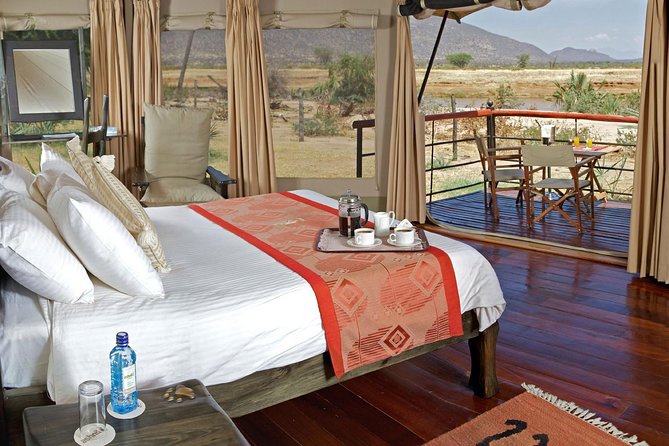
Accommodation is described as comfort category, combining a hotel in Moshi or Arusha with safari tented camps in Tarangire, Manyara, Serengeti and Ngorongoro. The detailed schedule does not identify the camp names, so you should request them before booking if location, room style or facilities matter to you.
Safari tented camps can offer a closer connection to the setting than a standard city hotel. At the same time, the word comfort does not tell you every detail. Ask what kind of bathroom facilities, power supply and dining arrangements are provided. Those questions are practical, not fussy, because camp standards vary widely.
Four breakfasts, four lunches and four dinners are included. Packed lunches are specifically used on the long park days, including the journey to Serengeti and the full-day game drive. You will still need money for personal items, flights and tips for the guides.
The meal plan covers the main food during the five-day schedule, but not every expense. Carry a budget for drinks, souvenirs and gratuities. Tips for the guide are excluded, so ask the operator what amount is customary for the service you receive.
Is $2,388.47 per person fair value?
At $2,388.47 per person, this is not a budget safari. Its value comes from the private vehicle, small group limit, driver-guide, park access, accommodation and included meals. For a first Tanzania safari, having one operator coordinate the route can be worth paying for, especially when you want Serengeti and Ngorongoro in the same short trip.
The cost looks stronger if you are sharing the vehicle with several companions. A maximum of six gives you a more personal setup than a large group, without requiring the cost of a completely individual departure.
The value is less clear if Tarangire and Lake Manyara are promised but not actually included in your confirmed schedule. Four major parks in five days sounds attractive, but it can also mean long drives and brief visits. Before you commit, ask for three things in writing: the exact parks visited, the names or locations of the camps, and the total number of nights in each place.
Flights are not included, and neither are tips or personal items. Those extras can change the final budget. Free cancellation is offered up to 24 hours before the experience starts, while cancellations within 24 hours are not refunded. Make sure your plans are firm before that deadline.
Who will enjoy this safari most?
I would recommend this trip to a first-time safari visitor who wants the major northern Tanzania names in a short period. It suits you if you value a private vehicle, long game drives and a guide who can explain what you are seeing.
It also works well for couples, families and small groups of friends who prefer to share one vehicle. The limit of six is useful for photography and for keeping the daily routine flexible.
This may not suit you if you dislike long drives, want a relaxed camp-based holiday, or need a guaranteed migration sighting. It may also disappoint you if Tarangire and Lake Manyara are essential and the operator cannot clearly explain how they fit into the five-day route.
The strongest praise connected with this experience focuses on the guides and the care they provide. Freddy and David are the names most worth asking about, while Carlos is also associated with friendly help around Arusha. You should not assume a particular guide will be assigned, but it is reasonable to ask.
Should you book it?
Book this safari if your priority is a private, wildlife-heavy introduction to Serengeti and Ngorongoro, with comfort camping and meals included. The small group format, long Serengeti day and early crater drive give you a good chance to see Tanzania at its best.
Hold off until the route is clarified if you specifically want Tarangire and Lake Manyara. The price can be good value for a private six-person vehicle, but only when the parks, camps and daily driving plan match what you expect.
FAQ
Where does the safari begin?
The safari begins with pickup at Kilimanjaro International Airport, followed by transfer to Arusha and your selected hotel. It is associated with Arusha, Tanzania, and the overview also refers to starting in Moshi or Arusha.
How long does the experience last?
The safari lasts approximately five days.
What is the price?
The listed price is $2,388.47 per person.
Is pickup available?
Yes. Pickup is offered, including a welcome and transfer from Kilimanjaro International Airport.
How many people can join the tour?
The tour has a maximum of six travelers.
Is the vehicle private?
Yes. The safari includes your own private vehicle and a dedicated driver-guide.
Which national parks are named in the trip description?
The description names Tarangire National Park, Lake Manyara, Serengeti National Park and Ngorongoro Crater. The detailed daily schedule specifically describes Serengeti and Ngorongoro, so confirm the exact route before booking.
Are meals included?
Four breakfasts, four lunches and four dinners are included.
Are flights and guide tips included?
No. Flights, personal items and tips for the guides are not included.
What is the cancellation policy?
You can cancel up to 24 hours before the experience starts for a full refund. Cancellations or changes made within 24 hours are not accepted for a refund.
When is the experience available?
The stated operating period runs from July 23, 2019, through June 18, 2026. Hours are listed as Monday through Sunday, 7:00 a.m. to 6:30 p.m.
Just added in Arusha
- Safari “Kifaru” – 5 days in the most famous Parks in the world★ 5.0 · 4 reviews
- Saadani Day Trip★ 5.0 · 13 reviews
- 3 Days Tanzania Short and Spicy★ 5.0 · 6 reviews
- 5 Day Tanzania Safari Camping Adventure Private Tour★ 5.0 · 2 reviews
- Day Trip to Ngorongoro Crater from Arusha★ 5.0 · 1 review
- SERENGETI NATIONAL PARK Tour★ 4.5 · 5 reviews
- 3 Days Serengeti Park & Ngorongoro Crater Adventure Safari★ 5.0 · 8 reviews
- 6 Days Tanzania Bush Experience Safari★ 5.0 · 6 reviews
Serengeti & Ngorongoro Safaris, compared.
Serengeti Balloon Safari and authentic bush breakfast
Read our review →
Balloon Safari & Bush Breakfast in Serengeti – Miracle Experience
Read our review →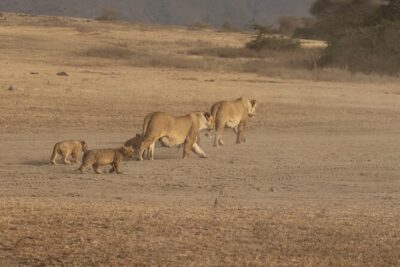
3 Days Serengeti & Ngorongoro Group Camping Safari
Read our review →
5-Day Highlights mid-Range Crater, Serengeti, Tarangire
Read our review →
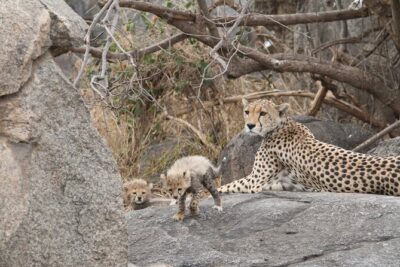
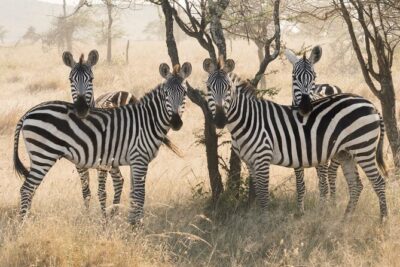
Private 6-Day Tarangire Manyara Crater and Serengeti with Mid-Range Lodges
Read our review →
5 Days Camping Tarangire, Serengeti & Ngorongoro crater & Visiting Maasai
Read our review →Browse the lists this tour appears in