
Reviewed · WILDLIFE
5 Days Tanzania Wildlife Safari Private Tour
Wildlife begins near Arusha. This five-day private safari links Arusha National Park, Lake Manyara, Ngorongoro, and Tarangire, giving you a varied look at northern Tanzania without sharing the vehicle with strangers. I especially like the mix of habitats, from cloud forest and crater floor to open plains, and the freedom to shape the trip around your interests.
The strongest part is the private guiding. Guides such as Emanuel, Phillip, Eli, Pendaeli, and driver-guide Emanuel are praised for their timing, good humor, animal knowledge, and care. I also like that meals, private transport, parking, and most basic trip arrangements are covered. The main caution is the price: at $3,800 per person, you should confirm exactly which accommodations are included before paying, since they are not clearly listed in the supplied details.
In This Review
- Key points to know before booking
- What this five-day safari really includes
- Day 1: Arusha National Park and Mount Meru country
- Day 2: Lake Manyara’s forest and Rift Valley views
- Day 3: Descending into Ngorongoro Crater
- Day 4: Elephants and baobabs in Tarangire
- Day 5: A simple finish in Arusha
- Why the private guide matters here
- Meals, fitness, and daily comfort
- Is $3,800 per person fair?
- Who should book this safari?
- FAQ
- Where does the safari start?
- Where does the safari end?
- Is pickup offered?
- Is this a private tour?
- What parks are included?
- Is short trekking included?
- What meals are included?
- Are alcoholic drinks included?
- Can the tour be canceled because of weather?
- Should you book it?
Key points to know before booking
- Arusha National Park begins the safari with forest, Mount Meru views, giraffes, colobus monkeys, and optional short trekking.
- Lake Manyara brings groundwater forest, baboon troops, elephants, hippos, birds, and Rift Valley views into one game-drive day.
- Ngorongoro Crater offers one of Tanzania’s most concentrated wildlife settings inside a huge volcanic caldera.
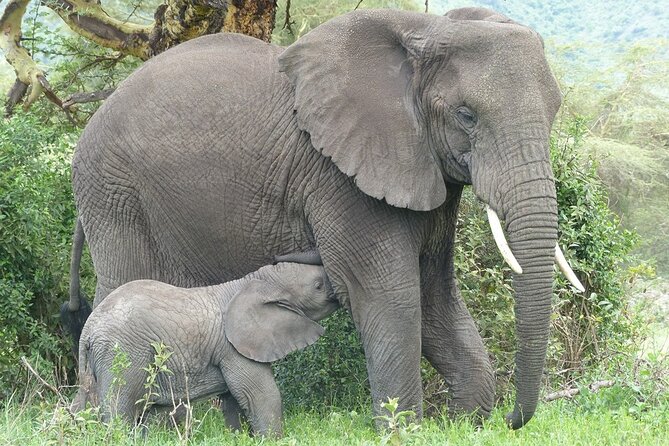
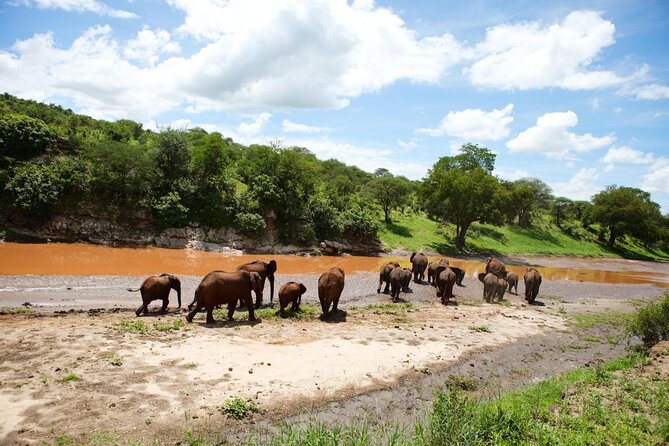
- Tarangire is especially strong for elephant sightings, baobabs, birdlife, and unusual species such as gerenuk and fringe-eared oryx.
- The private vehicle lets you travel at your own pace and adjust the experience to your interests.
- The fifth day is only a three-hour Arusha period with no planned sightseeing, so the safari itself is effectively four active park days.
What this five-day safari really includes
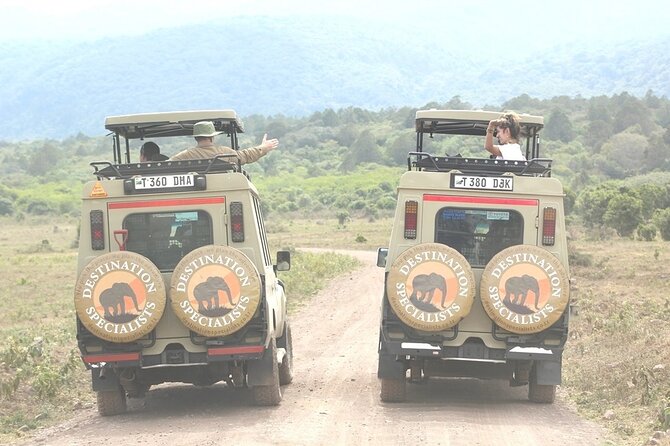
This is a private northern Tanzania circuit based in Arusha. You meet at Arusha Coffee Lodge by Elewana on Old Dodoma Road, at the Burka Coffee Estate, then travel by private vehicle with your own guide and group.
The program covers four major natural areas in four days. Day five is a short Arusha finish, with breakfast followed by your own arrangements. That makes the trip easy to fit around a later flight or another activity, but it also means you should not count the final day as a full sightseeing day.
The stated price is $3,800 per person. That is a serious cost, yet private safaris can offer real value when you want control over the pace, direct access to a guide, and a vehicle reserved for your party. Meals are included as four breakfasts, four lunches, and three dinners, along with coffee or tea, private transportation, and parking fees.
Accommodation is not specified in the supplied information. This is the detail I would clarify first. Ask for the names and standards of each night’s lodging, and confirm whether park fees, drinks, transfers, and guide gratuities are covered. Alcoholic drinks are not included.
More wildlife trips in Arusha:
- Tanzania Wildlife Encounters – 6 Days
★ 5.0 · 277 reviews - 6 Day Tanzania Wildlife Mid range Safari
★ 5.0 · 54 reviews - 5 Days 4 Nights Tarangire, Serengeti , Ngorongoro & Manyara Wildlife Safari
★ 5.0 · 40 reviews
Day 1: Arusha National Park and Mount Meru country
Your first day starts with a hotel meeting and a safari briefing. You collect a packed lunch before driving to Arusha National Park, which covers about 322 square kilometers.
This is a smart opening day because the park gives you several kinds of Tanzania in one compact area. You can pass through open savannah, acacia scrub, tropical forest, cloud forest, and high-altitude vegetation. The scenery changes quickly, so your camera will get plenty of work even between animal sightings.
The park is known for black and white colobus monkeys, blue monkeys, giraffes, buffalo, flamingos, and many other birds. Lake Momella is a key stop for birdwatching, with flamingos and other species around the water. Large forest trees, including giant figs, add a shaded, almost enclosed feel that differs sharply from the open grassland you will see later.
I like this day for its variety. You are not simply checking off one large mammal after another. You are learning how altitude, water, and forest cover shape animal life. The forest can also reward patience, since shy birds and small antelope may be easier to notice when the vehicle slows down.
Short trekking is permitted under guidance for an additional $35 per person. This is not included, and it is one of the few parts of the trip that lets you leave the vehicle for a closer look at the park environment. If you want to add it, confirm the timing and physical requirements during the briefing.
A useful note: the park’s views toward Mount Meru were a highlight for one couple, so keep your eyes up as well as on the roadside. Clouds can affect visibility, but when the mountain is clear, it adds a memorable backdrop to the first day.
Day 2: Lake Manyara’s forest and Rift Valley views
After breakfast, you collect another packed lunch and drive to Lake Manyara National Park. The park is famous for its lake, which covers roughly two-thirds of the area, but the first part of the drive inside the gate is often just as interesting.
The road passes through groundwater forest, a lush zone where baboon troops may lounge near the roadside. This creates an easy introduction to game viewing. You do not need to wait for a distant plain to find wildlife, since monkeys and baboons may be close to the road.
Further on, the park opens toward grassy areas and the Great Rift Valley escarpment. Keep watch for elephants, gazelles, hippos, antelopes, monkeys, buffalo, wildebeests, zebras, giraffes, and many birds. More than 400 bird species have been recorded in the park, making it a good day for anyone who enjoys smaller sightings as much as large animals.
The combination of forest, lake, grassland, and escarpment gives Lake Manyara a strong visual rhythm. One moment you are in shade beneath thick trees; later you may be looking across open ground toward the Rift Valley wall.
The tradeoff is that a lake park can feel different depending on water levels, weather, and animal movement. No safari can guarantee a particular species, and the supplied details do not promise a specific route or sighting. Your guide’s ability to read conditions matters here. The company places strong emphasis on skilled drivers who understand animal behavior and know where to look at different times of day.
You will have a game drive at your own pace, according to the program. In a private vehicle, that flexibility matters. You can spend longer with elephants or birds instead of being pushed along by a large group with different priorities.
Day 3: Descending into Ngorongoro Crater
Day three takes you to the Ngorongoro Conservation Area for a crater tour. The area is a UNESCO World Heritage site, and the crater itself is one of the most dramatic settings in the region.
The caldera covers about 260 square kilometers and formed when a large volcanic cone collapsed. Today, the crater floor supports more than 20,000 large grazing mammals and a major concentration of predators. The route descends about 2,000 feet, or more than 600 meters, into the crater.
That descent is part of the experience. You move from the high rim toward a contained world of forest, water, grazing land, and wildlife. The Lerai forest is associated with monkeys and large elephant families. Near the lake area, you may find flamingos and other water birds. The crater also offers the possibility of seeing predators, though exact sightings always depend on the day.
Ngorongoro is likely to be the most intense wildlife day of the trip. Animals are easier to spot in an enclosed area than across a huge open park, and the crater’s varied habitats bring many species into one setting. It is also the day when the number of vehicles and the rhythm of the visit may matter most, so your private guide’s judgment can help you spend your time well.
The drawback is the long, full day nature of the visit. The supplied schedule gives eight hours for the stop, including the drive and crater tour. You should be ready for a demanding day with changing elevation and extended time in the vehicle. The program calls for a packed lunch, so do not expect a leisurely restaurant meal in the middle of the crater visit.
A few more options to weigh up in Arusha
- Balloon Safari & Bush Breakfast in Serengeti – Miracle Experience
★ 5.0 · 1,646 reviews - Tanzania Classic – 7 Days
★ 5.0 · 1,151 reviews - 4 Days Group Camping Safari
★ 5.0 · 1,101 reviews - 5 Days Group Camping Safari
★ 5.0 · 730 reviews
Day 4: Elephants and baobabs in Tarangire
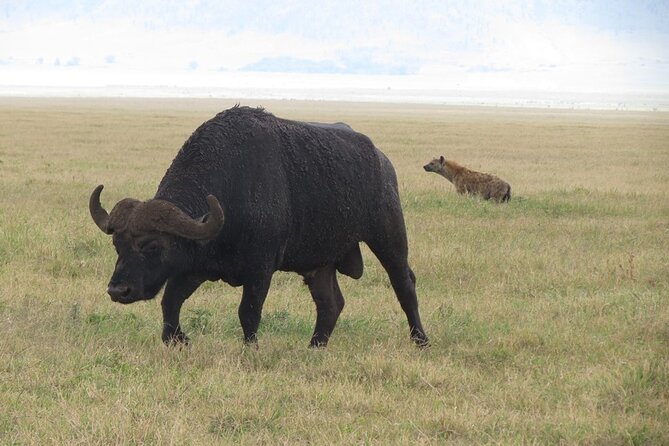
After breakfast, you head to Tarangire National Park for game viewing, with a packed lunch served at a picnic site inside the park. Later in the afternoon, you drive back to Arusha.
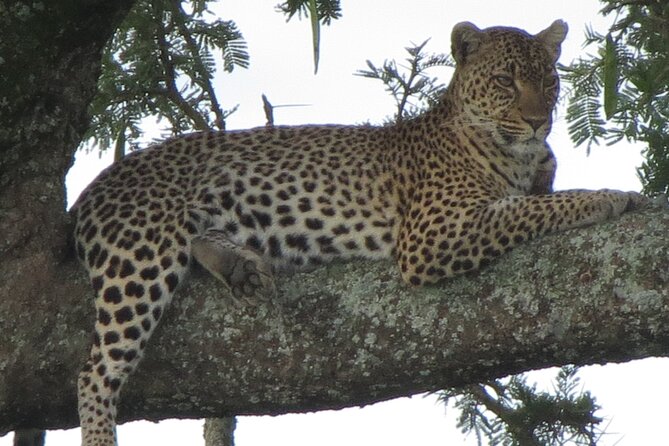
Tarangire has a different character from Lake Manyara and Ngorongoro. Ancient baobabs shape the view, and the park is especially noted for elephants that can be seen throughout the year. You may also encounter lion, zebra, leopard, waterbuck, wildebeest, buffalo, giraffe, eland, lesser kudu, fringe-eared oryx, and gerenuk.
The bird list is another reason to take this day seriously. More than 500 species have been recorded, so you are not limited to the usual safari checklist. A guide who can identify calls and smaller movements will add a great deal here.
Tarangire is also a good place to compare animal behavior across habitats. Elephants, giraffes, and antelope do not look the same against giant baobabs as they do beside a crater lake or forest edge. The park’s unusual species, especially gerenuk and fringe-eared oryx, give the day extra appeal for repeat safari visitors.
The main limitation is the return drive to Arusha after the game drive. The day may feel packed, especially after several early starts. Still, ending with Tarangire gives you a final chance for major wildlife sightings before the short Arusha finish.
Day 5: A simple finish in Arusha
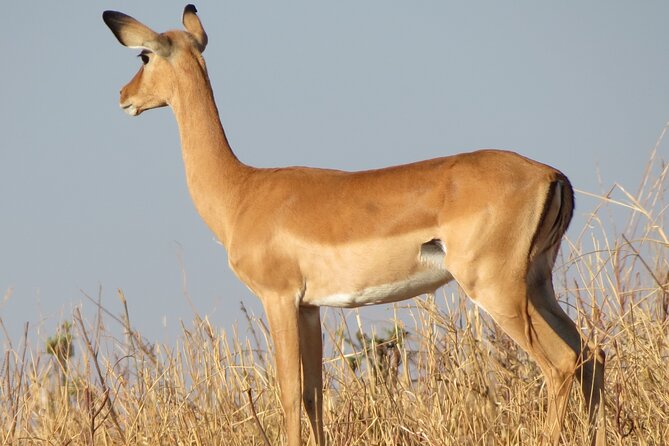
The final day includes breakfast and about three hours in Arusha before you continue with your own arrangements. No sightseeing stop is specified.
This works well if you have a later departure, a flight, or another prearranged plan. It is less useful if you expected a final guided city tour or another wildlife activity. I would treat day five as a departure day, not as another safari day.
The meeting point and end point are the same, Arusha Coffee Lodge by Elewana. Pickup is offered, but confirm the exact pickup plan when booking, especially if you are staying somewhere other than the stated starting point.
Why the private guide matters here
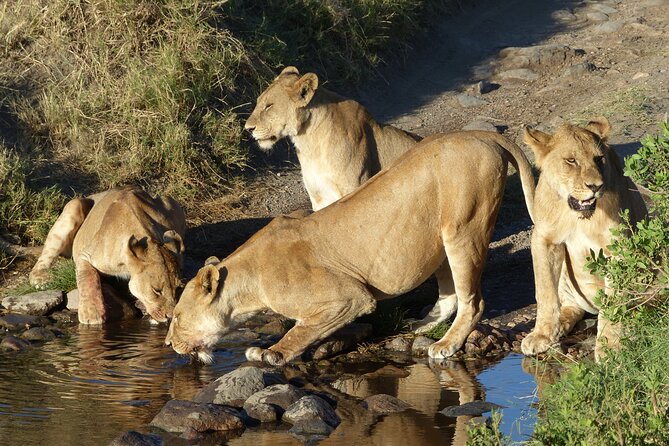
A private safari is only as good as the person reading the park. The company emphasizes guides with years of experience and a strong understanding of animal behavior, timing, and viewing areas.
Specific guides named in the supplied material include Pendaeli, Emanuel, Phillip, and Eli. Pendaeli and Emanuel were praised for being kind, fun, and thorough. Phillip was singled out for his explanations and ability to make the safari memorable. Eli was described as approachable and down to earth, qualities that matter when you will spend long hours together in a vehicle.
The best benefit of a private guide is not simply having a person point out animals. It is being able to ask questions, stop when something interests you, and adjust the day around your group. If you care most about birds, photography, elephants, or scenery, tell the company before departure. The trip is specifically described as customizable.
Meals, fitness, and daily comfort
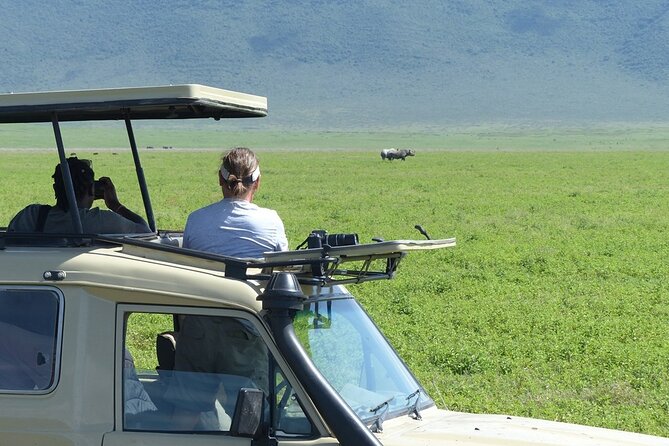
Breakfast, lunch, and dinner are included on the stated schedule, with packed lunches used during park days. Coffee and tea are included as well.
Packed meals are practical because they keep you inside the parks during valuable viewing time. They are less appealing if you prefer long sit-down meals, but a safari day is usually built around being out where the animals are.
You should have a moderate level of physical fitness. Most of the experience is vehicle based, but the optional short trek adds walking. Ask about the trek before booking if you have concerns about uneven ground or stamina.
Alcoholic beverages cost extra and are not included. Alcohol is not allowed for anyone under 18. The trip is also dependent on suitable weather. If poor weather forces cancellation, you are offered another date or a full refund. If the minimum number needed to operate is not met, you are offered another date, another experience, or a full refund.
The standard cancellation policy is strict: the booking is non-refundable and cannot be changed for any reason. That makes travel insurance and careful date planning sensible.
Is $3,800 per person fair?
The price can make sense if you place a high value on privacy and a guide focused only on your group. You are covering four important wildlife areas, private transportation, meals, parking, and a flexible approach to the route.
The price is harder to judge because the accommodation details are missing. Lodging can make a major difference in the value of a safari. Before booking, request a day-by-day cost breakdown and ask if park entry fees, crater fees, airport transfers, and all overnight stays are included.
The strong operational praise attached to guides and organization is encouraging. People who traveled with the company described smooth arrangements, good meals, strong accommodation choices, and guides who handled the trip with care. Still, those details do not replace a written list of inclusions.
Who should book this safari?
I would recommend this trip to a couple, family, or small private group that wants a broad first safari from Arusha. You get forests, lakes, crater country, baobabs, birds, elephants, and the possibility of predators without committing to a much longer circuit.
It also suits people who want to customize the experience. Birdwatchers, photographers, honeymoon couples, and anyone who dislikes rigid group schedules should ask about their priorities before arrival.
I would be more cautious if you want a slow, luxury-focused holiday with plenty of free time. Four consecutive park days, packed lunches, long drives, and the return to Arusha after Tarangire create a busy rhythm. I would also hesitate until accommodation and park-fee details are confirmed in writing.
FAQ
Where does the safari start?
It starts at Arusha Coffee Lodge by Elewana, on Old Dodoma Road at the Burka Coffee Estate in Arusha, Tanzania.
Where does the safari end?
The activity ends back at the meeting point, Arusha Coffee Lodge by Elewana.
Is pickup offered?
Yes, pickup is offered. The stated meeting point is Arusha Coffee Lodge, so confirm the exact pickup details if you are staying elsewhere.
Is this a private tour?
Yes. Only your group participates in the private activity.
What parks are included?
The program includes Arusha National Park, Lake Manyara National Park, Ngorongoro Conservation Area, and Tarangire National Park.
Is short trekking included?
No. Short trekking is optional and costs $35 per person.
What meals are included?
The package includes four breakfasts, four lunches, three dinners, and coffee or tea.
Are alcoholic drinks included?
No. Alcoholic beverages are not included, and alcoholic drinks are not allowed for people under 18.
Can the tour be canceled because of weather?
Yes. The experience requires good weather. If it is canceled because of poor weather, you are offered a different date or a full refund.
Should you book it?
Book this safari if you want a private guide, four varied wildlife areas, and the freedom to shape the days around your interests. The combination of Ngorongoro’s crater, Tarangire’s elephants and baobabs, Lake Manyara’s birdlife, and Arusha’s forests gives you an unusually varied first look at northern Tanzania.
Before you commit $3,800 per person, get the accommodation list and full inclusion sheet. If those details match your expectations, this is a strong choice for a private, guide-led safari with a busy but rewarding schedule.
Just added in Arusha
- Safari “Kifaru” – 5 days in the most famous Parks in the world★ 5.0 · 4 reviews
- Saadani Day Trip★ 5.0 · 13 reviews
- 3 Days Tanzania Short and Spicy★ 5.0 · 6 reviews
- 5 Day Tanzania Safari Camping Adventure Private Tour★ 5.0 · 2 reviews
- Day Trip to Ngorongoro Crater from Arusha★ 5.0 · 1 review
- SERENGETI NATIONAL PARK Tour★ 4.5 · 5 reviews
- 3 Days Serengeti Park & Ngorongoro Crater Adventure Safari★ 5.0 · 8 reviews
- 6 Days Tanzania Bush Experience Safari★ 5.0 · 6 reviews
Wildlife, compared.
5 Days 4 Nights Tarangire, Serengeti , Ngorongoro & Manyara Wildlife Safari
Read our review →
4 Days Wildlife Safari and Cultural Experience in Tanzania
Read our review →
SAFARI WILDLIFE 3 DAYS 2 NIGHT FROM ZANZIBAR TO MIKUMI
Read our review →
From Moshi or Arusha: Serval Wildlife Sanctuary Trip
Read our review →
Browse the lists this tour appears in