
Reviewed · CAMPING SAFARIS
5 Days Group Camping Safari
Wildlife comes first on this fast-moving safari. From Arusha, you visit four major parks in five days, with a private guide, safari vehicle, meals, camping, and a real chance to see elephants, lions, hippos, and the Big Five. I especially like the mix of Tarangire’s baobabs and elephant herds, plus the huge wildlife concentration in Ngorongoro Crater.
I also like that the trip includes both Serengeti and Ngorongoro, two UNESCO World Heritage sites, without requiring you to arrange park fees, meals, transport, or camp logistics yourself. The main consideration is the pace: long drives, early starts, and several hours in the vehicle each day are part of the deal. This is an active camping safari, not a soft-focus lodge holiday.
In This Review
- Key points to know before booking
- What this five-day safari is really like
- Tarangire on day one, elephants and baobabs first
- Lake Manyara on day two, a smaller park with variety
- Serengeti day three, the big change in scale
- Serengeti at dawn on day four
- Ngorongoro Crater on day five, a powerful finish
- Camping, meals, and the human side of the trip
- How good is the $1,100 value?
- Who will enjoy this safari most?
- Practical booking advice
- Should you book the five-day camping route?
- FAQ
- Where does the safari start?
- Where does the safari end?
- How long is the safari?
- Which parks and conservation areas are included?
- What time does pickup begin on the first day?
- Is accommodation included?
- Are meals included?
- How many people can join the tour?
- Can I see the Big Five?
- Can I cancel for a full refund?
Key points to know before booking
- Four famous wildlife areas in five days: Tarangire, Lake Manyara, Serengeti, and Ngorongoro each offer a different setting and animal mix.
- Small-group format: The maximum is seven people, while the guide and 4×4 vehicle are described as private for the safari.
- Excellent guide and cooking praise: Guides including Amiri and Max receive strong personal praise, and the camp chef, Salim, is singled out for abundant, good food.
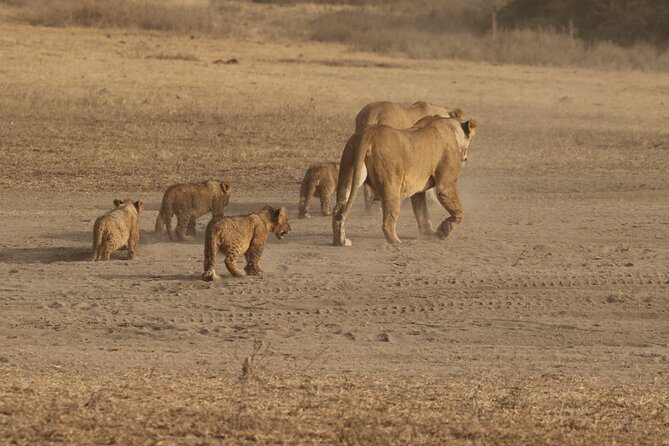
- The Big Five are possible: Lions, leopards, elephants, buffalo, and rhinos may all be seen, though no safari can promise every sighting.
- Long game-drive days: Expect about six to eight hours in the parks on several days, with an early start on the Serengeti and Ngorongoro days.
- Good value for a five-day package: At $1,100 per person, accommodation, five breakfasts, five lunches, four dinners, transport, guiding, and park visits are wrapped into one price.
What this five-day safari is really like
This is a broad introduction to northern Tanzania’s best-known wildlife parks. You do not settle into one reserve for a week. Instead, you move through four very different places, each with its own reason to be there.
The advertised format combines a group camping safari with a private guide and private 4×4 vehicle. The maximum group size is seven, which keeps the vehicle smaller than a large coach tour. One important note: the group arrangement can combine people taking different numbers of safari days. That may affect who is in the vehicle from one day to the next.
The trip begins and ends at Jevas Hotel Encore in Arusha, at Street House No. 9, Plot 163, Block F, Levolosi Area. Pickup is offered, and the stated departure time on the first morning is between 8:30 and 9:00. Confirmation is provided when you book, and most people can take part.
The schedule is full. You will spend long periods sitting in a safari vehicle on rough park roads, often with early breakfasts and picnic lunches. That is the tradeoff for covering so much ground in only five days.
More Camping Safaris in Arusha:
- 4 Days Group Camping Safari
★ 5.0 · 1,101 reviews - 3 Days Serengeti & Ngorongoro Group Camping Safari
★ 5.0 · 574 reviews - 2 Days Tarangire and Ngorongoro Group Camping Safari
★ 5.0 · 146 reviews
Tarangire on day one, elephants and baobabs first
Your first park is Tarangire National Park. After breakfast, pickup takes place around 8:30 to 9:00, followed by the drive to the park and a stop for lunch at the lodge before an afternoon game drive.
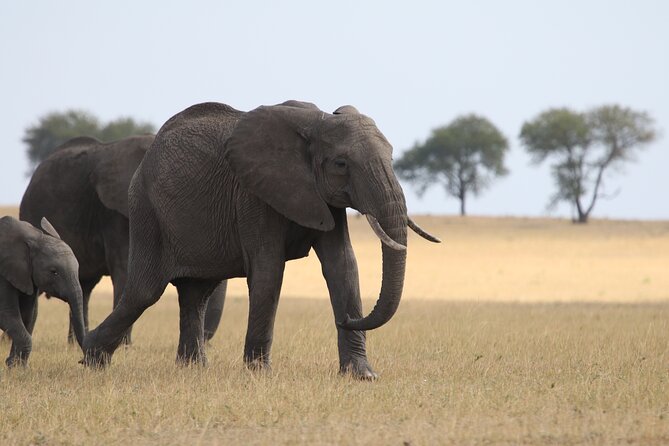
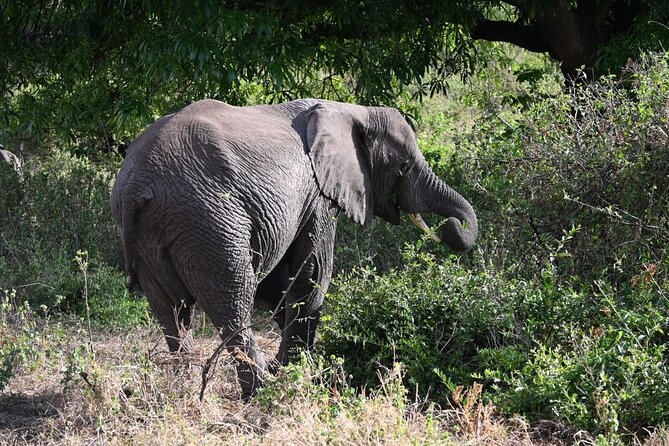
Tarangire gives you an immediate taste of classic northern Tanzania. The park is known for its high elephant population and giant baobab trees. These trees give the park a distinctive look, and they make even a quiet game drive feel memorable.
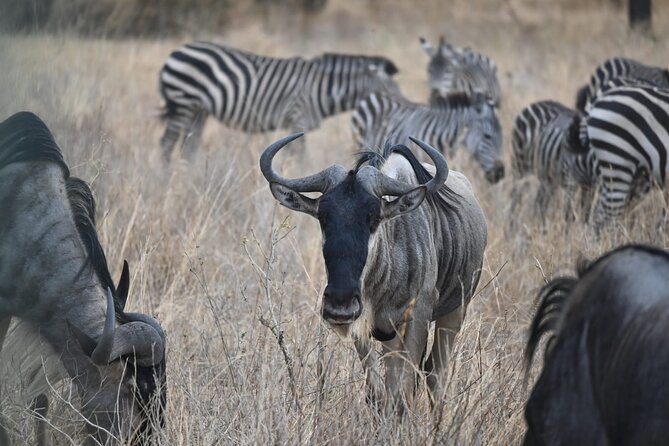
During the June to November dry season, large herds of zebra, wildebeest, and Cape buffalo may gather around remaining water sources. That is also a strong period for elephant viewing. You might also see giraffe, impala, waterbuck, dik-dik, eland, Grant’s gazelle, vervet monkeys, banded mongoose, and olive baboons.
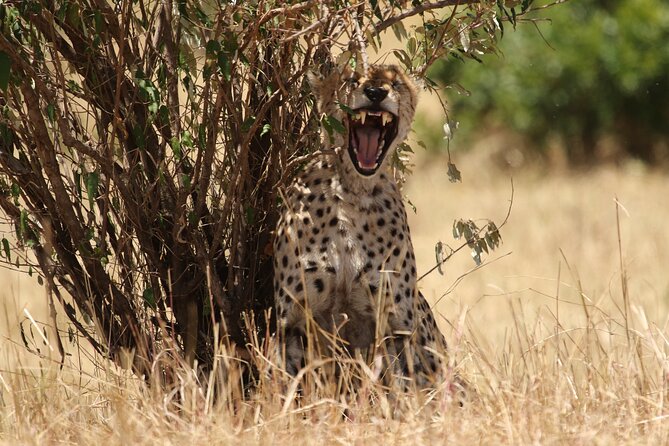
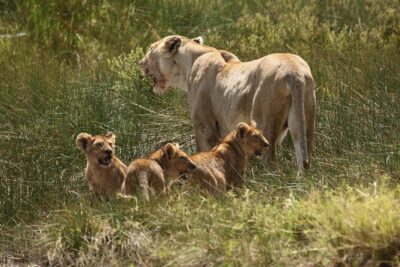
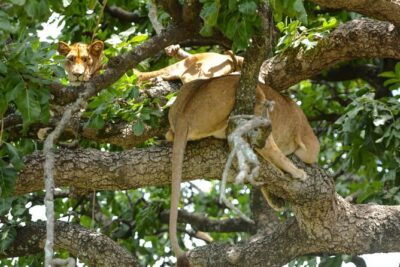
Predators include lions, leopards, cheetahs, caracals, honey badgers, and African wild dogs. Seeing any one of these is never guaranteed, but the range of possible sightings gives the afternoon plenty of purpose.
The first day is listed at about six hours. That sounds manageable, but remember that it includes transport, lunch, and the game drive. You will still be getting used to the vehicle, the heat, the roads, and the rhythm of stopping often for animals.
I like the order of this itinerary. Tarangire offers a strong opening day without immediately demanding the longest transfer. It also gives you a chance to see elephants and baobabs before the larger Serengeti portion begins.
Lake Manyara on day two, a smaller park with variety
After breakfast at the lodge, you leave around 8:30 to 9:00 with a picnic lunch and head to Lake Manyara National Park for an extended game drive.
Manyara is known for its lake and flamingos. Their numbers change with the season. During the wet season, thousands may gather along the lake’s edges. In the dry season, they are less consistently present, so you should not book this day solely for flamingo photographs.
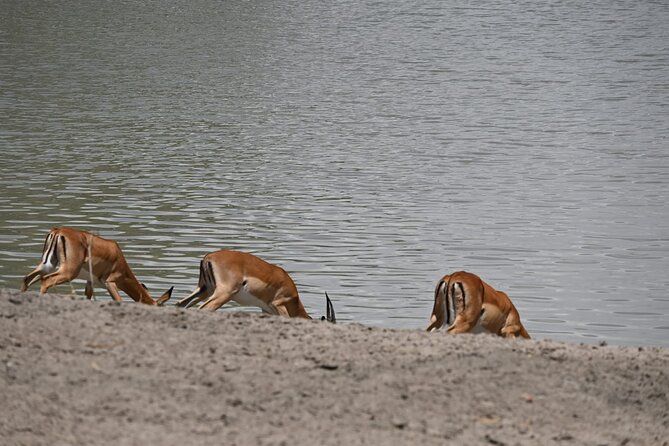
The park has a surprisingly wide animal list for its size. Elephants, blue monkeys, dik-dik, gazelles, hippos, Maasai giraffe, impala, zebra, lions, cheetahs, and leopards all live here. A hippo pond is one of the named viewing areas, giving you a good reason to pause and watch rather than simply drive through.
Manyara’s appeal is variety. You may move from woodland to open areas and lake edges during the same day. That makes it a useful contrast with Tarangire, where elephants and baobabs are the main visual signature.
The day is planned for about six hours. The picnic lunch keeps the schedule moving, but it also means less time for a relaxed midday stop. If you prefer slow mornings and long meals, this itinerary may feel brisk. If you want as much wildlife time as possible, the extended drive makes sense.
Serengeti day three, the big change in scale
Day three takes you toward Serengeti National Park through the high farmland around Karatu and the Ngorongoro Conservation Area. The route then descends into the Serengeti, where the open plains seem to stretch far beyond the road.
This transfer is part of the experience, but it is also one of the longer movement days. The listed time at the Serengeti stop is about three hours, though the full day includes the journey into the park. You arrive in time for lunch and an afternoon game drive.
The central Seronera area is the focus. It is one of the Serengeti’s strongest wildlife zones because the Seronera River provides water. That draws animals into an area with a broad mix of species, making it a sensible base for a short visit.
The Serengeti is where the safari begins to feel truly immense. Tarangire and Manyara offer particular habitats and signature animals. Serengeti gives you enormous open space and the possibility of seeing wildlife spread across the plains.
A good guide matters especially here. Animal sightings can be distant, and the difference between an empty-looking patch of grass and a camouflaged predator may come down to where the guide looks. Specific guides praised in the feedback include Amiri and Max. Their role is not just to drive. They help explain the ecosystem and point out birds and animals you could easily miss.
A few more options to weigh up in Arusha
- Balloon Safari & Bush Breakfast in Serengeti – Miracle Experience
★ 5.0 · 1,646 reviews - Tanzania Classic – 7 Days
★ 5.0 · 1,151 reviews - Materuni Waterfalls, coffee tour & Kikuletwa Hot Springs
★ 5.0 · 643 reviews - 7-Day Premium Luxury Tanzania Safari All-Inclusive
★ 5.0 · 426 reviews
Serengeti at dawn on day four
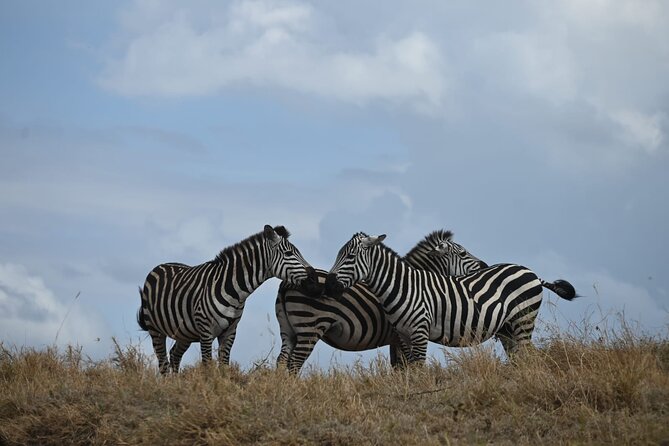
Day four begins with early coffee, tea, and biscuits, followed by a morning game drive with a packed lunch. The stated game-drive window runs from 8:00 to 14:30, making this one of the longest wildlife sessions of the trip.
Early hours can be valuable because animals are often active before the heat of the day. The plan gives you a substantial final look at the Serengeti before you leave for the Ngorongoro Conservation Area.
After the game drive, you travel toward Ngorongoro while continuing to look for animals along the route. Dinner and overnight accommodation are provided in the conservation area.
This day requires stamina. You will have an early start, several hours in the vehicle, lunch on the move, and another transfer after the Serengeti drive. It is not a day for catching up on sleep. Still, it protects your Serengeti time, which would be a poor place to rush through after traveling so far to reach it.
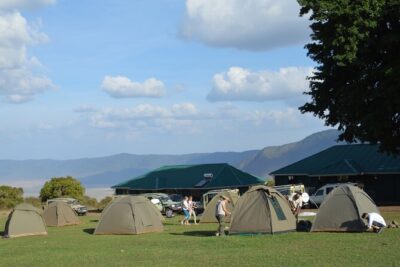
The camping element matters here. You are not paying for a resort-style stay with every comfort on hand. The feedback describes the tents as comfortable and the food as plentiful, but also makes the sensible point that this is camping in Africa, not a resort. That is exactly the right expectation.
Ngorongoro Crater on day five, a powerful finish
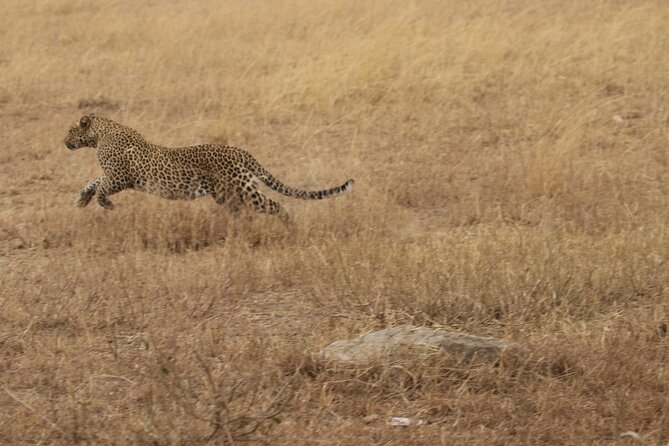
The final morning begins with an early coffee breakfast before you descend more than 600 meters into Ngorongoro Crater for a full wildlife day.
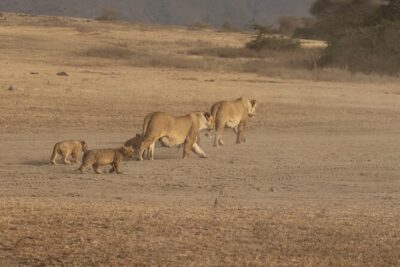
The crater has a year-round water supply and grazing areas, which support large numbers of animals. You may see wildebeest, zebra, buffalo, eland, warthog, hippo, and giant African elephants. The crater is also known for its predator population, including lions, hyenas, jackals, cheetahs, and leopards.
The elusive leopard may require patience and a trained eye. That is another reason to value a guide who can explain what you are seeing rather than simply point toward a distant animal.
Lake Magadi, a large shallow alkaline lake in the southwest of the crater, is one of the main features included in the day. It adds a strong scenic stop to an already wildlife-heavy route. The crater’s enclosed setting also gives the final day a different feel from the wide Serengeti plains.
The Ngorongoro visit is listed at about eight hours. That makes it the longest named stop and a demanding finish, but it is also a sensible final highlight. You get a concentrated wildlife experience before returning to the meeting point in Arusha.
The main limitation is time. A crater visit of this sort cannot show you every corner of the conservation area. You are getting a focused wildlife day, not a slow geological or cultural study of the region.
Camping, meals, and the human side of the trip
Five breakfasts and five lunches are included, along with four dinners. The final dinner count makes sense if the last day ends after the overnight in Ngorongoro, but I would still confirm the exact meal plan and camping arrangements before departure.
The food receives some of the warmest praise. Salim, named as one of the camp chefs, is credited with preparing abundant, very good meals. That matters more than it may sound. After a long day on dusty roads, a reliable dinner can make the difference between feeling worn out and feeling ready for the next morning.
The camping is comfortable by camping standards, but you should pack for a practical outdoor trip. The supplied information does not describe tent facilities in detail, so ask the operator what bedding, washrooms, and camp equipment are included. Do not assume lodge amenities.
The guide and cook are central to the experience. Amiri is praised for excellent organization and strong wildlife knowledge, while Max is also singled out as a wonderful guide. Names and assignments can change, but the repeated emphasis on guide quality is worth noting.
How good is the $1,100 value?
At $1,100 per person, the price is not a bargain-basement safari, but it covers a lot. You receive five days of touring, a safari vehicle, a guide, camping accommodation, five breakfasts, five lunches, four dinners, and visits to four of Tanzania’s best-known wildlife areas.
The value is strongest if you want a ready-made package. You do not need to arrange separate transport between parks, coordinate meals, or build a route through Tarangire, Manyara, Serengeti, and Ngorongoro yourself.
The cost also buys access to two UNESCO World Heritage sites, the Serengeti and the Ngorongoro Conservation Area. That does not guarantee animal sightings, but it places you in habitats with strong wildlife potential.
The price is less appealing if you want luxury lodging, a slow pace, or extensive time in one park. The route covers a lot of territory, and part of your five days will be spent moving between parks. You are paying for range and organization rather than an unhurried camp stay.
Who will enjoy this safari most?
I would choose this trip if you have five days, want the major northern Tanzania highlights, and prefer having the practical pieces handled for you.
It suits first-time safari visitors who want to see a broad selection of habitats. It also works well for couples, friends, and solo visitors who like a small-group setting but still want a guide and vehicle focused on the safari.
The trip is less suitable if you dislike early mornings, rough roads, long drives, or basic camping. A private lodge itinerary with fewer park changes would be more comfortable, but it would likely cost more and offer less variety in the same amount of time.
The maximum of seven people is useful. It is small enough to avoid a large coach atmosphere, while still giving the trip a social feel. Just remember that mixed-length bookings can mean the group changes during the route.
Practical booking advice
Book with the pace in mind, not just the animal list. Four parks in five days sounds excellent because it is excellent, but each park receives only a short share of your overall trip.
The experience is booked, on average, about 59 days ahead. That suggests you should plan early if your dates are fixed. Pickup is offered, and the meeting point is Jevas Hotel Encore in Arusha.
Cancellation is flexible up to 24 hours before the start time for a full refund. Changes or cancellations inside that 24-hour window are not accepted for a refund, with cut-off times based on local time.
I would also ask before departure how the private vehicle arrangement works alongside the group format, what camping equipment is supplied, and which dinners are included. Those questions do not change the safari’s value, but they help you arrive with the right expectations.
Should you book the five-day camping route?
Book it if your priority is seeing Tanzania’s major northern parks in one efficient trip. The combination of Tarangire elephants, Manyara’s lake and hippos, Serengeti plains, and Ngorongoro wildlife gives you a strong first safari itinerary.
I would be especially comfortable recommending it to someone who values a good guide and cook over polished hotel comforts. The praise for Amiri, Max, and Salim points to the people who make this kind of trip work.
Skip it if you want a relaxed holiday with short drives and late mornings. For $1,100, the value is good when you want coverage, meals, guiding, and camping in one package. It is not the right choice if your ideal safari includes luxury, privacy in the strict sense, or several nights in one place.
FAQ
Where does the safari start?
It starts at Jevas Hotel Encore, Street House No. 9, Plot 163, Block F, Levolosi Area, Arusha, Tanzania.
Where does the safari end?
The activity ends back at the meeting point in Arusha.
How long is the safari?
The safari lasts approximately five days.
Which parks and conservation areas are included?
The route includes Tarangire National Park, Lake Manyara National Park, Serengeti National Park, and the Ngorongoro Conservation Area.
What time does pickup begin on the first day?
Pickup and departure are scheduled between 8:30 and 9:00 after breakfast.
Is accommodation included?
Yes. Accommodation is included as part of the camping safari.
Are meals included?
Yes. The package includes five breakfasts, five lunches, and four dinners.
How many people can join the tour?
The maximum group size is seven people.
Can I see the Big Five?
The parks are home to lions, leopards, elephants, buffalo, and other major wildlife species, so you have a chance to see the Big Five. Sightings cannot be guaranteed.
Can I cancel for a full refund?
Yes, if you cancel at least 24 hours before the experience start time. Cancellations or changes made less than 24 hours before the start time are not accepted for a refund.
Just added in Arusha
- Safari “Kifaru” – 5 days in the most famous Parks in the world★ 5.0 · 4 reviews
- Saadani Day Trip★ 5.0 · 13 reviews
- 3 Days Tanzania Short and Spicy★ 5.0 · 6 reviews
- 5 Day Tanzania Safari Camping Adventure Private Tour★ 5.0 · 2 reviews
- Day Trip to Ngorongoro Crater from Arusha★ 5.0 · 1 review
- SERENGETI NATIONAL PARK Tour★ 4.5 · 5 reviews
- 3 Days Serengeti Park & Ngorongoro Crater Adventure Safari★ 5.0 · 8 reviews
- 6 Days Tanzania Bush Experience Safari★ 5.0 · 6 reviews
Camping Safaris, compared.
3 Days Serengeti & Ngorongoro Group Camping Safari
Read our review →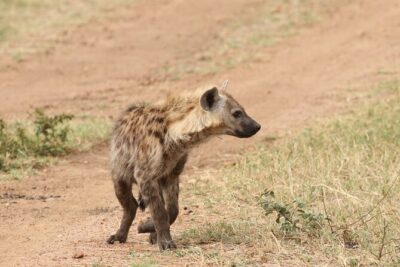
2 Days Tarangire and Ngorongoro Group Camping Safari
Read our review →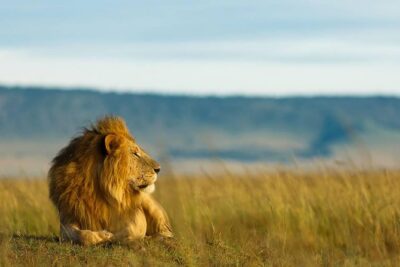
3 Days Tarangire, Ngorongoro & Lake Manyara Group Camping Safari
Read our review →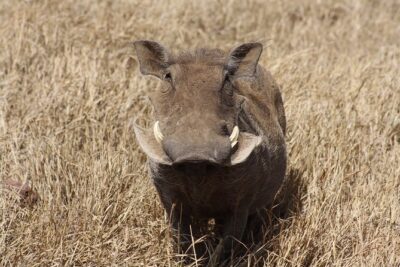
5-Day private Camping Safari Tour in Tanzania
Read our review →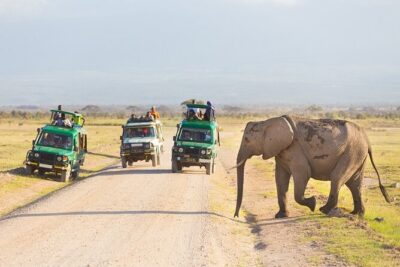
4 Days Group Joining Camping Safari to Tarangire Serengeti Ngorongoro Crater
Read our review →Browse the lists this tour appears in