
Reviewed · SERENGETI & NGORONGORO SAFARIS
5days Tanzania Safari lodge and camping Serengeti, Tarangire & Ngorongoro Crater
Wildlife comes first here. This five-day circuit packs Tarangire, Lake Manyara, the Serengeti, and Ngorongoro Crater into one busy trip from Arusha. I like the small maximum of six people, which should give you better views and more room for questions, and I like that meals, drinking water, park fees, a safari vehicle, and a professional guide are included. The main caution is the pace: you cover a lot of ground, and some days involve long drives.
I also like the mix of famous parks and different habitats. Tarangire brings elephants and baobabs, Lake Manyara adds forest and monkeys, the Serengeti delivers huge open plains, and Ngorongoro offers a concentrated morning of wildlife. Accommodation is described as camping with some budget lodge arrangements, so confirm exactly where you will sleep before paying.
In This Review
- Key points to know before booking
- What the $1,254 price covers
- Day 1: Tarangire and the pull of the river
- Day 2: Lake Manyara’s forest, monkeys, and possible tree-climbing lions
- Day 3: From Karatu highlands to the Seronera plains
- Day 4: An early Serengeti drive and Ngorongoro’s crater rim
- Day 5: A concentrated morning inside Ngorongoro Crater
- Guides, food, and the small-group setup
- What the transport and timing feel like
- Who should book this five-day route?
- Should you book it?
- FAQ
- Where does the safari start and finish?
- How many people can join the safari?
- Are meals and drinking water included?
- What accommodation is provided?
- What parks and locations are visited?
- Is airport transfer included?
Key points to know before booking
- Maximum six people: A small group can make game drives more personal and makes it easier to ask your guide to pause for wildlife.
- Four major northern Tanzania stops: You visit Tarangire, Lake Manyara, Serengeti, and Ngorongoro Crater in five days.
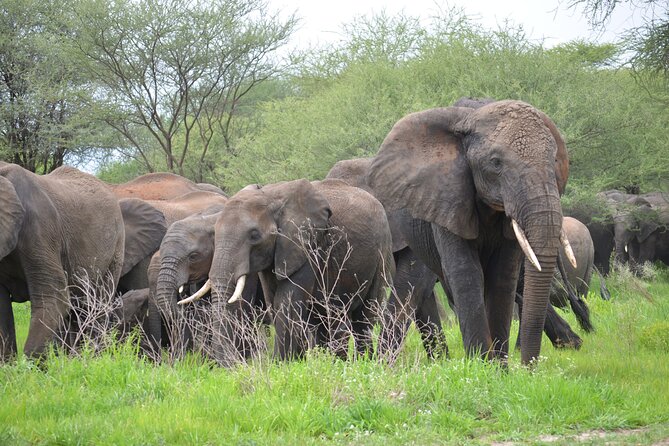
- Elephant country on Day 1: Tarangire is known for large elephant herds, baobab trees, acacia woodland, and seasonal swamps.
- A full Serengeti afternoon: Day 3 reaches the Seronera area, where the river draws many types of animals.
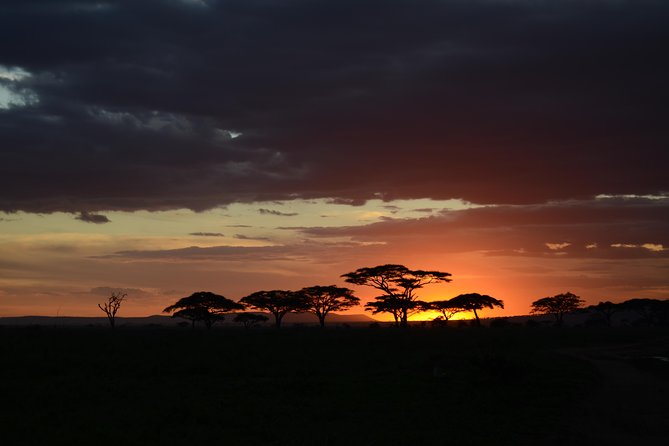
- Crater-edge camping: The fourth night is at Simba campsite beside the Ngorongoro Crater rim, with sunset views over the caldera.
- Most costs are bundled: Park fees, meals, water, airport transfer, guide, and a safari jeep with a pop-up roof are included.
What the $1,254 price covers
At $1,254, this is not a bare-bones park visit. The advertised package includes a safari jeep with a pop-up roof, a professional guide, airport transfer, park fees, meals, and drinking water during the safari. The meal schedule lists five breakfasts, five lunches, and four dinners, which fits a five-day trip ending after lunch on the final day.
That bundled price matters in Tanzania. Park fees and transport can make up a large part of a safari budget, so an apparently cheaper offer can rise quickly once those charges are added. Here, the core expenses are included from the start.
Still, ask one direct question before booking: What kind of accommodation is assigned to my dates? The trip is promoted as lodge and camping, while the itinerary names Fig Tree Lodge and Campsite, standard accommodation in the Seronera area, and Simba campsite. Some arrangements described by past customers used budget camping mixed with budget lodges. Your price may depend on the option selected.
Flights, tips, and personal items are not included. The supplied details also say airport transfer is included, but confirm whether that means arrival and departure transfers, and where the transfer begins and ends. The activity starts in Arusha and returns there.
More Serengeti and Ngorongoro safaris:
- Balloon Safari & Bush Breakfast in Serengeti – Miracle Experience
★ 5.0 · 1,646 reviews - 3 Days Serengeti & Ngorongoro Group Camping Safari
★ 5.0 · 574 reviews - 5-Day Highlights mid-Range Crater, Serengeti, Tarangire
★ 5.0 · 296 reviews
Day 1: Tarangire and the pull of the river
Pickup is scheduled from your Arusha hotel at 8 a.m. You then drive to Tarangire National Park for game viewing. The park follows the Tarangire River, with low hills, acacia woodland, giant baobabs, and broad swamp areas toward the south.
The river and swamps are the key to understanding this park. During the dry season, water draws animals into the area, and Tarangire is particularly well known for its large elephant herds. You might also look for the greater kudu, fringed-eared oryx, and ashy starling, three less commonly seen species associated with the park.
I like that this first day begins with a full park experience rather than a short introductory stop. The baobabs give Tarangire a strong sense of place, and elephants can be especially rewarding to watch here. Your guide’s skill matters: a good guide will explain animal behavior, not only point toward the biggest creature nearby.
The practical drawback is the opening drive from Arusha followed by game viewing, so it is a full day before dinner. You should be ready for an early start and changing conditions in the vehicle. The safari jeep has a pop-up roof, useful for standing views and photography, but it does not turn a long road day into a short one.
Dinner and overnight accommodation are listed at Fig Tree Lodge and Campsite. Because the name combines lodge and campsite, confirm whether you receive a room, a tent, or a mixed arrangement.
Day 2: Lake Manyara’s forest, monkeys, and possible tree-climbing lions
The next morning begins with a drive of about 15 minutes to Lake Manyara National Park. The short transfer gives you more time inside the park, where the setting changes from Tarangire’s open woodland and river country to forest and alkaline lake.
The forest is a good place to watch baboons and other monkeys. This is not simply a search for large cats. The appeal is the change in habitat, the movement of primates through the trees, and the chance to see how wildlife uses the park’s different zones.
The itinerary calls for a full-day game drive and a search for lions resting in trees. These sightings are described as rare, so treat them as a possibility, not a promise. That honesty matters on safari. Even without a tree-climbing lion, the park adds a different type of wildlife viewing to the trip.
Lunch is taken during the day, followed by a return to Fig Tree Lodge and Campsite. The schedule lists breakfast, lunch, and dinner. With two nights connected to this accommodation, you avoid changing beds after every game drive, which is helpful on a five-day route.
Lake Manyara is also where the trip can feel most compressed. You are seeing a park in a single day before heading toward the Serengeti on Day 3. I would book this route if you want a broad first taste of northern Tanzania, not if you want to spend several days studying one park at a slow pace.
Day 3: From Karatu highlands to the Seronera plains
After breakfast, you travel through the high farmland around Karatu and the Ngorongoro Conservation Area before descending into the Serengeti. The change is dramatic. The route leaves the higher ground behind and opens onto the broad plains that give the Serengeti its name and character.
The plan is to reach the central Seronera area in time for lunch, then take an afternoon game drive. Seronera is important because the Seronera River provides water, drawing wildlife into one of the park’s most productive areas. You might find many of the Serengeti’s main species here, including large predators and grazing animals.
This is the emotional center of the trip for many people. The open plains make it easier to understand the scale of the Serengeti, even when animals are far off. The afternoon timing also gives your guide a useful block of time to search rather than rushing through a quick roadside stop.
You should also prepare for a long transfer day. The route from the Arusha area into central Serengeti takes time, and the road can be tiring. That is the tradeoff for reaching Seronera within a five-day plan. A longer safari would give you more time in the park, but this itinerary makes the Serengeti a central feature rather than leaving it out.
Dinner and overnight accommodation are in the Seronera area, based on the standard and accommodation option selected. Ask for the exact campsite or lodge name, the type of bed or tent, and whether the night is inside the park. Those details affect both comfort and the morning departure.
More Tarangire safaris:
- Private 6-Day Tarangire Manyara Crater and Serengeti with Mid-Range Lodges
★ 5.0 · 238 reviews - 5 Days Camping Tarangire, Serengeti & Ngorongoro crater & Visiting Maasai
★ 5.0 · 229 reviews - 4 Days Join Group tour Tarangire Serengeti and Ngorongoro crater
★ 5.0 · 219 reviews - 4-Day Safari from Arusha: Tarangire, Serengeti and Ngorongoro
★ 5.0 · 173 reviews
Day 4: An early Serengeti drive and Ngorongoro’s crater rim
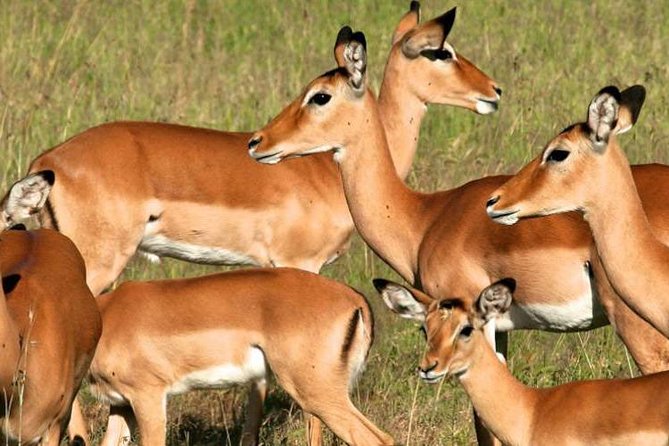
Day 4 begins with another early Serengeti game drive. This is a sensible use of the morning, when you have one more chance to look for animals in the Seronera area before leaving for Ngorongoro.
The schedule then takes you toward the crater. As you approach, the 600-meter-deep, unbroken caldera opens below you. The view from the rim is one of the strongest visual moments on this route, because you can see the enclosed shape of the collapsed volcano from above.
The campsite is described as being directly on the crater edge, at Simba campsite. That location is valuable even for a budget trip. You are not paying only for a bed or tent, you are also getting a sunset setting that few ordinary hotel stays can match.
Camping here has a practical side. The crater rim can feel cool, especially compared with the warmer plains below, so pack a warm layer. The supplied information does not specify the exact tent facilities, so confirm whether the arrangement is a basic public campsite or a more prepared camping setup.
Day 4 may be your most tiring day because it combines an early game drive with another transfer and a change in elevation. I would not schedule an important flight immediately after the safari without allowing extra time. The listed return is to Arusha on Day 5 by early evening, not to an airport at a guaranteed hour.
Day 5: A concentrated morning inside Ngorongoro Crater
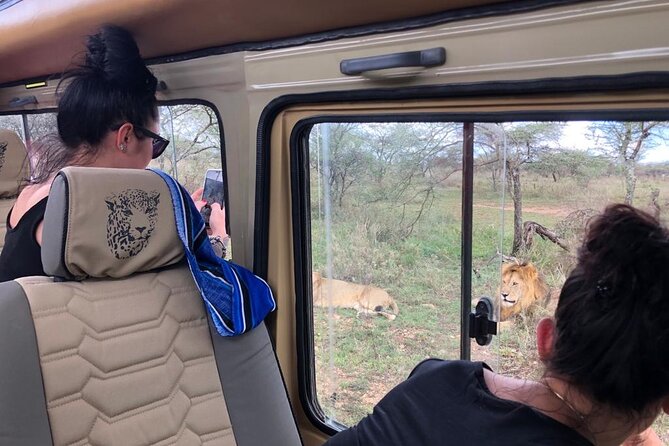
You leave early and descend through forested slopes on a steep, narrow route into the crater. Once below the rim, the setting changes again to open grassland with scattered acacia trees and two small wooded areas.
Ngorongoro is a powerful final stop because wildlife can be seen across a compact area. The itinerary specifically points to the chance of seeing the Big Five: lion, elephant, buffalo, rhino, and leopard. No safari can promise all five, but the crater gives you a strong opportunity to see several major species in one morning.
The morning schedule is well chosen. You spend the full morning exploring before stopping for a picnic lunch on the crater floor. After lunch, you return to Arusha, with arrival planned for early evening.
The limitation is time. A morning in the crater can be memorable, but it is not the same as staying in the Ngorongoro area for multiple days. You may feel ready for more when the vehicle begins the long return. That is the price of fitting four major destinations into five days.
Guides, food, and the small-group setup
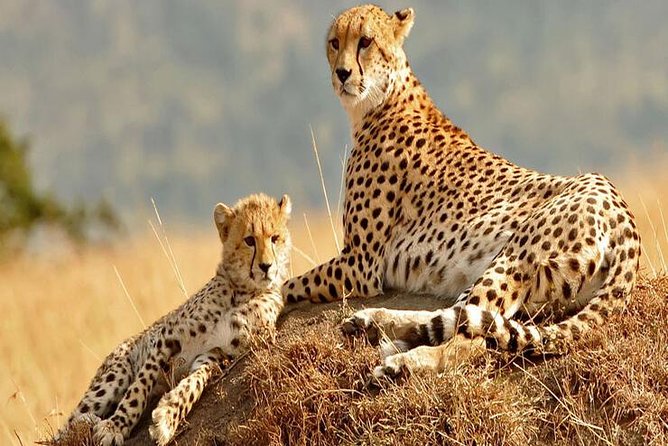
The guide can shape the whole safari. Names associated with this experience include Grayson, Michael, Proches, Owen, and Aly, although your assigned guide may be different. The strongest feedback centers on patient explanations, wildlife knowledge, local history, Tanzanian culture, and the ability to answer repeated questions without rushing you.
That is especially important for families. One family described using the service with three children, and the group size of no more than six should help families avoid being lost in a large convoy. Ask about child arrangements directly before booking, since ages and seating needs are not provided.
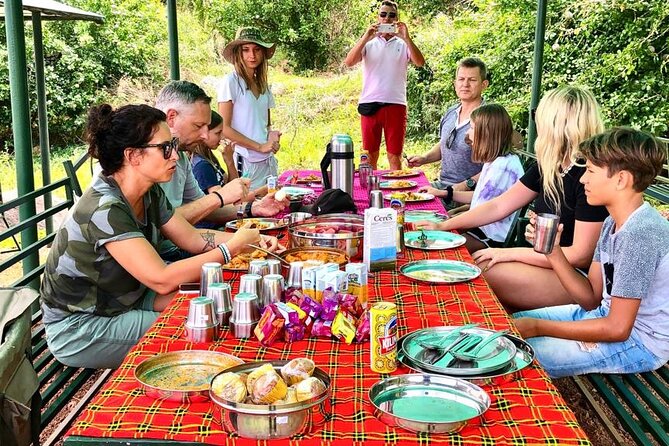
Food is another well-praised part of the experience. The package includes meals and drinking water, and specific praise has gone to chef Dennis for the quality of the cooking. That does not mean you should expect restaurant dining in the bush, but it does mean meal planning is handled for you rather than becoming a daily chore.
The camping element adds atmosphere. One account describes zebras walking between tents, a reminder that sleeping near wildlife can feel very different from staying in a city hotel. It also requires a flexible attitude. You are choosing access to the parks and night sounds over predictable hotel comfort.
What the transport and timing feel like
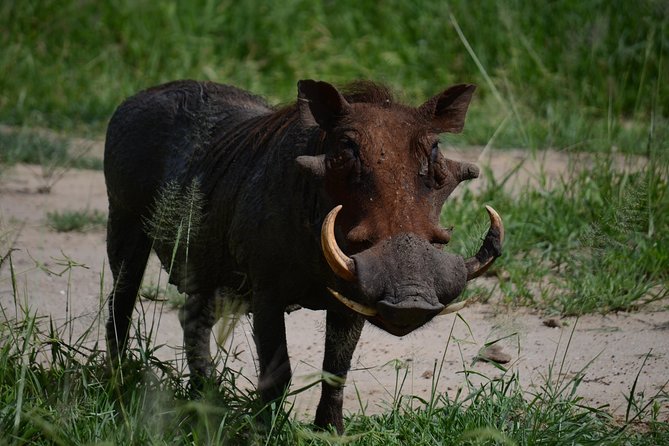
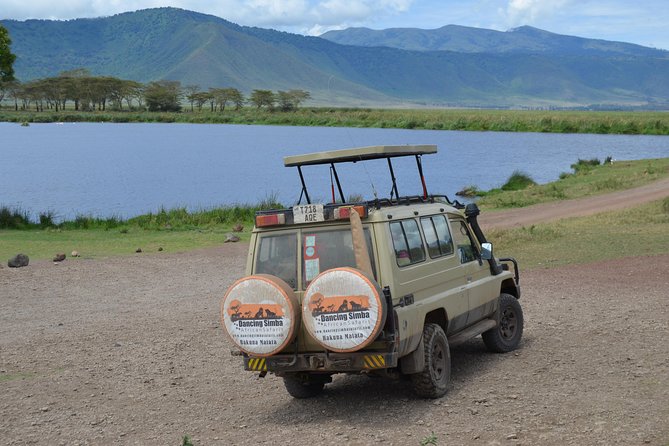
You travel by safari jeep with a top-up roof, which lets you stand for a better view and take photographs from above the vehicle. A maximum of six people is a useful limit, though actual comfort depends on the vehicle layout and how many people book together.
This route includes a lot of driving:
- Arusha to Tarangire on Day 1
- A short transfer to Lake Manyara on Day 2
- The Karatu and Ngorongoro route into Serengeti on Day 3
- Early Serengeti viewing followed by the drive to Ngorongoro on Day 4
- A crater drive followed by the return to Arusha on Day 5
The payoff is range. In five days, you see river country, forest, alkaline lake country, open plains, and a volcanic caldera. The cost is less unhurried time in each place. I would bring patience, a camera with spare battery power, and a willingness to accept that wildlife sightings cannot be timed like museum visits.
Who should book this five-day route?
I would recommend it to someone with limited time who wants the classic northern Tanzania circuit in one organized package. It suits first-time safari visitors, families seeking a structured plan, and people who value included meals, park fees, guides, and transport.
It is also a good match for budget-conscious visitors who are comfortable with camping or a camping and lodge mix. The accommodation can be part of the fun, especially at the crater rim, but you should not book this expecting a luxury lodge holiday unless your selected option says so clearly.
I would choose a longer safari if your main goal is a slower Serengeti trip, more time for photography, or greater freedom to wait at a sighting. Five days gives you impressive variety, but the schedule leaves little spare time if a road delay or slow wildlife encounter changes the plan.
The tour has a maximum of six people and a published 100 percent recommendation rate from 31 ratings, with repeated praise for guides, food, organization, airport pickup, and animal sightings. Those are useful signs, but I would still confirm the exact vehicle, accommodation level, pickup details, and guide assignment before you commit.
You can cancel for a full refund up to 24 hours before the start time. Cancellations within 24 hours are not refunded, and poor weather may lead to another date or a full refund.
Should you book it?
Book this safari if you want maximum northern Tanzania variety in five days and are happy to trade a relaxed pace for four major wildlife areas. The strongest reasons are the small group, included park fees and meals, crater-rim campsite, and the repeated praise for guides such as Grayson, Michael, and Proches.
Think twice if you dislike long drives, basic camping, or tightly scheduled days. Before paying, get the accommodation plan in writing and confirm what airport transfer includes. If those details suit you, this is a practical route into Tarangire, Lake Manyara, the Serengeti, and Ngorongoro without having to arrange the moving parts yourself.
FAQ
Where does the safari start and finish?
The safari starts in Arusha, Tanzania, with pickup from your hotel scheduled for 8 a.m. on Day 1. It ends back in Arusha in the early evening of Day 5.
How many people can join the safari?
The activity has a maximum of six participants. This small group size is intended to provide a more personal game-drive experience.
Are meals and drinking water included?
Yes. The package includes meals and drinking water during the safari. The supplied meal plan lists five breakfasts, five lunches, and four dinners.
What accommodation is provided?
The trip includes camping accommodation, with some arrangements described as a mix of budget camping and budget lodges. Fig Tree Lodge and Campsite is listed for the Tarangire and Lake Manyara portion, while Simba campsite is listed on the Ngorongoro Crater rim. Confirm your exact accommodation option before booking.
What parks and locations are visited?
The route includes Tarangire National Park, Lake Manyara National Park, Serengeti National Park, and Ngorongoro Crater. Day 3 travels through the Karatu highlands and Ngorongoro Conservation Area on the way to the Serengeti.
Is airport transfer included?
Airport transfer is listed among the inclusions, but the meeting point and end point are in Arusha. Confirm with Dancing Simba Safaris whether your specific arrival and departure transfers are covered.
Just added in Arusha
- Safari “Kifaru” – 5 days in the most famous Parks in the world★ 5.0 · 4 reviews
- Saadani Day Trip★ 5.0 · 13 reviews
- 3 Days Tanzania Short and Spicy★ 5.0 · 6 reviews
- 5 Day Tanzania Safari Camping Adventure Private Tour★ 5.0 · 2 reviews
- Day Trip to Ngorongoro Crater from Arusha★ 5.0 · 1 review
- SERENGETI NATIONAL PARK Tour★ 4.5 · 5 reviews
- 3 Days Serengeti Park & Ngorongoro Crater Adventure Safari★ 5.0 · 8 reviews
- 6 Days Tanzania Bush Experience Safari★ 5.0 · 6 reviews
Serengeti & Ngorongoro Safaris, compared.
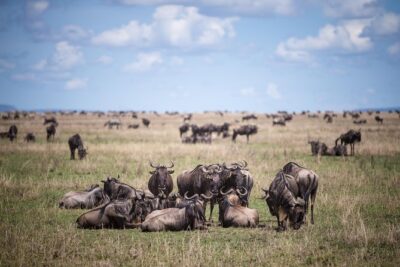
Serengeti Balloon Safari and authentic bush breakfast
Read our review →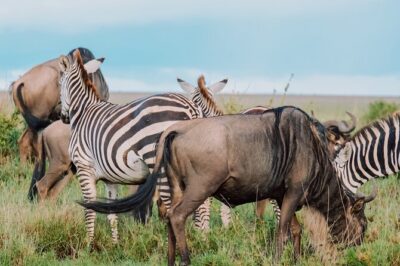
Balloon Safari & Bush Breakfast in Serengeti – Miracle Experience
Read our review →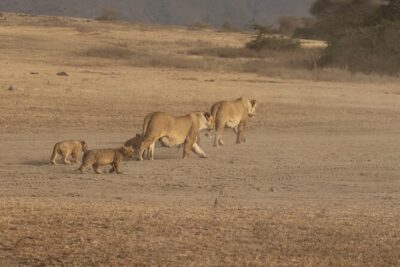
3 Days Serengeti & Ngorongoro Group Camping Safari
Read our review →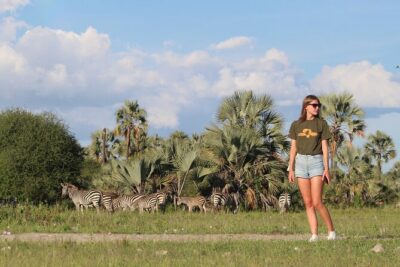
5-Day Highlights mid-Range Crater, Serengeti, Tarangire
Read our review →
Private 6-Day Tarangire Manyara Crater and Serengeti with Mid-Range Lodges
Read our review →
5 Days Camping Tarangire, Serengeti & Ngorongoro crater & Visiting Maasai
Read our review →Browse the lists this tour appears in