
Reviewed · WILDLIFE
6 Days Tanzania Wildlife Safari Tour
Safari days add up fast. This six-day private journey links four of Tanzania’s best-known wildlife areas, starting in Arusha and ending with a transfer toward Arusha or the airport. I like the clear route and the chance to spend two nights in the Serengeti rather than racing through it.
I also like that the tour includes private transport, an English-speaking guide, meals, bottled water, activities, fees, and taxes. Guide Godson receives especially warm praise for his care, animal-spotting skill, and ability to help solo visitors feel at ease. The main consideration is camping for every night, plus several long road sections, including the 210-kilometer trip back toward Arusha on the final day.
In This Review
- Key points at a glance
- Why this six-day route works
- Day one: Tarangire and the first wildlife drive
- Day two: A shorter route to Lake Manyara
- Days three and four: Giving the Serengeti proper time
- Day five: Serengeti to Ngorongoro Crater
- Day six: Crater visit and the long return
- What the $2,500 price really covers
- Camping, meals, and daily comfort
- The guide can shape the whole safari
- Who should book this safari
- Booking, changes, and practical checks
- Should you book the six-day Tanzania safari?
- FAQ
- Where does the safari start?
- How long is the safari?
- Which parks are included?
- How many nights are spent in the Serengeti?
- Is this a private tour?
- Is transportation included?
- Is a guide included?
- Are meals included?
- Is camping included?
- Are flights and visas included?
- Can Arusha accommodation be added?
- Can the itinerary be changed?
Key points at a glance
- Four major wildlife areas: Visit Tarangire, Lake Manyara, Serengeti, and Ngorongoro Crater in one connected route.
- Two Serengeti nights: Extra time in the park gives the safari a better rhythm than a single-night stop.
- Private touring: The standard arrangement is for two people, though the company can customize the trip.
- Guide Godson: His warmth, care with logistics, and ability to locate less common animals are repeatedly praised.
- Camping throughout: Camping keeps the price focused on the safari itself, but you should be comfortable with a basic outdoor setup.
- $2,500 per person: The rate includes transport, meals, water, guide service, activities, fees, and taxes, but not flights, visas, insurance, drinks, tips, or personal purchases.
Why this six-day route works
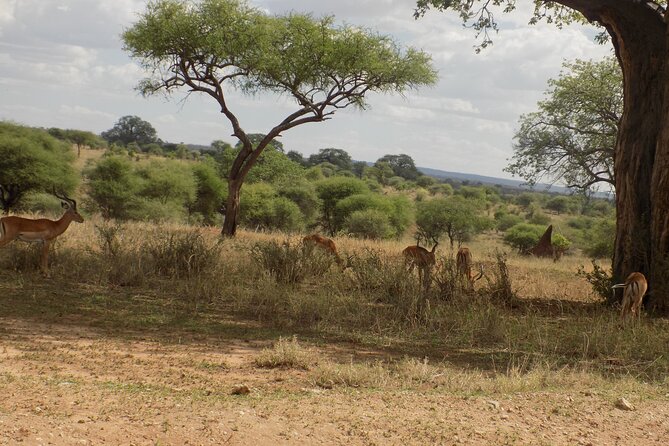
Tanzania rewards a route that changes scenery and habitat. Tarangire offers a strong opening day close to Arusha. Lake Manyara adds a shorter park visit. The Serengeti then receives two days, followed by the Ngorongoro Crater before the return drive.
That order matters. You begin with a manageable 130-kilometer transfer, reach the Serengeti after another 145 kilometers, and save the crater for the final morning. It is a busy schedule, but it gives you a broad sample of northern Tanzania in less than a week.
You should think of this as an active safari, not a relaxed lodge holiday. The itinerary includes non-game-viewing drives of about two to four hours on most days. Those road stretches are part of the cost of reaching distant parks, so pack patience along with your camera.
The tour begins at 7:30 a.m. Pickup is offered, and the activity is private, meaning only your own party joins the vehicle. The usual setup is two people per safari, although the operator can adapt the arrangement.
More wildlife trips in Arusha:
- Tanzania Wildlife Encounters – 6 Days
★ 5.0 · 277 reviews - 6 Day Tanzania Wildlife Mid range Safari
★ 5.0 · 54 reviews - 5 Days 4 Nights Tarangire, Serengeti , Ngorongoro & Manyara Wildlife Safari
★ 5.0 · 40 reviews
Day one: Tarangire and the first wildlife drive
The first transfer covers about 130 kilometers. That makes Tarangire a sensible opening park because you get into the safari route without starting with the longest road day.
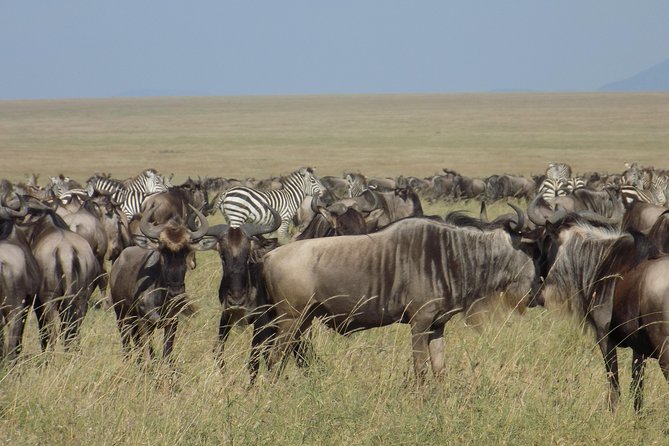
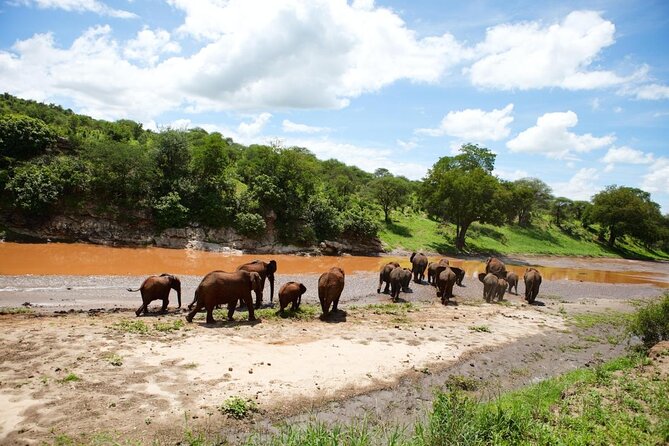
Tarangire is known for its wildlife setting and broad animal-viewing opportunities, but the supplied details do not promise specific sightings. Your actual experience will depend on conditions, timing, and animal movement. The company also notes that the itinerary can change with seasonal patterns and migration movements, which is useful because wildlife does not follow a fixed timetable.
You have around three to four hours of non-game-viewing travel on this day. That phrase matters: you may spend additional time on game drives, but the road sections still take a sizeable part of the day.
Camping follows the park visit. Lunch, dinner, and bed and breakfast are listed for the day, so check the exact meal schedule when booking because the wording combines camping with a bed-and-breakfast description. Bottled mineral water is included, which saves you from buying water during the route.
I like Tarangire as a first stop because it gives you an immediate sense of Tanzania’s scale without using up a full day on a major transfer. The tradeoff is that you will not have much time to settle in before the safari pace begins.
Day two: A shorter route to Lake Manyara
Day two covers about 50 kilometers, the shortest stated transfer of the trip. After the first day’s road time, that shorter journey can feel welcome.
Lake Manyara National Park receives its own day in the plan, with roughly two to three hours of non-game-viewing travel. The visit gives you a different park environment before the route turns west toward the Serengeti.
Again, the itinerary does not guarantee particular animals or a certain type of sighting. That is worth keeping in mind when comparing safari packages. A responsible plan allows for nature’s uncertainty rather than selling a fixed checklist.
Camping remains the accommodation style. Lunch, dinner, and bed and breakfast are listed again, and the private vehicle keeps the day focused on your group rather than a large shared party.
I like the way this stop breaks up the journey. You do not go directly from Tarangire into the longer Serengeti transfer. The drawback is time: adding Manyara gives you more variety, but it also means less time in each individual park than a trip built around only two or three areas.
Days three and four: Giving the Serengeti proper time
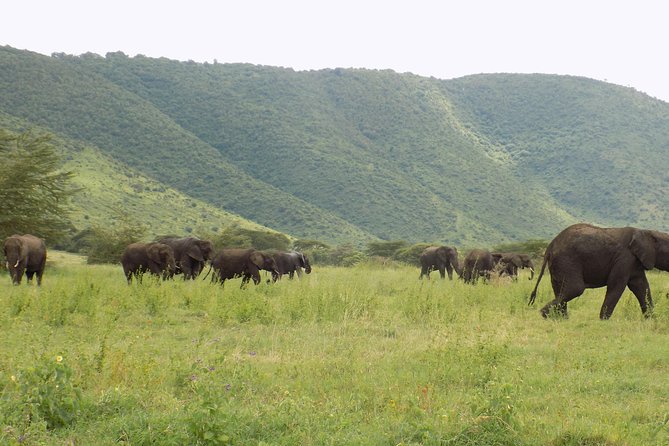
The route to the Serengeti covers about 145 kilometers, with three to four hours of non-game-viewing travel. This is one of the more demanding road days, but reaching the Serengeti is a major reason to choose this itinerary.
The plan includes two nights in Serengeti National Park. Day four is also reserved for the Serengeti, so you are not simply arriving late, sleeping, and leaving at dawn. That second day gives your guide more opportunity to adjust the search according to animal movement and seasonal conditions.
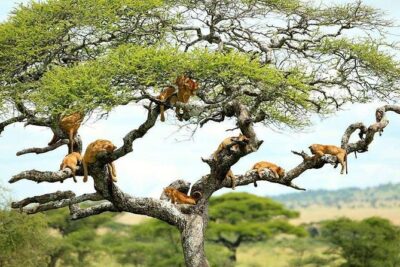
The company describes the safari as adaptable to migration patterns. This is particularly important here. The Serengeti is not a stage where the same animals wait in the same place each morning. Your guide’s skill matters, and Godson is praised for finding less common animals in different parks.
The strongest personal praise for Godson centers on more than wildlife spotting. He is described as caring for practical details, health, comfort, and safety. One solo woman said his manner helped her feel comfortable traveling abroad alone. That is useful information if you are considering a private safari but feel uneasy about being far from home.
The Serengeti section is also where the private format pays off most. You can discuss the day with one guide and your own companion, rather than working around a bus full of different preferences. The information provided does not specify vehicle features, tent equipment, campsite facilities, or exact game-drive hours, so ask about those points before paying.
Camping for two nights can be a plus or a limitation. It keeps you close to the outdoor character of the safari and helps hold down the price. It also means you need to know what level of camping is included. The listing confirms camping but does not explain tent size, bedding, toilets, showers, or electricity.
A few more options to weigh up in Arusha
- Balloon Safari & Bush Breakfast in Serengeti – Miracle Experience
★ 5.0 · 1,646 reviews - Tanzania Classic – 7 Days
★ 5.0 · 1,151 reviews - 4 Days Group Camping Safari
★ 5.0 · 1,101 reviews - 5 Days Group Camping Safari
★ 5.0 · 730 reviews
Day five: Serengeti to Ngorongoro Crater
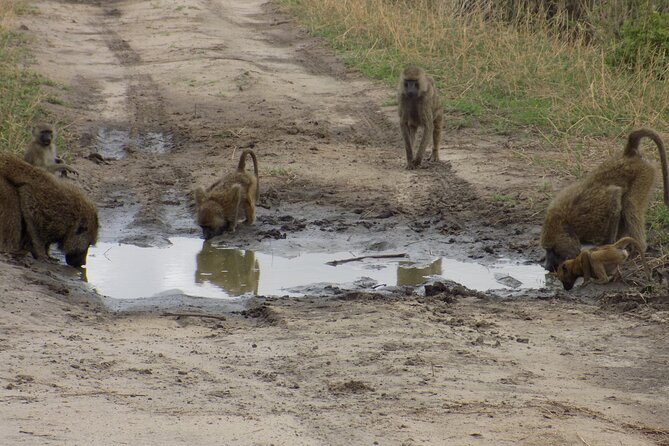
Day five covers another 145 kilometers, with about two to four hours of non-game-viewing travel. You leave the Serengeti and head toward the Ngorongoro Crater, one of the trip’s major closing sights.
The crater gives the route a strong final park experience before the return to Arusha. The schedule includes camping again, along with lunch, dinner, and bed and breakfast.
This is a full day, so do not view the transfer as dead time. It connects two famous areas and places you in position for the final crater visit. Still, long road days can be tiring, especially after several nights under canvas. If you prefer slow mornings and long stays in one place, this six-day plan may feel compressed.
The route is best for someone who wants variety and a solid first look at northern Tanzania. You will see more named parks than on a shorter itinerary, but the cost is a steady succession of drives and camp changes.
Day six: Crater visit and the long return
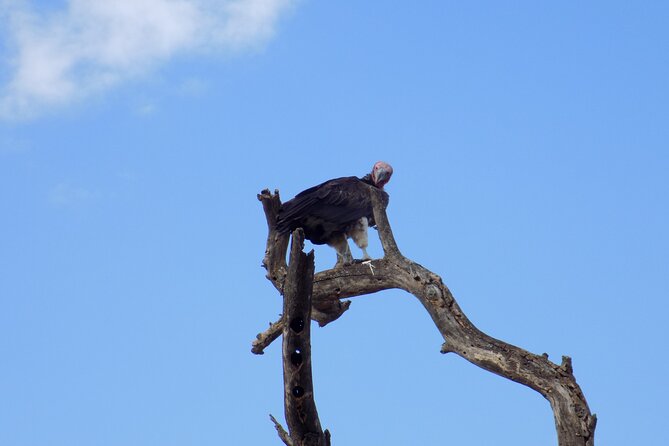
The final day runs from Ngorongoro Crater toward Arusha and then the airport. The stated distance is about 210 kilometers, the longest transfer of the trip. Non-game-viewing travel takes roughly three to four hours.
That long return is the main scheduling issue to examine before booking. The plan may work well if your flight is late enough, but the supplied information does not provide a departure time or a guaranteed airport-transfer window. Give yourself plenty of margin and confirm the timing directly.
Arusha accommodation can be added on request for an extra cost. This is helpful if your flight is the next day or if you want to break up the final journey. It is not included in the $2,500 price, so budget for it separately.
The crater visit gives you one last major wildlife setting before the journey ends. Since the tour can be adjusted for seasonal conditions, ask how the final day is normally timed and how much time is planned inside the crater.
What the $2,500 price really covers
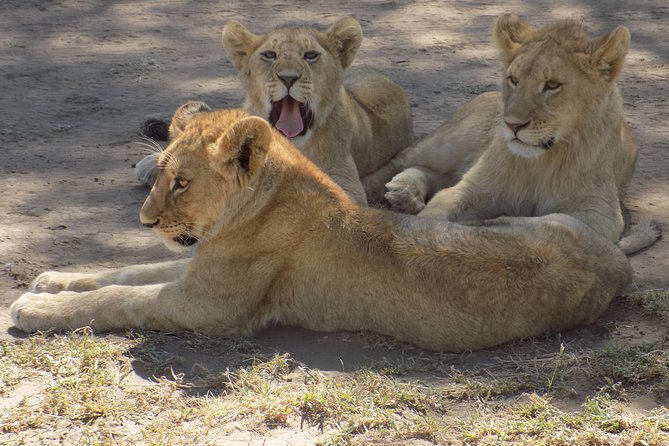
At $2,500 per person, this is not a bare transport package. The price includes private transportation, a professional English-speaking guide, meals listed in the itinerary, bottled mineral water, all stated activities, and all fees and taxes.
That bundle gives the price real value, especially for a two-person private safari. You are not paying only for a vehicle and a route. You are also paying for the guide’s time, park access costs as covered by the operator, and the planning needed to connect four major sites.
The included items are useful because safari expenses can grow quickly once park fees, food, water, and transport are separated. Here, those core costs are grouped together. You should still ask for a precise meal plan because the wording lists camping and bed and breakfast together.
The exclusions are important:
- International or domestic flights
- Optional activities
- Alcoholic and soft drinks
- Visa fees
- Souvenirs and other personal spending
- Travel insurance
- Tips
- Arusha accommodation, unless added for an extra charge
The value looks strongest for a couple or private pair who want a guided route with major park access included. It may be less attractive if you want lodge comfort, a slower schedule, or extensive optional activities, since those are outside the stated package.
Camping, meals, and daily comfort
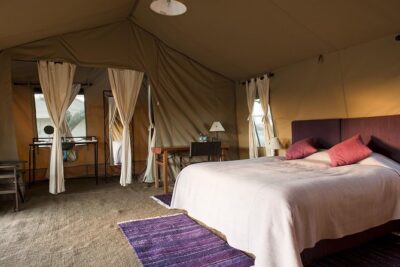
Camping is the accommodation choice on all listed nights. That keeps the trip close to the outdoor setting and may appeal to you if the safari itself matters more than hotel facilities.
The information does not describe the tents, mattresses, bathroom arrangements, charging points, dining setup, or campsite services. Those are not minor details on a six-day camping trip. Ask exactly what is supplied and what you should bring.
Meals are listed as lunch, dinner, and bed and breakfast on each day. Bottled mineral water is included. Alcoholic drinks and soft drinks are not included, so plan to purchase those separately if you want them.
The food plan appears designed to keep you moving between parks rather than stopping for restaurant meals. That can be efficient, but you should confirm whether meals are packed, prepared at camp, or served in another way. The provided information does not specify this.
The guide can shape the whole safari
The most strongly praised part of the experience is guide Godson. The comments describe him as more than a driver or wildlife spotter. His care with safety, health, comfort, and logistics is presented as a major reason the journey feels easy and personal.
That matters on a private safari. You spend much of the trip with the same guide, so communication and trust affect every part of the day. Godson is also praised for locating rare animals across different parks, though no guide can guarantee sightings.
The best advice is to contact the operator before departure with your priorities. Tell them if you care most about large mammals, birds, migration movement, photography, or a gentler pace. The company says the itinerary can be adapted to personal needs and seasonal animal movement, so use that flexibility.
Who should book this safari
I would consider this trip a good fit for:
- Couples who want a private safari at a fixed per-person rate
- First-time safari visitors who want several major parks in one route
- Solo visitors who value a private guide and direct support
- People comfortable with camping and long drives
- Anyone who wants two Serengeti nights rather than a quick pass through
- Visitors arriving in or departing from Arusha
It may not suit you if you want luxury lodging, short transfers, guaranteed animal sightings, or a leisurely pace. The itinerary is active, and the final 210-kilometer road day deserves careful flight planning.
The company says most people can participate, but it does not provide detailed mobility information. If you have specific accessibility or medical needs, ask before booking rather than relying on the general statement.
Booking, changes, and practical checks
Pickup is offered, and the start time is 7:30 a.m. Booking confirmation is normally sent at once, although reservations made within two days of departure may receive confirmation within 48 hours, subject to availability.
Free cancellation applies when you cancel at least 24 hours before the start time. Cancellations inside that period are not refunded, and changes made less than 24 hours before departure are not accepted. If the minimum number of participants is not reached and the company cancels, you are offered another date or experience, or a full refund.
Before you commit, confirm the airport timing, camping equipment, meal arrangements, vehicle details, and any extra cost for Arusha lodging. Those questions will tell you more about the practical fit than the park names alone.
Should you book the six-day Tanzania safari?
Book it if you want a private, guide-led introduction to northern Tanzania with Tarangire, Lake Manyara, two Serengeti nights, and Ngorongoro Crater in one trip. The combination of included core costs and strong praise for Godson makes the $2,500 rate worth serious consideration.
Think twice if camping is not your style or if your flight leaves soon after the final 210-kilometer transfer. For the right person, this is a well-packed safari with personal guidance, broad park coverage, and enough Serengeti time to avoid feeling like you only passed through.
FAQ
Where does the safari start?
The tour starts in Arusha, Tanzania, with pickup offered. The stated start time is 7:30 a.m.
How long is the safari?
The safari lasts approximately six days.
Which parks are included?
The route includes Tarangire National Park, Lake Manyara National Park, Serengeti National Park, and Ngorongoro Crater.
How many nights are spent in the Serengeti?
The itinerary includes two nights in the Serengeti National Park.
Is this a private tour?
Yes. Only your own group participates. The standard arrangement is for two people per safari, and customization is available.
Is transportation included?
Yes. Private transportation according to the itinerary is included.
Is a guide included?
Yes. A professional English-speaking guide is included. Guide Godson is named in the available tour information.
Are meals included?
Yes. Meals are listed according to the itinerary, including lunch, dinner, and bed and breakfast. Bottled mineral water is also included.
Is camping included?
Yes. Camping is the listed accommodation for the safari nights.
Are flights and visas included?
No. Flights and visa fees are not included. Travel insurance, drinks, tips, and personal purchases are also separate.
Can Arusha accommodation be added?
Yes. Arusha accommodation can be included upon request at an extra cost.
Can the itinerary be changed?
Yes. The itinerary is described as a suggested plan that can be adapted to personal needs, preferences, seasonal changes, and animal migration movements.
Just added in Arusha
- Safari “Kifaru” – 5 days in the most famous Parks in the world★ 5.0 · 4 reviews
- Saadani Day Trip★ 5.0 · 13 reviews
- 3 Days Tanzania Short and Spicy★ 5.0 · 6 reviews
- 5 Day Tanzania Safari Camping Adventure Private Tour★ 5.0 · 2 reviews
- Day Trip to Ngorongoro Crater from Arusha★ 5.0 · 1 review
- SERENGETI NATIONAL PARK Tour★ 4.5 · 5 reviews
- 3 Days Serengeti Park & Ngorongoro Crater Adventure Safari★ 5.0 · 8 reviews
- 6 Days Tanzania Bush Experience Safari★ 5.0 · 6 reviews
Wildlife, compared.

5 Days 4 Nights Tarangire, Serengeti , Ngorongoro & Manyara Wildlife Safari
Read our review →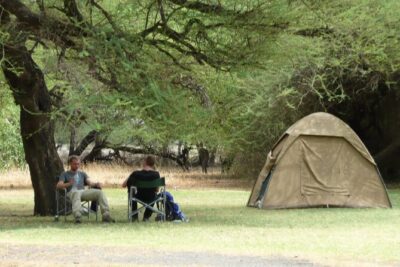
4 Days Wildlife Safari and Cultural Experience in Tanzania
Read our review →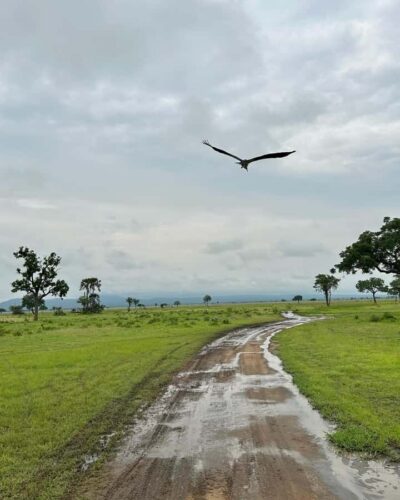
SAFARI WILDLIFE 3 DAYS 2 NIGHT FROM ZANZIBAR TO MIKUMI
Read our review →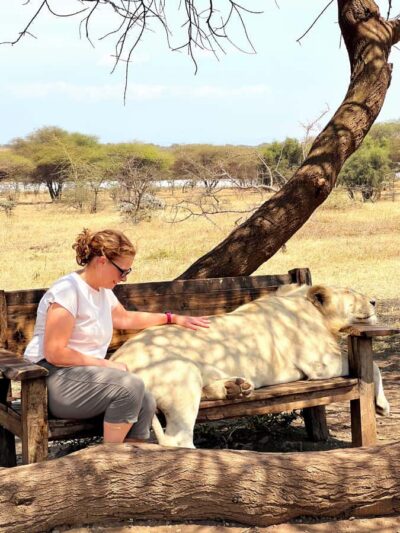
From Moshi or Arusha: Serval Wildlife Sanctuary Trip
Read our review →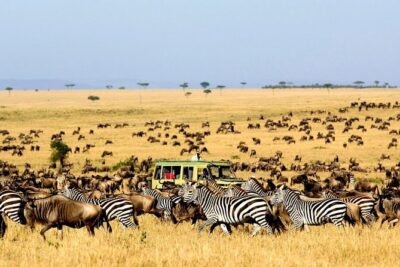
Browse the lists this tour appears in