Reviewed · NATIONAL PARKS
8 Days Exploring Tanzania Northern Circuit National Parks
The wild north starts with elephants. This private eight-day safari links Tarangire, Serengeti, Olduvai Gorge, and Ngorongoro Crater, giving you a strong first look at Tanzania’s best-known parks. I like the route’s variety, from elephant country and baobab-dotted Tarangire to the open Serengeti plains. I also like that airport transfers, meals, drinks, park fees, and a 4×4 safari vehicle are included.
The main caution is the pace. Several driving days are long, and the trip reaches northern Serengeti for migration viewing before turning back toward Ngorongoro. That makes this a rewarding wildlife trip, but not a slow, restful holiday. The $6,666 price per person may offer good value for a private safari with luxury transport and full-board meals, though you should confirm the exact lodges and camp standards before paying.
In This Review
- Key points to know before booking
- Why this northern Tanzania route works
- Day 1: Kilimanjaro Airport to Arusha
- Day 2: Elephants and open country in Tarangire
- Day 3: The long road toward Serengeti
- Days 4 and 5: Kogatende, kopjes, and the Mara River
- Day 6: Returning through Serengeti and stopping at Olduvai Gorge
- Day 7: A full wildlife day inside Ngorongoro Crater
- Day 8: Arusha leisure time and airport transfer
- What the $6,666 price covers
- Who will enjoy this safari most
- Should you book the eight-day Tanzania safari?
- FAQ
- Where does the safari begin?
- Where does the safari end?
- What time does the tour start?
- Is this a private tour?
- How long does the safari last?
- Is airport transportation included?
- Is a safari vehicle provided?
- Are meals included?
- Are drinks included?
- Are international flights included?
Key points to know before booking
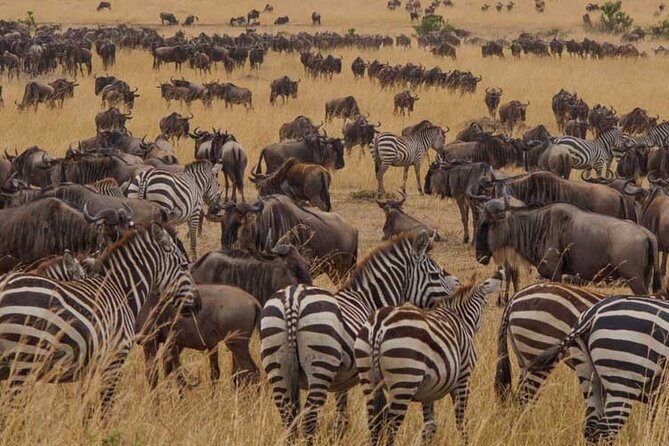
- The Mara River is the safari’s headline moment: You spend time around Kogatende looking for wildebeest and zebras near the crossing route.
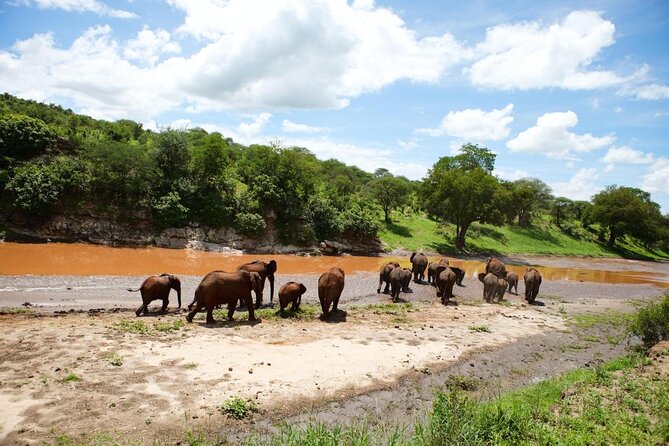
- Tarangire is more than a quick opening stop: Its large elephant herds, baboons, lions, giraffes, and birdlife make the first game drive worthwhile.
- Ngorongoro adds a different kind of wildlife day: The crater concentrates many animals in a dramatic enclosed setting, including possible black rhinoceros sightings.
- Olduvai Gorge broadens the trip: The museum connects the safari to some of the oldest evidence of human habitation.
- This is a private tour: Only your own group participates, and a professional guide accompanies you throughout the safari.
- The route is active and road-heavy: Expect early starts, long transfers, and a full day of game viewing rather than a relaxed resort schedule.
Why this northern Tanzania route works
Northern Tanzania gives you several very different wildlife settings in one trip. Tarangire is known for elephants and open woodland. Serengeti offers huge plains, predators, and the great wildebeest migration. Ngorongoro Crater brings animals together inside a vast volcanic caldera. Olduvai Gorge adds an important human story between the parks.
I like this mix because you are not seeing the same kind of scenery for eight straight days. The safari begins with a manageable transfer from Kilimanjaro International Airport to Arusha, then moves into increasingly remote park country. By the time you reach northern Serengeti, the route feels properly wild.
The private format matters. Your group does not share the vehicle with strangers, so you can ask the guide questions, adjust your attention to wildlife, and enjoy a more personal ride. The guide is described as experienced and professional, and the previous feedback gives particular praise to the comfortable vehicles and well-arranged accommodation. No individual guide name is provided, so you should ask for your guide’s name and the accommodation list before departure.
The route also has a clear weakness: distance. Arusha to Tarangire is straightforward, but the trip from the Serengeti toward Kogatende and the Mara River involves substantial time on the road. The schedule even lists one Serengeti day at 17 hours, which signals a very full day rather than a gentle drive between camps.
More national park trips in Kilimanjaro:
- 7 Day Safari in Tanzania National Parks
★ 5.0 · 5 reviews - 4 Days Lake Manyara National Park, Ngorongoro Crater , Serengeti National Park.
★ 4.0 · 4 reviews - Day Trip To Tarangire National Park
★ 4.5 · 2 reviews
Day 1: Kilimanjaro Airport to Arusha
Your safari begins at Kilimanjaro International Airport, where a representative meets you and transfers you to Arusha. The listed start time is 8:00 a.m., but your actual arrival and pickup details should be confirmed directly with the operator.
The transfer takes about two hours. On a clear day, you might see Mount Kilimanjaro, Africa’s highest mountain, along the way. That view depends on weather, so treat it as a welcome possibility rather than a promise.
Arusha is used here as a practical overnight base. You have the rest of the day at leisure, which is useful after an international flight. It also prevents the safari from starting with an exhausting park drive immediately after landing.
This first night is not the main attraction, but it gives you time to settle in, meet your guide, and check your bags before the early rhythm of safari begins. Since additional accommodation before or after the tour is not included unless specifically stated, confirm whether this first overnight stay is covered and what hotel is planned.
Day 2: Elephants and open country in Tarangire
After breakfast, you leave Arusha for Tarangire National Park and spend the day on game drives. The drive is listed at about seven hours, including the transfer and park activity, so you should expect a full day from morning into the evening.
Tarangire is often called the home of giants, and elephants are the main reason this park earns that description. The itinerary notes herds that can reach roughly 300 animals in the park. That does not mean you will see exactly 300 on your drive, but it tells you why Tarangire is a strong place to begin a safari.
You might also see troops of baboons near the entrance, along with lions, leopards, African buffalo, giraffes, gazelles, waterbuck, warthogs, hippos, and wildebeest. The park is also described as a good place for tropical birds, so keep your eyes open beyond the larger mammals.
I like Tarangire as the opening park because it gives you an immediate sense of scale without saving every major sight for the Serengeti. Elephants are especially rewarding here, and the mix of woodland, animals, and birds helps you learn how to watch the bush. Your guide can explain what you are seeing, which makes the first full day more than a simple photograph hunt.
At the end of the game drive, you go to a lodge for dinner and overnight. The exact lodge is not named in the available information. Ask about room style, electricity, Wi-Fi, and the distance from the park gate if those details matter to you.
Day 3: The long road toward Serengeti
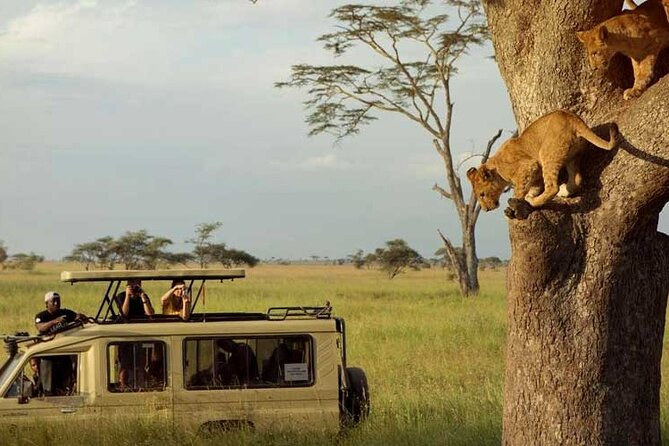
Day three begins with an early breakfast and a drive toward Serengeti National Park. The main drive to the park gates takes nearly four hours, but the route includes optional stops that can lengthen the day.
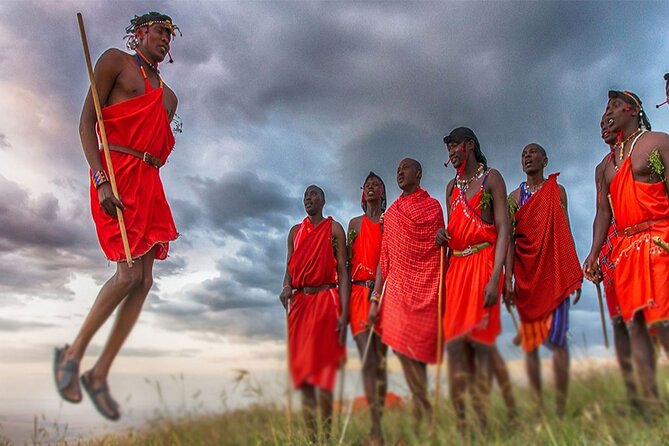
One option is a visit to a Maasai boma. You may watch or take part in traditional dance, tour the village, and shop at a local market. A listed stop in Mto wa Mbu lasts about 30 minutes, while the wider drive toward Serengeti is listed at about three hours in another section of the schedule. Because the timing is not fully consistent, ask the operator how long the actual boma visit and transfer will take.
A visit like this can add human context to a wildlife trip, but it is worth approaching respectfully. You are not simply watching a performance. You are entering a community setting, so follow your guide’s advice about photography, shopping, and participation.
The drive also passes through the Ngorongoro Conservation Area, including misty rainforests where you might see buffalo, baboons, elephants, or even leopards. This portion of the route helps break up the road time and gives you a first taste of the changing scenery before the wide Serengeti plains appear.
The drawback is simple: this is a transfer day with optional activities, not a full game-drive day. Pack snacks, keep water nearby, and carry anything you need in the vehicle rather than burying it in your main luggage.
A few more options to weigh up in Kilimanjaro
- 7 Days Kilimanjaro via Machame route affordable price
★ 5.0 · 110 reviews - Great Migration Safari In Tanzania
★ 5.0 · 71 reviews - Kilimanjaro Airport taxi to/from Moshi town/Arusha town
★ 5.0 · 60 reviews - 6 Days Tanzania Classic Safari
★ 5.0 · 52 reviews
Days 4 and 5: Kogatende, kopjes, and the Mara River
The northern Serengeti is the trip’s main migration zone. On day four, you drive across the plains of Togoro and through the Mbuzi Mawe kopjes, small rocky hills that break up the open grassland.
The changing scenery is one of the best parts of this section. You may pass wooded hills, isolated kopjes, and wide savannah. Wildlife can range from tiny dik-dik to elephants and giraffes. The drive is not just a way to reach camp. It is also a long game-viewing opportunity, though the amount of time in the vehicle can be tiring.
Once you reach Kogatende, the focus shifts to the wildebeest migration and the Big Five. The phrase Big Five refers to lion, leopard, elephant, buffalo, and rhinoceros. Seeing all five is never guaranteed, but the northern Serengeti gives you a serious chance to look for them.
The itinerary lists a late evening drive to a tented camp for dinner and overnight. The listed 17-hour duration makes day four the most demanding part of the trip. You should be prepared for an early start, lengthy road sections, and a late arrival. This is a day for people who value wildlife access more than comfort between stops.
Day five centers on Kogatende and the Mara River. You search around the kopjes for carnivores and large migration groups that may be preparing to cross into Kenya’s Masai Mara. The river contains hippos and Nile crocodiles, adding real tension to the crossing area.
A river crossing is one of Africa’s famous safari scenes, but it depends on animal movement, water conditions, and timing. You might see thousands of animals gathering without seeing the crossing itself. That uncertainty is part of the experience, not a flaw in the trip. The guide can position you in likely areas, but no itinerary can schedule wildlife behavior.
The Mara River stop is listed at about one hour, while the wider Serengeti game drive lasts the full day. That suggests the river is one part of a broader search, not a guaranteed hour-long crossing show. Bring patience. The reward may be a crossing, but it may also be watching herds gather, predators work the edges, or hippos surface in the water.
Day 6: Returning through Serengeti and stopping at Olduvai Gorge
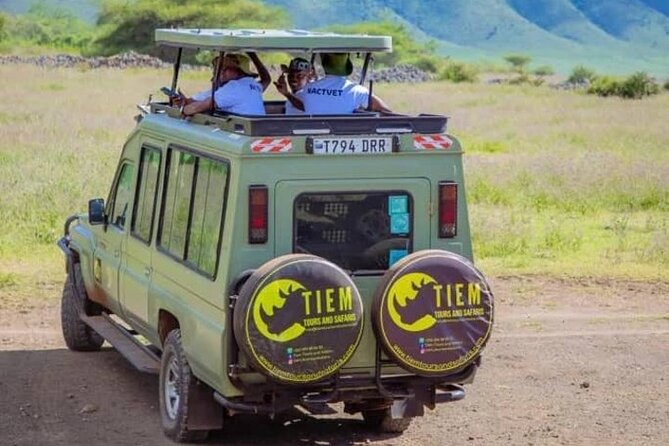
After breakfast, you begin the return drive toward the Ngorongoro Conservation Area. The route passes through Serengeti again, giving you another chance to find animals missed earlier.
This return section includes large herds of wildebeest and zebras, giraffes, antelopes, gazelles, elephants, lions, cheetahs, leopards, and hyenas. The variety is impressive, but the wording of the schedule should not be read as a promise that every animal will appear. Wildlife sightings change by season, location, and luck.
I like the return route because it gives the Serengeti more than one brief look. You are not simply driving in, taking one game drive, and leaving. The extra time can help you understand how quickly the scenery and animal activity change across the plains.
The day also includes Olduvai Gorge Museum, often called the Cradle of Mankind. The museum presents some of the oldest evidence of human habitation and explains part of the human journey. The gorge country itself is stark and visually different from the grassy plains.
This stop gives the safari a needed pause from animal spotting. You can connect the land beneath your vehicle with the much longer story of human development. The museum visit is listed at about one hour, so it is an informative stop rather than a full archaeological excursion.
Day 7: A full wildlife day inside Ngorongoro Crater
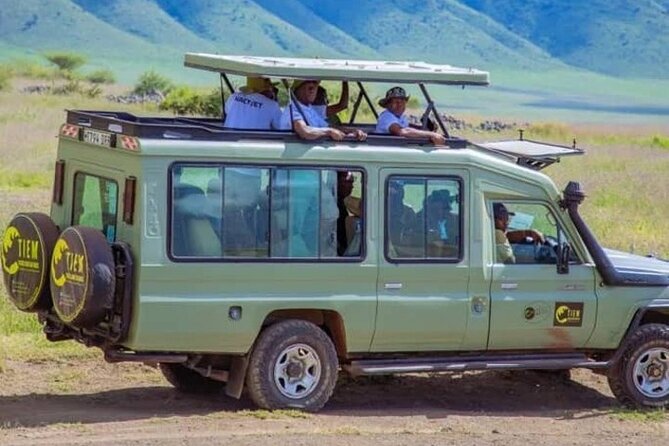
Ngorongoro Crater is the most concentrated wildlife stop on the route. From the panoramic viewpoint, you first look down into the huge caldera before descending for a game drive.
The Conservation Area contains more than 120 mammal species, including the Big Five. The crater is noted as a particularly good place to look for black rhinoceros, as well as hippos in cool water. You might also see lions and other predators from the open-top vehicle.
The crater’s appeal is visual as much as zoological. The enclosed setting makes the day feel different from the open Serengeti. You can photograph animals against the crater walls, grass plains, and water areas, rather than always looking across a seemingly endless plain.
The game drive lasts about seven hours, making this another full day. You will want your camera ready, but do not spend the entire day looking through it. The first view from above is part of the experience, and the animals are easier to appreciate when you occasionally put the camera down.
The crater can feel busy compared with more remote parts of the safari, but the concentration of wildlife helps balance that concern. You have a good chance of seeing several species in one day without covering the same vast distances as the northern Serengeti section.
Day 8: Arusha leisure time and airport transfer
The final day is described as leisure time in Arusha. If you are interested, the guide may take you on a town tour before driving you to Kilimanjaro International Airport.
The schedule lists about 30 minutes in the Kilimanjaro Region and four hours in Arusha, but it does not give a detailed town-tour plan. Ask how much free time you will have and when you must leave for your flight. Airport transfers are included, which is helpful, but you still need to provide accurate flight details.
This final day works best if your departure is later. If your flight is early, the town tour may not be possible. The tour ends back at the meeting point, Kilimanjaro International Airport.
What the $6,666 price covers
At $6,666 per person, this is a major purchase. The value depends heavily on the accommodation category, the number of people in your private group, and how the operator defines luxury.
The included items are substantial:
- All fees and taxes listed at booking
- A 4×4 luxury safari vehicle
- Airport transfers
- Drinking water and soft drinks
- Coffee and snacks
- A professional, experienced guide
- Seven breakfasts
- Seven lunches
- Seven dinners
A private vehicle is important on a safari. You avoid sharing the schedule with strangers, and you have more freedom to ask questions or spend extra time with a sighting. Full-board meals also reduce the need to arrange food while moving between remote parks.
Past feedback gives the strongest praise to two areas: comfortable vehicles and well-arranged accommodation. One person described the trip as a true luxury safari and highlighted the chance to see the Big Five. Another praised the Serengeti migration experience and called the safari memorable.
Still, do not treat the word luxury as a complete description. The accommodation names and room categories are not supplied. Ask for the full night-by-night list, including whether each night is in a lodge or tented camp, before you compare this price with other operators.
The price excludes international flights, personal items, travel insurance, visa fees, tips, and any government increase in taxes or park fees. Additional accommodation before or after the tour is also excluded unless clearly stated. Those costs can change your final budget.
Who will enjoy this safari most
I would recommend this route to you if your priority is wildlife variety and the chance to see the migration in northern Serengeti. It is especially suited to a private group that wants a dedicated vehicle, included meals, and a guide throughout the journey.
It also suits first-time safari visitors who want the classic northern circuit in one trip. Tarangire, Serengeti, Olduvai Gorge, and Ngorongoro each add something different, so you get both wildlife and cultural context.
You should think twice if you want a slow holiday with short drives and long afternoons at camp. The Serengeti transfer days are demanding, and the 17-hour entry day to Kogatende is a serious commitment. A moderate level of physical fitness is requested, though the main challenge appears to be sitting in the vehicle for long periods rather than strenuous walking.
The tour has a 5.0 rating based on two submitted ratings, with praise focused on the migration, Big Five sightings, vehicle comfort, and accommodation arrangements. That is encouraging, but the small number of ratings means you should still ask detailed questions before booking.
Cancellation is flexible only up to a point. You can receive a full refund if you cancel at least three full days before the local start time. Cancellations or changes made inside that period are not accepted for a refund.
Should you book the eight-day Tanzania safari?
Book it if you want a private, high-cost safari that covers the northern circuit in one concentrated trip. The route gives you elephants in Tarangire, migration country in Kogatende, the Mara River, human origins at Olduvai Gorge, and dense wildlife viewing in Ngorongoro Crater.
Before you commit, get the accommodation list, group size, exact airport schedule, and clarification on the long driving days. If the camps match your expectations and you are comfortable with the pace, the included vehicle, guide, meals, drinks, and transfers make the package easier to manage.
Skip it if you prefer a shorter route, fewer road hours, or a lower-cost trip built around one or two parks. For the right safari-minded person, though, this is a broad and ambitious introduction to Tanzania, with the best chance of a major wildlife story saved for the northern Serengeti.
FAQ
Where does the safari begin?
The safari begins at Kilimanjaro International Airport on Kilimanjaro Airport Road in Tanzania.
Where does the safari end?
The activity ends back at the meeting point, Kilimanjaro International Airport.
What time does the tour start?
The listed start time is 8:00 a.m.
Is this a private tour?
Yes. Only your group participates in the activity.
How long does the safari last?
The safari lasts approximately eight days.
Is airport transportation included?
Yes. Airport transfers are included.
Is a safari vehicle provided?
Yes. The package includes a 4×4 luxury safari vehicle.
Are meals included?
Yes. Seven breakfasts, seven lunches, and seven dinners are included.
Are drinks included?
Drinking water, soft drinks, coffee, and snacks are included.
Are international flights included?
No. International flights are not included in the tour price. Visa fees, travel insurance, personal items, tips, and additional accommodation are also excluded unless specifically stated.
Just added in Kilimanjaro
- Tanzania Wildlife Encounters – 6 Days★ 5.0 · 1 review
- Day Trip To Tarangire National Park★ 4.5 · 2 reviews
- Mount Kilimanjaro 7 Days – Machame Route★ 5.0 · 5 reviews
- 5 days Serengeti Wildebeest Migration Safari★ 5.0 · 3 reviews
- Mount Kilimanjaro 6 days – Machame route★ 4.0 · 5 reviews
- Marangu Cultural tour.★ 5.0 · 1 review
- Lemosho Route★ 5.0 · 21 reviews
- Airport Transfers at Kilimanjaro International Airport – JRO★ 5.0 · 2 reviews
National Parks, compared.
2 Days 1 Night Mikumi National Park from Dar es salaam
Read our review →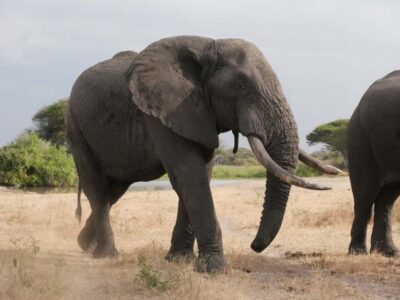
2 Day Safari To Mikumi National Park + transfers from Dar Es Salam
Read our review →