
Reviewed · 7-DAY EXPERIENCES
7 Day Safari in Tanzania National Parks
Seven days gives the wild room to surprise you. This private Tanzania safari links four major parks, from walkable Arusha National Park to the animal-packed Ngorongoro Crater and the wide plains of the Serengeti. I especially like the variety of habitats and the use of a new Land Cruiser with a pop-up roof, refrigerator, power sockets, and one set of binoculars per vehicle.
I also like that the price includes park fees, full-board lodging, drinks in the vehicle, Wi-Fi where the signal works, and air ambulance cover through AMREF Flying Doctors. The main drawback is the pace: long safari days and remote lodges can leave you tired, and the $4,802 price needs to fit comfortably within your budget.
In This Review
- Key points to know before you book
- Why this seven-day route works
- Day 1: Walking through Arusha National Park
- Days 2 and 3: Two different sides of Tarangire
- Day 4: Inside the Ngorongoro Crater
- Days 5 to 7: Three days across central Serengeti
- The vehicle, guide, food, and comfort level
- Who will get the most from this safari
- Booking, cancellation, and practical details
- Should you book this Tanzania safari?
- FAQ
- How long is the safari?
- Which national parks are included?
- Is this a private tour?
- Is hotel pickup available?
- What type of vehicle is used?
- Are park fees included?
- Are meals included?
- Can dietary requirements be accommodated?
- Is Wi-Fi available throughout the safari?
- Is the safari suitable for people using mobility aids?
Key points to know before you book
- A rare walking safari begins the trip: Arusha National Park allows a 1.5-hour bush walk with an armed ranger, followed by a vehicle safari.
- Tarangire gets two full days: This gives you time to search for elephants, giraffes, gerenuks, oryx, and more than 550 bird species.
- Ngorongoro offers concentrated wildlife: A half-hour descent brings you into a crater where many animals live close together.
- Three days in central Serengeti: Seronera, Kopjes, Simba Rock, and golden-hour drives give you more than a quick park visit.
- The safari is private: Only your group takes part, with an English-speaking guide and pickup arranged from your hotel or another agreed location.
- The package covers a lot: Lodging, meals, park and concession fees, drinks in the vehicle, medical supplies, Wi-Fi in some areas, and a new 4×4 are included.
Why this seven-day route works
Northern Tanzania rewards time. A rushed safari may give you a few excellent sightings, but it can also leave you with a sense that you only skimmed the surface. This seven-day plan gives you repeated chances to watch animal behavior change through the day and lets your guide try different areas instead of relying on one short game drive.
The route also has a sensible rhythm. Arusha National Park offers a close, active introduction. Tarangire brings baobabs, dry-country animals, and excellent birdwatching. Ngorongoro concentrates wildlife into a smaller area, while the Serengeti supplies the great open spaces and several days of searching.
You travel in a private Land Cruiser, so the experience is not tied to the preferences of a larger bus group. You can tell your guide if lions, elephants, birds, or big cats matter most to you. Guides named in trip feedback include Daniel, Stephen, Anold, and Noel, with Daniel receiving particular praise for his effort and animal knowledge.
At $4,802 per person, this is not a budget outing. Still, the price includes substantial costs that can quickly add up on a safari: park entry and concession fees, seven lunches and dinners, six breakfasts, lodging, transport, a guide, bottled water, soft drinks, tea, coffee, and air ambulance cover. For a private seven-day trip with three to four-star accommodation, the value is strongest if you want comfort and planning handled for you.
More national park trips in Kilimanjaro:
- 4 Days Lake Manyara National Park, Ngorongoro Crater , Serengeti National Park.
★ 4.0 · 4 reviews - Day Trip To Tarangire National Park
★ 4.5 · 2 reviews - 8 Days Exploring Tanzania Northern Circuit National Parks
★ 5.0 · 2 reviews
Day 1: Walking through Arusha National Park
The first day is more active than the usual drive-only start. Arusha National Park includes Mount Meru, Momella Lakes, savanna plains, and forested areas. It is also one of the few Tanzanian parks where walking safaris are allowed.
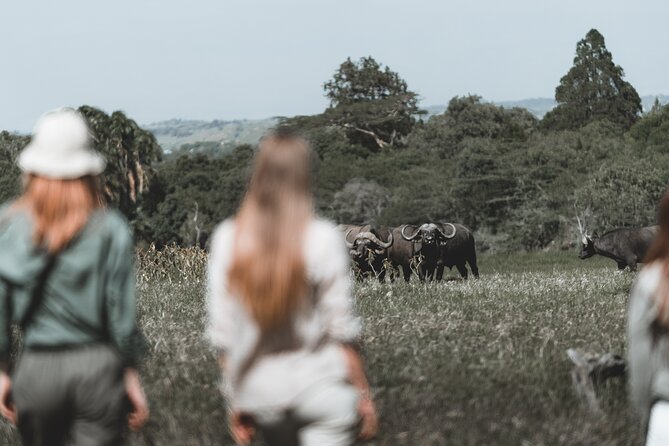
You begin with a 1.5-hour bush walk accompanied by an armed ranger. This does not mean charging toward wildlife. It means moving carefully, learning how to read the area, and seeing animals from a different height and distance than you would from the vehicle.
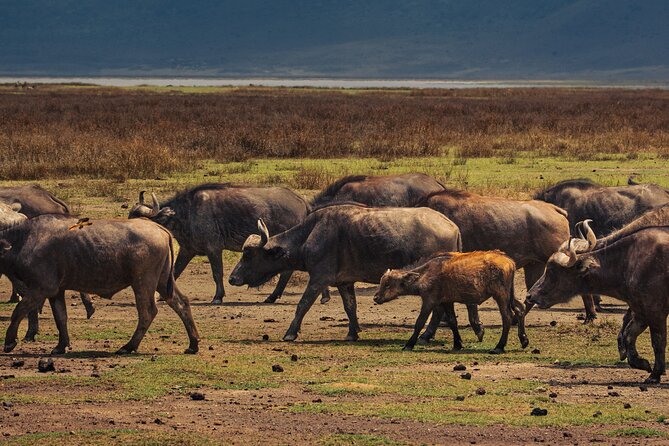
Giraffes, bushbuck antelopes, buffalo, and warthogs may appear on the savanna. A walking section helps you notice smaller details, including tracks, plants, and signs of animal movement. It is a good contrast to the vehicle hours that follow.
After the walk, you continue by Land Cruiser toward Momella Lakes and the surrounding park. The day also includes a visit to the Ngurdoto Museum, where you can learn about human and wildlife conflict. That adds useful context to the scenery instead of treating the park as a simple animal-viewing stage.
The tradeoff is time. Six hours is enough for a worthwhile introduction, but not enough to explore every part of the park. You should think of Arusha as a varied opening chapter, not the main Big Five day.
Days 2 and 3: Two different sides of Tarangire
Your first full Tarangire day typically starts at 7:30 a.m. Pickup is from your hotel or another agreed location, and arrival at the park is expected around 10:00 a.m. The timing gives you a substantial game drive, though the transfer means the day is not six hours entirely inside the park.
Tarangire is a strong choice for a two-day visit because it offers more than one headline animal. You may see elephants, giraffes, buffalo, warthogs, and other savanna species. The park is also known for animals that are less typical in the Serengeti, including long-necked gerenuks and oryx.
The gerenuk is especially interesting because of its long neck and upright feeding posture. Oryx bring a different look and feel to the sightings. These are the sort of encounters that make a route feel broader than a simple search for lions.
On the second day, your guide takes you into different sections of Tarangire. That matters. A second day is not just a repeat if the vehicle covers new ground and keeps looking for species missed earlier.
Tarangire is also a serious birdwatching destination, with more than 550 recorded species. Binoculars are supplied, and the vehicle carries a high-resolution pair for shared use. One pair per car is useful, though you may need to take turns if several people want a closer look at once.
The park’s hyraxes offer another unusual sight. These small animals are closely related to elephants, despite looking nothing like them. You may get close enough for good photographs, but you should never touch them. That rule applies to all wildlife, even when an animal seems calm or accustomed to vehicles.
Day 4: Inside the Ngorongoro Crater
Ngorongoro Crater changes the scale of the safari. After the descent, which takes about half an hour, you enter a huge volcanic basin supporting tens of thousands of wild animals. The road passes through lush forest before opening into the crater itself.
The appeal here is concentration. Many animals live within a relatively compact area, so you may see several species in a short period. This is one of the best parts of the route for anyone who wants a high chance of repeated sightings without covering enormous distances.
The morning game drive takes you around the crater, with a stop near Lake Magadi for a snack and rest. A picnic beside the lake sounds simple, but it breaks up the vehicle time and gives you a moment to take in the setting.
The crater is not a guarantee of every Big Five animal. Wildlife is wild, and sightings depend on the day, season, and animal movement. Still, the compact setting makes this a productive day, especially for first-time safari visitors who want to see a broad range of species.
You should also expect the road to be uneven in places. Safari vehicles are built for this kind of travel, but the ride can still be tiring. Anyone with mobility issues who uses special mobility aids should note that this trip is not suitable. Remote lodges and safari vehicles do not have the needed infrastructure, seating, or storage.
A few more options to weigh up in Kilimanjaro
- 7 Days Kilimanjaro via Machame route affordable price
★ 5.0 · 110 reviews - Great Migration Safari In Tanzania
★ 5.0 · 71 reviews - Kilimanjaro Airport taxi to/from Moshi town/Arusha town
★ 5.0 · 60 reviews - 6 Days Tanzania Classic Safari
★ 5.0 · 52 reviews
Days 5 to 7: Three days across central Serengeti
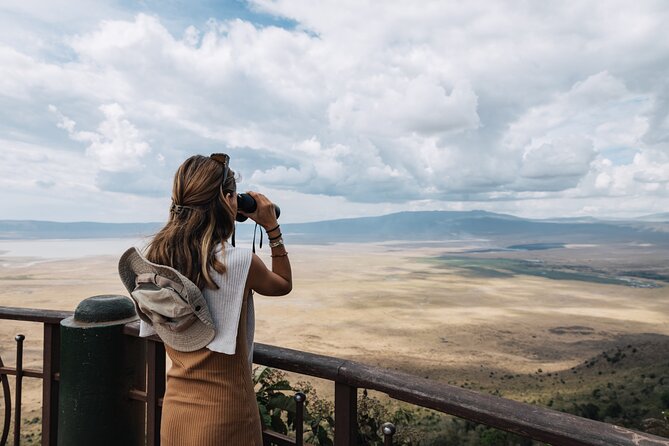
The Serengeti receives the longest share of the trip, and that is one of its best features. After breakfast, you transfer toward central Serengeti and the Seronera area, a key zone for wildlife viewing.
On the first Serengeti day, your guide focuses on the animals you most want to see. You may stop at the Serengeti Visitor Center around lunchtime, where you receive a lunchbox and learn about animal populations and the park’s history. Hyraxes can also be seen in this area.
You have a choice of rhythm at midday. You can continue with the day or return to camp for a quick lunch and nap before heading out again near sunset. That second option makes sense after an early start. A short rest can help you stay alert during the golden-hour drive, when the light softens and the plains take on a different character.
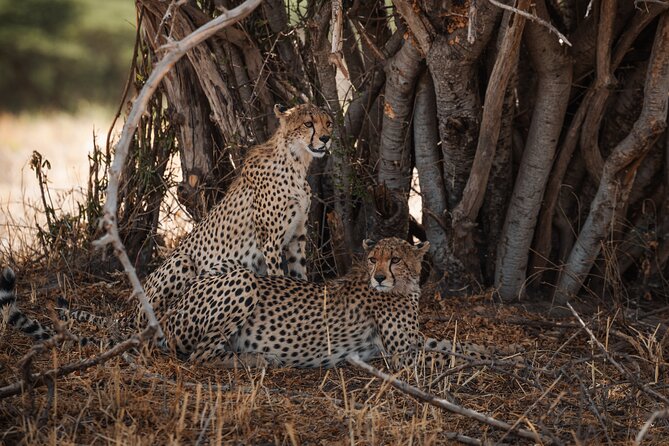
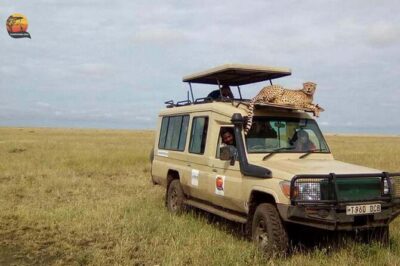
The sixth day continues in central Serengeti, but the experience will not be identical to the first. The guide searches new areas, and animal behavior can change quickly. Lions that were resting may begin hunting. Elephants may approach the vehicle. A cheetah could even appear on top of the safari car, an unusual moment that has been described from this trip.
This is also the time to look for kopjes, the rounded volcanic rock formations scattered across the plains. They create strong photo subjects and provide shade where animals may rest. Simba Rock is another named stop, linked to the rock shown in the scene where Mufasa presents baby Simba in The Lion King.
The final Serengeti day gives you another chance to see parts of this enormous park. One day cannot show it all, so the extra time helps you gain a fuller sense of its scale. It also protects you from the disappointment of treating one missed sighting as the whole safari.
By dinner, you return to a hotel in Arusha. Other drop-off points may be possible if arranged in advance. Since the last days include substantial driving and safari time, keep your final evening flexible rather than scheduling a tight connection.
The vehicle, guide, food, and comfort level
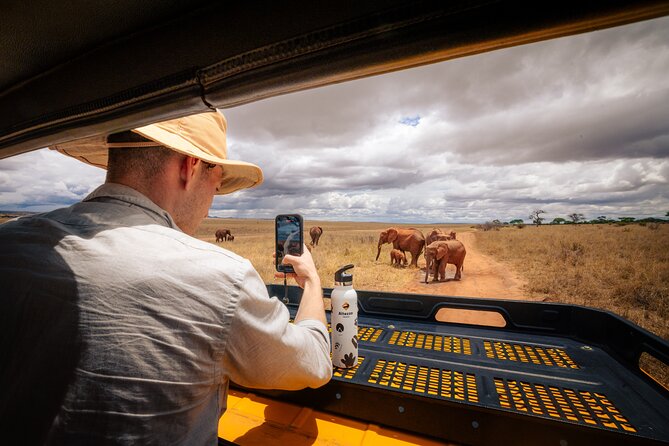
The new Land Cruiser is one of the practical strengths of this trip. The pop-up roof gives you a clear view for photographs and animal watching, while ergonomic seats matter during long drives. A refrigerator, power sockets, and drinks in the vehicle make the hours outside the lodges easier.
Bottled water, soft drinks, hot coffee, and tea are included while you are on safari. Full-board accommodation is also covered, with drinks at meals available as extras. Dietary requests can be handled if you state them during booking, including vegetarian, vegan, pescatarian, halal, gluten-free, lactose-free, and other meal preferences.
Free Wi-Fi is available, but the signal works in only about 60 to 75 percent of the areas covered. You should not plan on constant connectivity. That is not a problem for most people, but it is worth knowing before you promise daily calls or depend on a reliable work connection.
The guide can make or break a safari. Daniel, Stephen, Anold, and Noel are among the guides associated with particularly strong feedback. Daniel is praised for being determined to help find animals and for making the trip feel well organized. Noel is linked with the close lion sighting that made a lasting impression. The guide’s ability to read animal movement and listen to your priorities is more important than any printed schedule.
Who will get the most from this safari
This trip suits you if you want the main Northern Tanzania parks in one well-organized private package. It is a good match for first-time safari visitors, couples, small groups, wildlife photographers, and people combining a safari with a Kilimanjaro trip.
You will appreciate it most if you enjoy variety. The walking safari, birdwatching, crater viewing, open Serengeti drives, and volcanic kopjes keep the week from feeling like the same game drive repeated seven times.
The trip is less suitable if you need short days, smooth roads, strong Wi-Fi, or a fixed luxury standard above three or four-star lodging. You also need to be comfortable with remote accommodation, full days in a vehicle, and changing weather.
The experience is private, but the supplied information does not state the exact maximum number of people in each group. Only your own party participates, which gives you more control than a large shared vehicle.
Booking, cancellation, and practical details
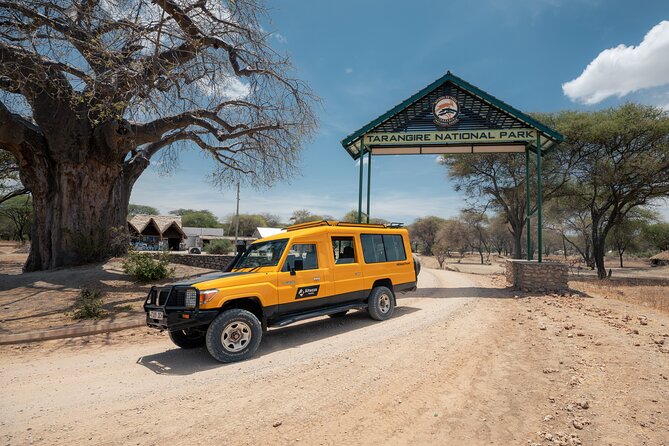
Pickup is offered, and the usual starting time is 7:30 a.m. Confirmation arrives when you book. The tour includes drop-off in Arusha at the end, with alternative points possible on request.
Tips for the safari guide are not included, so set aside money for that separately. Park entry and concession fees are included for the full trip, which makes the headline price easier to assess.
You can receive a full refund if you cancel at least six full days before the local start time. Cancellation two to six full days ahead allows a 50 percent refund, while cancellation less than two full days ahead is nonrefundable. Poor weather may lead to a new date or a full refund.
Should you book this Tanzania safari?
Book it if you want a private, wildlife-heavy week that covers Arusha, Tarangire, Ngorongoro, and the Serengeti without piecing together transport and park fees yourself. The strongest reasons are the two days in Tarangire, three days in central Serengeti, the unusual walking start, and the long list of included services.
Think twice if $4,802 feels stretched, if you need accessible transport, or if you want a soft, slow holiday with little time on rough roads. For the right person, this is a serious safari with strong coverage of Northern Tanzania, comfortable equipment, and enough time for the animals to set the pace.
FAQ
How long is the safari?
The safari lasts approximately seven days, beginning at 7:30 a.m. and ending with arrival at a hotel in Arusha by dinner on the final day.
Which national parks are included?
The route includes Arusha National Park, Tarangire National Park, Ngorongoro Crater, and Serengeti National Park.
Is this a private tour?
Yes. Only your group participates in the activity.
Is hotel pickup available?
Yes. Pickup is offered from your hotel or another location agreed upon with the operator.
What type of vehicle is used?
The safari uses a new Land Cruiser 4×4 with a pop-up roof, ergonomic seats, a refrigerator, and power sockets.
Are park fees included?
Yes. National park entry fees and concession fees for the full tour are included.
Are meals included?
Yes. The package includes six breakfasts, seven lunches, and seven dinners. Drinks with meals cost extra, while bottled water, soft drinks, coffee, and tea are provided in the vehicle.
Can dietary requirements be accommodated?
Yes. You should provide your requirements when booking. Options include pescatarian, vegetarian, vegan, halal, gluten-free, and lactose-free meals.
Is Wi-Fi available throughout the safari?
Free Wi-Fi is included, but the signal is available in only about 60 to 75 percent of the areas covered.
Is the safari suitable for people using mobility aids?
No. The safari is not suitable for people with mobility issues who use special mobility aids because remote lodges and safari vehicles lack the required infrastructure and storage.
Just added in Kilimanjaro
- Tanzania Wildlife Encounters – 6 Days★ 5.0 · 1 review
- Day Trip To Tarangire National Park★ 4.5 · 2 reviews
- Mount Kilimanjaro 7 Days – Machame Route★ 5.0 · 5 reviews
- 5 days Serengeti Wildebeest Migration Safari★ 5.0 · 3 reviews
- Mount Kilimanjaro 6 days – Machame route★ 4.0 · 5 reviews
- Marangu Cultural tour.★ 5.0 · 1 review
- Lemosho Route★ 5.0 · 21 reviews
- Airport Transfers at Kilimanjaro International Airport – JRO★ 5.0 · 2 reviews
7-Day Experiences, compared.

7-Day Premium Luxury Tanzania Safari All-Inclusive
Read our review →
Group Safari 7 Days in Tanzania’s Main Parks
Read our review →

Climbing Kilimanjaro through 7 days Machame Route
Read our review →
7-Day Machame Kilimanjaro Summit Tour from Arusha
Read our review →Browse the lists this tour appears in