Reviewed · WILDLIFE
8 Days Tanzania Wildlife Safari Experience
Wildlife starts with a long road. This 8-day Tanzania safari links Tarangire, Lake Manyara, Ngorongoro Crater, and Serengeti in one carefully ordered trip, with a 4×4 drive in and a flight from Serengeti back to Arusha. I like the strong mix of habitats, and I like the personal service associated with guides Sady, Moody, and Ally Simba. The main drawback is the pace: several days involve long drives, early starts, or up to 12 hours in the vehicle.
This is a private trip, so your group gets the vehicle and guide to itself. That matters on safari, since you can spend more time watching a lion, elephant herd, or bird colony instead of following a fixed group schedule. At $5,589.75 per person, it is a major purchase, but the price includes private transportation, park-related fees and taxes, seven lunches, six dinners, and eight breakfasts.
In This Review
- Key points to know before booking
- Why this eight-day route works
- Day 1: Arriving in Arusha after Kilimanjaro Airport
- Days 2 and 3: Tarangire’s elephants and giant baobabs
- Day 4: Lake Manyara’s forest, flamingos, and birdlife
- Day 5: A full day inside Ngorongoro Crater
- Day 6: Entering the Serengeti through the highlands
- Day 7: The main Serengeti game-viewing day
- Day 8: Flying from Seronera to Arusha
- What the price includes, and where value comes from
- Guides, comfort, and the small details that matter
- Who should book this Tanzania safari
- Should you book it?
- FAQ
- Where does the safari start?
- Which national parks are included?
- Is this a private tour?
- How do I return from the Serengeti?
- What meals are included?
- Can I cancel for a full refund?
Key points to know before booking
- Drive in, fly out: You travel overland through Tanzania’s northern parks, then fly from the Serengeti to Arusha on the final morning.
- Four famous wildlife areas: Tarangire, Lake Manyara, Ngorongoro Crater, and Serengeti each offer a different type of safari experience.
- Private touring: Only your own group participates, which gives you more control over viewing time and daily rhythm.
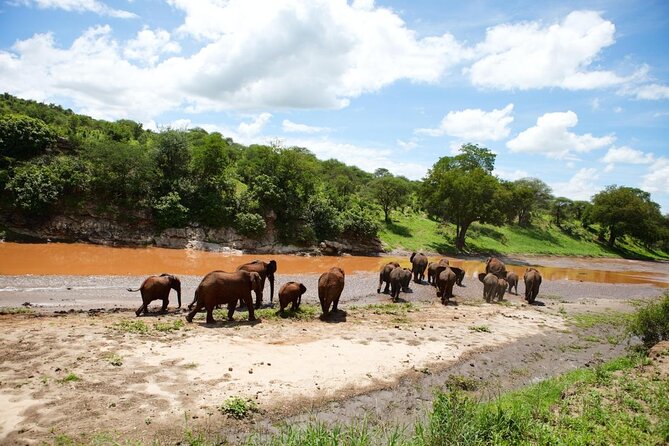
- Elephants are a major feature: Tarangire is especially good for close elephant sightings among baobabs, riverbeds, and open bush.
- Service receives strong praise: Sady, Moody, and Ally Simba are named for warm, capable handling, including managing a minor inconvenience professionally.
- Plan for long safari days: Some drives and game-viewing days last 8 to 12 hours, with limited time for simply doing nothing.
Why this eight-day route works
The route follows a sensible northern Tanzania circuit. You begin near Arusha, move through Tarangire and Lake Manyara, continue to Ngorongoro, then spend two nights in the Serengeti before flying back.
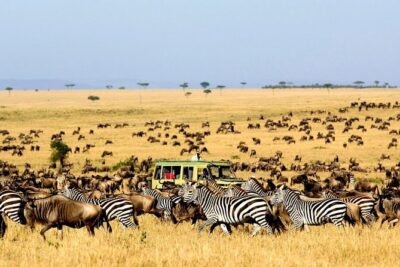
That order gives you variety early and more time in the Serengeti later. Tarangire brings elephants and baobab trees. Lake Manyara changes the rhythm with birds, forest, and water. Ngorongoro packs a large number of animals into a compact crater floor. The Serengeti then opens everything up with broad plains, kopjes, predators, and the possibility of following the annual wildebeest and zebra movement.
The private format is one of the most useful features. Safari days can be unpredictable. An animal may appear just as you are ready to leave, or the best sightings may require patience. With your own group, you are not sharing every decision with strangers.
Still, this is not a soft, slow holiday. A full safari day can run 12 hours. Roads and transfers take time, and the schedule includes several early departures. You should be comfortable sitting in a vehicle for long stretches and staying alert for wildlife.
More wildlife trips in Arusha:
- Tanzania Wildlife Encounters – 6 Days
★ 5.0 · 277 reviews - 6 Day Tanzania Wildlife Mid range Safari
★ 5.0 · 54 reviews - 5 Days 4 Nights Tarangire, Serengeti , Ngorongoro & Manyara Wildlife Safari
★ 5.0 · 40 reviews
Day 1: Arriving in Arusha after Kilimanjaro Airport
Your safari begins with a meet-and-greet at Kilimanjaro International Airport, followed by a transfer of about one hour to Arusha.
This overnight is practical rather than a sightseeing day. It gives you a chance to reach town, settle in, and prepare for the morning briefing. The advertised start time is 8:30 a.m., so confirm the exact pickup plan when you book, especially if your international flight arrives late or on a different day.
Arusha is the natural jumping-off point for the northern safari circuit. The important point here is not to expect a packed first day. This is a buffer night that helps the main safari begin without rushing straight from an airport arrival into a park.
Days 2 and 3: Tarangire’s elephants and giant baobabs
After the morning briefing, you drive about two hours to Tarangire National Park. The first game drive lasts roughly seven hours, with the open roof of the safari vehicle giving you a clear view of the surroundings.
Tarangire is a strong opening act. Giant baobabs, bush savannah, woodland, and seasonal marshes create scenery that feels different from the open grasslands farther west. The Tarangire River cuts through the park and reaches Lake Burunge, helping support wildlife in a region where water is especially important.
Elephants are the park’s big draw. The large family groups, including calves, can be seen at close range, and the animals are described as relatively relaxed around vehicles. That does not make sightings guaranteed, but it does make Tarangire a particularly promising place to watch elephant behavior rather than simply take a quick photograph.
Buffalo, zebra, and wildebeest are also common parts of the park experience. Lions often follow these herds. Leopards appear from time to time, while cheetahs are uncommon, so you should not treat every safari stop as a checklist for all of the Big Five.
The second Tarangire day is a full 12-hour outing, including lunch at Tarangire Sopa Lodge, some time to unpack and rest, and another afternoon game drive. This split is useful. You get a long morning in the park, a break during the hottest part of the day, and a second chance to search for animals later.
The tradeoff is stamina. Twelve hours in a safari vehicle can be tiring, especially if you are traveling with children or prefer a relaxed holiday. The reward is more time in one of Tanzania’s most varied parks, with better odds of seeing changing animal activity across the day.
Day 4: Lake Manyara’s forest, flamingos, and birdlife
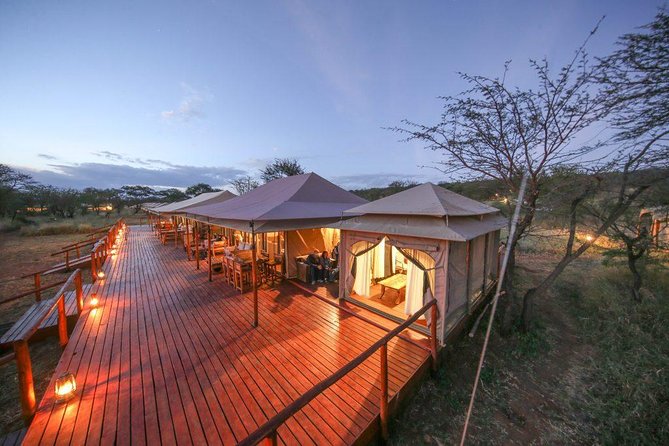
After breakfast, you leave Tarangire for Lake Manyara National Park. The day is planned for about eight hours.
Lake Manyara offers a useful change of scenery. More than 400 bird species have been recorded here, and the alkaline lake can support seasonal colonies of flamingos and other waterfowl. The park also includes primate-filled forests and grassy plains, so you are not watching only the water’s edge.
Look for giraffes, hippos, wildebeests, and impalas. Monkeys and baboons add plenty of movement in the wooded areas. For anyone interested in birds, this may be one of the most rewarding stops, especially if the lake conditions are right.
The word seasonal matters. Flamingo numbers and water levels can change, so you should keep expectations flexible. Lake Manyara is not simply a smaller version of the Serengeti. Its appeal is the combination of forest, lake, birds, primates, and open ground in a compact park visit.
Because this is another full day after Tarangire, the route can feel busy. On the other hand, the contrast keeps the safari from becoming repetitive. You are not spending every day looking across the same kind of grassland.
A few more options to weigh up in Arusha
- Balloon Safari & Bush Breakfast in Serengeti – Miracle Experience
★ 5.0 · 1,646 reviews - Tanzania Classic – 7 Days
★ 5.0 · 1,151 reviews - 4 Days Group Camping Safari
★ 5.0 · 1,101 reviews - 5 Days Group Camping Safari
★ 5.0 · 730 reviews
Day 5: A full day inside Ngorongoro Crater
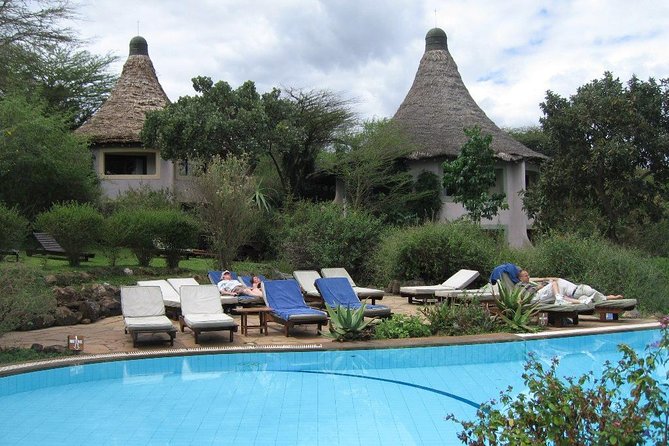
You rise early, eat breakfast, and descend into Ngorongoro Crater for a full day of game viewing. This is one of the most concentrated wildlife days on the route.
The crater is a collapsed volcanic caldera, and its enclosed setting supports more than 25,000 mammals. The floor can offer sightings of lion, elephant, buffalo, rhinoceros, leopard, spotted hyena, and many other species. More than 500 bird species are associated with the area.
The value here is density. You are exploring one contained natural area rather than crossing enormous distances in search of every animal. That can make Ngorongoro an efficient place to look for a broad range of wildlife, though animal sightings are never promised.
Lunch is a picnic during the game drive, followed by more viewing before you leave the caldera in the late afternoon. You then return to your lodge for dinner and the night.
This day has two clear considerations. First, it begins early. Second, the crater is a popular and highly anticipated setting, so the experience may feel more structured and vehicle-focused than a quiet remote camp. The itinerary does not give a precise vehicle limit or lodge list, so ask for those details if crowd levels or accommodation style are important to you.
Day 6: Entering the Serengeti through the highlands
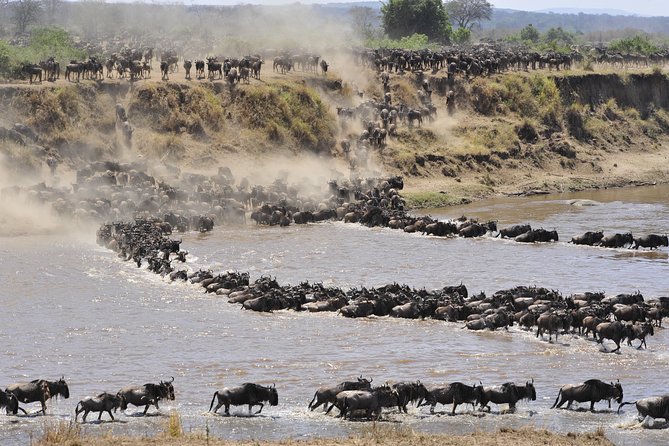
After breakfast, you travel through cooler highland areas toward the southern Serengeti. By midday, you reach the plains of Serengeti National Park, followed by game viewing for about six hours.
The Serengeti is Tanzania’s largest national park and offers the greatest sense of space on this trip. Its habitats include short-grass plains, savannah, thick bush, swamps, and lakes. Rocky outcrops called kopjes break up the grasslands and can provide places where predators are seen.
This is where the route changes from a series of distinct park visits to a wider search for wildlife. The Serengeti is famous for the annual movement of wildebeest and zebra in search of water and fresh grass. The herds do not follow a perfectly fixed calendar, though, since rainfall controls their movements.
That uncertainty is part of the safari experience. If the animals are not in the area you expected, your guide must adjust the search. The itinerary says the guide will use current conditions to locate the herds and the best viewing areas, but no one can promise a particular migration scene on a particular day.
The journey into the park is itself a long transfer, so you should expect the day to combine driving and game viewing. Reaching the Serengeti by road gives you a gradual change from highlands to plains, but it also means less time on the first afternoon than on the dedicated game-viewing day that follows.
Day 7: The main Serengeti game-viewing day
The seventh day is devoted entirely to Serengeti wildlife. The area you visit depends on where the migrating herds are at that time of year.
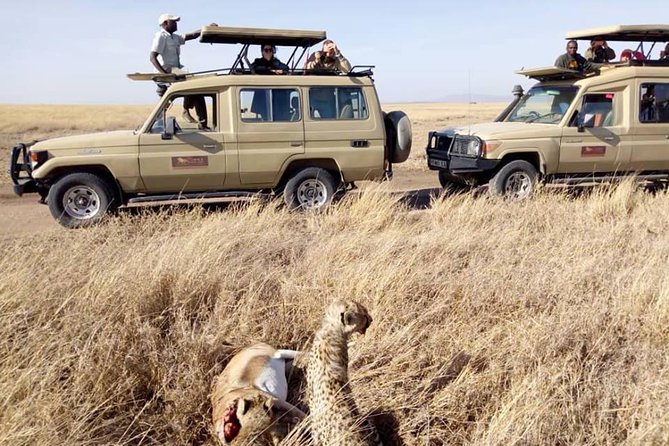
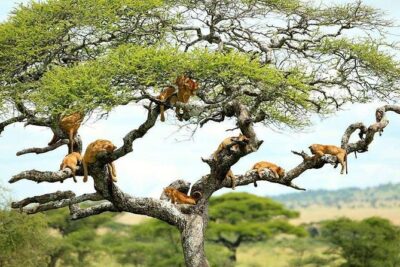
Predators often follow the grazing animals. Possible sightings include lions, leopards in acacia trees, and cheetahs. The Serengeti’s open spaces make animal behavior easier to observe from a distance, while kopjes and trees can offer clues about where predators may be resting or hunting.
The seasonal guide is useful but should not be treated as a guarantee. During the shorter rains in November and December, herds generally move from northern hills toward southern plains. During the longer rains from April through June, they generally head north again. The exact position can shift from year to year.
This is another 12-hour day, so your comfort with long game drives matters. The upside is simple: one full day gives your guide time to search different areas rather than stopping after a short circuit. It also gives you time to appreciate quieter moments, such as watching a herd move across the plains, rather than rushing from one sighting to the next.
The Serengeti is likely to be the emotional high point for many people on this route, but it is best approached with patience. If you need constant action, the day may feel slow between sightings. If you enjoy watching nature unfold at its own pace, the open-ended schedule is a strength.
Day 8: Flying from Seronera to Arusha
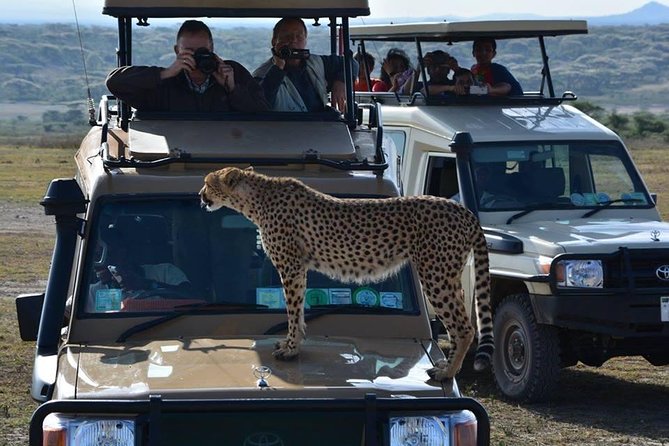
On the final morning, you travel toward the Seronera airstrip for a flight normally scheduled around 8 a.m. The flight takes you from central Serengeti to Arusha Airport, where you are expected to arrive in time for an early lunch.
From Arusha, a transfer takes you to Kilimanjaro International Airport for your onward flight. This fly-out arrangement saves you from repeating the long road journey back to Arusha. It also protects the final day from becoming one exhausting all-day drive.
You should still allow plenty of time between the safari flight, the airport transfer, and your international departure. The schedule says the transfer continues to Kilimanjaro Airport, but it does not state a guaranteed connection buffer. Ask the operator to confirm the recommended departure time for your onward flight.
The flight is a practical ending, not another full safari day. You may catch views of Tanzania from above, but the main benefit is time saved and a smoother finish.
What the price includes, and where value comes from
At $5,589.75 per person, this safari sits firmly in the expensive category. The value depends on how much you place on a private vehicle, a multi-park route, and avoiding the long return drive from the Serengeti.
The package includes private transportation, all listed fees and taxes, eight breakfasts, seven lunches, and six dinners. It also includes the airport transfers described in the route and the final flight from Serengeti to Arusha, based on the drive-in and fly-out plan.
Beverage drinks are not included, so budget separately for those. The supplied details do not name every lodge, specify room categories, or explain whether the Serengeti flight is priced separately from the quoted amount. Before paying, request a day-by-day cost sheet that confirms lodging, internal airfare, park fees, and airport transfers.
The strongest value is the private arrangement. If you are splitting the cost with several people in your own group, the price may feel more reasonable. It is also attractive if you want the guide to adapt the daily search for animals instead of following a shared itinerary.
Guides, comfort, and the small details that matter
The human side of this trip receives especially warm praise. Sady, Moody, and Ally Simba are singled out for friendly service, careful planning, and professional handling of a minor problem during one trip.
That detail matters more than polished sales language. Safari plans involve roads, wildlife timing, park rules, weather, and flights. A guide who stays calm when something changes can make a real difference to your holiday.
The vehicle is described as a proper 4×4 safari vehicle with an open roof. That setup helps you see above the sides and take in the scenery, but you should still expect dust, bumps, sun, and long periods of sitting. Bring practical clothing, sun protection, and a way to keep drinks accessible, remembering that beverages are not included.
Most people can participate, and the activity is private. The supplied information does not give detailed mobility guidance, so anyone with specific physical needs should ask the operator for current vehicle, lodge, and park access details before booking.
Cancellation is free if you cancel at least 24 hours before the local start time. Changes or cancellations inside that window are not accepted for a refund.
Who should book this Tanzania safari
I would point this trip toward someone who wants a broad first look at northern Tanzania and prefers one organized package. It suits couples, families, and small private groups who value a dedicated vehicle and do not want to arrange each transfer separately.
It is also a good fit for an elephant lover, bird watcher, or first-time safari guest who wants more than one type of park. Tarangire, Lake Manyara, Ngorongoro, and Serengeti each bring a different setting, so the route offers more variety than staying in one reserve.
I would hesitate if you dislike early mornings, long drives, or full-day vehicle outings. I would also ask more questions before booking if luxury lodging, precise flight times, or a quiet low-density safari are your top priorities, since those details are not fully specified.
Should you book it?
Book this safari if you want a private, wildlife-heavy route with four major northern Tanzania parks and a convenient flight back from the Serengeti. The itinerary gives you meaningful time in Tarangire and Serengeti, plus strong variety at Lake Manyara and Ngorongoro Crater.
Before committing, confirm the lodges, domestic flight cost, exact vehicle arrangements, and airport connection time. If those details match your expectations, the combination of expert personal service, private transport, included meals, and a drive-in, fly-out design makes this a strong choice for a first Tanzania safari.
FAQ
Where does the safari start?
The experience begins with arrival at Kilimanjaro International Airport, followed by a transfer to Arusha for the first overnight stay. The listed start time is 8:30 a.m.
Which national parks are included?
The route includes Tarangire National Park, Lake Manyara National Park, Ngorongoro Crater, and Serengeti National Park.
Is this a private tour?
Yes. Only your own group participates in the private tour or activity.
How do I return from the Serengeti?
On the final morning, you travel to the Seronera airstrip and normally take a flight around 8 a.m. to Arusha Airport. You then transfer to Kilimanjaro International Airport.
What meals are included?
The package includes eight breakfasts, seven lunches, and six dinners. Beverage drinks are not included.
Can I cancel for a full refund?
Yes, if you cancel at least 24 hours before the experience start time based on local time. Cancellations or changes made less than 24 hours before the start are not refunded or accepted.
Just added in Arusha
- Safari “Kifaru” – 5 days in the most famous Parks in the world★ 5.0 · 4 reviews
- Saadani Day Trip★ 5.0 · 13 reviews
- 3 Days Tanzania Short and Spicy★ 5.0 · 6 reviews
- 5 Day Tanzania Safari Camping Adventure Private Tour★ 5.0 · 2 reviews
- Day Trip to Ngorongoro Crater from Arusha★ 5.0 · 1 review
- SERENGETI NATIONAL PARK Tour★ 4.5 · 5 reviews
- 3 Days Serengeti Park & Ngorongoro Crater Adventure Safari★ 5.0 · 8 reviews
- 6 Days Tanzania Bush Experience Safari★ 5.0 · 6 reviews
Wildlife, compared.

5 Days 4 Nights Tarangire, Serengeti , Ngorongoro & Manyara Wildlife Safari
Read our review →
4 Days Wildlife Safari and Cultural Experience in Tanzania
Read our review →
SAFARI WILDLIFE 3 DAYS 2 NIGHT FROM ZANZIBAR TO MIKUMI
Read our review →
From Moshi or Arusha: Serval Wildlife Sanctuary Trip
Read our review →