
Reviewed · SERENGETI & NGORONGORO SAFARIS
Arusha: 4-Day Safari to Tarangire, Serengeti, and Ngorongoro
The wild can be wonderfully inconvenient. This four-day safari packs Tarangire, Serengeti, and Ngorongoro into one fast-moving trip, giving you a strong chance to see elephants, lions, rhinos, and other wildlife without arranging several separate tours. I especially like the private 4×4 Jeep, English-speaking guide, binoculars, and included meals. I also like that a cook travels with the safari, since one recent guest praised the fresh meals served each day.
The main caution is the pace. You cover a lot of ground in four days, and the camping can be genuinely wild rather than polished. Small campsite bathrooms, possible wildlife near your tent, and extra tips for the driver and cook are all part of the deal. At $1,143 per person, this is a serious purchase, but the private vehicle, accommodation, park drives, water, and cooking support make it a reasonable package for a short Tanzania safari.
In This Review
- Key points before you book
- What $1,143 buys you on safari
- Day one: Tarangire’s elephants and open country
- Day two: The long run toward the Serengeti
- Day three: Migration watching, then central Serengeti
- Day four: Inside the Ngorongoro Crater
- The guide, cook, and vehicle make the difference
- Camping, comfort, and what to pack
- Best season for the migration portion
- Who will enjoy this four-day route
- Should you book Paws and Claws Safaris?
- FAQ
- How long is the safari?
- Where does the safari begin?
- Which parks and wildlife areas are included?
- Is the safari private?
- Is an English-speaking guide included?
- Are meals included?
- What animals might I see?
- When is the best time for the northern Serengeti migration?
- What is not included in the price?
- What should I bring?
Key points before you book
- Three major wildlife areas in four days: Tarangire, the Serengeti, and Ngorongoro Crater each offer a different setting and style of game viewing.
- Private 4×4 Jeep included: You are not simply being placed on a general sightseeing bus, and the guide can focus on your safari experience.
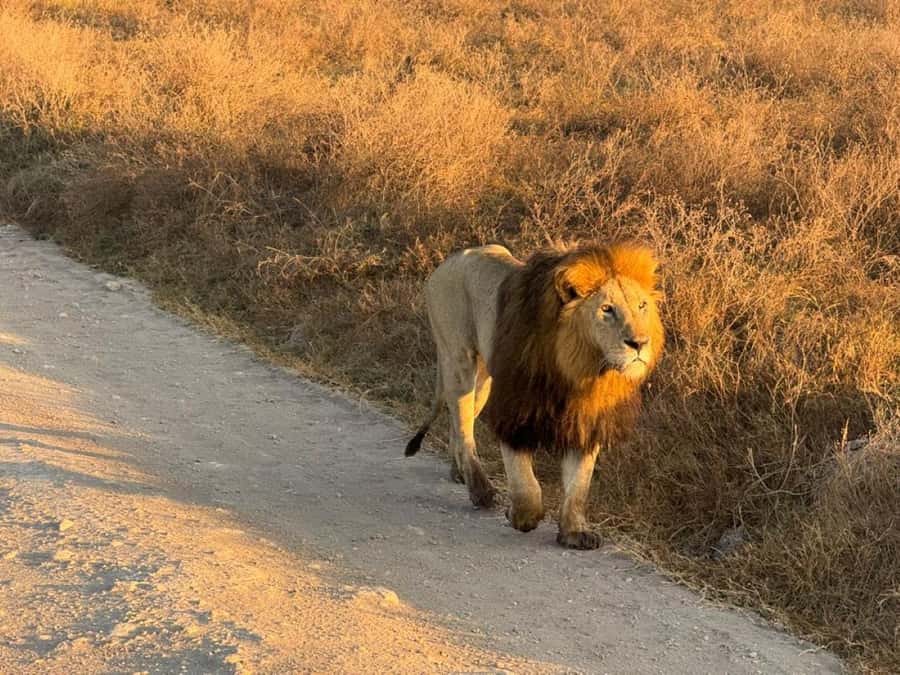
- Big Five viewing is possible: Lions, elephants, buffaloes, leopards, and rhinos are among the animals you may seek, though no safari can promise every sighting.
- Migration timing matters: The route refers to Ndutu or the Mara area, with June through October given as the best period for the northern Serengeti.
- Camping is part of the adventure: Small shared-style facilities and nearby animal sounds may be part of your night.
- Bring toilet paper and cash: Toilet paper is a useful personal backup, and tips for the driver and cook are not included.
What $1,143 buys you on safari
The price covers four days, accommodation, an English-speaking guide, a private 4×4 Jeep, mineral water, power sockets, and binoculars. Meals are also part of the safari arrangement, with lunch boxes supplied during game drives and a cook accompanying the trip.
That matters because safari costs can rise quickly when you add transport, park access, overnight stays, and food. Here, the core structure is already in place. You do not need to arrange separate transfers between the parks, find a vehicle for each game drive, or pack four days of meals.
The private Jeep is one of the strongest points. A private vehicle gives your party more control over the day than a large shared group usually allows. The driver can spend more time at a sighting that interests you, and you do not have to match the preferences of strangers.
Still, $1,143 does not mean every expense disappears. International flights, visa fees, personal spending, and travel insurance are excluded. Tips for the driver and cook are also extra. One guest who received excellent service said the additional gratuity felt deserved, but you should include it in your budget from the start.
The accommodation is described as comfortable, but the trip also includes tented camping. Ask for the exact overnight properties before paying if bed style, bathroom arrangements, or comfort level matter to you. The camping can be a highlight for someone who wants real outdoor atmosphere, but it may feel too basic for someone expecting lodge-style luxury every night.
More Serengeti and Ngorongoro safaris:
- Balloon Safari & Bush Breakfast in Serengeti – Miracle Experience
★ 5.0 · 1,646 reviews - 3 Days Serengeti & Ngorongoro Group Camping Safari
★ 5.0 · 574 reviews - 5-Day Highlights mid-Range Crater, Serengeti, Tarangire
★ 5.0 · 296 reviews
Day one: Tarangire’s elephants and open country
Your guide picks you up from your lodge after breakfast and takes you toward Tarangire National Park. You receive a lunch box and spend the day on a wildlife drive before returning to your lodge for dinner and the night.
Tarangire is a good first stop because it gives you an early taste of Tanzania’s wildlife without saving every major sight for the Serengeti. The park is especially associated with elephants in the details provided for this trip, and you may also encounter lions and other animals while moving through the park.
This first day also helps you settle into safari rhythm. You will spend much of the day seated in the Jeep, watching the roadside and open areas for movement. A camera, sunscreen, water, hat, and comfortable shoes are practical choices, even though you are not taking a walking tour.
The return to the lodge gives you a more settled evening than the later camp nights. You can relax, eat dinner, and prepare for the next long transfer. I would keep your first day flexible, since the exact amount of time spent driving and viewing wildlife can depend on road conditions and animal sightings.
Day two: The long run toward the Serengeti
Day two takes you from Arusha toward the Serengeti, with the itinerary referring to the Ndutu or Mara area. You travel with lunch boxes, enter the park, and spend the afternoon on a game drive before reaching camp.
This is an ambitious day. The Serengeti is not a quick add-on from Arusha, so you should expect a substantial transfer as part of the experience. The reward is access to one of Africa’s best-known wildlife regions, but the tradeoff is less time for a relaxed start or a leisurely hotel morning.
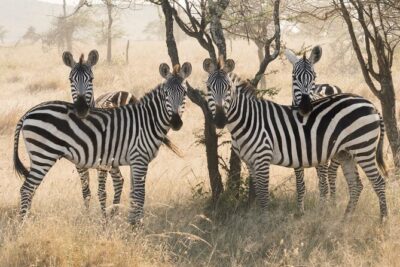
The trip puts special attention on the Great Migration, when wildebeests, zebras, and other animals move in large herds. The itinerary also highlights calving season, when wildebeests give birth. The exact spectacle depends on rainfall and the season, so you should treat migration viewing as a possibility rather than a guarantee.
The timing notes point to early June through late October for the northern Serengeti and Mara area. Another part of the schedule gives mid-June through late October as the strongest period. Those dates are useful, but the reference to Ndutu suggests that the best area may change with the season. Before you book, ask Paws and Claws Safaris which section of the Serengeti your departure is expected to visit.
You have lunch at a suitable place inside the park, then continue toward camp. This is a full day, and the safari becomes less about ticking off attractions and more about watching the country change as you move through it.
Day three: Migration watching, then central Serengeti
You start early with breakfast and another game drive in the Serengeti, again focusing on the migration. In the afternoon, you leave the Mara area and continue to central Serengeti for the night.
The early start is sensible. Wildlife activity can be rewarding in the morning, and the cooler hours are generally more comfortable for a long drive. The itinerary does not give a specific departure time, so confirm that after booking if you care about the exact schedule.
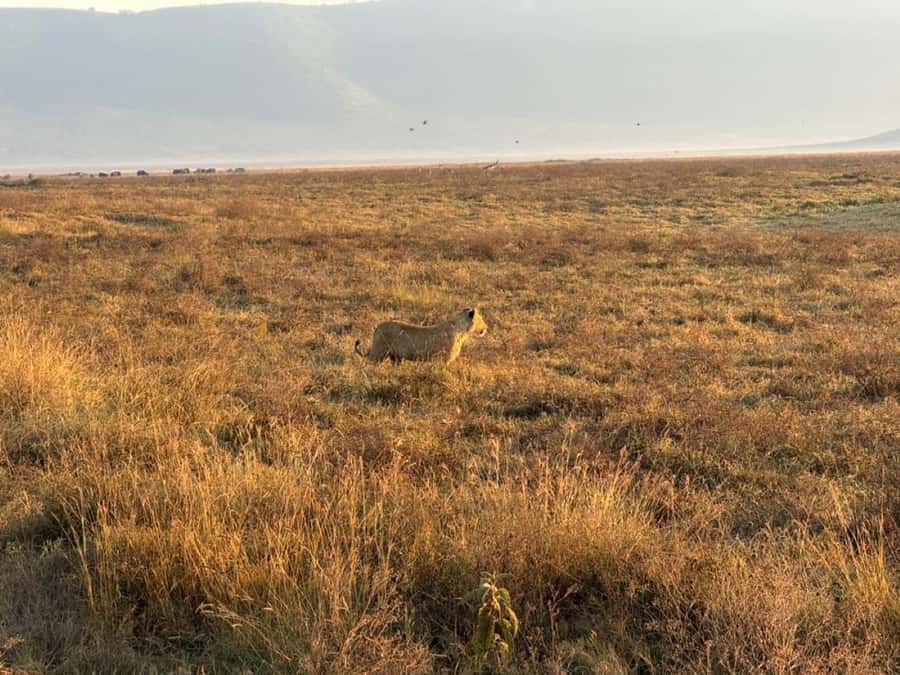
This day offers a useful contrast between a focused migration search and a broader move through the park. The Serengeti is not only about the herds. The stated wildlife highlights include lions, elephants, cheetahs, buffaloes, and many bird species, so keep scanning beyond the largest groups of animals.
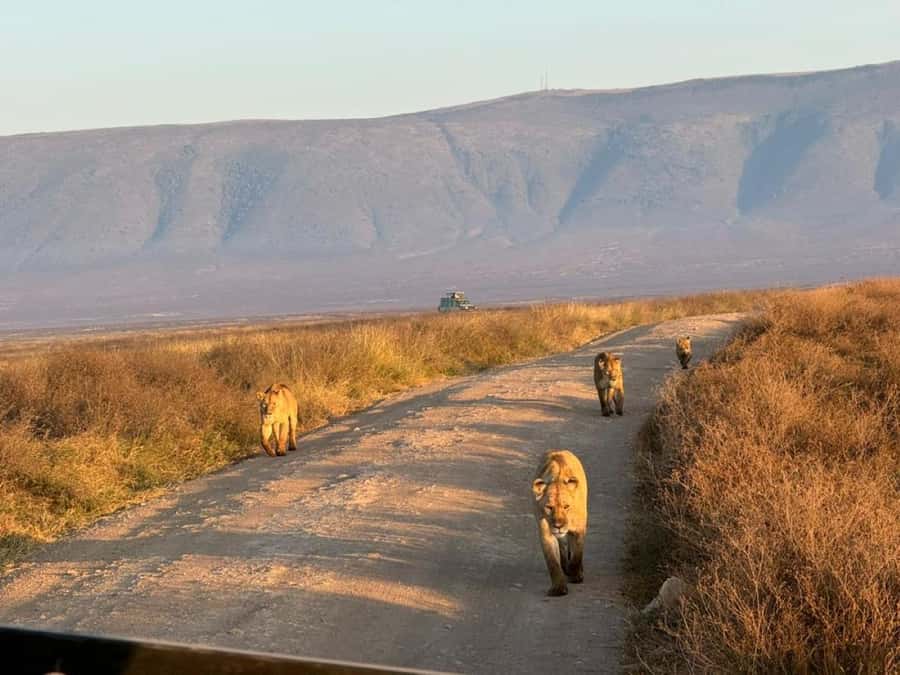
The Big Five are a major selling point of the safari. They usually refer to lion, elephant, buffalo, leopard, and rhino. A recent guest reported seeing all five by the second day, which shows what is possible with good timing and an effective driver. It is not a promise, but it is an encouraging sign for anyone choosing the trip mainly for wildlife variety.
The night in central Serengeti breaks up the route to Ngorongoro. Your accommodation may be a camp, and that means you should adjust your expectations. One guest described waking to the noise of ten buffaloes around the tent. That is an unforgettable safari story, but it also makes the point clearly: this is not silent, fully controlled hotel camping.
Carry toilet paper in your day bag. The small campsite sanitation facilities may not always have enough supplies, and this is an easy way to avoid an uncomfortable surprise.
More Tarangire safaris:
- Private 6-Day Tarangire Manyara Crater and Serengeti with Mid-Range Lodges
★ 5.0 · 238 reviews - 5 Days Camping Tarangire, Serengeti & Ngorongoro crater & Visiting Maasai
★ 5.0 · 229 reviews - 4 Days Join Group tour Tarangire Serengeti and Ngorongoro crater
★ 5.0 · 219 reviews - 4-Day Safari from Arusha: Tarangire, Serengeti and Ngorongoro
★ 5.0 · 173 reviews
Day four: Inside the Ngorongoro Crater
After breakfast, you leave the tented camp for the Ngorongoro Conservation Area. At the gate, the Jeep descends into Ngorongoro Crater for game viewing, with lunch boxes provided.
The crater is the most concentrated wildlife stop on this route. It is a UNESCO World Heritage Site and a vast caldera, with about 30,000 large mammals living there year-round according to the tour information. That concentration gives you a strong chance of seeing many animals in a shorter period.
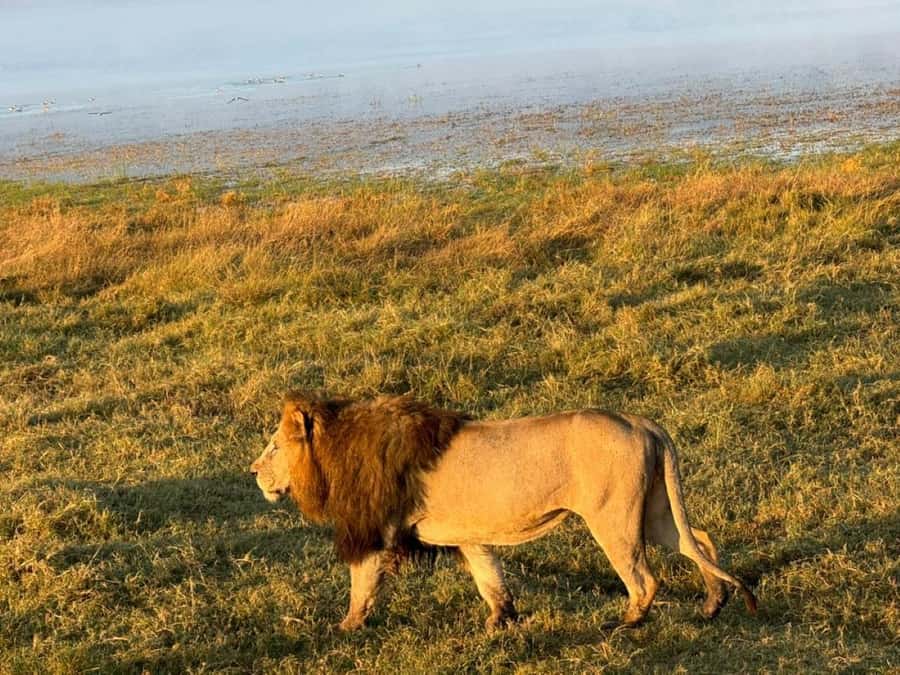
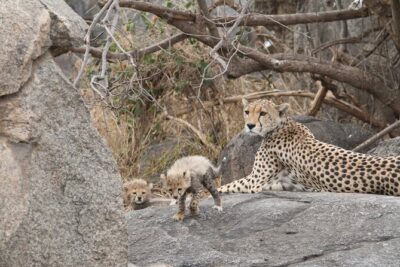
The listed animals include buffaloes, lions, elephants, cheetahs, and rhinos. Birdlife can include flamingos, eagles, and buzzards. If you want a final day with a good range of possible sightings, Ngorongoro makes sense.
The setting also changes the mood of the safari. Instead of following herds across a broad park, you spend time inside a dramatic natural bowl with wildlife gathered in a contained area. It can be an efficient way to finish the trip, particularly after the large distances covered in the Serengeti.
The schedule says you may have a chance to visit a Maasai community living in the crater. Treat this as an opportunity connected to the day, not a guaranteed village visit, since the wording does not provide a fixed visit length or detailed cultural program. If this matters to you, ask what the visit involves and whether an additional payment is expected.
After the crater drive, you return to Arusha town or the airport. That final transfer is useful if you are continuing your trip or flying onward, but confirm your flight timing carefully. The schedule is full, and you do not want to arrange a close connection without checking the expected return time.
The guide, cook, and vehicle make the difference
A safari depends heavily on the people in the vehicle. The named driver for one departure was Jackson, and the feedback about his effort was especially strong. The guest credited him with helping make as many sightings as possible, including the Big Five early in the trip.
That is important because wildlife viewing is not just a matter of entering a park. A driver who watches carefully, listens to your interests, and knows how to position the vehicle can shape the day. The package also includes binoculars, but bringing your own pair can still be useful if you prefer a particular size or magnification.
The cook is another real benefit. One recent guest said the meals were a daily pleasant surprise. Fresh food prepared during a camping safari can make a long day much easier, especially when you are eating lunch boxes during drives and returning to camp tired.
The listing states that the trip is private, but it does not specify the maximum number of people in your party or the exact Jeep capacity. Ask about this before booking. Private does not always mean just two people, and space in a safari vehicle affects comfort during long drives.
Camping, comfort, and what to pack
The accommodation is described as comfortable, but camping facilities are basic in at least some locations. The small bathrooms may be adequate, yet you should not expect the same convenience as a city hotel.
Pack light, practical items:
- Comfortable shoes
- A sun hat
- Sunscreen
- Insect repellent
- A camera
- Water
- Binoculars
- Toilet paper
- Local currency for personal costs and tips
Power sockets are included, which is helpful for charging a camera or phone. You should still manage battery use carefully, since a busy day of photos can drain equipment quickly.
Smoking, alcohol and drugs, littering, and feeding animals are not allowed. These rules are basic but important. Follow the guide’s directions around wildlife, stay within park regulations, and do not try to attract an animal for a better photograph.
The experience is not suitable for children under two, pregnant women, or people with back problems. The information also gives conflicting accessibility details: one section says the activity is wheelchair accessible, while another says it is not suitable for wheelchair users. If you use a wheelchair, contact the operator directly and get a clear answer about the vehicle, campsite, crater access, and bathroom facilities before booking.
Best season for the migration portion
The migration is controlled by rainfall, not by a simple calendar. The schedule gives early June through late October for the northern Serengeti and Mara area, and mid-June through late October as a strong general period.
That makes the date of your safari one of the most important booking decisions. If your main goal is the Mara portion of the migration, ask where the vehicle will go during your exact travel dates. The itinerary can mention Ndutu or Mara, but those are not interchangeable stops.
Even outside the migration focus, the safari still offers Tarangire and Ngorongoro. If your dates do not line up with the described movement of herds, you can still expect game drives and the chance to see major animals. Just do not pay a premium in expectation of a guaranteed river crossing or a specific calving scene.
Who will enjoy this four-day route
I would recommend this safari to you if you have limited time in northern Tanzania and want three major wildlife areas in one compact trip. It is also a good fit if you value a private vehicle, included meals, and a guide who can focus on your group.
You should be comfortable with long drives and a busy schedule. The route gives you only four days, so each transfer matters. It is less suitable if you want slow mornings, long stays at one lodge, or a luxury-only experience.
It is also a strong choice for people who want a real camping element. Hearing animals near the tent can be thrilling, but it is not the right match for someone who needs quiet nights and full hotel facilities.
Free cancellation up to 24 hours before departure and the option to reserve now and pay later offer useful flexibility. The tour is conducted in English, and a passport is required for identification. Check visa rules for your nationality before you leave home.
Should you book Paws and Claws Safaris?
Book this trip if your priority is wildlife, variety, and value in a short window. The private 4×4, included cook, binoculars, water, accommodation, and three major destinations give the $1,143 price a solid practical foundation.
I would ask three questions before making the final payment: Which Serengeti area will you visit on my dates? What type of accommodation and bathroom facilities are included each night? How many people will share the private Jeep?
If you accept the long transfers and basic camping, this can be a memorable introduction to northern Tanzania. If you want a relaxed lodge holiday, choose a longer itinerary with fewer park changes instead.
FAQ
How long is the safari?
The safari lasts four days.
Where does the safari begin?
The safari begins in Arusha, Tanzania.
Which parks and wildlife areas are included?
The route includes Tarangire National Park, Serengeti National Park, and the Ngorongoro Conservation Area and Crater.
Is the safari private?
The package includes a private 4×4 Jeep. The exact number of people in the vehicle is not stated, so confirm the group size with the operator.
Is an English-speaking guide included?
Yes. An English-speaking live guide is included.
Are meals included?
Meals are included as part of the safari arrangement. Lunch boxes are provided during game drives, and a cook travels with the safari.
What animals might I see?
The safari highlights the Big Five, including lions, elephants, buffaloes, leopards, and rhinos. Cheetahs and several bird species, including flamingos, eagles, and buzzards, are also listed.
When is the best time for the northern Serengeti migration?
The provided timing is early June through late October, with another schedule note giving mid-June through late October. Migration movements depend on rainfall.
What is not included in the price?
International flights, visa fees, personal expenses, and travel insurance are not included. Tips for the driver and cook are also extra.
What should I bring?
Bring comfortable shoes, a sun hat, a camera, sunscreen, water, insect repellent, and binoculars. Carrying your own toilet paper is also a sensible camping precaution.
Just added in Arusha
- Safari “Kifaru” – 5 days in the most famous Parks in the world★ 5.0 · 4 reviews
- Saadani Day Trip★ 5.0 · 13 reviews
- 3 Days Tanzania Short and Spicy★ 5.0 · 6 reviews
- 5 Day Tanzania Safari Camping Adventure Private Tour★ 5.0 · 2 reviews
- Day Trip to Ngorongoro Crater from Arusha★ 5.0 · 1 review
- SERENGETI NATIONAL PARK Tour★ 4.5 · 5 reviews
- 3 Days Serengeti Park & Ngorongoro Crater Adventure Safari★ 5.0 · 8 reviews
- 6 Days Tanzania Bush Experience Safari★ 5.0 · 6 reviews
Serengeti & Ngorongoro Safaris, compared.
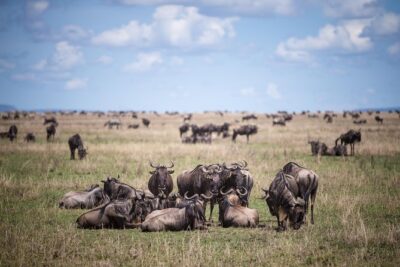
Serengeti Balloon Safari and authentic bush breakfast
Read our review →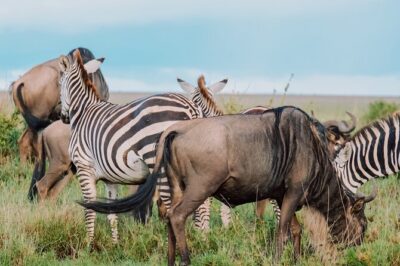
Balloon Safari & Bush Breakfast in Serengeti – Miracle Experience
Read our review →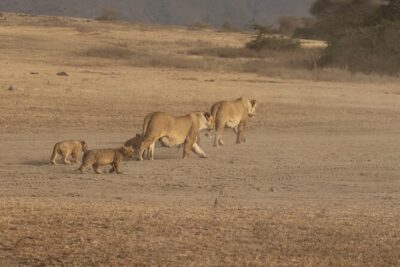
3 Days Serengeti & Ngorongoro Group Camping Safari
Read our review →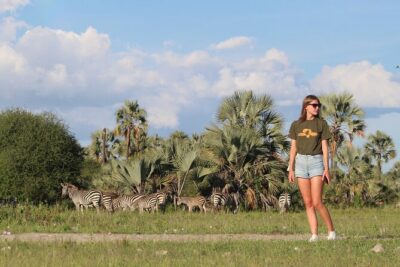
5-Day Highlights mid-Range Crater, Serengeti, Tarangire
Read our review →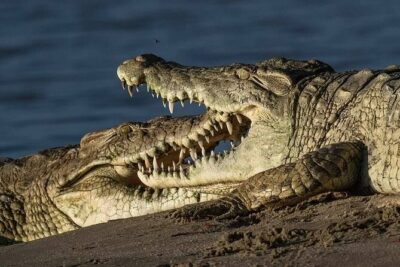
Private 6-Day Tarangire Manyara Crater and Serengeti with Mid-Range Lodges
Read our review →
5 Days Camping Tarangire, Serengeti & Ngorongoro crater & Visiting Maasai
Read our review →Browse the lists this tour appears in