
Reviewed · SERENGETI & NGORONGORO SAFARIS
Arusha: 7-Day Safari to Tarangire, Serengeti, and Ngorongoro
Seven days, three parks, and one crater. This Tanzania safari gives you a strong first look at northern Tanzania, from Tarangire’s giant baobabs to the Serengeti’s open grasslands and Ngorongoro’s crowded wildlife floor. I especially like the small group of up to seven people and the chance to spend two full days in central Serengeti rather than rushing through it. I also like that meals, accommodations, water, a guide, and full-day game drives are included.
The main drawback is the amount of time spent on the road. The route from Tarangire to central Serengeti is long, and the final drive from Ngorongoro back to Arusha takes about four hours after the crater visit. If you want a relaxed holiday with late mornings, this is not it. Early starts, dusty roads, packed lunches, and long days are part of the bargain.
In This Review
- Key points to know before you book
- Three very different parks in seven days
- Day 1: Arusha to Tarangire for a full game drive
- Day 2: Tarangire’s baobabs and changing vegetation
- Day 3: Crossing into the central Serengeti
- Days 4 and 5: Two full days in central Serengeti
- Day 6: From the Serengeti to Ngorongoro
- Day 7: A 6:30 AM crater descent
- What the $4,100 price really covers
- Timing, comfort, and practical preparation
- Who will enjoy this safari most
- Should you book this seven-day safari?
- FAQ
- How long is the safari?
- Which parks and protected areas are included?
- Where can pickup take place?
- Where can drop-off take place?
- Is the group large?
- What languages are available?
- Are meals and drinks included?
- What is not included in the price?
- What should I bring?
Key points to know before you book
- Tarangire’s baobabs and nine vegetation zones give the opening days a striking mix of scenery and wildlife.
- Two full days in central Serengeti allow time for both early and afternoon game drives.
- Ngorongoro Crater’s five-hour drive offers some of Tanzania’s best chances for seeing elephants, buffalo, hippos, hyenas, cheetahs, lions, and black rhinos.
- A picnic in the Serengeti and another by the crater’s Hippo Pool make meals part of the setting, not just a break from sightseeing.
- Guide Nickson is praised for sharp animal spotting and careful driving, while organizer Herman handles the accommodation arrangements.
- The $4,100 price includes the major daily costs, but international airfare, visas, insurance, laundry, and domestic flights are extra.
Three very different parks in seven days
I like this route because each park has a clear personality. Tarangire is about baobabs, elephants, and varied plant life. Serengeti is about distance, herds, and predators. Ngorongoro is about concentration, with many animals living within a dramatic volcanic bowl.
You are not simply ticking off three names on a map. The change from one park to the next helps you understand northern Tanzania as a connected wildlife region. Still, the schedule is active, and the distances matter. You should choose this trip for its wildlife coverage rather than for slow travel.
The group limit of seven is a practical advantage. You have fewer people competing for a good view, and decisions during game drives should be easier than in a large coach group. The guide also provides one pair of binoculars, though I would still bring your own if you have them.
The guiding is available in English or German. Nickson receives particular praise for spotting animals, explaining the land and wildlife, stopping for photographs, and driving in a calm, safe manner. Those details matter on safari. A good guide can notice a distant animal before you do, then position the vehicle without creating a noisy scene.
More Serengeti and Ngorongoro safaris:
- Balloon Safari & Bush Breakfast in Serengeti – Miracle Experience
★ 5.0 · 1,646 reviews - 3 Days Serengeti & Ngorongoro Group Camping Safari
★ 5.0 · 574 reviews - 5-Day Highlights mid-Range Crater, Serengeti, Tarangire
★ 5.0 · 296 reviews
Day 1: Arusha to Tarangire for a full game drive
Your safari begins with pickup in Arusha. Pickup options also include Kilimanjaro International Airport, Arusha Airport, and Moshi, which gives you some useful flexibility when planning flights and hotels.
You travel to Tarangire with a picnic lunch and spend the day on a game drive. The park is described as Tanzania’s third-largest national park, and its most memorable feature may be the ancient baobab trees. Their thick trunks and high branches make nearby giraffes look surprisingly small.
That first day gives you an immediate sense of scale. Animals feed beneath the trees, while the park’s broad vegetation zones change the view as you move through it. You may find the first day tiring, especially if you have just arrived in Tanzania, but the full schedule makes good use of your time.
A picnic lunch in the park keeps you close to the setting. It also means you should pack practical clothing, sunscreen, a hat, and comfortable shoes. Dust and sun are not minor details here.
Day 2: Tarangire’s baobabs and changing vegetation
After breakfast, you spend another full day in Tarangire. I consider this extra time a real strength. One game drive can give you a quick impression, but a second day lets you look beyond the famous trees and notice the park’s variety.
Tarangire has nine different vegetation zones. That variety helps explain why the park supports such a broad mix of wildlife. The baobabs are the visual stars, but the changing plant life gives the drive more texture than a single open plain.
The schedule does not specify a particular animal list for Tarangire, so you should not treat this day as a guarantee of any one sighting. Safari viewing depends on conditions and animal movement. The value here is time in a distinctive park before you head toward the Serengeti.
You return to accommodation after the day’s activity, with meals and lodging covered according to the trip plan. Since specific lodge and camp names are not provided, ask for the exact accommodation list before paying if room style, location, or comfort level is important to you.
Day 3: Crossing into the central Serengeti
After breakfast, you travel toward central Serengeti through seemingly endless grasslands. The journey is a major part of the day, so I would set your expectations carefully. This is not a short transfer followed by hours of sightseeing. You are moving between major wildlife areas, and the road time is part of the cost of seeing them.
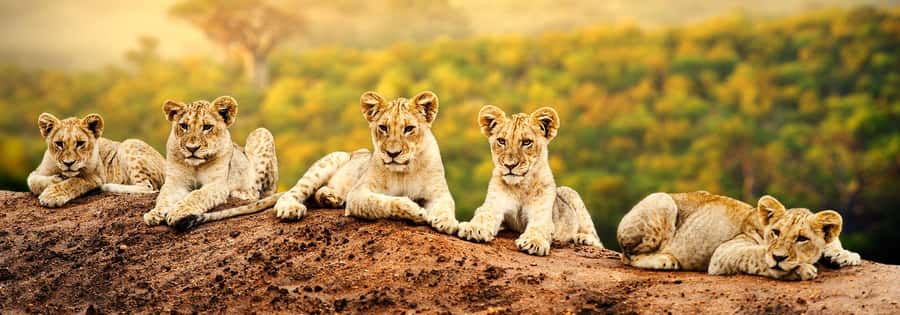
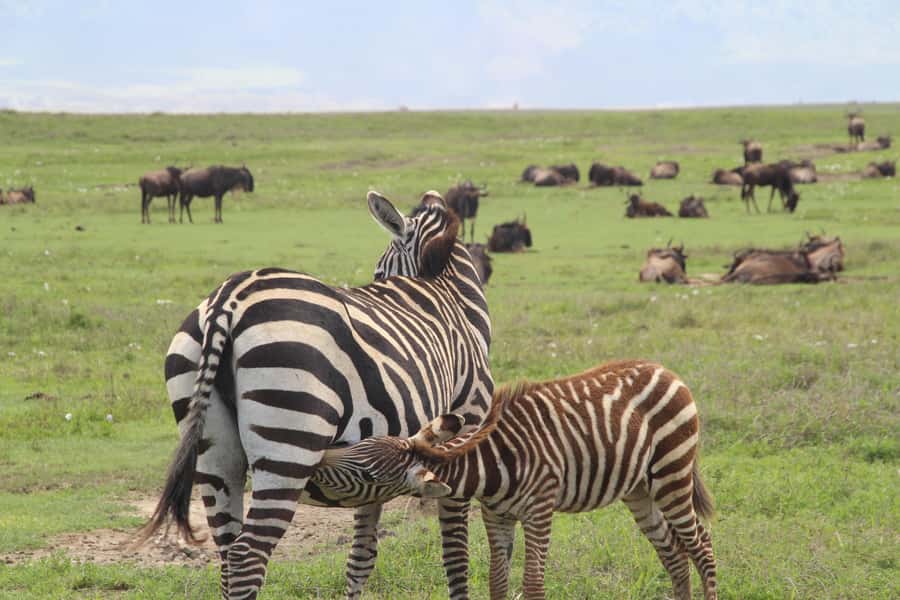
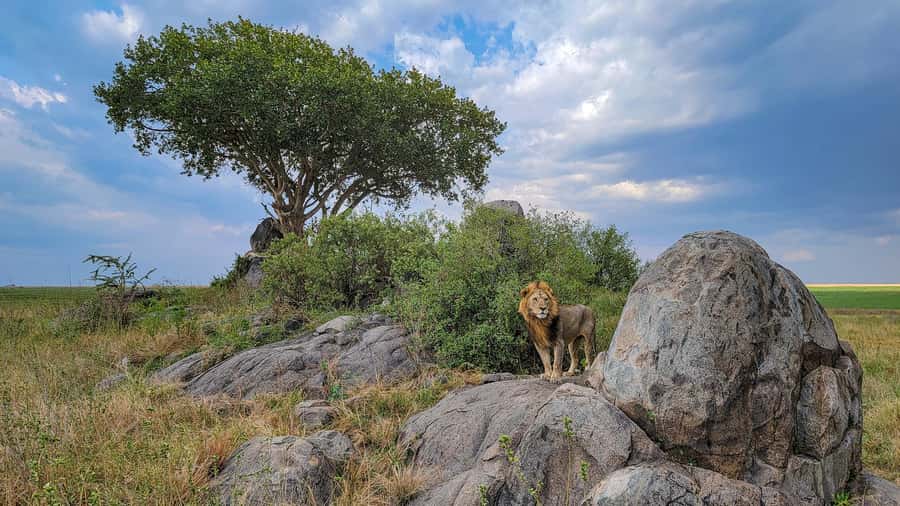
The reward comes with an afternoon game drive in the Serengeti. This is where you may encounter wildebeest, zebras, gazelles, and lions resting in the shade. The open plains give you long views, but they can also make animals appear very far away. That is another reason Nickson’s sharp eyes and the guide’s binoculars are useful.
The Serengeti is famous for the great wildebeest herds, but the exact location of the herds changes. This route focuses on the central portion, not a guaranteed migration crossing at a particular river. If your main goal is a specific migration event, ask about seasonal timing before booking.
More Tarangire safaris:
- Private 6-Day Tarangire Manyara Crater and Serengeti with Mid-Range Lodges
★ 5.0 · 238 reviews - 5 Days Camping Tarangire, Serengeti & Ngorongoro crater & Visiting Maasai
★ 5.0 · 229 reviews - 4 Days Join Group tour Tarangire Serengeti and Ngorongoro crater
★ 5.0 · 219 reviews - 4-Day Safari from Arusha: Tarangire, Serengeti and Ngorongoro
★ 5.0 · 173 reviews
Days 4 and 5: Two full days in central Serengeti
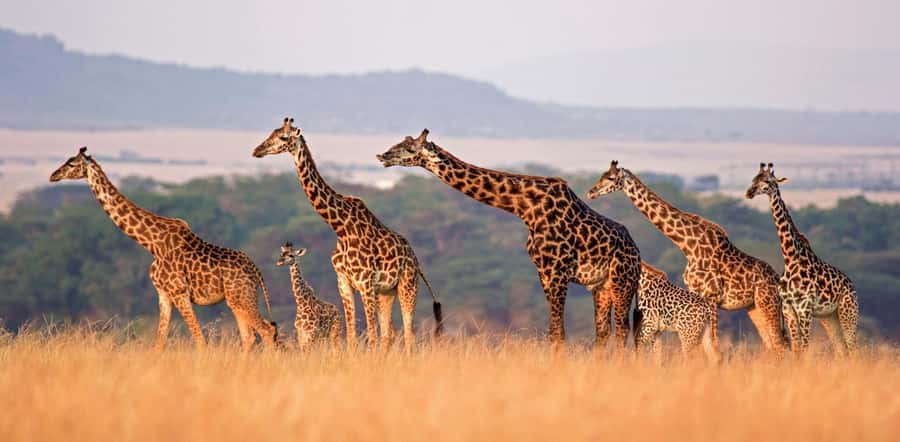
These are the safari’s best days for setting your own rhythm. You can leave around 9:00 AM for a full-day drive with a packed lunch and return around 6:00 PM. Or, you can start at 6:00 AM, return for breakfast and some rest, then head out again in the afternoon with another packed lunch.
I like having both choices. The early drive suits you if you want cooler conditions and a chance to see animals active at the start of the day. The later option gives you a slower morning and still provides a long afternoon in the park. Ask your guide which timing fits current conditions and your priorities.
A full day in central Serengeti is valuable because animal viewing is unpredictable. You might spend time watching a pride of lions, then travel on in search of another sighting. You are not limited to a brief morning loop before moving to the next hotel.
The packed lunch is convenient, though it is less leisurely than a lodge meal. You should bring water, sunscreen, and a camera that is ready to use. Mineral water and soft drinks are included, along with coffee and tea during the day.
Late returns are part of the plan. A drive until about 6:00 PM can be rewarding, but it may feel long after several days on rough roads. If you want to preserve energy, discuss the shorter or split-day option with your guide rather than trying to do every possible hour.
Day 6: From the Serengeti to Ngorongoro
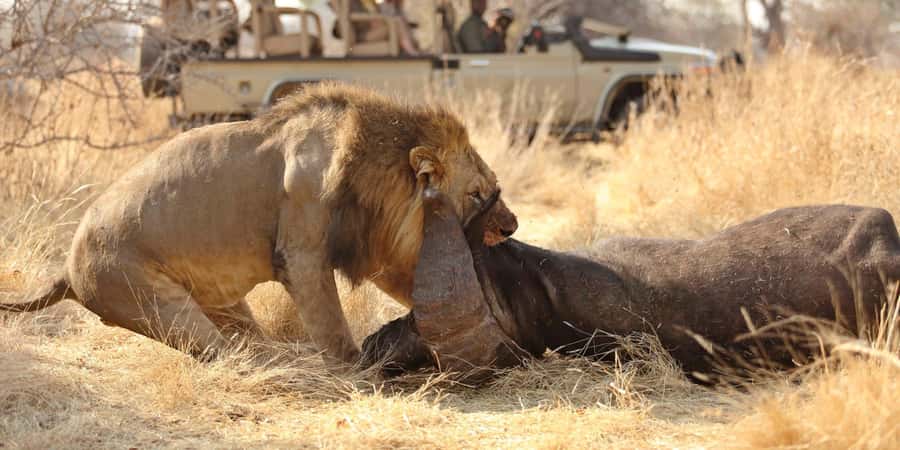
The sixth day begins with a morning game drive in Serengeti before you leave for the Ngorongoro Conservation Area. You have a picnic lunch for the journey, then settle into a very different setting.
Ngorongoro Crater is the world’s largest collapsed volcanic crater, with a floor of about 260 square kilometers and a depth of more than 2,000 feet. The crater is surrounded by extinct volcanoes, and its watering holes support roughly 30,000 animals.
That concentration is what makes Ngorongoro so compelling. In the Serengeti, you may scan a wide plain for movement. In the crater, the setting is enclosed, and animals gather around water and grazing areas. The scenery is dramatic, but the crater’s popularity also means the experience can feel busy at times. The supplied details do not give a vehicle count or crowd estimate, so ask the operator about typical conditions for your travel dates.
After the crater-area visit, you have dinner and spend the night in your accommodation. The schedule refers to Karatu for the final night, but exact lodging details are not supplied. Confirm whether the room is in Karatu and what facilities are included if that matters to you.
Day 7: A 6:30 AM crater descent
The final day begins early, with a quick breakfast and a descent toward the crater floor at about 6:30 AM. You spend roughly five hours on a game drive, followed by a picnic lunch at the beautiful Hippo Pool.
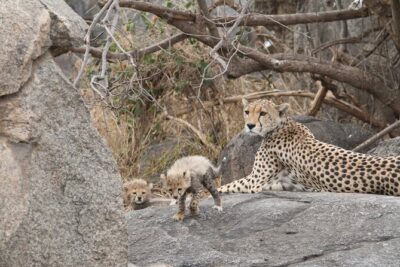
This is a strong finish. The crater is known for African elephants, buffalo, black rhinos, hippos, hyenas, cheetahs, and lions. No safari can promise every sighting, but the crater’s enclosed setting gives you a serious chance to see a wide range of animals in one day.
Keep your camera ready, but do not let photography take over. A guide who notices an animal, explains its behavior, and drives carefully can make the moment better than a hurried series of photographs. Nickson’s calm approach is particularly relevant here, since the crater day combines a fixed descent, a long drive, and a steep climb out.
After lunch, you ascend from the crater and begin the approximately four-hour drive to Arusha. Drop-off is available in Arusha, at Arusha Airport, in Moshi, or at Kilimanjaro International Airport, with arrival in Arusha expected by about 6:00 PM.
Do not schedule a tight international flight that evening unless you have checked the timing very carefully. The tour provides an estimated arrival, not a firm guarantee, and road conditions or the crater schedule can affect the day.
What the $4,100 price really covers
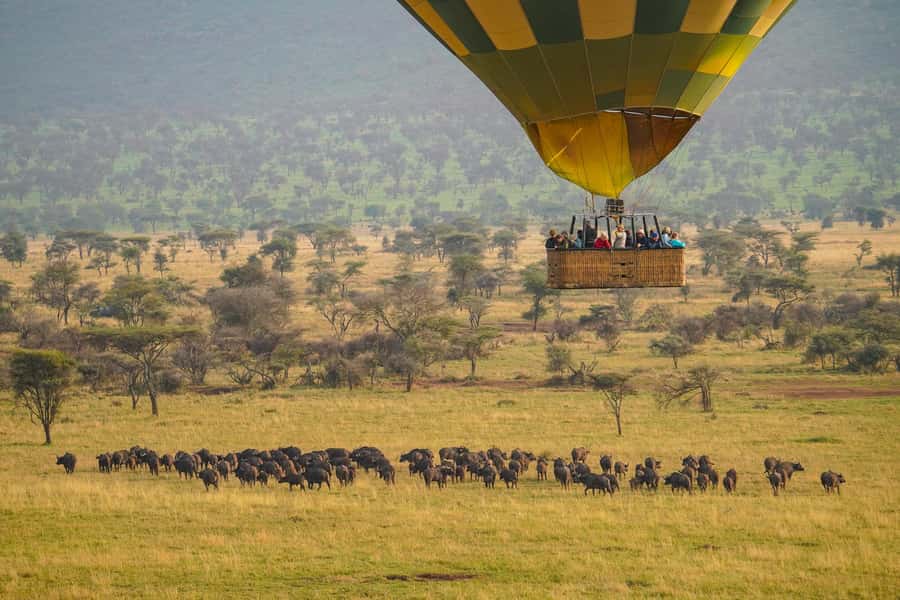
At $4,100 per person, this is a major purchase. Its value depends on how much you want handled for you. The price includes hotel pickup and drop-off, accommodation according to the plan, meals, full-day game drives, mineral water, soft drinks, coffee, tea, a professional guide, unlimited game-drive time, and one pair of binoculars from the guide.
Those inclusions cover many of the costs that can quickly add up on safari. You are paying for seven days of transport between parks, several long game-drive days, park access arrangements handled by the operator, meals, and lodging. A group limit of seven also gives you a more personal setup than a large vehicle tour.
The missing costs matter. Personal spending, travel insurance, visas, international airfare, domestic flights, and laundry are not included. If you are arriving from abroad, calculate those separately before deciding that the quoted price is your full trip budget.
The accommodation description is comfortable, but no properties or room categories are named. I would ask for the accommodation names, meal format, and whether rooms are private before booking. This is especially important because lodge quality can shape how you feel after several early starts.
Timing, comfort, and practical preparation
You need to be ready for early mornings. Day seven starts around 6:30 AM, and the Serengeti schedule may begin at 6:00 AM. Bring light, comfortable clothing, a hat, sunscreen, and sturdy comfortable shoes.
A camera is obvious, but a small day bag is just as useful. Keep water, sun protection, and anything you need during a long drive close by. The included drinks help, but you should still confirm the daily water arrangement with the guide.
A passport or identity card is required, and some nationalities need a visa. Travel insurance is recommended. Check the weather forecast before leaving and dress for changing conditions rather than assuming every day will be hot and dry.
The activity is described as wheelchair accessible. If you use a wheelchair, contact the operator before booking to confirm how vehicle access, lodge access, and crater-day arrangements will work for your particular needs. The available guide languages are English and German.
Cancellation is flexible, with a full refund available when you cancel at least 24 hours in advance. You can also reserve and pay later, which helps if your travel dates are still shifting.
Who will enjoy this safari most
I would choose this trip if you want the classic northern Tanzania route in one organized package. It suits you if seeing wildlife matters more than sleeping late, and if you want a guide managing the long transfers, meals, and park days.
It is also a good fit for first-time safari visitors who want Tarangire, Serengeti, and Ngorongoro without arranging each section themselves. The small group and English or German guiding make it easier to ask questions and adjust the day’s game-drive timing.
I would hesitate if you dislike long road journeys, need a slow pace, or want named luxury lodges before committing. The schedule is full, and the last day combines a five-hour crater drive with a four-hour return to Arusha.
The strongest praise connected with this experience concerns Nickson’s driving, animal spotting, explanations, and calm handling of wildlife encounters. Herman is credited with organizing the accommodations. Those are encouraging signs, but you should still request the final accommodation details and confirm pickup and drop-off arrangements in writing.
Should you book this seven-day safari?
Book it if you want broad wildlife coverage, two full Serengeti days, and a small group with the major daily costs included. The route gives you baobabs in Tarangire, open plains in Serengeti, and dense animal viewing in Ngorongoro, with picnic lunches adding a simple connection to each park.
Think twice if you want a quiet lodge holiday or a short transfer between parks. At $4,100, the trip needs to match your priorities, but the inclusion of guiding, meals, accommodation, drinks, and seven days of game drives gives the price a reasonable basis.
Before you pay, confirm the accommodation names, the exact pickup point, the vehicle arrangements, and the dates that suit your wildlife goals. If those details work for you, this is a well-focused introduction to Tanzania’s most famous safari parks.
FAQ
How long is the safari?
The safari lasts seven days.
Which parks and protected areas are included?
The route includes Tarangire National Park, Serengeti National Park, and the Ngorongoro Conservation Area, including a game drive on the Ngorongoro Crater floor.
Where can pickup take place?
Pickup options include Arusha Urban, Kilimanjaro International Airport, Arusha Airport, and Moshi. Hotel pickup in Arusha is also included.
Where can drop-off take place?
Drop-off options include Arusha Urban, Arusha Airport, Moshi, and Kilimanjaro International Airport.
Is the group large?
No. The group is limited to seven participants.
What languages are available?
Live guiding is available in English and German.
Are meals and drinks included?
Meals are included according to the safari plan. Mineral water, soft drinks, coffee, and tea are also included during the day.
What is not included in the price?
Personal expenses, travel insurance, visas, international airfare, domestic flights, and laundry are not included.
What should I bring?
Bring comfortable shoes, a hat, sunscreen, and a camera. You also need a passport or identity card, and you should check visa requirements for your nationality.
Just added in Arusha
- Safari “Kifaru” – 5 days in the most famous Parks in the world★ 5.0 · 4 reviews
- Saadani Day Trip★ 5.0 · 13 reviews
- 3 Days Tanzania Short and Spicy★ 5.0 · 6 reviews
- 5 Day Tanzania Safari Camping Adventure Private Tour★ 5.0 · 2 reviews
- Day Trip to Ngorongoro Crater from Arusha★ 5.0 · 1 review
- SERENGETI NATIONAL PARK Tour★ 4.5 · 5 reviews
- 6 Days Tanzania Bush Experience Safari★ 5.0 · 6 reviews
- 3 Days Serengeti Park & Ngorongoro Crater Adventure Safari★ 5.0 · 8 reviews
Serengeti & Ngorongoro Safaris, compared.
Serengeti Balloon Safari and authentic bush breakfast
Read our review →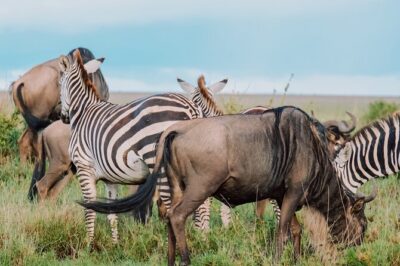
Balloon Safari & Bush Breakfast in Serengeti – Miracle Experience
Read our review →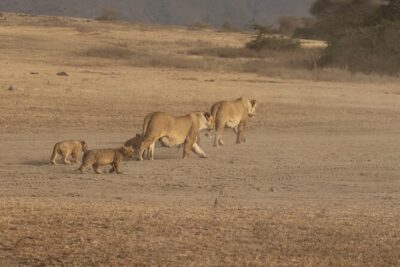
3 Days Serengeti & Ngorongoro Group Camping Safari
Read our review →
5-Day Highlights mid-Range Crater, Serengeti, Tarangire
Read our review →
Private 6-Day Tarangire Manyara Crater and Serengeti with Mid-Range Lodges
Read our review →
5 Days Camping Tarangire, Serengeti & Ngorongoro crater & Visiting Maasai
Read our review →Browse the lists this tour appears in